

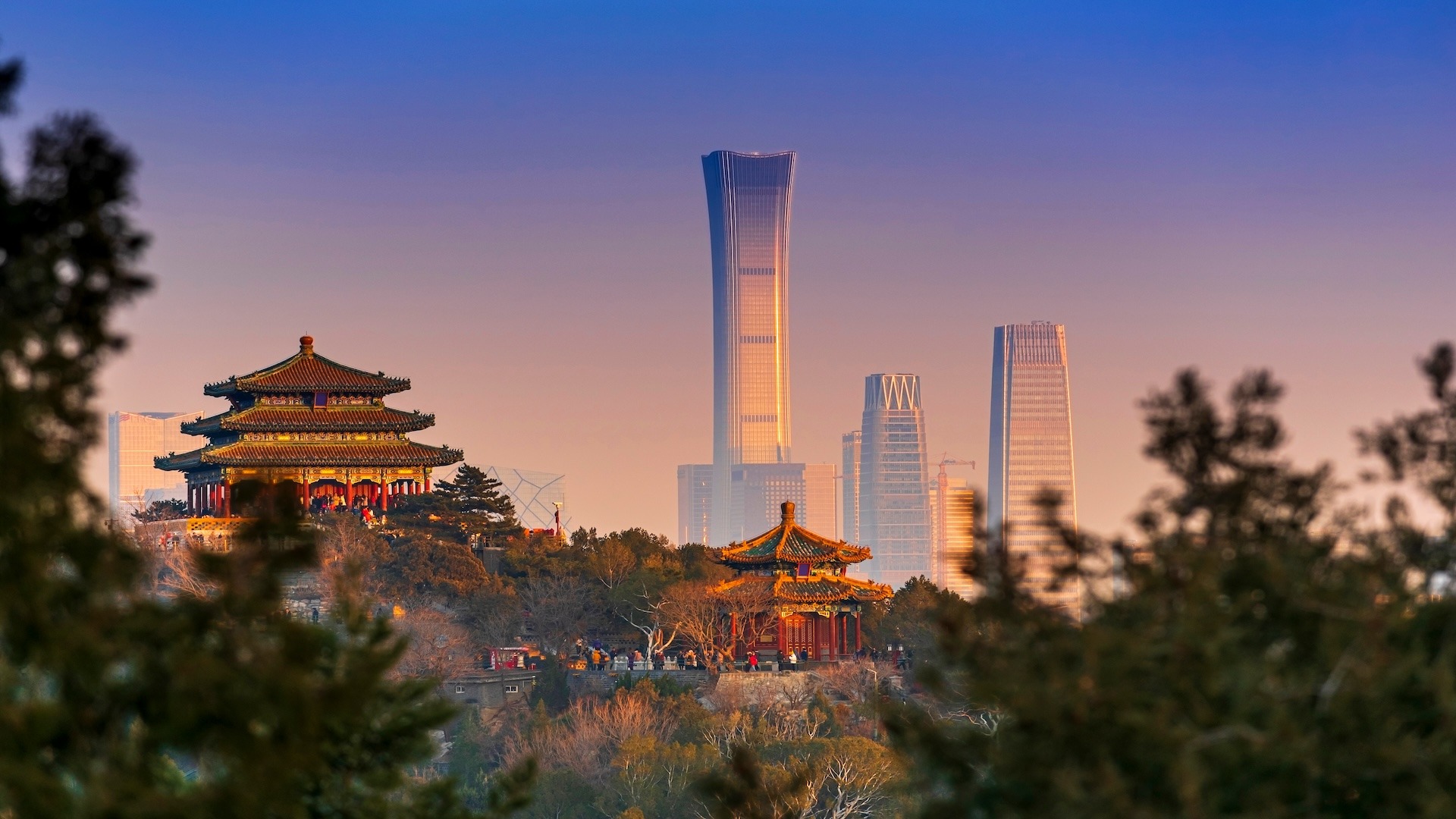
Pandas and Old Beijing
Summary
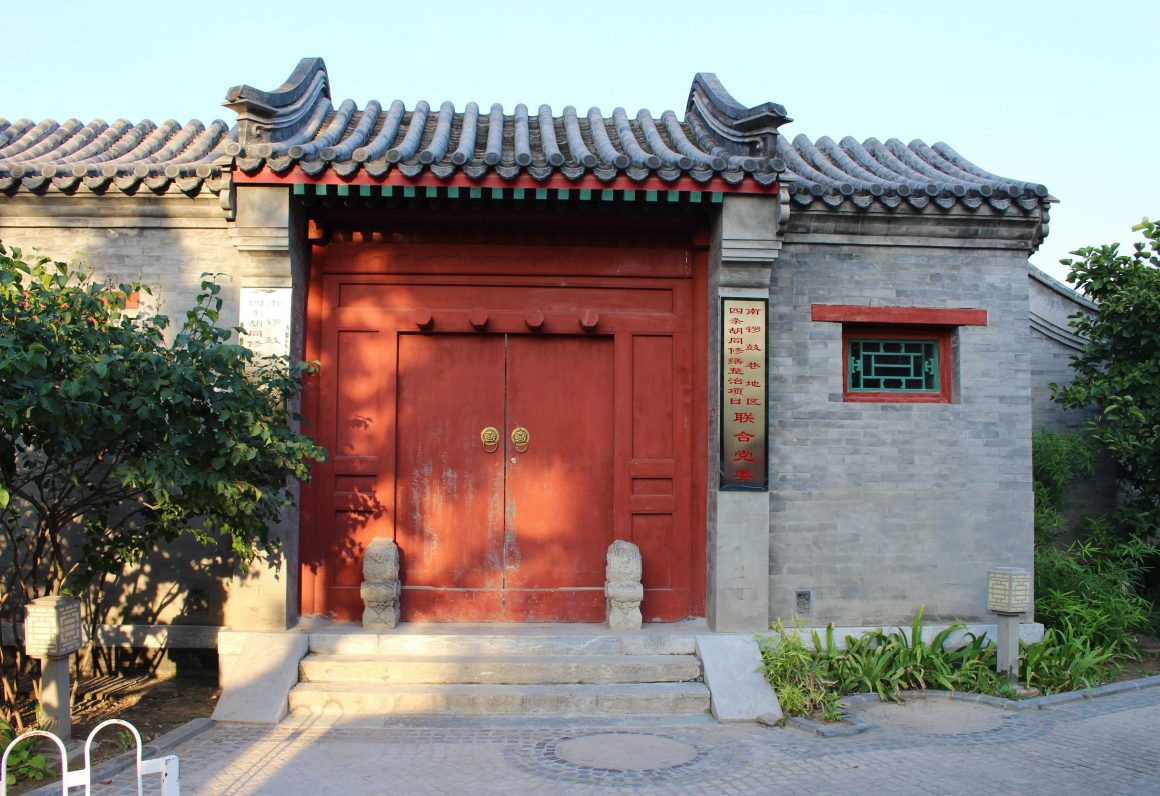
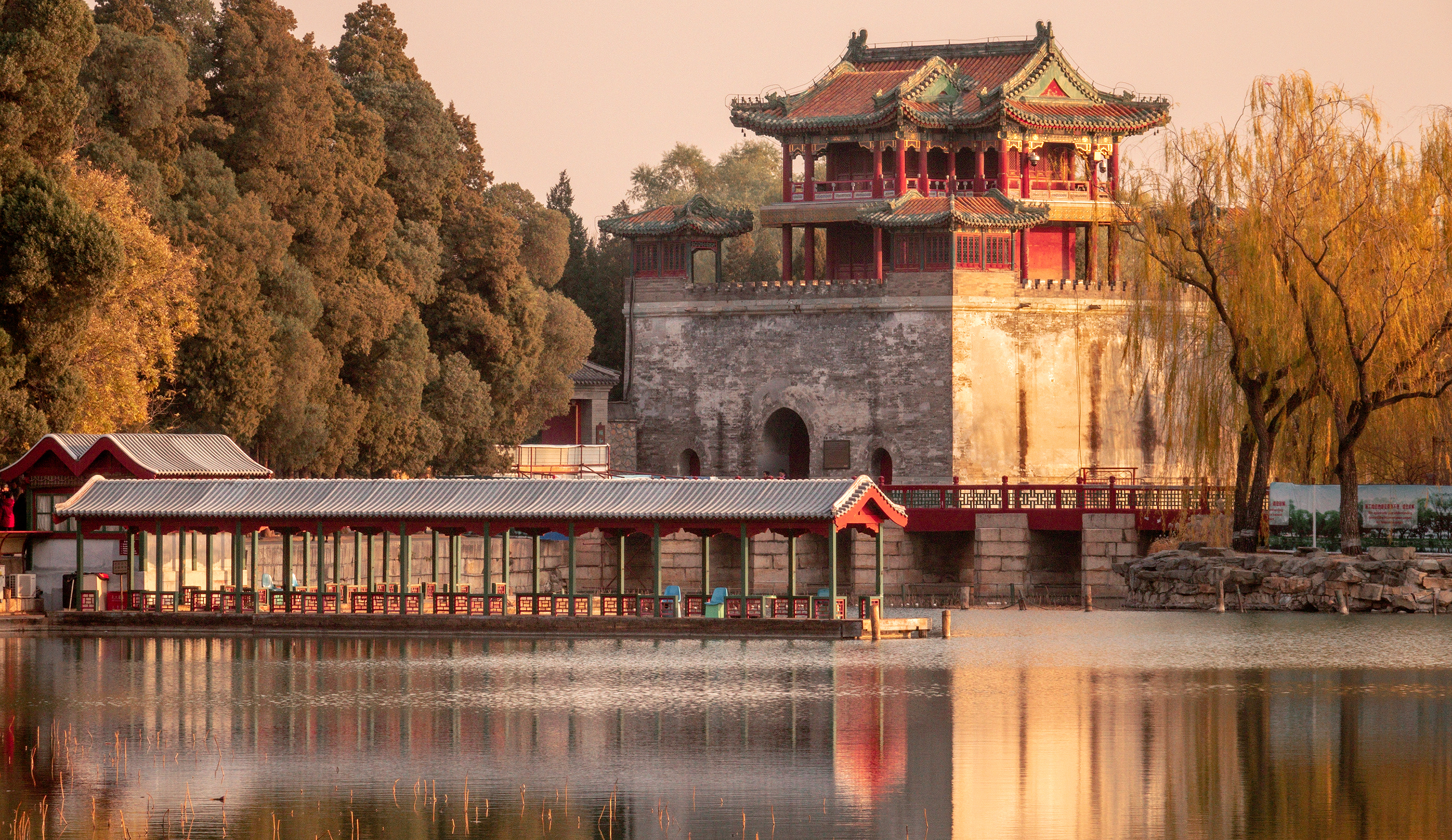
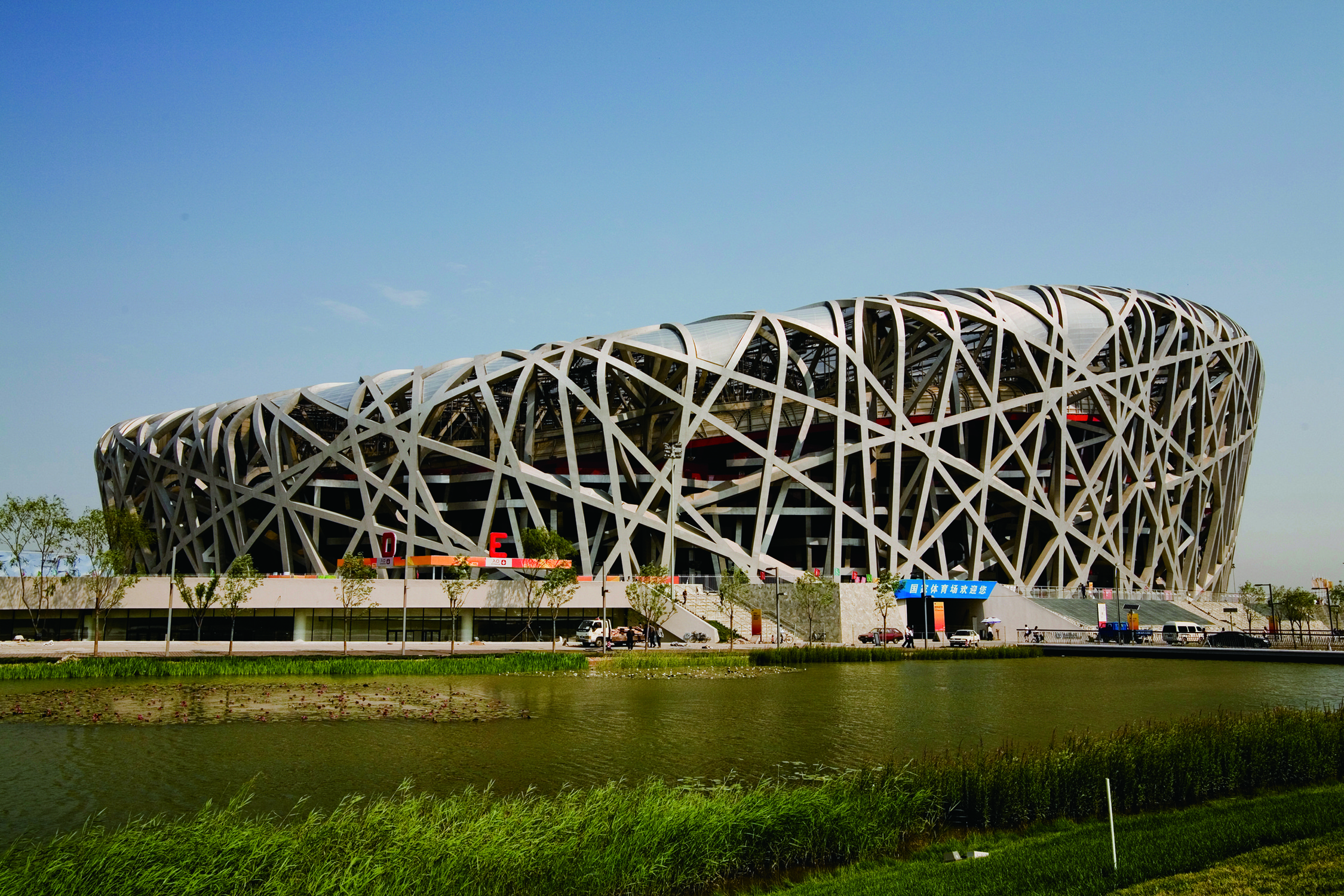
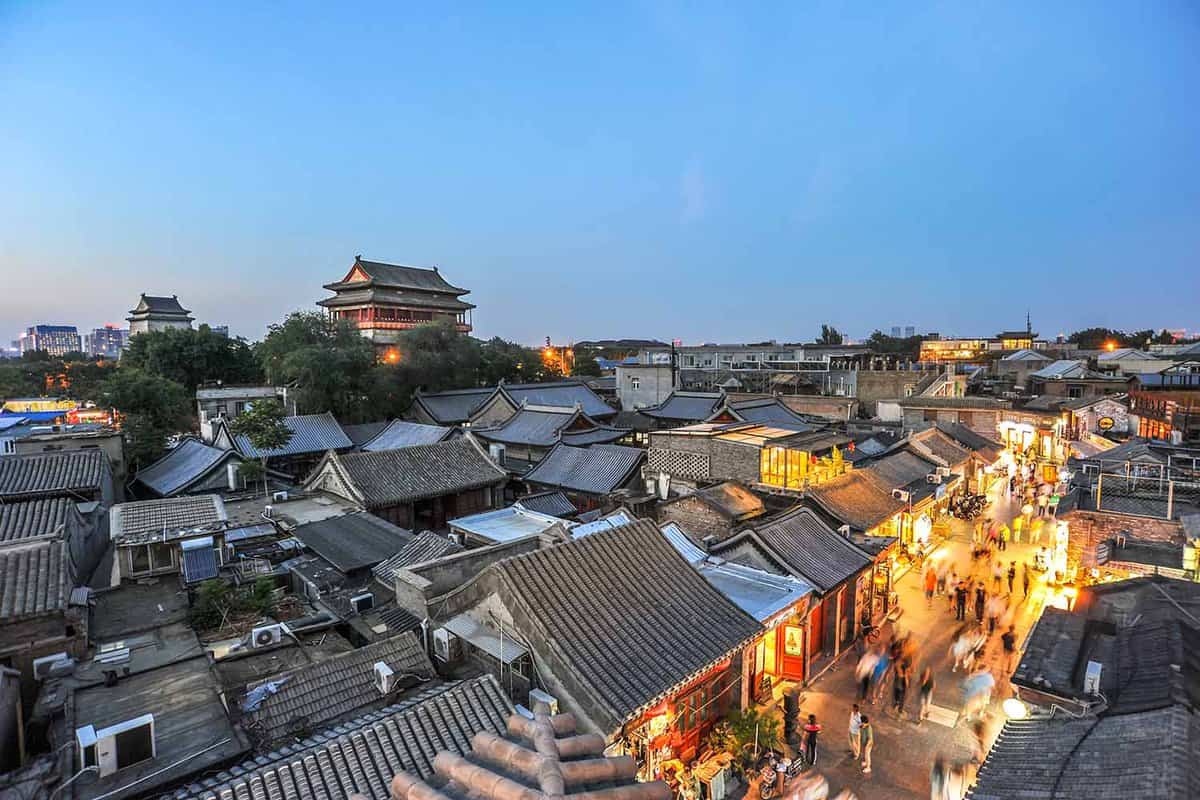
Beijing holds its history close. This day moves through several of its most considered layers: the giant panda enclosures at Beijing Zoo, the Bell and Drum Towers, the hutong neighbourhoods navigated by rickshaw, and the Confucius Temple and Imperial College complex in the city's northeast. A dumpling-making lunch in a hutong alley provides a moment of pause between the morning and afternoon. The pace is unhurried. The sequence is deliberate. Each stop is chosen for what it communicates about the city rather than for spectacle.
Highlights
- Observing giant pandas at close range within Beijing Zoo, one of the few institutions in the world maintaining a significant breeding population
- A rickshaw passage through the hutong alleyways near the Bell and Drum Towers, where the scale of the city reduces to something navigable and human
- A hands-on dumpling lunch prepared inside a hutong residence, giving context to a staple that varies quietly from household to household
- The Lama Temple, a functioning Tibetan-Buddhist site of unusual architectural weight within a predominantly Han city
- The Confucius Temple and adjacent Imperial College, where the examination system that shaped Chinese civil governance for centuries is documented in stone and timber
What is included in this tour?
Items that are included in the cost of tour price.- English speaking guide service
- Private transfer in air-conditioned vehicle
- Entrance fee
- Dumpling cooking lunch in a Hutong family
- Rickshaw ride in the Hutongs
What is not included in this tour?
Items that are not included in the cost of tour price.- International airfare
- China Visa
- Hotel accommodation
Day by day Itinerary
Day 1
Beijing: Giant Pandas, Hutong Lanes, and the Temples of ScholarshipThe day begins at approximately 9:00am with a transfer to Beijing Zoo, home to one of the world's most carefully managed giant panda populations. Time here is spent observing the animals at a considered pace rather than moving through quickly. From the zoo, the route crosses to the Bell and Drum Towers, the ceremonial timekeepers of imperial Beijing, before the mode of transport shifts. A rickshaw takes the journey into the hutong network, the narrow grey-walled alleyways that predate most of what surrounds them and still function as residential streets. Lunch is a practical and instructive one: dumplings made by hand in an alley setting, a form of cooking that remains central to everyday life in northern China. The afternoon moves to the Lama Temple, a Tibetan-style Buddhist complex that has operated continuously since the eighteenth century and carries a distinct atmosphere within the city. The day closes at the Confucius Temple and Imperial College, where the physical record of China's examination culture remains largely intact. A guide provides context on how Confucian principles shaped governance, social structure, and personal

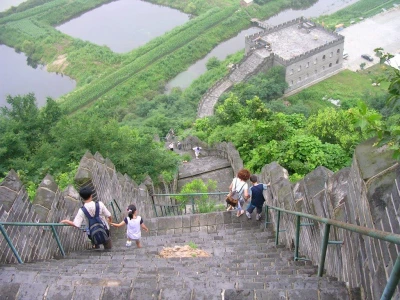
Great Wall Hiking In 3 Days
 3
3 3 days 2 nights
Discover one of the Seven New Wonders of the world on this private 3-day hiking adventure along the Great Wall of China, including accommodation and meals. Hike along famous sections of the UNESCO-listed wall at Gubeikou, Jinshanling, and Simatai, and escape the crowd as you visit nearby villages and discover sections of the original wall. Covering between 4 and 10 miles (6 and 16 km) each day, the hikes are moderate and a backup vehicle is available en-route.
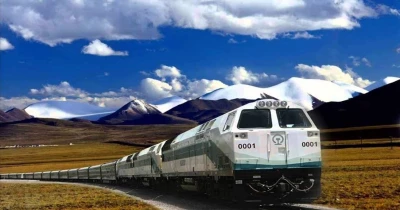
Tibet Adventure Tour
15 15 days 14 nightsFrom modern Beijing, travel back in time across scenic countrysides to Tibet on this well-packed overland adventure. Witness the splendor of the Potala Palace and the majesty of remote monasteries and then celebrate the stunning overland journey to Kathmandu. Wake up to views of Everest and enjoys a window into the heart of this remote land. A local guide and Chief Experience Officer will show you to the region’s hidden gems and make sure your trip burns brightly in your memory long after you’ve climbed down from the roof of the world.
Highlights of Tibet Tour
13 13 days 12 nightsDiscover the highlights of Tibet- the rooftop of the world, locked away in its Himalayan fortress! Discover enchanting Lhasa – home to the famous Potala Palace and Jokhang Monastery, the spectacular Yam Drok Lake, Gyantse’s kumbum, Tashilunpo Monastery in Shigatse and Yumbulakhang, the oldest palace in Tibet.
Exploring Beijing To Hong Kong Route
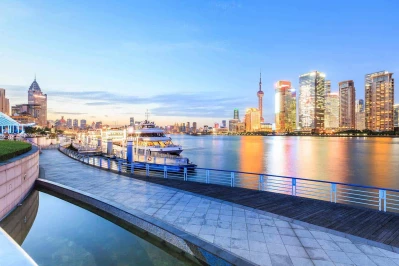
13 13 days 12 nightsChina really does have it all- tranquil countryside full natural scenery and hiking trails, supercities boasting incredible, and historic, artistic and cultural discoveries to make at every turn. Get acquainted with this country’s complexity and contrasts with this fascinating lonely planet experience that will have you walking the Great Wall, trekking through the Longji rice terraces, idling the hours away in serene Hongcun, drifting along the Li River and living it up in Hong Kong. Jam-packed with color and culture, China will astonish you with the levels of diversity throughout the country.
Explore A Wild China Tour
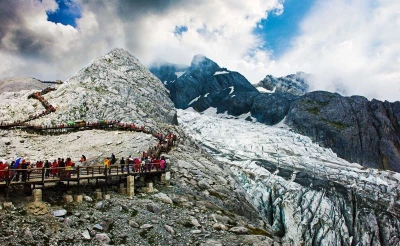
19 19 days 18 nightsDiscover the many different parts of China, all in one trip! We carefully selected all the must-see highlights of China for you to explore the soul of this ancient mysterious country. Indulge in the natural beauty, marvel at the rich culture and be awed by the incredible history. The Yangtze river cruise is an experience you can’t miss and seeing cute pandas up close and personal will be a lifelong memory.
Essential China Tour
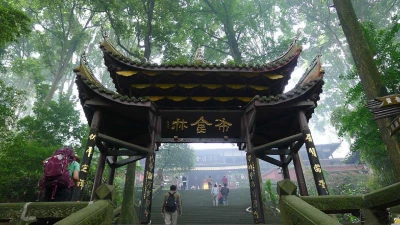
18 18 days 17 nightsEncounter the essence of China in all its wonderful diversity- climb the Great Wall and stare down the Terracotta Warriors before heading down South on this tour of China’s cultural and natural highlights. Rest your gaze on the giant Buddha of Leshan and explore ancient mountainside monasteries at Emei Shan, then float down the world-famous Three Gorges of the Yangtze River before stepping out to experience the vibrant rural life and stunning scenery of Yangshuo. This adventure offers a great combination of must-see highlights and free time to explore on your own.
Tibet Encompassed
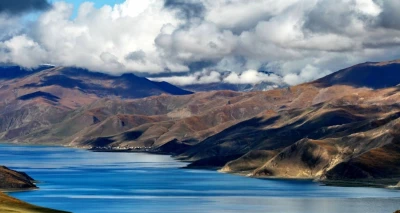
14 14 days 13 nightsThis 14 days golden tourist route in China and Tibet, with highlights of a once-in-a-lifetime Tibet tour by Tibet train through Qinghai-Tibet railway, the sky road in the world, and a relaxing Yangtze River cruise, will take you to the most beautiful scenery in China and Tibet. In the meantime, you will experience stunning diversity and contrasts of ancient tradition and modern fashion, witness the rapid growth in the golden triangle cities.
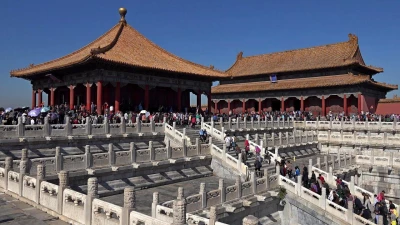
Gourmet China
11 11 days 10 nightsDuring your culinary tour in China, all you need are chopstick skills and our expert guides who scoured this mysterious place for the best regional cuisines. Eat hairy crab and learn how to cook Xiao long bao in your cooking classes in Shangai. Visit China’s most famous tea plantations Dragon Well, in the picturesque mountains of Hangzhou. Beijing dishes up Peking duck dripping in plum sauce and spicy hotspots on a food tour near the Forbidden City. Enjoy a picnic on a secluded spot on the Great Wall. Food stalls in Sichuan make eyes water with chili-laced pork dishes and peppery tofu. Over 5,000 years of history, stunning landscape and a multitude of regional cuisines make this food vacation a once in a lifetime experience.
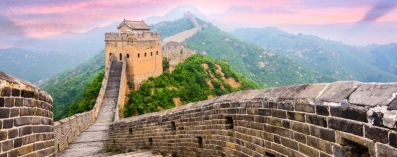
Geat Wall Hiking And Camping
4 4 days 3 nightsAmong its many other attractions, Beijing is lucky enough to have access to some of the most scenic and memorable sections of the Great Wall. This tour package combines all the best Great Wall sections around Beijing into a single, unforgettable hiking extravaganza, including the lakeside Huanghuacheng section, the scenic Mutianyu section, the unrestored Gubeikou section, the steep Jiankou section, and the beautiful Jinshanling section. You will even get a chance to spend a night on the Great Wall, camping in the watchtower on the Gubeikou section. In the morning, you will be able to enjoy breathtaking views of the sun rising over the Wall’s ancient ramparts and the surrounding hills.
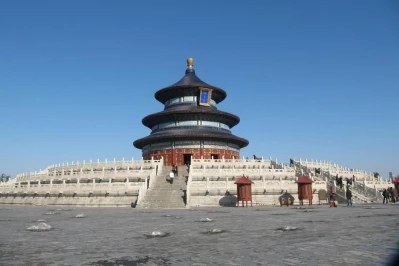
Silk Road China Tour
15 15 days 14 nightsA journey through time down this ancient trade route is a true adventure for travelers intrigued by the less-frequented parts of the globe. You’ll follow in the footsteps of generations of nomads, visiting some of the most important world heritage sites connected to the East and West. Cross sprawling desert landscapes, visit glittering Islamic monuments and stop at small villages, where you will meet the locals and learn about traditional ways of life. Buckle up for the ride, this is no ordinary road trip.
Tibet Adventure Tour
15 15 days 14 nightsFrom modern Beijing, travel back in time across scenic countrysides to Tibet on this well-packed overland adventure. Witness the splendor of the Potala Palace and the majesty of remote monasteries and then celebrate the stunning overland journey to Kathmandu. Wake up to views of Everest and enjoys a window into the heart of this remote land. A local guide and Chief Experience Officer will show you to the region’s hidden gems and make sure your trip burns brightly in your memory long after you’ve climbed down from the roof of the world.
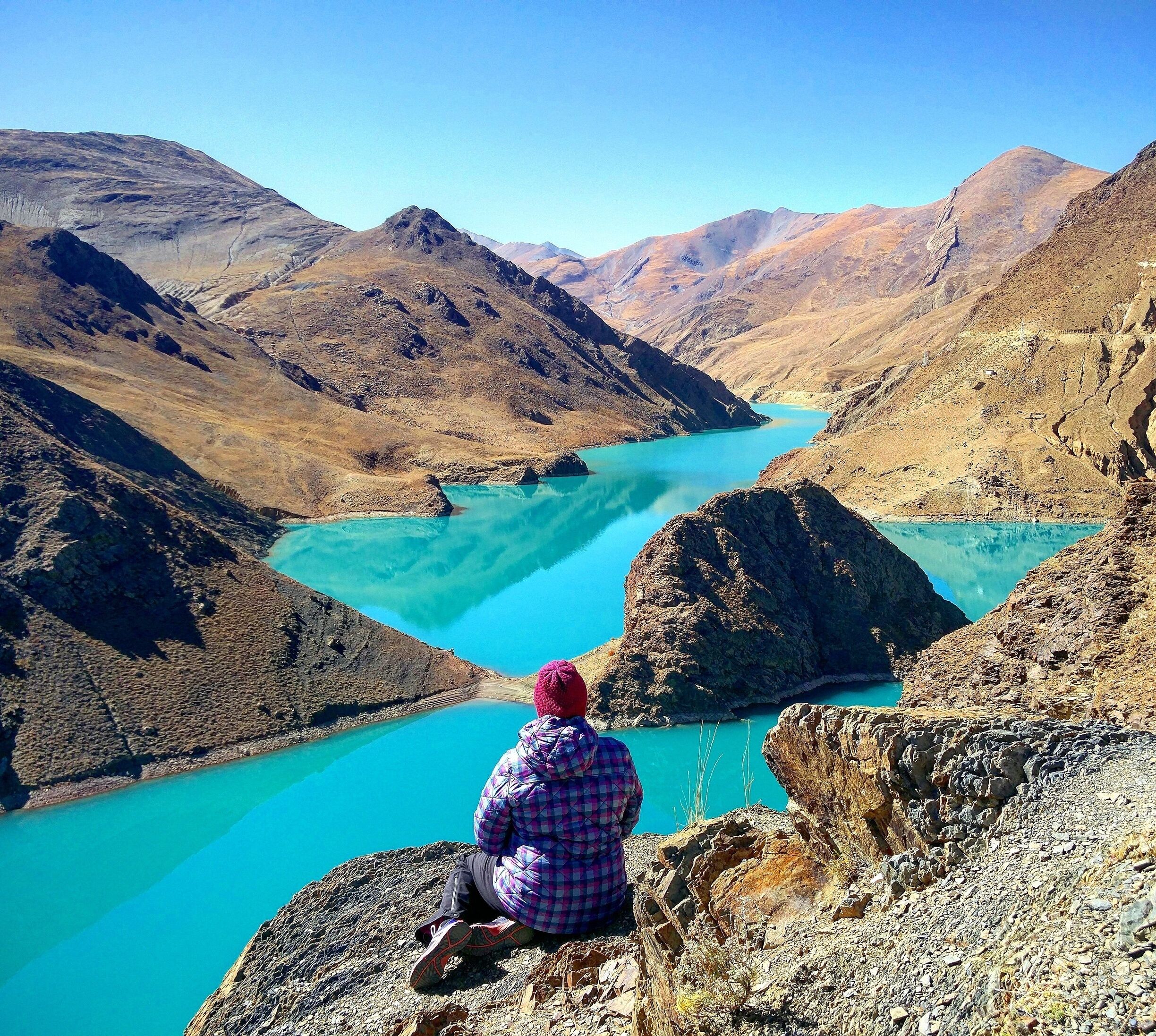
Tibet Adventure Tour
15 15 DAYS Fairly Easy
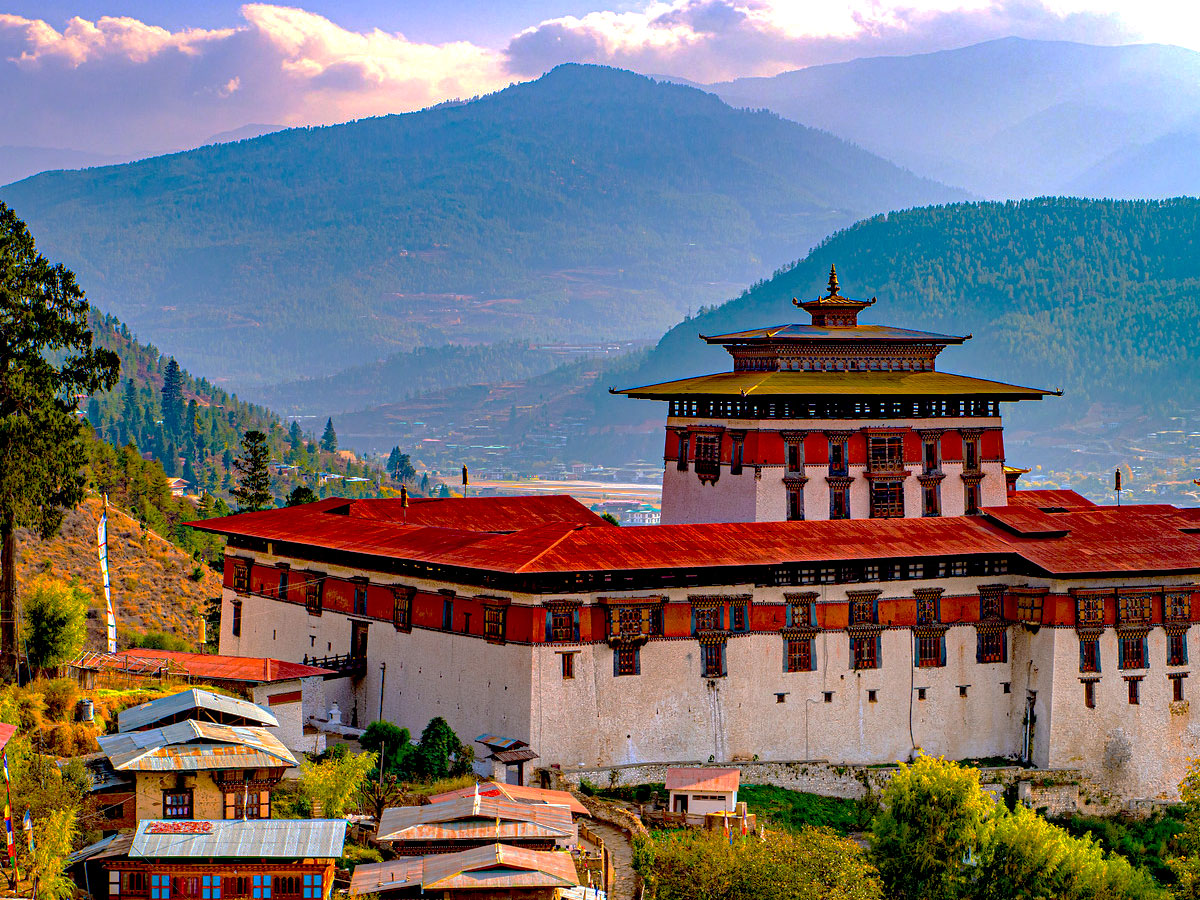
This journey moves from the imperial core of Beijing westward by train across the Tibetan Plateau, reaching Lhasa before continuing overland through monastery towns, high mountain passes, and the flanks of Everest to the Nepal border. The route is unhurried by design. Four nights in Lhasa allow the body to settle at altitude before the itinerary asks anything strenuous of it. A private guide and driver accompany the group throughout China and Tibet, exchanging at the border for a local leader in Kathmandu. The train passage alone — nearly two days crossing the Silk Road corridor and climbing toward the plateau — constitutes a journey worth making in its own right. What follows is a grounded encounter with one of the world's most architecturally and spiritually concentrated landscapes.
Tibet Encompassed
21 21 DAYS Fairly EasyThis journey moves from the imperial heart of China westward across one of the most remote and demanding landscapes on earth. Beginning in Beijing, the route passes through Xi'an before boarding the Qinghai-Tibet Railway, the highest rail line in the world, arriving in Lhasa by way of the Changtang Plateau. Central Tibet unfolds through its monasteries, sacred lakes, and high passes before the route turns west toward Mount Kailash. There, three days on foot trace the ancient circumambulation route around the mountain. The return crosses south toward Everest Base Camp, with a final descent through the Kyirong border crossing into Nepal and on to Kathmandu. The journey requires physical readiness, patience with altitude, and a willingness to move through country that resists hurry.
Great Wall Hiking In 3 Days
3 3 days 2 nightsDiscover one of the Seven New Wonders of the world on this private 3-day hiking adventure along the Great Wall of China, including accommodation and meals. Hike along famous sections of the UNESCO-listed wall at Gubeikou, Jinshanling, and Simatai, and escape the crowd as you visit nearby villages and discover sections of the original wall. Covering between 4 and 10 miles (6 and 16 km) each day, the hikes are moderate and a backup vehicle is available en-route.
Tibet Adventure Tour
15 15 days 14 nightsFrom modern Beijing, travel back in time across scenic countrysides to Tibet on this well-packed overland adventure. Witness the splendor of the Potala Palace and the majesty of remote monasteries and then celebrate the stunning overland journey to Kathmandu. Wake up to views of Everest and enjoys a window into the heart of this remote land. A local guide and Chief Experience Officer will show you to the region’s hidden gems and make sure your trip burns brightly in your memory long after you’ve climbed down from the roof of the world.
Highlights of Tibet Tour
13 13 days 12 nightsDiscover the highlights of Tibet- the rooftop of the world, locked away in its Himalayan fortress! Discover enchanting Lhasa – home to the famous Potala Palace and Jokhang Monastery, the spectacular Yam Drok Lake, Gyantse’s kumbum, Tashilunpo Monastery in Shigatse and Yumbulakhang, the oldest palace in Tibet.
Exploring Beijing To Hong Kong Route
13 13 days 12 nightsChina really does have it all- tranquil countryside full natural scenery and hiking trails, supercities boasting incredible, and historic, artistic and cultural discoveries to make at every turn. Get acquainted with this country’s complexity and contrasts with this fascinating lonely planet experience that will have you walking the Great Wall, trekking through the Longji rice terraces, idling the hours away in serene Hongcun, drifting along the Li River and living it up in Hong Kong. Jam-packed with color and culture, China will astonish you with the levels of diversity throughout the country.
Gourmet China
11 11 days 10 nightsDuring your culinary tour in China, all you need are chopstick skills and our expert guides who scoured this mysterious place for the best regional cuisines. Eat hairy crab and learn how to cook Xiao long bao in your cooking classes in Shangai. Visit China’s most famous tea plantations Dragon Well, in the picturesque mountains of Hangzhou. Beijing dishes up Peking duck dripping in plum sauce and spicy hotspots on a food tour near the Forbidden City. Enjoy a picnic on a secluded spot on the Great Wall. Food stalls in Sichuan make eyes water with chili-laced pork dishes and peppery tofu. Over 5,000 years of history, stunning landscape and a multitude of regional cuisines make this food vacation a once in a lifetime experience.
Geat Wall Hiking And Camping
4 4 days 3 nightsAmong its many other attractions, Beijing is lucky enough to have access to some of the most scenic and memorable sections of the Great Wall. This tour package combines all the best Great Wall sections around Beijing into a single, unforgettable hiking extravaganza, including the lakeside Huanghuacheng section, the scenic Mutianyu section, the unrestored Gubeikou section, the steep Jiankou section, and the beautiful Jinshanling section. You will even get a chance to spend a night on the Great Wall, camping in the watchtower on the Gubeikou section. In the morning, you will be able to enjoy breathtaking views of the sun rising over the Wall’s ancient ramparts and the surrounding hills.
Beijing to Hong Kong by Private Rail and Air
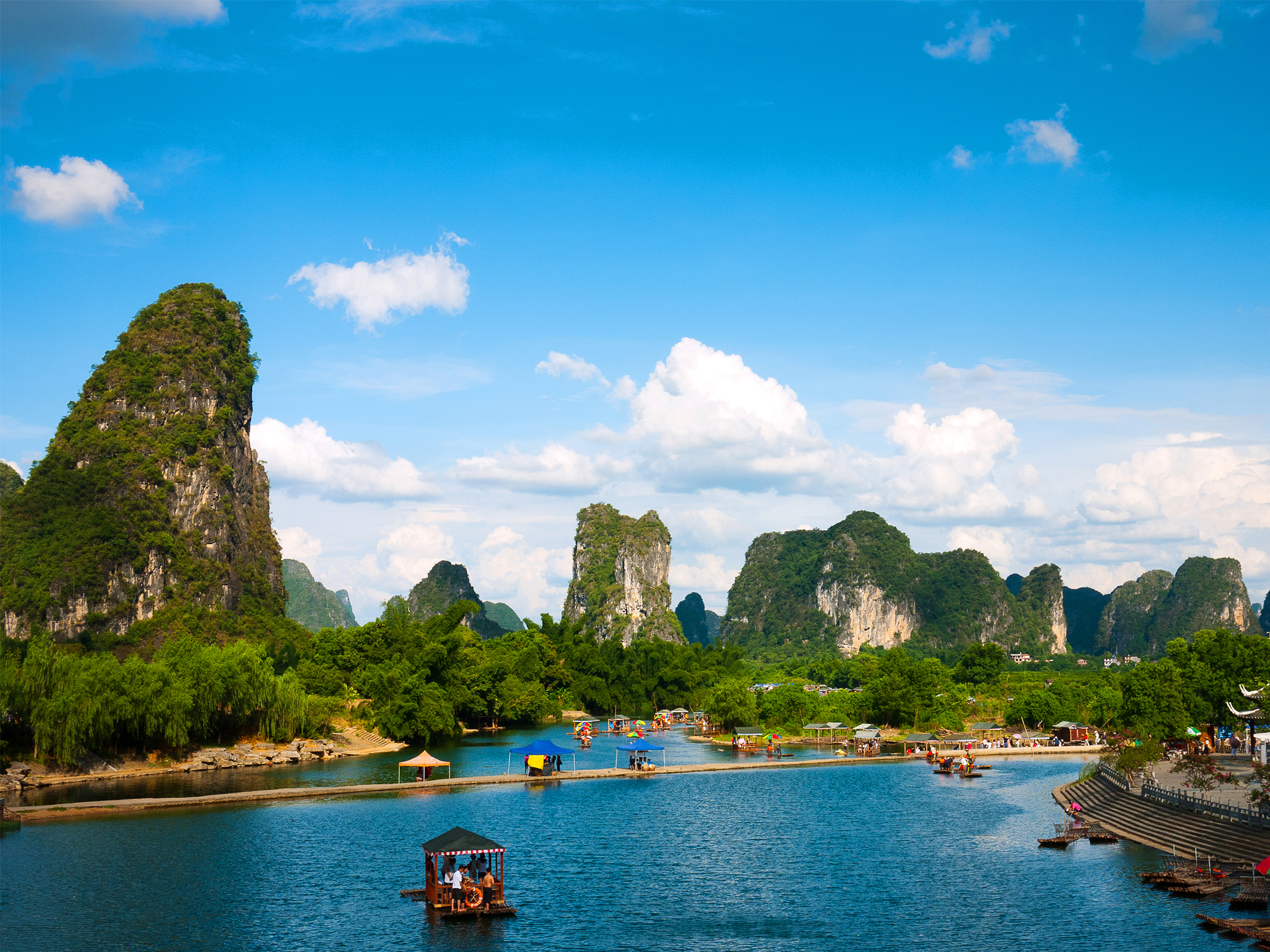
13 13 DAYS Fairly EasyThis journey moves through five distinct cities along one of China's most rewarding north-to-south routes. It begins in Beijing, where the scope of imperial ambition is legible in stone, brick, and rammed earth. A bullet train carries the group east to Shanghai, a city that holds its colonial-era riverfront and its Ming-dynasty garden quarter in deliberate tension with one of the world's most recognisable modern skylines. From Shanghai, a short rail connection leads to Hangzhou, a city that has shaped Chinese aesthetic sensibility for centuries through its lake, its causeways, and its tea-growing hillsides. A flight west to Xi'an shifts the register entirely: this is where China's earliest unified empire left its most literal monument, an army of individually modelled clay soldiers still standing in formation underground. The route then turns south to the karst landscapes of Guilin and Yangshuo, where limestone peaks, river light, and a slower pace of rural life provide a considered counterpoint to the cities that came before. The journey closes in Hong Kong, arriving by train through Shenzhen and ending with an evening walk through a street market that has operated for generations. Private guides and drivers are present at each transition. The pace is measured, with full days in each location and no unnecessary doubling back.
Tibet Encompassed
14 14 DAYS Fairly EasyThis fourteen-day private journey traces China's most considered overland and river route, moving from the imperial capital through the high plateau of Tibet before descending to the Sichuan basin and continuing east along the Yangtze. The itinerary is structured around meaningful transitions: a night train from Beijing to Xi'an, a flight to Lhasa at 3,490 metres, a separate flight south to Chengdu, and a deluxe river cruise through the Three Gorges to Yichang before the final leg to Shanghai. Each city rewards time on foot. Each landscape shift asks something different of the traveller. The pace is measured, the sequence logical, and the range of experience — from the debating courtyards of Sera Monastery to the sheer limestone walls of Qutang Gorge — is not easily replicated on a shorter circuit.
Bike Beijing: Lama Temple and the Hutongs
1 1 DAY Fairly EasyThis full-day private cycling tour moves through Beijing's most historically dense neighbourhoods at a pace that rewards attention. Beginning near Tiananmen Square, the route passes the perimeter of the Forbidden City before threading into the Hutong lanes that surround the Bell Tower and Drum Tower. A stop at a local market inside the Hutongs offers a grounded look at neighbourhood life and the produce that sustains it. The ride continues to the Lama Temple, one of the most significant Tibetan Buddhist sites in China, followed by the adjacent Confucius Temple and Imperial College. The day closes near the open water and tree-lined banks of Houhai Lake. Bikes and safety equipment are collected from a centrally located outfitter. A private guide accompanies the full route.
Jiankou to Mutianyu: A Full-Day Walk on the Great Wall
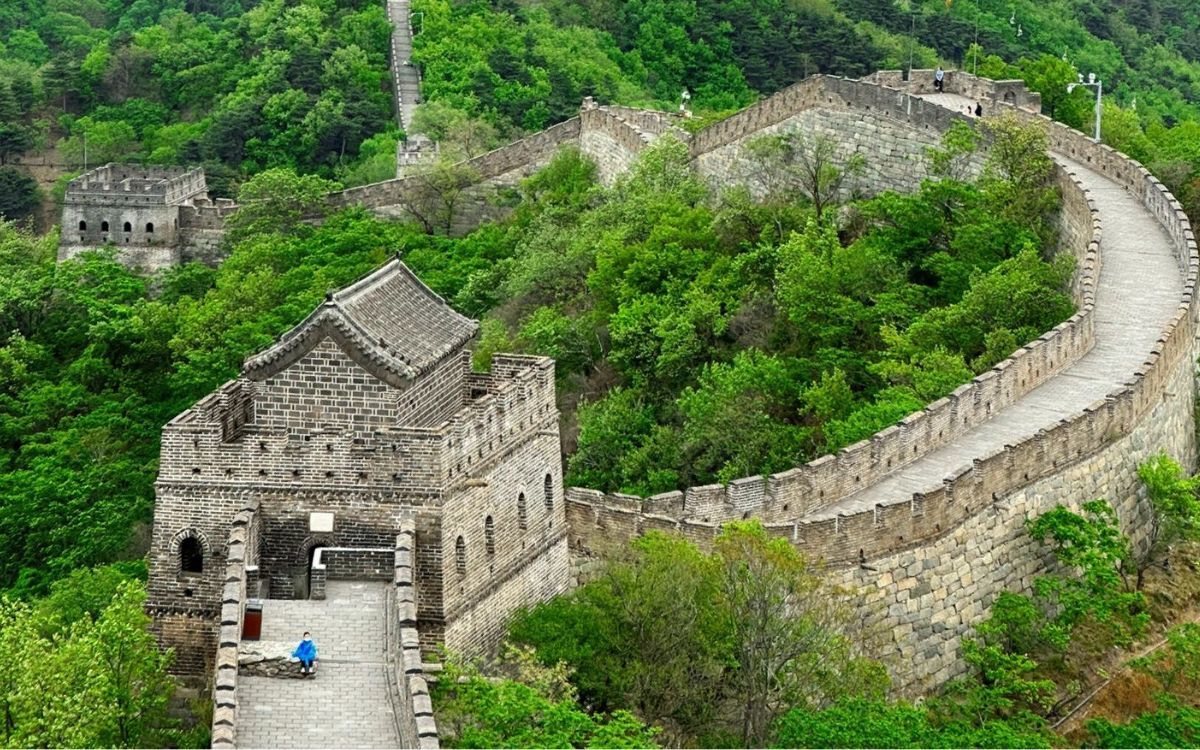
1 1 DAY Fairly EasyThis single-day itinerary moves between two distinct characters of the Great Wall. The morning begins at Jiankou, an unrestored stretch where original Ming-dynasty stonework survives in various states of weathering and collapse, and where visitor numbers remain low. The route follows the ridge westward to Zheng Bei Lou before turning east toward Mutianyu, one of the Wall's most carefully maintained sections. The full walk covers six to seven miles at a moderate pace, with time allowed for photography and rest. A private vehicle collects guests from central Beijing in the morning and returns them to their hotel by early evening.
Great Wall Hiking In 3 Days
3 3 days 2 nightsDiscover one of the Seven New Wonders of the world on this private 3-day hiking adventure along the Great Wall of China, including accommodation and meals. Hike along famous sections of the UNESCO-listed wall at Gubeikou, Jinshanling, and Simatai, and escape the crowd as you visit nearby villages and discover sections of the original wall. Covering between 4 and 10 miles (6 and 16 km) each day, the hikes are moderate and a backup vehicle is available en-route.
Tibet Adventure Tour
15 15 days 14 nightsFrom modern Beijing, travel back in time across scenic countrysides to Tibet on this well-packed overland adventure. Witness the splendor of the Potala Palace and the majesty of remote monasteries and then celebrate the stunning overland journey to Kathmandu. Wake up to views of Everest and enjoys a window into the heart of this remote land. A local guide and Chief Experience Officer will show you to the region’s hidden gems and make sure your trip burns brightly in your memory long after you’ve climbed down from the roof of the world.
Highlights of Tibet Tour
13 13 days 12 nightsDiscover the highlights of Tibet- the rooftop of the world, locked away in its Himalayan fortress! Discover enchanting Lhasa – home to the famous Potala Palace and Jokhang Monastery, the spectacular Yam Drok Lake, Gyantse’s kumbum, Tashilunpo Monastery in Shigatse and Yumbulakhang, the oldest palace in Tibet.
Exploring Beijing To Hong Kong Route
13 13 days 12 nightsChina really does have it all- tranquil countryside full natural scenery and hiking trails, supercities boasting incredible, and historic, artistic and cultural discoveries to make at every turn. Get acquainted with this country’s complexity and contrasts with this fascinating lonely planet experience that will have you walking the Great Wall, trekking through the Longji rice terraces, idling the hours away in serene Hongcun, drifting along the Li River and living it up in Hong Kong. Jam-packed with color and culture, China will astonish you with the levels of diversity throughout the country.
Explore A Wild China Tour
19 19 days 18 nightsDiscover the many different parts of China, all in one trip! We carefully selected all the must-see highlights of China for you to explore the soul of this ancient mysterious country. Indulge in the natural beauty, marvel at the rich culture and be awed by the incredible history. The Yangtze river cruise is an experience you can’t miss and seeing cute pandas up close and personal will be a lifelong memory.
Essential China Tour
18 18 days 17 nightsEncounter the essence of China in all its wonderful diversity- climb the Great Wall and stare down the Terracotta Warriors before heading down South on this tour of China’s cultural and natural highlights. Rest your gaze on the giant Buddha of Leshan and explore ancient mountainside monasteries at Emei Shan, then float down the world-famous Three Gorges of the Yangtze River before stepping out to experience the vibrant rural life and stunning scenery of Yangshuo. This adventure offers a great combination of must-see highlights and free time to explore on your own.
Tibet Encompassed
14 14 days 13 nightsThis 14 days golden tourist route in China and Tibet, with highlights of a once-in-a-lifetime Tibet tour by Tibet train through Qinghai-Tibet railway, the sky road in the world, and a relaxing Yangtze River cruise, will take you to the most beautiful scenery in China and Tibet. In the meantime, you will experience stunning diversity and contrasts of ancient tradition and modern fashion, witness the rapid growth in the golden triangle cities.
Gourmet China
11 11 days 10 nightsDuring your culinary tour in China, all you need are chopstick skills and our expert guides who scoured this mysterious place for the best regional cuisines. Eat hairy crab and learn how to cook Xiao long bao in your cooking classes in Shangai. Visit China’s most famous tea plantations Dragon Well, in the picturesque mountains of Hangzhou. Beijing dishes up Peking duck dripping in plum sauce and spicy hotspots on a food tour near the Forbidden City. Enjoy a picnic on a secluded spot on the Great Wall. Food stalls in Sichuan make eyes water with chili-laced pork dishes and peppery tofu. Over 5,000 years of history, stunning landscape and a multitude of regional cuisines make this food vacation a once in a lifetime experience.
Geat Wall Hiking And Camping
4 4 days 3 nightsAmong its many other attractions, Beijing is lucky enough to have access to some of the most scenic and memorable sections of the Great Wall. This tour package combines all the best Great Wall sections around Beijing into a single, unforgettable hiking extravaganza, including the lakeside Huanghuacheng section, the scenic Mutianyu section, the unrestored Gubeikou section, the steep Jiankou section, and the beautiful Jinshanling section. You will even get a chance to spend a night on the Great Wall, camping in the watchtower on the Gubeikou section. In the morning, you will be able to enjoy breathtaking views of the sun rising over the Wall’s ancient ramparts and the surrounding hills.
Silk Road China Tour
15 15 days 14 nightsA journey through time down this ancient trade route is a true adventure for travelers intrigued by the less-frequented parts of the globe. You’ll follow in the footsteps of generations of nomads, visiting some of the most important world heritage sites connected to the East and West. Cross sprawling desert landscapes, visit glittering Islamic monuments and stop at small villages, where you will meet the locals and learn about traditional ways of life. Buckle up for the ride, this is no ordinary road trip.
China Family Adventure
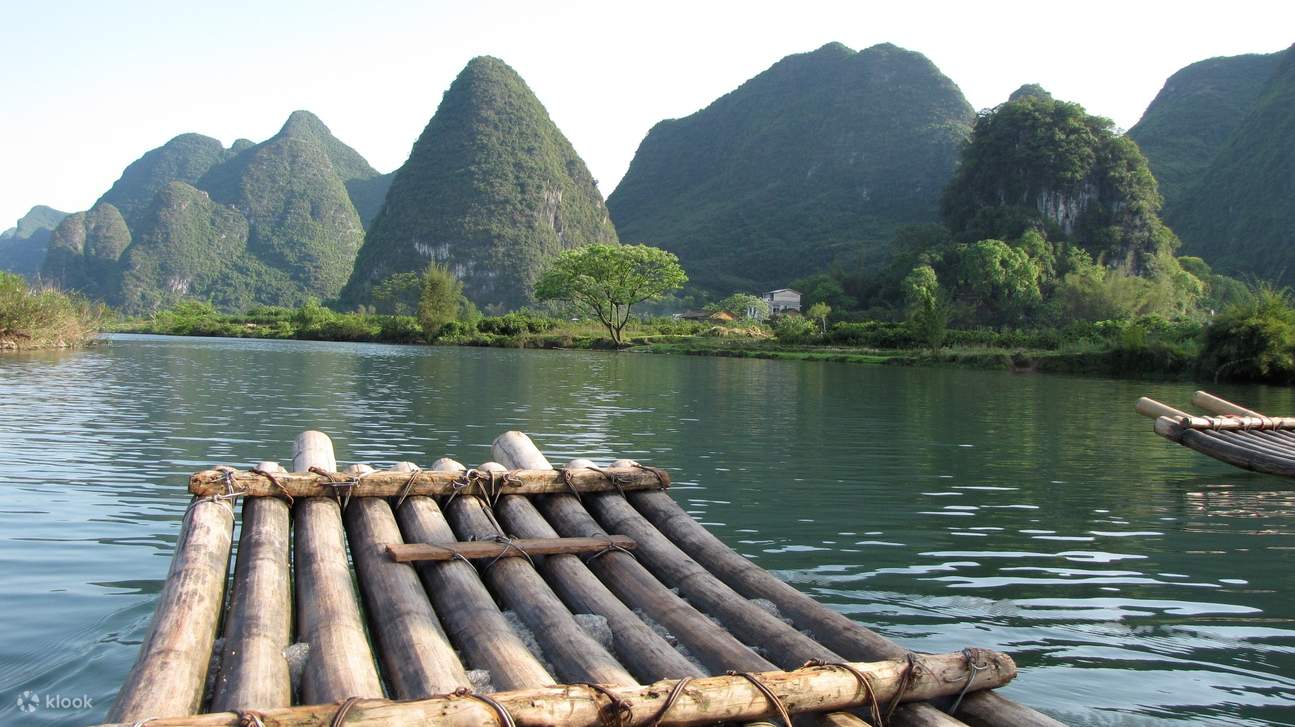
12 12 DAYS Fairly EasyChina holds its past and its present in careful tension, and this twelve-day private journey moves through both with deliberate attention. The route begins in Beijing among the monuments of imperial governance, crosses to the Buddhist carvings at Longmen and the martial traditions of Shaolin, then settles into Xi'an for a close study of the Terracotta Army. Chengdu introduces a quieter, more domestic China before the journey turns south to the terraced highlands of Longji and the limestone landscape of Yangshuo. The itinerary closes with a train connection to Hong Kong. Each stop is chosen for the specific quality of what it shows rather than its general fame.
Beijing to Hong Kong by Private Rail and Air
13 13 DAYS Fairly EasyThis journey moves through five distinct cities along one of China's most rewarding north-to-south routes. It begins in Beijing, where the scope of imperial ambition is legible in stone, brick, and rammed earth. A bullet train carries the group east to Shanghai, a city that holds its colonial-era riverfront and its Ming-dynasty garden quarter in deliberate tension with one of the world's most recognisable modern skylines. From Shanghai, a short rail connection leads to Hangzhou, a city that has shaped Chinese aesthetic sensibility for centuries through its lake, its causeways, and its tea-growing hillsides. A flight west to Xi'an shifts the register entirely: this is where China's earliest unified empire left its most literal monument, an army of individually modelled clay soldiers still standing in formation underground. The route then turns south to the karst landscapes of Guilin and Yangshuo, where limestone peaks, river light, and a slower pace of rural life provide a considered counterpoint to the cities that came before. The journey closes in Hong Kong, arriving by train through Shenzhen and ending with an evening walk through a street market that has operated for generations. Private guides and drivers are present at each transition. The pace is measured, with full days in each location and no unnecessary doubling back.
Tibet Encompassed
14 14 DAYS Fairly EasyThis fourteen-day private journey traces China's most considered overland and river route, moving from the imperial capital through the high plateau of Tibet before descending to the Sichuan basin and continuing east along the Yangtze. The itinerary is structured around meaningful transitions: a night train from Beijing to Xi'an, a flight to Lhasa at 3,490 metres, a separate flight south to Chengdu, and a deluxe river cruise through the Three Gorges to Yichang before the final leg to Shanghai. Each city rewards time on foot. Each landscape shift asks something different of the traveller. The pace is measured, the sequence logical, and the range of experience — from the debating courtyards of Sera Monastery to the sheer limestone walls of Qutang Gorge — is not easily replicated on a shorter circuit.
Bike Beijing: Lama Temple and the Hutongs
1 1 DAY Fairly EasyThis full-day private cycling tour moves through Beijing's most historically dense neighbourhoods at a pace that rewards attention. Beginning near Tiananmen Square, the route passes the perimeter of the Forbidden City before threading into the Hutong lanes that surround the Bell Tower and Drum Tower. A stop at a local market inside the Hutongs offers a grounded look at neighbourhood life and the produce that sustains it. The ride continues to the Lama Temple, one of the most significant Tibetan Buddhist sites in China, followed by the adjacent Confucius Temple and Imperial College. The day closes near the open water and tree-lined banks of Houhai Lake. Bikes and safety equipment are collected from a centrally located outfitter. A private guide accompanies the full route.
Jiankou to Mutianyu: A Full-Day Walk on the Great Wall
1 1 DAY Fairly EasyThis single-day itinerary moves between two distinct characters of the Great Wall. The morning begins at Jiankou, an unrestored stretch where original Ming-dynasty stonework survives in various states of weathering and collapse, and where visitor numbers remain low. The route follows the ridge westward to Zheng Bei Lou before turning east toward Mutianyu, one of the Wall's most carefully maintained sections. The full walk covers six to seven miles at a moderate pace, with time allowed for photography and rest. A private vehicle collects guests from central Beijing in the morning and returns them to their hotel by early evening.
Full-Day Family Tour in Beijing
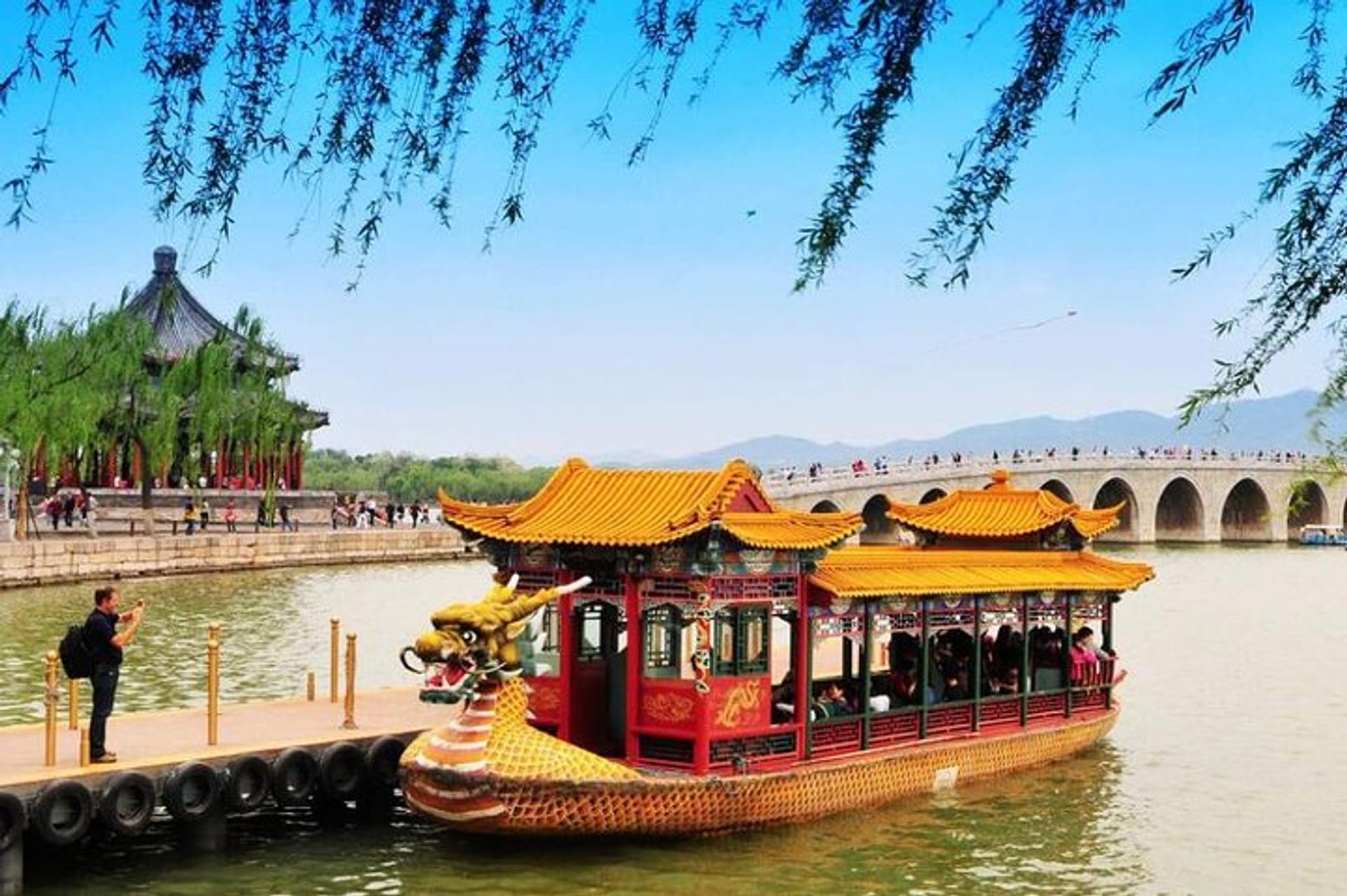
1 1 DAY Fairly EasyThis private day tour moves through four distinct layers of Beijing, each representing a different chapter in the city's history. The morning opens at Beijing Zoo, where giant pandas remain the central draw alongside a broad collection of other species. The route then continues to the Olympic Park precinct, where the 2008 National Stadium and the adjacent Aquatics Center stand as permanent markers of a specific moment in modern Chinese civic life. The afternoon shifts to the Summer Palace, the largest surviving imperial garden in China, where covered walkways, lakeside pavilions, and hillside temples occupy a landscape that was shaped over several centuries. The day closes at the 798 Art District, a former state military electronics factory whose decommissioned industrial buildings now house galleries, studios, and cultural institutions. A private vehicle and guide are in place throughout, and hotel pickup and drop-off are included.
Bike Beijing: Forbidden City, Tiananmen and Temple of Heaven
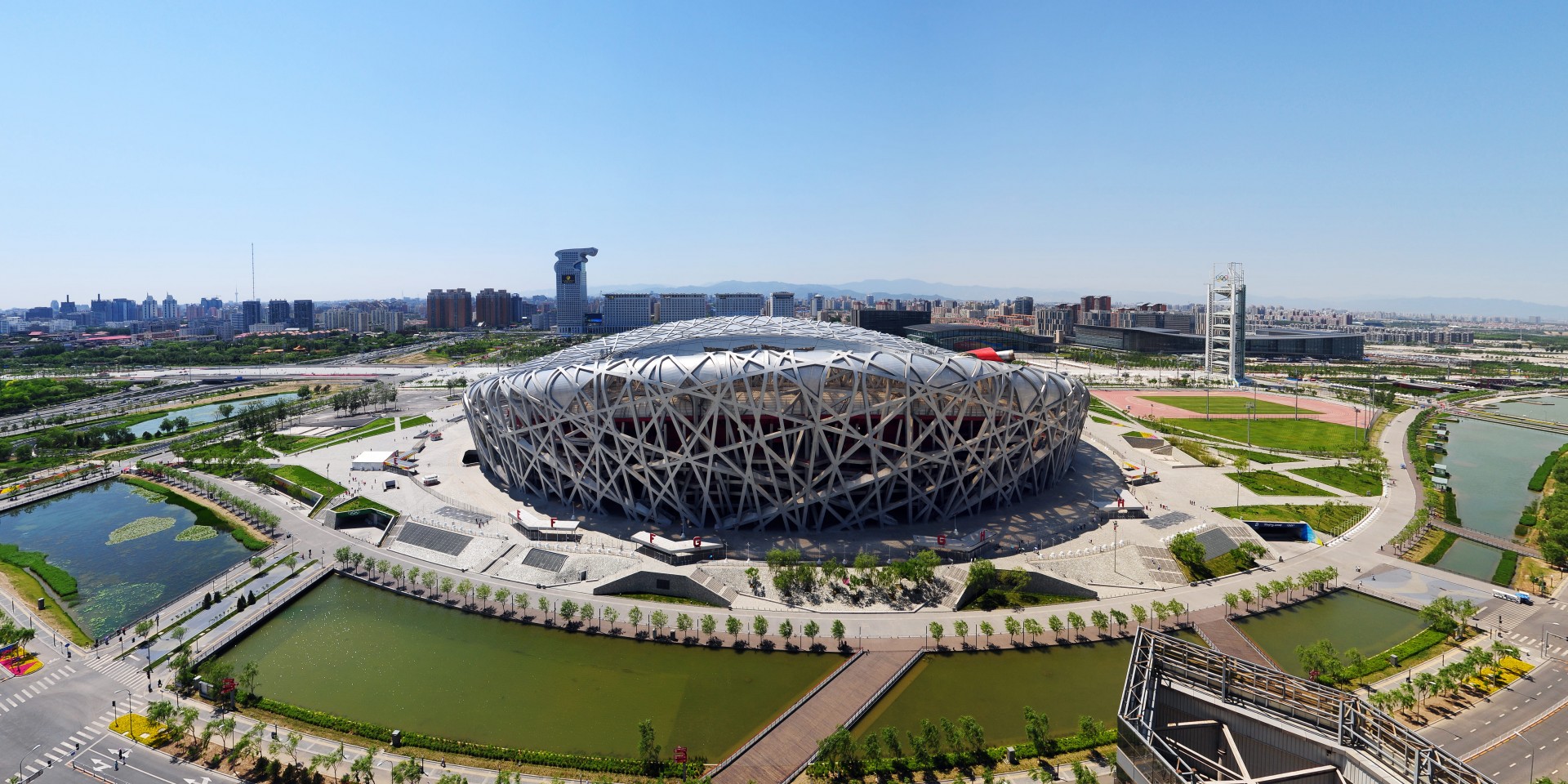
1 1 DAY Fairly EasyBeijing rewards those who move through it deliberately. This one-day private cycling itinerary places you inside the city's historic core, moving through the narrow hutong lanes of old Beijing, across Tiananmen Square, south to the Temple of Heaven, and then north to the edge of the Forbidden City. A guide accompanies you throughout, providing historical context at each site and managing the practical details of equipment and route. The pace is unhurried. The ground covered is considerable.
Beijing: Old and New
1 1 DAY Fairly EasyThis full-day private tour moves through two distinct versions of the same city. The morning opens at the 2008 Olympic Stadium, where the scale of contemporary Beijing declares itself plainly. The day then turns inward, passing through a Tibetan-style Buddhist temple, the Confucian Temple, and the Imperial College before arriving in the hutong lanes that have connected ordinary life in this city for centuries. The route concludes at Houhai Lake, where the old neighborhoods open onto water.
Full-Day Walking Tour of Old Beijing
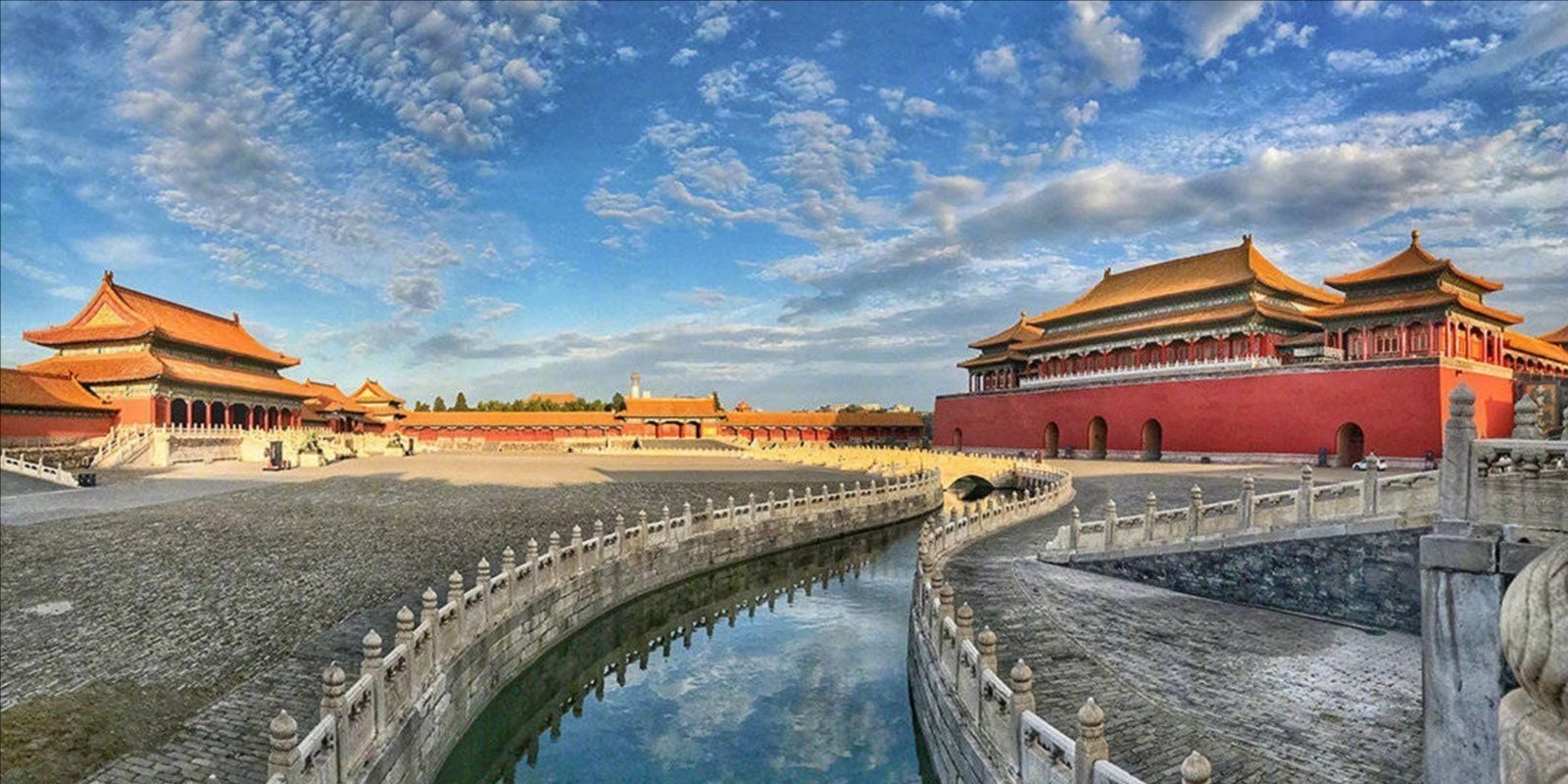
1 1 DAY Fairly EasyThis private full-day walk moves through the civic and imperial heart of Beijing in a single unhurried arc. Beginning at Tiananmen Square, the route passes through the Forbidden City — the Ming and Qing dynastic seat that housed 24 emperors across more than five centuries — before continuing north into Jingshan Park and then west to Beihai, one of China's most intact imperial garden complexes. The day closes in the Hutong quarter around Houhai Lake, where the residential grain of old Beijing survives in its narrowest and most legible form.
Forbidden City and Summer Palace — Private Day Tour, Beijing
1 1 DAY Fairly EasyThis private day tour moves through the symbolic core of imperial Beijing in a logical, measured sequence. A dedicated guide provides historical context at each site, and a private vehicle handles all transfers. Entrance tickets are arranged in advance, removing queuing variables from the schedule. The day covers Tiananmen Square, the Forbidden City, and the Summer Palace — three sites that together form an unusually coherent picture of how successive dynasties chose to inhabit and display power in this city.
Temple of Heaven & Summer Palace
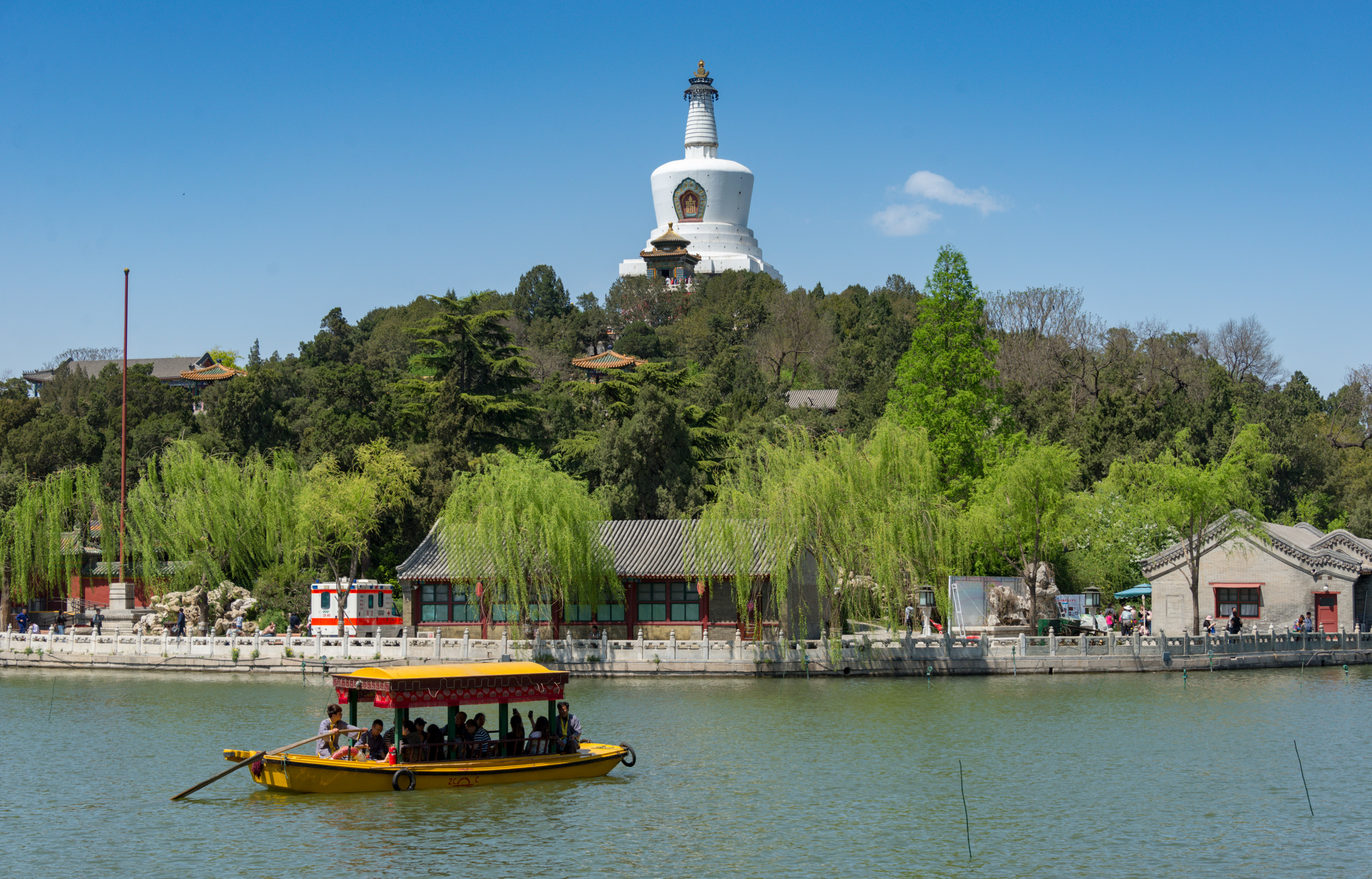
1 1 DAY Fairly EasyThis single day in Beijing moves through three distinct layers of the city. The Temple of Heaven offers a morning encounter with one of the capital's most considered ceremonial spaces, set within a park where residents gather daily for music, exercise, and quiet competition. Hongqiao Pearl Market follows, a dense commercial interior where pearls sit alongside clothing, electronics, and craft goods, and where the transaction between visitor and vendor is an experience in itself. The day closes at the Summer Palace, the Qing dynasty's expansive lakeside retreat, where covered walkways, hillside temples, and open water define a landscape built for contemplative movement.
Bike Beijing: Hutong, Lama Temple, Forbidden City
1 1 DAY Fairly EasyBeijing rewards those who move through it slowly and at street level. This full-day private cycling tour connects the city's most significant sites — Tiananmen Square, the Forbidden City, the hutong lanes north of the imperial axis, and the Lama Temple — in a sequence that reflects how the capital is actually structured, rather than how it is typically packaged. An experienced local guide sets the pace and provides context that shifts the experience from sightseeing to genuine orientation.
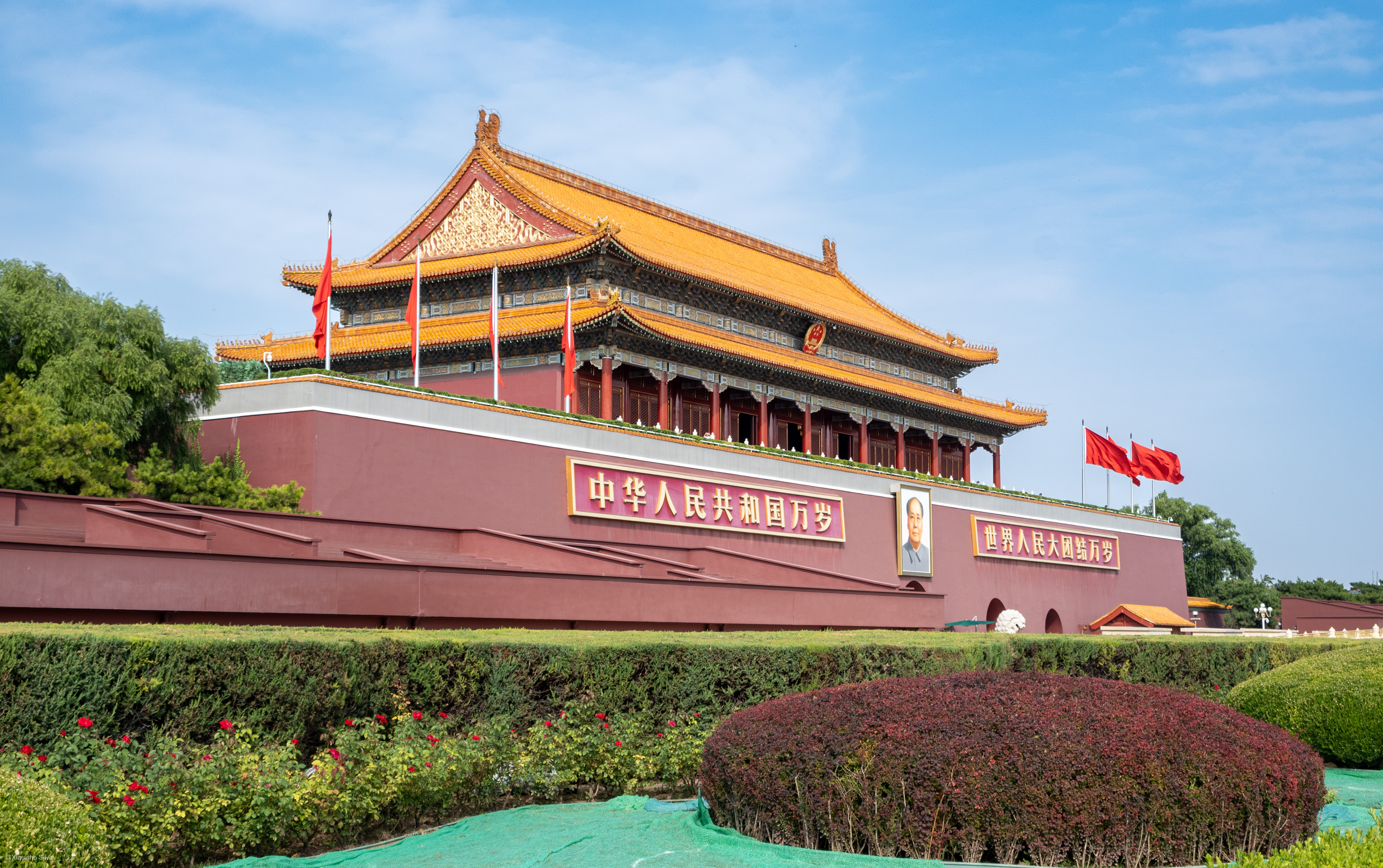
Impressions of Beijing
1 1 DAY Fairly EasyThis is a full day in Beijing structured around the city's defining historical sites and the quieter residential fabric that surrounds them. Beginning at Tiananmen Square, the day moves into the Forbidden City, the largest surviving complex of ancient wooden architecture in the world. From there, pace slows as the route enters the hutong quarter, the lane-and-courtyard neighborhoods that formed the social architecture of imperial Beijing. The afternoon reaches the Temple of Heaven before the day closes with a return by metro. The guide remains with you throughout, providing context at each site and managing movement across the city. Travel by subway is deliberate, not incidental: it reflects how the city actually functions and keeps the day grounded rather than insulated.
Pandas and Old Beijing
1 1 DAY Fairly EasyBeijing holds its history close. This day moves through several of its most considered layers: the giant panda enclosures at Beijing Zoo, the Bell and Drum Towers, the hutong neighbourhoods navigated by rickshaw, and the Confucius Temple and Imperial College complex in the city's northeast. A dumpling-making lunch in a hutong alley provides a moment of pause between the morning and afternoon. The pace is unhurried. The sequence is deliberate. Each stop is chosen for what it communicates about the city rather than for spectacle.
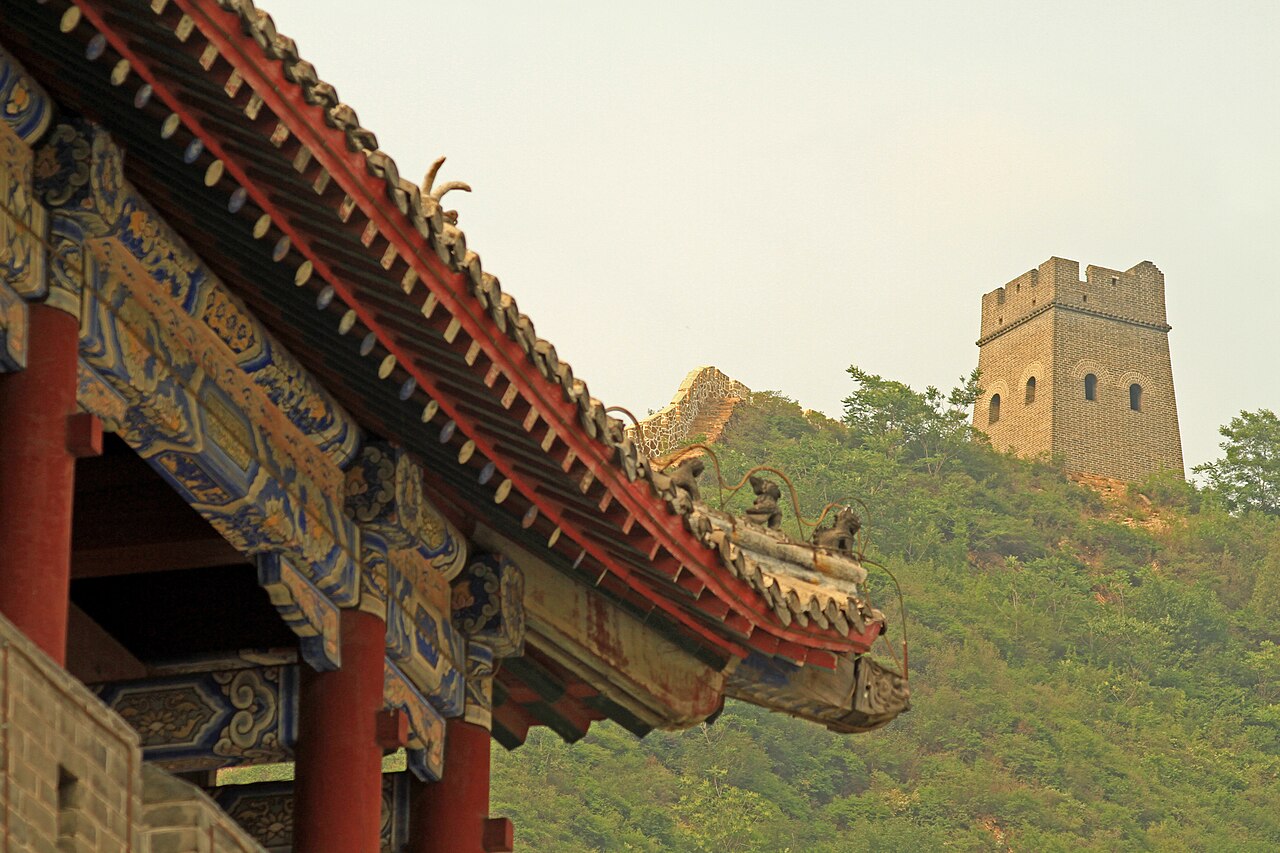
Huangyaguan Great Wall: A Full-Day Hike from Beijing
1 1 DAY Fairly EasyThis full-day journey from Beijing takes a small group to Huangyaguan, a section of the Great Wall that receives a fraction of the visitors drawn to better-known stretches closer to the city. The route passes through a landscape of rugged mountain ridges where the wall climbs steeply between restored battlements and original collapsed stonework. An expert guide accompanies the group throughout, providing historical context for a site that has been a functioning military pass since the sixth century. The hike covers roughly three kilometers of wall, including twenty watchtowers, and the surrounding pass contains a museum, inscribed steles, and a layout of streets arranged in the pattern of the Eight Diagrams.
Mutianyu Great Wall and Ming Tombs
1 1 DAY Fairly EasyThis single-day private tour moves between two UNESCO World Heritage sites that together span more than five centuries of imperial ambition. The morning is given to the Mutianyu section of the Great Wall, a stretch notable for its state of preservation, its restored watchtowers, and its relative remove from the capital's busier Wall access points. The afternoon shifts to the Ming Tombs, the burial complex that served thirteen emperors of the Ming dynasty and remains the most intact grouping of imperial tombs in China. A private guide accompanies you throughout, providing context that is specific to each site rather than generic. The return to Beijing is timed for early evening.
Backstreet Walking Tour
1 1 DAY Fairly EasyThis single-day walking tour moves through a quieter register of central Beijing, away from the principal tourist circuits. Beginning in the old cultural streets, the route passes independent shops and preserved shopfront architecture before reaching the corner tower of the Forbidden City wall. From there, the walk continues to the Beijing Library, housed within a former palace courtyard that retains its original stone lions and pillars, relocated from the Old Summer Palace. The Northern Cathedral, the oldest and largest Catholic church in Beijing, forms the next stop. The day concludes at a local teahouse, where a traditional tea ceremony offers both rest and an introduction to the forms and vocabulary of Chinese tea culture.
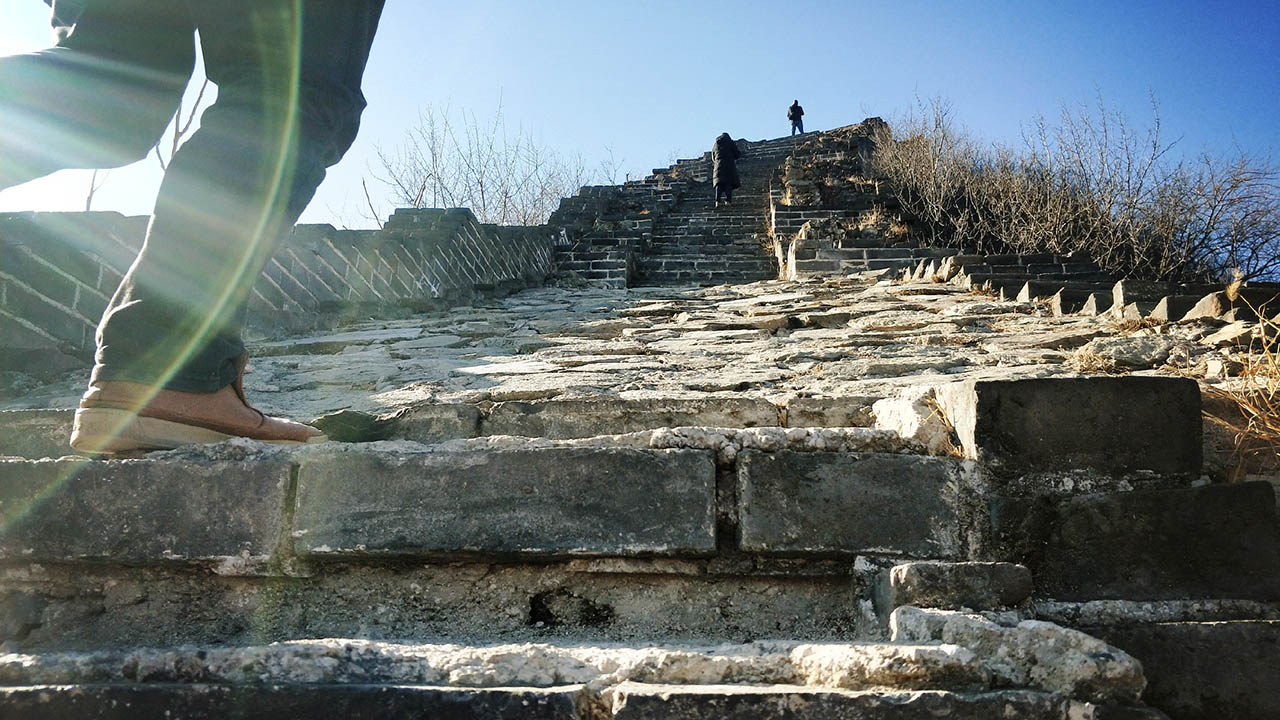
Hike the Great Wall from Huanghuacheng to Xishuiyu
1 1 DAY Fairly EasyThis single-day itinerary is designed for hikers who want direct engagement with the Great Wall rather than a managed visitor experience. The route runs from Huanghuacheng to Xishuiyu, tracing a section that retains much of its original character — steep gradients, absent parapets, and stonework that has not been softened by restoration. The landscape shifts between exposed ridgeline and reservoir-edged valley, and the physical demands are genuine. A private vehicle collects you from central Beijing and returns you at the close of the day. An expert guide accompanies the full traverse. The route can also be walked in reverse for those who prefer a less strenuous approach.
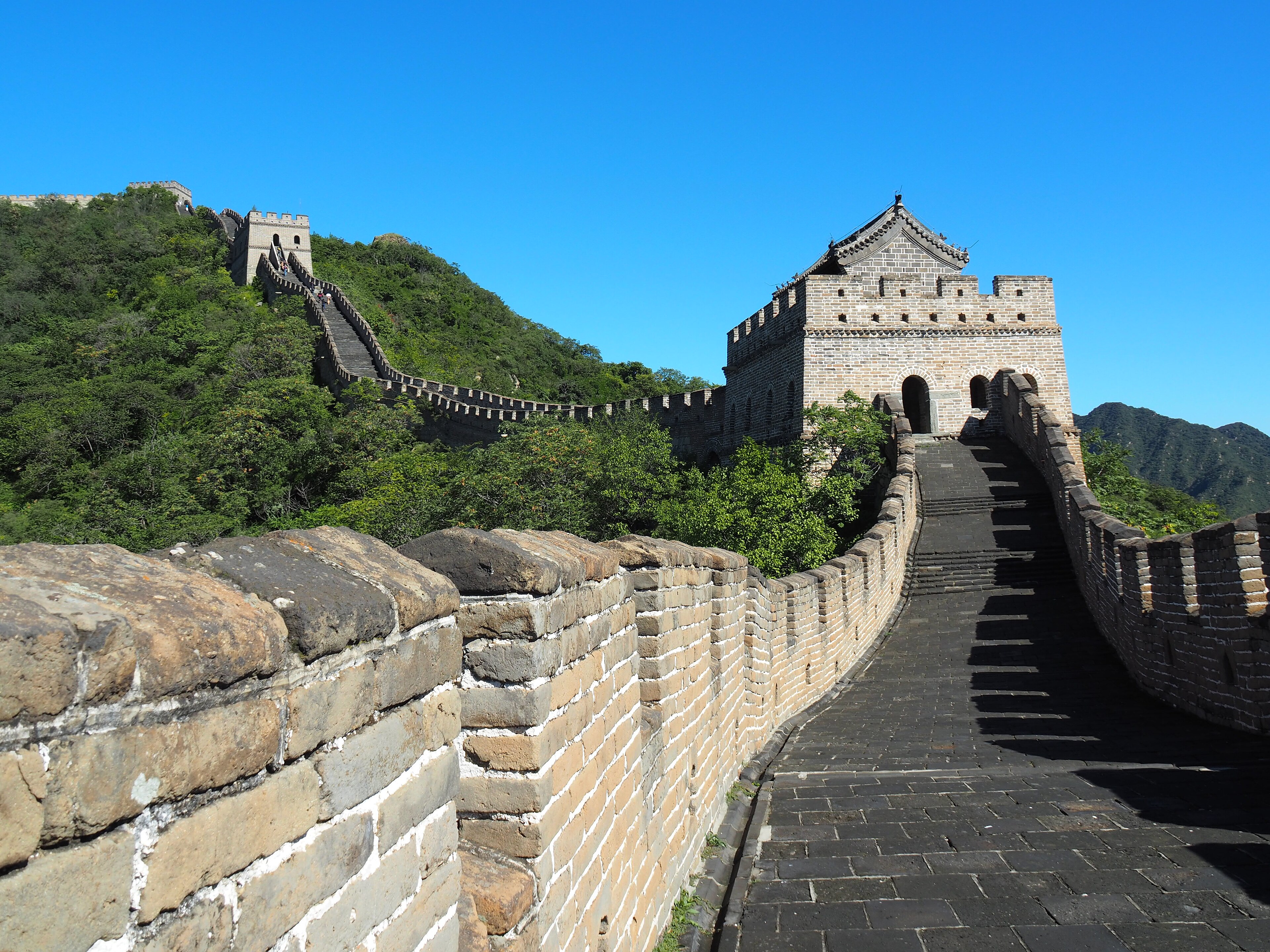
One Day Hike on the Great Wall at Mutianyu
1 1 DAY Fairly EasyThe Mutianyu section of the Great Wall sits in Huairou County, connected to the Jiankou section to the west and Lianhuachi to the east. Its origins predate the more visited Badaling section, with the first construction dating to the mid-sixth century during the Northern Qi dynasty. The present wall was built during the Ming dynasty under the supervision of General Xu Da, layered over that earlier structure. A pass was added in 1404, and the wall was substantially rebuilt in 1569. Much of that work survives intact today. The section is noted for the scale and quality of its construction, including a series of two- and three-storey watchtowers positioned along a ridge that rises and falls with the contours of the surrounding hills. A private guide accompanies the full day, providing context on the wall's military function as the northern barrier protecting the capital and the imperial tombs, as well as on the communities that have developed around it over centuries. The day moves at a considered pace, with time to read the landscape and understand what you are standing on.
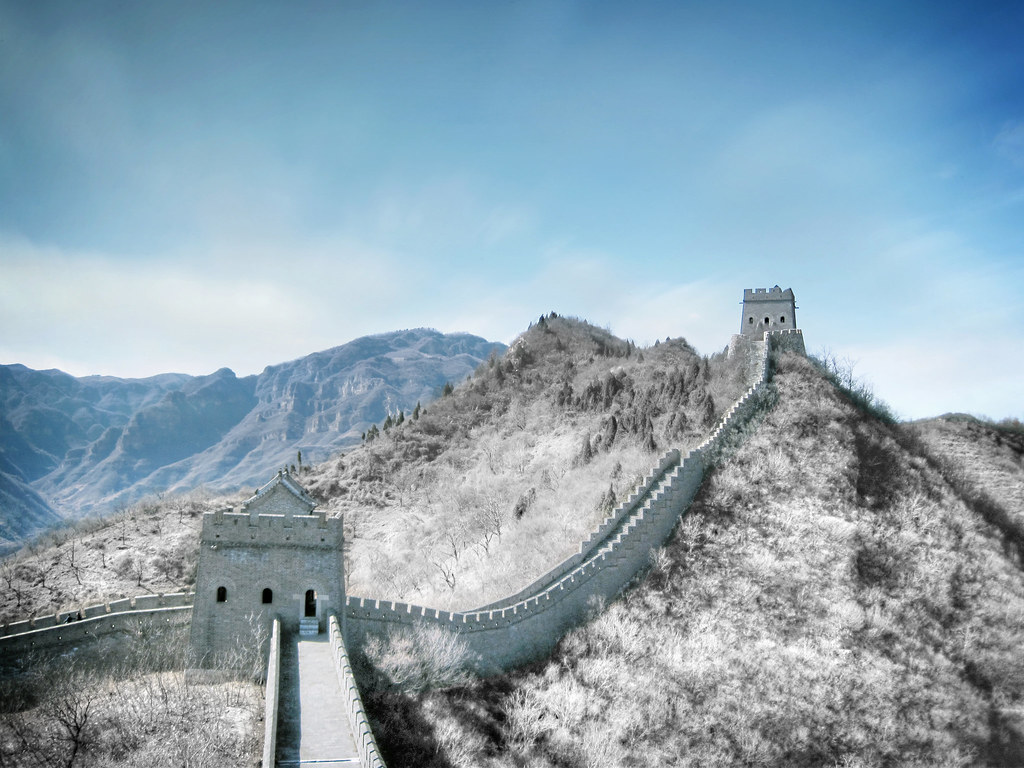
Private Huangyaguan Great Wall Tour from Beijing
1 1 DAY Fairly EasyHuangyaguan — Yellow Cliff Pass — sits in the rugged mountains north of Tianjin, removed from the circuits that absorb most Beijing-based Wall visits. The pass dates to the Northern Qi Dynasty in the sixth century and was rebuilt at scale under the Ming. Its defining characteristic is not a single restored promenade but a complete military system: barbicans, watchtowers, barracks, and a street grid inside the pass itself arranged according to the Eight Diagrams, a geometric pattern that earned the settlement its secondary name, Eight Diagram Fortification City. The cliff faces to the east of the pass carry a particular quality of light at dusk, turning the yellow rock to something closer to gilt — the origin of the name. A private guide collects you from your Beijing hotel and travels with you by dedicated vehicle for the full day. At the Wall, three hours are given to the hike itself, moving along steeply stepped battlements with mountain ridges extending in both directions. The Great Wall Museum, housed in the former Ming-era Dispatcher's Office at the center of the street grid, holds weapons and daily objects recovered from the garrison period. The Stele Forests and Couplet Hall preserve inscribed poems and carved couplets that document the cultural life of the soldiers stationed here.
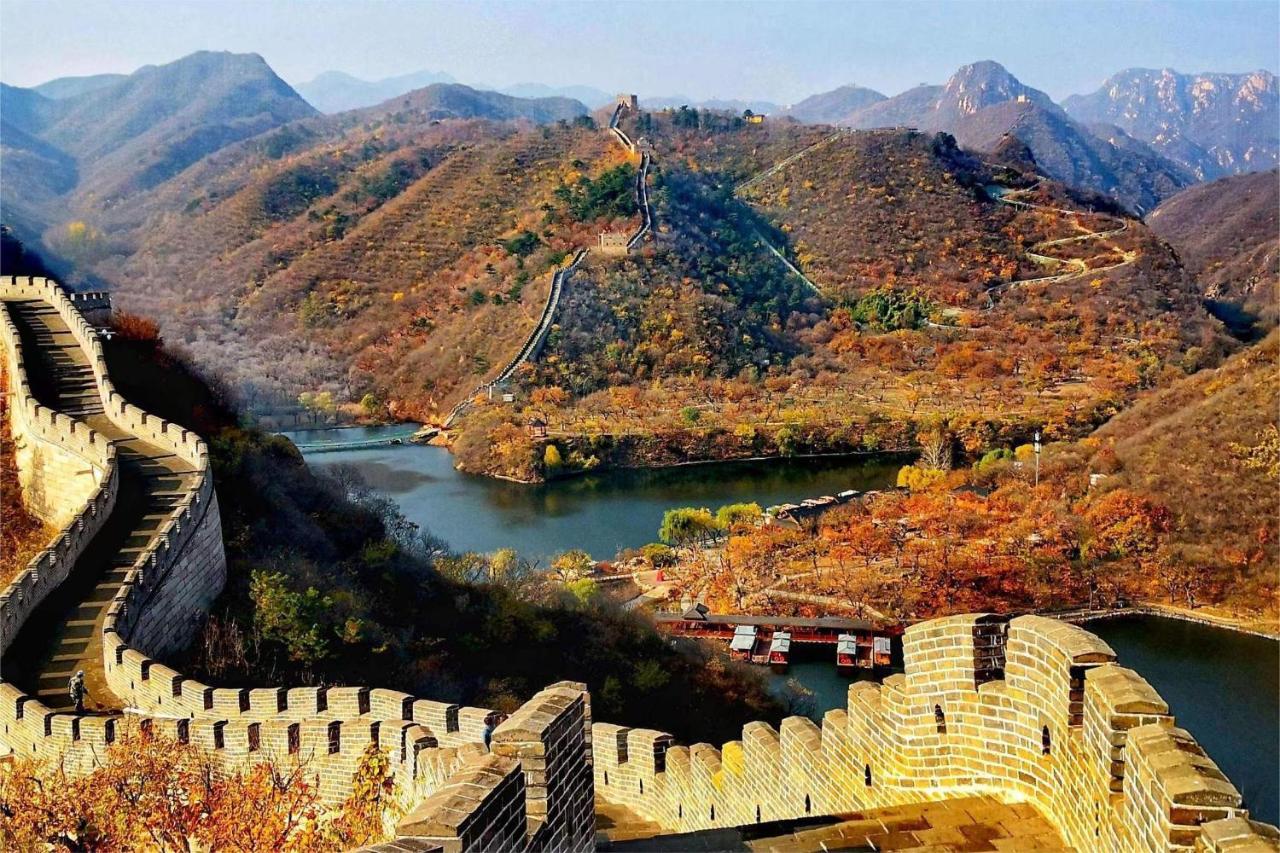
Xishuiyu to Huanghuacheng Great Wall Hike
1 1 DAY Fairly EasyThis single-day private excursion takes you from central Beijing to the Xishuiyu entry point of the Great Wall, where the route moves through dense vegetation before ascending to the Wall itself. The hike follows the Wall's ridge to the highest watchtower on this section, where the Huanghuacheng reservoir comes into view below. The section is unrestored and relatively quiet, offering an unmediated experience of the structure's texture and scale. A private vehicle collects you from your Beijing hotel in the morning and returns you to the city in the late afternoon.
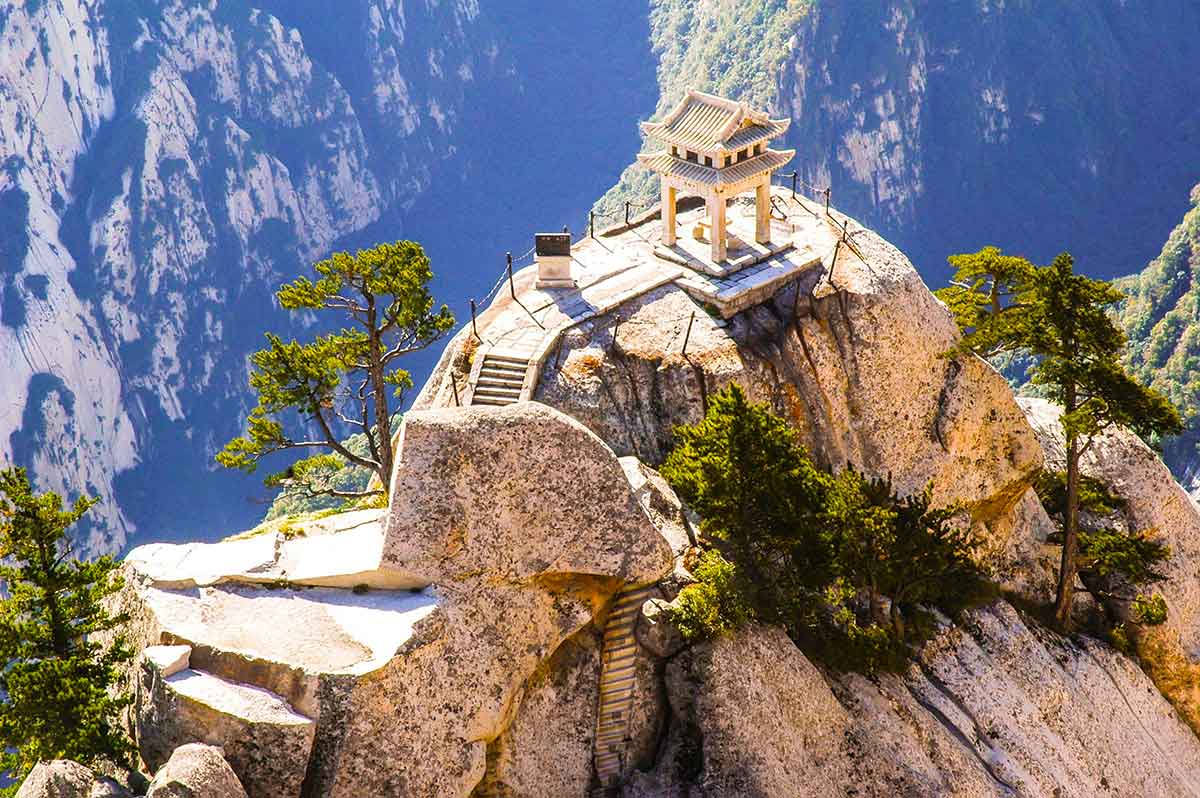
Xi'an and Mount Huashan from Beijing
2 2 DAYS Fairly EasyThis two-day journey moves between two of China's most considered historical sites. On the first day, a fast train from Beijing delivers you to the base of Mount Huashan, where a full circuit of all five peaks — North, Middle, East, South, and West — unfolds across twelve kilometres of cliff-edge trail and high ridge walking. On the second day, the route turns to Xi'an: the excavated pits of the Terracotta Army, a cycling tour of the intact Ming-dynasty city wall, and an evening walk through the Muslim Quarter before a sleeper train returns you to Beijing.
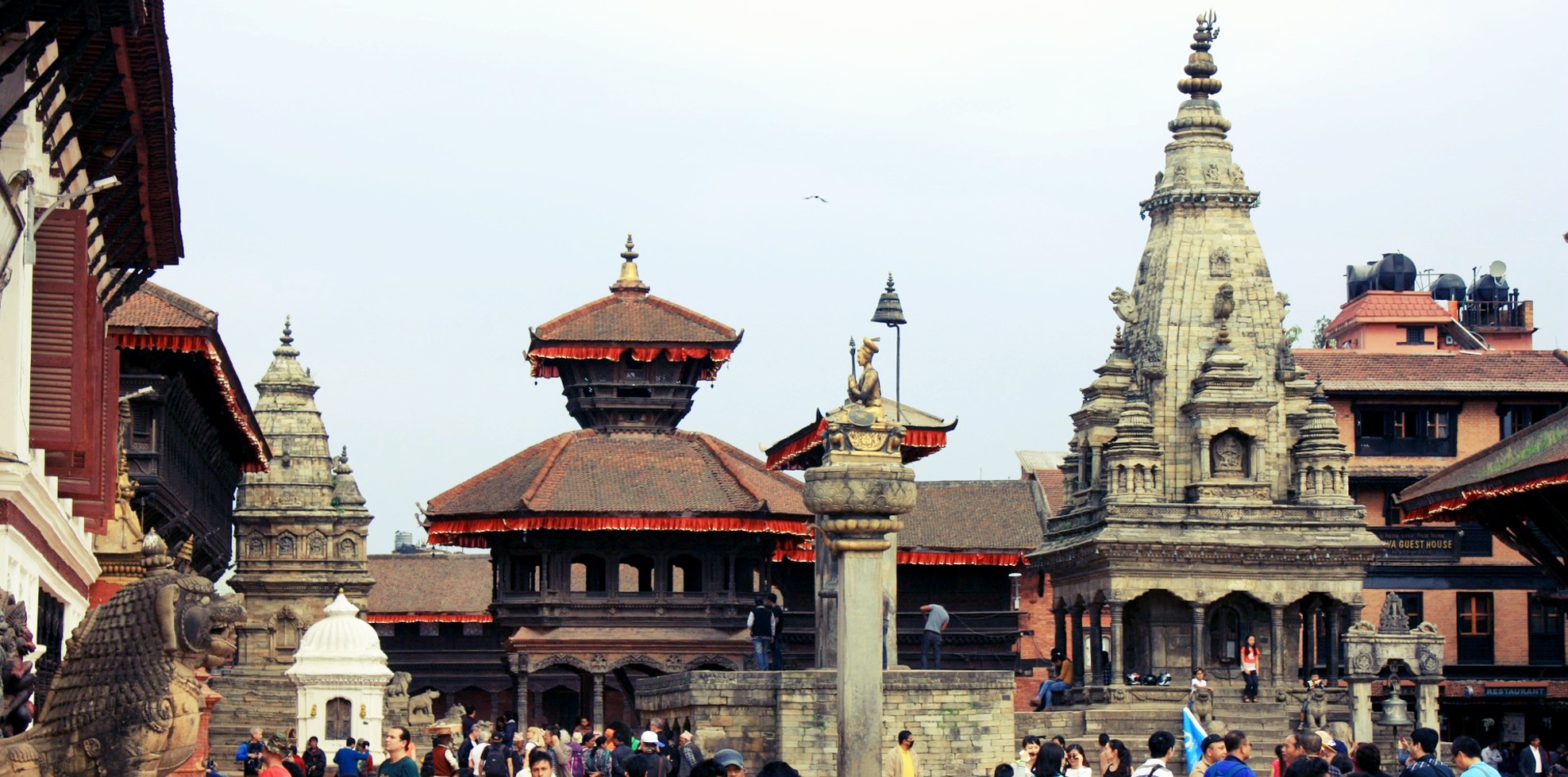
Best of Beijing
2 2 DAYS Fairly EasyThis two-day private itinerary moves through Beijing with intention, beginning in the monumental civic spaces of the city centre before entering the layered quiet of its oldest residential quarters by bicycle. The second day leaves the capital behind for the Gubei Water Town and the Simatai Great Wall, a stretch of frontier fortification that retains genuine structural complexity and historical weight. Movement is unhurried, company is private, and the route is led throughout by a dedicated guide.
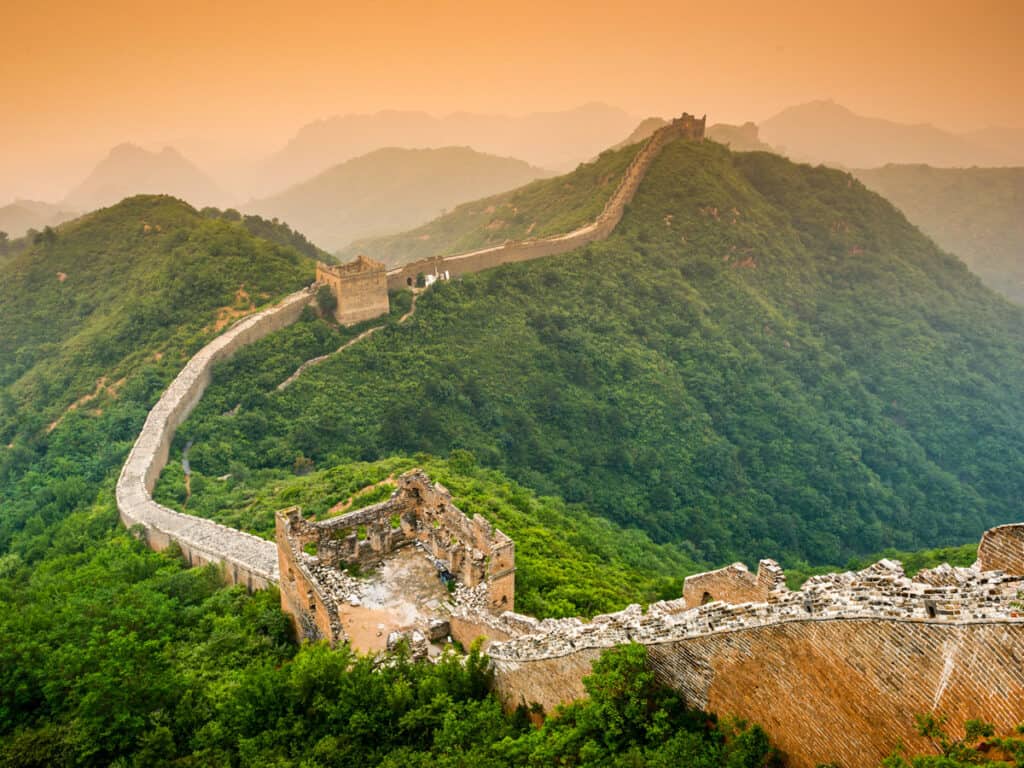
Two Days on the Great Wall: Jiankou, Mutianyu, and Wangjinglou
2 2 DAYS Fairly EasyThis two-day private itinerary moves through three distinct characters of the Great Wall, each separated by landscape and temperament. The first day covers the unrestored Jiankou section, where dolomite battlements follow a ridgeline above dense forest in Huairou district, roughly 80 kilometres northeast of Beijing. The route transitions to the restored Mutianyu section before settling for the night in Gubeikou, a walled village that once served as a northern garrison of the Ming capital. The second day ascends to Wangjinglou, the Watching Beijing Tower, for elevated views across the surrounding mountain ranges before the private return to the city. The pace is deliberate, the distances manageable, and the overnight in a local guesthouse provides an honest point of contact with a community that has lived alongside the wall for generations.
Two Days on the Great Wall: Huangyaguan and Huanghuacheng
2 2 DAYS Fairly EasyThis two-day itinerary covers two separate stretches of the Great Wall that receive a fraction of the attention directed at more publicised sections. On the first day, the route follows the battlements at Huangyaguan, a 46-kilometre section running along mountain ridges north of Tianjin, first built under the Northern Qi dynasty in the sixth century and substantially rebuilt during the Ming era. A picnic lunch is taken on the wall itself. The night is spent in a local guesthouse in the village of Xishuiyu. The second day opens with a walk directly from the village up to Huanghuacheng, where the wall descends to meet a reservoir, producing one of the more quietly dramatic landscapes on any accessible section of the structure. The return drive concludes in Beijing. Throughout both days, a private expert guide accompanies the group, and all movement is by private vehicle.
Two-Day Great Wall Traverse: Huanghuacheng to Xishuiyu
2 2 DAYS Fairly EasyThis two-day private itinerary moves through the Huanghuacheng and Xishuiyu sections of the Great Wall, both of which sit in the hills north of Beijing and are defined by the reservoirs that cut through and beneath the ancient stonework. The first afternoon is spent on the Huanghuacheng section, a moderate three-hour walk that introduces the terrain and the particular quality of light over water that makes this stretch unlike the restored sections closer to the capital. The night is spent at a local farmer's guesthouse in Xishuiyu, a practical and grounding choice that places you inside the rhythm of the area rather than at a distance from it. The second day is longer and more demanding, with four to five hours of hiking along the Xishuiyu Wall, including a descent that requires care and attention on uneven stone. The route finishes at a parking area before a private transfer returns you to Beijing. The itinerary is designed for travelers who want unhurried access to an authentic section of the Wall without the crowds that gather at Mutianyu or Badaling.
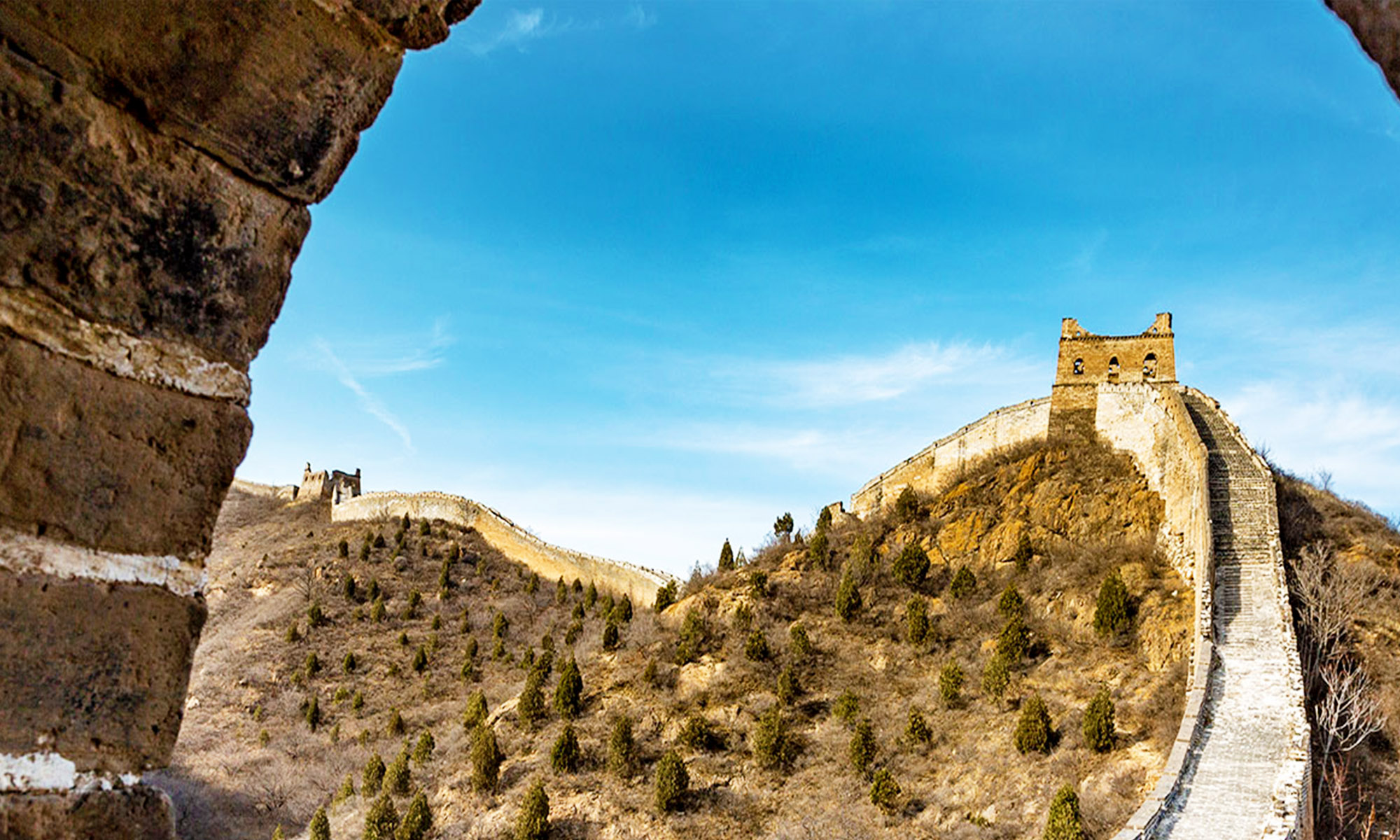
5-Day Great Wall Hiking
5 5 DAYS Fairly EasyThis five-day itinerary follows a continuous sequence of Ming-dynasty fortifications across the mountains north of Beijing, moving section by section from Gubeikou through Jinshanling to Simatai. The walking is genuine: steep in places, quiet for long stretches, and far removed from the managed visitor sites closer to the capital. Nights are spent in village guesthouses where the wall is not a backdrop but a working part of local memory. The route covers approximately 35 kilometres of ridgeline over three full hiking days, returning to Beijing on the afternoon of the fifth day.
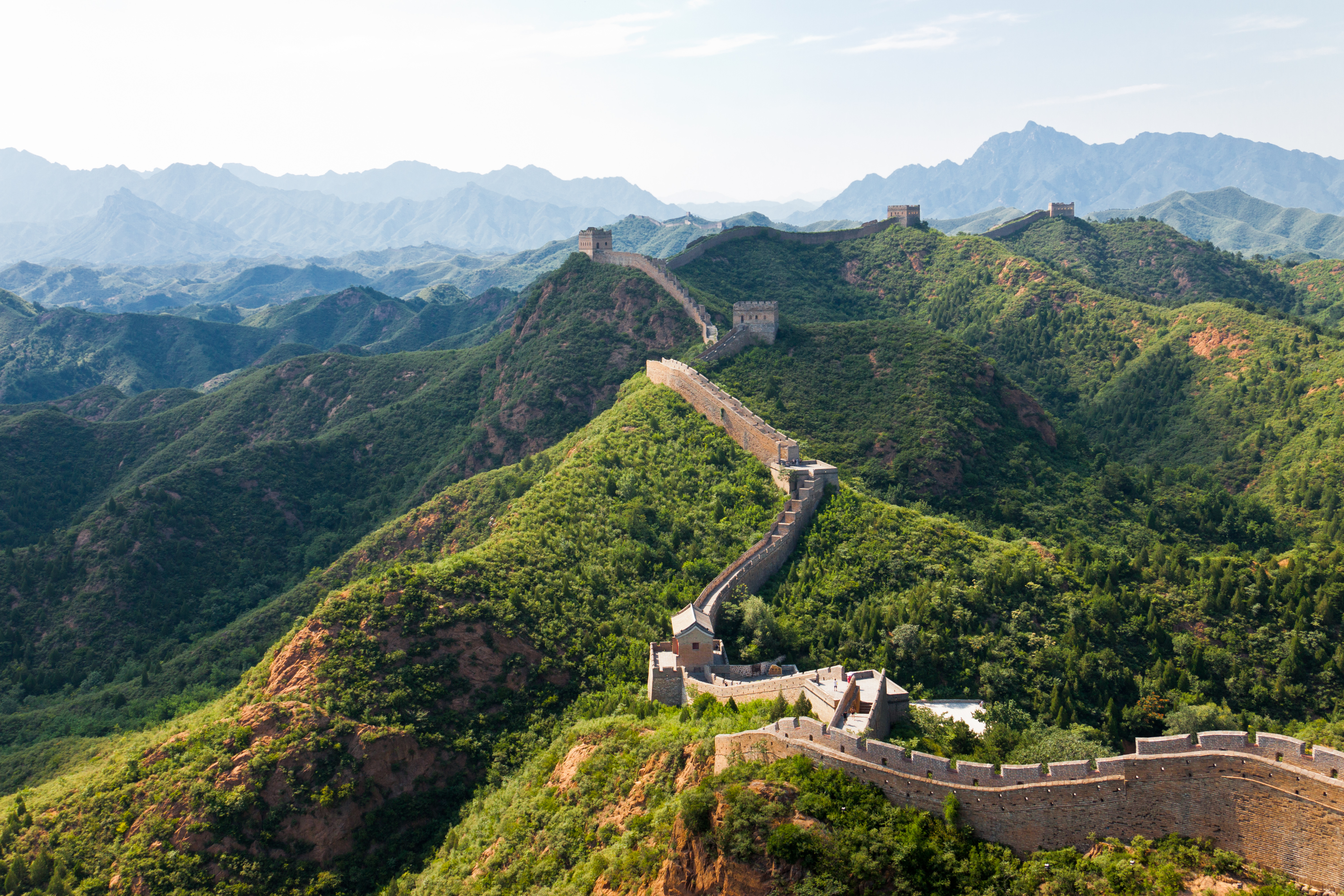
Cycle Beijing & Great Wall Trek
6 6 DAYS Fairly EasyThis six-day private journey moves between two distinct modes of travel and two very different expressions of the Chinese landscape. The opening afternoon is spent on two wheels through the historic core of Beijing, reading the city at street level before the pace shifts entirely. Days two and three are given over to the Great Wall on foot, tracing the less-frequented ridge sections from Gubeikou through Jinshanling and on to the fractured towers of Simatai. The final two days return to the saddle for sustained distance cycling on back roads that pass through the quieter counties north and west of the capital. The itinerary closes in Beijing on the evening of day five, leaving day six open.
Walk the Great Wall
7 7 DAYS Fairly EasyThis seven-day journey traces a considered sequence of Great Wall sections north of Beijing, moving from the restored battlements at Huangyaguan through the village guesthouses of Gubeikou and Jinshanling, across the contrasting terrain between Jiankou and Mutianyu, and finishing at Huanghuacheng before returning to the capital. Each day is built around walking: the distances are genuine, the gradients are honest, and the route passes through agricultural villages where the wall's stone was repurposed for farmhouses in the mid-twentieth century. The pace allows time to read the landscape rather than collect viewpoints. A private vehicle and expert guide accompany the group throughout, managing transfers between sections and providing context that is specific to each stretch of wall rather than generic. Accommodation is a deliberate mix of a Beijing hotel at the start and local farmer guesthouses along the route, where proximity to the wall and interaction with village life are the point.
A Glimpse of China
7 7 DAYS Fairly EasyThis seven-day journey moves through three of China's most historically layered cities, connected by overnight sleeper and high-speed rail. In Beijing, the itinerary covers the full sweep of imperial monuments alongside the quieter texture of hutong neighbourhoods. A single day in Hangzhou is built around West Lake and the elevated perspective from Shibaoshan. Shanghai closes the route with its contrasting architectural inheritance — Ming-dynasty garden, colonial waterfront, and the dense residential lanes that run between them. The pace allows for guided immersion at key sites while preserving unscheduled time for independent movement.
China Express
8 8 DAYS Fairly EasyEight days across three of China's most consequential cities, connected by overnight train rather than internal flight. The route moves from Beijing's imperial core through Xi'an's archaeological landscape to Shanghai's layered waterfront, combining structured access to major heritage sites with unscheduled time in each city. Local guides accompany the group at each destination. The pace is direct without being rushed, and the rail connections between cities are part of the experience rather than a logistical concession.
10-Day Great Wall Hike
10 10 DAYS Fairly EasyThis ten-day private itinerary moves through the full arc of the Great Wall's character, from the polished lanes of imperial Beijing to the unrestored, vegetation-draped sections that stretch across the mountains north of the capital. The route progresses deliberately: two days in Beijing establish historical and cultural grounding before the hiking begins in earnest at Jiankou. From there, the journey follows the wall's spine eastward through Huanghuacheng, Gubeikou, Jinshanling, Simatai, and finally Huangyaguan, with each section presenting a different relationship between the wall and the landscape it crosses. Several nights are spent in farmhouse guesthouses close to the wall, which shapes the pace and texture of the experience considerably. The hiking itself ranges from well-maintained restored sections to wild, crumbling stretches where the structure has been reclaimed by forest and time. Total distances and ascents are moderate to demanding depending on the day, and the itinerary is designed for travelers who move steadily rather than urgently.
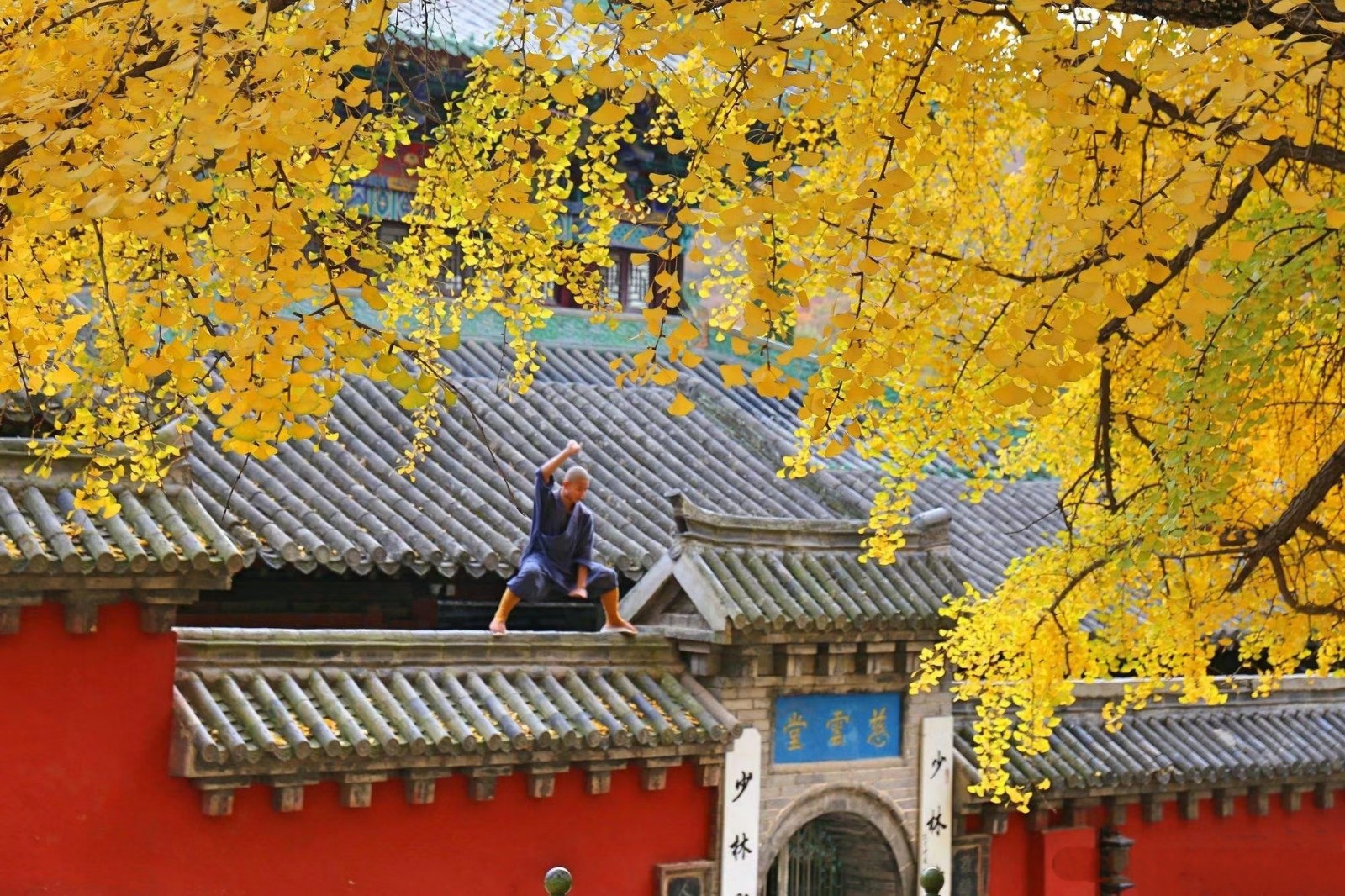
Highlights of China
10 10 DAYS Fairly EasyChina resists reduction, yet certain places earn their prominence. This ten-day journey moves through five of the country's most historically and geographically distinct cities, connecting the ceremonial weight of Beijing with the archaeological precision of Xi'an, the unhurried pace of Chengdu, the karst countryside around Yangshuo, and the layered modernity of Shanghai. Each destination is different in character and landscape. Together they form a coherent introduction to a country that rewards return visits.
China Family Adventure
11 12 DAYS Fairly EasyThis twelve-day journey moves a family through the architectural and natural breadth of China, from the imperial capital to the karst landscapes of the south. The route connects Beijing, Luoyang, Xi'an, Chengdu, Longji, Yangshuo, and Hong Kong by overnight train, bullet train, and short-haul flight. Historical sites of genuine weight sit alongside quieter moments: a school visit in Beijing, a martial arts demonstration at Shaolin, a morning among giant pandas in Chengdu, and a lunch cooked by a family in the Yangshuo countryside. The pace allows children and adults to absorb each place before moving to the next.
China Avatar Explorer
14 14 DAYS Fairly EasyThis fourteen-day journey moves through the full range of China's distinct landscapes and living cultures. It opens in Beijing with the ceremonial weight of Tiananmen Square, the Forbidden City, and the Great Wall at Mutianyu, then travels by overnight sleeper train to Shanghai and its layered colonial and contemporary character. A day trip to Suzhou introduces the classical gardens and canal-threaded streets of the Yangtze Delta. The route then turns inland to Zhangjiajie, where three days in the national forest give time to properly absorb the sandstone pillar formations that rise from subtropical forest in Hunan Province. From there the journey continues to Fenghuang, a Miao and Tujia minority town of stilted wooden houses on the Tuojiang River, before climbing to the high rice terraces of Longji for two nights. The final stage descends to Yangshuo, set among karst hills in Guangxi, and concludes with a Li River passage before a fast train delivers travelers to Hong Kong.
China Adventure
20 20 DAYS Fairly EasyChina resists any single characterization, and this itinerary is designed around that fact. Over twenty days the route moves through six distinct regions, each governed by its own geography, ethnic identity, and architectural language. Beijing presents the administrative grandeur of successive dynasties. Xi'an holds the buried army of a unified empire. Chengdu opens into the humid Sichuan basin before the route climbs to the high plateau of Shangri-La at 3,276 metres. The Tiger Leaping Gorge and the ancient Naxi town of Lijiang occupy the deep river country of northwest Yunnan. The Bai lakeside city of Dali and the transit hub of Kunming carry the journey south toward the karst landscapes of Guilin and Yangshuo, where the tour concludes at the Hong Kong rail connection. Movement between cities relies on China's high-speed rail network, overnight sleeper trains, and one domestic flight, each transition itself a study in the country's scale. The pace allows time in each place rather than a sequence of arrivals and departures.
China Adventure
20 20 DAYS Fairly EasyChina resists any single characterization, and this itinerary is designed around that fact. Over twenty days the route moves through six distinct regions, each governed by its own geography, ethnic identity, and architectural language. Beijing presents the administrative grandeur of successive dynasties. Xi'an holds the buried army of a unified empire. Chengdu opens into the humid Sichuan basin before the route climbs to the high plateau of Shangri-La at 3,276 metres. The Tiger Leaping Gorge and the ancient Naxi town of Lijiang occupy the deep river country of northwest Yunnan. The Bai lakeside city of Dali and the transit hub of Kunming carry the journey south toward the karst landscapes of Guilin and Yangshuo, where the tour concludes at the Hong Kong rail connection. Movement between cities relies on China's high-speed rail network, overnight sleeper trains, and one domestic flight, each transition itself a study in the country's scale. The pace allows time in each place rather than a sequence of arrivals and departures.
China Adventure
20 20 DAYS Fairly EasyChina resists any single characterization, and this itinerary is designed around that fact. Over twenty days the route moves through six distinct regions, each governed by its own geography, ethnic identity, and architectural language. Beijing presents the administrative grandeur of successive dynasties. Xi'an holds the buried army of a unified empire. Chengdu opens into the humid Sichuan basin before the route climbs to the high plateau of Shangri-La at 3,276 metres. The Tiger Leaping Gorge and the ancient Naxi town of Lijiang occupy the deep river country of northwest Yunnan. The Bai lakeside city of Dali and the transit hub of Kunming carry the journey south toward the karst landscapes of Guilin and Yangshuo, where the tour concludes at the Hong Kong rail connection. Movement between cities relies on China's high-speed rail network, overnight sleeper trains, and one domestic flight, each transition itself a study in the country's scale. The pace allows time in each place rather than a sequence of arrivals and departures.
Trekking and Camping on the Great Wall
8 8 DAYS Fairly EasyThis eight-day itinerary is structured for experienced hikers who want sustained time on the Great Wall rather than a single-day visit. Five consecutive days of guided trekking move through a sequence of contrasting sections — Huangyaguan, Gubeikou, Jinshanling, Simatai, and Mutianyu — ranging from carefully restored stretches to terrain that sees very little foot traffic. Nights spent along the wall and in a local village place the journey in direct contact with the landscape rather than at a remove from it. Beijing frames the expedition at either end, with time at Tiananmen Square, the Forbidden City, and the Eastern Qing Tombs providing historical grounding before the trek begins. A support vehicle accompanies the group throughout, managing transfers between sections and keeping the focus on the walking itself.
Highlights of China
11 11 DAYS Fairly EasyThis eleven-day journey moves through the cities and landscapes that define China's breadth as a travel destination. Beginning in Shanghai, the route progresses north to Beijing before continuing west to Xi'an, then south through Chengdu and Guilin to conclude in Hong Kong. Each stop is distinct in character: Shanghai presents the layered contrasts of its concession-era streets and contemporary waterfront; Beijing holds the ceremonial weight of the Forbidden City and the physical scale of the Great Wall at Mutianyu; Xi'an offers the archaeological gravity of the Terracotta Warriors alongside a walled city that remains in daily use; Chengdu provides an encounter with giant panda conservation set against a Sichuan urban backdrop; and Yangshuo opens into a rural karst landscape best understood from a bicycle or a bamboo raft on the Yulong River. Movement between cities is principally by high-speed train, with one overnight soft-sleeper service between Beijing and Xi'an. A private guide and driver are in place at each destination. The journey closes in Hong Kong with an evening at Temple Street night market before departure the following morning.
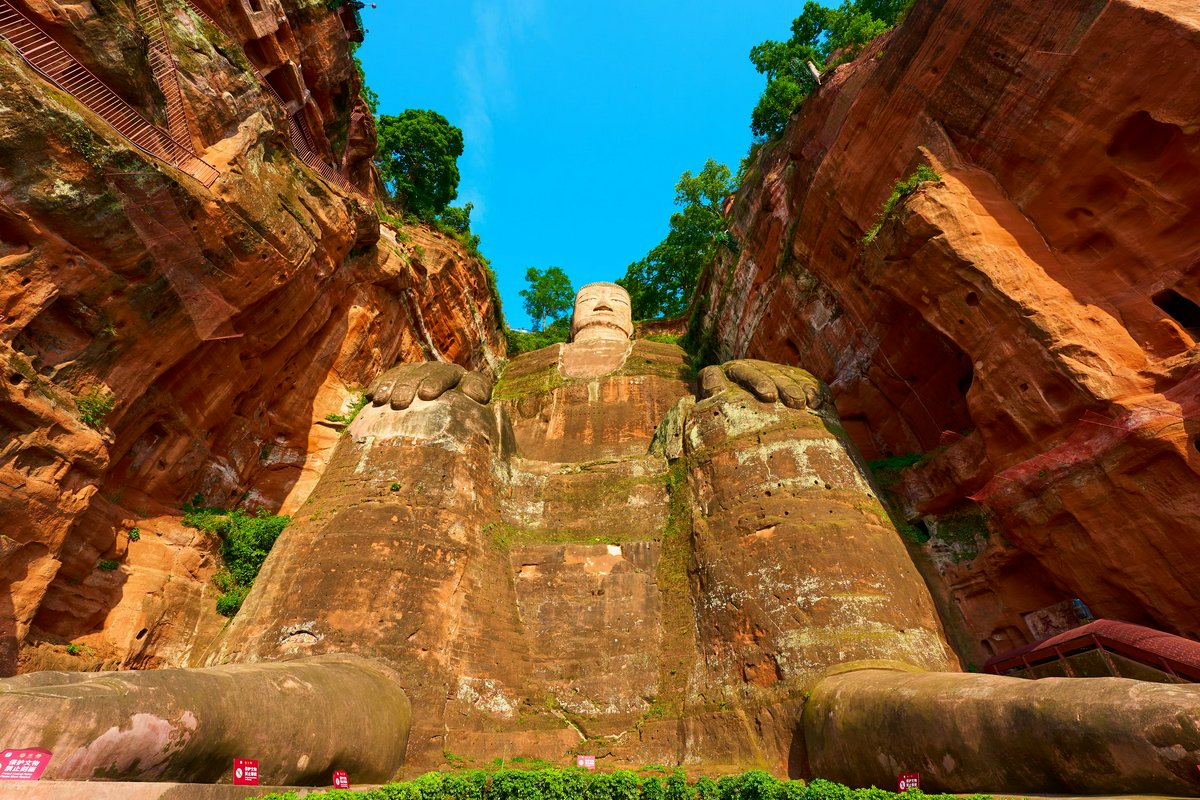
Giant Buddha and Tea Plantation
1 1 DAY Fairly EasyThis single-day private itinerary travels southwest from Chengdu to two distinct corners of Sichuan life. The morning is given to the Leshan Buddha, a 71-metre Tang Dynasty figure cut directly into the cliff face between the eighth and ninth centuries. The afternoon moves to an old town where traditional trades continue in their original settings, followed by a working tea plantation where the farmer leads a practical introduction to the crop from field to cup.
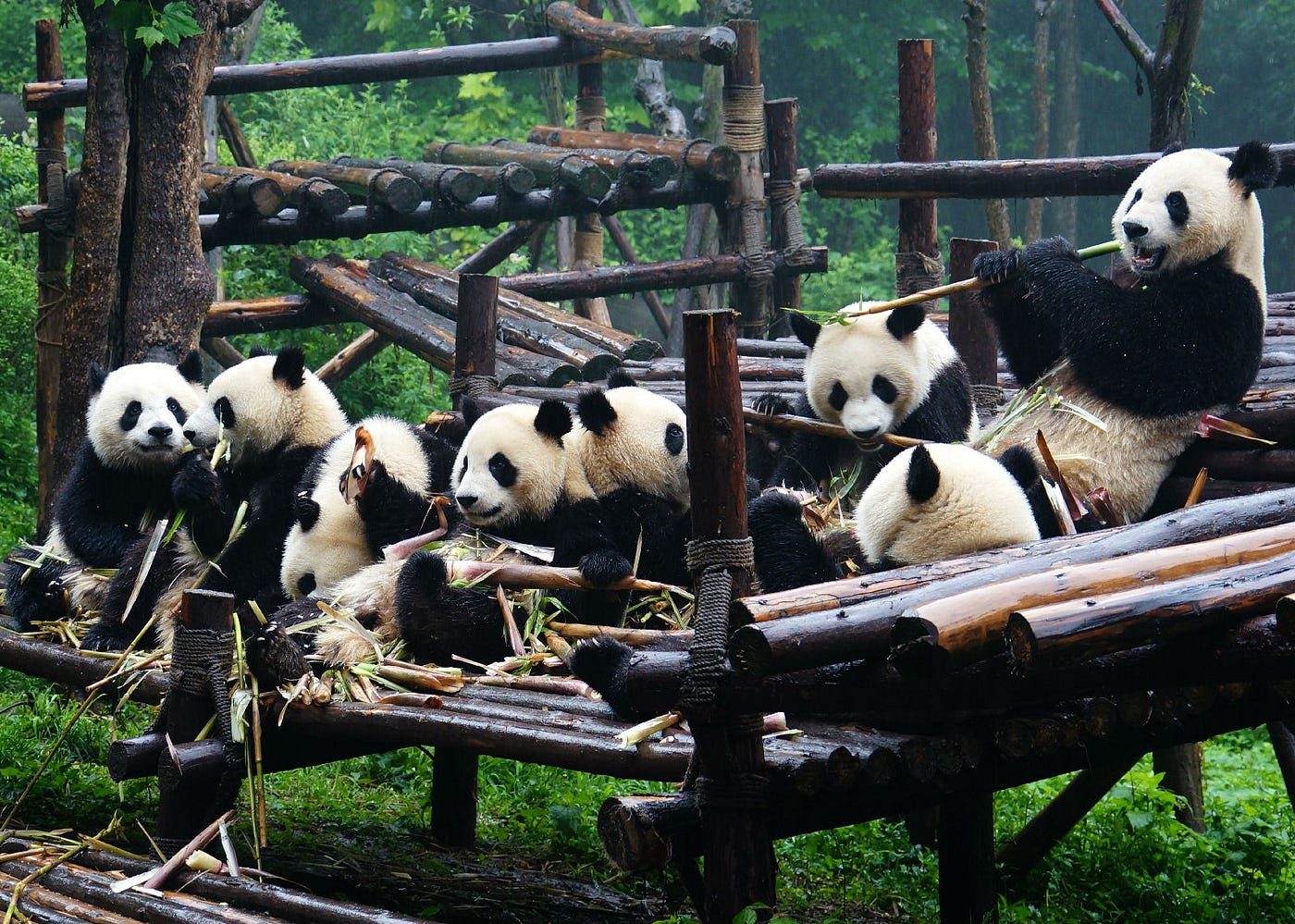
Pandas and Dujiangyan
1 1 DAY Fairly EasyThis single-day itinerary moves west from Chengdu into Sichuan's mountain foothills, pairing two sites that rarely appear in the same conversation despite sitting within easy distance of each other. The Giant Panda Breeding Research Base is a serious conservation operation; the animals live in naturalistic enclosures, and the morning hours offer the most active viewing. Dujiangyan, constructed in 256 BC and still functioning as intended, predates the Great Wall by several decades and remains one of the few ancient irrigation systems in the world that has never been replaced. The afternoon walk through its park reveals old stone bridges, riverside temples, and on clear days an unobstructed sightline toward distant snow peaks. A private vehicle and dedicated English-speaking guide handle all movement and entry throughout.
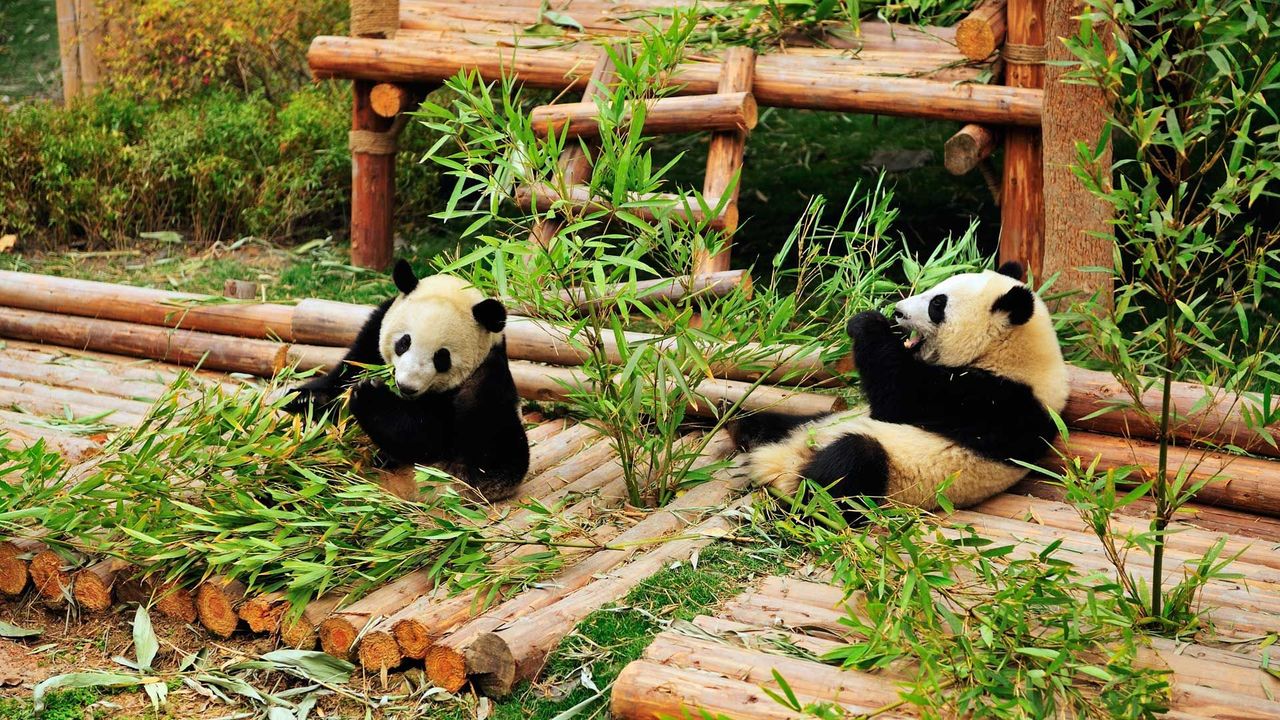
Half-Day Panda Tour
1 1 DAY Fairly EasyThis half-day arrangement in Chengdu is built around a single, unhurried visit to the Giant Panda Breeding Research Base. A private guide collects you from your hotel at 08:30 and accompanies you throughout. The base is one of the world's leading giant panda conservation facilities, and the morning hours offer the most settled conditions for observing the animals. You will move through the enclosures at your own pace, watching giant pandas feed on bamboo, rest, and move through their habitat. The return to your hotel is by private vehicle.
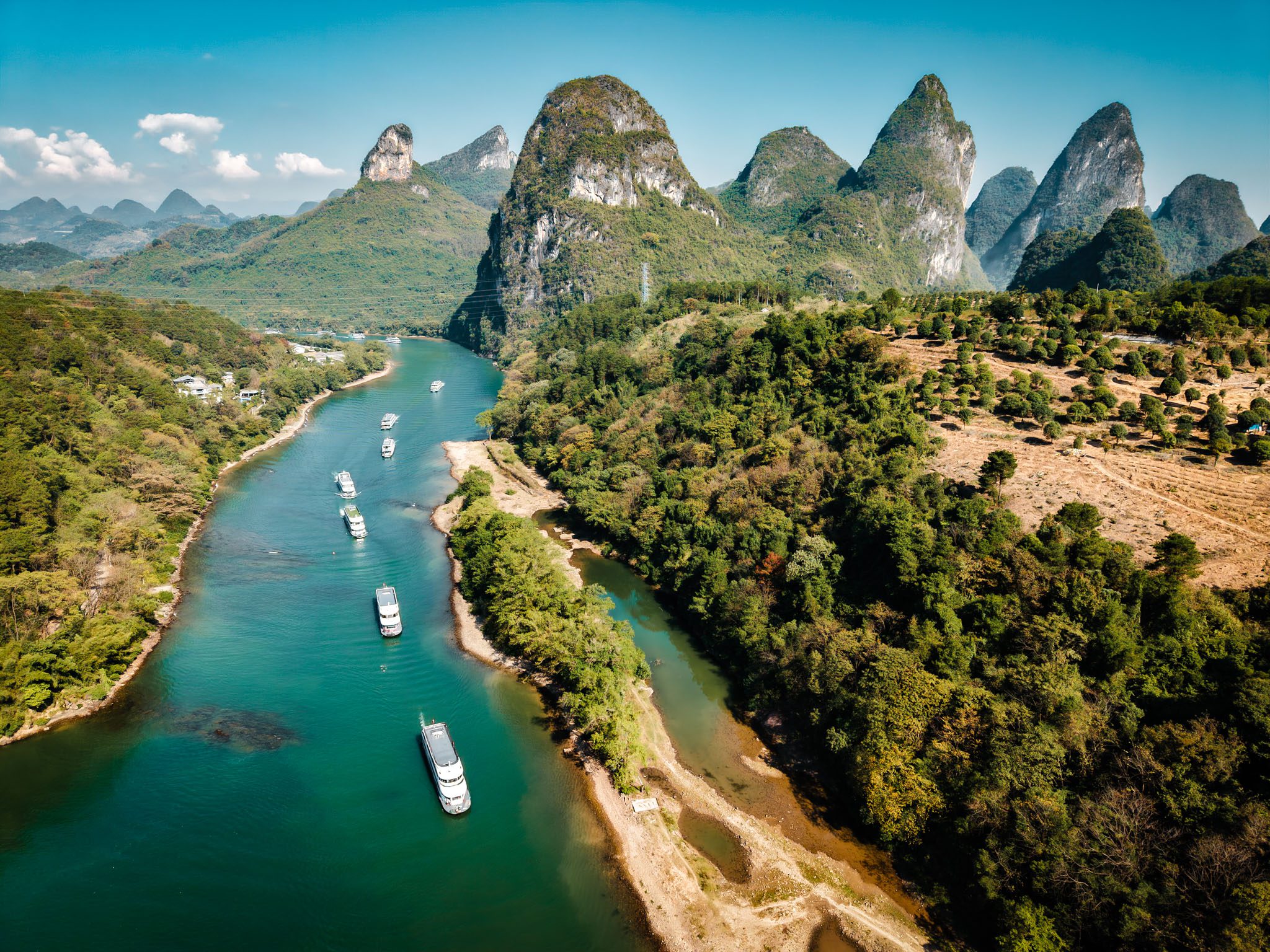
South China: Hong Kong to Chengdu
8 8 DAYS Fairly EasyThis eight-day journey moves through some of southern China's most quietly compelling terrain. From Hong Kong, the route travels by fast train into Guilin and on to Yangshuo, a rural town sitting within a landscape of limestone karst peaks and winding rivers. Three days here allow time to move through the countryside by bicycle, visit a working farmhouse, and engage with the region at an unhurried pace. The journey then shifts north to Longji, where the Dragon's Backbone Rice Terraces rise in tiers across steep hillsides — an agricultural system more than six centuries old. A visit to Huangluo Yao Village, known for its distinct cultural traditions, precedes a long bullet train journey west into Sichuan. Chengdu provides a different register entirely: a major inland city with serious culinary traditions, a significant panda conservation program, and access to the monumental cliff-carved Buddha at Leshan. The itinerary keeps movement purposeful and allows each place sufficient time to reveal something genuine.
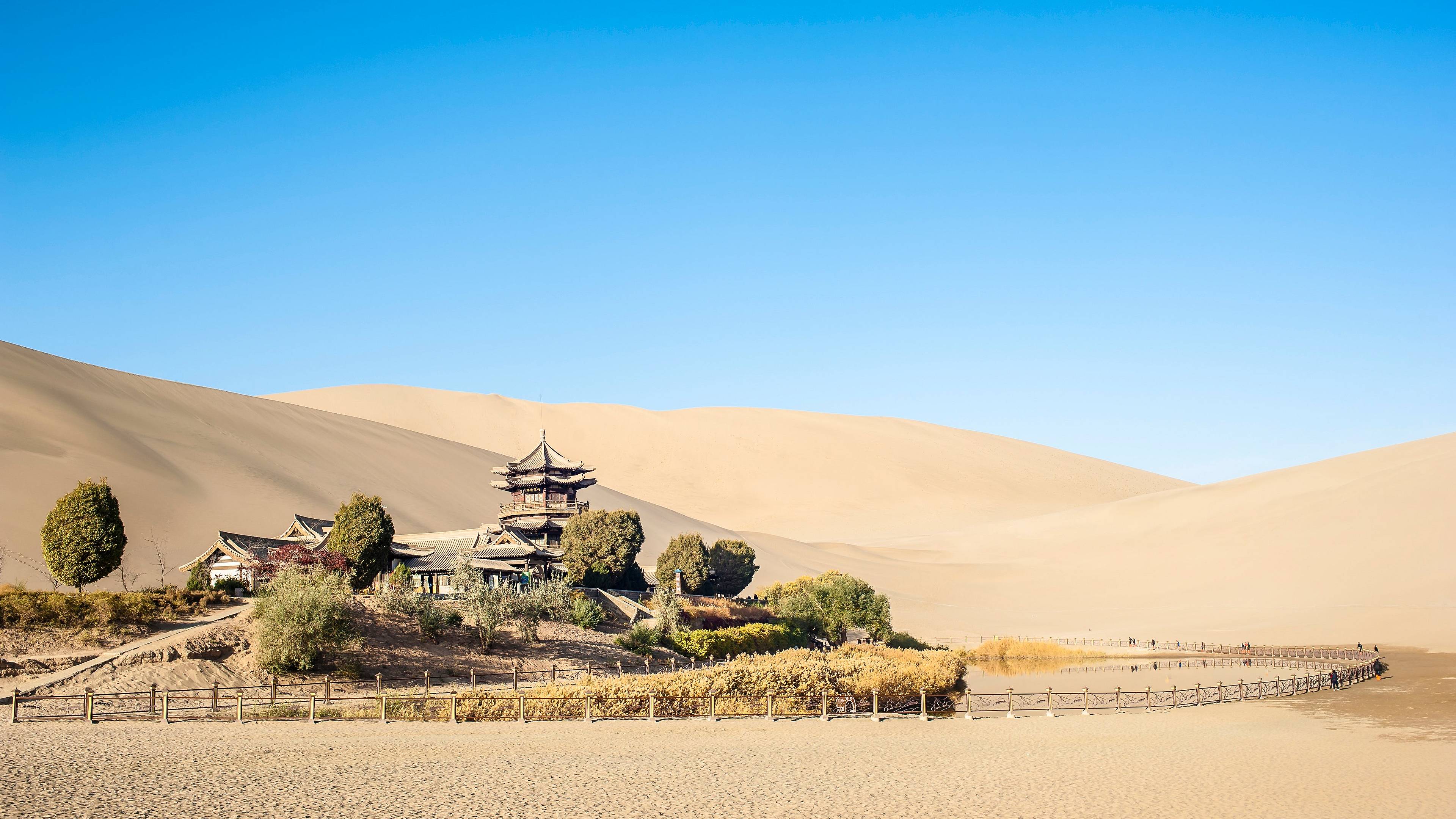
Private Tour to Mogao Caves in Dunhuang
2 2 DAYS Fairly EasyDunhuang sits at a point where the Chinese empire once met the western world. For centuries it served as the final frontier garrison before the great trading routes diverged into Central Asia, and its position made it the most internationally permeable city in ancient China. That history left a physical record. The Mogao Caves, carved and painted across successive dynasties, hold frescoes and sculptures that remain among the most significant intact examples of Buddhist art anywhere. This two-day private itinerary moves efficiently through the desert landscape and into the caves themselves, giving appropriate time to both the natural topography and the cultural archive.
Dunhuang & Jiayuguan Private Rail Journey
4 4 DAYS Fairly EasyThis four-day private itinerary moves through two of the Silk Road's most consequential stopping points in China's Gansu corridor. Dunhuang holds the Mogao cave complex, one of the most significant repositories of Buddhist art in the world, alongside a desert landscape defined by the Mingsha dunes and the improbable permanence of Crescent Spring. A morning train then carries the journey westward to Jiayuguan, where the Great Wall reaches its formal terminus at a fortress that once marked the boundary between imperial China and the open steppe. The route is direct, the sites are specific, and the movement between them is unhurried.
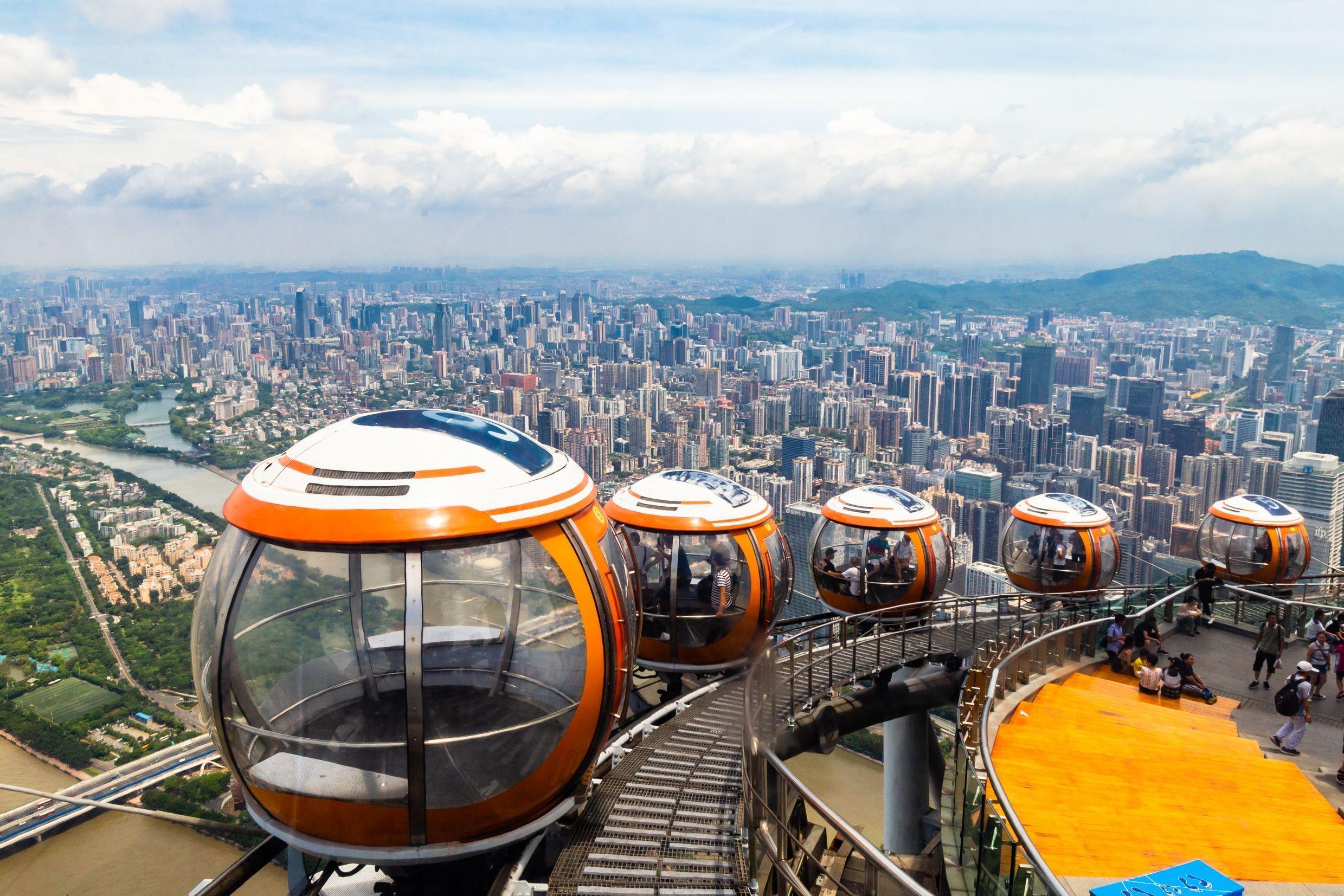
Watch Towers and Villages in Kaiping
1 1 DAY Fairly EasyKaiping sits roughly two and a half hours southwest of Guangzhou, in the low-lying farmland of Guangdong province. The city is known for its diaolou, a collection of fortified residential towers built between the 1920s and 1930s by Chinese emigrants returning from North America and Southeast Asia. The towers are an architectural record of that exchange, combining European baroque facades, Romanesque columns, and Chinese decorative detail within a single structure. The ensemble of villages and gardens surrounding Kaiping was inscribed as a UNESCO World Cultural Heritage site in 2007. This private day tour moves through three distinct sites, each representing a different aspect of that heritage, before returning to Guangzhou in the evening.
Private Historical Tour of Guangzhou
1 1 DAY Fairly EasyGuangzhou carries its history with a certain density — layers of dynastic ambition, religious permanence, and colonial consequence compressed into a walkable urban fabric. This full-day private tour moves through that fabric deliberately, from a nineteenth-century ancestral academy built for examination scholars to a sealed Han Dynasty royal tomb, a sixth-century Buddhist complex, and the quiet neoclassical streets of Shamian Island. A local guide accompanies you throughout, providing context that connects each site to the broader arc of Cantonese and southern Chinese history. Movement between sites is by private vehicle, with the pace calibrated to allow genuine attention at each location rather than passage through it.
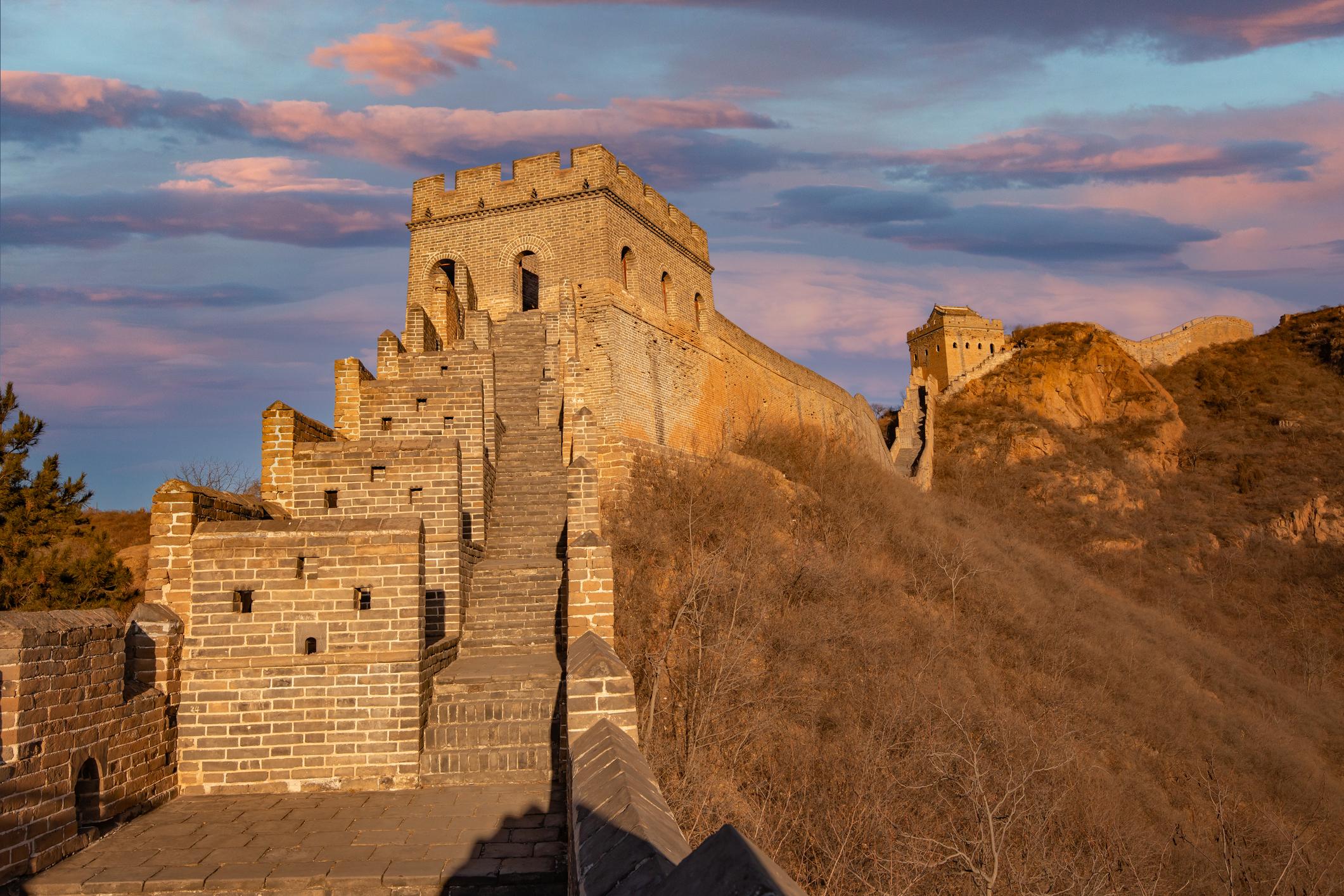
Great Wall Hiking In 3 Days
3 3 DAYS Fairly EasyThis three-day private itinerary traces a continuous passage along the northeastern Beijing wall, moving through Gubeikou, Jinshanling, and Simatai in sequence. Each section carries a distinct character: Gubeikou retains the scale and severity of its original 14th-century construction; Jinshanling shows what partial decay over decades looks like from the inside; Simatai presents the contrast between restored and unrestored fabric on a single ridge. Daily distances range from 12 to 12.5 kilometres. A guide accompanies the full route, and a support vehicle travels parallel throughout. The itinerary suits walkers with a reasonable base of fitness who want unhurried access to a less-frequented corridor of the wall.
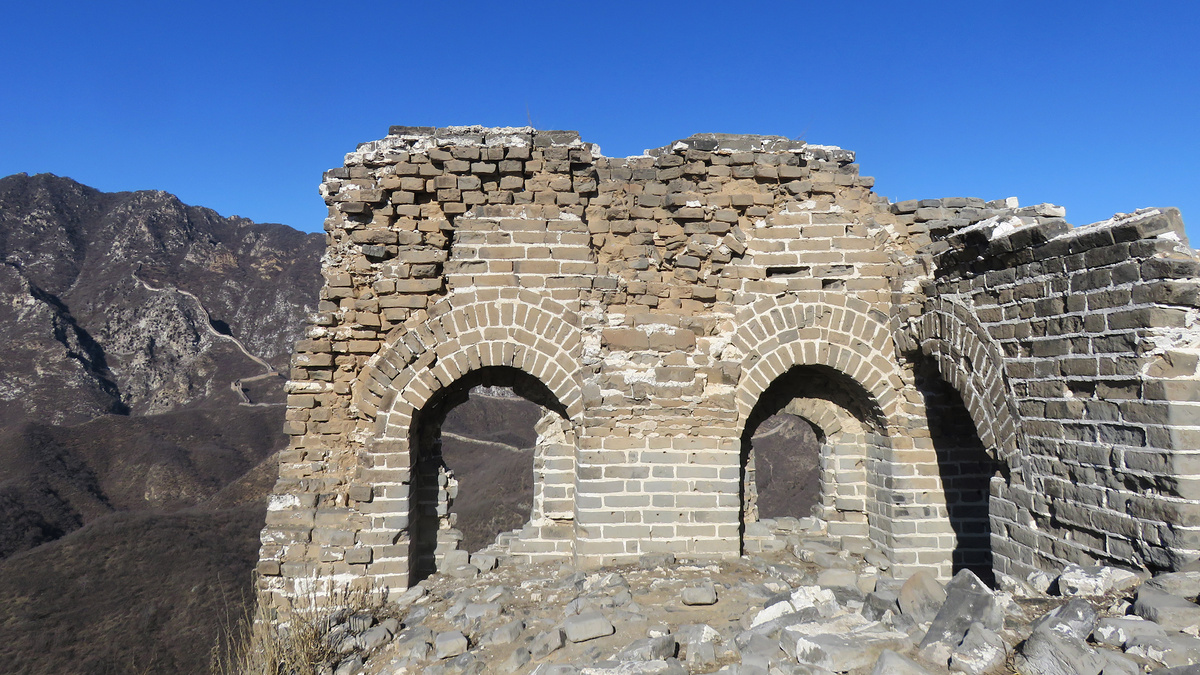
Great Wall Hiking and Camping
4 4 DAYS Fairly EasyThe sections of the Great Wall within reach of Beijing vary considerably in character. Some have been restored and draw large crowds. Others have been left largely untouched since the Ming Dynasty, their brickwork crumbling back into the ridgelines from which they rose. This itinerary moves through three of the more compelling stretches — Gubeikou, Jinshanling, and Simatai — on foot, over four days, with a private guide and overnight stays in village guesthouses close to the wall. The route covers terrain that rewards steady walkers rather than experienced mountaineers. Each section presents a distinct mood: the steep, intact watchtowers of Wohushan above Gubeikou; the long, partially ruined traverse to Jinshanling where local farming history is written into the missing brickwork; the more technical ascent toward Simatai; and the final climb to Wang Jing Tower, where the mountains open into a wide panorama. The pace allows time to stop, look, and understand what you are standing on.
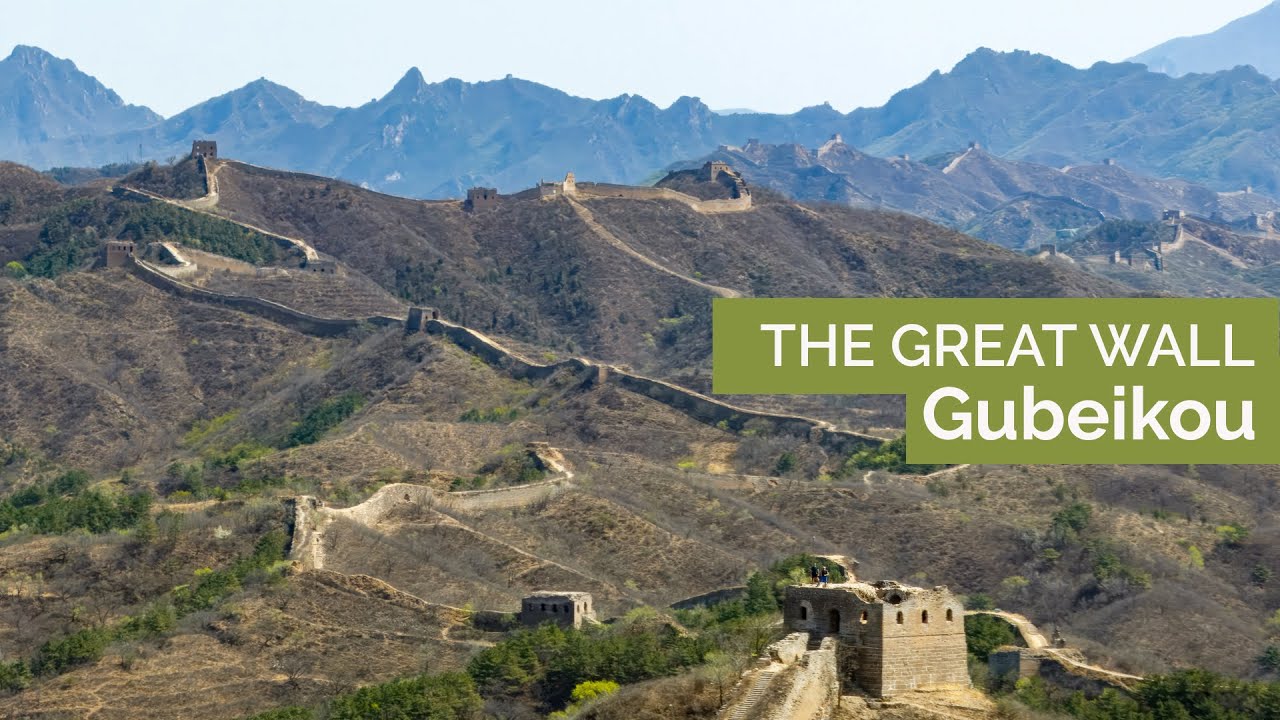
One Day Hike at Gubeikou
1 1 DAY Fairly EasyThis single-day walk focuses on Gubeikou, a stretch of the Great Wall that has changed little since the Ming dynasty and sees a fraction of the visitors drawn to more restored sections. A private guide meets you in Beijing and travels with you by dedicated vehicle to the wall, a journey of roughly three hours. The hike moves through overgrown ramparts and passes a working village before reaching the 24-Window-Tower, the high point of this section. The return route descends from Haowang Tower back to the vehicle for the drive into the city. The day is structured for genuine engagement with the wall's history and landscape rather than a managed tourist circuit.
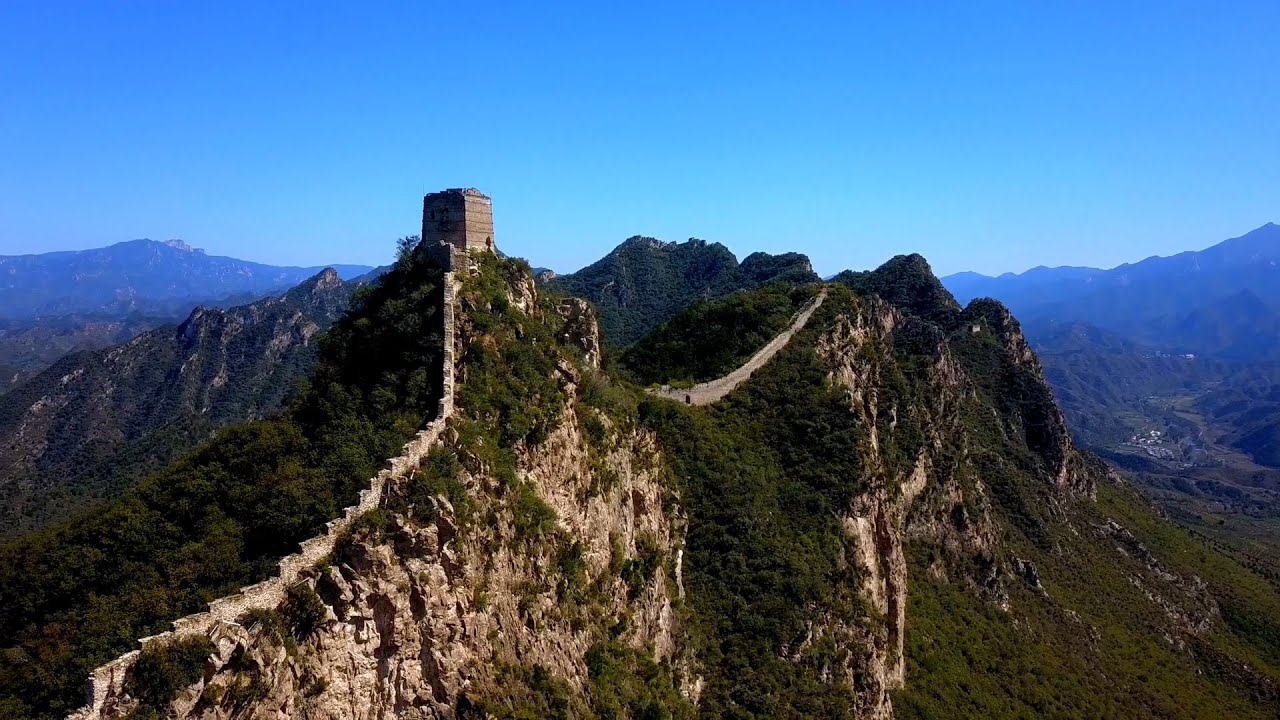
4-Day Private Hiking Adventure on Gubeikou Great Wall
4 4 DAYS Fairly EasyThis four-day private itinerary moves through four distinct sections of the Gubeikou Great Wall — Wohushan, Panlongshan, Jinshanling, and Simatai — covering ground that ranges from well-preserved battlements to sections left deliberately unrestored. The route follows the wall as it was conceived militarily: a sequence of ridge lines, beacon towers, and inner defensive circuits that still reads coherently across the landscape. Nights are spent in guesthouses close to the wall, keeping the pace unhurried and the distances honest. A knowledgeable guide provides context on construction chronology, the role of general Xu Da's Ming-dynasty campaigns, and the more recent history of brick removal by local farming communities. The journey closes with a transfer from Simatai back to Beijing.
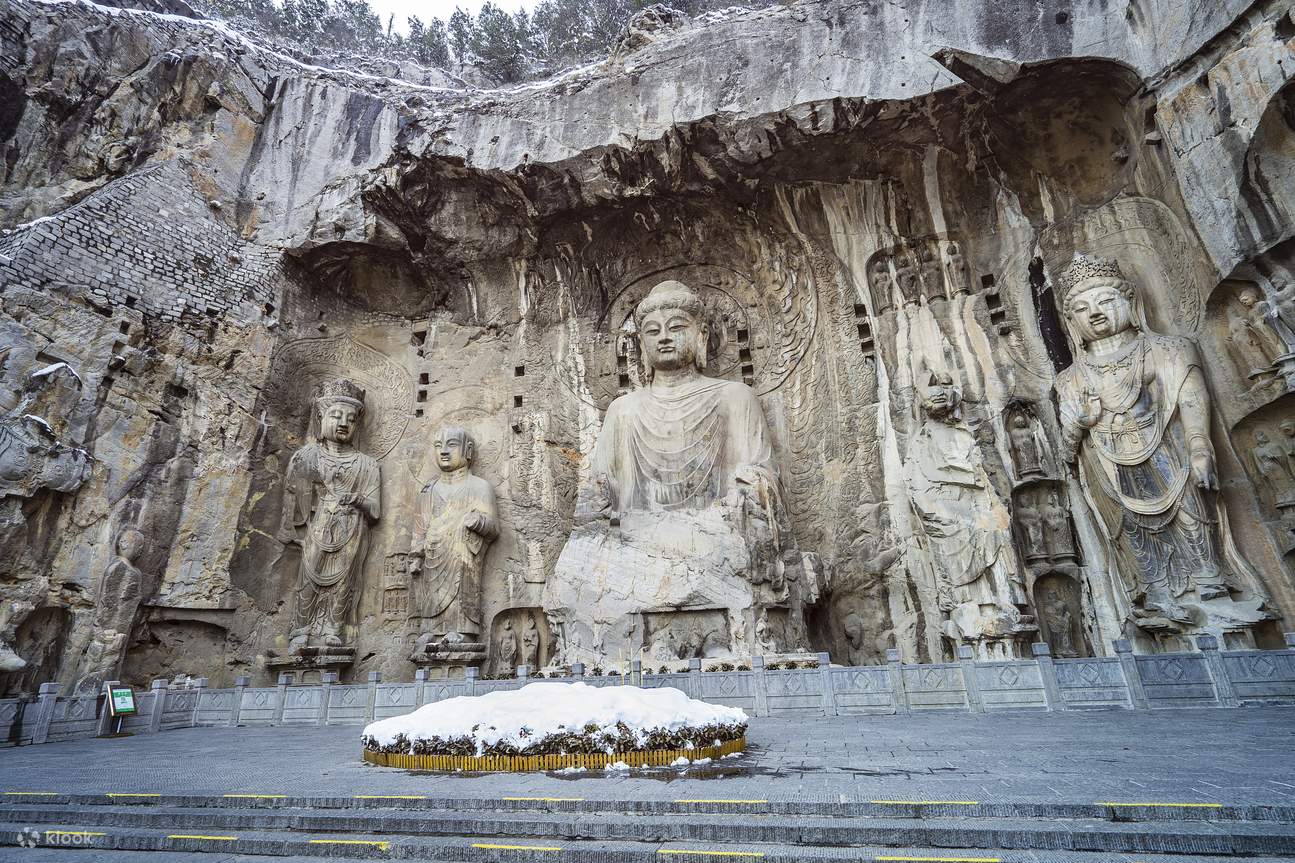
China Explorer
11 11 DAYS Fairly EasyThis eleven-day journey moves through the geographic and historical spine of China, from the imperial capital to the industrial coast, with deliberate stops at sites that shaped the country's political, religious, and artistic identity. The route favors direct engagement: metro rides through Beijing, an overnight soft-sleeper train across the plains, a full day on the unrestored stone of Jiankou. Modern China and ancient China occupy the same frame throughout, and the itinerary makes no effort to separate them. A private local guide accompanies each city stage, ensuring that context arrives before the crowds do.
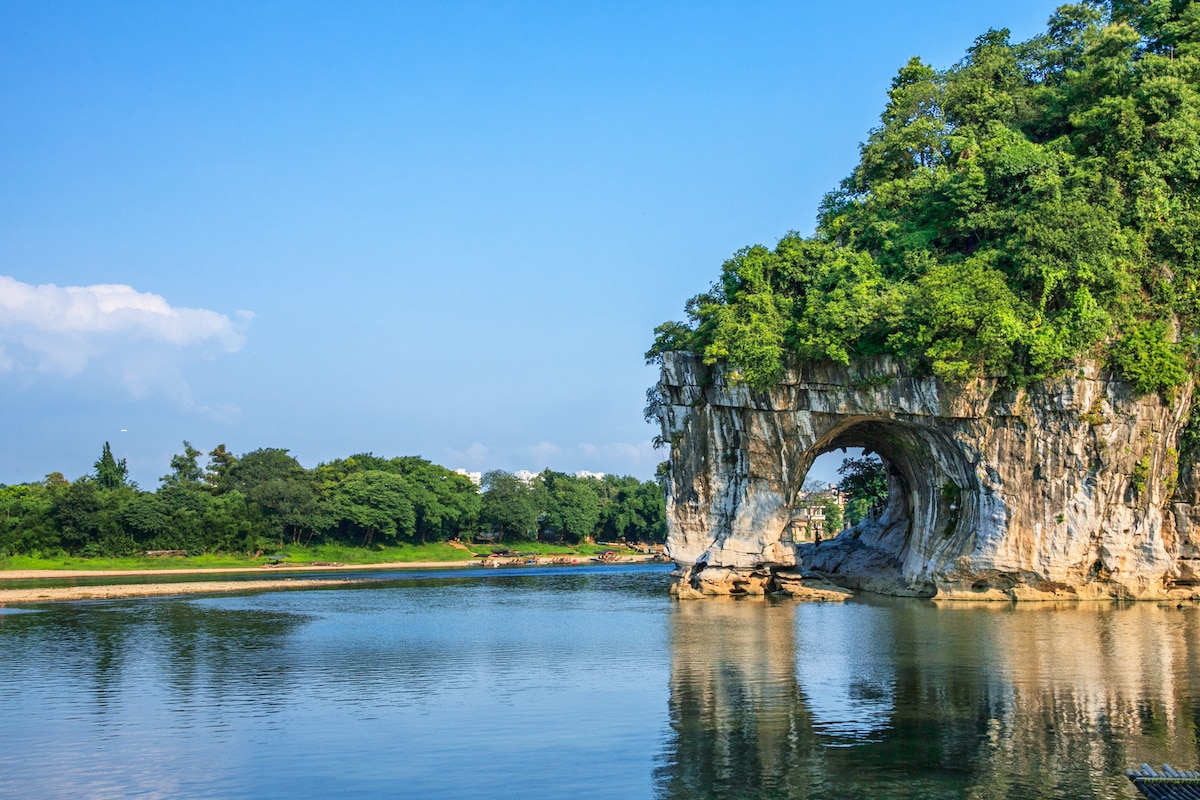
3-Day Private Tour of Guilin and Yangshuo
3 3 DAYS Fairly EasyThis three-day private itinerary moves through the geographic core of Guangxi, from the cave formations and river landmarks of Guilin to the limestone valleys of the Li River corridor and the settled streets of Yangshuo. Reed Flute Cave presents one of the region's most complete displays of natural rock architecture. The Li River cruise covers the stretch where karst peaks rise directly from the water's edge, accompanied by bamboo groves, rice paddies, and working water buffalo on the banks. Yangshuo, long known to independent travellers as a quieter base than Guilin, offers a different quality of engagement with the surrounding countryside. Three days is a practical and sufficient allocation for this route, covering the principal sites without compression.
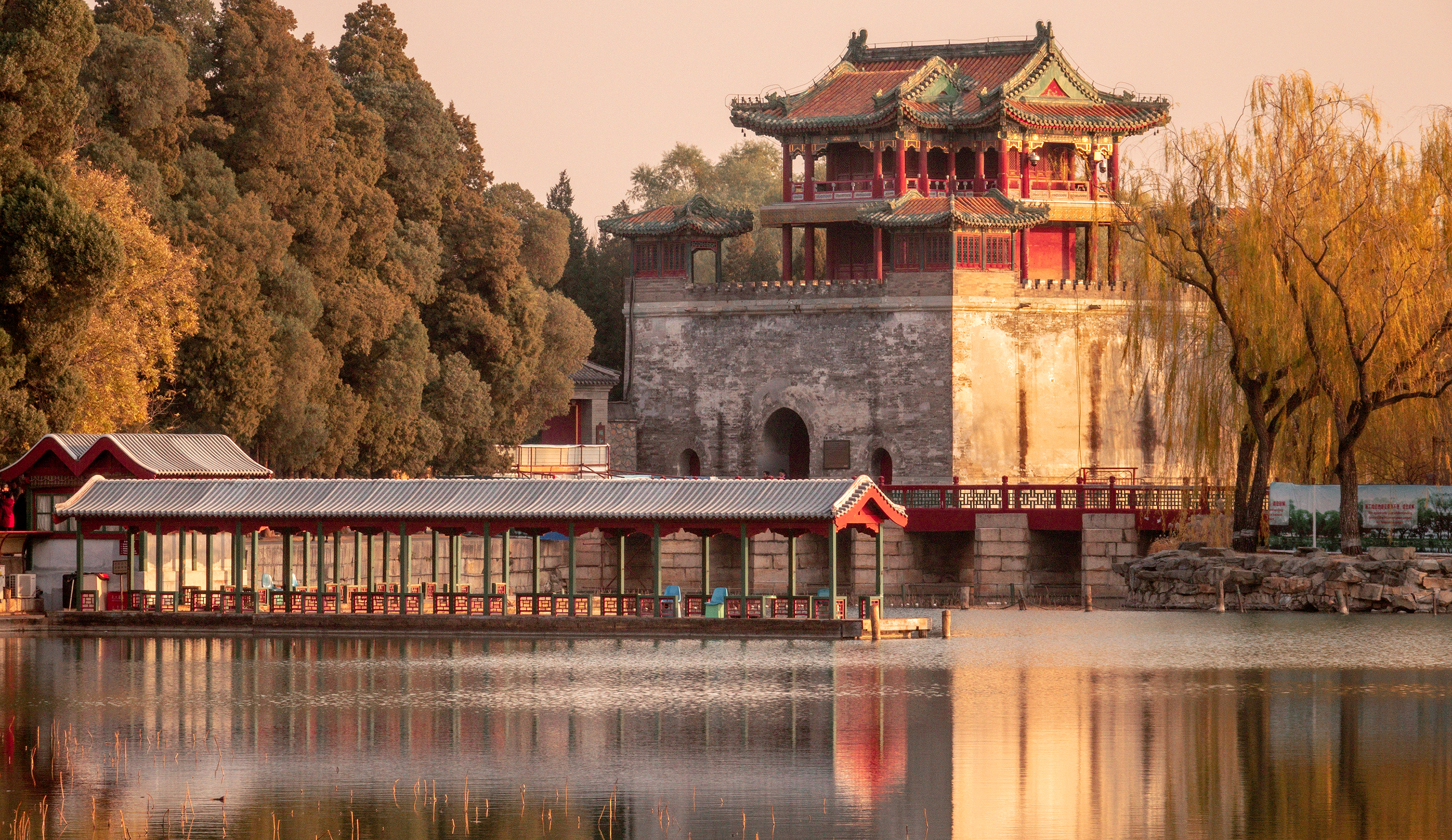
Gourmet China
11 11 DAYS Fairly EasyThis eleven-day private journey moves through six cities along a route that traces both the political spine and the culinary breadth of China. Beijing opens the programme with Tiananmen Square, the Forbidden City, and the Hutong neighbourhoods that preserve the texture of old imperial life. An overnight train carries the group to Xi'an, where the Gao Family Courtyard, the Great Mosque, and the Terracotta Warriors illuminate successive layers of Chinese history. A flight connects Xi'an to Chengdu, the base for a day excursion to the Leshan Giant Buddha and an evening introduction to Sichuan hotpot. Chengdu itself offers time at the Giant Panda Breeding Research Base and the street-food lanes of Jinli. The route then moves east to Hangzhou, where Longjing tea plantations and the causeways of West Lake set a quieter pace before the final leg through the ancient water town of Wuzhen and on to Shanghai. The programme closes in Shanghai with the City God Temple, Yuyuan Garden, and the layered European and Chinese architecture of the former French Concession. Throughout, the itinerary is structured around substantive site access rather than surface-level sightseeing, allowing enough time at each location to read it with some depth.
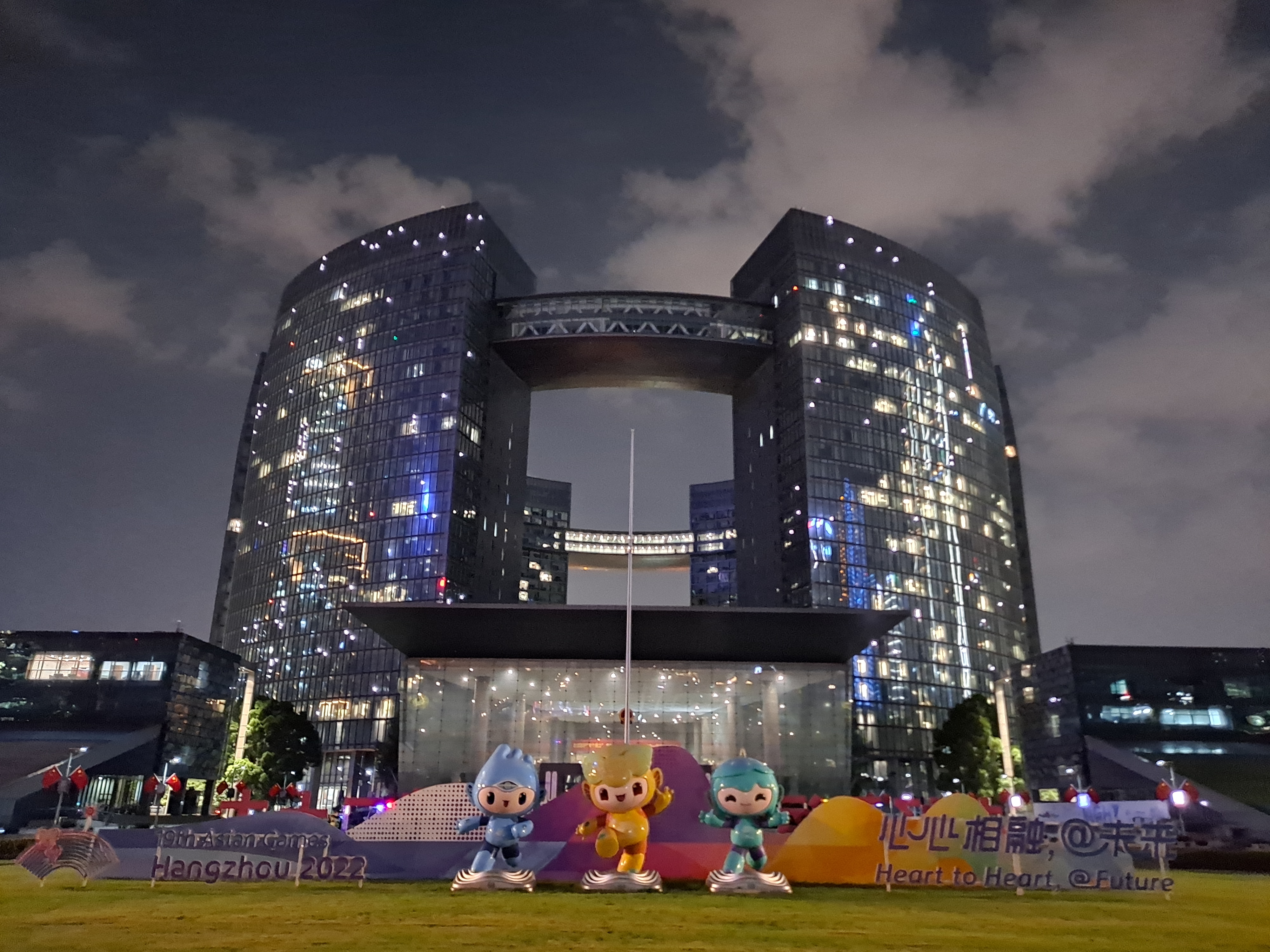
Private Day Tour of Hangzhou
1 1 DAY Fairly EasyHangzhou has anchored the Chinese imagination for centuries, and this single day moves methodically through the landscapes and cultural layers that sustain that reputation. The itinerary opens on West Lake, continues into the tea-growing hills above the city, and closes on a well-preserved commercial street whose architecture dates to the Song Dynasty. A private guide accompanies the full day, allowing the pace and depth of each visit to be adjusted without reference to a group schedule.
Hong Kong To Beijing Bullet Train Journey
13 13 days 12 nightsHong Kong has always been a Mecca for tourists for its irresistible vibrant city lifestyle and world top skylines. While Beijing, as a renowned capital, holds the deep Chinese historical culture through those awesome ancient architectures, coexisting with the modern and Hi-tech city appearance. Besides all the best popular essences of Hong Kong and Beijing, this tour is particularly designed with the new Hong Kong, Beijing high-speed train savory, therefore, you will totally travel in leisure with sceneries outside the car window from south to north China and have moments to experience China speed!
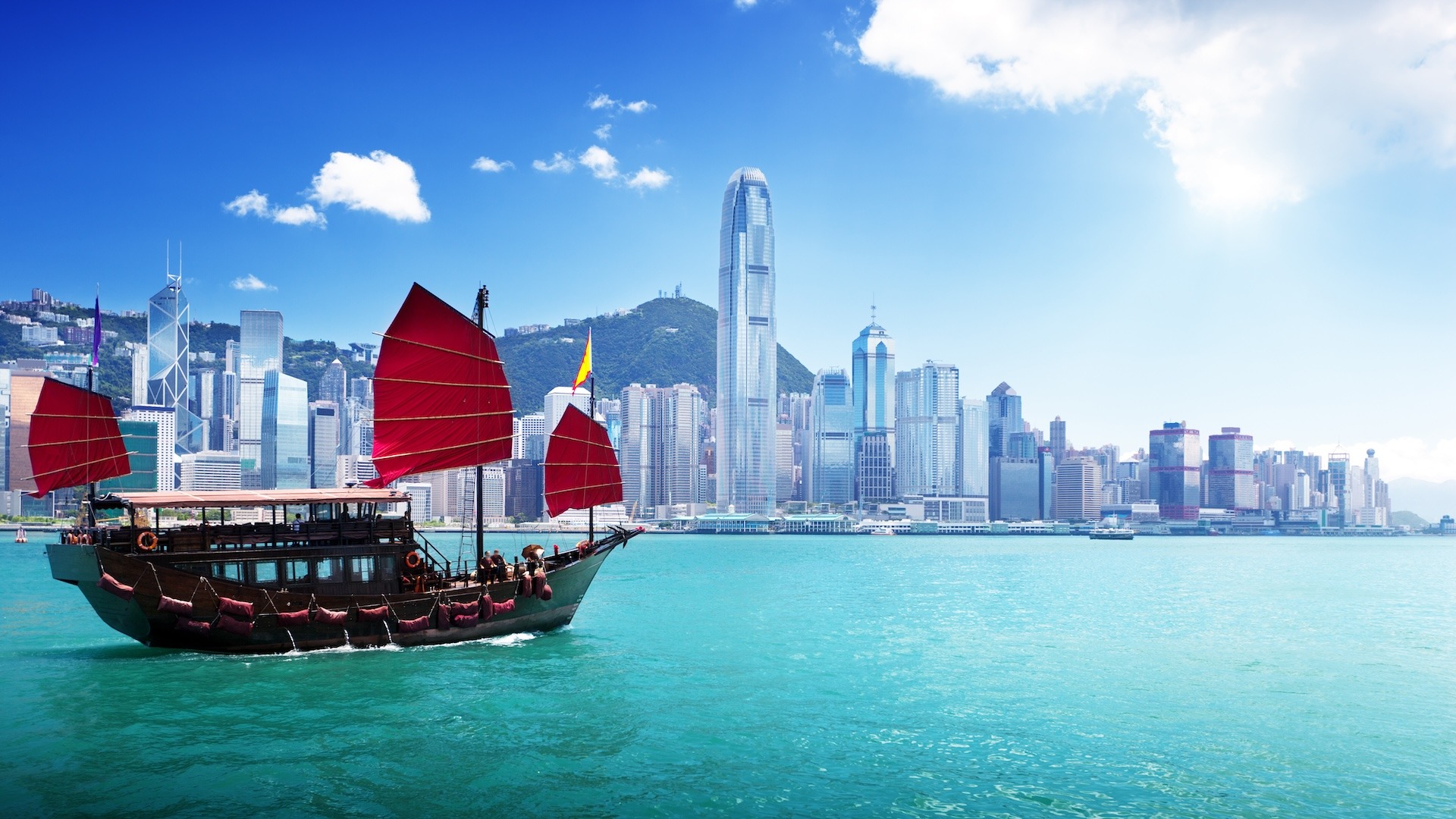
Full Day Hong Kong Island and Kowloon Tour
1 1 DAY Fairly EasyHong Kong rewards the traveller who knows where to look and how to move between its distinct districts without losing time. This guided day covers both sides of the harbour, beginning on Hong Kong Island at Repulse Bay and Aberdeen before crossing to Kowloon for Wong Tai Sin Temple, the Yuen Po Street Bird Market, and Fa Yuen Street. The Victoria Peak funicular provides the day's clearest geographical orientation, placing the city's geography in full view. The pace is measured and the sequence logical, making this a sound introduction for anyone arriving in the city for the first time.
Full-Day Macau from Hong Kong
1 1 DAY Fairly EasyMacau occupies a narrow peninsula between the South China Sea and the Pearl River Delta, and its character is unlike anywhere else in the region. Portuguese administration left behind baroque stonework and cobbled plazas; Chinese settlement left behind temples that predate European contact. This day journey from Hong Kong moves between both layers with deliberate pace, beginning at the ferry terminal in the early morning and returning by evening. The route visits the principal heritage sites of the historic center, ascends the Macau Tower for an unobstructed read of the city's geography, and closes with a measured look at the casino district before the return crossing.
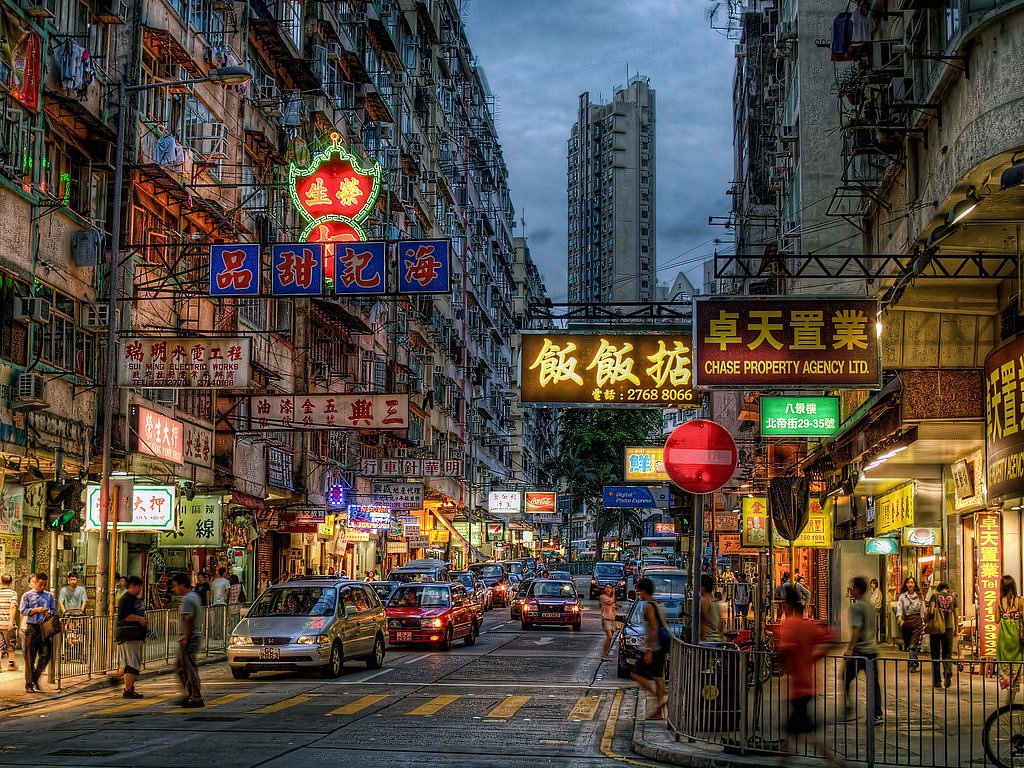
Full Day Hong Kong Walking Tour
1 1 DAY Fairly EasyThis single day moves deliberately through two distinct sides of Hong Kong, connected by the transit lines that have defined the city for generations. The morning belongs to Hong Kong Island: the Star Ferry crossing Victoria Harbour, the steep climb to Victoria Peak aboard the Peak Tram, and a return through Central before tracing Hollywood Road at walking pace. The afternoon crosses into Kowloon, where Sham Shui Po offers an unfiltered introduction to local food culture, and the evening winds through the street markets of Mong Kok and Yau Ma Tei before finishing on Shanghai Street. The day is structured around movement rather than monuments, using the city's own rhythms as the primary guide.
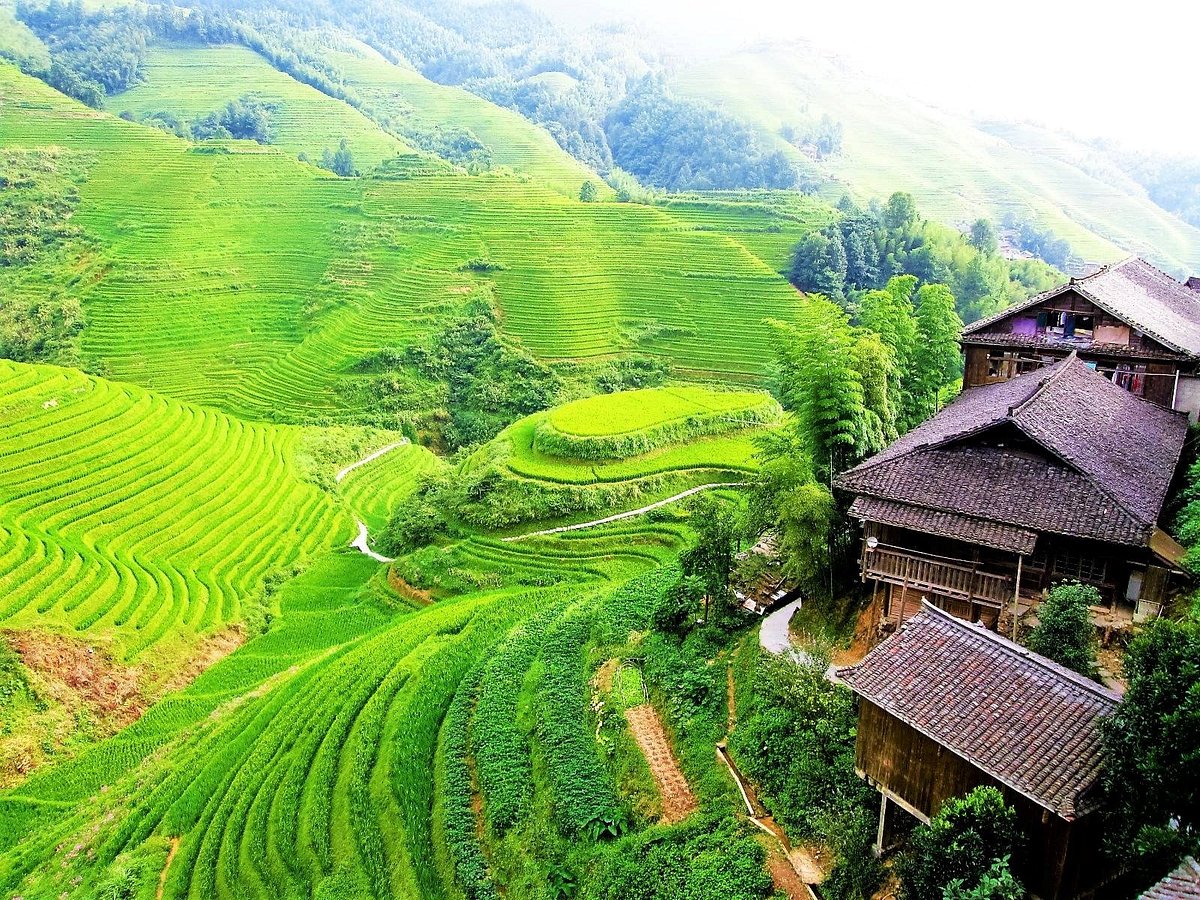
Best of Southern China: Hong Kong, Guangzhou and Guilin
6 6 DAYS Fairly EasyThis journey moves through four distinct landscapes of southern China in six days. Hong Kong opens the route with its dense urban waterfront and the harbour crossing to Victoria Peak. A fast train then carries the group north to Guangzhou, where the Chen Clan Academy and the colonial quarter of Shamian Island hold two very different chapters of the city's history. From Guangzhou, the route turns west toward Yangshuo and the Li River corridor, where limestone karst formations define the horizon and a cooking class in a local village offers a grounded introduction to the regional kitchen. The final two days reach into Longsheng County, where the Longji Rice Terraces climb the hillsides in long, curved steps, and a morning hike to Dazhai closes the itinerary before the return flight from Guilin to Hong Kong.
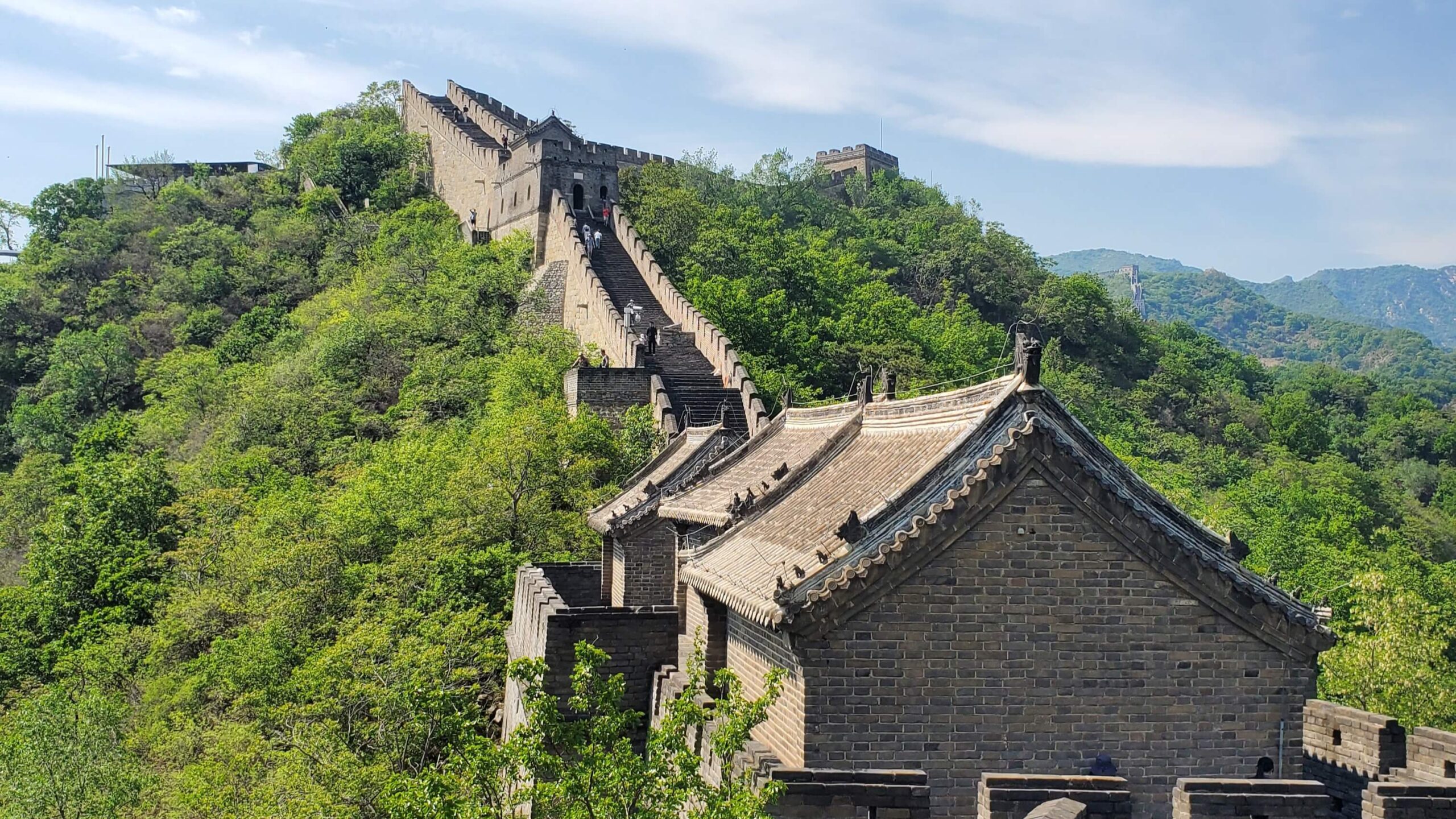
Silk Road China
15 15 DAYS Fairly EasyThis fifteen-day private journey follows the Silk Road's eastern spine from the imperial capital of Beijing to the Central Asian frontier city of Kashgar. The route moves through successive layers of Chinese history: Ming-dynasty fortifications at Mutianyu and Jiayuguan, the buried army at Xi'an, the Buddhist cave sanctuaries at Dunhuang, the ruins of Jiaohe and Gaochang in the Turpan basin, and the Uyghur markets and mosques of Kashgar. Overnight trains in first-class sleeper compartments carry the journey westward through landscapes that shift from densely settled northern China to the edge of the Taklamakan Desert. A private guide and driver are present throughout, allowing for considered pacing at sites that reward time and attention.
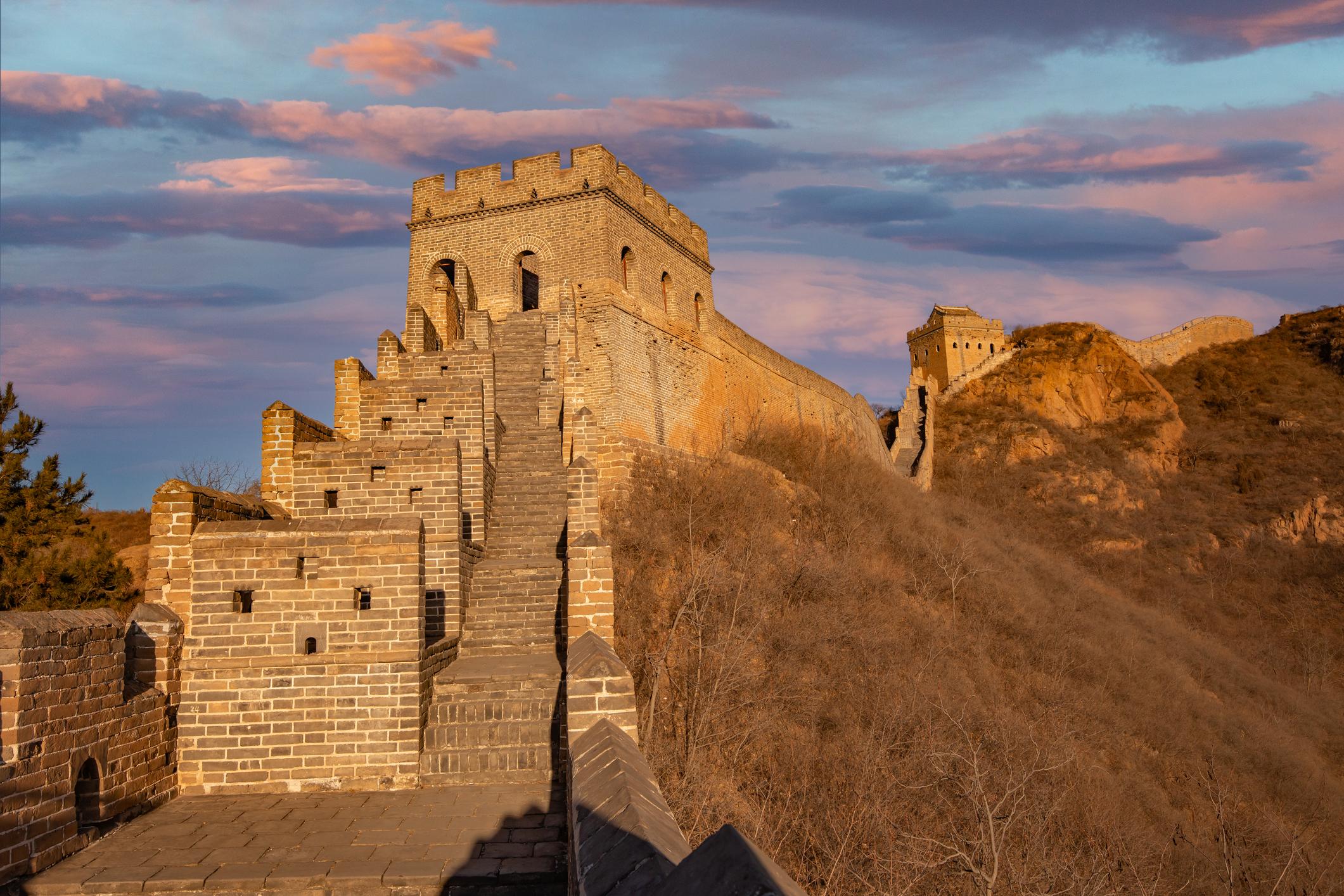
Hike Jinshanling Great Wall
1 1 DAY Fairly EasyJinshanling sits roughly two and a half hours northeast of Beijing, far enough from the capital that its watchtowers and crenellated ramparts see a fraction of the visitors drawn to more accessible sections. The day begins with an early morning departure and unfolds over four hours of walking along stone parapets that have remained largely intact since the Ming dynasty. The landscape shifts between forested ridgelines and open hillside, and the Wall itself offers a sustained study in military architecture at a pace that allows genuine attention. The return to Beijing is completed by late afternoon.
Private Sunset Tour on the Great Wall
1 DAY Fairly EasyThis single-day private journey moves from Beijing into the hill country northeast of the capital, covering two distinct sections of the Great Wall and the reconstructed water town that sits at the foot of Simatai. The afternoon concludes at Jinshanling, where 67 watchtowers of varying form and height line a 20-kilometre ridge — a section long regarded as one of the most considered vantage points for watching the light leave the wall. The day is unhurried and guided throughout, with a private vehicle and a knowledgeable escort from hotel departure to return.
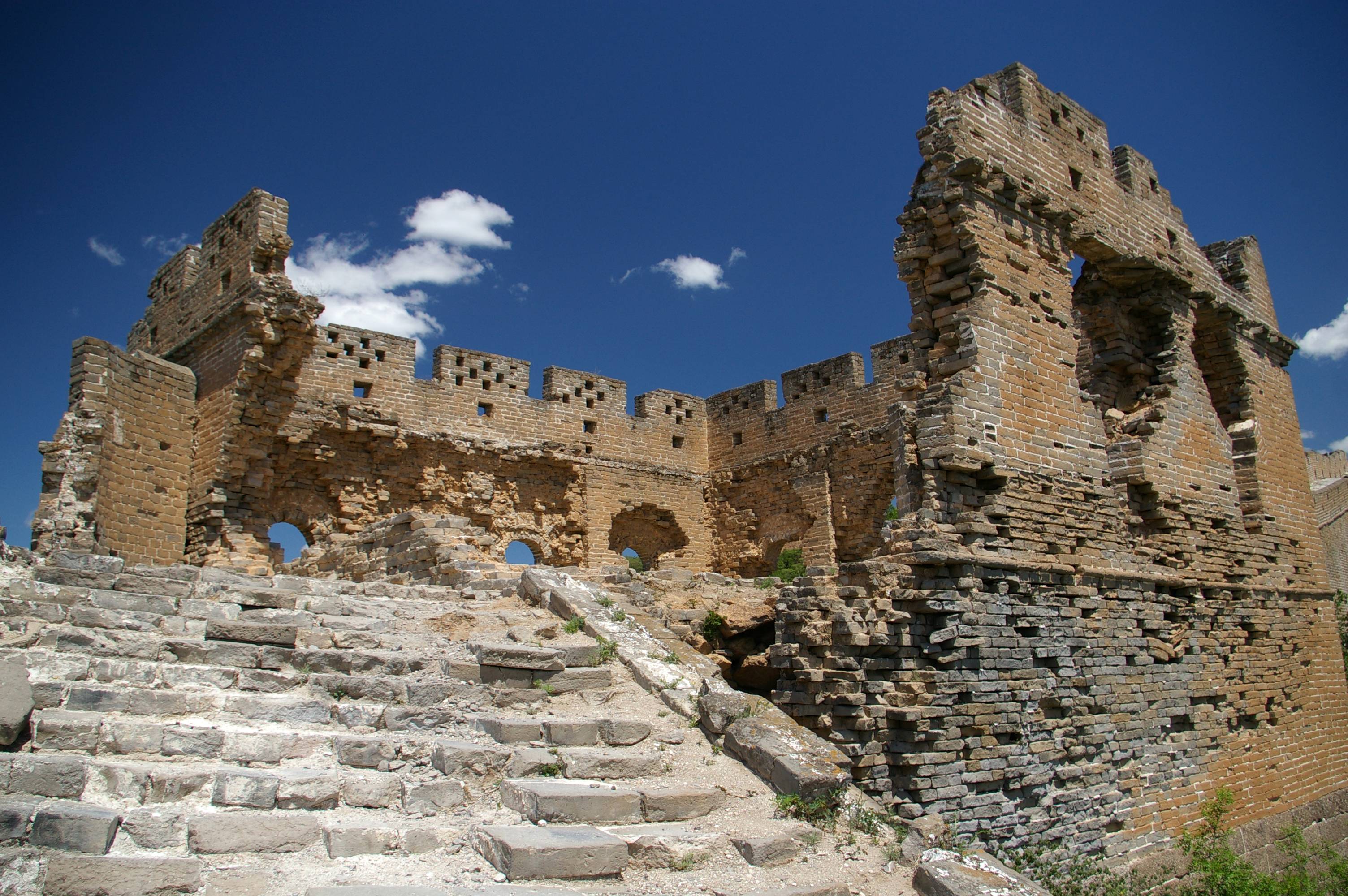
Hiking the Great Wall
7 7 DAYS Fairly EasyThis seven-day private journey is built around sustained walking on the Great Wall itself. Beginning and ending in Beijing, the route moves east from the Huangyaguan section through Gubeikou and Wohushan, continues to Jinshanling, and finishes with a final day's walk to Simatai West before returning to the capital. Each section reveals a different character: some walls restored and legible, others left to weather and collapse. Overnight stays in village guesthouses along the route place the wall in its rural context rather than reducing it to a day excursion. The city days in Beijing are used deliberately, with the Summer Palace visited on the way out and Tiananmen Square, the Forbidden City, and a Hutong neighborhood covered on the penultimate day.
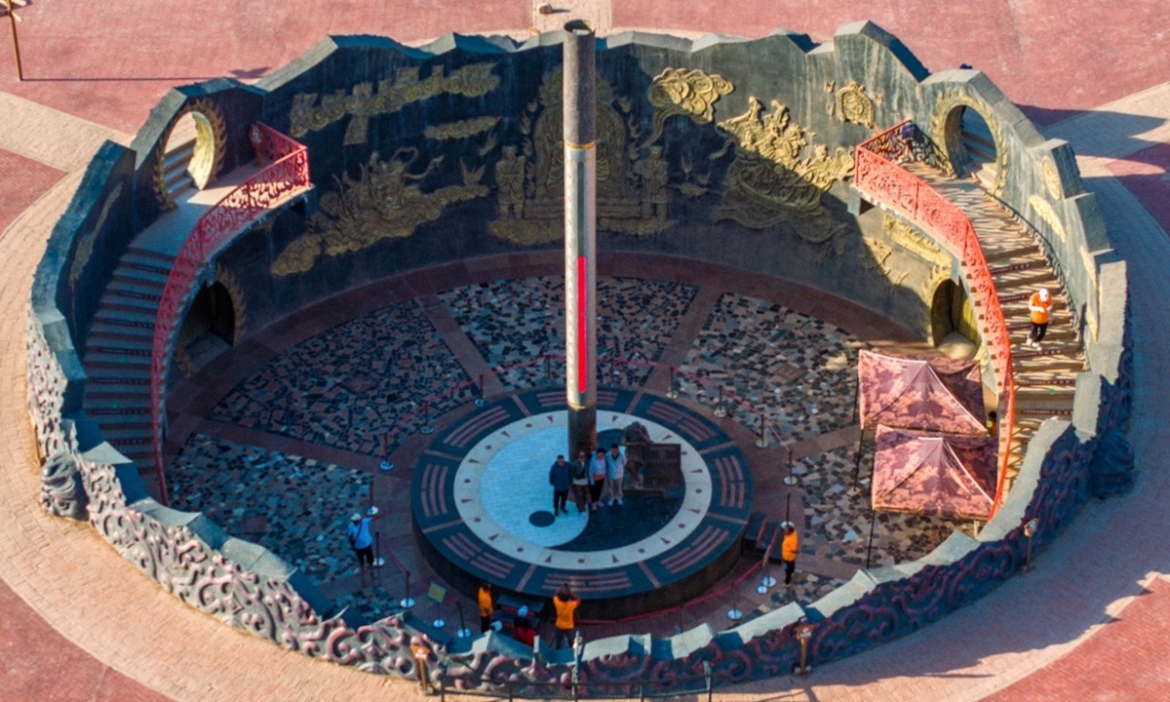
Silk Road Journey
14 14 DAYS Fairly EasyThis fourteen-day journey moves westward from Beijing through Xi'an and on to the far reaches of Xinjiang and the Hexi Corridor, tracing the overland routes that carried silk, ideas, and faith across Central Asia for more than a millennium. The route connects the ceremonial heart of imperial China with Kashgar, one of the westernmost cities of the Han trading network, before returning through the desert oases of Turpan and Dunhuang. Each stage brings a distinct landscape and a distinct cultural character: the courtly architecture of Beijing and Xi'an gives way to the Uyghur bazaars and Islamic monuments of Kashgar, then to the earthen ruins, Buddhist cave temples, and singing sand dunes of the Taklamakan and Gobi margins. The journey ends at Jiayuguan, where the Ming empire drew its western boundary and beyond which, in the minds of the court, civilization itself became uncertain. Movement is by overnight train, domestic flight, and road, allowing the changing geography to register gradually rather than dissolve into transit.
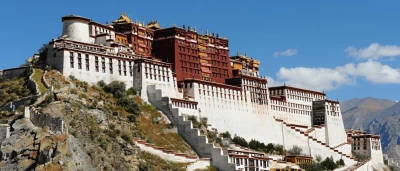
Mount Kailash Tour
14 14 days 13 nightsMount Kailash is said to be the mythical mount menu, the center of the universe. It is revered in both Hindu and Buddhist legends, while its location, close to the sources of the four main rivers that flow across the Indian sub-continent, contributes to its mystique. Our adventure includes a weeklong journey from Lhasa across the vast Tibetan plateau. We plan to reach mount Kailash at the time of the Saga Dawa festival when many thousands of pilgrims from throughout Tibet gather to pay homage to the mountain. After the celebrations, we will undertake a three-day trek or Kora, around mount Kailash, with inspiring views of one of the world’s most iconic mountains, before the drive back to Lhasa and on to Kathmandu.
Highlights of Tibet Tour
13 13 DAYS Fairly EasyThis thirteen-day journey moves through three of China's most historically significant cities before ascending by overnight train onto the Tibetan Plateau. Beijing yields its imperial core — Tiananmen Square, the Forbidden City, the Mutianyu section of the Great Wall, and the narrow hutong lanes of the old quarters. Xi'an holds the buried army of the Qin emperor and a fourteenth-century city wall that still defines the old town's perimeter. The route then shifts westward to Xining for a visit to Kumbum Monastery before the overnight rail crossing into Lhasa. Six days on the plateau cover the city's principal monasteries and palaces, then reach west to Gyantse and Shigatse before the return to Lhasa for departure. A private guide and driver are present throughout, and the rail leg to Lhasa is taken in a first-class soft sleeper.
Mount Kailash Tour
14 14 DAYS Fairly EasyMount Kailash occupies a singular place in both Buddhist and Hindu cosmology, identified across traditions as the axis of the universe and the source of four of the subcontinent's great rivers. This fourteen-day journey moves west from Lhasa across the full breadth of the Tibetan plateau, arriving at the mountain during the Saga Dawa festival, when pilgrims from across the plateau gather to renew the Tarboche flagpole and offer prayers at the base of Kailash. The circuit of the mountain, known as the Kora, unfolds over three days of walking at altitude, crossing two high passes and tracing a route shared with pilgrims who have traveled weeks to be there. The return east adds Manasarovar, Rongbuk, and Everest Base Camp before the road descends again through Shigatse and back to Lhasa.
Tibet Adventure Tour
15 15 DAYS Fairly EasyThis journey moves from the imperial core of Beijing westward by train across the Tibetan Plateau, reaching Lhasa before continuing overland through monastery towns, high mountain passes, and the flanks of Everest to the Nepal border. The route is unhurried by design. Four nights in Lhasa allow the body to settle at altitude before the itinerary asks anything strenuous of it. A private guide and driver accompany the group throughout China and Tibet, exchanging at the border for a local leader in Kathmandu. The train passage alone — nearly two days crossing the Silk Road corridor and climbing toward the plateau — constitutes a journey worth making in its own right. What follows is a grounded encounter with one of the world's most architecturally and spiritually concentrated landscapes.
Heart of Tibet: Lhasa and the Sacred Plateau
4 4 DAYS Fairly EasyLhasa rewards those who arrive with patience. This four-day itinerary moves between the city's most consequential religious sites and the high-altitude landscape that frames them, offering genuine cultural orientation rather than a surface survey. The Potala Palace, the Jokhang Temple, and the turquoise expanse of Yamdrok Lake each carry a different register of Tibetan history and geography. A private guide provides continuity throughout. The itinerary is designed as a considered introduction, one that tends to prompt a longer return.
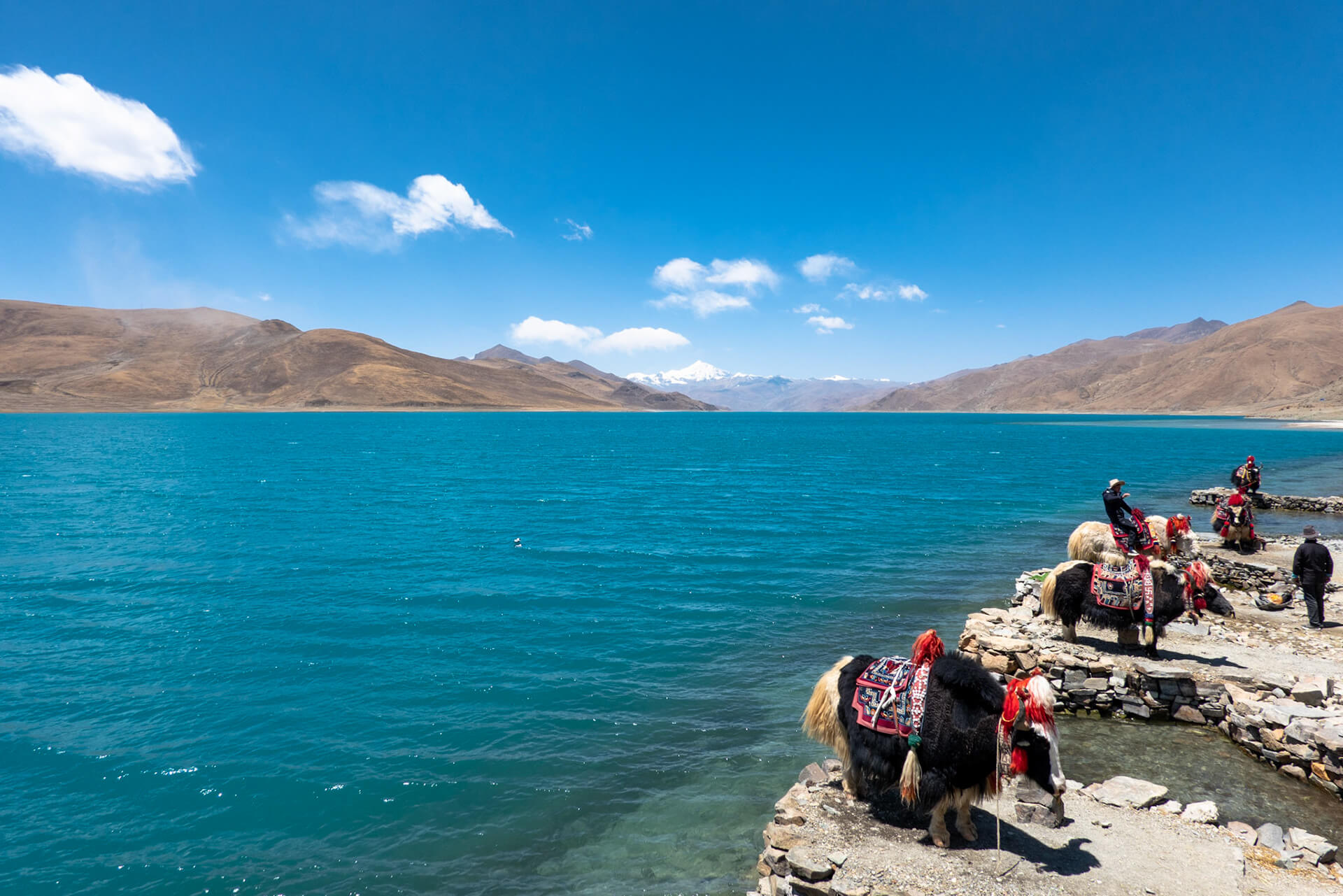
Private Tour: Lhasa, Gyantse and Shigatse
5 5 DAYS Fairly EasyThis five-day private journey moves through the physical and spiritual heart of Tibet. The route crosses two significant passes above 4,700 meters, traces the shore of Yamdrok Lake, and visits monasteries that remain active centres of practice rather than preserved monuments. Gyantse offers a relatively unhurried introduction to Tibetan town life and a fort with commanding views over the surrounding countryside. Shigatse, Tibet's second city, anchors the second half of the journey, with Tashilumpo Monastery providing a considered encounter with the tradition of the Panchen Lamas. The return to Lhasa follows the Yarlung Tsangpo River. Throughout, the pace is calibrated to the altitude and to genuine engagement with each place rather than coverage of a checklist.
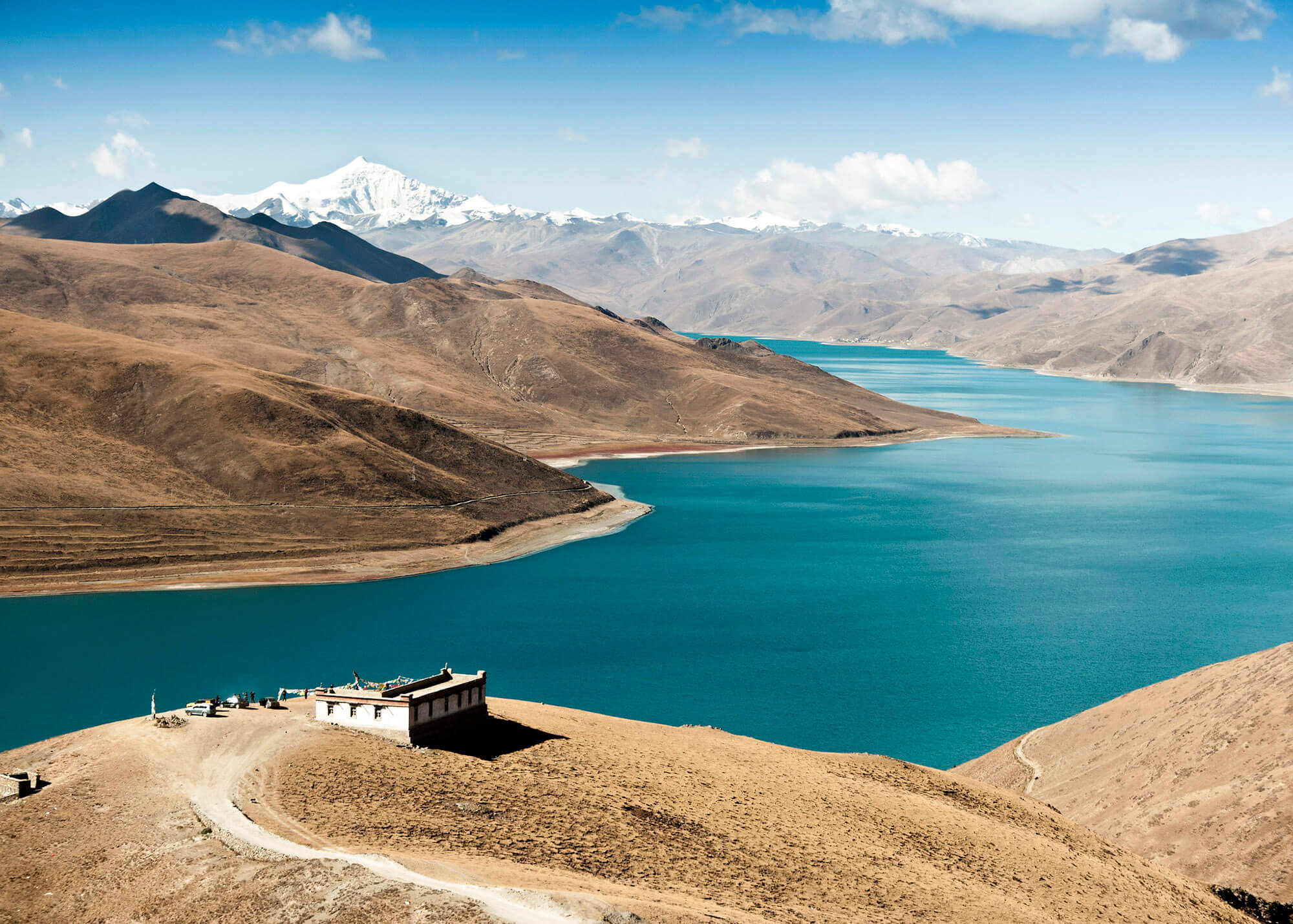
Tibet Express
7 7 DAYS Fairly EasyThis seven-day private journey moves through the administrative and spiritual core of Tibet, from the altitude-adjusted first hours in Lhasa to the high passes and glacial lakes of the central plateau. The itinerary places equal weight on the monastic traditions of the capital and the austere landscape that defines the drive west toward Gyantse and Shigatse. Each site carries its own history at considerable depth, and the pacing allows for genuine engagement rather than a surface survey.
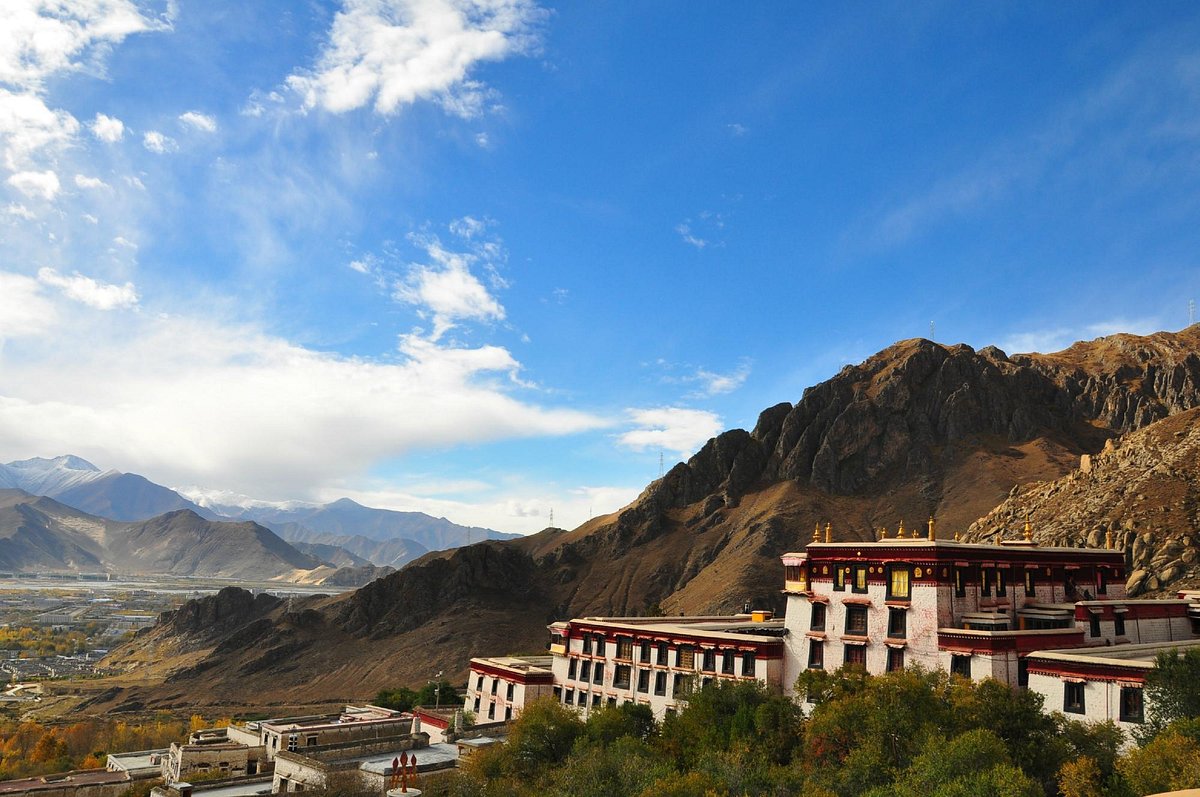
Everest Base Camp Experience
9 9 DAYS Fairly EasyThis nine-day journey moves through the geographical and spiritual interior of Tibet, beginning in Lhasa and tracing a westward arc across the Tibetan Plateau to Rongbuk Monastery at 5,000 metres. The route crosses two high passes, follows the Yarlung Tsangpo River valley, and passes through Gyantse, Shigatse, and Sakya before descending toward Everest Base Camp. A night at Rongbuk places you directly below the north face of Qomolangma at 8,849 metres, with unobstructed views at dusk and dawn. The return to Lhasa follows the Friendship Highway east, with a final visit to Tashilumpo Monastery in Shigatse. The pace is deliberate, allowing time for acclimatisation in Lhasa before the demands of the high plateau.
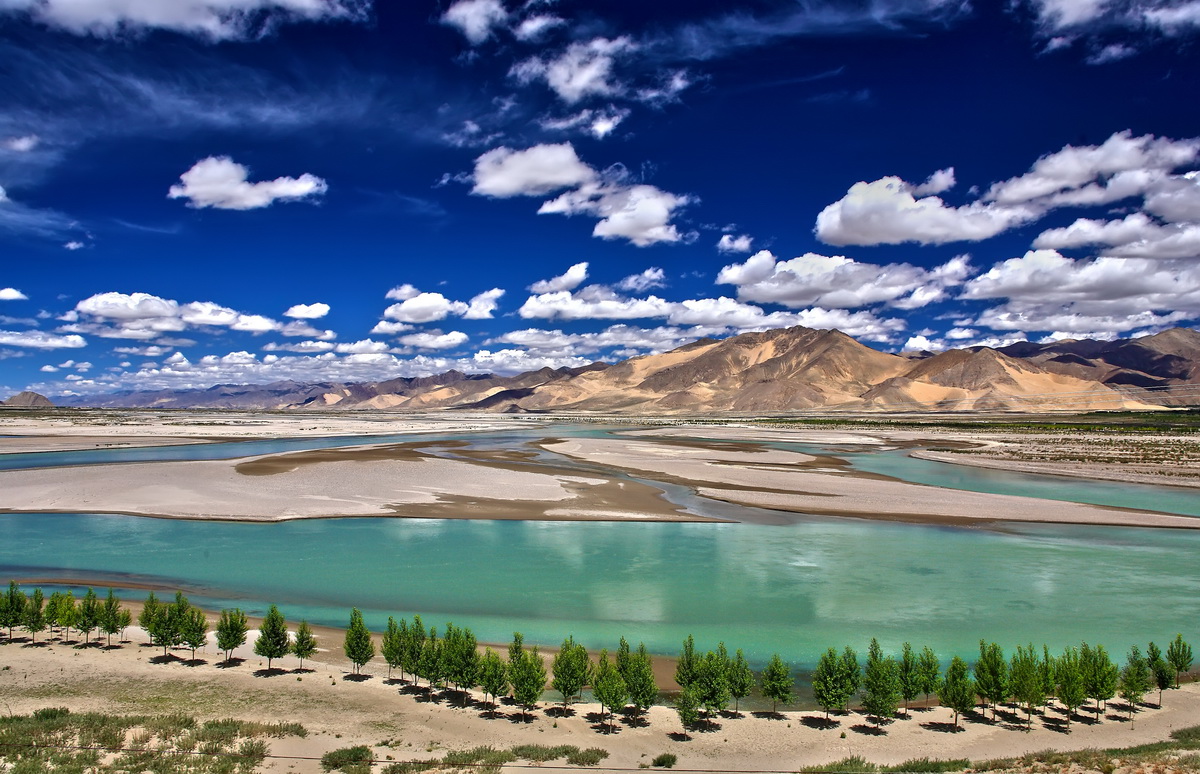
Highlights of Tibet: Beijing to Lhasa
13 13 DAYS Fairly EasyThis journey moves through three distinct worlds in measured sequence. Beijing opens the route with its imperial architecture and layered street life. Xi'an follows, anchored by the Terracotta Warriors and the living texture of the Muslim Quarter. The third and longest chapter belongs to Tibet: a crossing of the Changtang Plateau by rail, three days in Lhasa divided between its great monasteries and palace, and a drive south through high passes and turquoise lakes to Gyantse and Shigatse before the return. The itinerary is built for travelers who want direct engagement with place rather than a surface reading of it.
Highlights of Tibet: Beijing to Lhasa
13 13 DAYS Fairly EasyThis journey moves through three distinct worlds in measured sequence. Beijing opens the route with its imperial architecture and layered street life. Xi'an follows, anchored by the Terracotta Warriors and the living texture of the Muslim Quarter. The third and longest chapter belongs to Tibet: a crossing of the Changtang Plateau by rail, three days in Lhasa divided between its great monasteries and palace, and a drive south through high passes and turquoise lakes to Gyantse and Shigatse before the return. The itinerary is built for travelers who want direct engagement with place rather than a surface reading of it.
Highlights of Tibet: Beijing to Lhasa
13 13 DAYS Fairly EasyThis journey moves through three distinct worlds in measured sequence. Beijing opens the route with its imperial architecture and layered street life. Xi'an follows, anchored by the Terracotta Warriors and the living texture of the Muslim Quarter. The third and longest chapter belongs to Tibet: a crossing of the Changtang Plateau by rail, three days in Lhasa divided between its great monasteries and palace, and a drive south through high passes and turquoise lakes to Gyantse and Shigatse before the return. The itinerary is built for travelers who want direct engagement with place rather than a surface reading of it.
Journey to Mount Kailash
14 14 DAYS Fairly EasyMount Kailash rises from the far western Tibetan plateau as the most venerated peak on earth, drawing pilgrims from Hindu, Buddhist, Jain, and Bonpo traditions across centuries. This journey moves from Lhasa through the highlands of central Tibet, across the Changtang, and into the remote Ngari region where the mountain stands above Lake Manasarovar and the headwaters of the Indus, Sutlej, Brahmaputra, and Karnali rivers. The route follows a logical west-then-south arc, completing the three-day kora around Kailash before returning via Everest Base Camp and Shigatse. It is a considered journey through one of the least-visited and most consequential landscapes in Asia.
Tibet Encompassed
21 21 DAYS Fairly EasyThis journey moves from the imperial heart of China westward across one of the most remote and demanding landscapes on earth. Beginning in Beijing, the route passes through Xi'an before boarding the Qinghai-Tibet Railway, the highest rail line in the world, arriving in Lhasa by way of the Changtang Plateau. Central Tibet unfolds through its monasteries, sacred lakes, and high passes before the route turns west toward Mount Kailash. There, three days on foot trace the ancient circumambulation route around the mountain. The return crosses south toward Everest Base Camp, with a final descent through the Kyirong border crossing into Nepal and on to Kathmandu. The journey requires physical readiness, patience with altitude, and a willingness to move through country that resists hurry.
Wild China Private Tour
19 19 DAYS Fairly EasyThis nineteen-day private journey crosses China from north to south, threading together landscapes and cities that rarely appear on the same itinerary. It opens on the Ming-dynasty Great Wall at Gubeikou, where three consecutive days of hiking traverse Wohushan, Jinshanling, and Simatai before the route turns to Beijing's imperial core. A sleeper train carries the group west to Xi'an, where the ancient city wall, the Terracotta Warriors, and the vertiginous ridgelines of Mount Huashan form the central chapter. The journey then flies south into Yunnan, entering Lijiang at 2,400 metres before descending into Tiger Leaping Gorge for two days of trekking. The Shibaoshan grottoes and the Tea Horse trading town of Shaxi mark a quieter passage before a flight connects Yunnan to the rice terraces of Longji. The final arc moves through Yangshuo and the Li River to Shanghai, ending with a walk along the Bund. Throughout, the pace is deliberate, the route is point-to-point, and the experiences are grounded in the physical and historical character of each place.
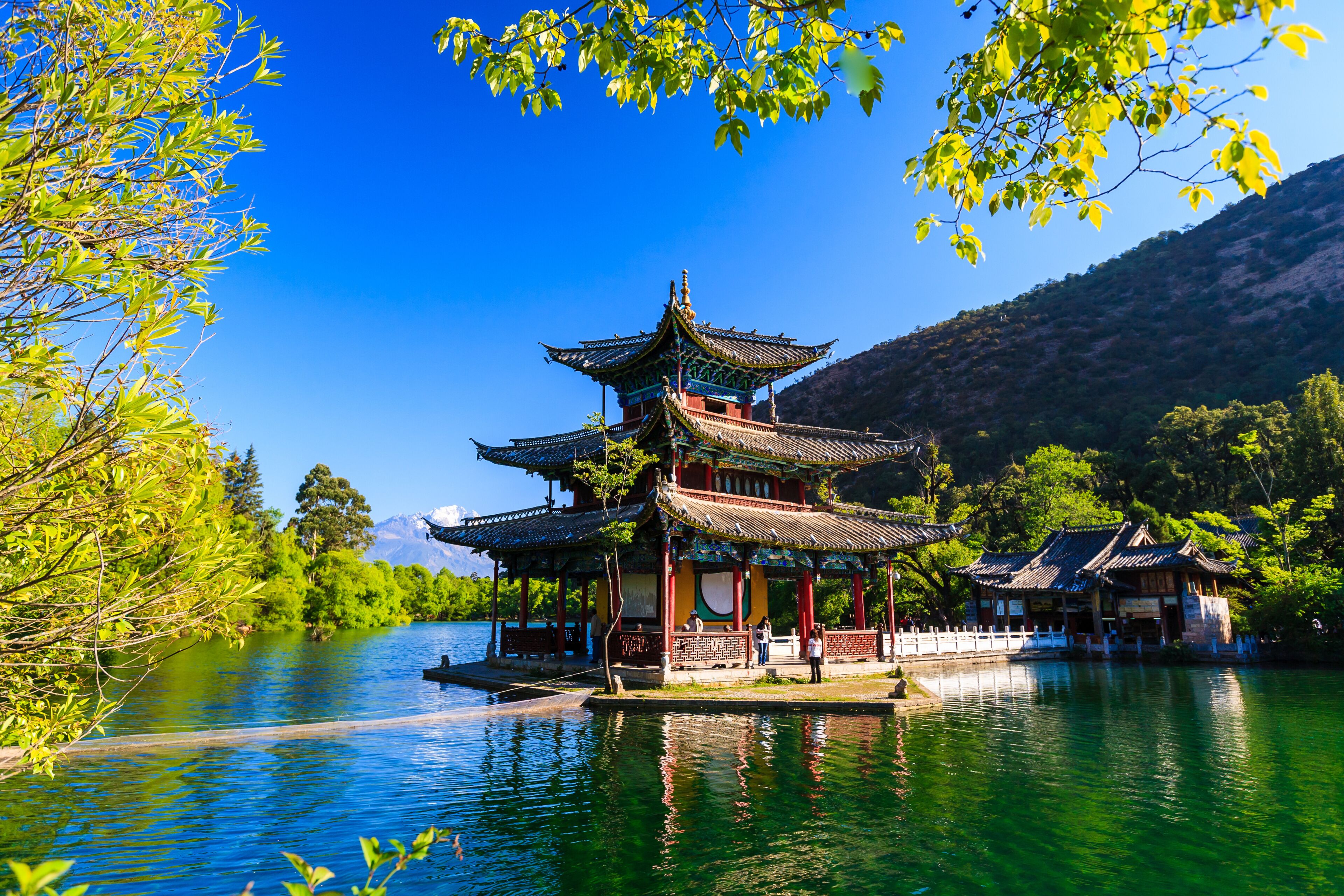
Yunnan Adventure
11 11 DAYS Fairly EasyYunnan is among the most geographically varied provinces in China, compressing snow-capped peaks, deep river canyons, sub-alpine meadows, and high-altitude grasslands into a single landscape. This journey moves through four distinct cities and elevations, from Kunming at roughly 1,900 metres to the Tibetan plateau town of Shangri-la at 3,276 metres, then descends through the Naxi heartland of Lijiang and concludes in Dali, set between the Cangshan Mountains and Erhai Lake. The route passes through Tibetan, Naxi, and Bai communities, each with its own architectural tradition, spiritual practice, and daily rhythm. Movement between places is by private transfer, domestic flight, and fast train, keeping the pace deliberate rather than rushed.
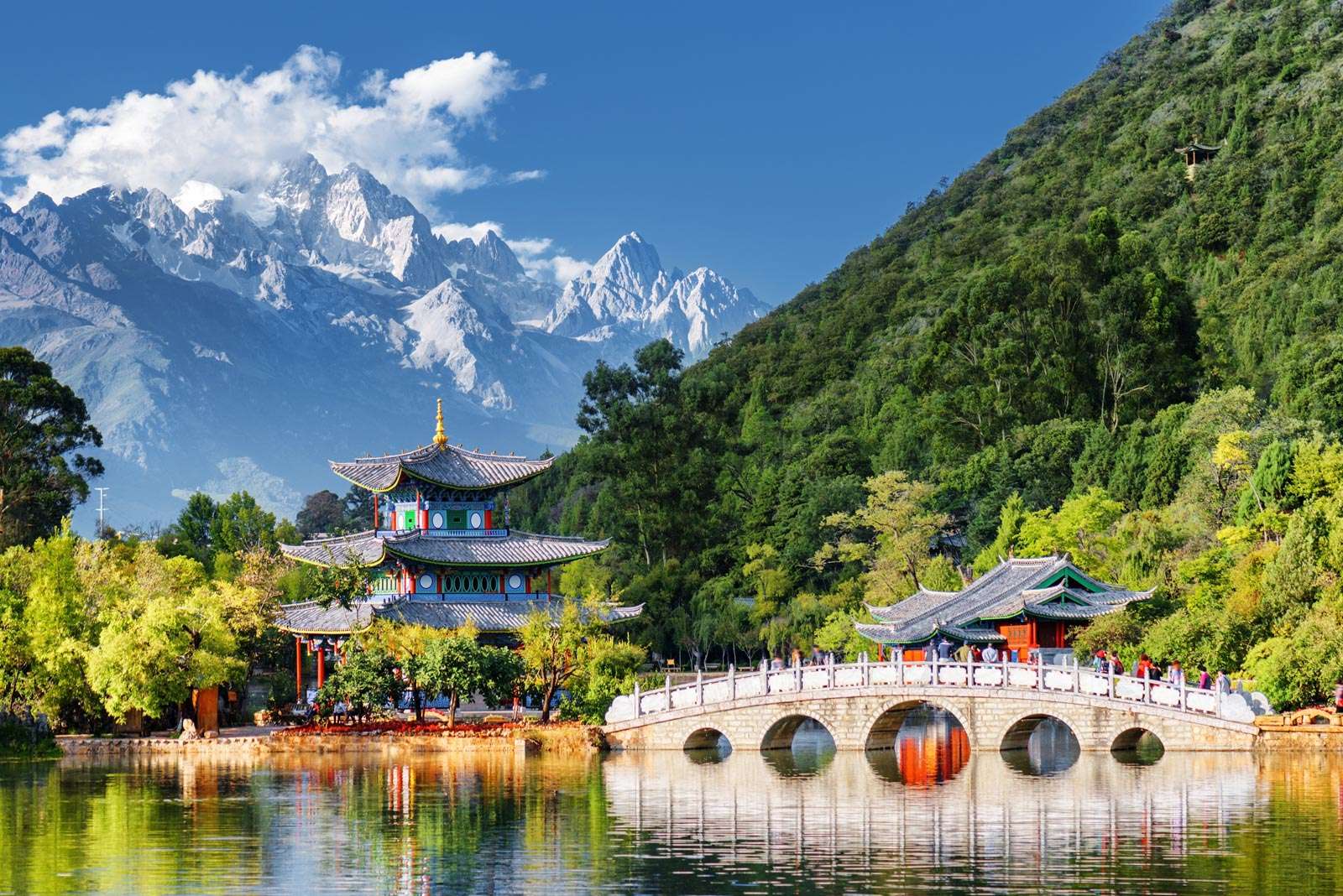
Cycle Yunnan
14 14 DAYS Fairly EasyThis journey moves through Yunnan by bicycle, covering the terrain between Lijiang and Dali by way of Jade Dragon Snow Mountain, the Jinsha River corridor, Tiger Leaping Gorge, and the ancient caravan town of Shaxi. The route relies primarily on unpaved back roads and mountain tracks, with a support vehicle running parallel throughout. Riders travel through working farmland, Naxi and Bai minority settlements, and high-altitude grassland, arriving each evening at guest houses and small hotels positioned along the route. The pace alternates between full riding days and deliberate rest, giving the landscape room to register. The journey begins and ends in Kunming, with a short flight to Lijiang at the outset.
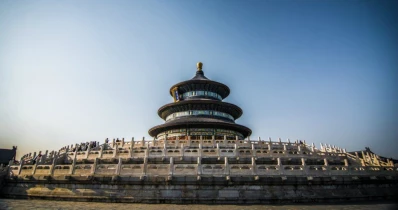
Discover China Tour
9 9 days 8 nightsThe improvement and integration of air and rail services in China have enabled this arrangement, combining the great cities (Beijing, Xi’an, and Shangai) with cruises through the dramatic Yangtze Gorges and the stunning scenery of the Li River. Home to the ‘Lat Emperor’ and the nation’s capital, Beijing’s greatest treasures are revealed at the Imperial Palace in the Forbidden City and the Summer Palace. The Great Wall was initiated by the first Emperor and revived during the Ming Dynasty against the invading Mongols. In Xi’an, the life-size Terracotta Warriors stand in formation, with no two faces alike. Sheer cliffs and steep, rugged mountains rise on either side of the turbulent, misty Yangtze, creating one of nature’s most marvelous sights. The river scenes are enlivened by stories and legends and encapsulated by poets and painters, immortalized in particular by the Tang Dynasty.
Classic China Tour
14 14 days 13 nightsWant to explore the most recommended highlights of China in a leisure way? This is the ideal trip that takes you to some of the most impressive destinations in China, including Beijing, Xian, Guilin, Shanghai, plus the Yangtze River region. During this tour, you will not only uncover the best collections of historical sites, such as Forbidden, City, Great Wall, Terracotta Warriors, etc. but also embrace the fabulous natural beauty of China, including the tranquil Guilin and the great Yangtze River.
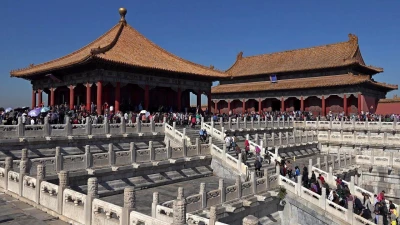
Highlights Of China
11 11 days 10 nightsSee the highlights of China on this golden route of her key sites from Beijing’s Great Wall, Forbidden City and charming hutong neighborhoods to the Terracotta Warriors in Xi’an, and the modern bustle of Shangai, dine on delectable Chinese cuisine, stay in a stunning accommodation, take walking tours, travel by Pedicab, marvel at the ancient emperor tombs, take in the charm of Suzhou, once the ‘Vernice of the East’, have time for shopping and independent activities, and plenty more.
Discover China
9 9 DAYS Fairly EasyThis nine-day private journey moves through four of China's most historically layered cities, using the country's high-speed rail and overnight sleeper network to connect them without unnecessary backtracking. The route begins in Shanghai, where the Bund and the French Concession offer two distinct readings of the city's past. A bullet train carries the group to Suzhou, where classical garden design reaches one of its most refined expressions at the Master of Nets Garden. An overnight sleeper train then crosses to Xi'an, the former imperial capital, where the Bell Tower, the ancient city wall, and the vast underground army of the Terracotta Warriors anchor two full days of exploration. The final leg transfers to Beijing for visits to the Forbidden City, Tiananmen Square, the Hutong lanes of old Beijing, and a full hiking day on the Jinshanling section of the Great Wall. The pacing allows each city to be understood on its own terms rather than processed as a sequence of checkboxes.
Classic China
14 14 DAYS Fairly EasyThis fourteen-day journey moves through five distinct regions of China, connecting the cosmopolitan layering of Shanghai with the ancient administrative weight of Beijing, and covering considerable ground in between. The route passes through Hangzhou's cultivated lakeside landscape and its centuries-old tea country before turning south to the karst terrain of Yangshuo. From there, the journey shifts west to board a Yangtze River cruise through the Three Gorges, continuing overland by overnight train to Xi'an and its buried army before the final leg north to the capital. The pace is measured throughout, with full days allocated to places that warrant them and movement handled by private transfer, domestic flight, and first-class sleeper train.
Shanghai Night Bike Tour
1 1 DAY Fairly EasyAs the city cools and its lights come on, Shanghai reveals a different character. This 18-kilometre evening ride moves through several distinct neighbourhoods, each with its own texture and history. A private guide joins you from the outset, offering context on the landmarks and districts you pass through. The route takes in the French Concession, Tianzifang, Nanjing Road, and the Bund, where the Huangpu River frames one of the most recognised skylines in Asia. The pace is unhurried. The distance is manageable for most riders.
Shanghai and Hangzhou: A Three-Day Private Journey
3 3 DAYS Fairly EasyThis three-day itinerary moves between two of eastern China's most considered cities. Shanghai offers its layered contrasts — the colonial riverfront of the Bund set against the Pudong skyline, the classical enclosure of Yuyuan Garden, and the depth of the Shanghai Museum's 120,000-piece collection. A bullet train the following morning reaches Hangzhou in under an hour, where the pace changes entirely. West Lake sits at the center of the city, ringed on three sides by hills, its surface calm and its surroundings shaped by centuries of careful cultivation. Lingyin Temple, founded in 326 AD, provides historical grounding. A visit to a Longjing tea plantation offers direct engagement with one of China's most respected green teas. The Six Harmonies Pagoda closes the Hangzhou day before an evening return to Shanghai.
8-Day Eastern China Tour
8 8 DAYS Fairly EasyThis eight-day private itinerary moves through four distinct corners of eastern China, each with its own character and pace. Shanghai opens the journey with its layered urban history, from the Bund's waterfront architecture to the quiet lanes of the former French Concession. A morning train carries you west to Suzhou, where the Grand Canal still organises daily life much as it has for centuries, and then south to Hangzhou, a city defined by the calm surface of West Lake and the preserved streetscapes of the Song Dynasty. The final movement takes you inland to Anhui province, first through the old merchant town of Tunxi and the UNESCO-listed village of Hongcun, then up into the granite peaks of Huangshan itself. The route is managed throughout by a dedicated private guide, allowing each location to be explored at a considered pace rather than compressed into obligatory stops.
China Tibet Encompassed
16 16 DAYS Fairly EasyThis sixteen-day journey moves through China's most consequential landscapes and cities in deliberate sequence. It begins in Beijing among imperial monuments and traditional alleyways, then turns west toward the terracotta burial grounds of Xi'an and the plateau city of Xining. From there, the world's highest railway carries travelers across the Changtang Plateau and into Lhasa, where three days allow time to absorb the altitude and the weight of Tibetan Buddhist culture. The route then descends to Chengdu, joins the Yangtze River by cruise ship through the Three Gorges, and concludes in Shanghai. The itinerary does not rush any single destination, but it does move consistently, asking travelers to remain attentive to changes in landscape, culture, and elevation across a continent-sized country.
Pingyao Private Day Tour from Xi'an
1 1 DAY Fairly EasyThis single-day private journey travels by bullet train from Xi'an to Pingyao, one of the most coherently preserved walled cities in China. The route moves from the monumental Wang Family Compound — a private residential estate completed in 1811 and now a serious museum of decorative and architectural craft — into the layered streets of Pingyao Old Town itself. The afternoon covers the city's civic and commercial core: its ancient government offices, the Rishengchang Exchange Museum housed in China's earliest known financial institution, and the intact city wall that still follows the outline of its Ming-era reconstruction. The return bullet train to Xi'an closes a day that covers considerable historical range without requiring an overnight stay.
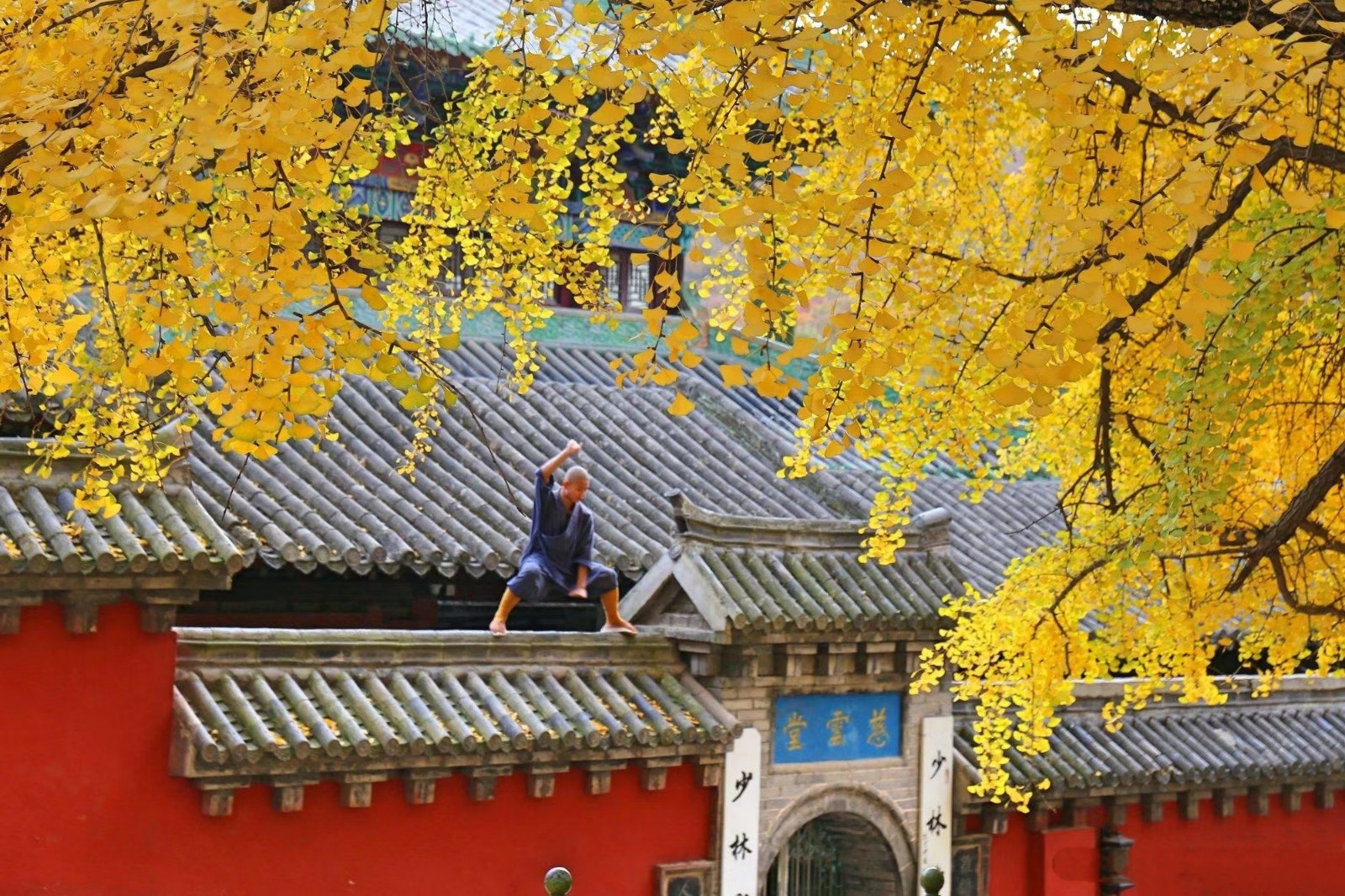
Shaolin Monastery and Longmen Grottoes by High-Speed Rail from Xi'an
1 1 DAY Fairly EasyThis day journey from Xi'an uses the high-speed rail network to reach Luoyang, where two of China's most significant historical sites sit within a short transfer of each other. Shaolin Monastery, set against the forested slopes of Song Shan, is the origin point of Chan Buddhism and the martial tradition associated with it. Longmen Grottoes, carved into limestone cliffs along the Yi River south of the city, represent one of the most concentrated accumulations of Buddhist stone sculpture in the world. The route is efficient without being rushed, and the contrast between the two sites — one defined by living practice, the other by centuries of carved devotion — gives the day a coherent arc.
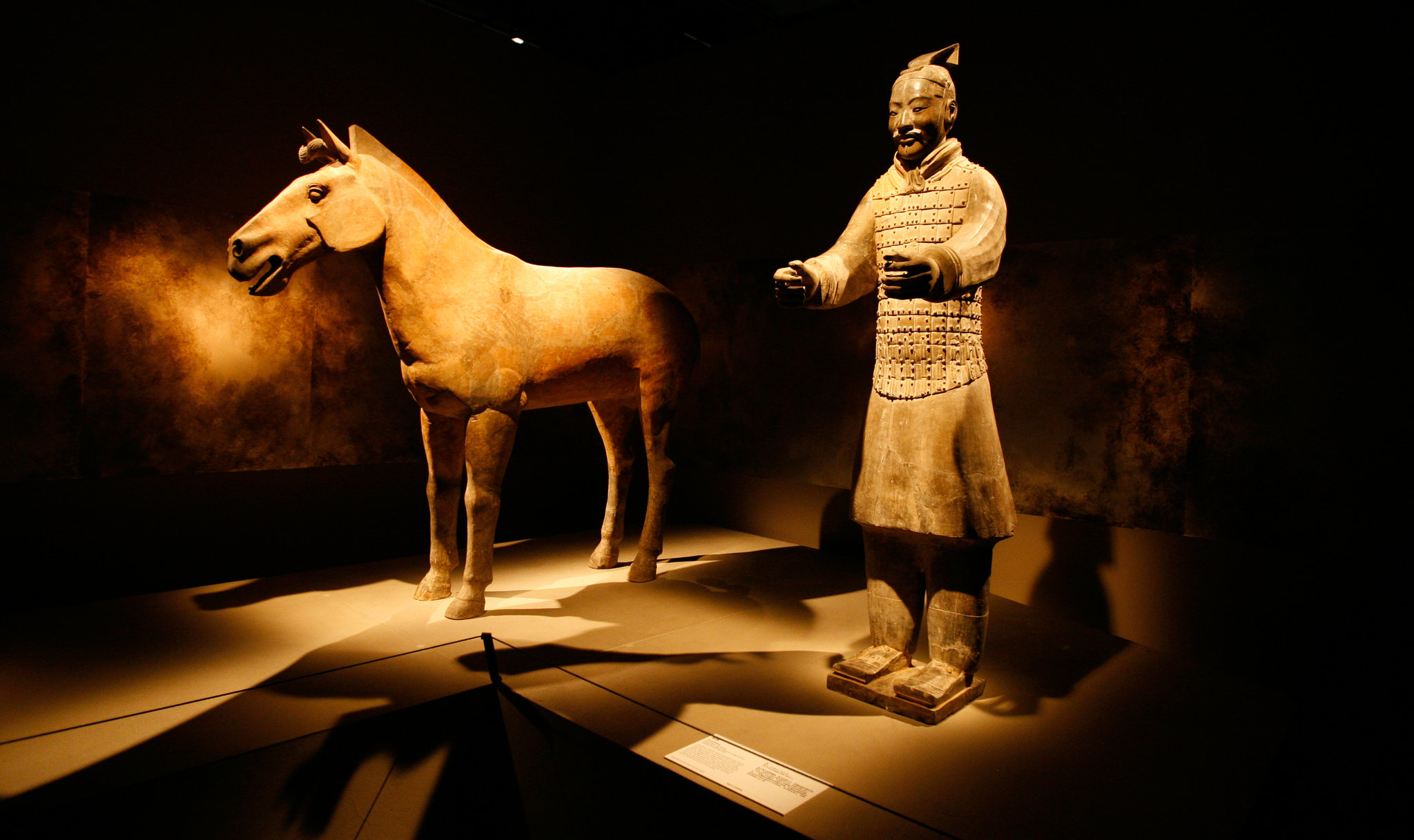
1-Day Highlights of Xi'an
1 1 DAY Fairly EasyXi'an rewards sustained attention. This private day moves through three of the city's most significant sites, each representing a distinct layer of its long history. The morning is given to the Terracotta Warriors, one of the most consequential archaeological discoveries of the twentieth century. The afternoon shifts to the Ming-dynasty city wall, where a bicycle ride conveys the structure's scale more honestly than any photograph. The evening belongs to the Muslim Quarter, a working neighborhood whose lanes and food stalls reflect centuries of Silk Road interchange.
Two Days in Xi'an
2 2 DAYS Fairly EasyXi'an rewards unhurried attention. Over two days, this itinerary moves through the city's defining landmarks in a logical sequence, from the buried army of the Qin emperor to the Ming-era ramparts and the living culture of the Muslim Quarter. The pace allows genuine engagement with each site rather than a surface survey.
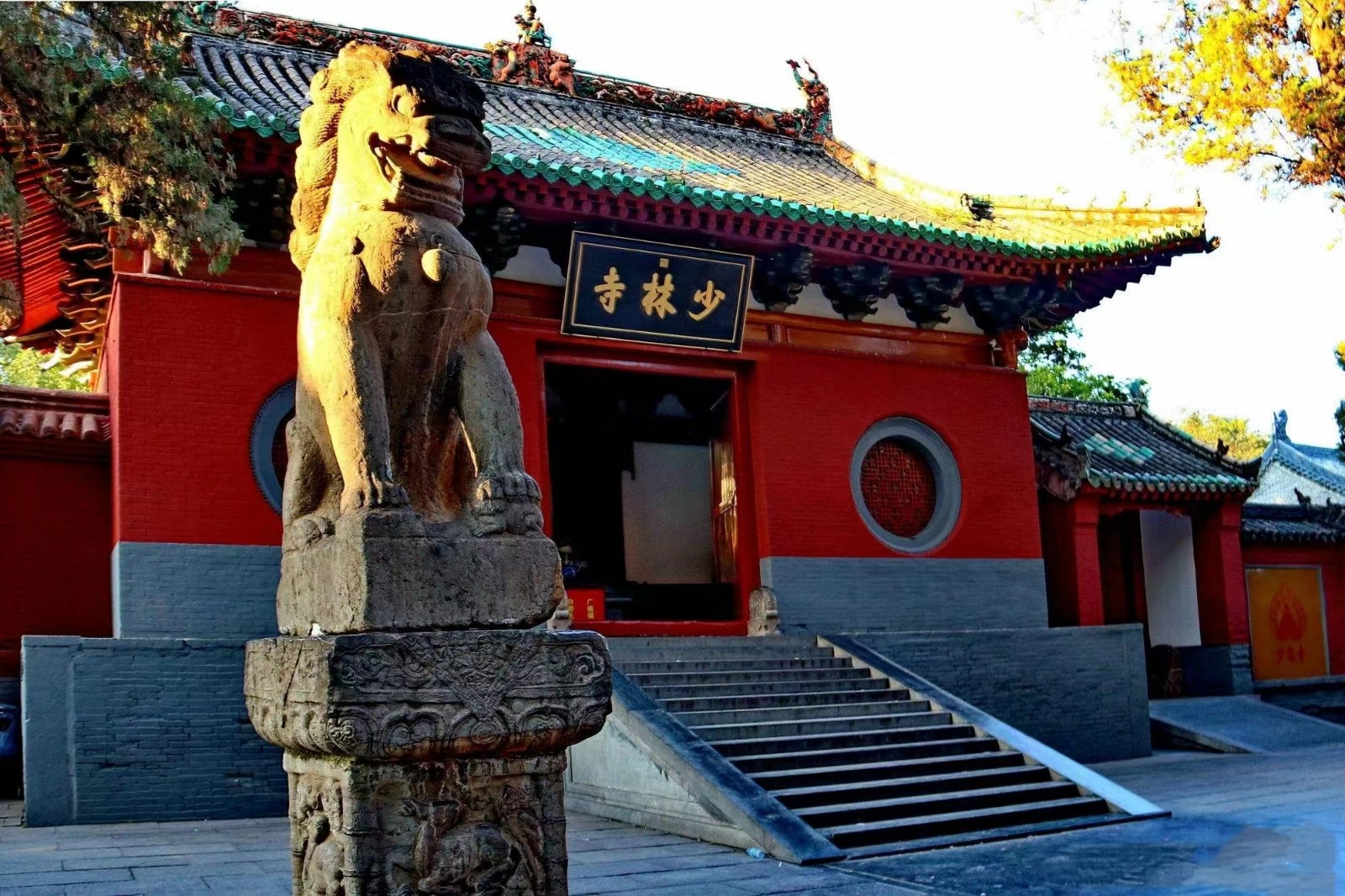
Xi'an Heritage Tour from Beijing
3 3 DAYS Fairly EasyThis three-day journey moves between Beijing and Xi'an by bullet train, covering the architectural and archaeological depth that defines the old Tang capital. A private guide leads each day at a considered pace, from the layered history of the Great Mosque and the Hui Muslim Quarter to the excavated pits of the Terracotta Army and the commanding circuit of Xi'an's Ming-era city wall.
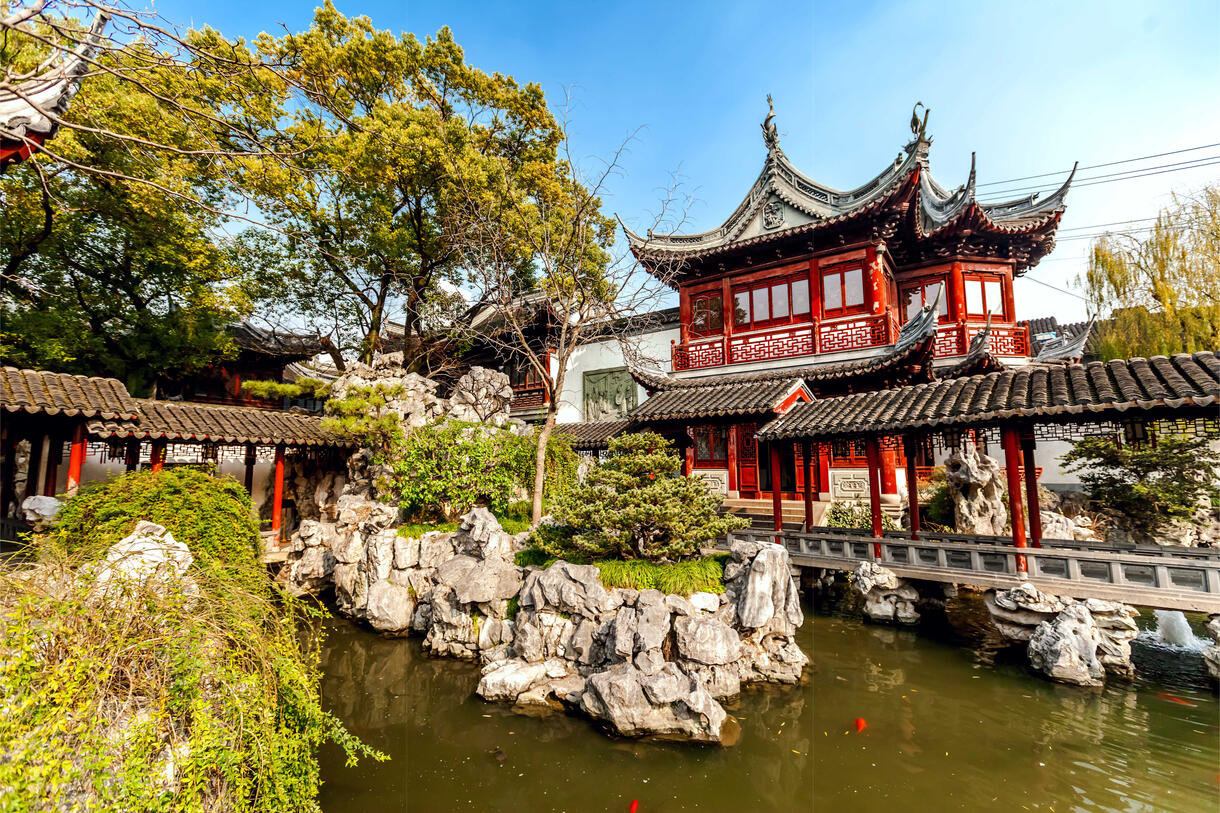
China Golden Triangle
8 8 DAYS Fairly EasyThis eight-day private journey moves through three of China's most historically consequential cities, connecting Beijing's imperial core, Xi'an's ancient capital, and Shanghai's layered modernity. The route takes in five UNESCO World Heritage sites and is structured for travellers encountering China for the first time who prefer depth over breadth. Each city is assigned sufficient time to move beyond the surface. Private guides, dedicated drivers, and a high-speed rail crossing between Beijing and Xi'an give the journey a consistent, unhurried rhythm. The itinerary as presented is one considered sequence; the route, pace, and focus can be adjusted to suit individual priorities.
Gourmet China
11 11 DAYS Fairly EasyChina's regional cuisines are shaped by geography, climate, trade history, and centuries of cultural exchange. This journey moves through five cities in sequence, each with a distinct culinary identity and a specific set of historic sites that illuminate why food here is inseparable from place. In Beijing, imperial tradition and northern practicality meet. Xi'an carries the flavors of the Silk Road and a significant Muslim heritage. Chengdu is defined by Sichuan pepper and a culture of leisure. Hangzhou prizes freshness and restraint. Shanghai synthesizes all of it and adds its own cosmopolitan character. The itinerary is structured so that cooking demonstrations, market visits, and significant meals occur alongside major archaeological and architectural sites, giving each day a coherent sense of where you are and why it matters.
Hong Kong to Beijing Bullet Train Journey
13 13 DAYS Fairly EasyThis thirteen-day private journey moves through five distinct Chinese landscapes by high-speed train, beginning in Hong Kong and ending at the northern edge of the Great Wall. The route is designed around rail travel as the primary mode of transit, allowing the country's geography to change gradually outside the window rather than in the compressed frame of a flight. Yangshuo's karst countryside, Chengdu's panda conservation work, the Buddhist rock carvings at Longmen, the martial heritage of Shaolin, and Beijing's imperial core each represent a different register of Chinese civilisation. The pace is measured throughout, with two or three nights in most locations and a clear distinction between active days and reflective ones. This is a journey for travellers who prefer to understand a country through accumulated detail rather than headline attractions alone.
Essential China
18 18 DAYS Fairly EasyChina resists compression. This eighteen-day journey moves through the country's northern heartland, central river basin, and subtropical south in a sequence that allows each place its own character. Beijing introduces the scale of imperial ambition at the Great Wall and the Forbidden City. An overnight train carries the group to Shanghai, where the Bund's riverside architecture and the lanes of the old city offer a very different reading of Chinese history. Xi'an holds the terracotta army — an archaeological site whose dimensions take time to absorb. A high-speed connection west leads to Chengdu and the panda reserves of Sichuan, then south to the Tang-dynasty Buddha at Leshan and the monastery trails of Emei Shan. The Yangtze cruise through the Three Gorges is a three-day passage through gorge scenery and river culture that no overland route can replicate. The journey ends in the karst landscape around Yangshuo before crossing into Hong Kong.
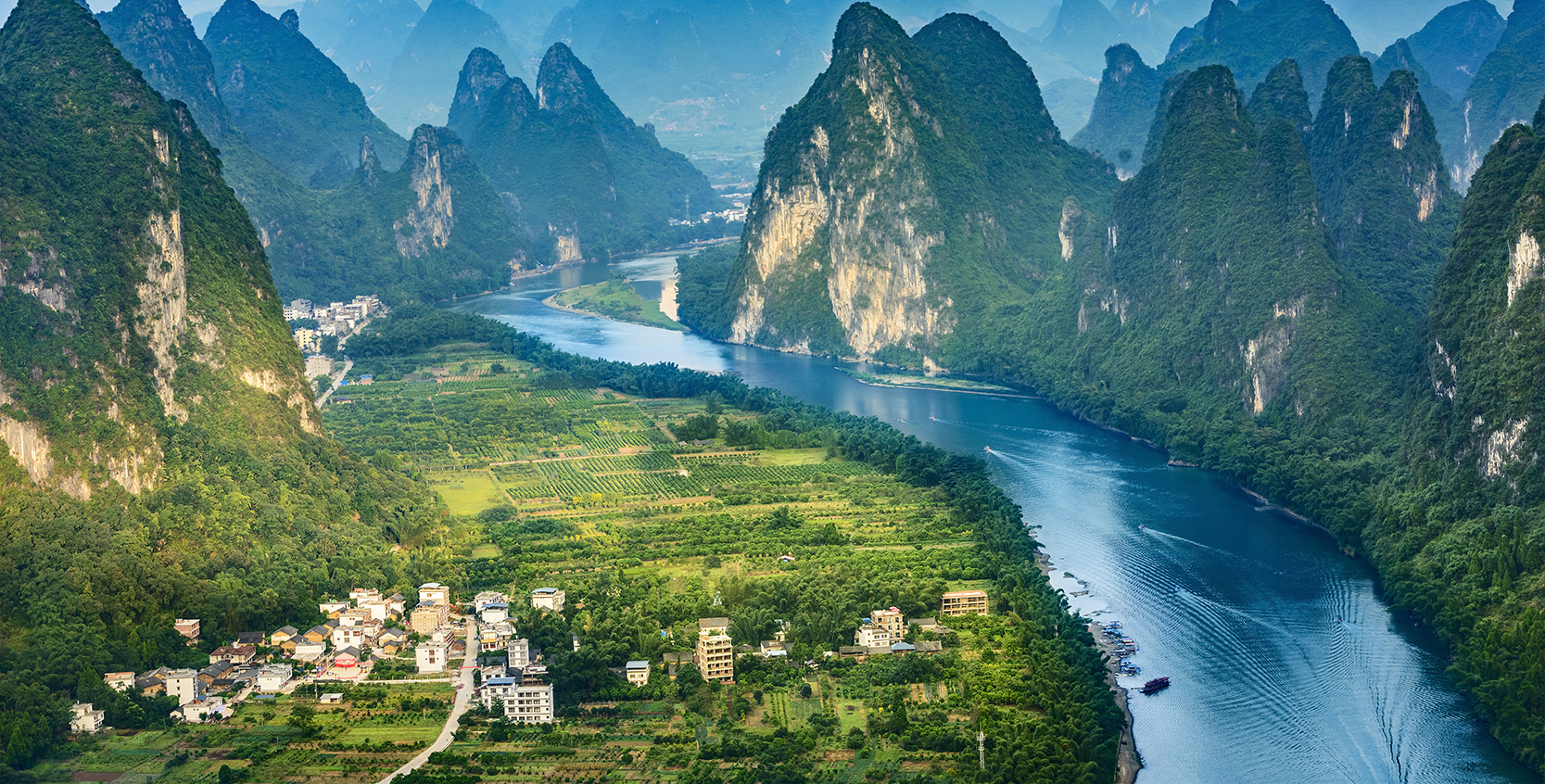
Cycle Guangdong
8 8 DAYS Fairly EasyThis eight-day cycling journey begins at the Hong Kong Ferry Terminal and moves steadily northwest through the agricultural lowlands of Guangdong Province before crossing into Guangxi and finishing in Yangshuo. The route covers roughly 420 kilometres in total, supported throughout by a private vehicle. Each day places riders in countryside that sees little organised travel — small market towns, river roads along the West River, and the quiet outback of Guangxi — before the final days deliver the distinctive limestone scenery around Yangshuo and the Li River. The pace is deliberate. Distances range from 40 to 80 kilometres per day, and the terrain is largely flat to gently rolling. A 27-speed mountain bike with luggage rack is provided. Accommodation steps from a 3-star lakeside hotel in Zhaoqing through 4-star central properties in Deqing, Wuzhou, and Yangshuo. The journey closes with an optional high-speed train connection from Yangshuo to Shenzhen and onward to Hong Kong.
Hong Kong to Beijing Bullet Train Journey
4 11 DAYS Fairly EasyThis journey moves by high-speed rail across a wide arc of China, connecting landscapes and cities that rarely sit within a single itinerary. It begins in Hong Kong, where harbour crossings and a hilltop panorama establish the scale of what follows, before the train carries you north into the limestone karst of Guangxi. From there the route turns inland to Chengdu, then northwest to Xi'an and its buried armies, west to Luoyang's cliff-cut devotional sculpture, and finally to Beijing. Each segment is a distinct geographic and cultural transition. The pace allows time in each place rather than a sequence of arrivals and departures. Travel is almost entirely by day train, so the countryside between cities is part of the experience rather than time lost.
Beijing to Hong Kong Discovery
14 14 DAYS Fairly EasyThis fourteen-day journey moves through China's interior on a north-to-south axis, connecting Beijing's imperial quarter with the archaeological plains of Shaolin and Xi'an, the river valleys of Chengdu, the limestone country around Yangshuo, and the urban density of Hong Kong. The route is structured around high-speed rail, which compresses the distances between very different landscapes and cultural registers. Tiananmen Square and the Forbidden City anchor the opening days. A functioning Shaolin monastery and one of the world's most significant archaeological sites define the middle section. Giant panda conservation work in Chengdu and karst cycling around Yangshuo round out the journey before the train south to Hong Kong. The pace allows for genuine absorption of each place rather than a surface pass.
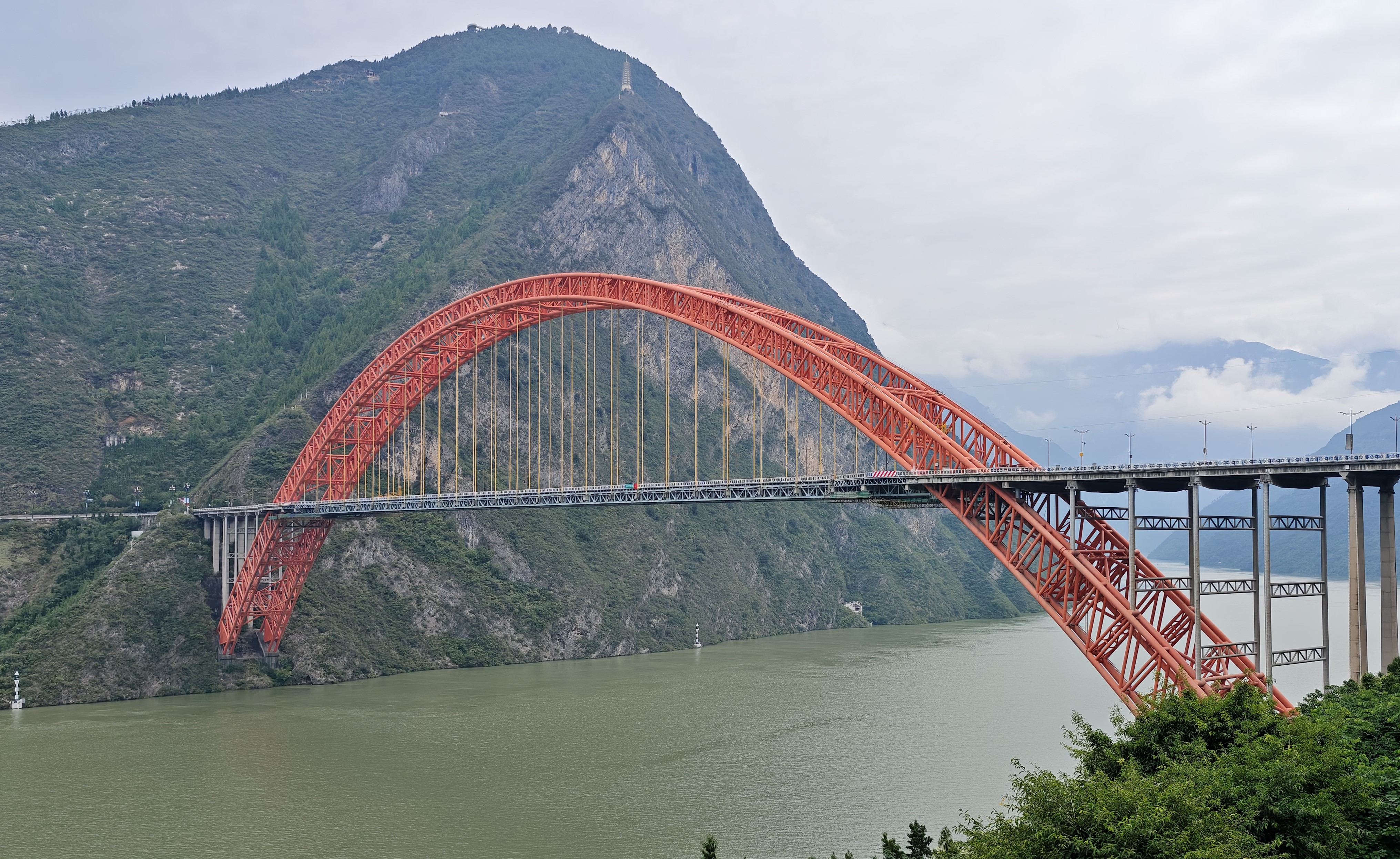
Best of China
14 14 DAYS Fairly EasyThis fourteen-day journey moves through China with intention, connecting the coastal sophistication of Shanghai and the classical lakeside setting of Hangzhou to the limestone karst country around Yangshuo, the slow passage of the Yangtze River through its famous gorges, the ancient imperial weight of Xi'an, and the monumental scale of Beijing. The route is structured to allow genuine engagement at each stop rather than surface-level exposure. Rural Yangshuo offers time on a bicycle through working farmland. Three nights aboard a river vessel give space to watch the gorge walls shift in the light. The Terracotta Warriors and the Forbidden City reward careful attention, and the Great Wall at Mutianyu asks something of those who walk it. China's scale and diversity are encountered here not as an abstraction but as a sequence of very specific places.
Essential China
16 16 DAYS Fairly EasyThis itinerary moves through China in a single sustained arc, connecting the political and historical weight of Beijing with the commercial energy of Shanghai, the archaeological gravity of Xi'an, the Buddhist landscapes of Sichuan, the engineering scale of the Yangtze, and the rural quietude of Yangshuo. The route is designed for travelers who want to understand China's range rather than sample its surface. Each city and landscape offers a different register of the country, and the sequence is deliberate. The pace allows for genuine engagement at each stop without lingering unnecessarily.
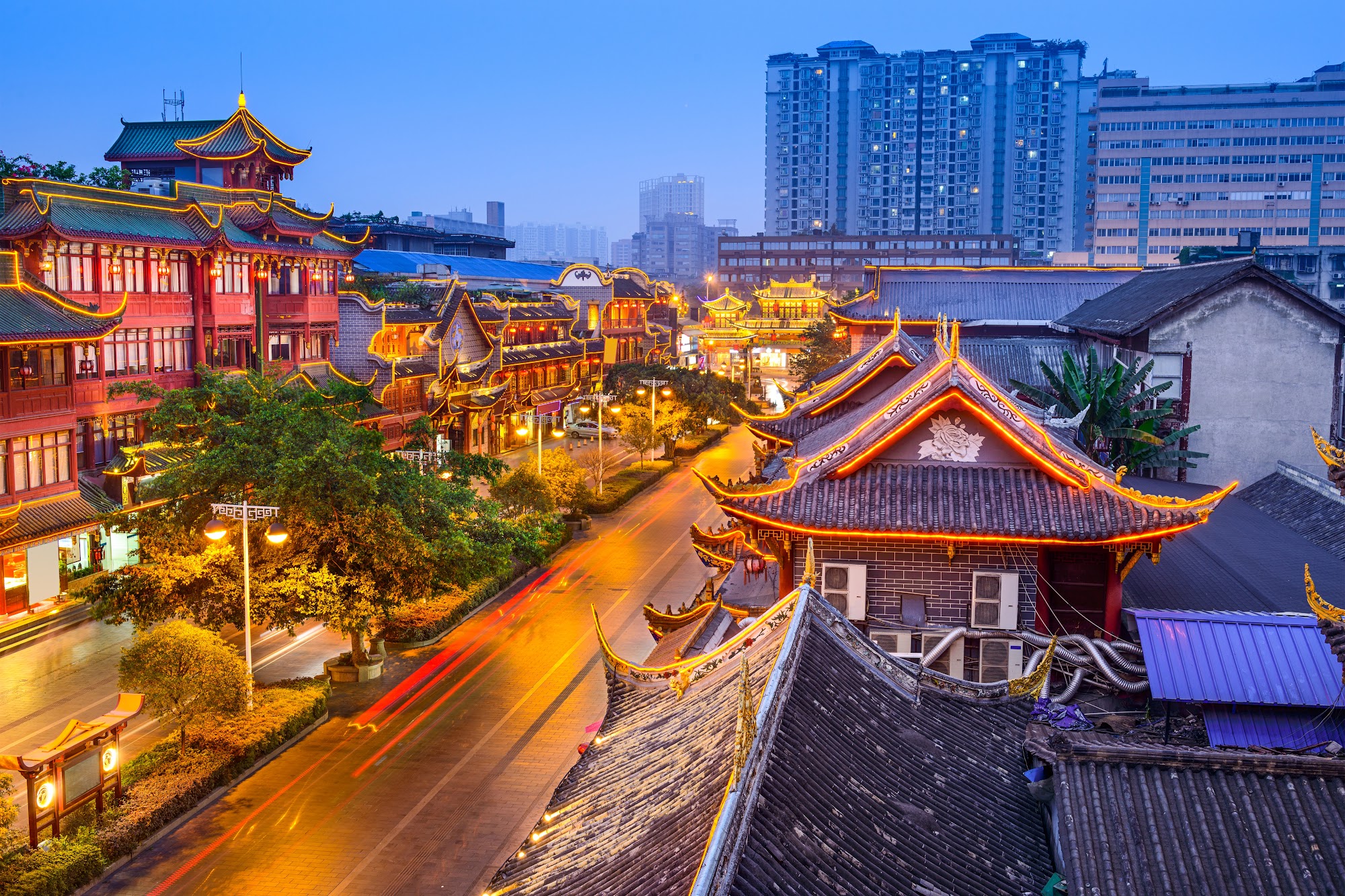
Cycle Guizhou 12 Days
12 12 DAYS Fairly EasyThis twelve-day private cycling journey moves south through some of the least-visited rural terrain in southern China. Beginning in Guiyang, the route carries riders by high-speed train to Kaili before the cycling begins in earnest across Guizhou Province. The days that follow trace back roads through rice-terrace valleys, past stilted Dong villages, and alongside rivers that cut quietly through forested hills. The pace is deliberate. Each day opens onto a different arrangement of the same essential landscape — terraced slopes, wooden drum towers, stone bridges — and the cumulative effect is one of genuine immersion rather than rapid sightseeing. A support vehicle accompanies the group throughout, managing luggage and providing a practical safety margin on longer or more demanding sections. From Zhaoxing, the route crosses into Guangxi Province, passing through Sanjiang and climbing toward the celebrated Longji rice terraces before descending through bamboo forest toward the Li River corridor. The final days ride through the karst scenery around Xingping and into Yangshuo, where the journey concludes. Accommodation moves between small local hotels and guesthouses that reflect the character of each place rather than a uniform standard. This is a route for riders who are comfortable in the saddle across twelve consecutive days and who are drawn to the texture of rural southern China as much as to the physical challenge of cycling through it.
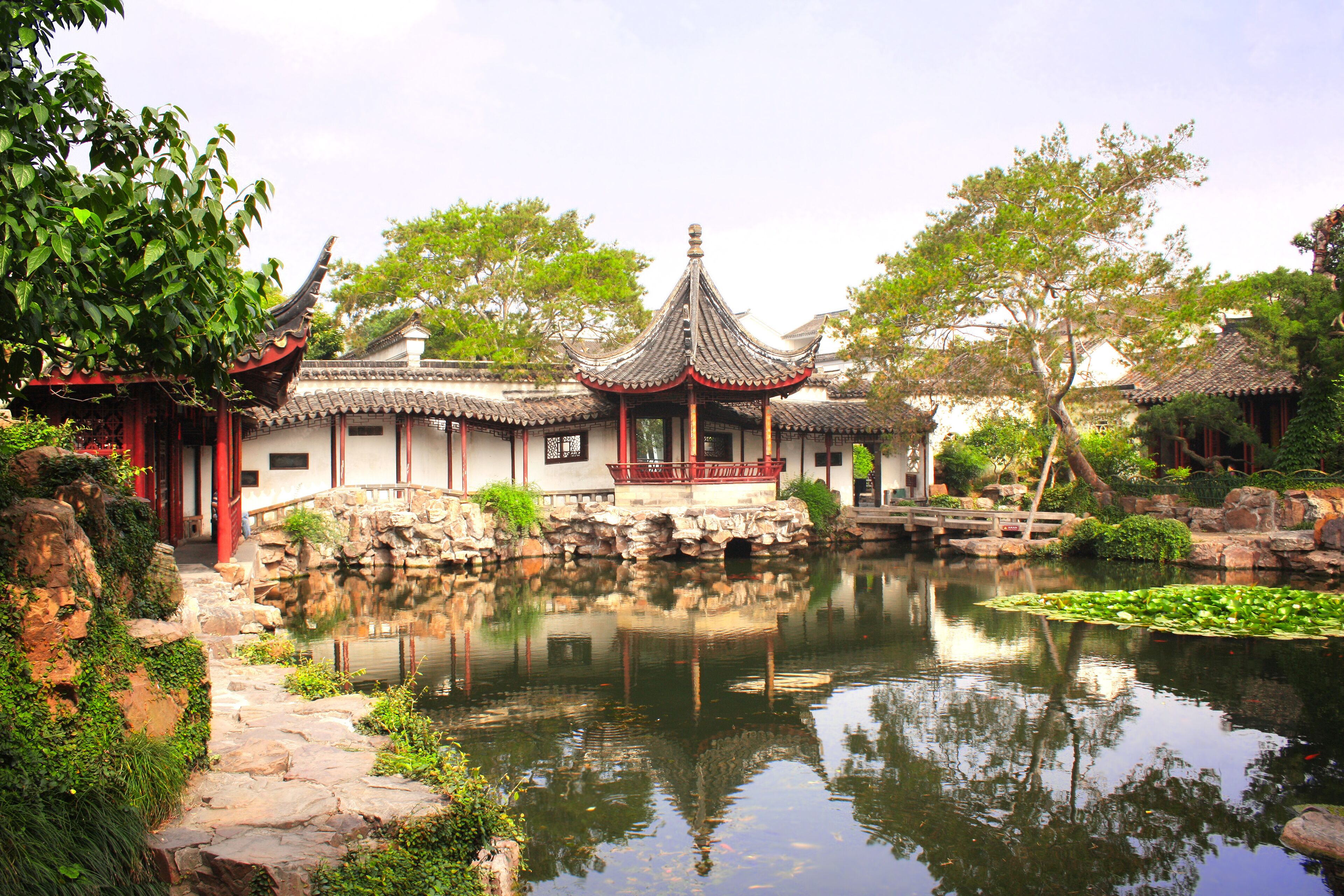
Private Day Tour of Suzhou from Shanghai
1 1 DAY Fairly EasySuzhou sits roughly thirty minutes from Shanghai by high-speed rail, yet the two cities occupy entirely different registers. This single-day private excursion moves between the Grand Canal's working waterways, the composed landscapes of a Ming-dynasty garden, and the production history of Chinese silk. A guide meets you at your Shanghai hotel and handles all transfers, leaving the day free for considered exploration rather than logistics.
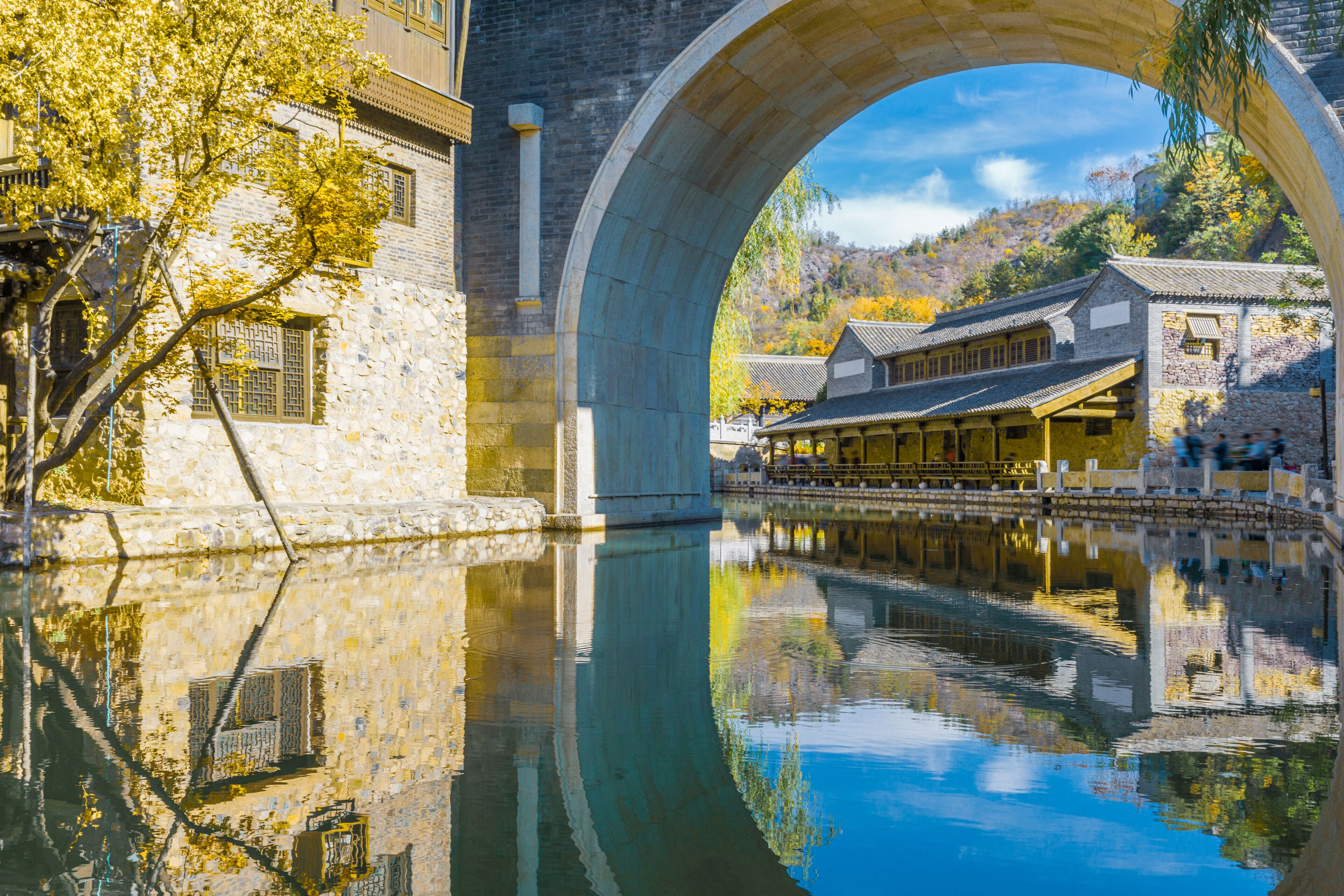
Discover China
9 9 DAYS Fairly EasyThis nine-day journey moves through four of China's most historically layered destinations in a logical sequence. Beijing opens the trip with its imperial core intact: Tiananmen Square, the Forbidden City, and the lanes of old hutong neighborhoods that have survived successive centuries of change. A morning on the Great Wall at Jinshanling, followed by an overnight in Gubei Water Town, provides the kind of rural pause that the capital itself cannot offer. A fast train then carries the group southwest to Xi'an, where the Terracotta Army and the ancient city wall set a different register entirely. From Xi'an, a short flight reaches Shanghai, which rounds out the itinerary with the Bund's financial-era architecture, the gardens and canals of a day trip to Suzhou, and the lived texture of the French Concession. The pace is deliberate rather than rushed. Each city is given sufficient time to read on its own terms, and the transitions between them are handled by China's efficient rail and air network. This is a considered introduction to the country for the traveler who values specificity over volume.
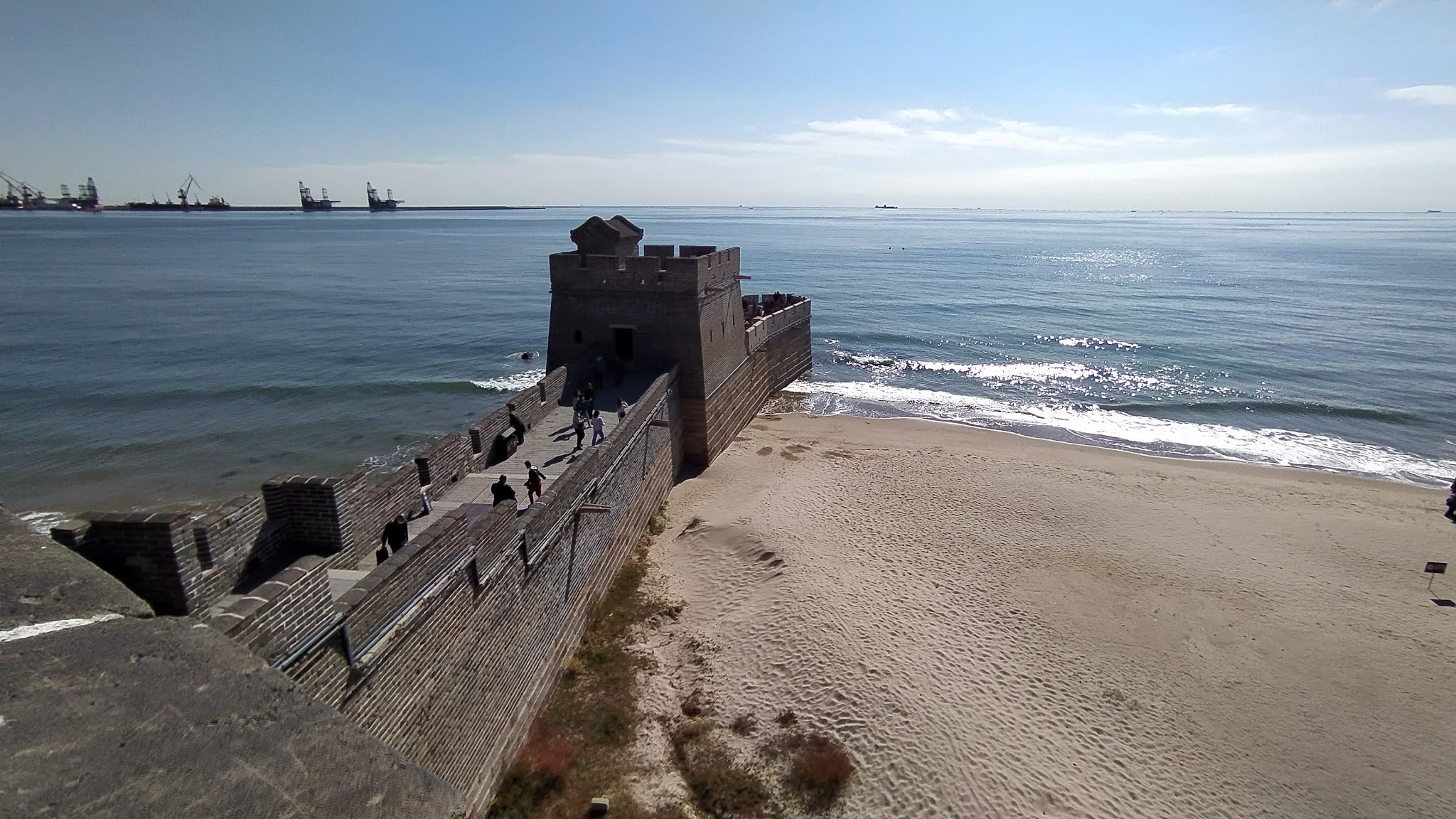
Running on the Wall
12 12 DAYS Fairly EasyThis twelve-day journey moves east to west across northern China, following the Great Wall from the sea at Shanhaiguan through reservoir country and wild ridge sections to the restored battlements above Beijing, then continuing by fast train to the sacred peak of Huashan and the imperial city of Xi'an. The trip is built around running and hiking rather than observation alone. Each morning presents a different surface underfoot — cobbled city parks, unrestored wall rubble, reservoir paths, mountain switchbacks, and ancient urban ramparts. The route connects five distinct Wall sections, each with its own character and historical weight, before closing at the Terracotta Warriors and the old Muslim Quarter. Movement is purposeful, pace is considered, and the sequence of landscapes from Bohai coastline to Shaanxi plateau gives the journey a coherent geographic logic.
Wild China
18 18 DAYS Fairly EasyThis eighteen-day journey moves through four distinct geographies of China, connecting the imperial north with the mountain west and the karst south. The route opens in Beijing with Tiananmen Square, the Forbidden City, and the hutong lanes of the old city before shifting to a two-day traverse of the Great Wall between Gubeikou and Simatai West — sections that carry both the weight of history and the evidence of centuries of neglect and adaptation. An overnight train carries the group west to Xi'an, where the city wall, the Muslim Quarter, and the Terracotta Warriors command consecutive days. A second overnight train delivers the journey into Sichuan, with a morning at the Chengdu Panda Breeding Center followed by an afternoon in Jinli Street and a private transfer south to Mount Emei. Two days on Emei Shan take in the Baoguo Temple, a cable car ascent to the Golden Summit at 3,077 metres, and a full day's descent through ancient temples, wild monkeys, and stone stairways. The journey then flies into Yunnan, settling for two nights in Lijiang's Naxi Old Town before a day hike through Tiger Leaping Gorge and an onward drive to the ancient trading settlement of Shaxi. From Shaxi a flight connects south to Guilin, with the final days spent among the Dragon's Backbone Rice Terraces at Longji and the karst countryside around Yangshuo, concluding with a Li River cruise and a fast train into Hong Kong.
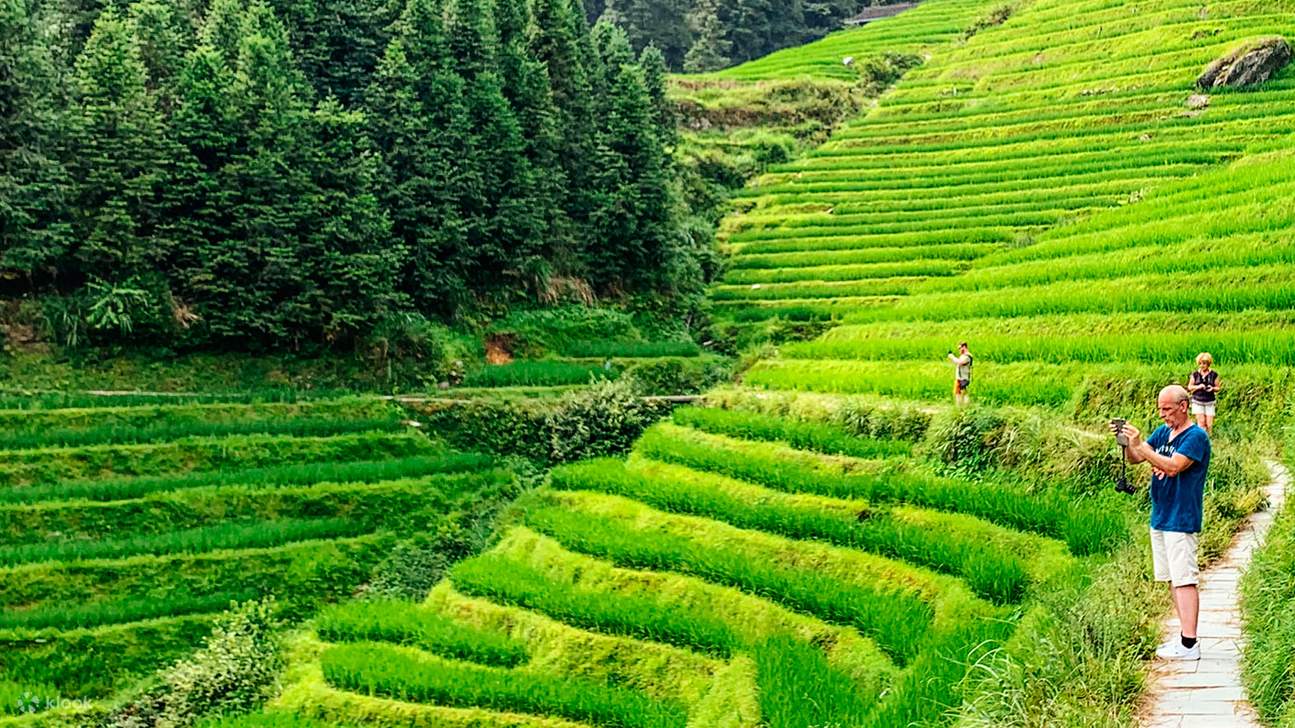
Hike and Bike China
16 16 DAYS Fairly EasyThis itinerary moves between China's most consequential historical sites and its least-traveled rural corridors. Beijing and Xi'an provide the imperial and archaeological anchors. Three consecutive days walking the Great Wall across the Gubeikou, Jinshanling, and Simatai sections give a clear sense of the wall's scale and its varying states of preservation. Huashan, one of the Five Sacred Taoist Mountains, occupies a full day of ridge and cliff-trail hiking at elevation. The final week shifts entirely to the landscape of southern China: the Dragon's Backbone Rice Terraces above Longji, a four-day cycling route from the terraces down through river valleys and karst countryside to Yangshuo, and a closing day in Shanghai. The pace is deliberately physical without being relentless, and the routing consistently favors village paths, back roads, and river tracks over main roads.
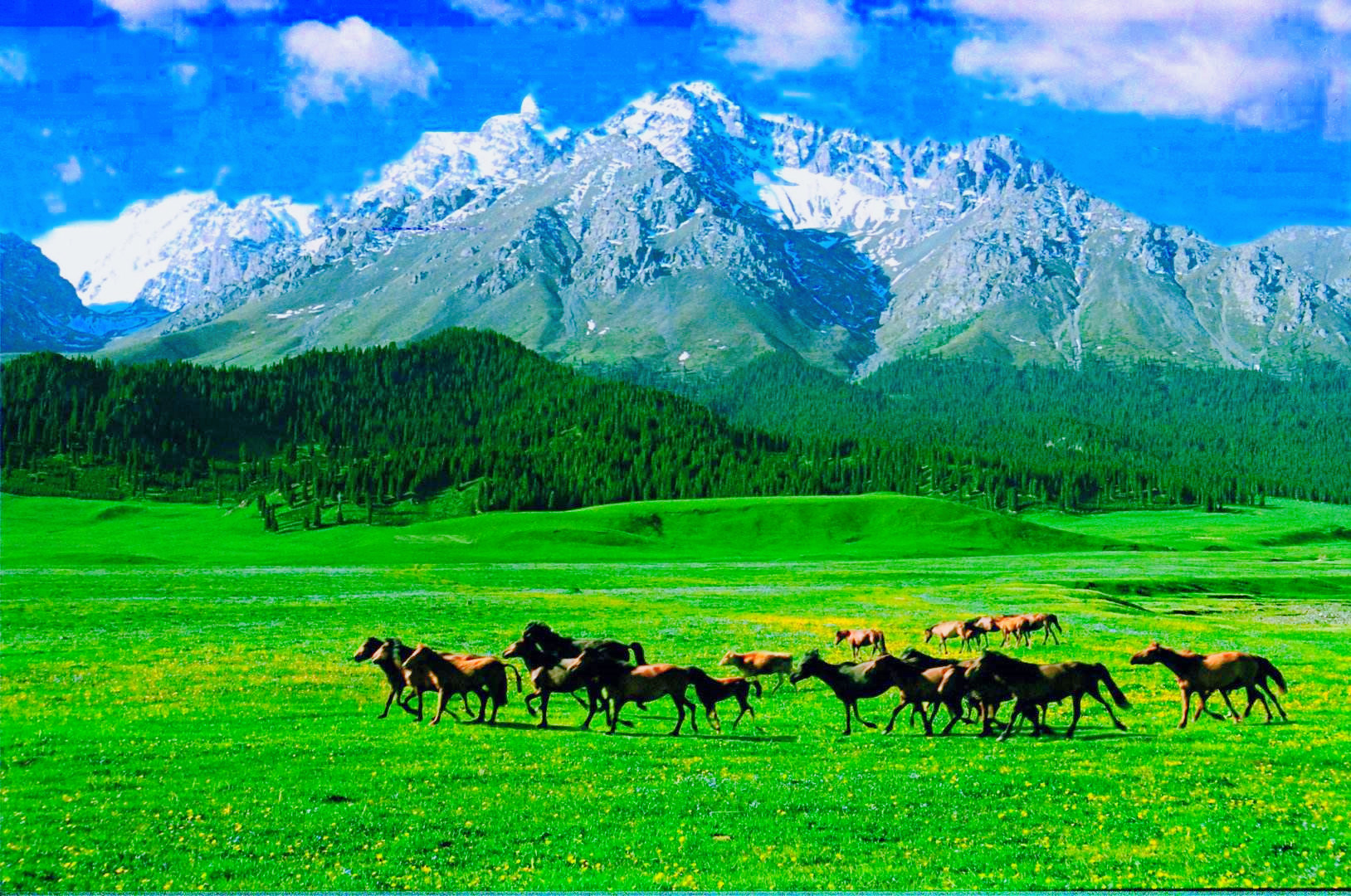
Heaven Lake Day Tour from Urumqi
1 1 DAY Fairly EasyUrumqi sits at the foot of the Tianshan Mountains in the Xinjiang Uygur Autonomous Region, a city shaped by forty-nine distinct ethnic communities and its long position on the overland route between China and Central Asia. This single-day journey moves from the city into the mountains, arriving at Heaven Lake — Tianshan Tianchi — at 1,907 metres above sea level. The lake covers 4.9 square kilometres and is enclosed by the high ridges of the Tianshan range. Time at the lake is unhurried, with the choice of a walk along the shoreline, a boat ride on the water, or a four-hour descent hike from the lake to the mountain base. A private vehicle and dedicated guide handle all movement throughout the day.
Cycle Xinjiang
13 13 DAYS Fairly EasyThis thirteen-day cycling journey moves east to west across Xinjiang Uyghur Autonomous Region, one of the most geographically varied and historically layered territories in Central Asia. The route begins in Urumqi and traces a considered arc through high alpine lakes, rolling grasslands, the stone formations of the Gobi fringe, and the low desert basin around Turpan before returning to the regional capital. Each day's riding is supported by a dedicated vehicle, and the pace allows for genuine engagement with the landscape rather than simple transit through it. The itinerary passes through places that carry the weight of the old Silk Road: the earthen ruins of Jiaohe, the wind-carved yardangs near Hami, the vineyard corridors of Turpan, and the rock art left by civilisations that moved through this corridor long before the modern road. Xinjiang is vast, and this route is designed to make that scale legible on two wheels.
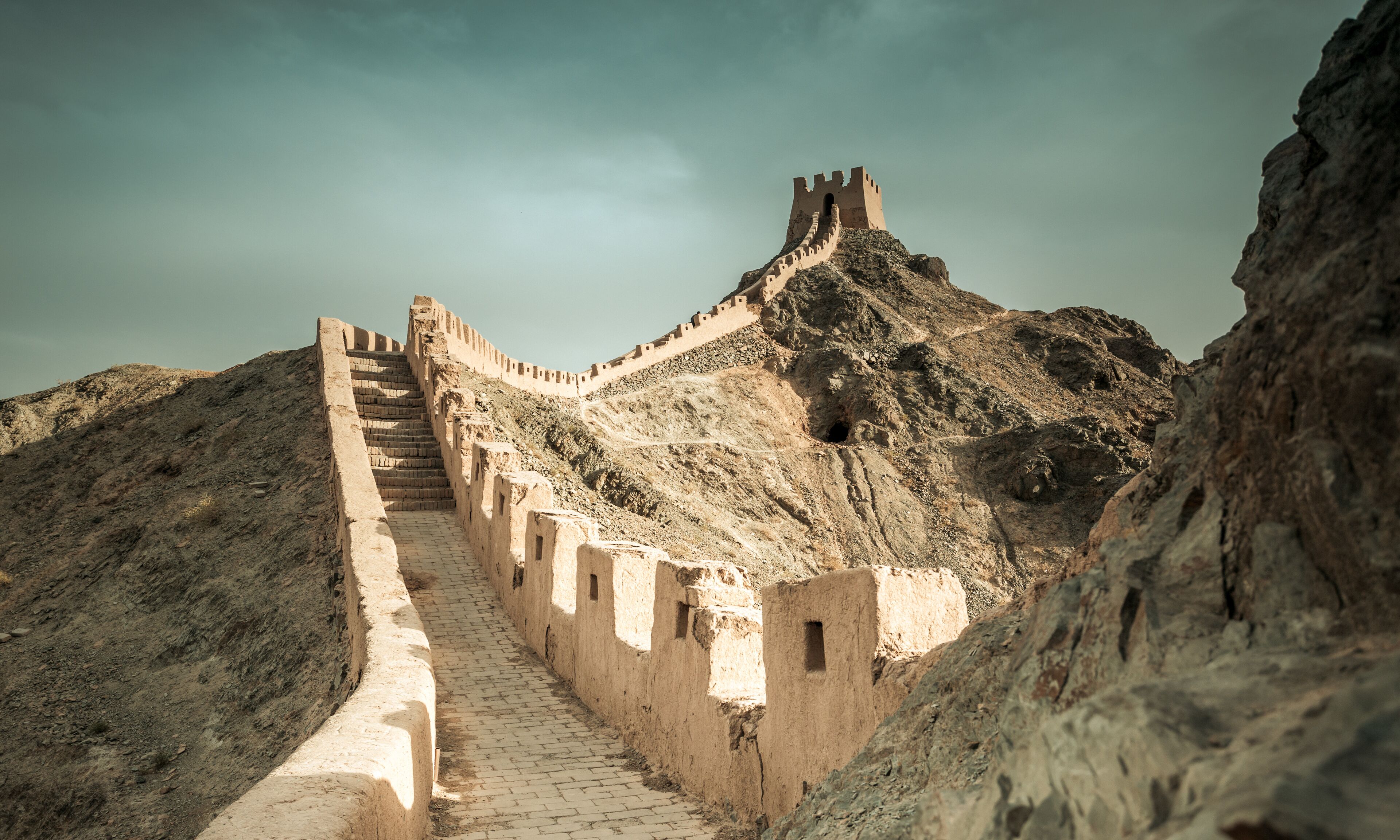
Natural Wonders beyond the Great Wall
8 8 DAYS Fairly EasyThe Hexi Corridor is a narrow passage between the Qilian Mountains and the Gobi Desert through which Silk Road caravans moved for centuries, linking Central Asia to the Chinese heartland. This is where the Great Wall ended and where dozens of ethnic groups traded, settled, and left their mark on the landscape. The route moves through Ming-dynasty frontier architecture, Wei Jin burial grounds, extraordinary danxia rock formations, and a sequence of Buddhist cave temples that predate Dunhuang by three centuries. Most days involve short hikes of one to five hours across different terrain, making this a journey well suited to travelers who want geological and cultural depth without demanding physical commitment. The itinerary concludes in Xining, from which onward rail travel to Lhasa is a natural continuation.
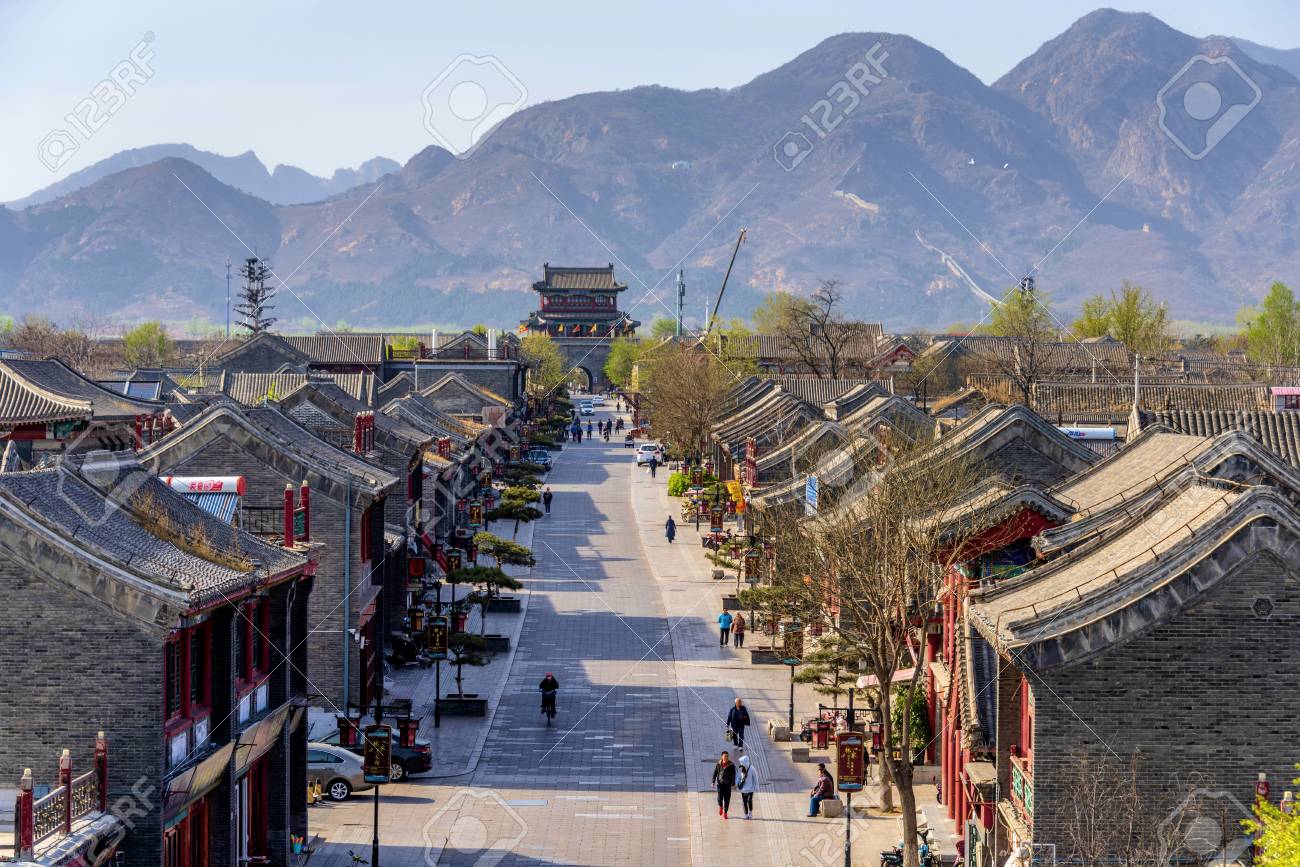
Great Wall Trek: Shanhaiguan to Beijing
8 8 DAYS Fairly EasyThis journey follows the Great Wall westward from its eastern terminus at Shanhaiguan, where the structure meets the sea, through progressively remote and less-visited sections before returning to Beijing. The route moves through distinct landscapes: coastal fortifications, a submerged wall rising from a reservoir, steep wild wall above farming villages, and the restored battlements of Jinshanling. Two nights in local guesthouses place the group close to the wall itself. The itinerary opens with a day in Beijing covering Tiananmen Square, the Forbidden City, Jingshan Park, and the hutong neighborhoods, then closes with a final evening in the capital.
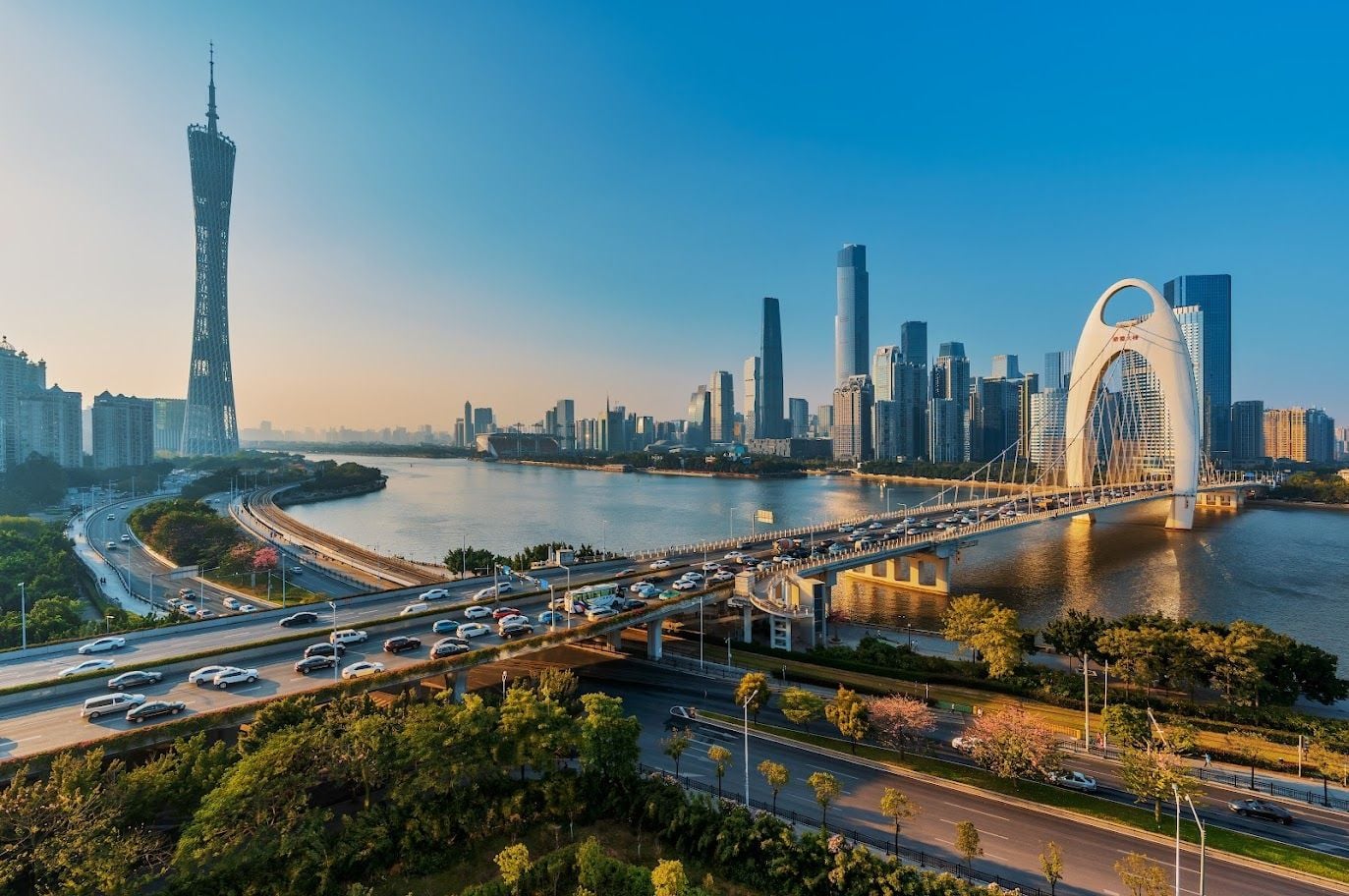
China by Bike
16 16 DAYS Fairly EasyThis journey moves north through a sequence of landscapes that few visitors reach by bicycle. It begins in Guangzhou and follows rural Guangdong province through depopulating villages and bamboo-covered hills before crossing into Guangxi. The route reaches Yangshuo along the Li River karst corridor, then shifts by air to Xi'an for two days among the monuments of China's imperial interior. The journey closes in Beijing with time inside the Forbidden City, along the city walls, and at the Great Wall at Mutianyu. A support vehicle travels the full route. Daily cycling distances range from thirty to eighty kilometers, with a coach transfer used on days when roads exit urban centers too abruptly for safe cycling.
West Sichuan
9 9 DAYS Fairly EasyEast of Tibet, the landscape shifts through forested gorges, wide grasslands, and chains of high-altitude lakes coloured by mineral sediment and sky. This is Ganzi Prefecture, administered by China yet culturally and spiritually Tibetan. Monasteries anchor small towns. Prayer flags mark passes. Sacred mountains draw pilgrims on seasonal circuits. The route moves from Chengdu westward through Kangding, across high plateau roads to Xinduqiao and Tagong, then south to Daocheng and into Yading Nature Reserve, where three peaks above 5,900 meters preside over some of the most remote trekking terrain in the country. The journey suits those who travel for landscape, for quiet, and for the particular quality of light that comes with altitude.
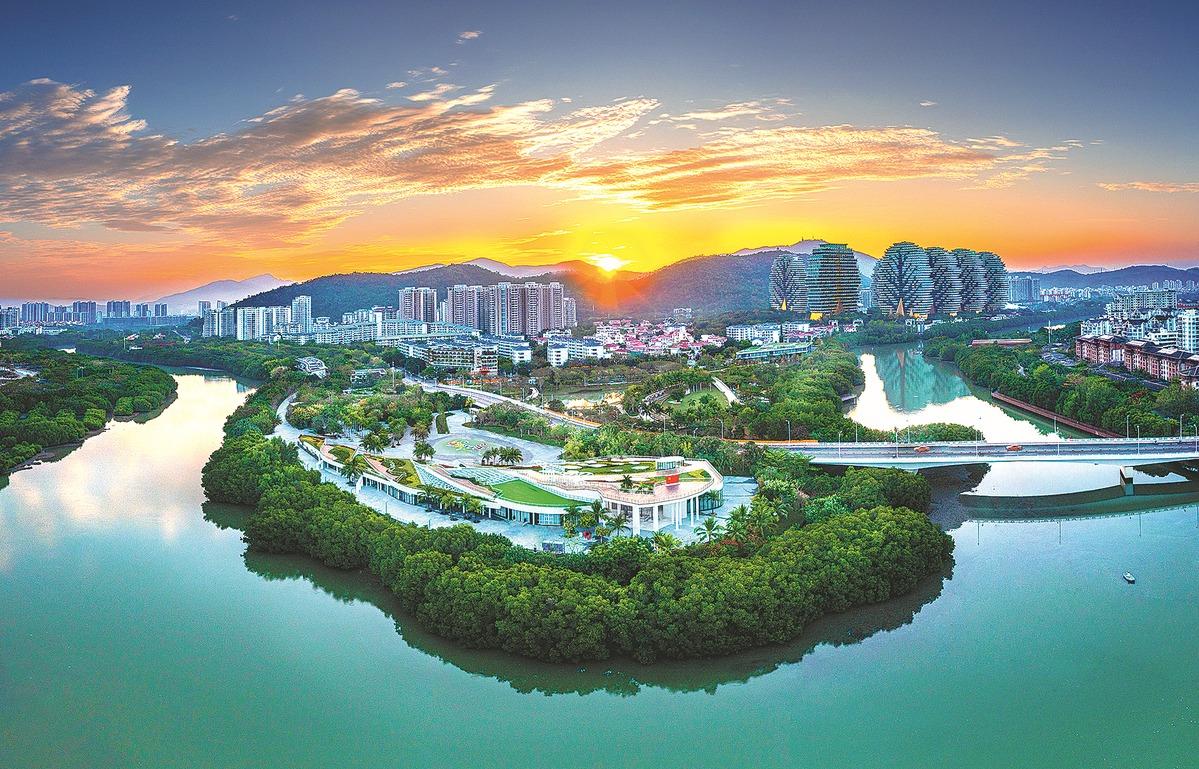
Cycle Hainan 8 Days
8 8 DAYS Fairly EasyHainan is rarely approached at road level. This eight-day private cycling journey moves from the island's central interior to its southern coastline, passing through Li minority settlements, botanical countryside, and geothermal resort towns before reaching the bay at Sanya. A dedicated support vehicle accompanies the group throughout, allowing riders to set a considered pace without logistical concern. The route is structured around back roads and rural tracks rather than main highways, placing the landscape and its communities at the centre of each day's movement. Rest days and optional walks are built in to balance the cycling stages.
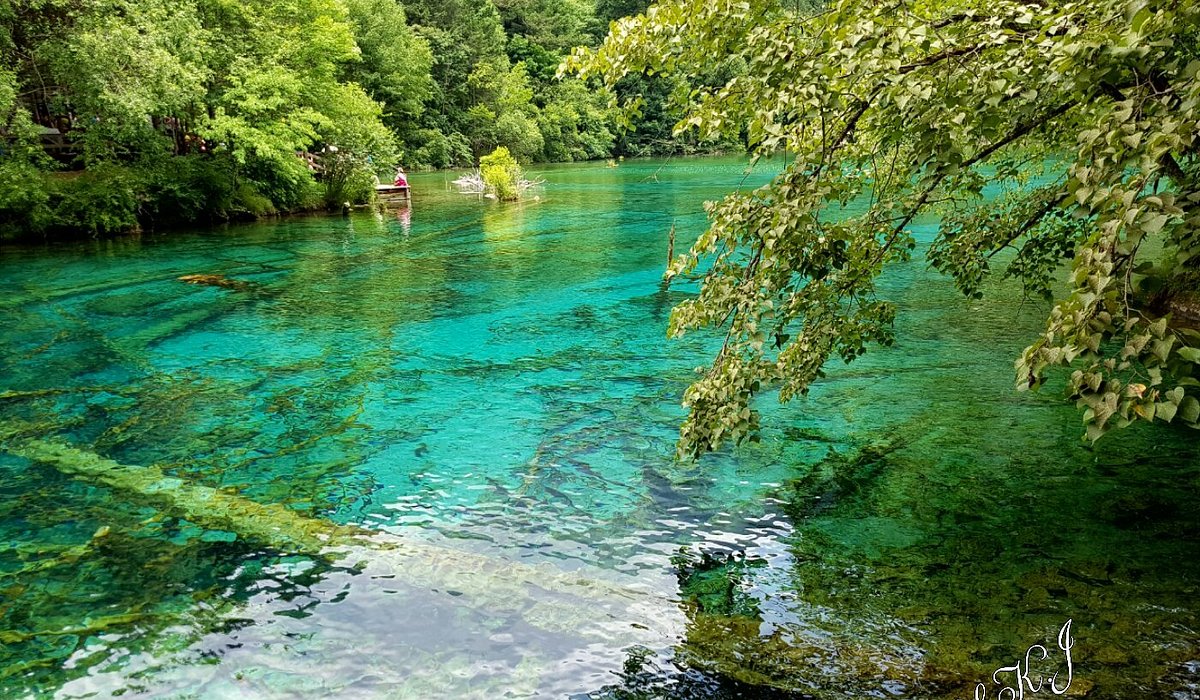
Jiuzhaigou Loop 11 Days
11 11 DAYS Fairly EasyThis eleven-day itinerary moves by bicycle through the interior of Sichuan province, tracing a route that begins on the flat agricultural plain outside Chengdu and climbs steadily into the Minshan ranges above 2,900 metres. Riders pass through Deyang, Mianyang, and Pingwu before reaching Jiuzhaigou National Park, then continue west to Huanglong Nature Preserve and south through Songpan and Maoxian, descending finally to Dujiangyan and Chengdu. A private support vehicle accompanies the group throughout. The terrain shifts day by day from river-threaded lowland roads to mountain switchbacks and high-valley tracks, offering a coherent sense of landscape progression rather than a series of disconnected stops. Cultural reference points include the Bronze Age collections at Sanxingdui, the ancient hydraulic engineering at Dujiangyan, and the Tibetan-influenced towns of the upper Min River corridor. The pace is demanding but structured, with one full rest day inside Jiuzhaigou built into the schedule.
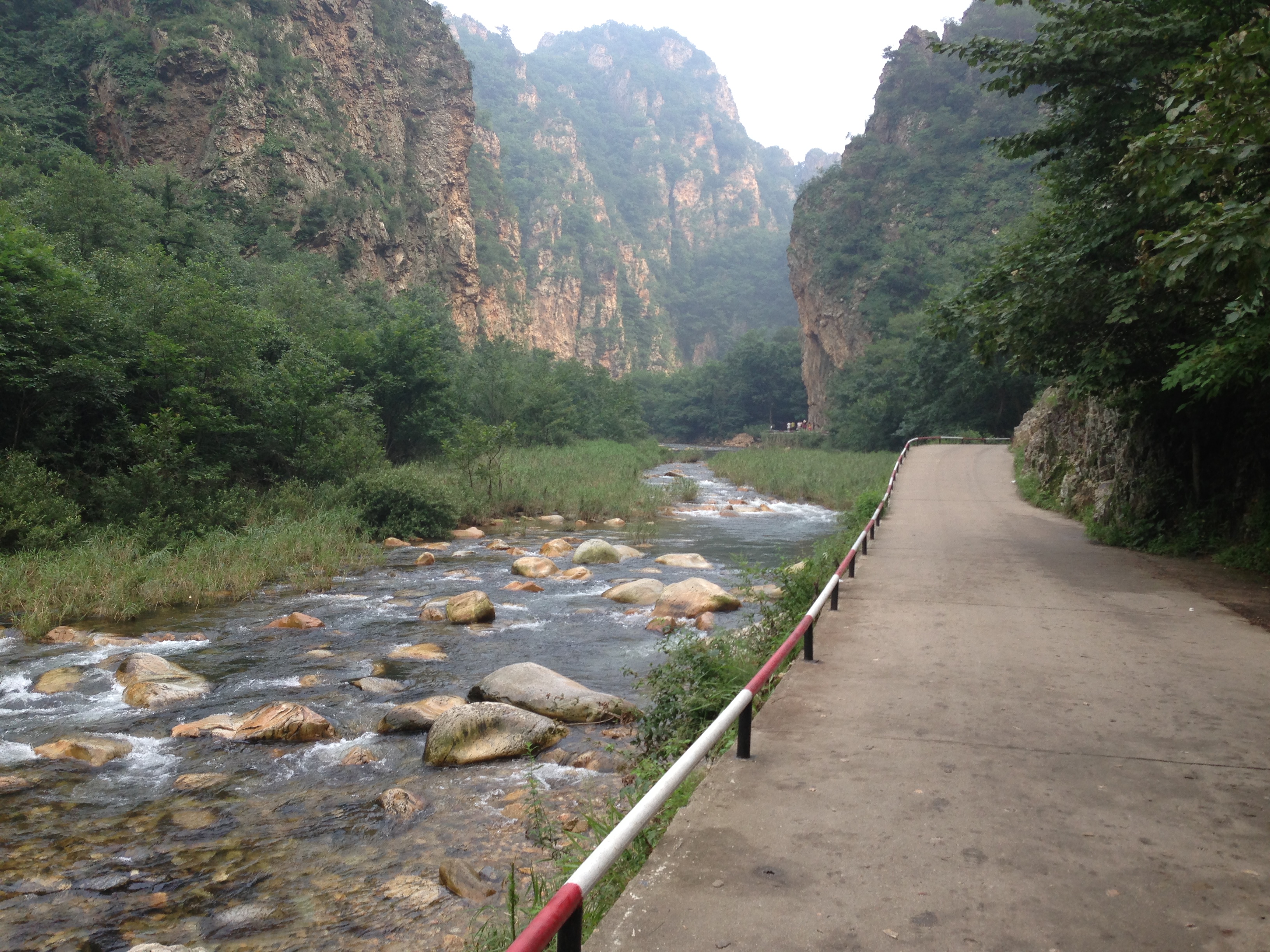
Cycle Manchuria
14 14 DAYS Fairly EasyThis route traces the length of China's northeastern corridor by bicycle, beginning in the port city of Dalian and ending in the imperial precincts outside Beijing. The riding covers coastal roads, rice-field lowlands, the North Korean border along the Yalu River, forested highland passes, the lakeside road at Jingbo, and the wide agricultural plains approaching Harbin. Each day is structured around a defined distance on rural and secondary roads, supported by a vehicle throughout. Beyond the cycling itself, the itinerary engages with a concentrated set of historical sites: the ruins of the Yalu River bridge, a Korean War museum, the former compound of Unit 731 in Harbin, the Puppet Emperor's Palace in Changchun, the Imperial Palace in Shenyang, and the Qing summer retreat at Chengde. The region is sparsely visited by international travelers, the roads are quiet, and the human geography shifts perceptibly as the route moves north and then west.
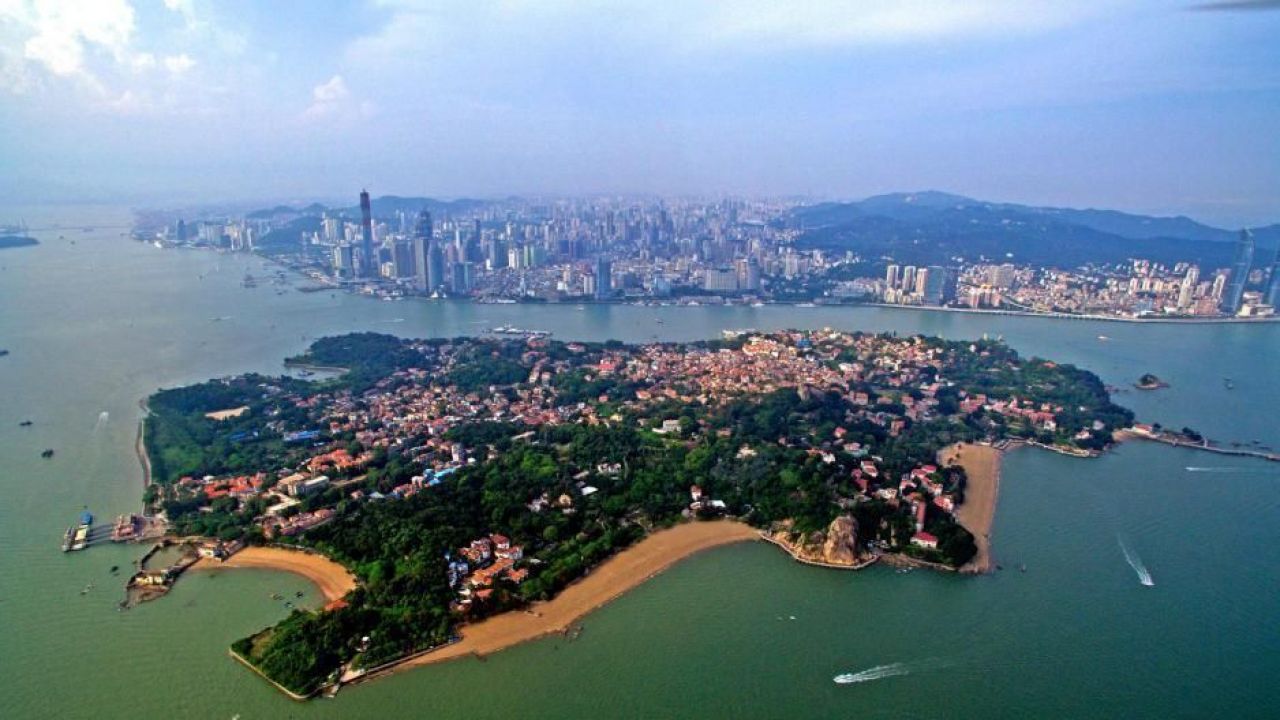
China Hidden Treasures
16 16 DAYS Fairly EasyThis sixteen-day journey moves by high-speed rail through a sequence of landscapes and historical periods that most itineraries never reach. The route begins in Beijing with its imperial core — Tiananmen Square, the Forbidden City, the Hutong quarters — before heading west to the cave-temple city of Datong and the walled merchant town of Pingyao. Xi'an provides the transition point between dynastic China and the journey south, where the scale shifts from imperial monument to village architecture. Wuyi Shan offers a pause in mountain terrain of genuine ecological distinction, and the Fujian interior reveals a world of Hakka roundhouses and cobbled settlement lanes that remain largely outside the standard foreign-visitor circuit. The journey closes on the coast at Xiamen before the border crossing into Hong Kong. A local guide accompanies each city segment, and movement throughout relies on China's rail network, making the distance covered between destinations both efficient and legible.
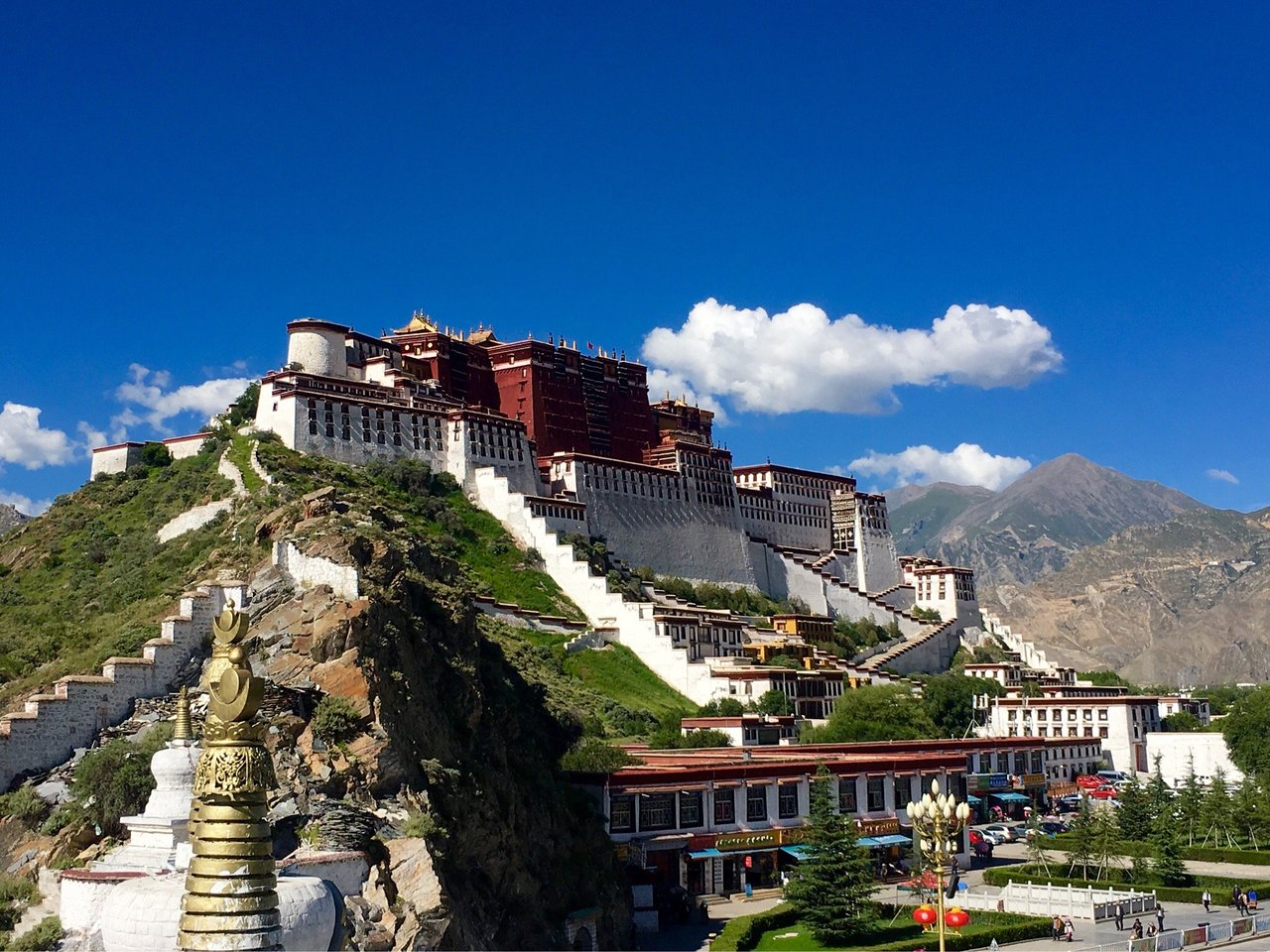
Cycle Yunnan–Tibet
26 26 DAYS Fairly EasyThis route traces one of the most demanding and visually consequential cycling corridors in the world. Beginning in Lijiang at 2,412 meters, the journey climbs steadily through the transition zone between Yunnan and the Tibetan Plateau, passing through Shangri-La, Deqin, and across the provincial border into the Tibet Autonomous Region at Mangkang. From there the road follows the southern branch of the Sichuan–Tibet Highway through a sequence of high passes, river gorges, and remote settlements before descending toward Lhasa at 3,658 metres. Two days in Lhasa allow for measured engagement with the city, followed by a day excursion to Namtso Lake at 4,700 metres. The total cycling distance across the route exceeds 2,100 kilometres. The landscape shifts considerably along the way: Naxi-influenced old town streets in Lijiang, open grassland grazed by yak herds near Shangri-La, the sustained high-altitude terrain of the eastern plateau, dense forest corridors around Bomi and Tongmai, and the widening river valleys that lead toward Lhasa. Accommodation throughout the cycling stages is in local guesthouses and small hotels, functional and honest at altitude. This is a route for riders who require no embellishment.
Tibet Adventure Tour
15 15 days 14 nightsFrom modern Beijing, travel back in time across scenic countrysides to Tibet on this well-packed overland adventure. Witness the splendor of the Potala Palace and the majesty of remote monasteries and then celebrate the stunning overland journey to Kathmandu. Wake up to views of Everest and enjoys a window into the heart of this remote land. A local guide and Chief Experience Officer will show you to the region’s hidden gems and make sure your trip burns brightly in your memory long after you’ve climbed down from the roof of the world.
Tibet Adventure Tour
15 15 DAYS Fairly EasyThis journey moves from the imperial core of Beijing westward by train across the Tibetan Plateau, reaching Lhasa before continuing overland through monastery towns, high mountain passes, and the flanks of Everest to the Nepal border. The route is unhurried by design. Four nights in Lhasa allow the body to settle at altitude before the itinerary asks anything strenuous of it. A private guide and driver accompany the group throughout China and Tibet, exchanging at the border for a local leader in Kathmandu. The train passage alone — nearly two days crossing the Silk Road corridor and climbing toward the plateau — constitutes a journey worth making in its own right. What follows is a grounded encounter with one of the world's most architecturally and spiritually concentrated landscapes.
Tibet Encompassed
21 21 DAYS Fairly EasyThis journey moves from the imperial heart of China westward across one of the most remote and demanding landscapes on earth. Beginning in Beijing, the route passes through Xi'an before boarding the Qinghai-Tibet Railway, the highest rail line in the world, arriving in Lhasa by way of the Changtang Plateau. Central Tibet unfolds through its monasteries, sacred lakes, and high passes before the route turns west toward Mount Kailash. There, three days on foot trace the ancient circumambulation route around the mountain. The return crosses south toward Everest Base Camp, with a final descent through the Kyirong border crossing into Nepal and on to Kathmandu. The journey requires physical readiness, patience with altitude, and a willingness to move through country that resists hurry.
Great Wall Hiking In 3 Days
3 3 days 2 nightsDiscover one of the Seven New Wonders of the world on this private 3-day hiking adventure along the Great Wall of China, including accommodation and meals. Hike along famous sections of the UNESCO-listed wall at Gubeikou, Jinshanling, and Simatai, and escape the crowd as you visit nearby villages and discover sections of the original wall. Covering between 4 and 10 miles (6 and 16 km) each day, the hikes are moderate and a backup vehicle is available en-route.
Tibet Adventure Tour
15 15 days 14 nightsFrom modern Beijing, travel back in time across scenic countrysides to Tibet on this well-packed overland adventure. Witness the splendor of the Potala Palace and the majesty of remote monasteries and then celebrate the stunning overland journey to Kathmandu. Wake up to views of Everest and enjoys a window into the heart of this remote land. A local guide and Chief Experience Officer will show you to the region’s hidden gems and make sure your trip burns brightly in your memory long after you’ve climbed down from the roof of the world.
Highlights of Tibet Tour
13 13 days 12 nightsDiscover the highlights of Tibet- the rooftop of the world, locked away in its Himalayan fortress! Discover enchanting Lhasa – home to the famous Potala Palace and Jokhang Monastery, the spectacular Yam Drok Lake, Gyantse’s kumbum, Tashilunpo Monastery in Shigatse and Yumbulakhang, the oldest palace in Tibet.
Exploring Beijing To Hong Kong Route
13 13 days 12 nightsChina really does have it all- tranquil countryside full natural scenery and hiking trails, supercities boasting incredible, and historic, artistic and cultural discoveries to make at every turn. Get acquainted with this country’s complexity and contrasts with this fascinating lonely planet experience that will have you walking the Great Wall, trekking through the Longji rice terraces, idling the hours away in serene Hongcun, drifting along the Li River and living it up in Hong Kong. Jam-packed with color and culture, China will astonish you with the levels of diversity throughout the country.
Gourmet China
11 11 days 10 nightsDuring your culinary tour in China, all you need are chopstick skills and our expert guides who scoured this mysterious place for the best regional cuisines. Eat hairy crab and learn how to cook Xiao long bao in your cooking classes in Shangai. Visit China’s most famous tea plantations Dragon Well, in the picturesque mountains of Hangzhou. Beijing dishes up Peking duck dripping in plum sauce and spicy hotspots on a food tour near the Forbidden City. Enjoy a picnic on a secluded spot on the Great Wall. Food stalls in Sichuan make eyes water with chili-laced pork dishes and peppery tofu. Over 5,000 years of history, stunning landscape and a multitude of regional cuisines make this food vacation a once in a lifetime experience.
Geat Wall Hiking And Camping
4 4 days 3 nightsAmong its many other attractions, Beijing is lucky enough to have access to some of the most scenic and memorable sections of the Great Wall. This tour package combines all the best Great Wall sections around Beijing into a single, unforgettable hiking extravaganza, including the lakeside Huanghuacheng section, the scenic Mutianyu section, the unrestored Gubeikou section, the steep Jiankou section, and the beautiful Jinshanling section. You will even get a chance to spend a night on the Great Wall, camping in the watchtower on the Gubeikou section. In the morning, you will be able to enjoy breathtaking views of the sun rising over the Wall’s ancient ramparts and the surrounding hills.
Beijing to Hong Kong by Private Rail and Air
13 13 DAYS Fairly EasyThis journey moves through five distinct cities along one of China's most rewarding north-to-south routes. It begins in Beijing, where the scope of imperial ambition is legible in stone, brick, and rammed earth. A bullet train carries the group east to Shanghai, a city that holds its colonial-era riverfront and its Ming-dynasty garden quarter in deliberate tension with one of the world's most recognisable modern skylines. From Shanghai, a short rail connection leads to Hangzhou, a city that has shaped Chinese aesthetic sensibility for centuries through its lake, its causeways, and its tea-growing hillsides. A flight west to Xi'an shifts the register entirely: this is where China's earliest unified empire left its most literal monument, an army of individually modelled clay soldiers still standing in formation underground. The route then turns south to the karst landscapes of Guilin and Yangshuo, where limestone peaks, river light, and a slower pace of rural life provide a considered counterpoint to the cities that came before. The journey closes in Hong Kong, arriving by train through Shenzhen and ending with an evening walk through a street market that has operated for generations. Private guides and drivers are present at each transition. The pace is measured, with full days in each location and no unnecessary doubling back.
Tibet Encompassed
14 14 DAYS Fairly EasyThis fourteen-day private journey traces China's most considered overland and river route, moving from the imperial capital through the high plateau of Tibet before descending to the Sichuan basin and continuing east along the Yangtze. The itinerary is structured around meaningful transitions: a night train from Beijing to Xi'an, a flight to Lhasa at 3,490 metres, a separate flight south to Chengdu, and a deluxe river cruise through the Three Gorges to Yichang before the final leg to Shanghai. Each city rewards time on foot. Each landscape shift asks something different of the traveller. The pace is measured, the sequence logical, and the range of experience — from the debating courtyards of Sera Monastery to the sheer limestone walls of Qutang Gorge — is not easily replicated on a shorter circuit.
Bike Beijing: Lama Temple and the Hutongs
1 1 DAY Fairly EasyThis full-day private cycling tour moves through Beijing's most historically dense neighbourhoods at a pace that rewards attention. Beginning near Tiananmen Square, the route passes the perimeter of the Forbidden City before threading into the Hutong lanes that surround the Bell Tower and Drum Tower. A stop at a local market inside the Hutongs offers a grounded look at neighbourhood life and the produce that sustains it. The ride continues to the Lama Temple, one of the most significant Tibetan Buddhist sites in China, followed by the adjacent Confucius Temple and Imperial College. The day closes near the open water and tree-lined banks of Houhai Lake. Bikes and safety equipment are collected from a centrally located outfitter. A private guide accompanies the full route.
Jiankou to Mutianyu: A Full-Day Walk on the Great Wall
1 1 DAY Fairly EasyThis single-day itinerary moves between two distinct characters of the Great Wall. The morning begins at Jiankou, an unrestored stretch where original Ming-dynasty stonework survives in various states of weathering and collapse, and where visitor numbers remain low. The route follows the ridge westward to Zheng Bei Lou before turning east toward Mutianyu, one of the Wall's most carefully maintained sections. The full walk covers six to seven miles at a moderate pace, with time allowed for photography and rest. A private vehicle collects guests from central Beijing in the morning and returns them to their hotel by early evening.
Full-Day Family Tour in Beijing
1 1 DAY Fairly EasyThis private day tour moves through four distinct layers of Beijing, each representing a different chapter in the city's history. The morning opens at Beijing Zoo, where giant pandas remain the central draw alongside a broad collection of other species. The route then continues to the Olympic Park precinct, where the 2008 National Stadium and the adjacent Aquatics Center stand as permanent markers of a specific moment in modern Chinese civic life. The afternoon shifts to the Summer Palace, the largest surviving imperial garden in China, where covered walkways, lakeside pavilions, and hillside temples occupy a landscape that was shaped over several centuries. The day closes at the 798 Art District, a former state military electronics factory whose decommissioned industrial buildings now house galleries, studios, and cultural institutions. A private vehicle and guide are in place throughout, and hotel pickup and drop-off are included.
Bike Beijing: Forbidden City, Tiananmen and Temple of Heaven
1 1 DAY Fairly EasyBeijing rewards those who move through it deliberately. This one-day private cycling itinerary places you inside the city's historic core, moving through the narrow hutong lanes of old Beijing, across Tiananmen Square, south to the Temple of Heaven, and then north to the edge of the Forbidden City. A guide accompanies you throughout, providing historical context at each site and managing the practical details of equipment and route. The pace is unhurried. The ground covered is considerable.
Beijing: Old and New
1 1 DAY Fairly EasyThis full-day private tour moves through two distinct versions of the same city. The morning opens at the 2008 Olympic Stadium, where the scale of contemporary Beijing declares itself plainly. The day then turns inward, passing through a Tibetan-style Buddhist temple, the Confucian Temple, and the Imperial College before arriving in the hutong lanes that have connected ordinary life in this city for centuries. The route concludes at Houhai Lake, where the old neighborhoods open onto water.
Full-Day Walking Tour of Old Beijing
1 1 DAY Fairly EasyThis private full-day walk moves through the civic and imperial heart of Beijing in a single unhurried arc. Beginning at Tiananmen Square, the route passes through the Forbidden City — the Ming and Qing dynastic seat that housed 24 emperors across more than five centuries — before continuing north into Jingshan Park and then west to Beihai, one of China's most intact imperial garden complexes. The day closes in the Hutong quarter around Houhai Lake, where the residential grain of old Beijing survives in its narrowest and most legible form.
Forbidden City and Summer Palace — Private Day Tour, Beijing
1 1 DAY Fairly EasyThis private day tour moves through the symbolic core of imperial Beijing in a logical, measured sequence. A dedicated guide provides historical context at each site, and a private vehicle handles all transfers. Entrance tickets are arranged in advance, removing queuing variables from the schedule. The day covers Tiananmen Square, the Forbidden City, and the Summer Palace — three sites that together form an unusually coherent picture of how successive dynasties chose to inhabit and display power in this city.
Temple of Heaven & Summer Palace
1 1 DAY Fairly EasyThis single day in Beijing moves through three distinct layers of the city. The Temple of Heaven offers a morning encounter with one of the capital's most considered ceremonial spaces, set within a park where residents gather daily for music, exercise, and quiet competition. Hongqiao Pearl Market follows, a dense commercial interior where pearls sit alongside clothing, electronics, and craft goods, and where the transaction between visitor and vendor is an experience in itself. The day closes at the Summer Palace, the Qing dynasty's expansive lakeside retreat, where covered walkways, hillside temples, and open water define a landscape built for contemplative movement.
Bike Beijing: Hutong, Lama Temple, Forbidden City
1 1 DAY Fairly EasyBeijing rewards those who move through it slowly and at street level. This full-day private cycling tour connects the city's most significant sites — Tiananmen Square, the Forbidden City, the hutong lanes north of the imperial axis, and the Lama Temple — in a sequence that reflects how the capital is actually structured, rather than how it is typically packaged. An experienced local guide sets the pace and provides context that shifts the experience from sightseeing to genuine orientation.
Impressions of Beijing
1 1 DAY Fairly EasyThis is a full day in Beijing structured around the city's defining historical sites and the quieter residential fabric that surrounds them. Beginning at Tiananmen Square, the day moves into the Forbidden City, the largest surviving complex of ancient wooden architecture in the world. From there, pace slows as the route enters the hutong quarter, the lane-and-courtyard neighborhoods that formed the social architecture of imperial Beijing. The afternoon reaches the Temple of Heaven before the day closes with a return by metro. The guide remains with you throughout, providing context at each site and managing movement across the city. Travel by subway is deliberate, not incidental: it reflects how the city actually functions and keeps the day grounded rather than insulated.
Pandas and Old Beijing
1 1 DAY Fairly EasyBeijing holds its history close. This day moves through several of its most considered layers: the giant panda enclosures at Beijing Zoo, the Bell and Drum Towers, the hutong neighbourhoods navigated by rickshaw, and the Confucius Temple and Imperial College complex in the city's northeast. A dumpling-making lunch in a hutong alley provides a moment of pause between the morning and afternoon. The pace is unhurried. The sequence is deliberate. Each stop is chosen for what it communicates about the city rather than for spectacle.
Huangyaguan Great Wall: A Full-Day Hike from Beijing
1 1 DAY Fairly EasyThis full-day journey from Beijing takes a small group to Huangyaguan, a section of the Great Wall that receives a fraction of the visitors drawn to better-known stretches closer to the city. The route passes through a landscape of rugged mountain ridges where the wall climbs steeply between restored battlements and original collapsed stonework. An expert guide accompanies the group throughout, providing historical context for a site that has been a functioning military pass since the sixth century. The hike covers roughly three kilometers of wall, including twenty watchtowers, and the surrounding pass contains a museum, inscribed steles, and a layout of streets arranged in the pattern of the Eight Diagrams.
Mutianyu Great Wall and Ming Tombs
1 1 DAY Fairly EasyThis single-day private tour moves between two UNESCO World Heritage sites that together span more than five centuries of imperial ambition. The morning is given to the Mutianyu section of the Great Wall, a stretch notable for its state of preservation, its restored watchtowers, and its relative remove from the capital's busier Wall access points. The afternoon shifts to the Ming Tombs, the burial complex that served thirteen emperors of the Ming dynasty and remains the most intact grouping of imperial tombs in China. A private guide accompanies you throughout, providing context that is specific to each site rather than generic. The return to Beijing is timed for early evening.
Backstreet Walking Tour
1 1 DAY Fairly EasyThis single-day walking tour moves through a quieter register of central Beijing, away from the principal tourist circuits. Beginning in the old cultural streets, the route passes independent shops and preserved shopfront architecture before reaching the corner tower of the Forbidden City wall. From there, the walk continues to the Beijing Library, housed within a former palace courtyard that retains its original stone lions and pillars, relocated from the Old Summer Palace. The Northern Cathedral, the oldest and largest Catholic church in Beijing, forms the next stop. The day concludes at a local teahouse, where a traditional tea ceremony offers both rest and an introduction to the forms and vocabulary of Chinese tea culture.
Hike the Great Wall from Huanghuacheng to Xishuiyu
1 1 DAY Fairly EasyThis single-day itinerary is designed for hikers who want direct engagement with the Great Wall rather than a managed visitor experience. The route runs from Huanghuacheng to Xishuiyu, tracing a section that retains much of its original character — steep gradients, absent parapets, and stonework that has not been softened by restoration. The landscape shifts between exposed ridgeline and reservoir-edged valley, and the physical demands are genuine. A private vehicle collects you from central Beijing and returns you at the close of the day. An expert guide accompanies the full traverse. The route can also be walked in reverse for those who prefer a less strenuous approach.
One Day Hike on the Great Wall at Mutianyu
1 1 DAY Fairly EasyThe Mutianyu section of the Great Wall sits in Huairou County, connected to the Jiankou section to the west and Lianhuachi to the east. Its origins predate the more visited Badaling section, with the first construction dating to the mid-sixth century during the Northern Qi dynasty. The present wall was built during the Ming dynasty under the supervision of General Xu Da, layered over that earlier structure. A pass was added in 1404, and the wall was substantially rebuilt in 1569. Much of that work survives intact today. The section is noted for the scale and quality of its construction, including a series of two- and three-storey watchtowers positioned along a ridge that rises and falls with the contours of the surrounding hills. A private guide accompanies the full day, providing context on the wall's military function as the northern barrier protecting the capital and the imperial tombs, as well as on the communities that have developed around it over centuries. The day moves at a considered pace, with time to read the landscape and understand what you are standing on.
Private Huangyaguan Great Wall Tour from Beijing
1 1 DAY Fairly EasyHuangyaguan — Yellow Cliff Pass — sits in the rugged mountains north of Tianjin, removed from the circuits that absorb most Beijing-based Wall visits. The pass dates to the Northern Qi Dynasty in the sixth century and was rebuilt at scale under the Ming. Its defining characteristic is not a single restored promenade but a complete military system: barbicans, watchtowers, barracks, and a street grid inside the pass itself arranged according to the Eight Diagrams, a geometric pattern that earned the settlement its secondary name, Eight Diagram Fortification City. The cliff faces to the east of the pass carry a particular quality of light at dusk, turning the yellow rock to something closer to gilt — the origin of the name. A private guide collects you from your Beijing hotel and travels with you by dedicated vehicle for the full day. At the Wall, three hours are given to the hike itself, moving along steeply stepped battlements with mountain ridges extending in both directions. The Great Wall Museum, housed in the former Ming-era Dispatcher's Office at the center of the street grid, holds weapons and daily objects recovered from the garrison period. The Stele Forests and Couplet Hall preserve inscribed poems and carved couplets that document the cultural life of the soldiers stationed here.
Xishuiyu to Huanghuacheng Great Wall Hike
1 1 DAY Fairly EasyThis single-day private excursion takes you from central Beijing to the Xishuiyu entry point of the Great Wall, where the route moves through dense vegetation before ascending to the Wall itself. The hike follows the Wall's ridge to the highest watchtower on this section, where the Huanghuacheng reservoir comes into view below. The section is unrestored and relatively quiet, offering an unmediated experience of the structure's texture and scale. A private vehicle collects you from your Beijing hotel in the morning and returns you to the city in the late afternoon.
Xi'an and Mount Huashan from Beijing
2 2 DAYS Fairly EasyThis two-day journey moves between two of China's most considered historical sites. On the first day, a fast train from Beijing delivers you to the base of Mount Huashan, where a full circuit of all five peaks — North, Middle, East, South, and West — unfolds across twelve kilometres of cliff-edge trail and high ridge walking. On the second day, the route turns to Xi'an: the excavated pits of the Terracotta Army, a cycling tour of the intact Ming-dynasty city wall, and an evening walk through the Muslim Quarter before a sleeper train returns you to Beijing.
Best of Beijing
2 2 DAYS Fairly EasyThis two-day private itinerary moves through Beijing with intention, beginning in the monumental civic spaces of the city centre before entering the layered quiet of its oldest residential quarters by bicycle. The second day leaves the capital behind for the Gubei Water Town and the Simatai Great Wall, a stretch of frontier fortification that retains genuine structural complexity and historical weight. Movement is unhurried, company is private, and the route is led throughout by a dedicated guide.
Two Days on the Great Wall: Jiankou, Mutianyu, and Wangjinglou
2 2 DAYS Fairly EasyThis two-day private itinerary moves through three distinct characters of the Great Wall, each separated by landscape and temperament. The first day covers the unrestored Jiankou section, where dolomite battlements follow a ridgeline above dense forest in Huairou district, roughly 80 kilometres northeast of Beijing. The route transitions to the restored Mutianyu section before settling for the night in Gubeikou, a walled village that once served as a northern garrison of the Ming capital. The second day ascends to Wangjinglou, the Watching Beijing Tower, for elevated views across the surrounding mountain ranges before the private return to the city. The pace is deliberate, the distances manageable, and the overnight in a local guesthouse provides an honest point of contact with a community that has lived alongside the wall for generations.
Two Days on the Great Wall: Huangyaguan and Huanghuacheng
2 2 DAYS Fairly EasyThis two-day itinerary covers two separate stretches of the Great Wall that receive a fraction of the attention directed at more publicised sections. On the first day, the route follows the battlements at Huangyaguan, a 46-kilometre section running along mountain ridges north of Tianjin, first built under the Northern Qi dynasty in the sixth century and substantially rebuilt during the Ming era. A picnic lunch is taken on the wall itself. The night is spent in a local guesthouse in the village of Xishuiyu. The second day opens with a walk directly from the village up to Huanghuacheng, where the wall descends to meet a reservoir, producing one of the more quietly dramatic landscapes on any accessible section of the structure. The return drive concludes in Beijing. Throughout both days, a private expert guide accompanies the group, and all movement is by private vehicle.
Two-Day Great Wall Traverse: Huanghuacheng to Xishuiyu
2 2 DAYS Fairly EasyThis two-day private itinerary moves through the Huanghuacheng and Xishuiyu sections of the Great Wall, both of which sit in the hills north of Beijing and are defined by the reservoirs that cut through and beneath the ancient stonework. The first afternoon is spent on the Huanghuacheng section, a moderate three-hour walk that introduces the terrain and the particular quality of light over water that makes this stretch unlike the restored sections closer to the capital. The night is spent at a local farmer's guesthouse in Xishuiyu, a practical and grounding choice that places you inside the rhythm of the area rather than at a distance from it. The second day is longer and more demanding, with four to five hours of hiking along the Xishuiyu Wall, including a descent that requires care and attention on uneven stone. The route finishes at a parking area before a private transfer returns you to Beijing. The itinerary is designed for travelers who want unhurried access to an authentic section of the Wall without the crowds that gather at Mutianyu or Badaling.
5-Day Great Wall Hiking
5 5 DAYS Fairly EasyThis five-day itinerary follows a continuous sequence of Ming-dynasty fortifications across the mountains north of Beijing, moving section by section from Gubeikou through Jinshanling to Simatai. The walking is genuine: steep in places, quiet for long stretches, and far removed from the managed visitor sites closer to the capital. Nights are spent in village guesthouses where the wall is not a backdrop but a working part of local memory. The route covers approximately 35 kilometres of ridgeline over three full hiking days, returning to Beijing on the afternoon of the fifth day.
Walk the Great Wall
7 7 DAYS Fairly EasyThis seven-day journey traces a considered sequence of Great Wall sections north of Beijing, moving from the restored battlements at Huangyaguan through the village guesthouses of Gubeikou and Jinshanling, across the contrasting terrain between Jiankou and Mutianyu, and finishing at Huanghuacheng before returning to the capital. Each day is built around walking: the distances are genuine, the gradients are honest, and the route passes through agricultural villages where the wall's stone was repurposed for farmhouses in the mid-twentieth century. The pace allows time to read the landscape rather than collect viewpoints. A private vehicle and expert guide accompany the group throughout, managing transfers between sections and providing context that is specific to each stretch of wall rather than generic. Accommodation is a deliberate mix of a Beijing hotel at the start and local farmer guesthouses along the route, where proximity to the wall and interaction with village life are the point.
A Glimpse of China
7 7 DAYS Fairly EasyThis seven-day journey moves through three of China's most historically layered cities, connected by overnight sleeper and high-speed rail. In Beijing, the itinerary covers the full sweep of imperial monuments alongside the quieter texture of hutong neighbourhoods. A single day in Hangzhou is built around West Lake and the elevated perspective from Shibaoshan. Shanghai closes the route with its contrasting architectural inheritance — Ming-dynasty garden, colonial waterfront, and the dense residential lanes that run between them. The pace allows for guided immersion at key sites while preserving unscheduled time for independent movement.
China Express
8 8 DAYS Fairly EasyEight days across three of China's most consequential cities, connected by overnight train rather than internal flight. The route moves from Beijing's imperial core through Xi'an's archaeological landscape to Shanghai's layered waterfront, combining structured access to major heritage sites with unscheduled time in each city. Local guides accompany the group at each destination. The pace is direct without being rushed, and the rail connections between cities are part of the experience rather than a logistical concession.
10-Day Great Wall Hike
10 10 DAYS Fairly EasyThis ten-day private itinerary moves through the full arc of the Great Wall's character, from the polished lanes of imperial Beijing to the unrestored, vegetation-draped sections that stretch across the mountains north of the capital. The route progresses deliberately: two days in Beijing establish historical and cultural grounding before the hiking begins in earnest at Jiankou. From there, the journey follows the wall's spine eastward through Huanghuacheng, Gubeikou, Jinshanling, Simatai, and finally Huangyaguan, with each section presenting a different relationship between the wall and the landscape it crosses. Several nights are spent in farmhouse guesthouses close to the wall, which shapes the pace and texture of the experience considerably. The hiking itself ranges from well-maintained restored sections to wild, crumbling stretches where the structure has been reclaimed by forest and time. Total distances and ascents are moderate to demanding depending on the day, and the itinerary is designed for travelers who move steadily rather than urgently.
China Family Adventure
11 12 DAYS Fairly EasyThis twelve-day journey moves a family through the architectural and natural breadth of China, from the imperial capital to the karst landscapes of the south. The route connects Beijing, Luoyang, Xi'an, Chengdu, Longji, Yangshuo, and Hong Kong by overnight train, bullet train, and short-haul flight. Historical sites of genuine weight sit alongside quieter moments: a school visit in Beijing, a martial arts demonstration at Shaolin, a morning among giant pandas in Chengdu, and a lunch cooked by a family in the Yangshuo countryside. The pace allows children and adults to absorb each place before moving to the next.
Trekking and Camping on the Great Wall
8 8 DAYS Fairly EasyThis eight-day itinerary is structured for experienced hikers who want sustained time on the Great Wall rather than a single-day visit. Five consecutive days of guided trekking move through a sequence of contrasting sections — Huangyaguan, Gubeikou, Jinshanling, Simatai, and Mutianyu — ranging from carefully restored stretches to terrain that sees very little foot traffic. Nights spent along the wall and in a local village place the journey in direct contact with the landscape rather than at a remove from it. Beijing frames the expedition at either end, with time at Tiananmen Square, the Forbidden City, and the Eastern Qing Tombs providing historical grounding before the trek begins. A support vehicle accompanies the group throughout, managing transfers between sections and keeping the focus on the walking itself.
Giant Buddha and Tea Plantation
1 1 DAY Fairly EasyThis single-day private itinerary travels southwest from Chengdu to two distinct corners of Sichuan life. The morning is given to the Leshan Buddha, a 71-metre Tang Dynasty figure cut directly into the cliff face between the eighth and ninth centuries. The afternoon moves to an old town where traditional trades continue in their original settings, followed by a working tea plantation where the farmer leads a practical introduction to the crop from field to cup.
Pandas and Dujiangyan
1 1 DAY Fairly EasyThis single-day itinerary moves west from Chengdu into Sichuan's mountain foothills, pairing two sites that rarely appear in the same conversation despite sitting within easy distance of each other. The Giant Panda Breeding Research Base is a serious conservation operation; the animals live in naturalistic enclosures, and the morning hours offer the most active viewing. Dujiangyan, constructed in 256 BC and still functioning as intended, predates the Great Wall by several decades and remains one of the few ancient irrigation systems in the world that has never been replaced. The afternoon walk through its park reveals old stone bridges, riverside temples, and on clear days an unobstructed sightline toward distant snow peaks. A private vehicle and dedicated English-speaking guide handle all movement and entry throughout.
Half-Day Panda Tour
1 1 DAY Fairly EasyThis half-day arrangement in Chengdu is built around a single, unhurried visit to the Giant Panda Breeding Research Base. A private guide collects you from your hotel at 08:30 and accompanies you throughout. The base is one of the world's leading giant panda conservation facilities, and the morning hours offer the most settled conditions for observing the animals. You will move through the enclosures at your own pace, watching giant pandas feed on bamboo, rest, and move through their habitat. The return to your hotel is by private vehicle.
Private Tour to Mogao Caves in Dunhuang
2 2 DAYS Fairly EasyDunhuang sits at a point where the Chinese empire once met the western world. For centuries it served as the final frontier garrison before the great trading routes diverged into Central Asia, and its position made it the most internationally permeable city in ancient China. That history left a physical record. The Mogao Caves, carved and painted across successive dynasties, hold frescoes and sculptures that remain among the most significant intact examples of Buddhist art anywhere. This two-day private itinerary moves efficiently through the desert landscape and into the caves themselves, giving appropriate time to both the natural topography and the cultural archive.
Dunhuang & Jiayuguan Private Rail Journey
4 4 DAYS Fairly EasyThis four-day private itinerary moves through two of the Silk Road's most consequential stopping points in China's Gansu corridor. Dunhuang holds the Mogao cave complex, one of the most significant repositories of Buddhist art in the world, alongside a desert landscape defined by the Mingsha dunes and the improbable permanence of Crescent Spring. A morning train then carries the journey westward to Jiayuguan, where the Great Wall reaches its formal terminus at a fortress that once marked the boundary between imperial China and the open steppe. The route is direct, the sites are specific, and the movement between them is unhurried.
Watch Towers and Villages in Kaiping
1 1 DAY Fairly EasyKaiping sits roughly two and a half hours southwest of Guangzhou, in the low-lying farmland of Guangdong province. The city is known for its diaolou, a collection of fortified residential towers built between the 1920s and 1930s by Chinese emigrants returning from North America and Southeast Asia. The towers are an architectural record of that exchange, combining European baroque facades, Romanesque columns, and Chinese decorative detail within a single structure. The ensemble of villages and gardens surrounding Kaiping was inscribed as a UNESCO World Cultural Heritage site in 2007. This private day tour moves through three distinct sites, each representing a different aspect of that heritage, before returning to Guangzhou in the evening.
Private Historical Tour of Guangzhou
1 1 DAY Fairly EasyGuangzhou carries its history with a certain density — layers of dynastic ambition, religious permanence, and colonial consequence compressed into a walkable urban fabric. This full-day private tour moves through that fabric deliberately, from a nineteenth-century ancestral academy built for examination scholars to a sealed Han Dynasty royal tomb, a sixth-century Buddhist complex, and the quiet neoclassical streets of Shamian Island. A local guide accompanies you throughout, providing context that connects each site to the broader arc of Cantonese and southern Chinese history. Movement between sites is by private vehicle, with the pace calibrated to allow genuine attention at each location rather than passage through it.
Great Wall Hiking In 3 Days
3 3 DAYS Fairly EasyThis three-day private itinerary traces a continuous passage along the northeastern Beijing wall, moving through Gubeikou, Jinshanling, and Simatai in sequence. Each section carries a distinct character: Gubeikou retains the scale and severity of its original 14th-century construction; Jinshanling shows what partial decay over decades looks like from the inside; Simatai presents the contrast between restored and unrestored fabric on a single ridge. Daily distances range from 12 to 12.5 kilometres. A guide accompanies the full route, and a support vehicle travels parallel throughout. The itinerary suits walkers with a reasonable base of fitness who want unhurried access to a less-frequented corridor of the wall.
Great Wall Hiking and Camping
4 4 DAYS Fairly EasyThe sections of the Great Wall within reach of Beijing vary considerably in character. Some have been restored and draw large crowds. Others have been left largely untouched since the Ming Dynasty, their brickwork crumbling back into the ridgelines from which they rose. This itinerary moves through three of the more compelling stretches — Gubeikou, Jinshanling, and Simatai — on foot, over four days, with a private guide and overnight stays in village guesthouses close to the wall. The route covers terrain that rewards steady walkers rather than experienced mountaineers. Each section presents a distinct mood: the steep, intact watchtowers of Wohushan above Gubeikou; the long, partially ruined traverse to Jinshanling where local farming history is written into the missing brickwork; the more technical ascent toward Simatai; and the final climb to Wang Jing Tower, where the mountains open into a wide panorama. The pace allows time to stop, look, and understand what you are standing on.
One Day Hike at Gubeikou
1 1 DAY Fairly EasyThis single-day walk focuses on Gubeikou, a stretch of the Great Wall that has changed little since the Ming dynasty and sees a fraction of the visitors drawn to more restored sections. A private guide meets you in Beijing and travels with you by dedicated vehicle to the wall, a journey of roughly three hours. The hike moves through overgrown ramparts and passes a working village before reaching the 24-Window-Tower, the high point of this section. The return route descends from Haowang Tower back to the vehicle for the drive into the city. The day is structured for genuine engagement with the wall's history and landscape rather than a managed tourist circuit.
4-Day Private Hiking Adventure on Gubeikou Great Wall
4 4 DAYS Fairly EasyThis four-day private itinerary moves through four distinct sections of the Gubeikou Great Wall — Wohushan, Panlongshan, Jinshanling, and Simatai — covering ground that ranges from well-preserved battlements to sections left deliberately unrestored. The route follows the wall as it was conceived militarily: a sequence of ridge lines, beacon towers, and inner defensive circuits that still reads coherently across the landscape. Nights are spent in guesthouses close to the wall, keeping the pace unhurried and the distances honest. A knowledgeable guide provides context on construction chronology, the role of general Xu Da's Ming-dynasty campaigns, and the more recent history of brick removal by local farming communities. The journey closes with a transfer from Simatai back to Beijing.
China Explorer
11 11 DAYS Fairly EasyThis eleven-day journey moves through the geographic and historical spine of China, from the imperial capital to the industrial coast, with deliberate stops at sites that shaped the country's political, religious, and artistic identity. The route favors direct engagement: metro rides through Beijing, an overnight soft-sleeper train across the plains, a full day on the unrestored stone of Jiankou. Modern China and ancient China occupy the same frame throughout, and the itinerary makes no effort to separate them. A private local guide accompanies each city stage, ensuring that context arrives before the crowds do.
3-Day Private Tour of Guilin and Yangshuo
3 3 DAYS Fairly EasyThis three-day private itinerary moves through the geographic core of Guangxi, from the cave formations and river landmarks of Guilin to the limestone valleys of the Li River corridor and the settled streets of Yangshuo. Reed Flute Cave presents one of the region's most complete displays of natural rock architecture. The Li River cruise covers the stretch where karst peaks rise directly from the water's edge, accompanied by bamboo groves, rice paddies, and working water buffalo on the banks. Yangshuo, long known to independent travellers as a quieter base than Guilin, offers a different quality of engagement with the surrounding countryside. Three days is a practical and sufficient allocation for this route, covering the principal sites without compression.
Gourmet China
11 11 DAYS Fairly EasyThis eleven-day private journey moves through six cities along a route that traces both the political spine and the culinary breadth of China. Beijing opens the programme with Tiananmen Square, the Forbidden City, and the Hutong neighbourhoods that preserve the texture of old imperial life. An overnight train carries the group to Xi'an, where the Gao Family Courtyard, the Great Mosque, and the Terracotta Warriors illuminate successive layers of Chinese history. A flight connects Xi'an to Chengdu, the base for a day excursion to the Leshan Giant Buddha and an evening introduction to Sichuan hotpot. Chengdu itself offers time at the Giant Panda Breeding Research Base and the street-food lanes of Jinli. The route then moves east to Hangzhou, where Longjing tea plantations and the causeways of West Lake set a quieter pace before the final leg through the ancient water town of Wuzhen and on to Shanghai. The programme closes in Shanghai with the City God Temple, Yuyuan Garden, and the layered European and Chinese architecture of the former French Concession. Throughout, the itinerary is structured around substantive site access rather than surface-level sightseeing, allowing enough time at each location to read it with some depth.
Private Day Tour of Hangzhou
1 1 DAY Fairly EasyHangzhou has anchored the Chinese imagination for centuries, and this single day moves methodically through the landscapes and cultural layers that sustain that reputation. The itinerary opens on West Lake, continues into the tea-growing hills above the city, and closes on a well-preserved commercial street whose architecture dates to the Song Dynasty. A private guide accompanies the full day, allowing the pace and depth of each visit to be adjusted without reference to a group schedule.
Full Day Hong Kong Island and Kowloon Tour
1 1 DAY Fairly EasyHong Kong rewards the traveller who knows where to look and how to move between its distinct districts without losing time. This guided day covers both sides of the harbour, beginning on Hong Kong Island at Repulse Bay and Aberdeen before crossing to Kowloon for Wong Tai Sin Temple, the Yuen Po Street Bird Market, and Fa Yuen Street. The Victoria Peak funicular provides the day's clearest geographical orientation, placing the city's geography in full view. The pace is measured and the sequence logical, making this a sound introduction for anyone arriving in the city for the first time.
Full-Day Macau from Hong Kong
1 1 DAY Fairly EasyMacau occupies a narrow peninsula between the South China Sea and the Pearl River Delta, and its character is unlike anywhere else in the region. Portuguese administration left behind baroque stonework and cobbled plazas; Chinese settlement left behind temples that predate European contact. This day journey from Hong Kong moves between both layers with deliberate pace, beginning at the ferry terminal in the early morning and returning by evening. The route visits the principal heritage sites of the historic center, ascends the Macau Tower for an unobstructed read of the city's geography, and closes with a measured look at the casino district before the return crossing.
Full Day Hong Kong Walking Tour
1 1 DAY Fairly EasyThis single day moves deliberately through two distinct sides of Hong Kong, connected by the transit lines that have defined the city for generations. The morning belongs to Hong Kong Island: the Star Ferry crossing Victoria Harbour, the steep climb to Victoria Peak aboard the Peak Tram, and a return through Central before tracing Hollywood Road at walking pace. The afternoon crosses into Kowloon, where Sham Shui Po offers an unfiltered introduction to local food culture, and the evening winds through the street markets of Mong Kok and Yau Ma Tei before finishing on Shanghai Street. The day is structured around movement rather than monuments, using the city's own rhythms as the primary guide.
Best of Southern China: Hong Kong, Guangzhou and Guilin
6 6 DAYS Fairly EasyThis journey moves through four distinct landscapes of southern China in six days. Hong Kong opens the route with its dense urban waterfront and the harbour crossing to Victoria Peak. A fast train then carries the group north to Guangzhou, where the Chen Clan Academy and the colonial quarter of Shamian Island hold two very different chapters of the city's history. From Guangzhou, the route turns west toward Yangshuo and the Li River corridor, where limestone karst formations define the horizon and a cooking class in a local village offers a grounded introduction to the regional kitchen. The final two days reach into Longsheng County, where the Longji Rice Terraces climb the hillsides in long, curved steps, and a morning hike to Dazhai closes the itinerary before the return flight from Guilin to Hong Kong.
Silk Road China
15 15 DAYS Fairly EasyThis fifteen-day private journey follows the Silk Road's eastern spine from the imperial capital of Beijing to the Central Asian frontier city of Kashgar. The route moves through successive layers of Chinese history: Ming-dynasty fortifications at Mutianyu and Jiayuguan, the buried army at Xi'an, the Buddhist cave sanctuaries at Dunhuang, the ruins of Jiaohe and Gaochang in the Turpan basin, and the Uyghur markets and mosques of Kashgar. Overnight trains in first-class sleeper compartments carry the journey westward through landscapes that shift from densely settled northern China to the edge of the Taklamakan Desert. A private guide and driver are present throughout, allowing for considered pacing at sites that reward time and attention.
Hike Jinshanling Great Wall
1 1 DAY Fairly EasyJinshanling sits roughly two and a half hours northeast of Beijing, far enough from the capital that its watchtowers and crenellated ramparts see a fraction of the visitors drawn to more accessible sections. The day begins with an early morning departure and unfolds over four hours of walking along stone parapets that have remained largely intact since the Ming dynasty. The landscape shifts between forested ridgelines and open hillside, and the Wall itself offers a sustained study in military architecture at a pace that allows genuine attention. The return to Beijing is completed by late afternoon.
Private Sunset Tour on the Great Wall
1 DAY Fairly EasyThis single-day private journey moves from Beijing into the hill country northeast of the capital, covering two distinct sections of the Great Wall and the reconstructed water town that sits at the foot of Simatai. The afternoon concludes at Jinshanling, where 67 watchtowers of varying form and height line a 20-kilometre ridge — a section long regarded as one of the most considered vantage points for watching the light leave the wall. The day is unhurried and guided throughout, with a private vehicle and a knowledgeable escort from hotel departure to return.
Hiking the Great Wall
7 7 DAYS Fairly EasyThis seven-day private journey is built around sustained walking on the Great Wall itself. Beginning and ending in Beijing, the route moves east from the Huangyaguan section through Gubeikou and Wohushan, continues to Jinshanling, and finishes with a final day's walk to Simatai West before returning to the capital. Each section reveals a different character: some walls restored and legible, others left to weather and collapse. Overnight stays in village guesthouses along the route place the wall in its rural context rather than reducing it to a day excursion. The city days in Beijing are used deliberately, with the Summer Palace visited on the way out and Tiananmen Square, the Forbidden City, and a Hutong neighborhood covered on the penultimate day.
Silk Road Journey
14 14 DAYS Fairly EasyThis fourteen-day journey moves westward from Beijing through Xi'an and on to the far reaches of Xinjiang and the Hexi Corridor, tracing the overland routes that carried silk, ideas, and faith across Central Asia for more than a millennium. The route connects the ceremonial heart of imperial China with Kashgar, one of the westernmost cities of the Han trading network, before returning through the desert oases of Turpan and Dunhuang. Each stage brings a distinct landscape and a distinct cultural character: the courtly architecture of Beijing and Xi'an gives way to the Uyghur bazaars and Islamic monuments of Kashgar, then to the earthen ruins, Buddhist cave temples, and singing sand dunes of the Taklamakan and Gobi margins. The journey ends at Jiayuguan, where the Ming empire drew its western boundary and beyond which, in the minds of the court, civilization itself became uncertain. Movement is by overnight train, domestic flight, and road, allowing the changing geography to register gradually rather than dissolve into transit.
Mount Kailash Tour
14 14 days 13 nightsMount Kailash is said to be the mythical mount menu, the center of the universe. It is revered in both Hindu and Buddhist legends, while its location, close to the sources of the four main rivers that flow across the Indian sub-continent, contributes to its mystique. Our adventure includes a weeklong journey from Lhasa across the vast Tibetan plateau. We plan to reach mount Kailash at the time of the Saga Dawa festival when many thousands of pilgrims from throughout Tibet gather to pay homage to the mountain. After the celebrations, we will undertake a three-day trek or Kora, around mount Kailash, with inspiring views of one of the world’s most iconic mountains, before the drive back to Lhasa and on to Kathmandu.
Highlights of Tibet Tour
13 13 DAYS Fairly EasyThis thirteen-day journey moves through three of China's most historically significant cities before ascending by overnight train onto the Tibetan Plateau. Beijing yields its imperial core — Tiananmen Square, the Forbidden City, the Mutianyu section of the Great Wall, and the narrow hutong lanes of the old quarters. Xi'an holds the buried army of the Qin emperor and a fourteenth-century city wall that still defines the old town's perimeter. The route then shifts westward to Xining for a visit to Kumbum Monastery before the overnight rail crossing into Lhasa. Six days on the plateau cover the city's principal monasteries and palaces, then reach west to Gyantse and Shigatse before the return to Lhasa for departure. A private guide and driver are present throughout, and the rail leg to Lhasa is taken in a first-class soft sleeper.
Mount Kailash Tour
14 14 DAYS Fairly EasyMount Kailash occupies a singular place in both Buddhist and Hindu cosmology, identified across traditions as the axis of the universe and the source of four of the subcontinent's great rivers. This fourteen-day journey moves west from Lhasa across the full breadth of the Tibetan plateau, arriving at the mountain during the Saga Dawa festival, when pilgrims from across the plateau gather to renew the Tarboche flagpole and offer prayers at the base of Kailash. The circuit of the mountain, known as the Kora, unfolds over three days of walking at altitude, crossing two high passes and tracing a route shared with pilgrims who have traveled weeks to be there. The return east adds Manasarovar, Rongbuk, and Everest Base Camp before the road descends again through Shigatse and back to Lhasa.
Tibet Adventure Tour
15 15 DAYS Fairly EasyThis journey moves from the imperial core of Beijing westward by train across the Tibetan Plateau, reaching Lhasa before continuing overland through monastery towns, high mountain passes, and the flanks of Everest to the Nepal border. The route is unhurried by design. Four nights in Lhasa allow the body to settle at altitude before the itinerary asks anything strenuous of it. A private guide and driver accompany the group throughout China and Tibet, exchanging at the border for a local leader in Kathmandu. The train passage alone — nearly two days crossing the Silk Road corridor and climbing toward the plateau — constitutes a journey worth making in its own right. What follows is a grounded encounter with one of the world's most architecturally and spiritually concentrated landscapes.
Heart of Tibet: Lhasa and the Sacred Plateau
4 4 DAYS Fairly EasyLhasa rewards those who arrive with patience. This four-day itinerary moves between the city's most consequential religious sites and the high-altitude landscape that frames them, offering genuine cultural orientation rather than a surface survey. The Potala Palace, the Jokhang Temple, and the turquoise expanse of Yamdrok Lake each carry a different register of Tibetan history and geography. A private guide provides continuity throughout. The itinerary is designed as a considered introduction, one that tends to prompt a longer return.
Private Tour: Lhasa, Gyantse and Shigatse
5 5 DAYS Fairly EasyThis five-day private journey moves through the physical and spiritual heart of Tibet. The route crosses two significant passes above 4,700 meters, traces the shore of Yamdrok Lake, and visits monasteries that remain active centres of practice rather than preserved monuments. Gyantse offers a relatively unhurried introduction to Tibetan town life and a fort with commanding views over the surrounding countryside. Shigatse, Tibet's second city, anchors the second half of the journey, with Tashilumpo Monastery providing a considered encounter with the tradition of the Panchen Lamas. The return to Lhasa follows the Yarlung Tsangpo River. Throughout, the pace is calibrated to the altitude and to genuine engagement with each place rather than coverage of a checklist.
Tibet Express
7 7 DAYS Fairly EasyThis seven-day private journey moves through the administrative and spiritual core of Tibet, from the altitude-adjusted first hours in Lhasa to the high passes and glacial lakes of the central plateau. The itinerary places equal weight on the monastic traditions of the capital and the austere landscape that defines the drive west toward Gyantse and Shigatse. Each site carries its own history at considerable depth, and the pacing allows for genuine engagement rather than a surface survey.
Everest Base Camp Experience
9 9 DAYS Fairly EasyThis nine-day journey moves through the geographical and spiritual interior of Tibet, beginning in Lhasa and tracing a westward arc across the Tibetan Plateau to Rongbuk Monastery at 5,000 metres. The route crosses two high passes, follows the Yarlung Tsangpo River valley, and passes through Gyantse, Shigatse, and Sakya before descending toward Everest Base Camp. A night at Rongbuk places you directly below the north face of Qomolangma at 8,849 metres, with unobstructed views at dusk and dawn. The return to Lhasa follows the Friendship Highway east, with a final visit to Tashilumpo Monastery in Shigatse. The pace is deliberate, allowing time for acclimatisation in Lhasa before the demands of the high plateau.
Highlights of Tibet: Beijing to Lhasa
13 13 DAYS Fairly EasyThis journey moves through three distinct worlds in measured sequence. Beijing opens the route with its imperial architecture and layered street life. Xi'an follows, anchored by the Terracotta Warriors and the living texture of the Muslim Quarter. The third and longest chapter belongs to Tibet: a crossing of the Changtang Plateau by rail, three days in Lhasa divided between its great monasteries and palace, and a drive south through high passes and turquoise lakes to Gyantse and Shigatse before the return. The itinerary is built for travelers who want direct engagement with place rather than a surface reading of it.
Highlights of Tibet: Beijing to Lhasa
13 13 DAYS Fairly EasyThis journey moves through three distinct worlds in measured sequence. Beijing opens the route with its imperial architecture and layered street life. Xi'an follows, anchored by the Terracotta Warriors and the living texture of the Muslim Quarter. The third and longest chapter belongs to Tibet: a crossing of the Changtang Plateau by rail, three days in Lhasa divided between its great monasteries and palace, and a drive south through high passes and turquoise lakes to Gyantse and Shigatse before the return. The itinerary is built for travelers who want direct engagement with place rather than a surface reading of it.
Highlights of Tibet: Beijing to Lhasa
13 13 DAYS Fairly EasyThis journey moves through three distinct worlds in measured sequence. Beijing opens the route with its imperial architecture and layered street life. Xi'an follows, anchored by the Terracotta Warriors and the living texture of the Muslim Quarter. The third and longest chapter belongs to Tibet: a crossing of the Changtang Plateau by rail, three days in Lhasa divided between its great monasteries and palace, and a drive south through high passes and turquoise lakes to Gyantse and Shigatse before the return. The itinerary is built for travelers who want direct engagement with place rather than a surface reading of it.
Journey to Mount Kailash
14 14 DAYS Fairly EasyMount Kailash rises from the far western Tibetan plateau as the most venerated peak on earth, drawing pilgrims from Hindu, Buddhist, Jain, and Bonpo traditions across centuries. This journey moves from Lhasa through the highlands of central Tibet, across the Changtang, and into the remote Ngari region where the mountain stands above Lake Manasarovar and the headwaters of the Indus, Sutlej, Brahmaputra, and Karnali rivers. The route follows a logical west-then-south arc, completing the three-day kora around Kailash before returning via Everest Base Camp and Shigatse. It is a considered journey through one of the least-visited and most consequential landscapes in Asia.
Tibet Encompassed
21 21 DAYS Fairly EasyThis journey moves from the imperial heart of China westward across one of the most remote and demanding landscapes on earth. Beginning in Beijing, the route passes through Xi'an before boarding the Qinghai-Tibet Railway, the highest rail line in the world, arriving in Lhasa by way of the Changtang Plateau. Central Tibet unfolds through its monasteries, sacred lakes, and high passes before the route turns west toward Mount Kailash. There, three days on foot trace the ancient circumambulation route around the mountain. The return crosses south toward Everest Base Camp, with a final descent through the Kyirong border crossing into Nepal and on to Kathmandu. The journey requires physical readiness, patience with altitude, and a willingness to move through country that resists hurry.
Wild China Private Tour
19 19 DAYS Fairly EasyThis nineteen-day private journey crosses China from north to south, threading together landscapes and cities that rarely appear on the same itinerary. It opens on the Ming-dynasty Great Wall at Gubeikou, where three consecutive days of hiking traverse Wohushan, Jinshanling, and Simatai before the route turns to Beijing's imperial core. A sleeper train carries the group west to Xi'an, where the ancient city wall, the Terracotta Warriors, and the vertiginous ridgelines of Mount Huashan form the central chapter. The journey then flies south into Yunnan, entering Lijiang at 2,400 metres before descending into Tiger Leaping Gorge for two days of trekking. The Shibaoshan grottoes and the Tea Horse trading town of Shaxi mark a quieter passage before a flight connects Yunnan to the rice terraces of Longji. The final arc moves through Yangshuo and the Li River to Shanghai, ending with a walk along the Bund. Throughout, the pace is deliberate, the route is point-to-point, and the experiences are grounded in the physical and historical character of each place.
Yunnan Adventure
11 11 DAYS Fairly EasyYunnan is among the most geographically varied provinces in China, compressing snow-capped peaks, deep river canyons, sub-alpine meadows, and high-altitude grasslands into a single landscape. This journey moves through four distinct cities and elevations, from Kunming at roughly 1,900 metres to the Tibetan plateau town of Shangri-la at 3,276 metres, then descends through the Naxi heartland of Lijiang and concludes in Dali, set between the Cangshan Mountains and Erhai Lake. The route passes through Tibetan, Naxi, and Bai communities, each with its own architectural tradition, spiritual practice, and daily rhythm. Movement between places is by private transfer, domestic flight, and fast train, keeping the pace deliberate rather than rushed.
Discover China Tour
9 9 days 8 nightsThe improvement and integration of air and rail services in China have enabled this arrangement, combining the great cities (Beijing, Xi’an, and Shangai) with cruises through the dramatic Yangtze Gorges and the stunning scenery of the Li River. Home to the ‘Lat Emperor’ and the nation’s capital, Beijing’s greatest treasures are revealed at the Imperial Palace in the Forbidden City and the Summer Palace. The Great Wall was initiated by the first Emperor and revived during the Ming Dynasty against the invading Mongols. In Xi’an, the life-size Terracotta Warriors stand in formation, with no two faces alike. Sheer cliffs and steep, rugged mountains rise on either side of the turbulent, misty Yangtze, creating one of nature’s most marvelous sights. The river scenes are enlivened by stories and legends and encapsulated by poets and painters, immortalized in particular by the Tang Dynasty.
Highlights Of China
11 11 days 10 nightsSee the highlights of China on this golden route of her key sites from Beijing’s Great Wall, Forbidden City and charming hutong neighborhoods to the Terracotta Warriors in Xi’an, and the modern bustle of Shangai, dine on delectable Chinese cuisine, stay in a stunning accommodation, take walking tours, travel by Pedicab, marvel at the ancient emperor tombs, take in the charm of Suzhou, once the ‘Vernice of the East’, have time for shopping and independent activities, and plenty more.
Discover China
9 9 DAYS Fairly EasyThis nine-day private journey moves through four of China's most historically layered cities, using the country's high-speed rail and overnight sleeper network to connect them without unnecessary backtracking. The route begins in Shanghai, where the Bund and the French Concession offer two distinct readings of the city's past. A bullet train carries the group to Suzhou, where classical garden design reaches one of its most refined expressions at the Master of Nets Garden. An overnight sleeper train then crosses to Xi'an, the former imperial capital, where the Bell Tower, the ancient city wall, and the vast underground army of the Terracotta Warriors anchor two full days of exploration. The final leg transfers to Beijing for visits to the Forbidden City, Tiananmen Square, the Hutong lanes of old Beijing, and a full hiking day on the Jinshanling section of the Great Wall. The pacing allows each city to be understood on its own terms rather than processed as a sequence of checkboxes.
Classic China
14 14 DAYS Fairly EasyThis fourteen-day journey moves through five distinct regions of China, connecting the cosmopolitan layering of Shanghai with the ancient administrative weight of Beijing, and covering considerable ground in between. The route passes through Hangzhou's cultivated lakeside landscape and its centuries-old tea country before turning south to the karst terrain of Yangshuo. From there, the journey shifts west to board a Yangtze River cruise through the Three Gorges, continuing overland by overnight train to Xi'an and its buried army before the final leg north to the capital. The pace is measured throughout, with full days allocated to places that warrant them and movement handled by private transfer, domestic flight, and first-class sleeper train.
Shanghai Night Bike Tour
1 1 DAY Fairly EasyAs the city cools and its lights come on, Shanghai reveals a different character. This 18-kilometre evening ride moves through several distinct neighbourhoods, each with its own texture and history. A private guide joins you from the outset, offering context on the landmarks and districts you pass through. The route takes in the French Concession, Tianzifang, Nanjing Road, and the Bund, where the Huangpu River frames one of the most recognised skylines in Asia. The pace is unhurried. The distance is manageable for most riders.
Shanghai and Hangzhou: A Three-Day Private Journey
3 3 DAYS Fairly EasyThis three-day itinerary moves between two of eastern China's most considered cities. Shanghai offers its layered contrasts — the colonial riverfront of the Bund set against the Pudong skyline, the classical enclosure of Yuyuan Garden, and the depth of the Shanghai Museum's 120,000-piece collection. A bullet train the following morning reaches Hangzhou in under an hour, where the pace changes entirely. West Lake sits at the center of the city, ringed on three sides by hills, its surface calm and its surroundings shaped by centuries of careful cultivation. Lingyin Temple, founded in 326 AD, provides historical grounding. A visit to a Longjing tea plantation offers direct engagement with one of China's most respected green teas. The Six Harmonies Pagoda closes the Hangzhou day before an evening return to Shanghai.
8-Day Eastern China Tour
8 8 DAYS Fairly EasyThis eight-day private itinerary moves through four distinct corners of eastern China, each with its own character and pace. Shanghai opens the journey with its layered urban history, from the Bund's waterfront architecture to the quiet lanes of the former French Concession. A morning train carries you west to Suzhou, where the Grand Canal still organises daily life much as it has for centuries, and then south to Hangzhou, a city defined by the calm surface of West Lake and the preserved streetscapes of the Song Dynasty. The final movement takes you inland to Anhui province, first through the old merchant town of Tunxi and the UNESCO-listed village of Hongcun, then up into the granite peaks of Huangshan itself. The route is managed throughout by a dedicated private guide, allowing each location to be explored at a considered pace rather than compressed into obligatory stops.
Pingyao Private Day Tour from Xi'an
1 1 DAY Fairly EasyThis single-day private journey travels by bullet train from Xi'an to Pingyao, one of the most coherently preserved walled cities in China. The route moves from the monumental Wang Family Compound — a private residential estate completed in 1811 and now a serious museum of decorative and architectural craft — into the layered streets of Pingyao Old Town itself. The afternoon covers the city's civic and commercial core: its ancient government offices, the Rishengchang Exchange Museum housed in China's earliest known financial institution, and the intact city wall that still follows the outline of its Ming-era reconstruction. The return bullet train to Xi'an closes a day that covers considerable historical range without requiring an overnight stay.
Shaolin Monastery and Longmen Grottoes by High-Speed Rail from Xi'an
1 1 DAY Fairly EasyThis day journey from Xi'an uses the high-speed rail network to reach Luoyang, where two of China's most significant historical sites sit within a short transfer of each other. Shaolin Monastery, set against the forested slopes of Song Shan, is the origin point of Chan Buddhism and the martial tradition associated with it. Longmen Grottoes, carved into limestone cliffs along the Yi River south of the city, represent one of the most concentrated accumulations of Buddhist stone sculpture in the world. The route is efficient without being rushed, and the contrast between the two sites — one defined by living practice, the other by centuries of carved devotion — gives the day a coherent arc.
1-Day Highlights of Xi'an
1 1 DAY Fairly EasyXi'an rewards sustained attention. This private day moves through three of the city's most significant sites, each representing a distinct layer of its long history. The morning is given to the Terracotta Warriors, one of the most consequential archaeological discoveries of the twentieth century. The afternoon shifts to the Ming-dynasty city wall, where a bicycle ride conveys the structure's scale more honestly than any photograph. The evening belongs to the Muslim Quarter, a working neighborhood whose lanes and food stalls reflect centuries of Silk Road interchange.
Two Days in Xi'an
2 2 DAYS Fairly EasyXi'an rewards unhurried attention. Over two days, this itinerary moves through the city's defining landmarks in a logical sequence, from the buried army of the Qin emperor to the Ming-era ramparts and the living culture of the Muslim Quarter. The pace allows genuine engagement with each site rather than a surface survey.
Xi'an Heritage Tour from Beijing
3 3 DAYS Fairly EasyThis three-day journey moves between Beijing and Xi'an by bullet train, covering the architectural and archaeological depth that defines the old Tang capital. A private guide leads each day at a considered pace, from the layered history of the Great Mosque and the Hui Muslim Quarter to the excavated pits of the Terracotta Army and the commanding circuit of Xi'an's Ming-era city wall.
China Golden Triangle
8 8 DAYS Fairly EasyThis eight-day private journey moves through three of China's most historically consequential cities, connecting Beijing's imperial core, Xi'an's ancient capital, and Shanghai's layered modernity. The route takes in five UNESCO World Heritage sites and is structured for travellers encountering China for the first time who prefer depth over breadth. Each city is assigned sufficient time to move beyond the surface. Private guides, dedicated drivers, and a high-speed rail crossing between Beijing and Xi'an give the journey a consistent, unhurried rhythm. The itinerary as presented is one considered sequence; the route, pace, and focus can be adjusted to suit individual priorities.
Gourmet China
11 11 DAYS Fairly EasyChina's regional cuisines are shaped by geography, climate, trade history, and centuries of cultural exchange. This journey moves through five cities in sequence, each with a distinct culinary identity and a specific set of historic sites that illuminate why food here is inseparable from place. In Beijing, imperial tradition and northern practicality meet. Xi'an carries the flavors of the Silk Road and a significant Muslim heritage. Chengdu is defined by Sichuan pepper and a culture of leisure. Hangzhou prizes freshness and restraint. Shanghai synthesizes all of it and adds its own cosmopolitan character. The itinerary is structured so that cooking demonstrations, market visits, and significant meals occur alongside major archaeological and architectural sites, giving each day a coherent sense of where you are and why it matters.
Hong Kong to Beijing Bullet Train Journey
13 13 DAYS Fairly EasyThis thirteen-day private journey moves through five distinct Chinese landscapes by high-speed train, beginning in Hong Kong and ending at the northern edge of the Great Wall. The route is designed around rail travel as the primary mode of transit, allowing the country's geography to change gradually outside the window rather than in the compressed frame of a flight. Yangshuo's karst countryside, Chengdu's panda conservation work, the Buddhist rock carvings at Longmen, the martial heritage of Shaolin, and Beijing's imperial core each represent a different register of Chinese civilisation. The pace is measured throughout, with two or three nights in most locations and a clear distinction between active days and reflective ones. This is a journey for travellers who prefer to understand a country through accumulated detail rather than headline attractions alone.
Essential China
18 18 DAYS Fairly EasyChina resists compression. This eighteen-day journey moves through the country's northern heartland, central river basin, and subtropical south in a sequence that allows each place its own character. Beijing introduces the scale of imperial ambition at the Great Wall and the Forbidden City. An overnight train carries the group to Shanghai, where the Bund's riverside architecture and the lanes of the old city offer a very different reading of Chinese history. Xi'an holds the terracotta army — an archaeological site whose dimensions take time to absorb. A high-speed connection west leads to Chengdu and the panda reserves of Sichuan, then south to the Tang-dynasty Buddha at Leshan and the monastery trails of Emei Shan. The Yangtze cruise through the Three Gorges is a three-day passage through gorge scenery and river culture that no overland route can replicate. The journey ends in the karst landscape around Yangshuo before crossing into Hong Kong.
Cycle Guangdong
8 8 DAYS Fairly EasyThis eight-day cycling journey begins at the Hong Kong Ferry Terminal and moves steadily northwest through the agricultural lowlands of Guangdong Province before crossing into Guangxi and finishing in Yangshuo. The route covers roughly 420 kilometres in total, supported throughout by a private vehicle. Each day places riders in countryside that sees little organised travel — small market towns, river roads along the West River, and the quiet outback of Guangxi — before the final days deliver the distinctive limestone scenery around Yangshuo and the Li River. The pace is deliberate. Distances range from 40 to 80 kilometres per day, and the terrain is largely flat to gently rolling. A 27-speed mountain bike with luggage rack is provided. Accommodation steps from a 3-star lakeside hotel in Zhaoqing through 4-star central properties in Deqing, Wuzhou, and Yangshuo. The journey closes with an optional high-speed train connection from Yangshuo to Shenzhen and onward to Hong Kong.
Hong Kong to Beijing Bullet Train Journey
4 11 DAYS Fairly EasyThis journey moves by high-speed rail across a wide arc of China, connecting landscapes and cities that rarely sit within a single itinerary. It begins in Hong Kong, where harbour crossings and a hilltop panorama establish the scale of what follows, before the train carries you north into the limestone karst of Guangxi. From there the route turns inland to Chengdu, then northwest to Xi'an and its buried armies, west to Luoyang's cliff-cut devotional sculpture, and finally to Beijing. Each segment is a distinct geographic and cultural transition. The pace allows time in each place rather than a sequence of arrivals and departures. Travel is almost entirely by day train, so the countryside between cities is part of the experience rather than time lost.
Cycle Guizhou 12 Days
12 12 DAYS Fairly EasyThis twelve-day private cycling journey moves south through some of the least-visited rural terrain in southern China. Beginning in Guiyang, the route carries riders by high-speed train to Kaili before the cycling begins in earnest across Guizhou Province. The days that follow trace back roads through rice-terrace valleys, past stilted Dong villages, and alongside rivers that cut quietly through forested hills. The pace is deliberate. Each day opens onto a different arrangement of the same essential landscape — terraced slopes, wooden drum towers, stone bridges — and the cumulative effect is one of genuine immersion rather than rapid sightseeing. A support vehicle accompanies the group throughout, managing luggage and providing a practical safety margin on longer or more demanding sections. From Zhaoxing, the route crosses into Guangxi Province, passing through Sanjiang and climbing toward the celebrated Longji rice terraces before descending through bamboo forest toward the Li River corridor. The final days ride through the karst scenery around Xingping and into Yangshuo, where the journey concludes. Accommodation moves between small local hotels and guesthouses that reflect the character of each place rather than a uniform standard. This is a route for riders who are comfortable in the saddle across twelve consecutive days and who are drawn to the texture of rural southern China as much as to the physical challenge of cycling through it.
Private Day Tour of Suzhou from Shanghai
1 1 DAY Fairly EasySuzhou sits roughly thirty minutes from Shanghai by high-speed rail, yet the two cities occupy entirely different registers. This single-day private excursion moves between the Grand Canal's working waterways, the composed landscapes of a Ming-dynasty garden, and the production history of Chinese silk. A guide meets you at your Shanghai hotel and handles all transfers, leaving the day free for considered exploration rather than logistics.
Discover China
9 9 DAYS Fairly EasyThis nine-day journey moves through four of China's most historically layered destinations in a logical sequence. Beijing opens the trip with its imperial core intact: Tiananmen Square, the Forbidden City, and the lanes of old hutong neighborhoods that have survived successive centuries of change. A morning on the Great Wall at Jinshanling, followed by an overnight in Gubei Water Town, provides the kind of rural pause that the capital itself cannot offer. A fast train then carries the group southwest to Xi'an, where the Terracotta Army and the ancient city wall set a different register entirely. From Xi'an, a short flight reaches Shanghai, which rounds out the itinerary with the Bund's financial-era architecture, the gardens and canals of a day trip to Suzhou, and the lived texture of the French Concession. The pace is deliberate rather than rushed. Each city is given sufficient time to read on its own terms, and the transitions between them are handled by China's efficient rail and air network. This is a considered introduction to the country for the traveler who values specificity over volume.
Running on the Wall
12 12 DAYS Fairly EasyThis twelve-day journey moves east to west across northern China, following the Great Wall from the sea at Shanhaiguan through reservoir country and wild ridge sections to the restored battlements above Beijing, then continuing by fast train to the sacred peak of Huashan and the imperial city of Xi'an. The trip is built around running and hiking rather than observation alone. Each morning presents a different surface underfoot — cobbled city parks, unrestored wall rubble, reservoir paths, mountain switchbacks, and ancient urban ramparts. The route connects five distinct Wall sections, each with its own character and historical weight, before closing at the Terracotta Warriors and the old Muslim Quarter. Movement is purposeful, pace is considered, and the sequence of landscapes from Bohai coastline to Shaanxi plateau gives the journey a coherent geographic logic.
Wild China
18 18 DAYS Fairly EasyThis eighteen-day journey moves through four distinct geographies of China, connecting the imperial north with the mountain west and the karst south. The route opens in Beijing with Tiananmen Square, the Forbidden City, and the hutong lanes of the old city before shifting to a two-day traverse of the Great Wall between Gubeikou and Simatai West — sections that carry both the weight of history and the evidence of centuries of neglect and adaptation. An overnight train carries the group west to Xi'an, where the city wall, the Muslim Quarter, and the Terracotta Warriors command consecutive days. A second overnight train delivers the journey into Sichuan, with a morning at the Chengdu Panda Breeding Center followed by an afternoon in Jinli Street and a private transfer south to Mount Emei. Two days on Emei Shan take in the Baoguo Temple, a cable car ascent to the Golden Summit at 3,077 metres, and a full day's descent through ancient temples, wild monkeys, and stone stairways. The journey then flies into Yunnan, settling for two nights in Lijiang's Naxi Old Town before a day hike through Tiger Leaping Gorge and an onward drive to the ancient trading settlement of Shaxi. From Shaxi a flight connects south to Guilin, with the final days spent among the Dragon's Backbone Rice Terraces at Longji and the karst countryside around Yangshuo, concluding with a Li River cruise and a fast train into Hong Kong.
Heaven Lake Day Tour from Urumqi
1 1 DAY Fairly EasyUrumqi sits at the foot of the Tianshan Mountains in the Xinjiang Uygur Autonomous Region, a city shaped by forty-nine distinct ethnic communities and its long position on the overland route between China and Central Asia. This single-day journey moves from the city into the mountains, arriving at Heaven Lake — Tianshan Tianchi — at 1,907 metres above sea level. The lake covers 4.9 square kilometres and is enclosed by the high ridges of the Tianshan range. Time at the lake is unhurried, with the choice of a walk along the shoreline, a boat ride on the water, or a four-hour descent hike from the lake to the mountain base. A private vehicle and dedicated guide handle all movement throughout the day.
Natural Wonders beyond the Great Wall
8 8 DAYS Fairly EasyThe Hexi Corridor is a narrow passage between the Qilian Mountains and the Gobi Desert through which Silk Road caravans moved for centuries, linking Central Asia to the Chinese heartland. This is where the Great Wall ended and where dozens of ethnic groups traded, settled, and left their mark on the landscape. The route moves through Ming-dynasty frontier architecture, Wei Jin burial grounds, extraordinary danxia rock formations, and a sequence of Buddhist cave temples that predate Dunhuang by three centuries. Most days involve short hikes of one to five hours across different terrain, making this a journey well suited to travelers who want geological and cultural depth without demanding physical commitment. The itinerary concludes in Xining, from which onward rail travel to Lhasa is a natural continuation.
Great Wall Trek: Shanhaiguan to Beijing
8 8 DAYS Fairly EasyThis journey follows the Great Wall westward from its eastern terminus at Shanhaiguan, where the structure meets the sea, through progressively remote and less-visited sections before returning to Beijing. The route moves through distinct landscapes: coastal fortifications, a submerged wall rising from a reservoir, steep wild wall above farming villages, and the restored battlements of Jinshanling. Two nights in local guesthouses place the group close to the wall itself. The itinerary opens with a day in Beijing covering Tiananmen Square, the Forbidden City, Jingshan Park, and the hutong neighborhoods, then closes with a final evening in the capital.
West Sichuan
9 9 DAYS Fairly EasyEast of Tibet, the landscape shifts through forested gorges, wide grasslands, and chains of high-altitude lakes coloured by mineral sediment and sky. This is Ganzi Prefecture, administered by China yet culturally and spiritually Tibetan. Monasteries anchor small towns. Prayer flags mark passes. Sacred mountains draw pilgrims on seasonal circuits. The route moves from Chengdu westward through Kangding, across high plateau roads to Xinduqiao and Tagong, then south to Daocheng and into Yading Nature Reserve, where three peaks above 5,900 meters preside over some of the most remote trekking terrain in the country. The journey suits those who travel for landscape, for quiet, and for the particular quality of light that comes with altitude.
Cycle Hainan 8 Days
8 8 DAYS Fairly EasyHainan is rarely approached at road level. This eight-day private cycling journey moves from the island's central interior to its southern coastline, passing through Li minority settlements, botanical countryside, and geothermal resort towns before reaching the bay at Sanya. A dedicated support vehicle accompanies the group throughout, allowing riders to set a considered pace without logistical concern. The route is structured around back roads and rural tracks rather than main highways, placing the landscape and its communities at the centre of each day's movement. Rest days and optional walks are built in to balance the cycling stages.
China Hidden Treasures
16 16 DAYS Fairly EasyThis sixteen-day journey moves by high-speed rail through a sequence of landscapes and historical periods that most itineraries never reach. The route begins in Beijing with its imperial core — Tiananmen Square, the Forbidden City, the Hutong quarters — before heading west to the cave-temple city of Datong and the walled merchant town of Pingyao. Xi'an provides the transition point between dynastic China and the journey south, where the scale shifts from imperial monument to village architecture. Wuyi Shan offers a pause in mountain terrain of genuine ecological distinction, and the Fujian interior reveals a world of Hakka roundhouses and cobbled settlement lanes that remain largely outside the standard foreign-visitor circuit. The journey closes on the coast at Xiamen before the border crossing into Hong Kong. A local guide accompanies each city segment, and movement throughout relies on China's rail network, making the distance covered between destinations both efficient and legible.