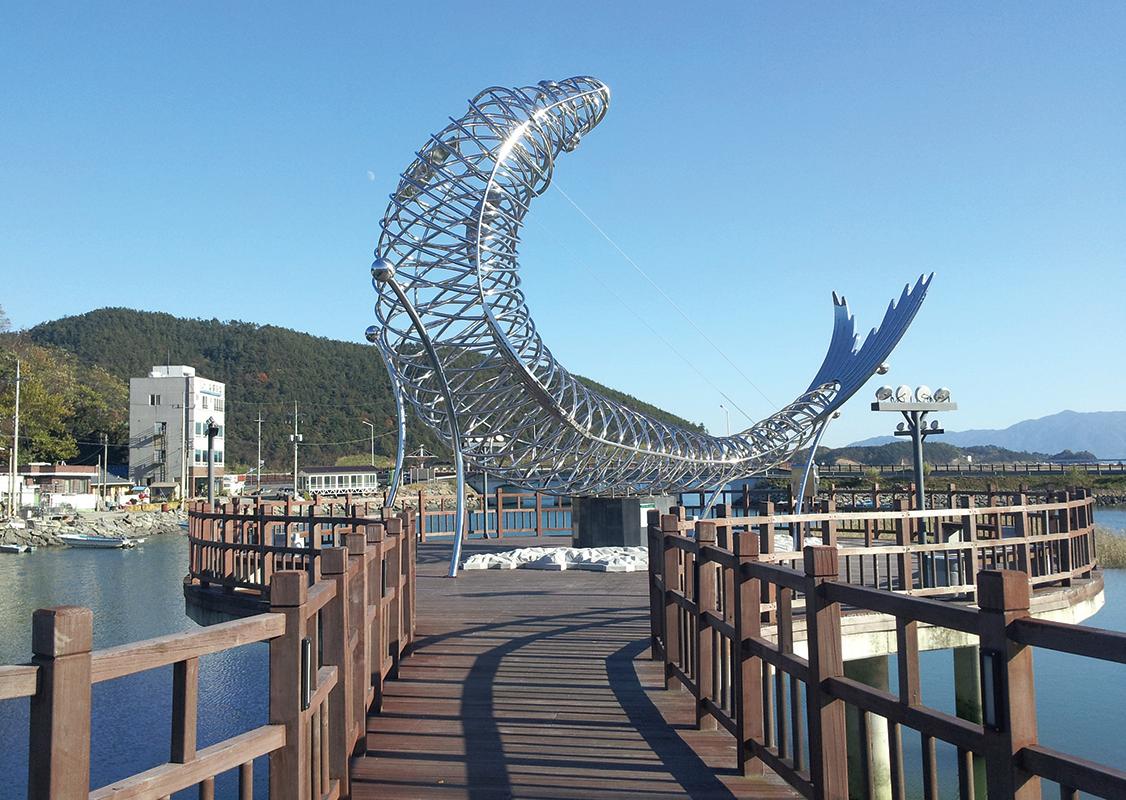
Rivers of Spring: Yeongsan to Seomjin | A private cycling journey
Summary
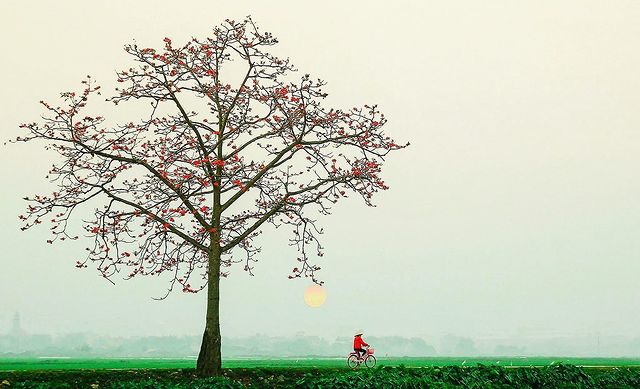
This route traces two of South Korea's great southern rivers — Yeongsan and Seomjin — across 300 kilometres of farmland, bamboo forest, mountain tea country, and coastal wetlands. The pace is unhurried. Each day ends somewhere worth staying. It is a river journey built around landscape, food, and the slower character of the south.
Highlights
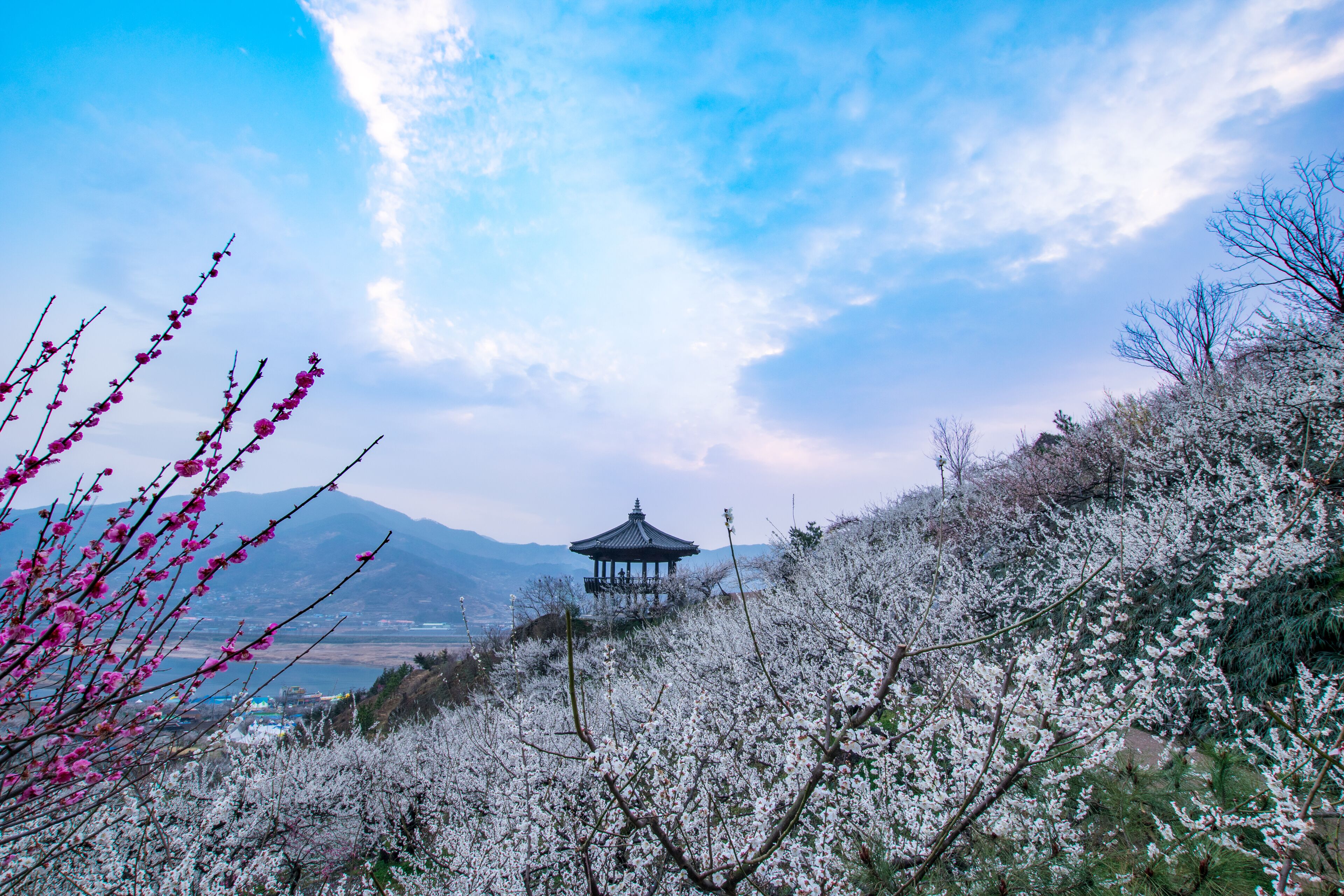
- Cycling a canola-yellow corridor along the Yeongsan River as the fields come into colour in spring
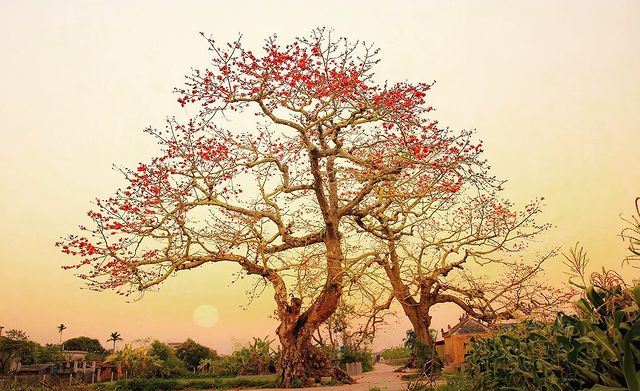
- Entering Damyang's metasequoia avenue on a quiet morning, before other visitors arrive
- Sitting with a tea farmer in Hwagye while freshly picked leaves dry on a low flame beside you
- A hand-pulled bowl of freshwater eel at a riverside stall in Gokseong — a local staple, not a curated experience
- Suncheon Bay at low tide: mudflats, reed beds, and the particular silence of a working estuary
- The final approach into Yeosu along a coast broken by small islands and fishing harbours
What is included in this tour?
Items that are included in the cost of tour price.- Arrival meet-and-greet at the airport
- All sightseeing, entrance fees, and experiences listed in the itinerary
- Expert English-speaking local guide
- Bikes are provided
- Meals
- Accommodation on trip
- Free Water
What is not included in this tour?
Items that are not included in the cost of tour price.- Personal expenses (e.g., laundry, calls, room service)
- Travel Insurance
- Meals and drinks not specified in the itinerary
- Private coach transport and separate luggage handling
- Tipping for your guide
Day by day Itinerary
Day 1
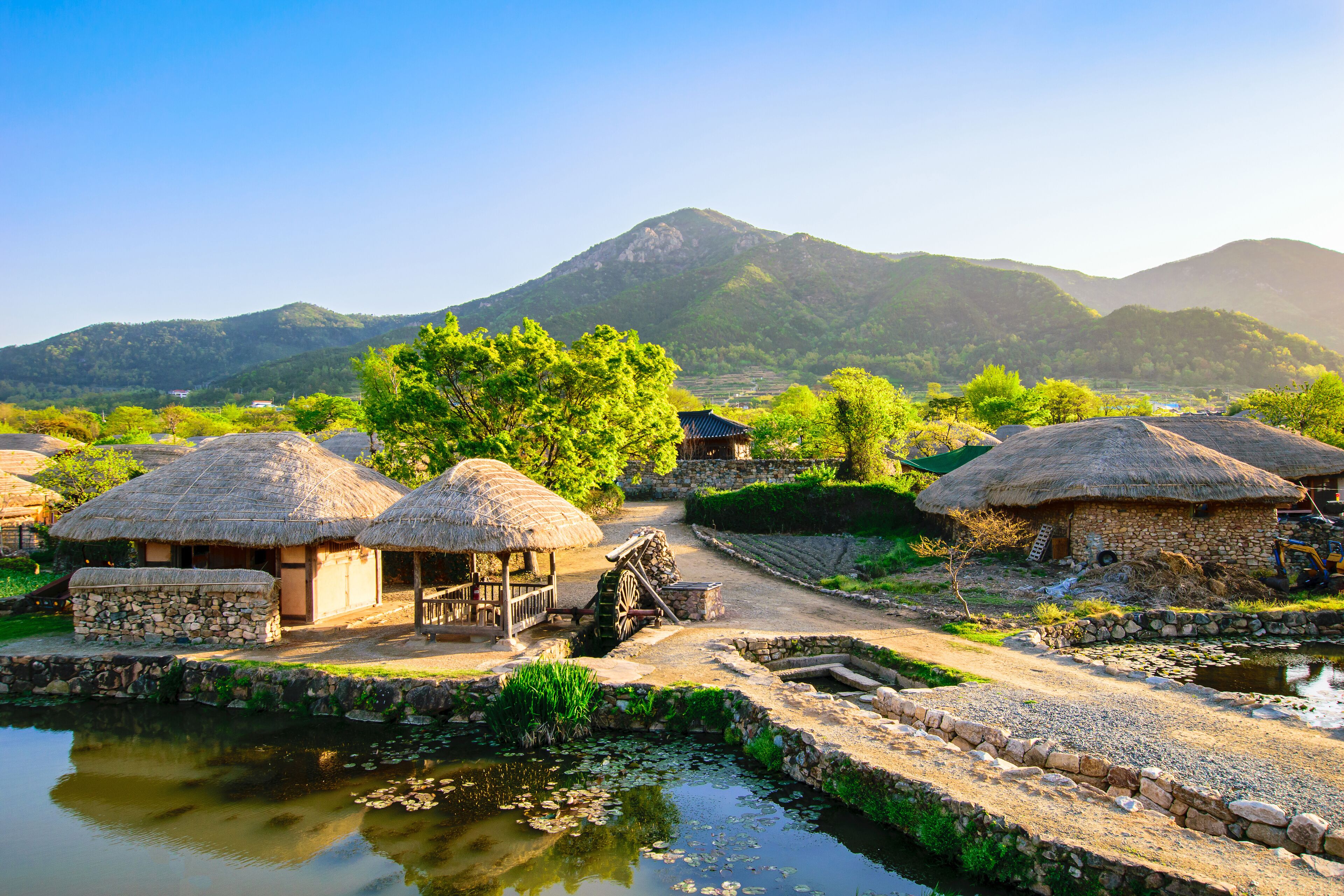
Mokpo to Naju along the Yeongsan RiverThe route begins at Mokpo's working port and follows the Yeongsan River north into Naju's agricultural plain. The riding is gentle — 66 kilometres across flat, open farmland where the landscape changes slowly and deliberately. In spring, canola fields line both banks. Naju itself is a quiet city with a long history as a regional centre; dinner here often means local hanwoo beef, raised in the surrounding plains.
Day 2
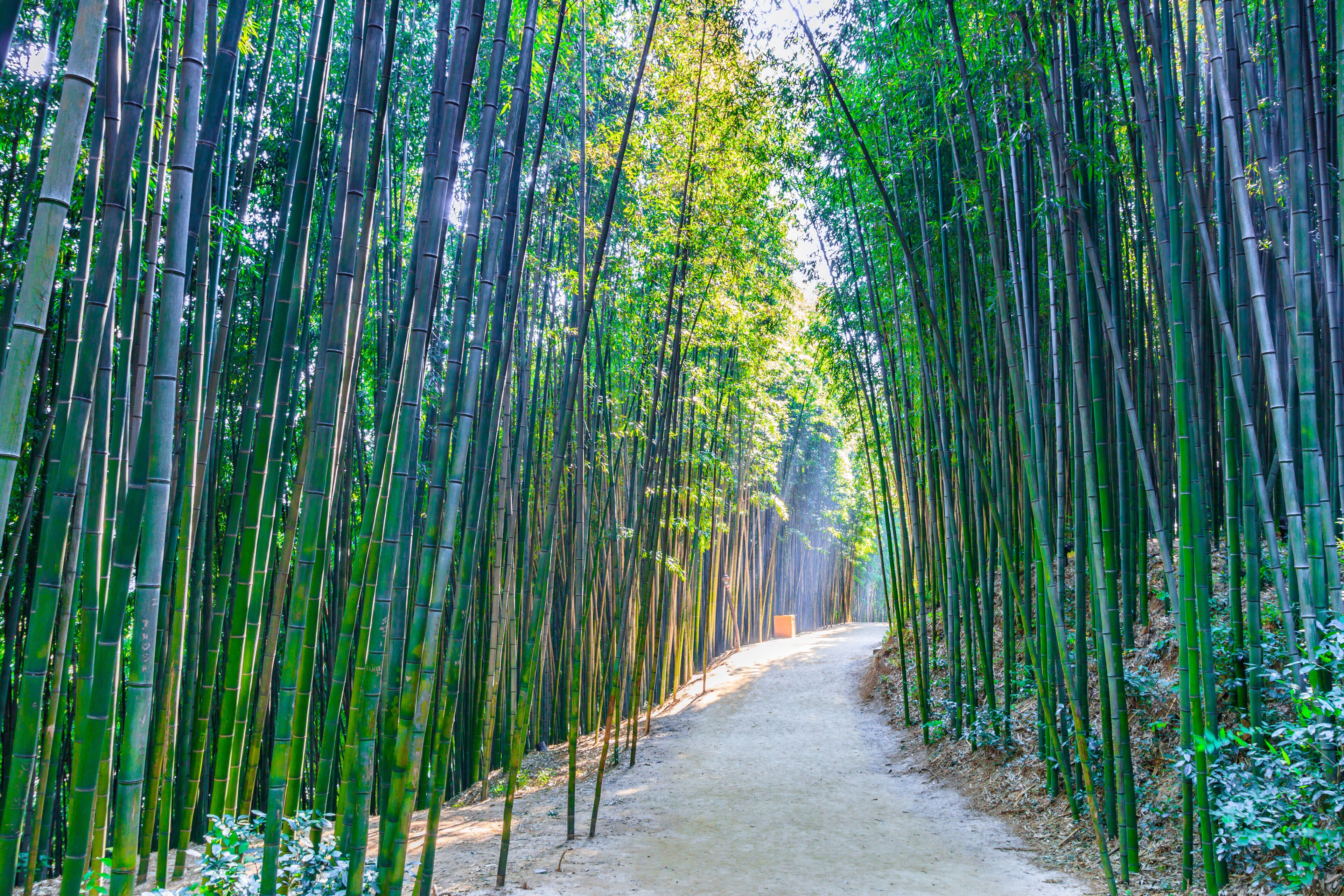
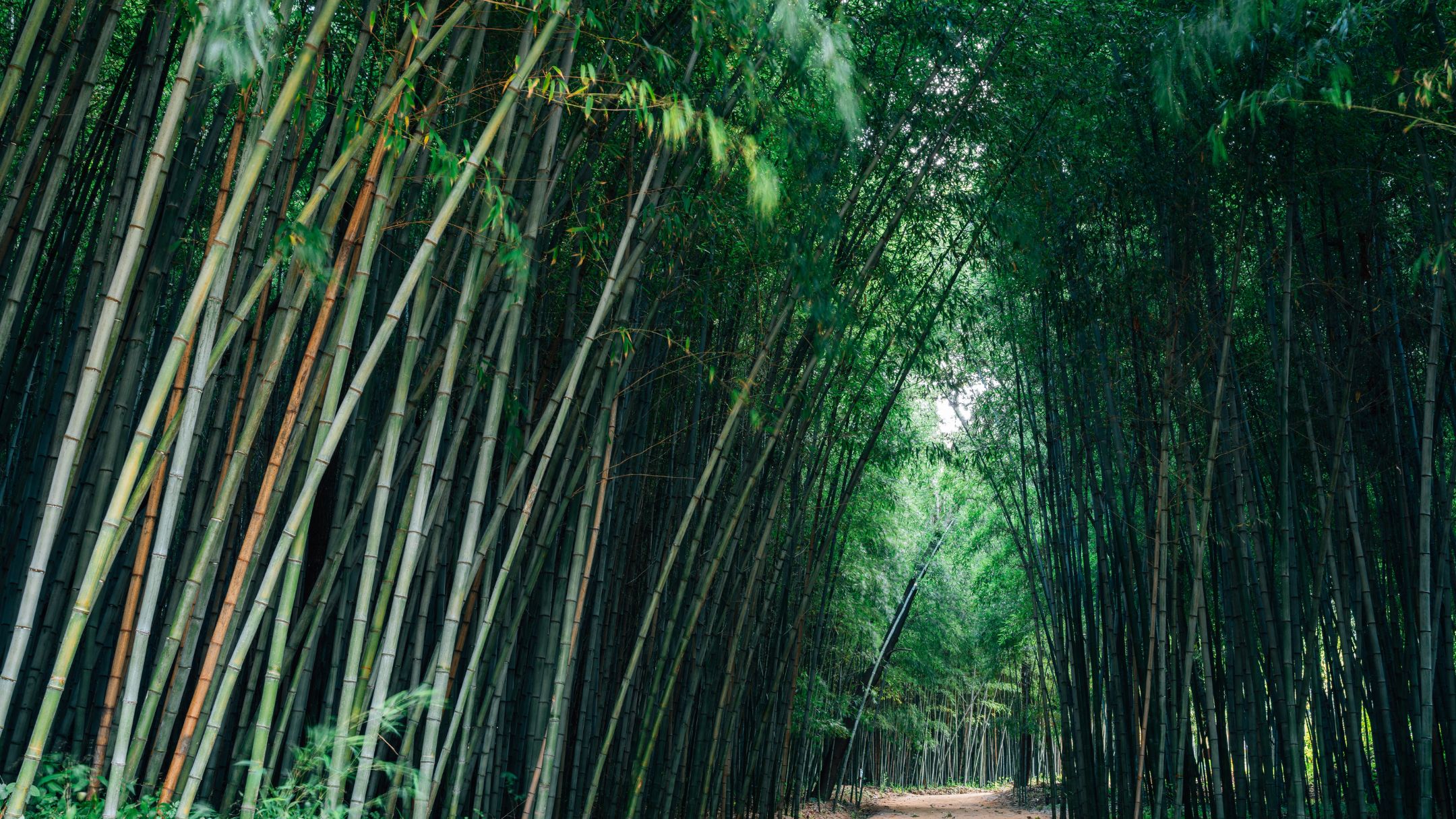
Naju to Damyang through rice plains and bambooFrom Naju's wide rice paddies, the route moves 54 kilometres southeast toward Damyang. The terrain shifts gradually from open farmland into the denser, cooler air of bamboo forest. Damyang's metasequoia-lined roads are among the most recognisable in this part of Korea — best seen in early morning, before the day warms. The town's gardens and traditional pavilions reward an hour of slower walking after the ride.
Day 3
Damyang to Hwagye, following the Seomjin RiverAt 100 kilometres, this is the longest day and the most varied in character. The route leaves Damyang's bamboo valleys and picks up the Seomjin River, tracing it through the inland towns of Gokseong and Gurye. The river runs clear and wide here, with small villages set back from the banks. Freshwater fish — particularly eel — is the local staple along this stretch. The day ends at Hwagye, a mountain village known for its position inside one of Korea's primary green tea-growing regions.
Day 4
A full day in Hwagye's tea fieldsNo cycling today. The day is spent inside Hwagye's working tea landscape — walking the terraced fields, observing the hand-picking process, and taking part in traditional tea processing. The techniques used in this region have remained largely unchanged for generations. It is a slow day by design, and the contrast with the previous three days of riding gives it particular weight.
Day 5
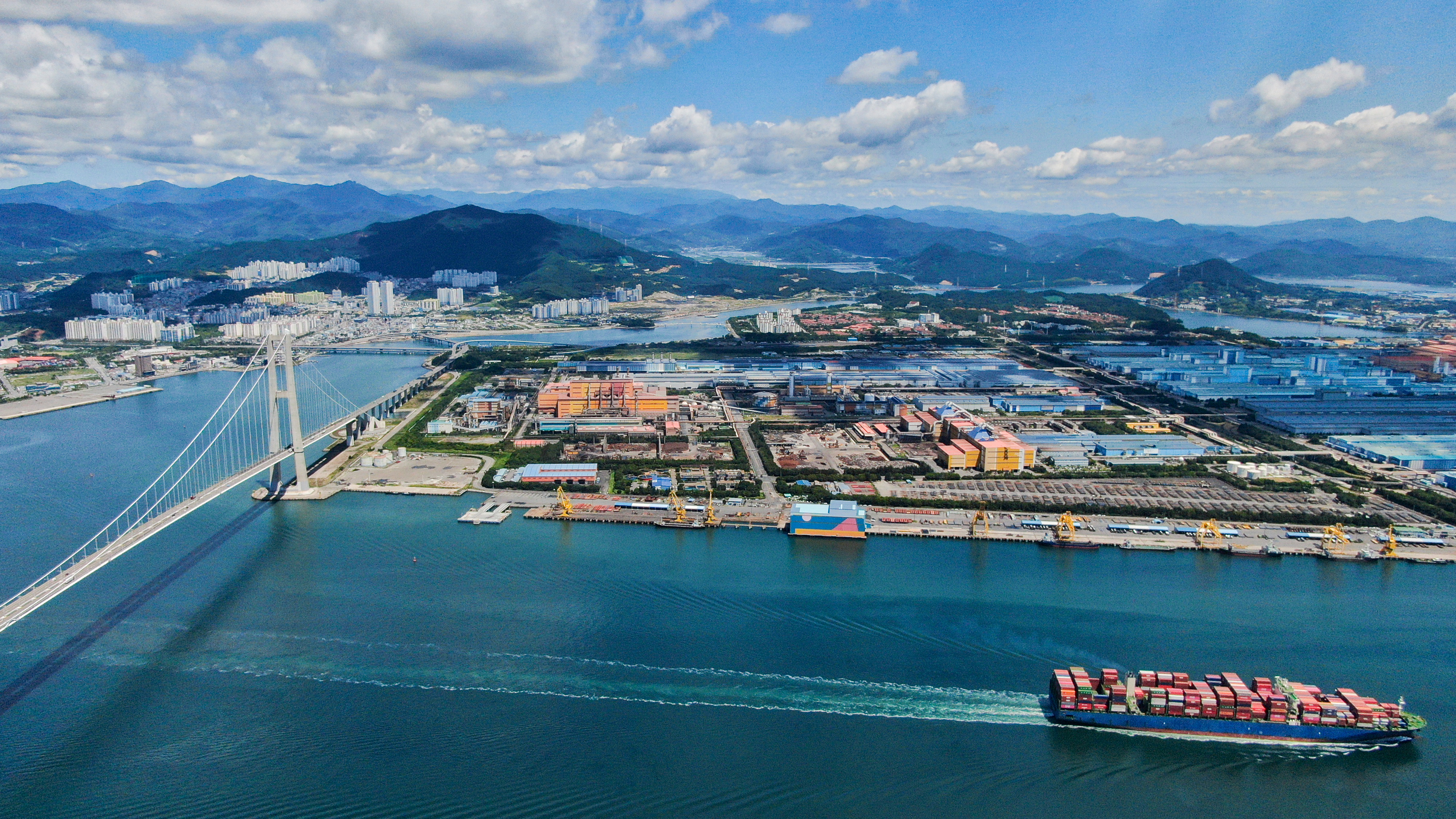
Hwagye to Suncheon via Gwangyang BayThe route descends from the mountains through 49 kilometres of road that moves between industrial coast and protected nature. Gwangyang's bay carries the evidence of a working economy — steel, shipping, the infrastructure of a regional port. From there, the road reaches Suncheon, where one of Korea's most significant coastal wetland systems borders the city. Suncheon Bay's reed beds and tidal mudflats are best seen at dusk or low tide.
Day 6
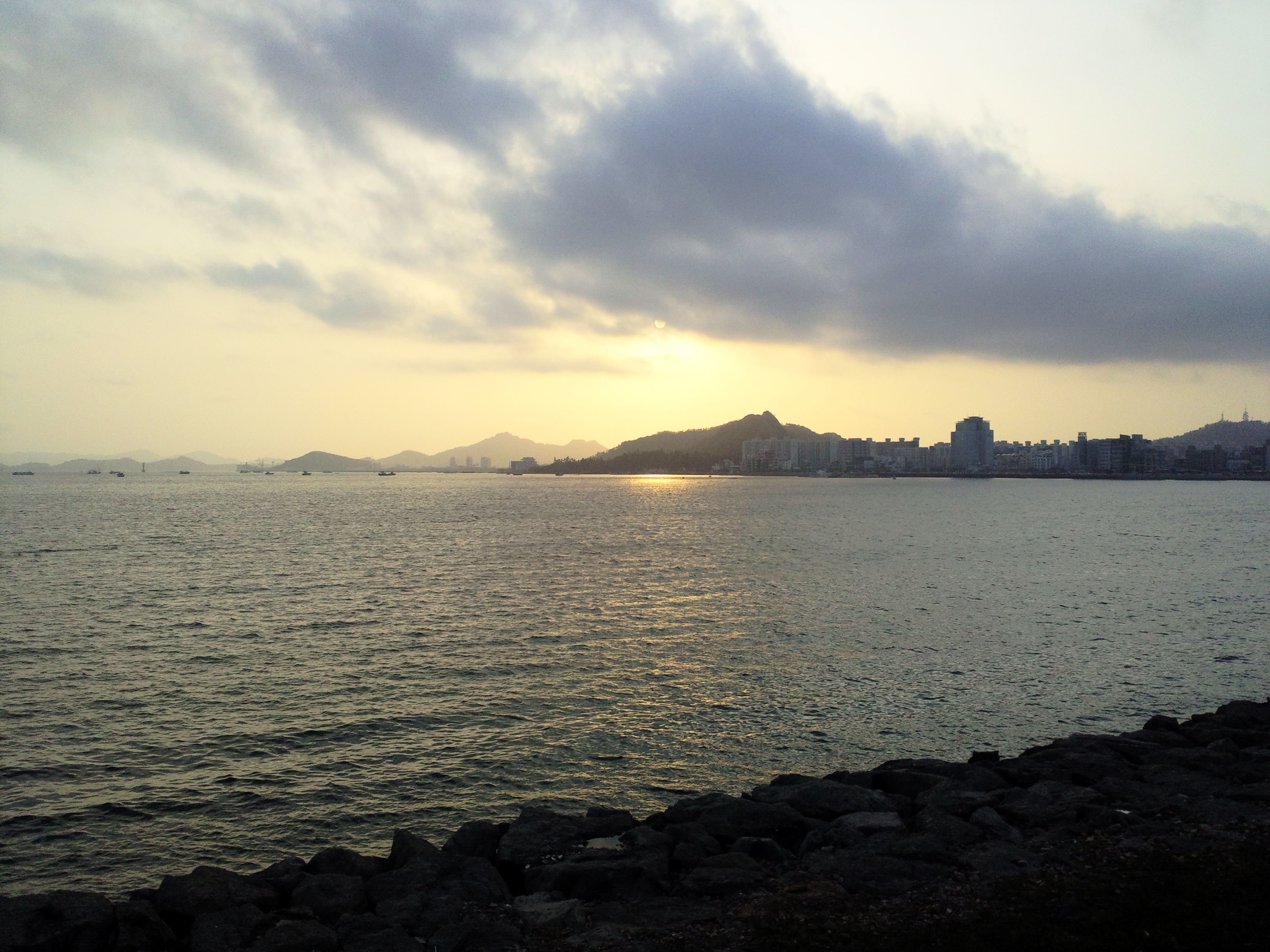
Suncheon to Yeosu along the southern coastThe final 38 kilometres follow the coastline from Suncheon Bay to Yeosu, a city built across a peninsula and a scattering of offshore islands. The riding is coastal and undulating, with views across water for much of the morning. Yeosu marks the end of the route — a city with a distinct southern character, strong seafood culture, and a harbour worth sitting beside before departure.

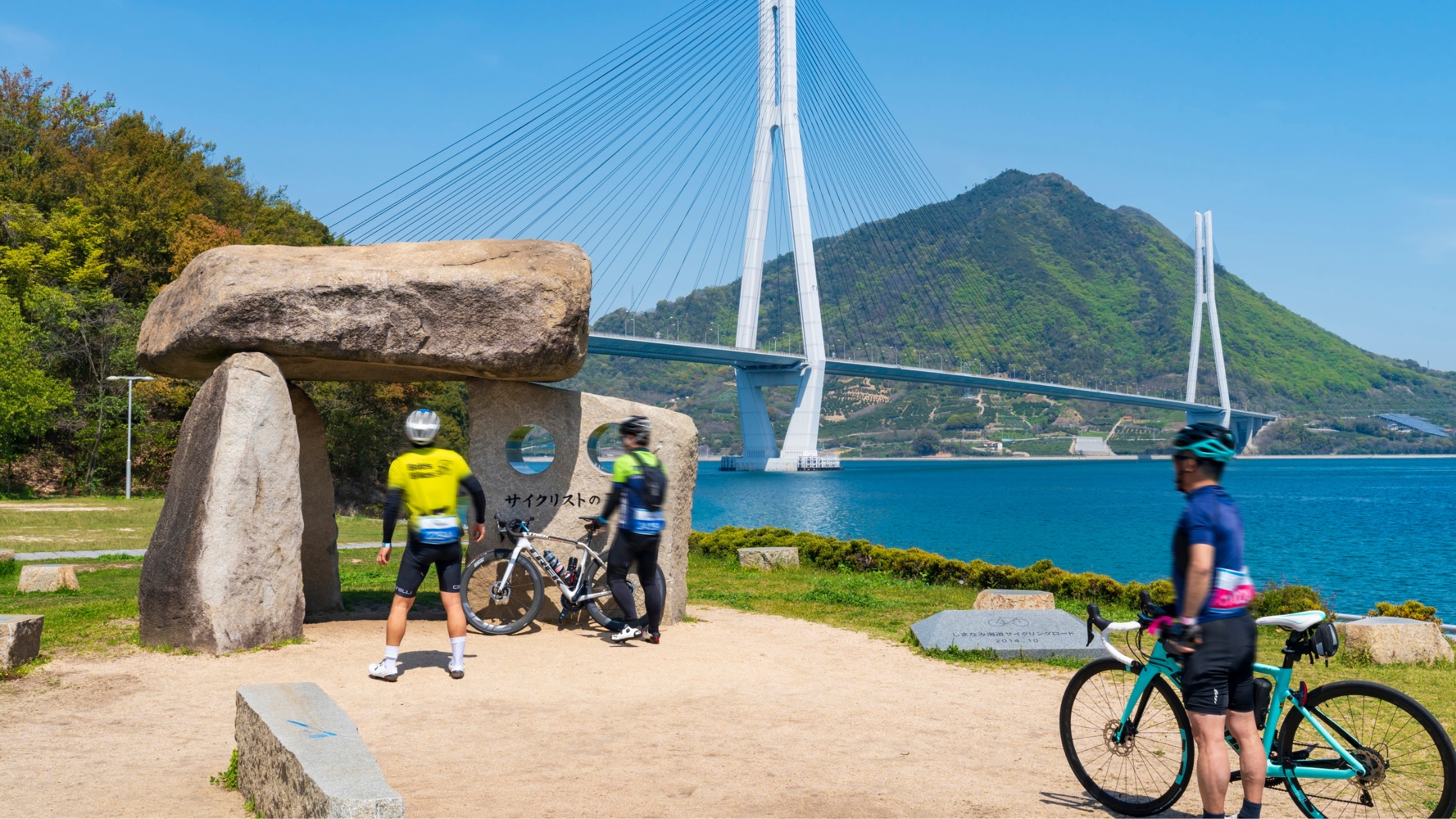
A private cycling journey across South Korea's coast, countryside, and history.
 9
9 9 Days
 Moderate
Nine days on two wheels from Seoul to Busan, covering coastal headlands, river valleys, pine forests, and the quieter edges of cities most visitors see only from a bus. The riding ranges from 15 to 55 kilometres per day — manageable for regularly active travellers, demanding enough to feel earned. Nights include a glamping stay outside Seoul, a coastal guesthouse in Sokcho, and hotels in Gyeongju and Busan. It is a route for travellers who prefer to cross a country under their own effort rather than see it through a windscreen.
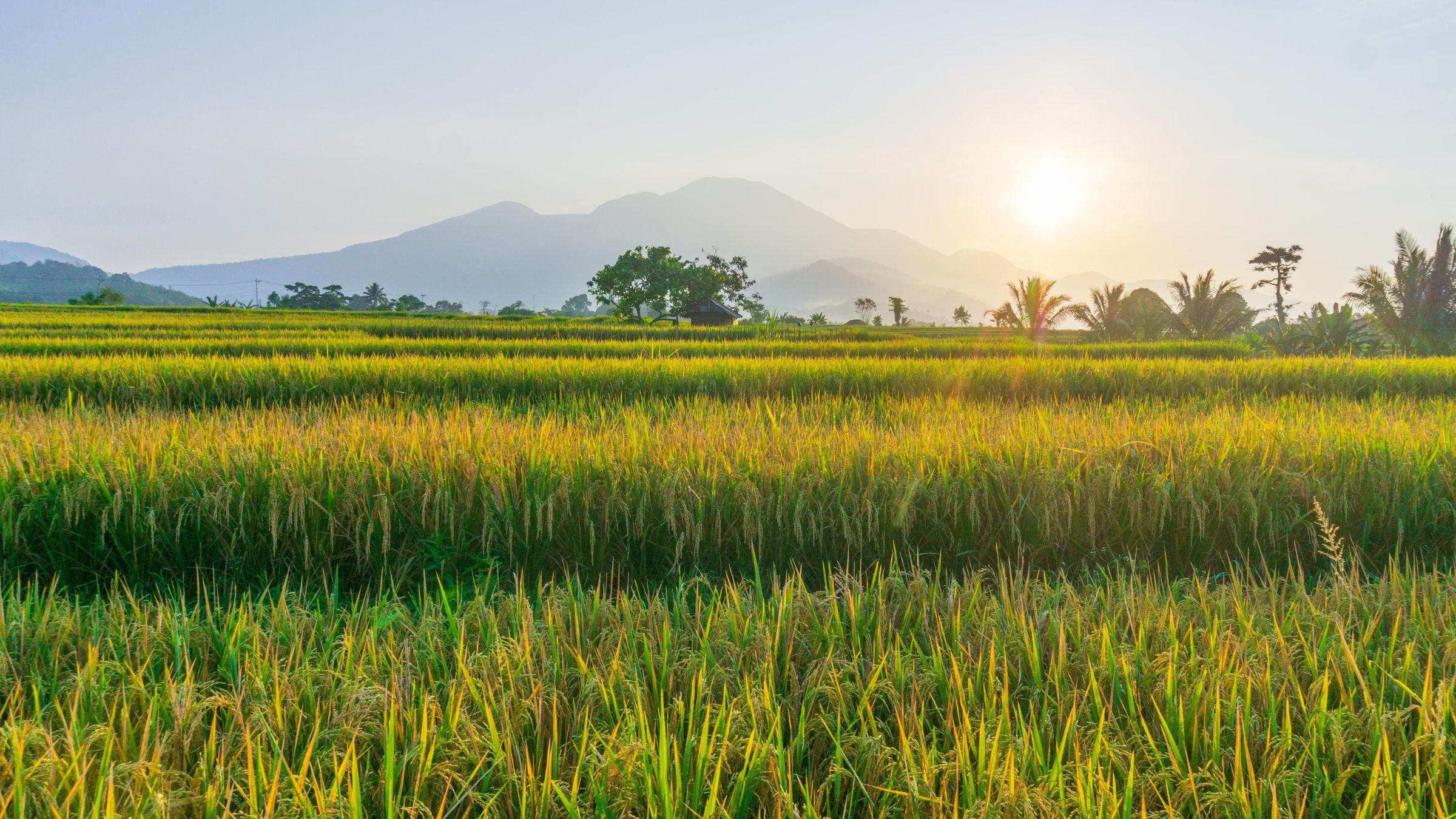
A guided cycling journey along South Korea's Four Rivers route, Seoul to Busan.
8 8 days LeisurelyThis eight-day ride follows South Korea's dedicated cycling infrastructure from central Seoul to the coast at Busan, covering river trails, market towns, and ceramic heritage sites along the way. The route uses the Four Rivers path — a well-maintained network purpose-built for long-distance cycling — with daily distances that offer real mileage without punishing climbs. A support vehicle carries luggage between stops, keeping each day's riding clean and unencumbered. The shape of the journey stays practical and clear from start to finish.
Private cycling journey from Seoul to Busan | West Coast
14 14 Days LeisurelySunset Road follows Korea's west coast by bicycle over 14 days, moving south from Seoul through ancient capitals, tidal flats, river valleys, and mountain passes before reaching Busan. The route passes through places rarely covered by standard Korea itineraries — Buyeo, Gunsan, Baekyangsa, Damyang — each with its own distinct character. A rest day mid-route includes a temple stay, and the pacing allows for sea kayaking, boat fishing, and hiking alongside the riding. The result is a long-form route with real physical substance and strong regional variety.
A private arc through Seoul to Seorak
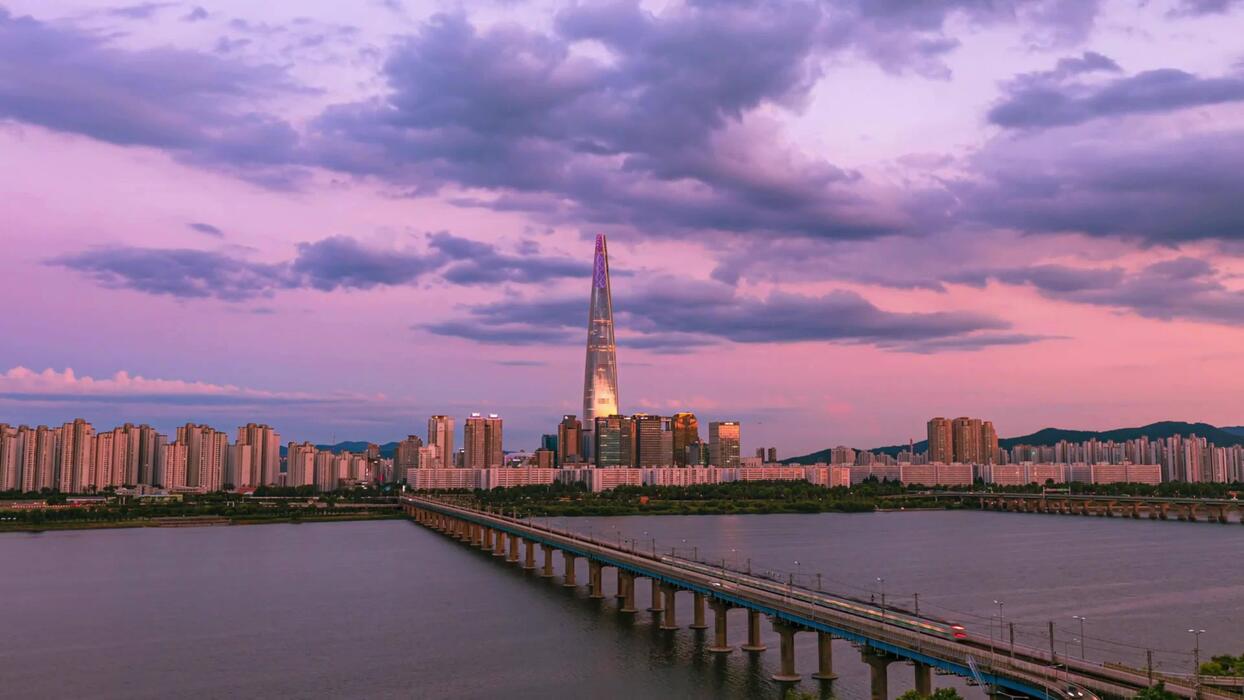
7 7 Days Fairly EasyThis seven-day private journey moves from Seoul through the Baekje and Joseon heartlands, south to Busan, east through the Silla capital of Gyeongju, and back north via Andong and Mt. Seorak. The pace is full but considered — each day balances a significant historical site with something more sensory: a tea conversation with a monk, a walk through a living village, an early-morning fish market. It covers substantial ground without losing its sense of place. An English-speaking guide accompanies throughout, with hotel accommodation, most meals, and private transport included.
South Korea on Foot: Seoul to Jeonju
9 9 Days Fairly EasyThis nine-day journey moves south from Seoul through national parks, folk villages, and mountain trails, ending with a night in a traditional hanok in Jeonju. The pace combines full hiking days with quieter cultural stops — a temple stay on Bukhansan, the Ulsan Rock course in Seoraksan, and the canyon trails of Jirisan. Private transport and an English-speaking guide keep the route structured and practical while the walking remains at the centre of the experience.
Sanmani Trail: Jirisan Dulegil | Private Walking Tour
10 10 Days ModerateThe Jirisan Dulegil follows the foothills of Jirisan — Korea's first national park and, for centuries, a place of refuge during war and hardship. Rather than ascending to the summit, the route traces the lower paths once walked by the Sanmani, traditional mountain foragers who moved between villages, valleys, and markets carrying medicinal herbs and forest goods. The journey ends at Hwagae Market, where those same paths converge in a living, working marketplace. It is a compact walk with cultural weight, shaped as much by the people who used these paths as by the landscape itself.
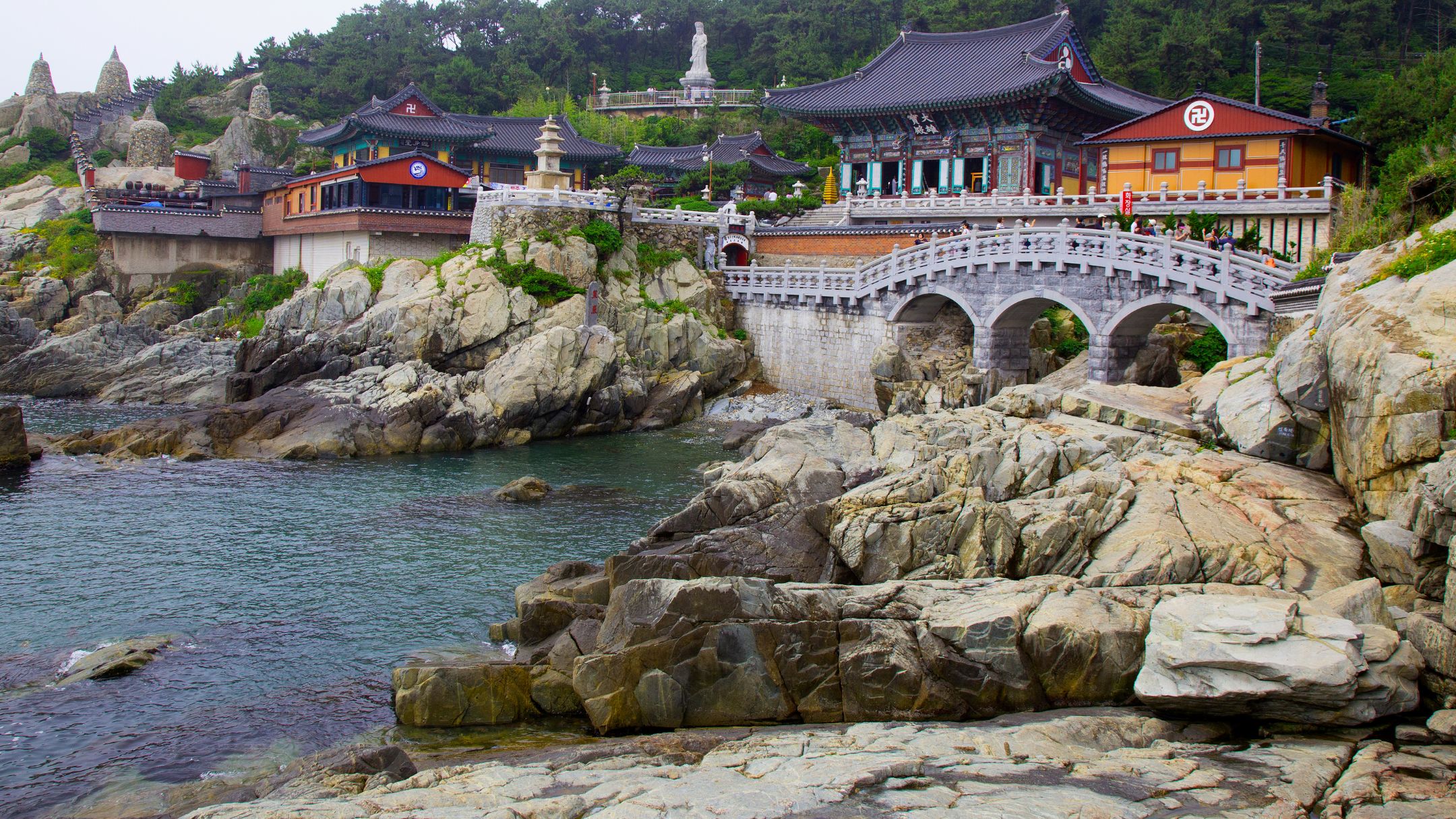
Four days on Jeju's coastal bike trail
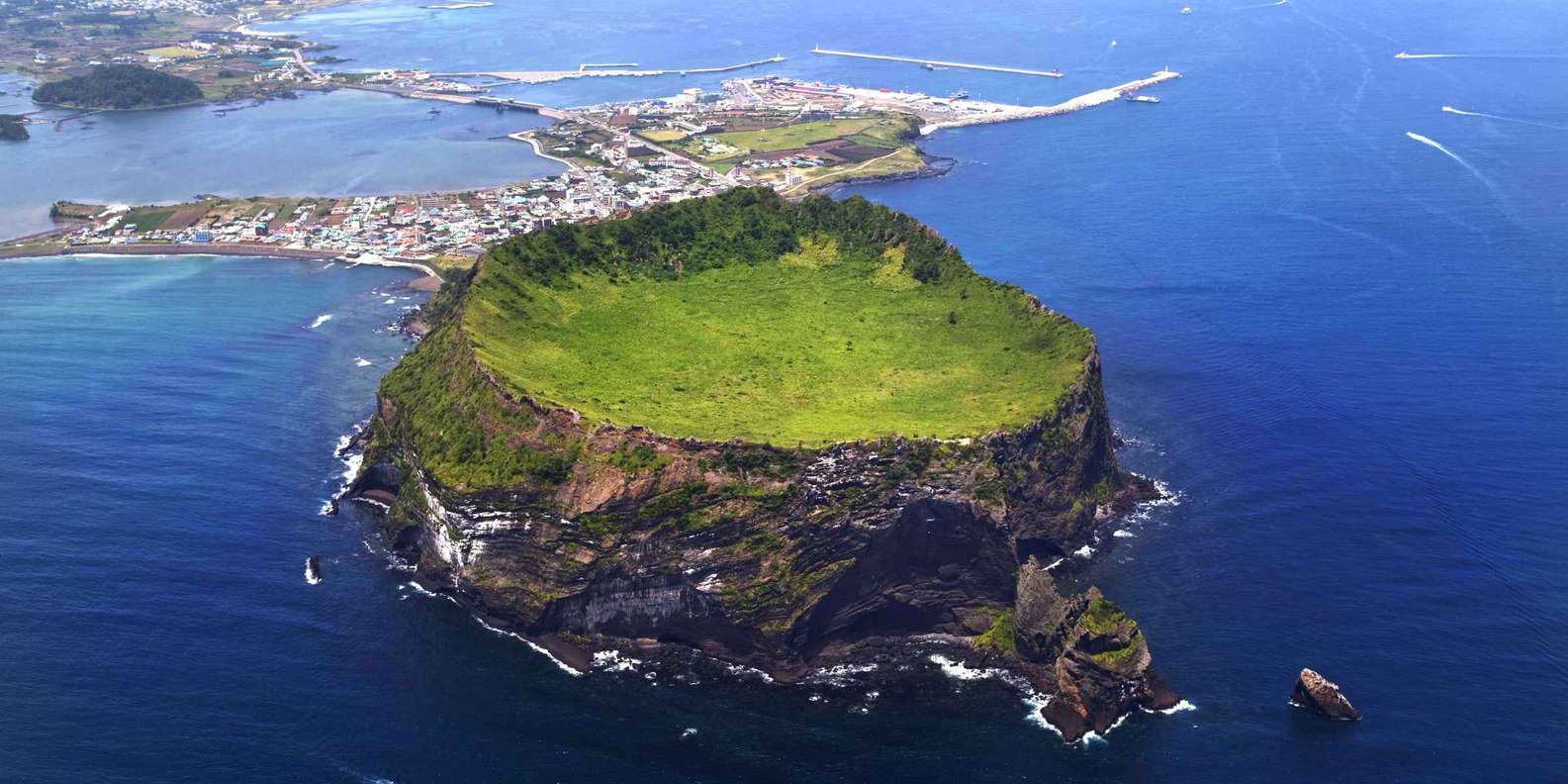
4 4 days LeisurelyThis four-day ride follows Jeju Island's dedicated coastal bike path from Jeju City south to Seogwipo, east to Seongsan, and back — covering roughly 230 kilometres of paved trail along the island's shoreline. A half-day detour to Udo Island and a morning ascent of Seongsan Ilchulbong add variety without overloading the schedule. The pace is demanding but manageable, with support from a local guide team throughout and enough time built in for proper meals and recovery.
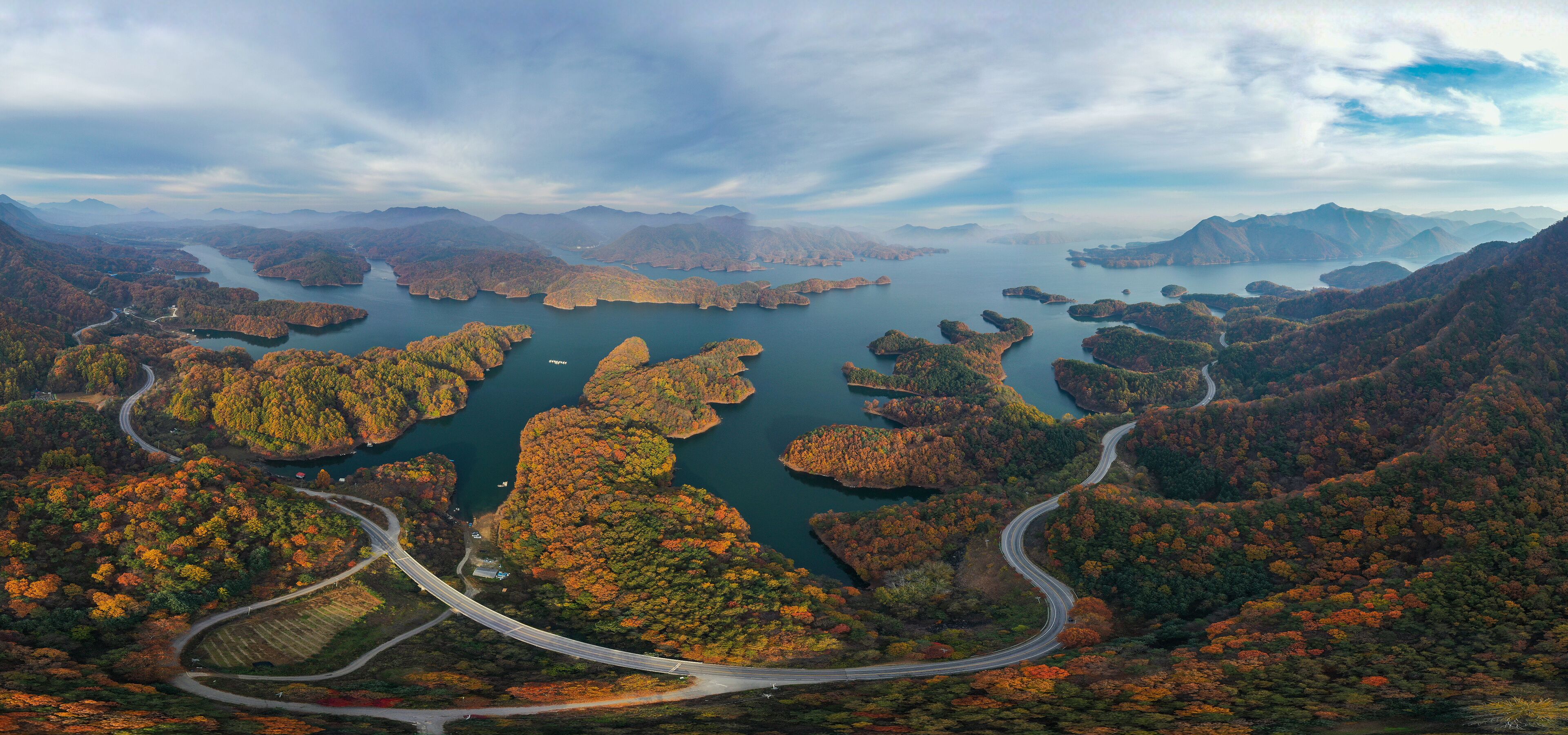
A private arc through South Korea | Seoul to Jeju
12 12 Days Fairly EasyThis twelve-day journey moves south through South Korea's most distinct landscapes and cities, from the density of Seoul to the volcanic coastline of Jeju. The route takes in the Demilitarized Zone, an overnight temple stay at Golgulsa, a cycling tour of Gyeongju's ancient tombs, and coastal Busan before a short domestic flight closes the distance to Jeju. English-speaking guides accompany the full journey, and the pacing leaves room for both movement and context.
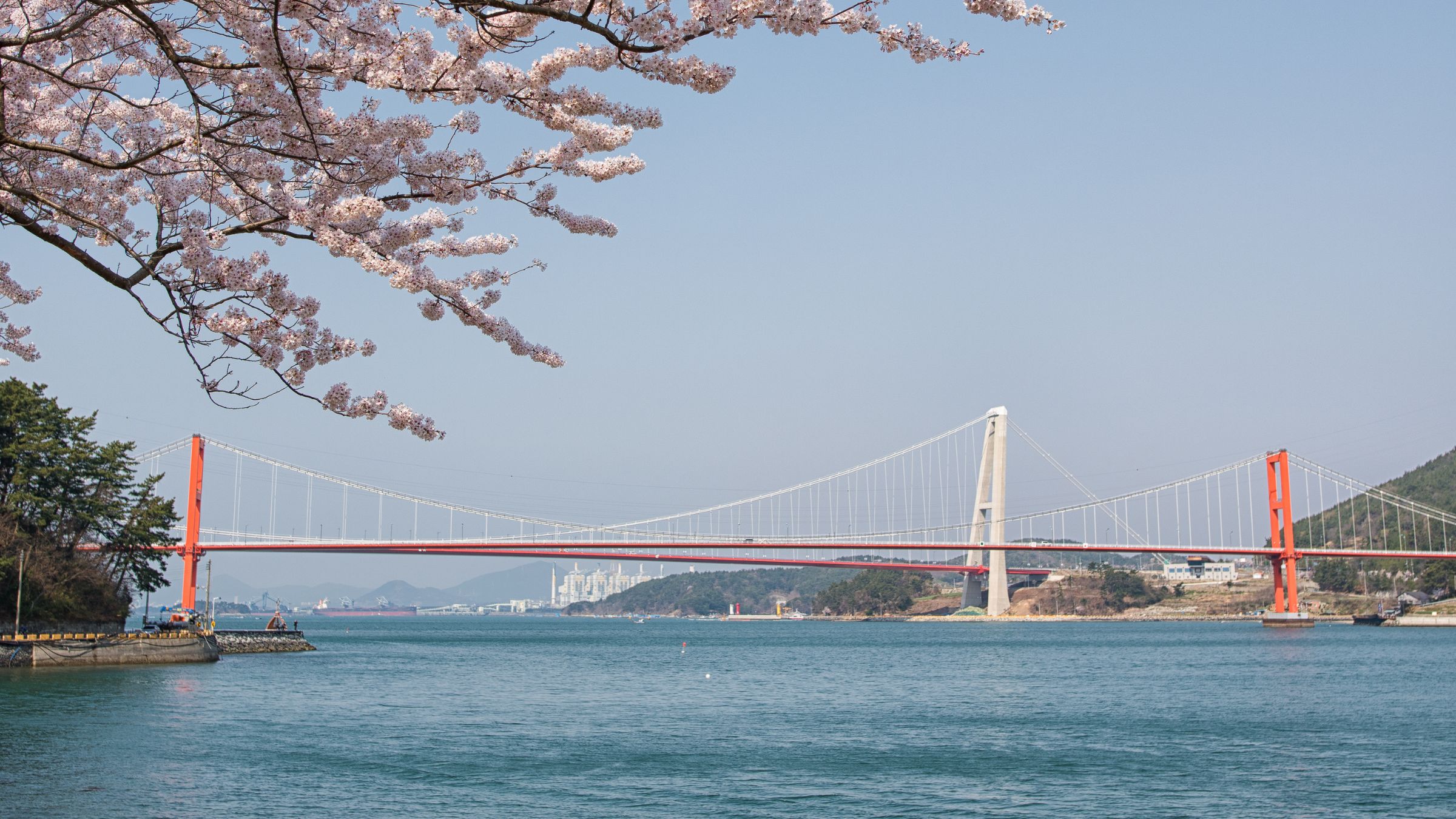
Namhae Island: Villages, Sea and Peaks
3 3 Days LeisurelyThis three-day trip moves between two distinct communities on Namhae Island — a coastal fishing village and a hillside farming settlement — with sea kayaking, a mountain ascent, and a night in each. The pace is unhurried but the days are full. Private transport from Seoul and a consistent guide keep the logistics clean, while the shape of the trip stays close to everyday life on the island.
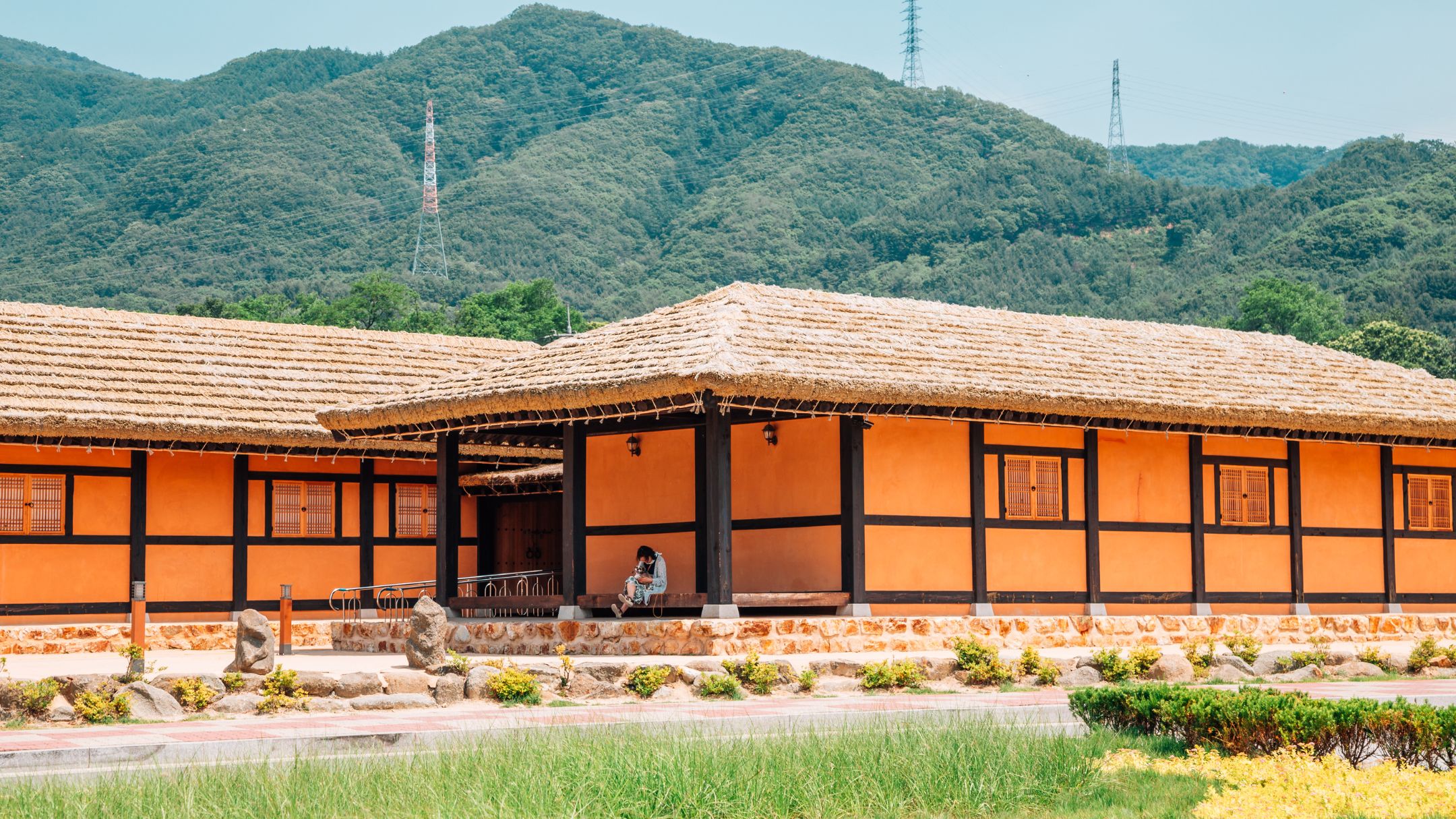
Korea Coast to Coast Cycling Tour
5 5 Days LeisurelyThis route crosses South Korea from Incheon on the west coast to Sokcho on the east, covering approximately 320 kilometres over five days. The ride moves through central Seoul, along the Bukhangang River, into the mountain province of Gangwon, and over the passes of Seoraksan before descending to the coast. It suits riders who want a structured physical challenge with genuine geographic logic — each day ends somewhere meaningfully different from where it began. A support vehicle carries luggage throughout, and local guides handle logistics at every stage.
Private cycling journey from Seoul to Busan | West Coast
14 14 Days LeisurelySunset Road follows Korea's west coast by bicycle over 14 days, moving south from Seoul through ancient capitals, tidal flats, river valleys, and mountain passes before reaching Busan. The route passes through places rarely covered by standard Korea itineraries — Buyeo, Gunsan, Baekyangsa, Damyang — each with its own distinct character. A rest day mid-route includes a temple stay, and the pacing allows for sea kayaking, boat fishing, and hiking alongside the riding. The result is a long-form route with real physical substance and strong regional variety.
Sanmani Trail: Jirisan Dulegil | Private Walking Tour
10 10 Days ModerateThe Jirisan Dulegil follows the foothills of Jirisan — Korea's first national park and, for centuries, a place of refuge during war and hardship. Rather than ascending to the summit, the route traces the lower paths once walked by the Sanmani, traditional mountain foragers who moved between villages, valleys, and markets carrying medicinal herbs and forest goods. The journey ends at Hwagae Market, where those same paths converge in a living, working marketplace. It is a compact walk with cultural weight, shaped as much by the people who used these paths as by the landscape itself.
A private cycling journey across South Korea's coast, countryside, and history.
9 9 Days ModerateNine days on two wheels from Seoul to Busan, covering coastal headlands, river valleys, pine forests, and the quieter edges of cities most visitors see only from a bus. The riding ranges from 15 to 55 kilometres per day — manageable for regularly active travellers, demanding enough to feel earned. Nights include a glamping stay outside Seoul, a coastal guesthouse in Sokcho, and hotels in Gyeongju and Busan. It is a route for travellers who prefer to cross a country under their own effort rather than see it through a windscreen.
A guided cycling journey along South Korea's Four Rivers route, Seoul to Busan.
8 8 days LeisurelyThis eight-day ride follows South Korea's dedicated cycling infrastructure from central Seoul to the coast at Busan, covering river trails, market towns, and ceramic heritage sites along the way. The route uses the Four Rivers path — a well-maintained network purpose-built for long-distance cycling — with daily distances that offer real mileage without punishing climbs. A support vehicle carries luggage between stops, keeping each day's riding clean and unencumbered. The shape of the journey stays practical and clear from start to finish.
A private arc through Seoul to Seorak
7 7 Days Fairly EasyThis seven-day private journey moves from Seoul through the Baekje and Joseon heartlands, south to Busan, east through the Silla capital of Gyeongju, and back north via Andong and Mt. Seorak. The pace is full but considered — each day balances a significant historical site with something more sensory: a tea conversation with a monk, a walk through a living village, an early-morning fish market. It covers substantial ground without losing its sense of place. An English-speaking guide accompanies throughout, with hotel accommodation, most meals, and private transport included.
South Korea on Foot: Seoul to Jeonju
9 9 Days Fairly EasyThis nine-day journey moves south from Seoul through national parks, folk villages, and mountain trails, ending with a night in a traditional hanok in Jeonju. The pace combines full hiking days with quieter cultural stops — a temple stay on Bukhansan, the Ulsan Rock course in Seoraksan, and the canyon trails of Jirisan. Private transport and an English-speaking guide keep the route structured and practical while the walking remains at the centre of the experience.
Sanmani Trail: Jirisan Dulegil | Private Walking Tour
10 10 Days ModerateThe Jirisan Dulegil follows the foothills of Jirisan — Korea's first national park and, for centuries, a place of refuge during war and hardship. Rather than ascending to the summit, the route traces the lower paths once walked by the Sanmani, traditional mountain foragers who moved between villages, valleys, and markets carrying medicinal herbs and forest goods. The journey ends at Hwagae Market, where those same paths converge in a living, working marketplace. It is a compact walk with cultural weight, shaped as much by the people who used these paths as by the landscape itself.
Four days on Jeju's coastal bike trail
4 4 days LeisurelyThis four-day ride follows Jeju Island's dedicated coastal bike path from Jeju City south to Seogwipo, east to Seongsan, and back — covering roughly 230 kilometres of paved trail along the island's shoreline. A half-day detour to Udo Island and a morning ascent of Seongsan Ilchulbong add variety without overloading the schedule. The pace is demanding but manageable, with support from a local guide team throughout and enough time built in for proper meals and recovery.
Namhae Island: Villages, Sea and Peaks
3 3 Days LeisurelyThis three-day trip moves between two distinct communities on Namhae Island — a coastal fishing village and a hillside farming settlement — with sea kayaking, a mountain ascent, and a night in each. The pace is unhurried but the days are full. Private transport from Seoul and a consistent guide keep the logistics clean, while the shape of the trip stays close to everyday life on the island.
Korea Coast to Coast Cycling Tour
5 5 Days LeisurelyThis route crosses South Korea from Incheon on the west coast to Sokcho on the east, covering approximately 320 kilometres over five days. The ride moves through central Seoul, along the Bukhangang River, into the mountain province of Gangwon, and over the passes of Seoraksan before descending to the coast. It suits riders who want a structured physical challenge with genuine geographic logic — each day ends somewhere meaningfully different from where it began. A support vehicle carries luggage throughout, and local guides handle logistics at every stage.
Rivers of Spring: Yeongsan to Seomjin | A private cycling journey
6 6 Days LeisurelyThis route traces two of South Korea's great southern rivers — Yeongsan and Seomjin — across 300 kilometres of farmland, bamboo forest, mountain tea country, and coastal wetlands. The pace is unhurried. Each day ends somewhere worth staying. It is a river journey built around landscape, food, and the slower character of the south.
A private cycling journey across South Korea's coast, countryside, and history.
9 9 Days ModerateNine days on two wheels from Seoul to Busan, covering coastal headlands, river valleys, pine forests, and the quieter edges of cities most visitors see only from a bus. The riding ranges from 15 to 55 kilometres per day — manageable for regularly active travellers, demanding enough to feel earned. Nights include a glamping stay outside Seoul, a coastal guesthouse in Sokcho, and hotels in Gyeongju and Busan. It is a route for travellers who prefer to cross a country under their own effort rather than see it through a windscreen.
A guided cycling journey along South Korea's Four Rivers route, Seoul to Busan.
8 8 days LeisurelyThis eight-day ride follows South Korea's dedicated cycling infrastructure from central Seoul to the coast at Busan, covering river trails, market towns, and ceramic heritage sites along the way. The route uses the Four Rivers path — a well-maintained network purpose-built for long-distance cycling — with daily distances that offer real mileage without punishing climbs. A support vehicle carries luggage between stops, keeping each day's riding clean and unencumbered. The shape of the journey stays practical and clear from start to finish.
Private cycling journey from Seoul to Busan | West Coast
14 14 Days LeisurelySunset Road follows Korea's west coast by bicycle over 14 days, moving south from Seoul through ancient capitals, tidal flats, river valleys, and mountain passes before reaching Busan. The route passes through places rarely covered by standard Korea itineraries — Buyeo, Gunsan, Baekyangsa, Damyang — each with its own distinct character. A rest day mid-route includes a temple stay, and the pacing allows for sea kayaking, boat fishing, and hiking alongside the riding. The result is a long-form route with real physical substance and strong regional variety.
A private arc through Seoul to Seorak
7 7 Days Fairly EasyThis seven-day private journey moves from Seoul through the Baekje and Joseon heartlands, south to Busan, east through the Silla capital of Gyeongju, and back north via Andong and Mt. Seorak. The pace is full but considered — each day balances a significant historical site with something more sensory: a tea conversation with a monk, a walk through a living village, an early-morning fish market. It covers substantial ground without losing its sense of place. An English-speaking guide accompanies throughout, with hotel accommodation, most meals, and private transport included.
South Korea on Foot: Seoul to Jeonju
9 9 Days Fairly EasyThis nine-day journey moves south from Seoul through national parks, folk villages, and mountain trails, ending with a night in a traditional hanok in Jeonju. The pace combines full hiking days with quieter cultural stops — a temple stay on Bukhansan, the Ulsan Rock course in Seoraksan, and the canyon trails of Jirisan. Private transport and an English-speaking guide keep the route structured and practical while the walking remains at the centre of the experience.
Sanmani Trail: Jirisan Dulegil | Private Walking Tour
10 10 Days ModerateThe Jirisan Dulegil follows the foothills of Jirisan — Korea's first national park and, for centuries, a place of refuge during war and hardship. Rather than ascending to the summit, the route traces the lower paths once walked by the Sanmani, traditional mountain foragers who moved between villages, valleys, and markets carrying medicinal herbs and forest goods. The journey ends at Hwagae Market, where those same paths converge in a living, working marketplace. It is a compact walk with cultural weight, shaped as much by the people who used these paths as by the landscape itself.
Four days on Jeju's coastal bike trail
4 4 days LeisurelyThis four-day ride follows Jeju Island's dedicated coastal bike path from Jeju City south to Seogwipo, east to Seongsan, and back — covering roughly 230 kilometres of paved trail along the island's shoreline. A half-day detour to Udo Island and a morning ascent of Seongsan Ilchulbong add variety without overloading the schedule. The pace is demanding but manageable, with support from a local guide team throughout and enough time built in for proper meals and recovery.
A private arc through South Korea | Seoul to Jeju
12 12 Days Fairly EasyThis twelve-day journey moves south through South Korea's most distinct landscapes and cities, from the density of Seoul to the volcanic coastline of Jeju. The route takes in the Demilitarized Zone, an overnight temple stay at Golgulsa, a cycling tour of Gyeongju's ancient tombs, and coastal Busan before a short domestic flight closes the distance to Jeju. English-speaking guides accompany the full journey, and the pacing leaves room for both movement and context.
Namhae Island: Villages, Sea and Peaks
3 3 Days LeisurelyThis three-day trip moves between two distinct communities on Namhae Island — a coastal fishing village and a hillside farming settlement — with sea kayaking, a mountain ascent, and a night in each. The pace is unhurried but the days are full. Private transport from Seoul and a consistent guide keep the logistics clean, while the shape of the trip stays close to everyday life on the island.
Korea Coast to Coast Cycling Tour
5 5 Days LeisurelyThis route crosses South Korea from Incheon on the west coast to Sokcho on the east, covering approximately 320 kilometres over five days. The ride moves through central Seoul, along the Bukhangang River, into the mountain province of Gangwon, and over the passes of Seoraksan before descending to the coast. It suits riders who want a structured physical challenge with genuine geographic logic — each day ends somewhere meaningfully different from where it began. A support vehicle carries luggage throughout, and local guides handle logistics at every stage.
Rivers of Spring: Yeongsan to Seomjin | A private cycling journey
6 6 Days LeisurelyThis route traces two of South Korea's great southern rivers — Yeongsan and Seomjin — across 300 kilometres of farmland, bamboo forest, mountain tea country, and coastal wetlands. The pace is unhurried. Each day ends somewhere worth staying. It is a river journey built around landscape, food, and the slower character of the south.
Private cycling journey from Seoul to Busan | West Coast
14 14 Days LeisurelySunset Road follows Korea's west coast by bicycle over 14 days, moving south from Seoul through ancient capitals, tidal flats, river valleys, and mountain passes before reaching Busan. The route passes through places rarely covered by standard Korea itineraries — Buyeo, Gunsan, Baekyangsa, Damyang — each with its own distinct character. A rest day mid-route includes a temple stay, and the pacing allows for sea kayaking, boat fishing, and hiking alongside the riding. The result is a long-form route with real physical substance and strong regional variety.
Sanmani Trail: Jirisan Dulegil | Private Walking Tour
10 10 Days ModerateThe Jirisan Dulegil follows the foothills of Jirisan — Korea's first national park and, for centuries, a place of refuge during war and hardship. Rather than ascending to the summit, the route traces the lower paths once walked by the Sanmani, traditional mountain foragers who moved between villages, valleys, and markets carrying medicinal herbs and forest goods. The journey ends at Hwagae Market, where those same paths converge in a living, working marketplace. It is a compact walk with cultural weight, shaped as much by the people who used these paths as by the landscape itself.
A private cycling journey across South Korea's coast, countryside, and history.
9 9 Days ModerateNine days on two wheels from Seoul to Busan, covering coastal headlands, river valleys, pine forests, and the quieter edges of cities most visitors see only from a bus. The riding ranges from 15 to 55 kilometres per day — manageable for regularly active travellers, demanding enough to feel earned. Nights include a glamping stay outside Seoul, a coastal guesthouse in Sokcho, and hotels in Gyeongju and Busan. It is a route for travellers who prefer to cross a country under their own effort rather than see it through a windscreen.
A guided cycling journey along South Korea's Four Rivers route, Seoul to Busan.
8 8 days LeisurelyThis eight-day ride follows South Korea's dedicated cycling infrastructure from central Seoul to the coast at Busan, covering river trails, market towns, and ceramic heritage sites along the way. The route uses the Four Rivers path — a well-maintained network purpose-built for long-distance cycling — with daily distances that offer real mileage without punishing climbs. A support vehicle carries luggage between stops, keeping each day's riding clean and unencumbered. The shape of the journey stays practical and clear from start to finish.
A private arc through Seoul to Seorak
7 7 Days Fairly EasyThis seven-day private journey moves from Seoul through the Baekje and Joseon heartlands, south to Busan, east through the Silla capital of Gyeongju, and back north via Andong and Mt. Seorak. The pace is full but considered — each day balances a significant historical site with something more sensory: a tea conversation with a monk, a walk through a living village, an early-morning fish market. It covers substantial ground without losing its sense of place. An English-speaking guide accompanies throughout, with hotel accommodation, most meals, and private transport included.
South Korea on Foot: Seoul to Jeonju
9 9 Days Fairly EasyThis nine-day journey moves south from Seoul through national parks, folk villages, and mountain trails, ending with a night in a traditional hanok in Jeonju. The pace combines full hiking days with quieter cultural stops — a temple stay on Bukhansan, the Ulsan Rock course in Seoraksan, and the canyon trails of Jirisan. Private transport and an English-speaking guide keep the route structured and practical while the walking remains at the centre of the experience.
Sanmani Trail: Jirisan Dulegil | Private Walking Tour
10 10 Days ModerateThe Jirisan Dulegil follows the foothills of Jirisan — Korea's first national park and, for centuries, a place of refuge during war and hardship. Rather than ascending to the summit, the route traces the lower paths once walked by the Sanmani, traditional mountain foragers who moved between villages, valleys, and markets carrying medicinal herbs and forest goods. The journey ends at Hwagae Market, where those same paths converge in a living, working marketplace. It is a compact walk with cultural weight, shaped as much by the people who used these paths as by the landscape itself.
Four days on Jeju's coastal bike trail
4 4 days LeisurelyThis four-day ride follows Jeju Island's dedicated coastal bike path from Jeju City south to Seogwipo, east to Seongsan, and back — covering roughly 230 kilometres of paved trail along the island's shoreline. A half-day detour to Udo Island and a morning ascent of Seongsan Ilchulbong add variety without overloading the schedule. The pace is demanding but manageable, with support from a local guide team throughout and enough time built in for proper meals and recovery.
Namhae Island: Villages, Sea and Peaks
3 3 Days LeisurelyThis three-day trip moves between two distinct communities on Namhae Island — a coastal fishing village and a hillside farming settlement — with sea kayaking, a mountain ascent, and a night in each. The pace is unhurried but the days are full. Private transport from Seoul and a consistent guide keep the logistics clean, while the shape of the trip stays close to everyday life on the island.
Korea Coast to Coast Cycling Tour
5 5 Days LeisurelyThis route crosses South Korea from Incheon on the west coast to Sokcho on the east, covering approximately 320 kilometres over five days. The ride moves through central Seoul, along the Bukhangang River, into the mountain province of Gangwon, and over the passes of Seoraksan before descending to the coast. It suits riders who want a structured physical challenge with genuine geographic logic — each day ends somewhere meaningfully different from where it began. A support vehicle carries luggage throughout, and local guides handle logistics at every stage.
Rivers of Spring: Yeongsan to Seomjin | A private cycling journey
6 6 Days LeisurelyThis route traces two of South Korea's great southern rivers — Yeongsan and Seomjin — across 300 kilometres of farmland, bamboo forest, mountain tea country, and coastal wetlands. The pace is unhurried. Each day ends somewhere worth staying. It is a river journey built around landscape, food, and the slower character of the south.
Four days on Jeju's coastal bike trail
4 4 daysThis four-day ride follows Jeju Island's dedicated coastal bike path from Jeju City south to Seogwipo, east to Seongsan, and back — covering roughly 230 kilometres of paved trail along the island's shoreline. A half-day detour to Udo Island and a morning ascent of Seongsan Ilchulbong add variety without overloading the schedule. The pace is demanding but manageable, with support from a local guide team throughout and enough time built in for proper meals and recovery.
Four days on Jeju's coastal bike trail
4 4 daysThis four-day ride follows Jeju Island's dedicated coastal bike path from Jeju City south to Seogwipo, east to Seongsan, and back — covering roughly 230 kilometres of paved trail along the island's shoreline. A half-day detour to Udo Island and a morning ascent of Seongsan Ilchulbong add variety without overloading the schedule. The pace is demanding but manageable, with support from a local guide team throughout and enough time built in for proper meals and recovery.

Thank you
Your enquiry has been submitted and you will be contected by our sales staff shortly