South Korea on Foot: Seoul to Jeonju
Summary
This nine-day journey moves south from Seoul through national parks, folk villages, and mountain trails, ending with a night in a traditional hanok in Jeonju. The pace combines full hiking days with quieter cultural stops — a temple stay on Bukhansan, the Ulsan Rock course in Seoraksan, and the canyon trails of Jirisan. Private transport and an English-speaking guide keep the route structured and practical while the walking remains at the centre of the experience.
Highlights
- A night inside Geumseonsa Temple — shared ondol rooms, a silent Buddhist dinner, and the 5am Yebul chanting ceremony in the main hall
- The Bugaksan ridge trail along Seoul's fortress wall, passing a tree still marked by bullet holes from a 1968 incursion
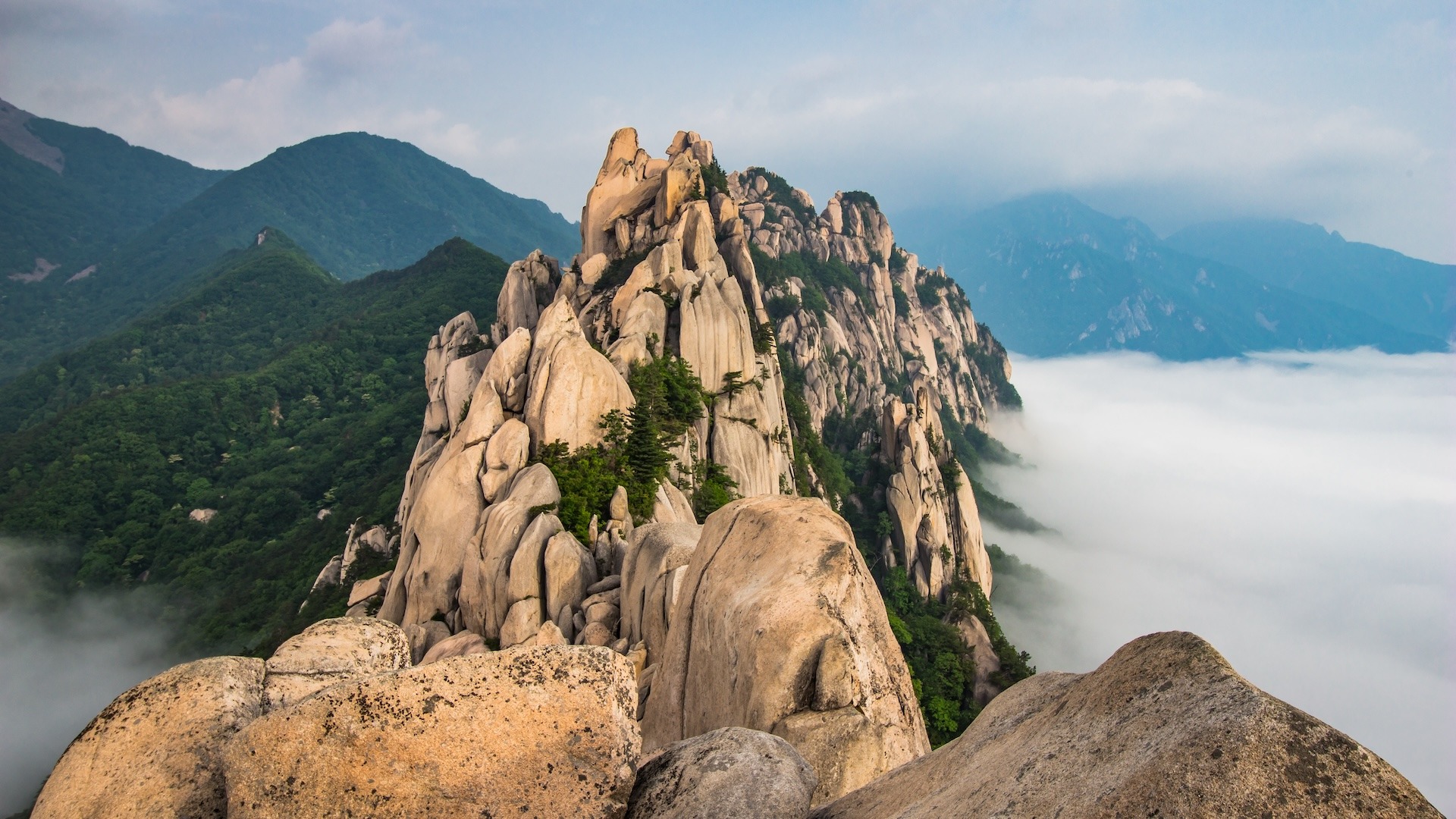
- Four to five hours on the Ulsan Rock course in Seoraksan — steep stairs, valley temples, and open views across the Taebaek range
- Tea with a Buddhist monk at a Bukhansan hermitage, following the Dado tradition of conversation and shared silence
- The Guryong Valley trail in Jirisan, tracing nine waterfalls through forested granite terrain
- An overnight in a Jeonju hanok — futon bedding, ondol underfloor heating, wooden beams, and Jeonju bibimbap for dinner in the village lanes
What is included in this tour?
Items that are included in the cost of tour price.- Return airport transfers
- Private transportation
- English-speaking guide
- Entrance fees and National Park fees
What is not included in this tour?
Items that are not included in the cost of tour price.- International air tickets
- Domestic air tickets
- Early check-in and late check out charges from accommodation
- Visas are not included and must be arranged separately.
- Personal travel insurance
- Personal expenses (e.g., laundry, calls, room service)
Day by day Itinerary
Day 1
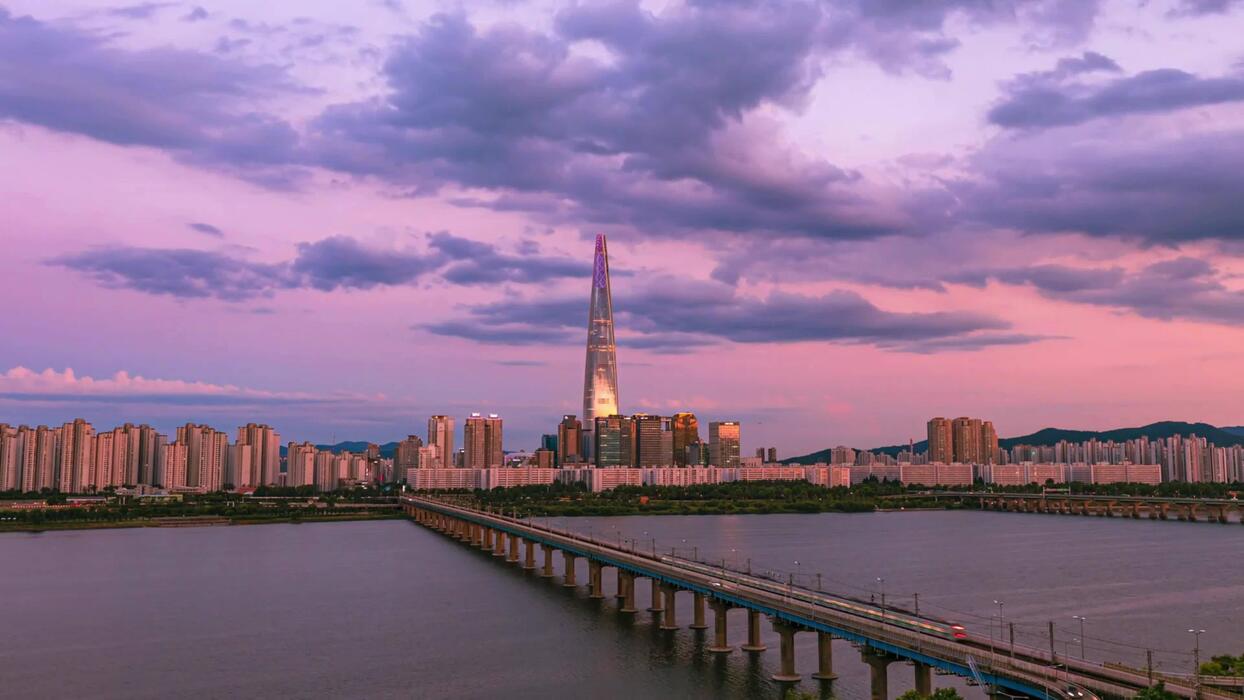
Arrival in SeoulA private transfer meets you at Incheon International Airport and takes you to the hotel in Myeongdong. Seoul sits in a bowl of low mountains, and the city's scale becomes apparent quickly — old palace walls beside subway entrances, hillside temples visible from main roads. The remainder of the day is free to move at your own pace.
Day 2
Palace, village, and temple stayBreakfast at the hotel before heading to Gyeongbokgung Palace, built in 1395 as the principal seat of the Joseon Dynasty. The changing of the guard ceremony at the main gate is a precise re-enactment with traditional instruments and full period costume. The National Folk Museum, set within the palace grounds, holds thousands of artefacts covering domestic and ceremonial life across Korean history. The route then passes the Blue House — the presidential compound — before reaching Bukchon Hanok Village, a district of several hundred traditional timber-framed houses threaded by narrow lanes. This afternoon, transfer to Geumseonsa Temple at the base of Bukhansan Mountain. Check-in includes an orientation on temple etiquette and the schedule ahead. Rooms are shared, ondol-style with heated floors and futon bedding; men and women are accommodated separately. Dinner follows the Balwoo Gongyang tradition — a silent, vegetarian meal served in bowls, with seasonal vegetables, tofu, and soup. The evening closes with Yebul, the chanting ceremony held in the main hall.
Day 3
Bukhansan ridge and the coastThe day begins at 5am with the morning Yebul ceremony, followed by seated or walking meditation depending on the day's schedule. A simple monastic breakfast follows. Late morning brings a visit to a nearby hermitage for Dado — tea with a monk, a practice rooted in conversation and silence in roughly equal measure. Back at the temple, rooms are cleaned and uniforms returned before the hike begins. The Bugaksan trail follows part of the Seoul Fortress Wall, tracing the city's highest bordering ridge. Once a restricted military zone, the terrain is well preserved. A tree on the trail carries bullet holes from a 1968 North Korean commando incursion — a quiet, specific piece of recent history. The two-hour trail gives open views over central Seoul. In the afternoon, the drive east to Sokcho takes around three and a half hours.
Day 4
Seoraksan and the road to AndongBreakfast at the hotel before a four to five hour hike on the Ulsan Rock course in Seoraksan National Park. The trail moves through river valleys and past temple buildings before climbing steeply to exposed ridgelines with long views across the park. Seoraksan holds a significant range of wildlife including musk deer and Korean goral; the plant life is similarly varied, with edelweiss among the species found at higher elevations. After the hike, the drive south to Andong takes several hours. Andong is known for its folk heritage, wooden mask tradition, and a distinctively strong local soju. Check into the hotel and the evening is free.
Day 5
Hahoe, Jirisan, and NamwonThe morning begins at Hahoe Folk Village on the Nakdong River, a UNESCO-listed site where Joseon-era architecture has been maintained in a community that remains inhabited. Tile-roofed aristocratic houses and thatched commoners' homes sit side by side, with the village's Confucian social order still legible in the layout. From Andong, travel south to Jirisan National Park for an afternoon hike along the Guryong Valley trail. The valley name translates to Nine Dragons, referencing the nine waterfalls spaced along its length through forested granite terrain. Continue to Namwon, a small city known for its connection to Chunhyangjeon, one of Korea's most enduring folk narratives. Check in and the evening is at leisure.
Day 6
Naejangsan and GwangjuThe longest hiking day of the journey: six to seven hours in Naejangsan, moving through forest paths past lakes and waterfalls. The mountain is particularly well known for its maple canopy, which turns deep red and orange in autumn and draws visitors from across the country for that reason alone. After the hike, drive to Gwangju and check into the hotel. Dinner is included this evening.
Day 7
Jeonju: hanok village and overnight stayA two-hour drive from Gwangju brings you to Jeonju, a city that served as a key centre during the Joseon Dynasty and has retained much of its historic fabric. The Jeonju Hanok Village holds more than 800 traditional houses with wooden structural frames and curved ceramic-tiled roofs. The lanes are narrow and walkable; the surrounding city is visible at the edges, which sharpens the contrast. Jeonju bibimbap — the rice dish assembled with seasonal vegetables and served with fermented sides — originated here and remains distinct from versions found elsewhere in Korea. The afternoon includes a visit to Jaman Mural Village, where local artists have painted across the exterior walls of an entire hillside neighbourhood. Tonight's accommodation is in a traditional hanok guesthouse: ondol underfloor heating, futon bedding, minimal furniture, and the particular quiet of a timber-framed building at night.
Day 8
Return to SeoulBreakfast at the guesthouse before a three and a half hour drive north to Seoul. The afternoon is free. A farewell dinner with the group is included this evening.
Day 9
DepartureBreakfast at the hotel. Time is free until the private transfer to Incheon International Airport.

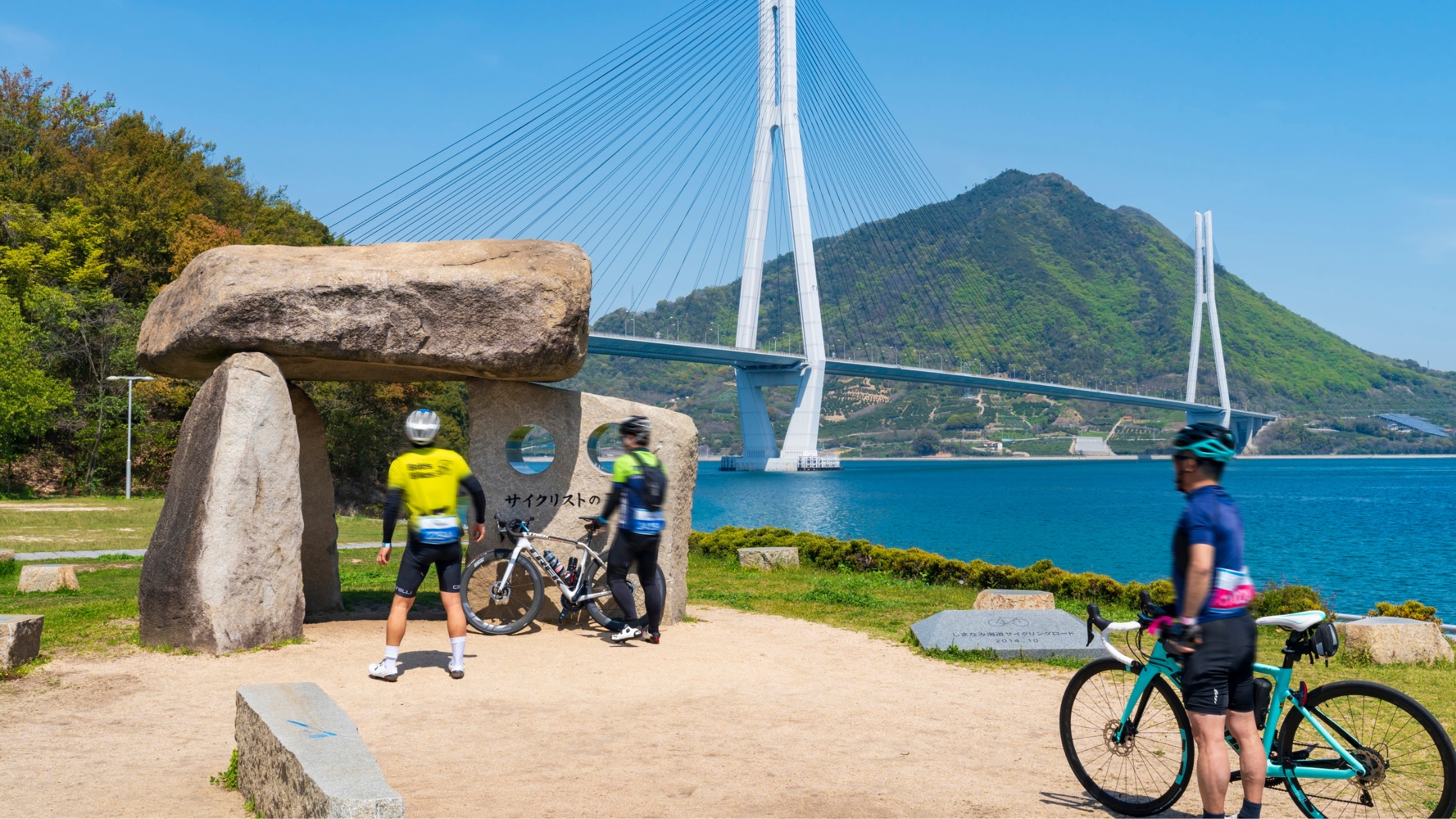
A private cycling journey across South Korea's coast, countryside, and history.
 9
9 9 Days
 Moderate
Nine days on two wheels from Seoul to Busan, covering coastal headlands, river valleys, pine forests, and the quieter edges of cities most visitors see only from a bus. The riding ranges from 15 to 55 kilometres per day — manageable for regularly active travellers, demanding enough to feel earned. Nights include a glamping stay outside Seoul, a coastal guesthouse in Sokcho, and hotels in Gyeongju and Busan. It is a route for travellers who prefer to cross a country under their own effort rather than see it through a windscreen.
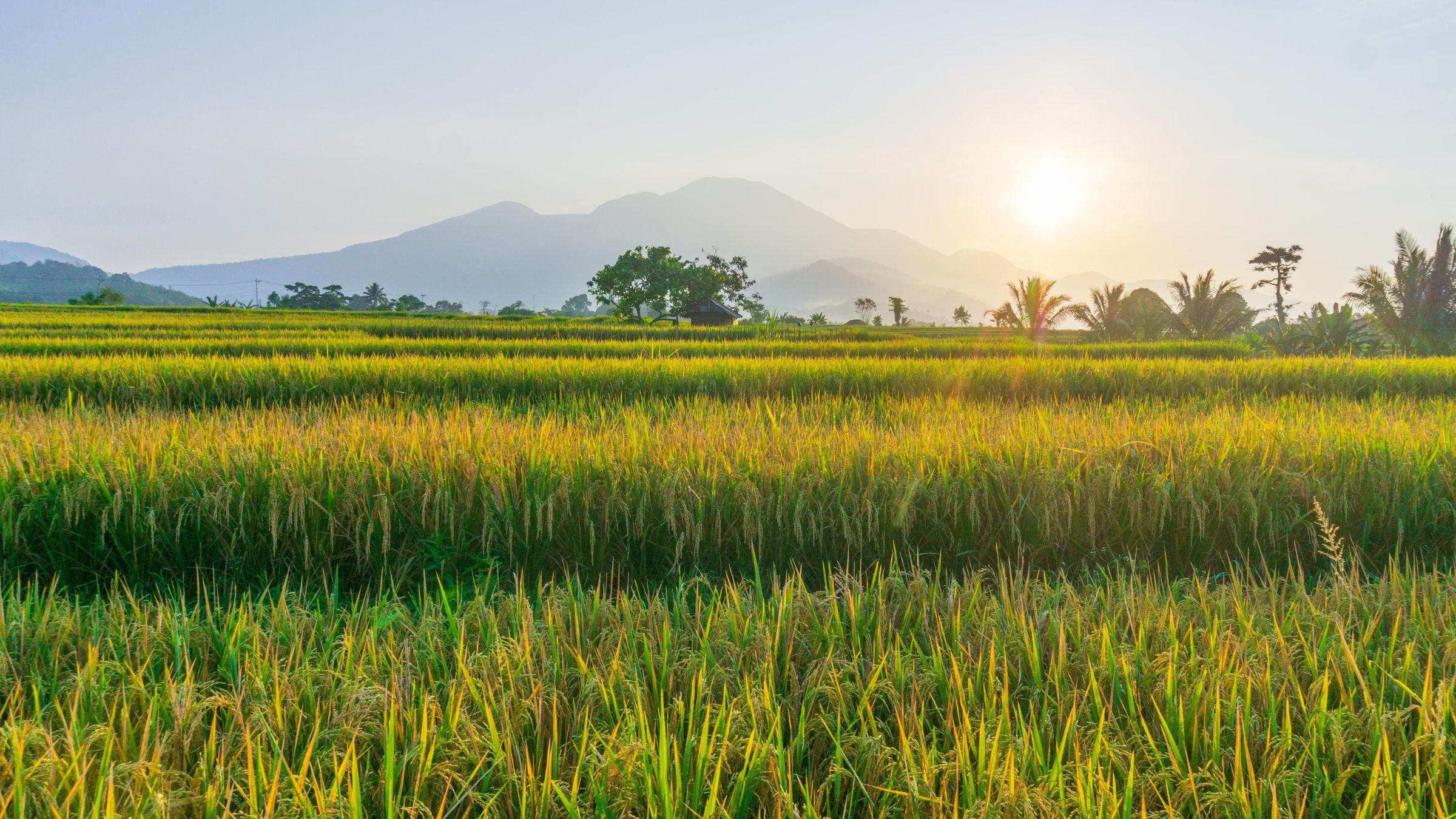
A guided cycling journey along South Korea's Four Rivers route, Seoul to Busan.
8 8 days LeisurelyThis eight-day ride follows South Korea's dedicated cycling infrastructure from central Seoul to the coast at Busan, covering river trails, market towns, and ceramic heritage sites along the way. The route uses the Four Rivers path — a well-maintained network purpose-built for long-distance cycling — with daily distances that offer real mileage without punishing climbs. A support vehicle carries luggage between stops, keeping each day's riding clean and unencumbered. The shape of the journey stays practical and clear from start to finish.
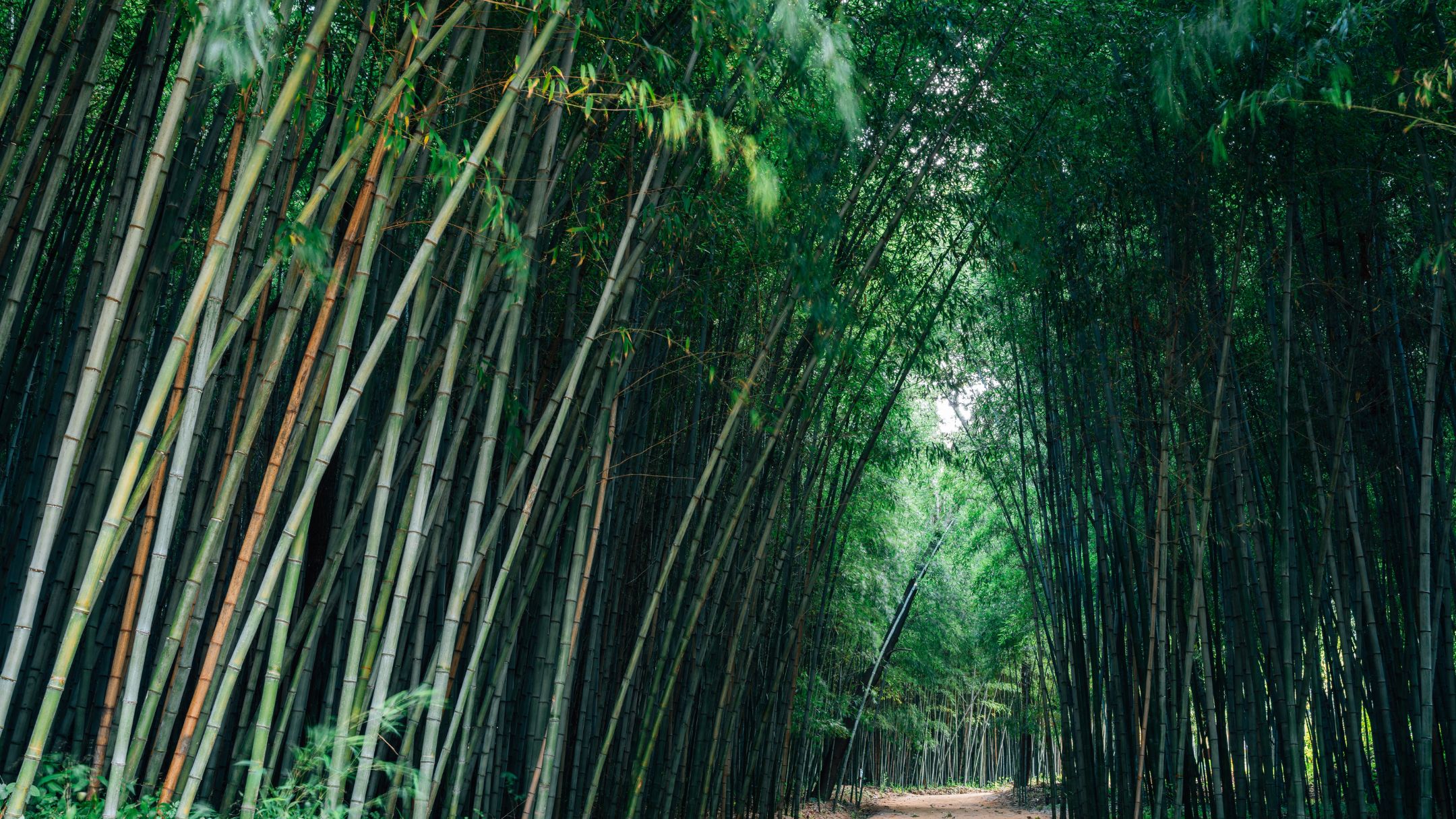
Private cycling journey from Seoul to Busan | West Coast
14 14 Days LeisurelySunset Road follows Korea's west coast by bicycle over 14 days, moving south from Seoul through ancient capitals, tidal flats, river valleys, and mountain passes before reaching Busan. The route passes through places rarely covered by standard Korea itineraries — Buyeo, Gunsan, Baekyangsa, Damyang — each with its own distinct character. A rest day mid-route includes a temple stay, and the pacing allows for sea kayaking, boat fishing, and hiking alongside the riding. The result is a long-form route with real physical substance and strong regional variety.
A private arc through Seoul to Seorak
7 7 Days Fairly EasyThis seven-day private journey moves from Seoul through the Baekje and Joseon heartlands, south to Busan, east through the Silla capital of Gyeongju, and back north via Andong and Mt. Seorak. The pace is full but considered — each day balances a significant historical site with something more sensory: a tea conversation with a monk, a walk through a living village, an early-morning fish market. It covers substantial ground without losing its sense of place. An English-speaking guide accompanies throughout, with hotel accommodation, most meals, and private transport included.
South Korea on Foot: Seoul to Jeonju
9 9 Days Fairly EasyThis nine-day journey moves south from Seoul through national parks, folk villages, and mountain trails, ending with a night in a traditional hanok in Jeonju. The pace combines full hiking days with quieter cultural stops — a temple stay on Bukhansan, the Ulsan Rock course in Seoraksan, and the canyon trails of Jirisan. Private transport and an English-speaking guide keep the route structured and practical while the walking remains at the centre of the experience.
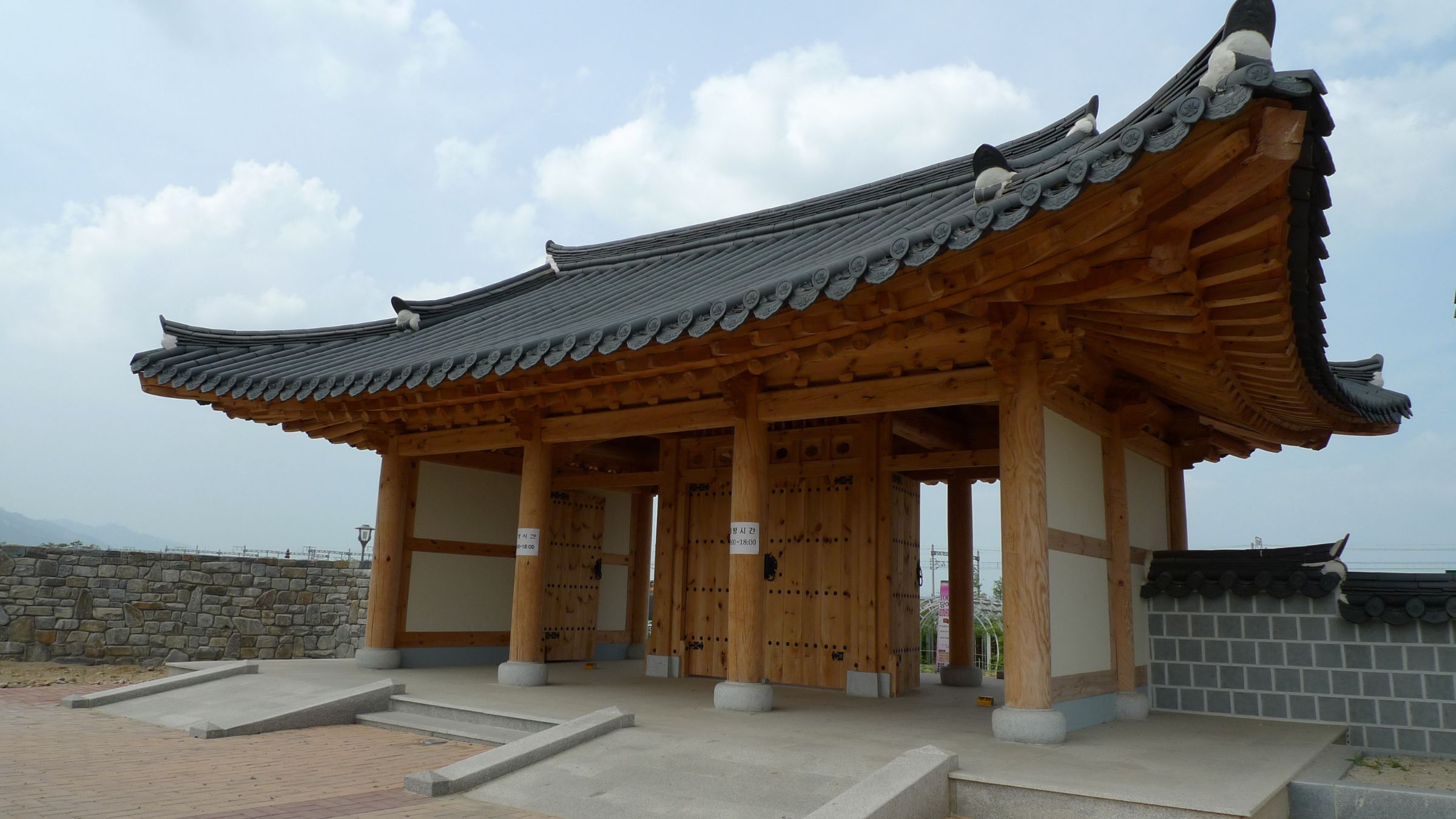
Sanmani Trail: Jirisan Dulegil | Private Walking Tour
10 10 Days ModerateThe Jirisan Dulegil follows the foothills of Jirisan — Korea's first national park and, for centuries, a place of refuge during war and hardship. Rather than ascending to the summit, the route traces the lower paths once walked by the Sanmani, traditional mountain foragers who moved between villages, valleys, and markets carrying medicinal herbs and forest goods. The journey ends at Hwagae Market, where those same paths converge in a living, working marketplace. It is a compact walk with cultural weight, shaped as much by the people who used these paths as by the landscape itself.
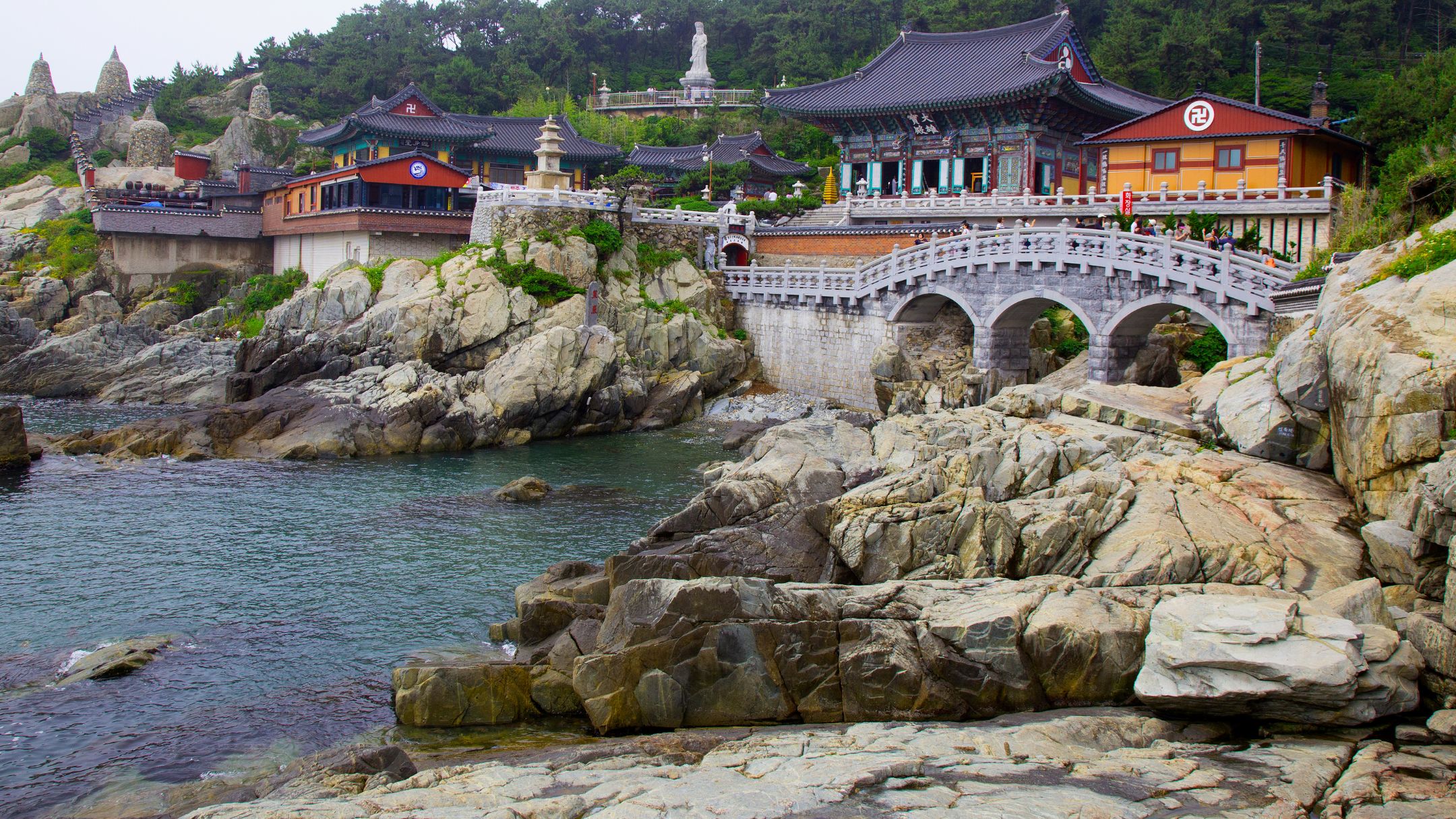
Four days on Jeju's coastal bike trail
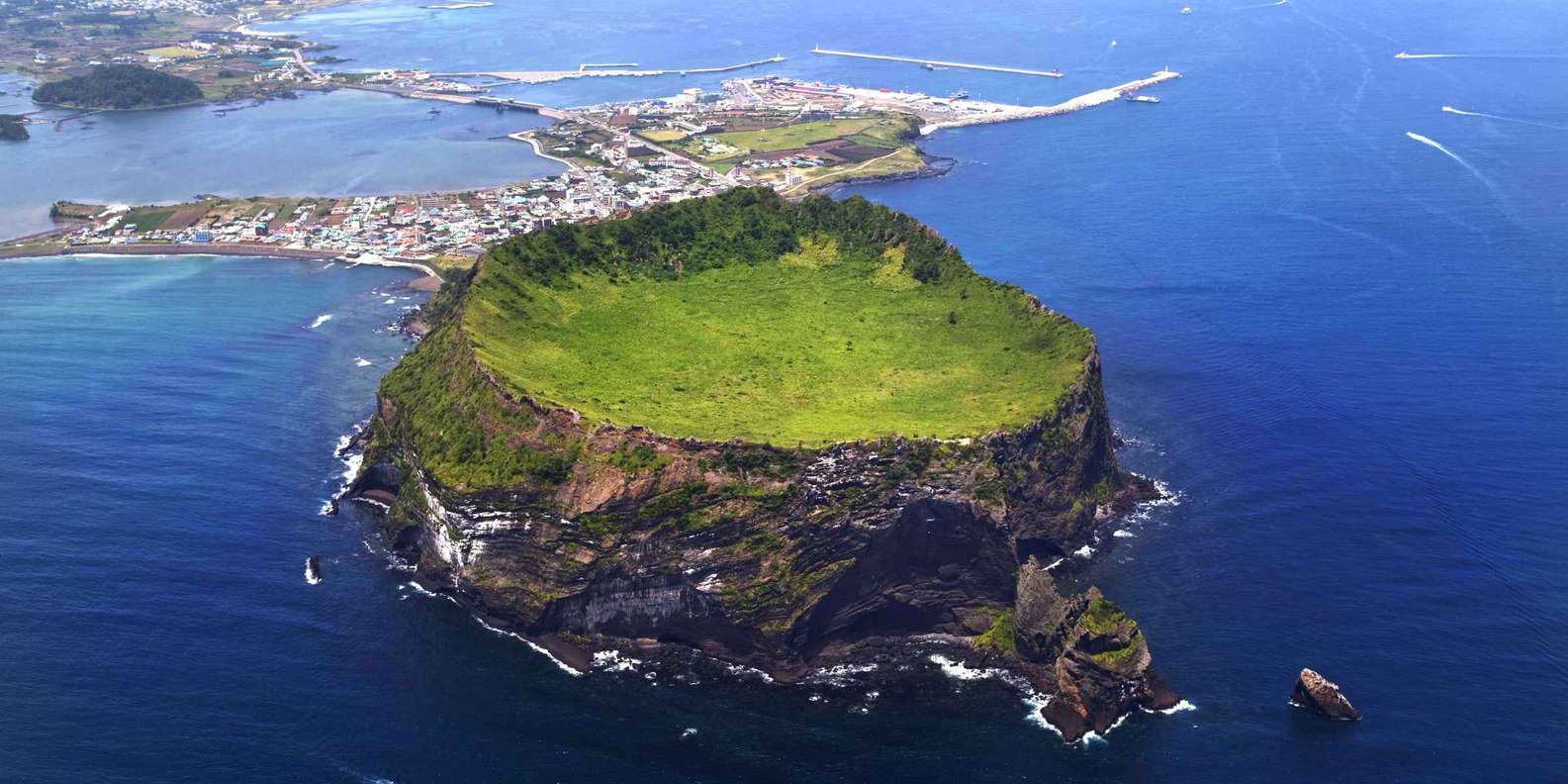
4 4 days LeisurelyThis four-day ride follows Jeju Island's dedicated coastal bike path from Jeju City south to Seogwipo, east to Seongsan, and back — covering roughly 230 kilometres of paved trail along the island's shoreline. A half-day detour to Udo Island and a morning ascent of Seongsan Ilchulbong add variety without overloading the schedule. The pace is demanding but manageable, with support from a local guide team throughout and enough time built in for proper meals and recovery.
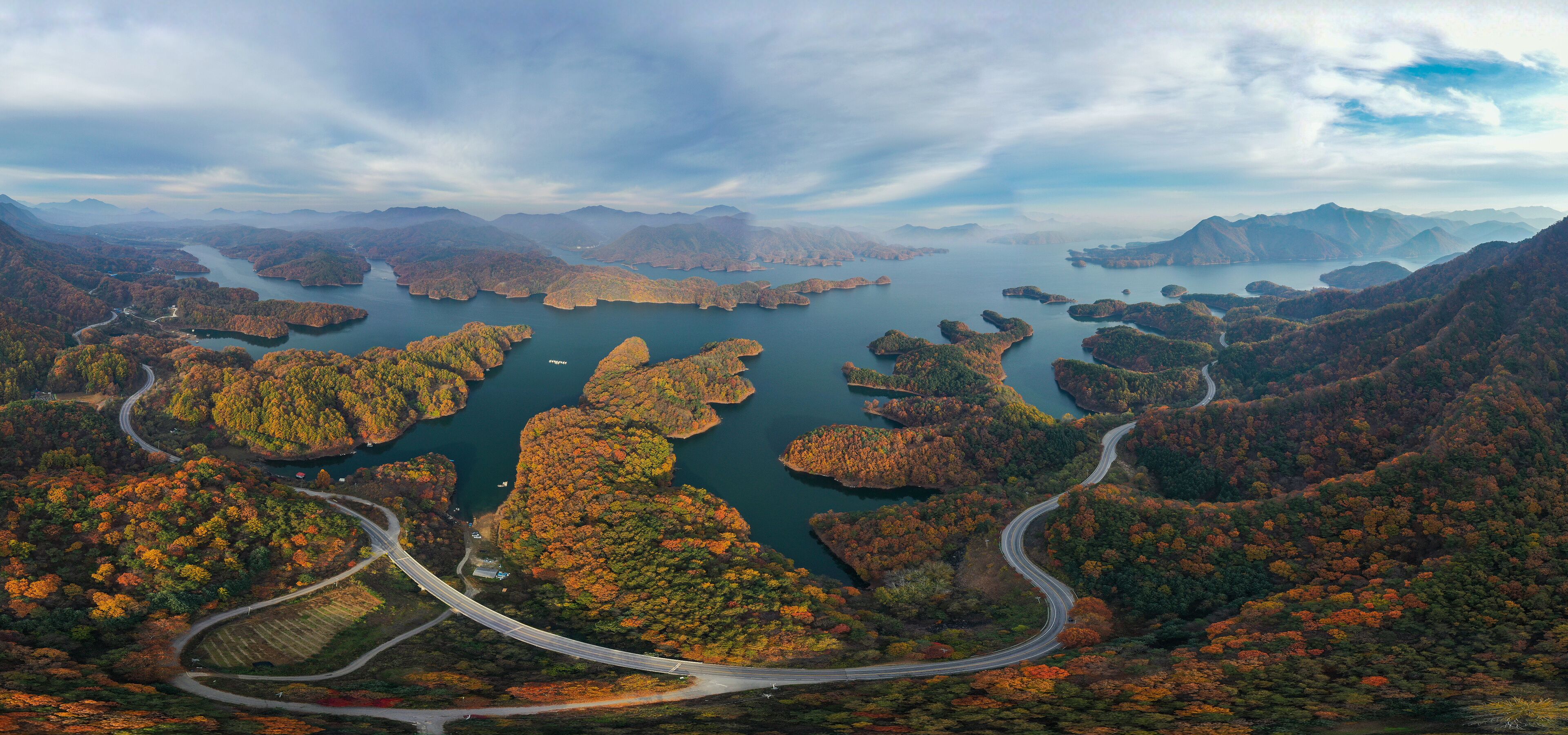
A private arc through South Korea | Seoul to Jeju
12 12 Days Fairly EasyThis twelve-day journey moves south through South Korea's most distinct landscapes and cities, from the density of Seoul to the volcanic coastline of Jeju. The route takes in the Demilitarized Zone, an overnight temple stay at Golgulsa, a cycling tour of Gyeongju's ancient tombs, and coastal Busan before a short domestic flight closes the distance to Jeju. English-speaking guides accompany the full journey, and the pacing leaves room for both movement and context.
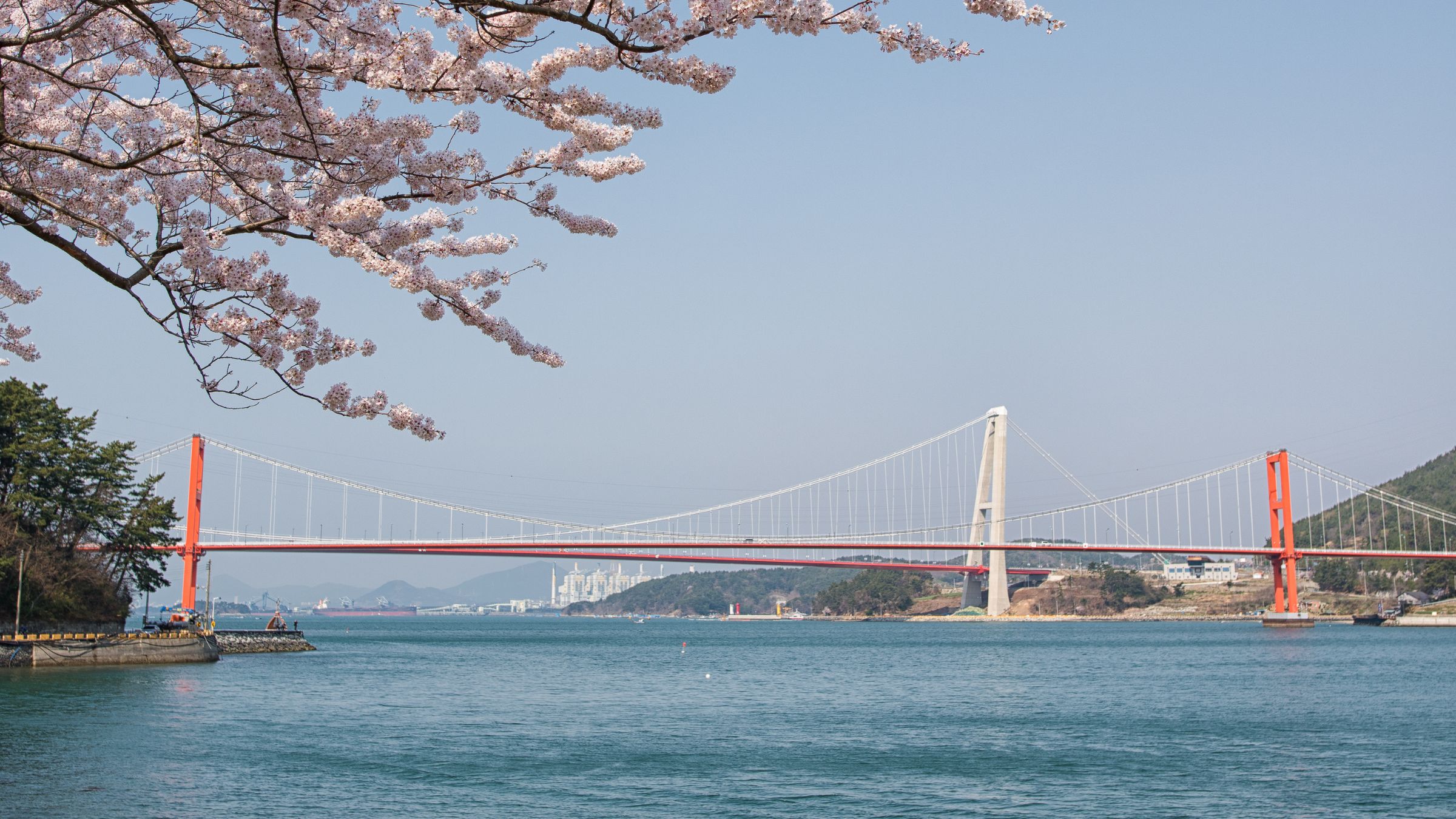
Namhae Island: Villages, Sea and Peaks
3 3 Days LeisurelyThis three-day trip moves between two distinct communities on Namhae Island — a coastal fishing village and a hillside farming settlement — with sea kayaking, a mountain ascent, and a night in each. The pace is unhurried but the days are full. Private transport from Seoul and a consistent guide keep the logistics clean, while the shape of the trip stays close to everyday life on the island.
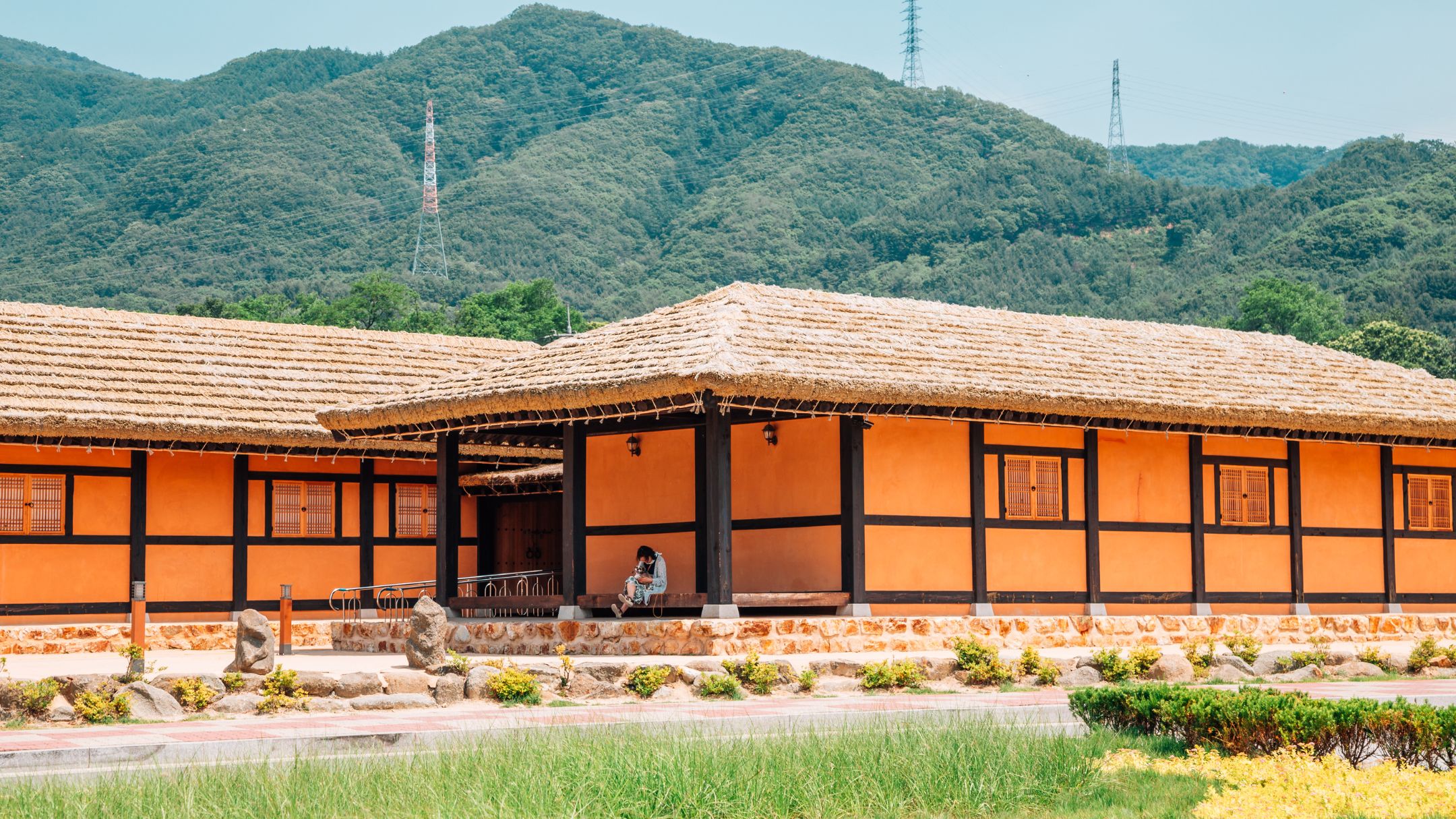
Korea Coast to Coast Cycling Tour
5 5 Days LeisurelyThis route crosses South Korea from Incheon on the west coast to Sokcho on the east, covering approximately 320 kilometres over five days. The ride moves through central Seoul, along the Bukhangang River, into the mountain province of Gangwon, and over the passes of Seoraksan before descending to the coast. It suits riders who want a structured physical challenge with genuine geographic logic — each day ends somewhere meaningfully different from where it began. A support vehicle carries luggage throughout, and local guides handle logistics at every stage.
Private cycling journey from Seoul to Busan | West Coast
14 14 Days LeisurelySunset Road follows Korea's west coast by bicycle over 14 days, moving south from Seoul through ancient capitals, tidal flats, river valleys, and mountain passes before reaching Busan. The route passes through places rarely covered by standard Korea itineraries — Buyeo, Gunsan, Baekyangsa, Damyang — each with its own distinct character. A rest day mid-route includes a temple stay, and the pacing allows for sea kayaking, boat fishing, and hiking alongside the riding. The result is a long-form route with real physical substance and strong regional variety.
Sanmani Trail: Jirisan Dulegil | Private Walking Tour
10 10 Days ModerateThe Jirisan Dulegil follows the foothills of Jirisan — Korea's first national park and, for centuries, a place of refuge during war and hardship. Rather than ascending to the summit, the route traces the lower paths once walked by the Sanmani, traditional mountain foragers who moved between villages, valleys, and markets carrying medicinal herbs and forest goods. The journey ends at Hwagae Market, where those same paths converge in a living, working marketplace. It is a compact walk with cultural weight, shaped as much by the people who used these paths as by the landscape itself.
A private cycling journey across South Korea's coast, countryside, and history.
9 9 Days ModerateNine days on two wheels from Seoul to Busan, covering coastal headlands, river valleys, pine forests, and the quieter edges of cities most visitors see only from a bus. The riding ranges from 15 to 55 kilometres per day — manageable for regularly active travellers, demanding enough to feel earned. Nights include a glamping stay outside Seoul, a coastal guesthouse in Sokcho, and hotels in Gyeongju and Busan. It is a route for travellers who prefer to cross a country under their own effort rather than see it through a windscreen.
A guided cycling journey along South Korea's Four Rivers route, Seoul to Busan.
8 8 days LeisurelyThis eight-day ride follows South Korea's dedicated cycling infrastructure from central Seoul to the coast at Busan, covering river trails, market towns, and ceramic heritage sites along the way. The route uses the Four Rivers path — a well-maintained network purpose-built for long-distance cycling — with daily distances that offer real mileage without punishing climbs. A support vehicle carries luggage between stops, keeping each day's riding clean and unencumbered. The shape of the journey stays practical and clear from start to finish.
A private arc through Seoul to Seorak
7 7 Days Fairly EasyThis seven-day private journey moves from Seoul through the Baekje and Joseon heartlands, south to Busan, east through the Silla capital of Gyeongju, and back north via Andong and Mt. Seorak. The pace is full but considered — each day balances a significant historical site with something more sensory: a tea conversation with a monk, a walk through a living village, an early-morning fish market. It covers substantial ground without losing its sense of place. An English-speaking guide accompanies throughout, with hotel accommodation, most meals, and private transport included.
South Korea on Foot: Seoul to Jeonju
9 9 Days Fairly EasyThis nine-day journey moves south from Seoul through national parks, folk villages, and mountain trails, ending with a night in a traditional hanok in Jeonju. The pace combines full hiking days with quieter cultural stops — a temple stay on Bukhansan, the Ulsan Rock course in Seoraksan, and the canyon trails of Jirisan. Private transport and an English-speaking guide keep the route structured and practical while the walking remains at the centre of the experience.
Sanmani Trail: Jirisan Dulegil | Private Walking Tour
10 10 Days ModerateThe Jirisan Dulegil follows the foothills of Jirisan — Korea's first national park and, for centuries, a place of refuge during war and hardship. Rather than ascending to the summit, the route traces the lower paths once walked by the Sanmani, traditional mountain foragers who moved between villages, valleys, and markets carrying medicinal herbs and forest goods. The journey ends at Hwagae Market, where those same paths converge in a living, working marketplace. It is a compact walk with cultural weight, shaped as much by the people who used these paths as by the landscape itself.
Four days on Jeju's coastal bike trail
4 4 days LeisurelyThis four-day ride follows Jeju Island's dedicated coastal bike path from Jeju City south to Seogwipo, east to Seongsan, and back — covering roughly 230 kilometres of paved trail along the island's shoreline. A half-day detour to Udo Island and a morning ascent of Seongsan Ilchulbong add variety without overloading the schedule. The pace is demanding but manageable, with support from a local guide team throughout and enough time built in for proper meals and recovery.
Namhae Island: Villages, Sea and Peaks
3 3 Days LeisurelyThis three-day trip moves between two distinct communities on Namhae Island — a coastal fishing village and a hillside farming settlement — with sea kayaking, a mountain ascent, and a night in each. The pace is unhurried but the days are full. Private transport from Seoul and a consistent guide keep the logistics clean, while the shape of the trip stays close to everyday life on the island.
Korea Coast to Coast Cycling Tour
5 5 Days LeisurelyThis route crosses South Korea from Incheon on the west coast to Sokcho on the east, covering approximately 320 kilometres over five days. The ride moves through central Seoul, along the Bukhangang River, into the mountain province of Gangwon, and over the passes of Seoraksan before descending to the coast. It suits riders who want a structured physical challenge with genuine geographic logic — each day ends somewhere meaningfully different from where it began. A support vehicle carries luggage throughout, and local guides handle logistics at every stage.
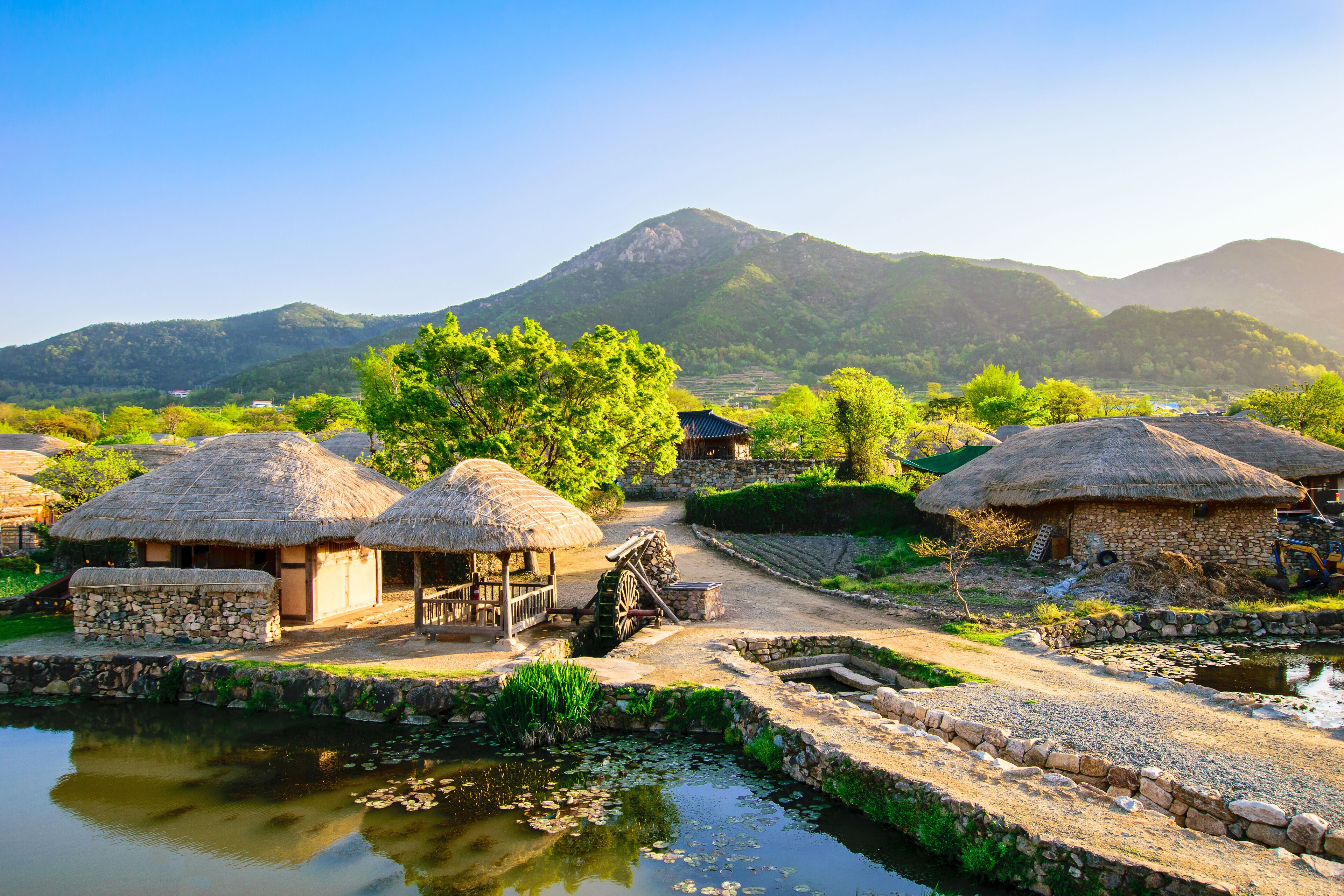
Rivers of Spring: Yeongsan to Seomjin | A private cycling journey
6 6 Days LeisurelyThis route traces two of South Korea's great southern rivers — Yeongsan and Seomjin — across 300 kilometres of farmland, bamboo forest, mountain tea country, and coastal wetlands. The pace is unhurried. Each day ends somewhere worth staying. It is a river journey built around landscape, food, and the slower character of the south.
A private cycling journey across South Korea's coast, countryside, and history.
9 9 Days ModerateNine days on two wheels from Seoul to Busan, covering coastal headlands, river valleys, pine forests, and the quieter edges of cities most visitors see only from a bus. The riding ranges from 15 to 55 kilometres per day — manageable for regularly active travellers, demanding enough to feel earned. Nights include a glamping stay outside Seoul, a coastal guesthouse in Sokcho, and hotels in Gyeongju and Busan. It is a route for travellers who prefer to cross a country under their own effort rather than see it through a windscreen.
A guided cycling journey along South Korea's Four Rivers route, Seoul to Busan.
8 8 days LeisurelyThis eight-day ride follows South Korea's dedicated cycling infrastructure from central Seoul to the coast at Busan, covering river trails, market towns, and ceramic heritage sites along the way. The route uses the Four Rivers path — a well-maintained network purpose-built for long-distance cycling — with daily distances that offer real mileage without punishing climbs. A support vehicle carries luggage between stops, keeping each day's riding clean and unencumbered. The shape of the journey stays practical and clear from start to finish.
Private cycling journey from Seoul to Busan | West Coast
14 14 Days LeisurelySunset Road follows Korea's west coast by bicycle over 14 days, moving south from Seoul through ancient capitals, tidal flats, river valleys, and mountain passes before reaching Busan. The route passes through places rarely covered by standard Korea itineraries — Buyeo, Gunsan, Baekyangsa, Damyang — each with its own distinct character. A rest day mid-route includes a temple stay, and the pacing allows for sea kayaking, boat fishing, and hiking alongside the riding. The result is a long-form route with real physical substance and strong regional variety.
A private arc through Seoul to Seorak
7 7 Days Fairly EasyThis seven-day private journey moves from Seoul through the Baekje and Joseon heartlands, south to Busan, east through the Silla capital of Gyeongju, and back north via Andong and Mt. Seorak. The pace is full but considered — each day balances a significant historical site with something more sensory: a tea conversation with a monk, a walk through a living village, an early-morning fish market. It covers substantial ground without losing its sense of place. An English-speaking guide accompanies throughout, with hotel accommodation, most meals, and private transport included.
South Korea on Foot: Seoul to Jeonju
9 9 Days Fairly EasyThis nine-day journey moves south from Seoul through national parks, folk villages, and mountain trails, ending with a night in a traditional hanok in Jeonju. The pace combines full hiking days with quieter cultural stops — a temple stay on Bukhansan, the Ulsan Rock course in Seoraksan, and the canyon trails of Jirisan. Private transport and an English-speaking guide keep the route structured and practical while the walking remains at the centre of the experience.
Sanmani Trail: Jirisan Dulegil | Private Walking Tour
10 10 Days ModerateThe Jirisan Dulegil follows the foothills of Jirisan — Korea's first national park and, for centuries, a place of refuge during war and hardship. Rather than ascending to the summit, the route traces the lower paths once walked by the Sanmani, traditional mountain foragers who moved between villages, valleys, and markets carrying medicinal herbs and forest goods. The journey ends at Hwagae Market, where those same paths converge in a living, working marketplace. It is a compact walk with cultural weight, shaped as much by the people who used these paths as by the landscape itself.
Four days on Jeju's coastal bike trail
4 4 days LeisurelyThis four-day ride follows Jeju Island's dedicated coastal bike path from Jeju City south to Seogwipo, east to Seongsan, and back — covering roughly 230 kilometres of paved trail along the island's shoreline. A half-day detour to Udo Island and a morning ascent of Seongsan Ilchulbong add variety without overloading the schedule. The pace is demanding but manageable, with support from a local guide team throughout and enough time built in for proper meals and recovery.
A private arc through South Korea | Seoul to Jeju
12 12 Days Fairly EasyThis twelve-day journey moves south through South Korea's most distinct landscapes and cities, from the density of Seoul to the volcanic coastline of Jeju. The route takes in the Demilitarized Zone, an overnight temple stay at Golgulsa, a cycling tour of Gyeongju's ancient tombs, and coastal Busan before a short domestic flight closes the distance to Jeju. English-speaking guides accompany the full journey, and the pacing leaves room for both movement and context.
Namhae Island: Villages, Sea and Peaks
3 3 Days LeisurelyThis three-day trip moves between two distinct communities on Namhae Island — a coastal fishing village and a hillside farming settlement — with sea kayaking, a mountain ascent, and a night in each. The pace is unhurried but the days are full. Private transport from Seoul and a consistent guide keep the logistics clean, while the shape of the trip stays close to everyday life on the island.
Korea Coast to Coast Cycling Tour
5 5 Days LeisurelyThis route crosses South Korea from Incheon on the west coast to Sokcho on the east, covering approximately 320 kilometres over five days. The ride moves through central Seoul, along the Bukhangang River, into the mountain province of Gangwon, and over the passes of Seoraksan before descending to the coast. It suits riders who want a structured physical challenge with genuine geographic logic — each day ends somewhere meaningfully different from where it began. A support vehicle carries luggage throughout, and local guides handle logistics at every stage.
Rivers of Spring: Yeongsan to Seomjin | A private cycling journey
6 6 Days LeisurelyThis route traces two of South Korea's great southern rivers — Yeongsan and Seomjin — across 300 kilometres of farmland, bamboo forest, mountain tea country, and coastal wetlands. The pace is unhurried. Each day ends somewhere worth staying. It is a river journey built around landscape, food, and the slower character of the south.
Private cycling journey from Seoul to Busan | West Coast
14 14 Days LeisurelySunset Road follows Korea's west coast by bicycle over 14 days, moving south from Seoul through ancient capitals, tidal flats, river valleys, and mountain passes before reaching Busan. The route passes through places rarely covered by standard Korea itineraries — Buyeo, Gunsan, Baekyangsa, Damyang — each with its own distinct character. A rest day mid-route includes a temple stay, and the pacing allows for sea kayaking, boat fishing, and hiking alongside the riding. The result is a long-form route with real physical substance and strong regional variety.
Sanmani Trail: Jirisan Dulegil | Private Walking Tour
10 10 Days ModerateThe Jirisan Dulegil follows the foothills of Jirisan — Korea's first national park and, for centuries, a place of refuge during war and hardship. Rather than ascending to the summit, the route traces the lower paths once walked by the Sanmani, traditional mountain foragers who moved between villages, valleys, and markets carrying medicinal herbs and forest goods. The journey ends at Hwagae Market, where those same paths converge in a living, working marketplace. It is a compact walk with cultural weight, shaped as much by the people who used these paths as by the landscape itself.
A private cycling journey across South Korea's coast, countryside, and history.
9 9 Days ModerateNine days on two wheels from Seoul to Busan, covering coastal headlands, river valleys, pine forests, and the quieter edges of cities most visitors see only from a bus. The riding ranges from 15 to 55 kilometres per day — manageable for regularly active travellers, demanding enough to feel earned. Nights include a glamping stay outside Seoul, a coastal guesthouse in Sokcho, and hotels in Gyeongju and Busan. It is a route for travellers who prefer to cross a country under their own effort rather than see it through a windscreen.
A guided cycling journey along South Korea's Four Rivers route, Seoul to Busan.
8 8 days LeisurelyThis eight-day ride follows South Korea's dedicated cycling infrastructure from central Seoul to the coast at Busan, covering river trails, market towns, and ceramic heritage sites along the way. The route uses the Four Rivers path — a well-maintained network purpose-built for long-distance cycling — with daily distances that offer real mileage without punishing climbs. A support vehicle carries luggage between stops, keeping each day's riding clean and unencumbered. The shape of the journey stays practical and clear from start to finish.
A private arc through Seoul to Seorak
7 7 Days Fairly EasyThis seven-day private journey moves from Seoul through the Baekje and Joseon heartlands, south to Busan, east through the Silla capital of Gyeongju, and back north via Andong and Mt. Seorak. The pace is full but considered — each day balances a significant historical site with something more sensory: a tea conversation with a monk, a walk through a living village, an early-morning fish market. It covers substantial ground without losing its sense of place. An English-speaking guide accompanies throughout, with hotel accommodation, most meals, and private transport included.
South Korea on Foot: Seoul to Jeonju
9 9 Days Fairly EasyThis nine-day journey moves south from Seoul through national parks, folk villages, and mountain trails, ending with a night in a traditional hanok in Jeonju. The pace combines full hiking days with quieter cultural stops — a temple stay on Bukhansan, the Ulsan Rock course in Seoraksan, and the canyon trails of Jirisan. Private transport and an English-speaking guide keep the route structured and practical while the walking remains at the centre of the experience.
Sanmani Trail: Jirisan Dulegil | Private Walking Tour
10 10 Days ModerateThe Jirisan Dulegil follows the foothills of Jirisan — Korea's first national park and, for centuries, a place of refuge during war and hardship. Rather than ascending to the summit, the route traces the lower paths once walked by the Sanmani, traditional mountain foragers who moved between villages, valleys, and markets carrying medicinal herbs and forest goods. The journey ends at Hwagae Market, where those same paths converge in a living, working marketplace. It is a compact walk with cultural weight, shaped as much by the people who used these paths as by the landscape itself.
Four days on Jeju's coastal bike trail
4 4 days LeisurelyThis four-day ride follows Jeju Island's dedicated coastal bike path from Jeju City south to Seogwipo, east to Seongsan, and back — covering roughly 230 kilometres of paved trail along the island's shoreline. A half-day detour to Udo Island and a morning ascent of Seongsan Ilchulbong add variety without overloading the schedule. The pace is demanding but manageable, with support from a local guide team throughout and enough time built in for proper meals and recovery.
Namhae Island: Villages, Sea and Peaks
3 3 Days LeisurelyThis three-day trip moves between two distinct communities on Namhae Island — a coastal fishing village and a hillside farming settlement — with sea kayaking, a mountain ascent, and a night in each. The pace is unhurried but the days are full. Private transport from Seoul and a consistent guide keep the logistics clean, while the shape of the trip stays close to everyday life on the island.
Korea Coast to Coast Cycling Tour
5 5 Days LeisurelyThis route crosses South Korea from Incheon on the west coast to Sokcho on the east, covering approximately 320 kilometres over five days. The ride moves through central Seoul, along the Bukhangang River, into the mountain province of Gangwon, and over the passes of Seoraksan before descending to the coast. It suits riders who want a structured physical challenge with genuine geographic logic — each day ends somewhere meaningfully different from where it began. A support vehicle carries luggage throughout, and local guides handle logistics at every stage.
Rivers of Spring: Yeongsan to Seomjin | A private cycling journey
6 6 Days LeisurelyThis route traces two of South Korea's great southern rivers — Yeongsan and Seomjin — across 300 kilometres of farmland, bamboo forest, mountain tea country, and coastal wetlands. The pace is unhurried. Each day ends somewhere worth staying. It is a river journey built around landscape, food, and the slower character of the south.
Four days on Jeju's coastal bike trail
4 4 daysThis four-day ride follows Jeju Island's dedicated coastal bike path from Jeju City south to Seogwipo, east to Seongsan, and back — covering roughly 230 kilometres of paved trail along the island's shoreline. A half-day detour to Udo Island and a morning ascent of Seongsan Ilchulbong add variety without overloading the schedule. The pace is demanding but manageable, with support from a local guide team throughout and enough time built in for proper meals and recovery.
Four days on Jeju's coastal bike trail
4 4 daysThis four-day ride follows Jeju Island's dedicated coastal bike path from Jeju City south to Seogwipo, east to Seongsan, and back — covering roughly 230 kilometres of paved trail along the island's shoreline. A half-day detour to Udo Island and a morning ascent of Seongsan Ilchulbong add variety without overloading the schedule. The pace is demanding but manageable, with support from a local guide team throughout and enough time built in for proper meals and recovery.

Thank you
Your enquiry has been submitted and you will be contected by our sales staff shortly