A private arc through Seoul to Seorak
Summary
This seven-day private journey moves from Seoul through the Baekje and Joseon heartlands, south to Busan, east through the Silla capital of Gyeongju, and back north via Andong and Mt. Seorak. The pace is full but considered — each day balances a significant historical site with something more sensory: a tea conversation with a monk, a walk through a living village, an early-morning fish market. It covers substantial ground without losing its sense of place. An English-speaking guide accompanies throughout, with hotel accommodation, most meals, and private transport included.
Highlights
- Walking the walls of Gongsanseong Fortress above the Geumgang River — a Baekje stronghold still largely intact after fifteen centuries
- Tea with a resident monk at Baegyangsa Temple, inside Naejangsan National Park, away from the main tourist circuit
- The reed beds and tidal flats of Suncheonman Bay at dusk, when migratory birds move across the water
- Cheonmachong burial mound at Daereungwon — one of the few royal Silla tombs you can enter, with original artifacts on display inside
- The riverside layout of Andong Hahoe Village, where thatched and tiled houses follow a bend in the Nakdonggang as they have for centuries
- The granite valley of Jujeongol in Mt. Seorak on the final morning — a two-hour trail through clear-water streams and forest before the drive back to Seoul
What is included in this tour?
Items that are included in the cost of tour price.- Meals
- 6 nights in 4-star and 5-star hotels.
- All intercity and local transfers by van or mini-coach during the tour.
- English-speaking guide throughout the tour.
- Free water
What is not included in this tour?
Items that are not included in the cost of tour price.- International flights to and from Seoul are not included.
- Visas
- Insurance
- Meals and drinks not specified in the itinerary.
- Personal expenses such as snacks, beverages, laundry, souvenirs, and phone calls.
- Optional activities, add-ons, or room upgrades not expressly included in the itinerary.
- Tips and gratuities for guides and drivers.
Day by day Itinerary
Day 1
Seoul to Jeonju via GongjuWe depart Seoul and drives south to Gongju, where the day's first stop is Gongsanseong Fortress — a Baekje-era hilltop stronghold built along the Geumgang River. The walls are largely walkable and the site carries genuine historical weight as one of the better-preserved fortifications of that period. From there, the route continues to the Tomb of King Muryeong, an intact fifth-century royal burial that yielded one of the most significant archaeological finds in Korean history, with context provided at the adjacent exhibition hall. The Gongju National Museum holds the recovered grave goods, including gold ornaments and bronze objects that speak directly to the Baekje kingdom's reach and refinement. Lunch and dinner are included. The day ends with a short drive to Jeonju, where the group checks into the hotel for the night.
Day 2
Jeonju, Baegyangsa Temple, and GwangjuThe morning is spent in Jeonju Hanok Village, a dense cluster of traditional timber houses that has remained largely residential rather than becoming a museum piece. Gyeonggijeon Shrine, built in 1410, sits within the village and houses the portrait of Joseon dynasty founder King Taejo — a quiet, well-preserved compound that rewards a slower visit. Hanbok can be hired at the village for those who want to wear traditional dress during the walk. After lunch, the group travels to Baegyangsa Temple in Naejangsan National Park, where the day's most distinctive moment takes place: a tea conversation with a resident monk. The exchange is informal and genuine, not staged for visitors. Dinner is followed by a short drive to Gwangju for the overnight stay.
Day 3
Boseong, Suncheonman Bay, and BusanAfter breakfast, we drive to Boseong, where hillside tea fields stretch across the slopes in tight parallel rows. The plantation is one of the most productive tea-growing areas in Korea, and a short walk through the terraces gives a clear sense of the scale of cultivation. Lunch follows before the journey continues to Suncheonman Bay, a coastal wetland of tidal flats and silver reed beds that serves as a significant stopover point for migratory birds along the East Asian flyway. The late afternoon light across the reeds and water is worth the timing. If the bay is closed on the last Monday of the month, the alternative stop is Naganeupseong Fortress, a walled township with original stone ramparts and inhabited structures still in place. The group arrives in Busan for a two-night stay.
Day 4
BusanThe morning begins at the United Nations Memorial Cemetery — the only UN cemetery in the world, set on 14 hectares in the south of the city. The grounds are carefully maintained, with graves arranged by nation; the atmosphere is composed and worth unhurried time. From there, the group moves to Jagalchi Market, Busan's principal seafood market, where the covered stalls and open tanks give a direct view of the city's relationship with the sea. Lunch is included here or nearby. The afternoon ends with a crossing on the Songdo Sea Cable Car, which runs above Songdo Bay and offers a clear view of the coastline, Namhang Bridge, and the port approaches. The official programme concludes at Songdo, with the remainder of the evening free for independent exploration.
Day 5
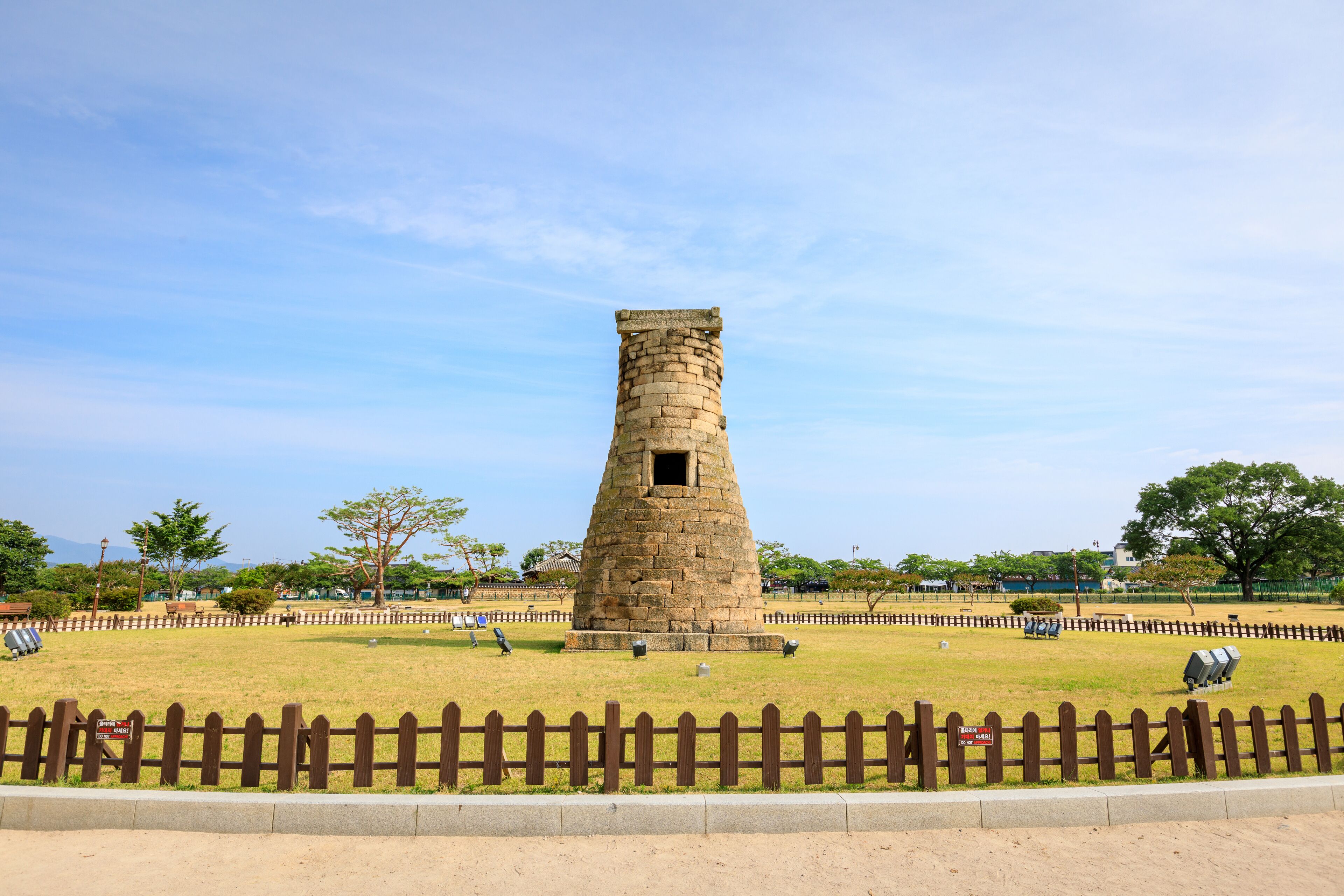
Busan to GyeongjuThe day opens at Dongbaekseom Island, where Nurimaru APEC House — the venue for the 2005 APEC Summit — sits within a camellia grove facing the sea. The building is worth a brief visit for its setting as much as its architecture. The group then drives to Gyeongju, the former capital of the Silla kingdom, where the afternoon is built around three sites in sequence. Bulguksa Temple, constructed in the eighth century, holds two stone pagodas and a series of stone stairways that represent some of the finest surviving Buddhist craftsmanship of the period. Daereungwon Tomb Complex contains a field of large burial mounds; one of them, Cheonmachong, is open to the interior and displays original grave goods in situ. Cheomseongdae Observatory, built in the seventh century under Queen Seondeok, is among the oldest surviving astronomical structures in Asia and a natural point to pause as the light drops. Dinner and overnight in Gyeongju.
Day 6
Gyeongju to Andong Hahoe Village to PyeongchangAfter breakfast, the group drives north to Daegu, where the morning is given over to a hands-on han-gwa class at the Daegu Traditional Culture Center — a guided session in making traditional Korean confections with a certified instructor. This session requires a minimum of eight participants; smaller groups visit Buyongdae Cliff instead, a 64-metre escarpment above a bend in the Nakdonggang that looks directly down over the layout of Hahoe Village. The afternoon stop at Andong Hahoe Village is the day's centrepiece regardless of the morning arrangement. The village sits inside a meander of the Nakdonggang, its thatched and tiled houses arranged along lanes that have changed little in several centuries. Residents of the Ryu clan still live here. Dinner is taken en route to Pyeongchang, where the group checks in for the final overnight stay.
Day 7
Mt. Seorak and return to SeoulThe last morning begins with the drive to Yangyang and the Jujeongol Valley trailhead on the eastern edge of Mt. Seorak. The valley trail runs along a clear-water stream through granite terrain — a two-hour walk at a moderate pace, with the rock formations becoming more dramatic further in. It is a considered final day: mountain air and open trail before the return to the city. Lunch is at a local restaurant near the park. The group arrives back in Seoul's Insadong district around 17:00, a neighbourhood of galleries and small shops well suited to a final hour before the journey disperses.

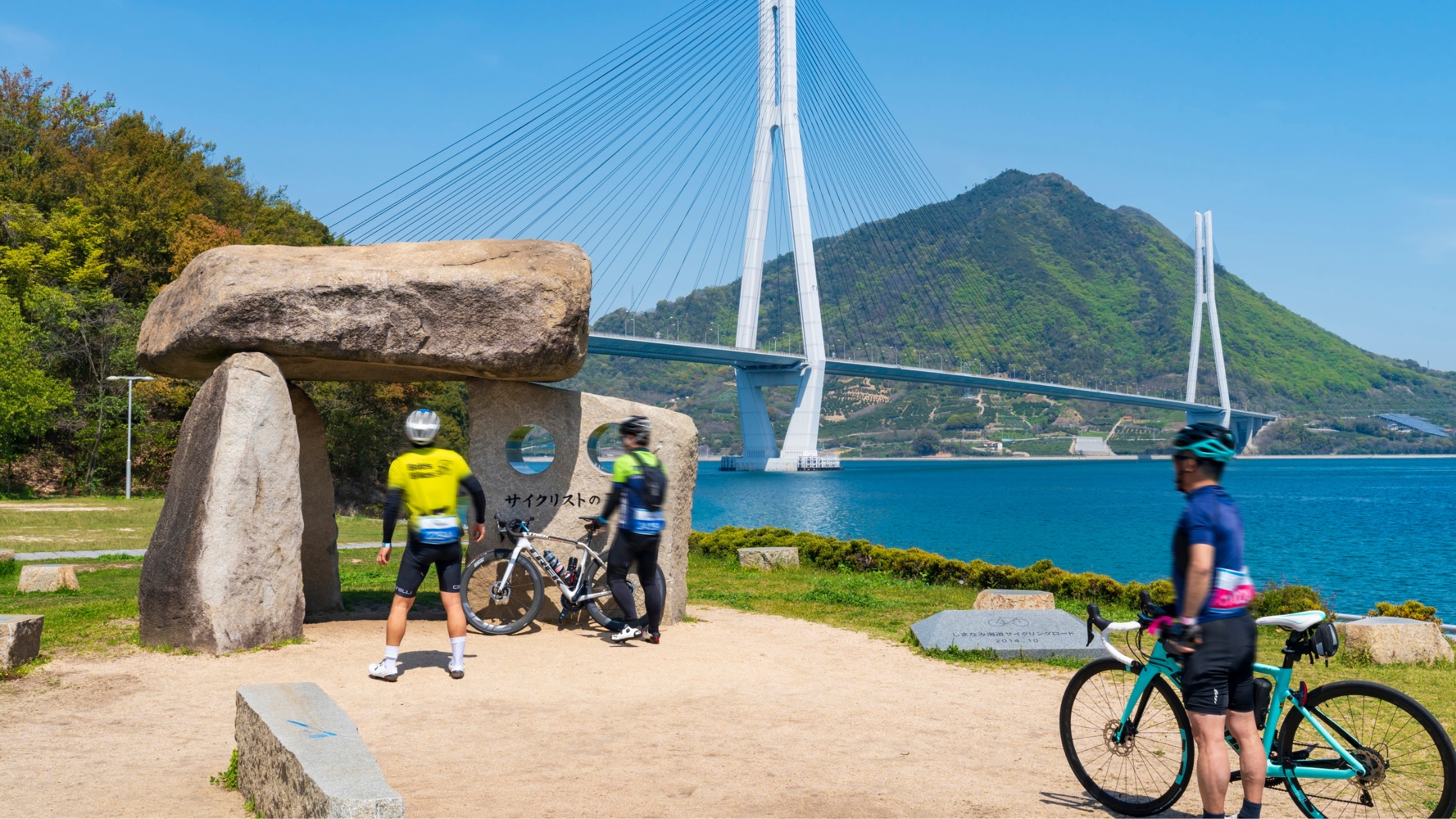
A private cycling journey across South Korea's coast, countryside, and history.
 9
9 9 Days
 Moderate
Nine days on two wheels from Seoul to Busan, covering coastal headlands, river valleys, pine forests, and the quieter edges of cities most visitors see only from a bus. The riding ranges from 15 to 55 kilometres per day — manageable for regularly active travellers, demanding enough to feel earned. Nights include a glamping stay outside Seoul, a coastal guesthouse in Sokcho, and hotels in Gyeongju and Busan. It is a route for travellers who prefer to cross a country under their own effort rather than see it through a windscreen.
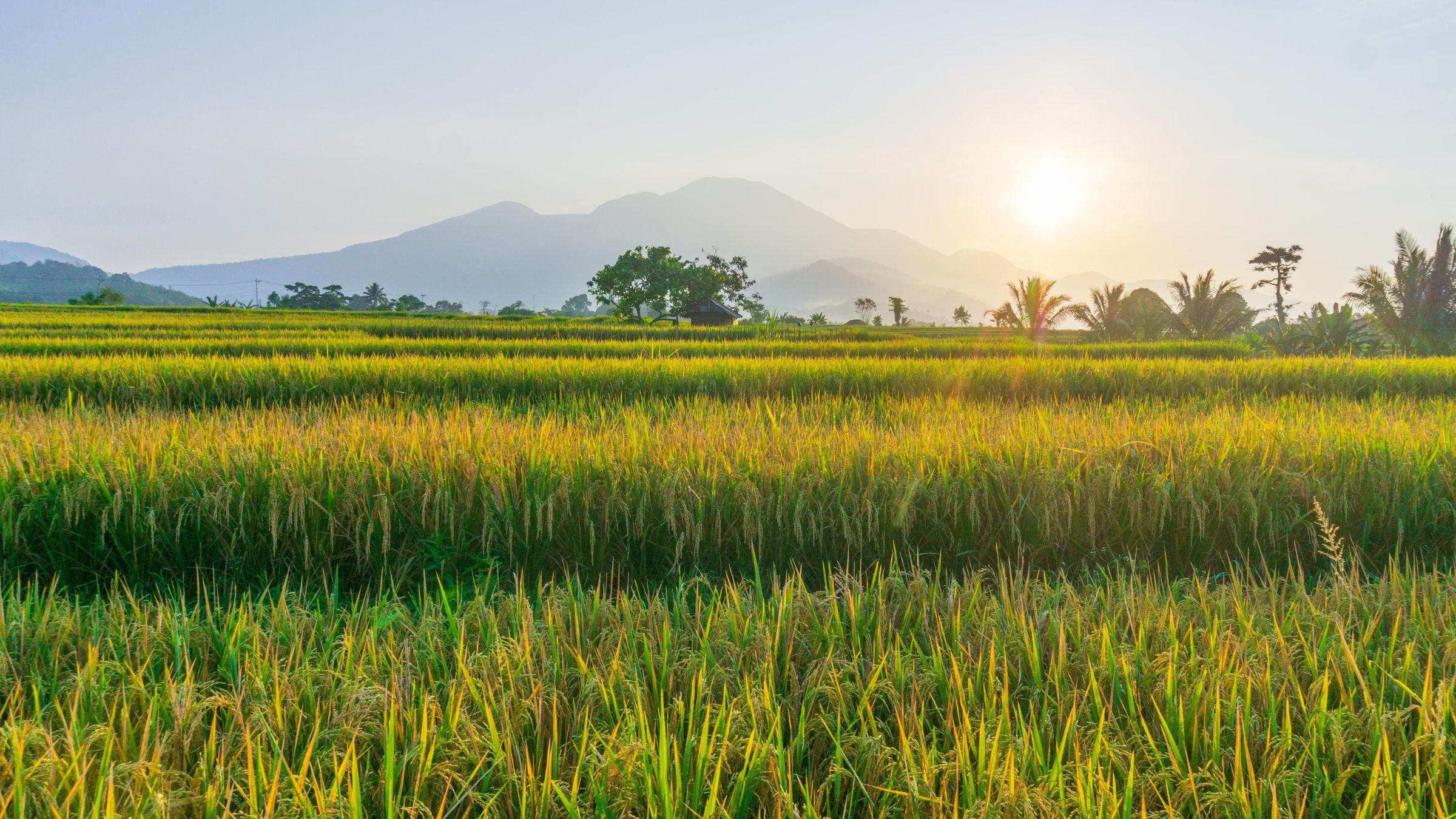
A guided cycling journey along South Korea's Four Rivers route, Seoul to Busan.
8 8 days LeisurelyThis eight-day ride follows South Korea's dedicated cycling infrastructure from central Seoul to the coast at Busan, covering river trails, market towns, and ceramic heritage sites along the way. The route uses the Four Rivers path — a well-maintained network purpose-built for long-distance cycling — with daily distances that offer real mileage without punishing climbs. A support vehicle carries luggage between stops, keeping each day's riding clean and unencumbered. The shape of the journey stays practical and clear from start to finish.
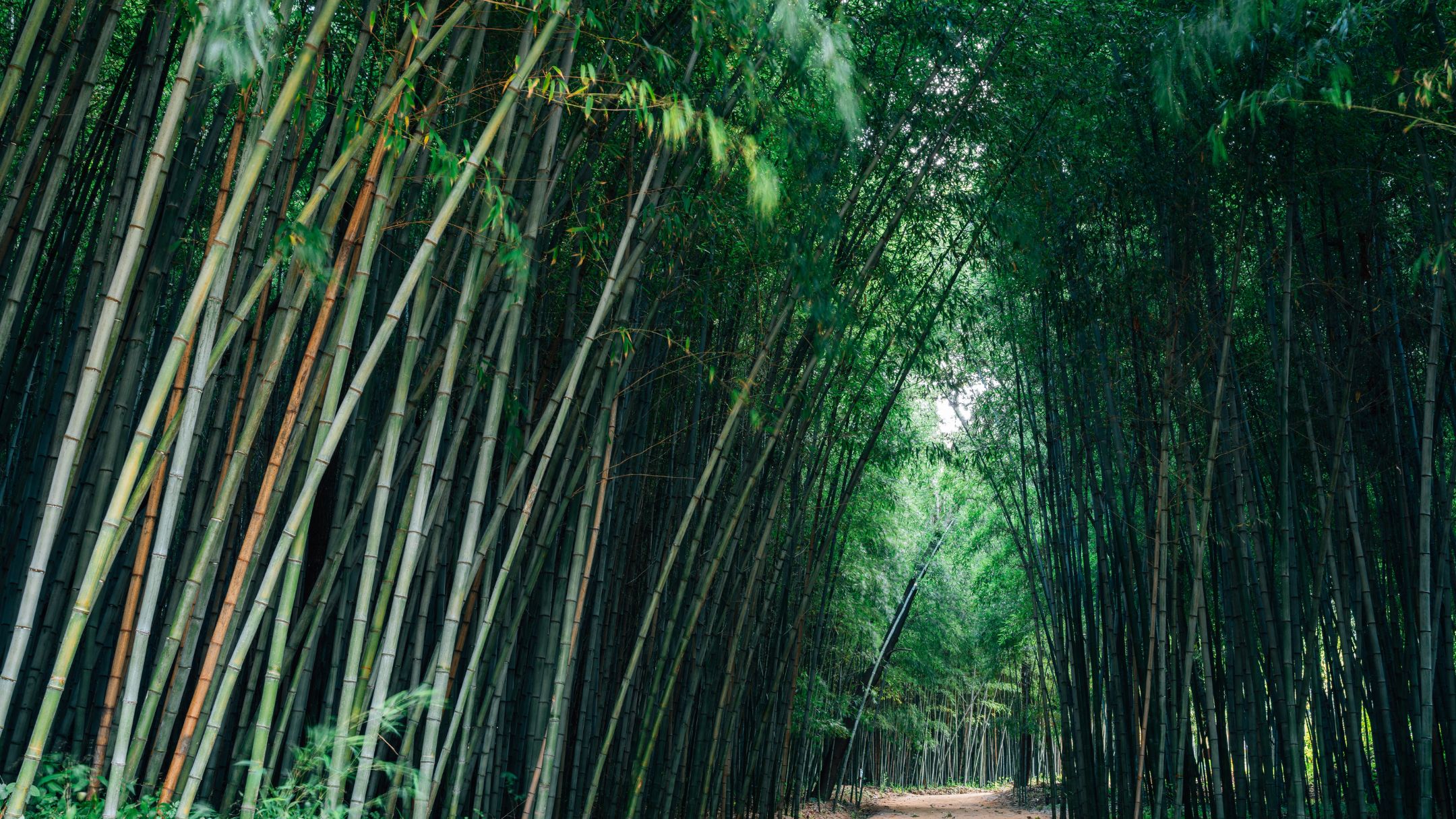
Private cycling journey from Seoul to Busan | West Coast
14 14 Days LeisurelySunset Road follows Korea's west coast by bicycle over 14 days, moving south from Seoul through ancient capitals, tidal flats, river valleys, and mountain passes before reaching Busan. The route passes through places rarely covered by standard Korea itineraries — Buyeo, Gunsan, Baekyangsa, Damyang — each with its own distinct character. A rest day mid-route includes a temple stay, and the pacing allows for sea kayaking, boat fishing, and hiking alongside the riding. The result is a long-form route with real physical substance and strong regional variety.
A private arc through Seoul to Seorak
7 7 Days Fairly EasyThis seven-day private journey moves from Seoul through the Baekje and Joseon heartlands, south to Busan, east through the Silla capital of Gyeongju, and back north via Andong and Mt. Seorak. The pace is full but considered — each day balances a significant historical site with something more sensory: a tea conversation with a monk, a walk through a living village, an early-morning fish market. It covers substantial ground without losing its sense of place. An English-speaking guide accompanies throughout, with hotel accommodation, most meals, and private transport included.
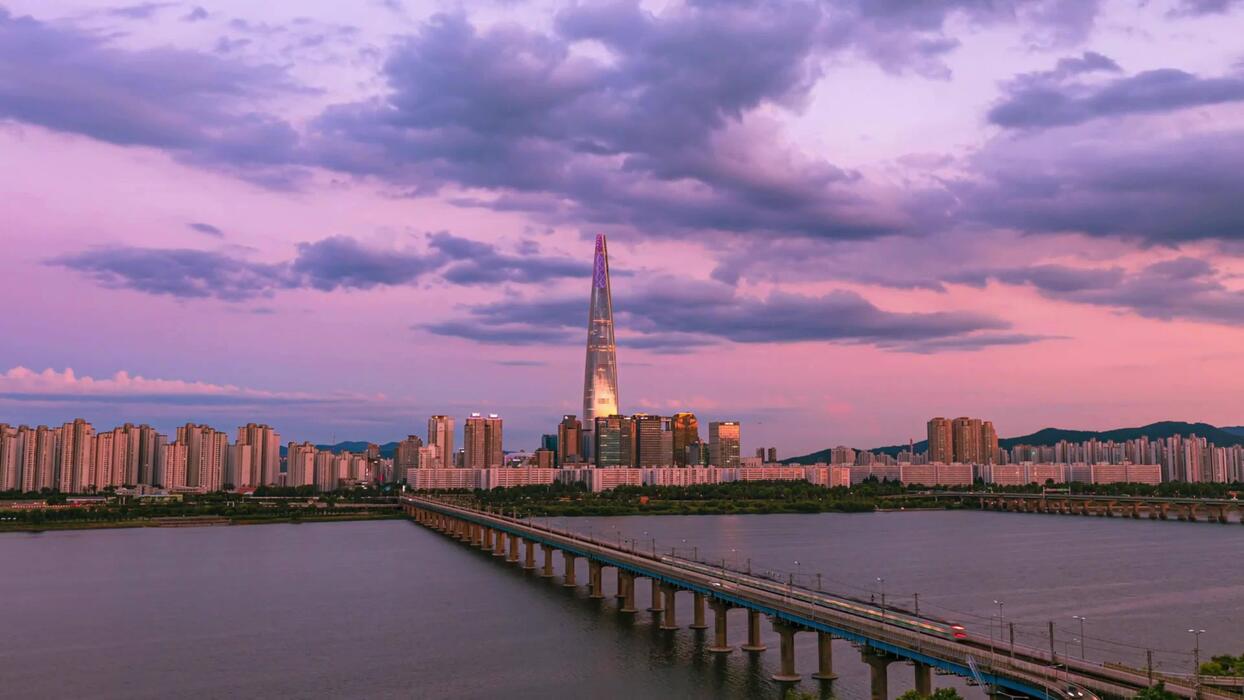
South Korea on Foot: Seoul to Jeonju
9 9 Days Fairly EasyThis nine-day journey moves south from Seoul through national parks, folk villages, and mountain trails, ending with a night in a traditional hanok in Jeonju. The pace combines full hiking days with quieter cultural stops — a temple stay on Bukhansan, the Ulsan Rock course in Seoraksan, and the canyon trails of Jirisan. Private transport and an English-speaking guide keep the route structured and practical while the walking remains at the centre of the experience.
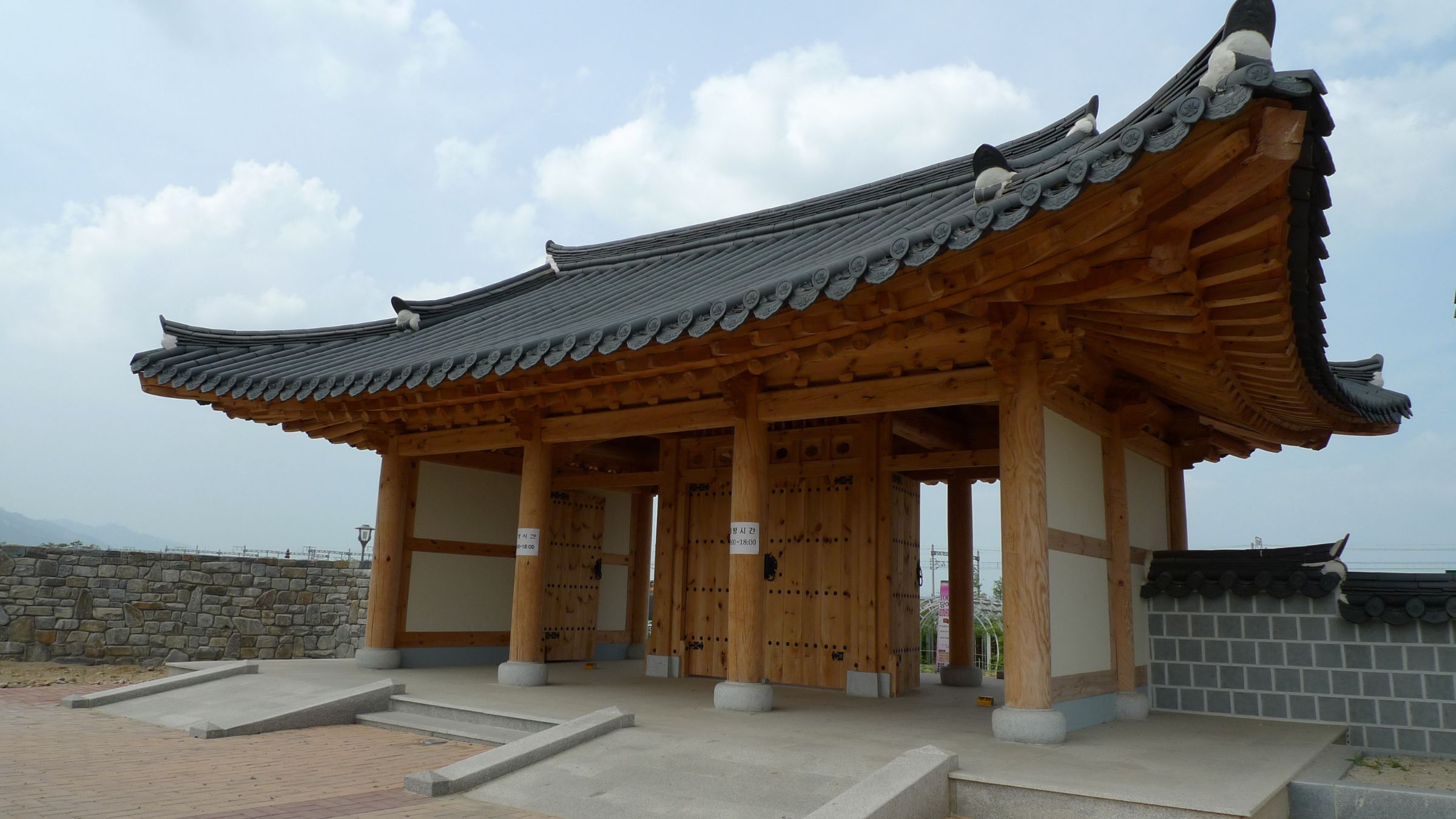
Sanmani Trail: Jirisan Dulegil | Private Walking Tour
10 10 Days ModerateThe Jirisan Dulegil follows the foothills of Jirisan — Korea's first national park and, for centuries, a place of refuge during war and hardship. Rather than ascending to the summit, the route traces the lower paths once walked by the Sanmani, traditional mountain foragers who moved between villages, valleys, and markets carrying medicinal herbs and forest goods. The journey ends at Hwagae Market, where those same paths converge in a living, working marketplace. It is a compact walk with cultural weight, shaped as much by the people who used these paths as by the landscape itself.
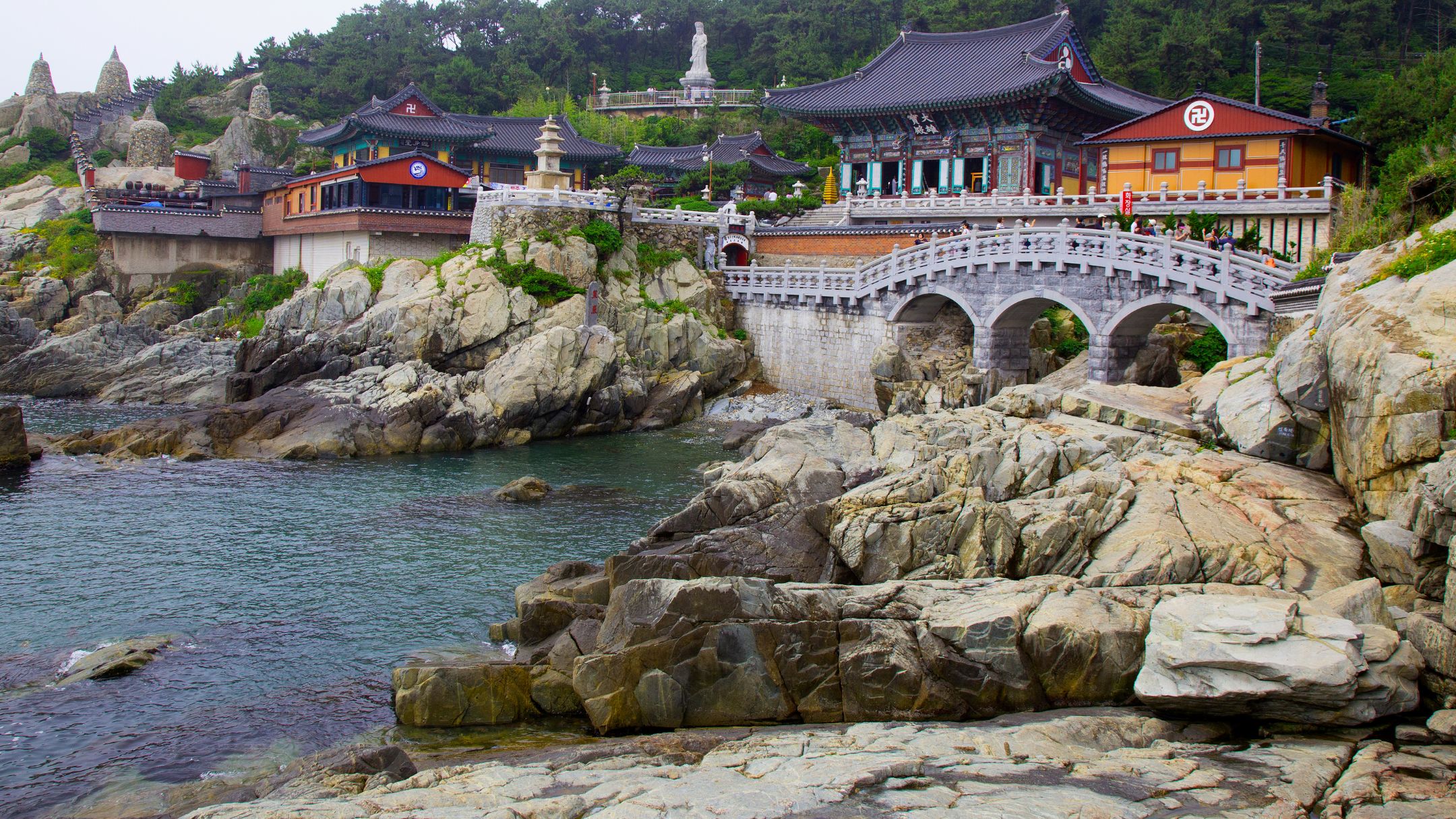
Four days on Jeju's coastal bike trail
4 4 days LeisurelyThis four-day ride follows Jeju Island's dedicated coastal bike path from Jeju City south to Seogwipo, east to Seongsan, and back — covering roughly 230 kilometres of paved trail along the island's shoreline. A half-day detour to Udo Island and a morning ascent of Seongsan Ilchulbong add variety without overloading the schedule. The pace is demanding but manageable, with support from a local guide team throughout and enough time built in for proper meals and recovery.
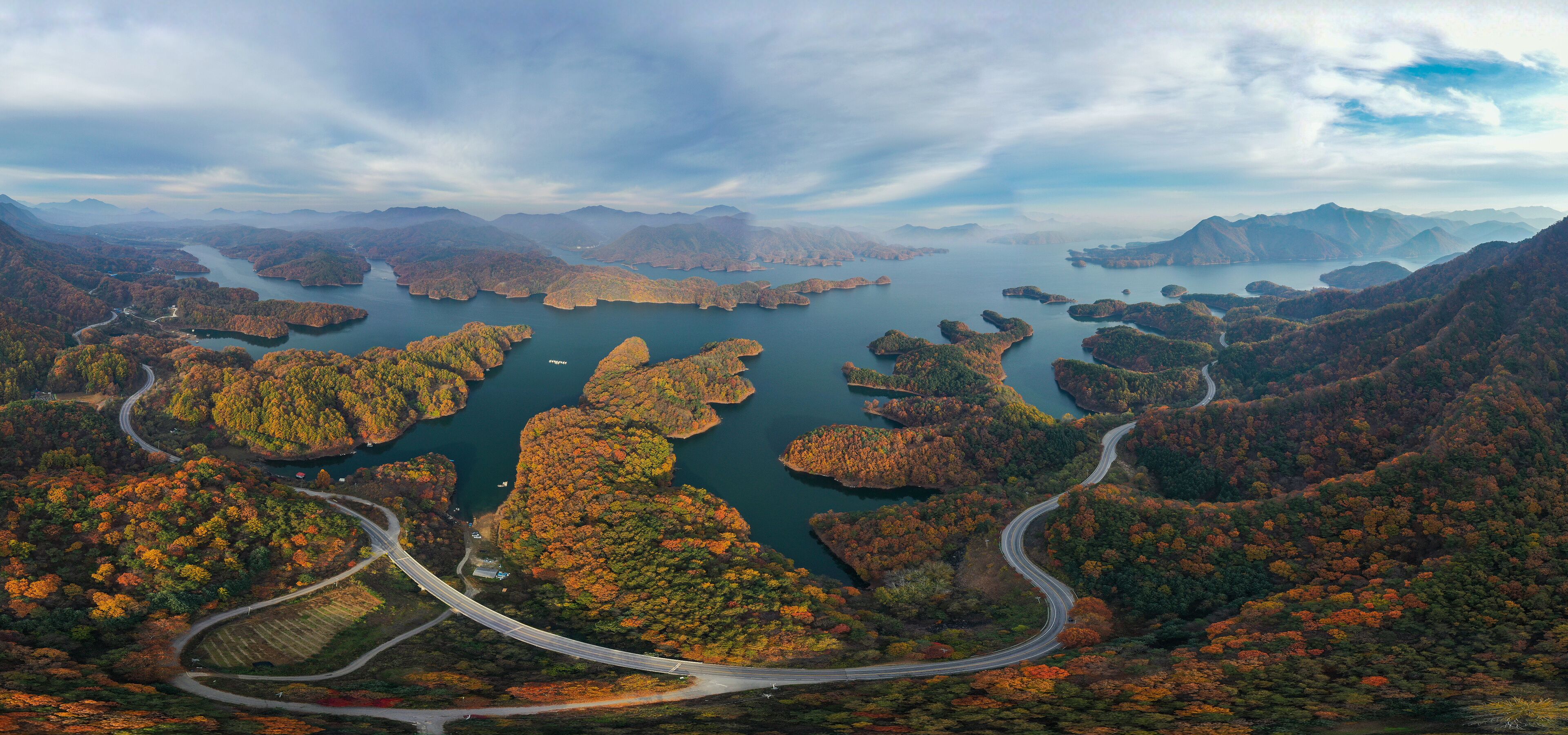
A private arc through South Korea | Seoul to Jeju
12 12 Days Fairly EasyThis twelve-day journey moves south through South Korea's most distinct landscapes and cities, from the density of Seoul to the volcanic coastline of Jeju. The route takes in the Demilitarized Zone, an overnight temple stay at Golgulsa, a cycling tour of Gyeongju's ancient tombs, and coastal Busan before a short domestic flight closes the distance to Jeju. English-speaking guides accompany the full journey, and the pacing leaves room for both movement and context.
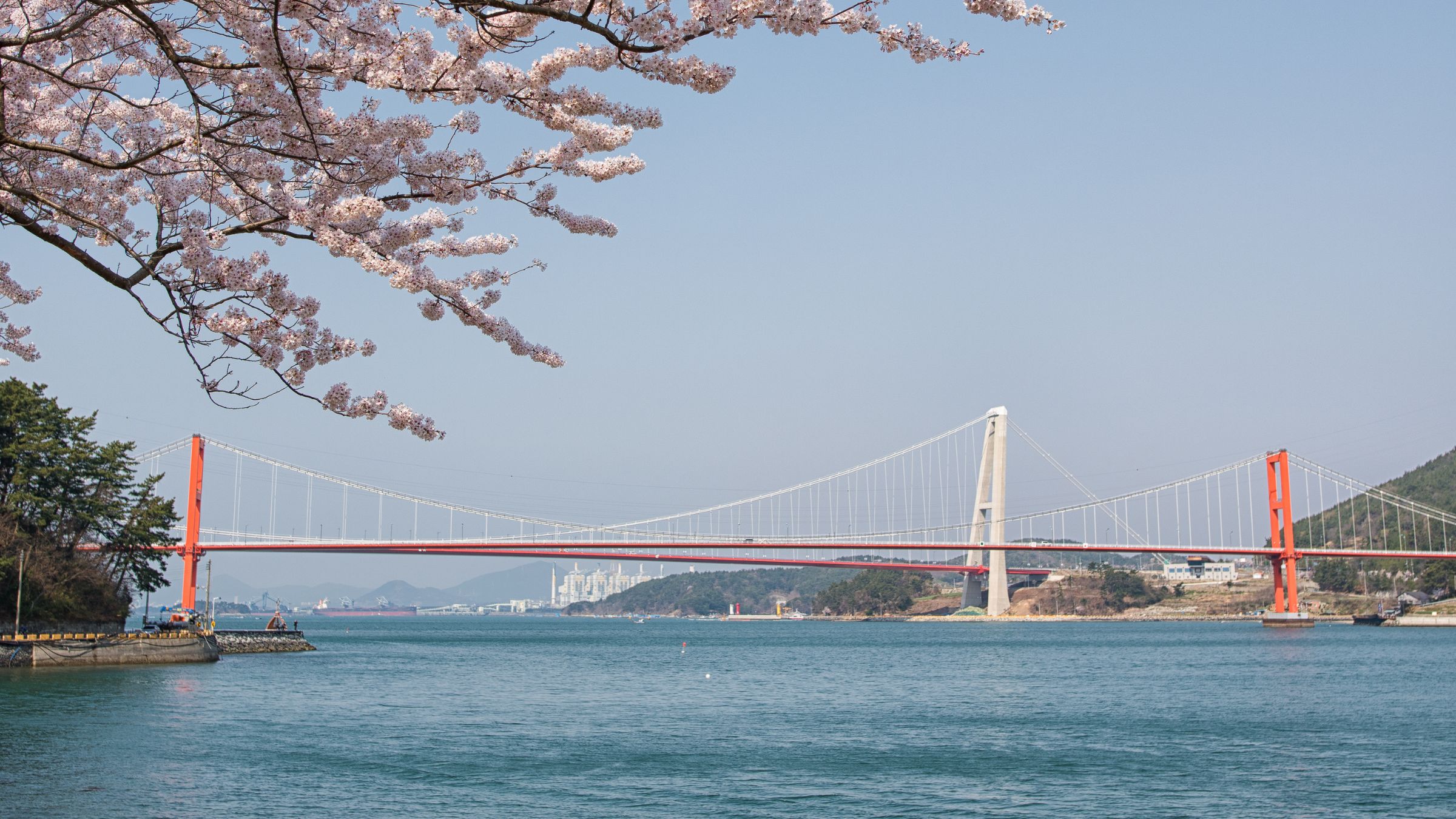
Namhae Island: Villages, Sea and Peaks
3 3 Days LeisurelyThis three-day trip moves between two distinct communities on Namhae Island — a coastal fishing village and a hillside farming settlement — with sea kayaking, a mountain ascent, and a night in each. The pace is unhurried but the days are full. Private transport from Seoul and a consistent guide keep the logistics clean, while the shape of the trip stays close to everyday life on the island.
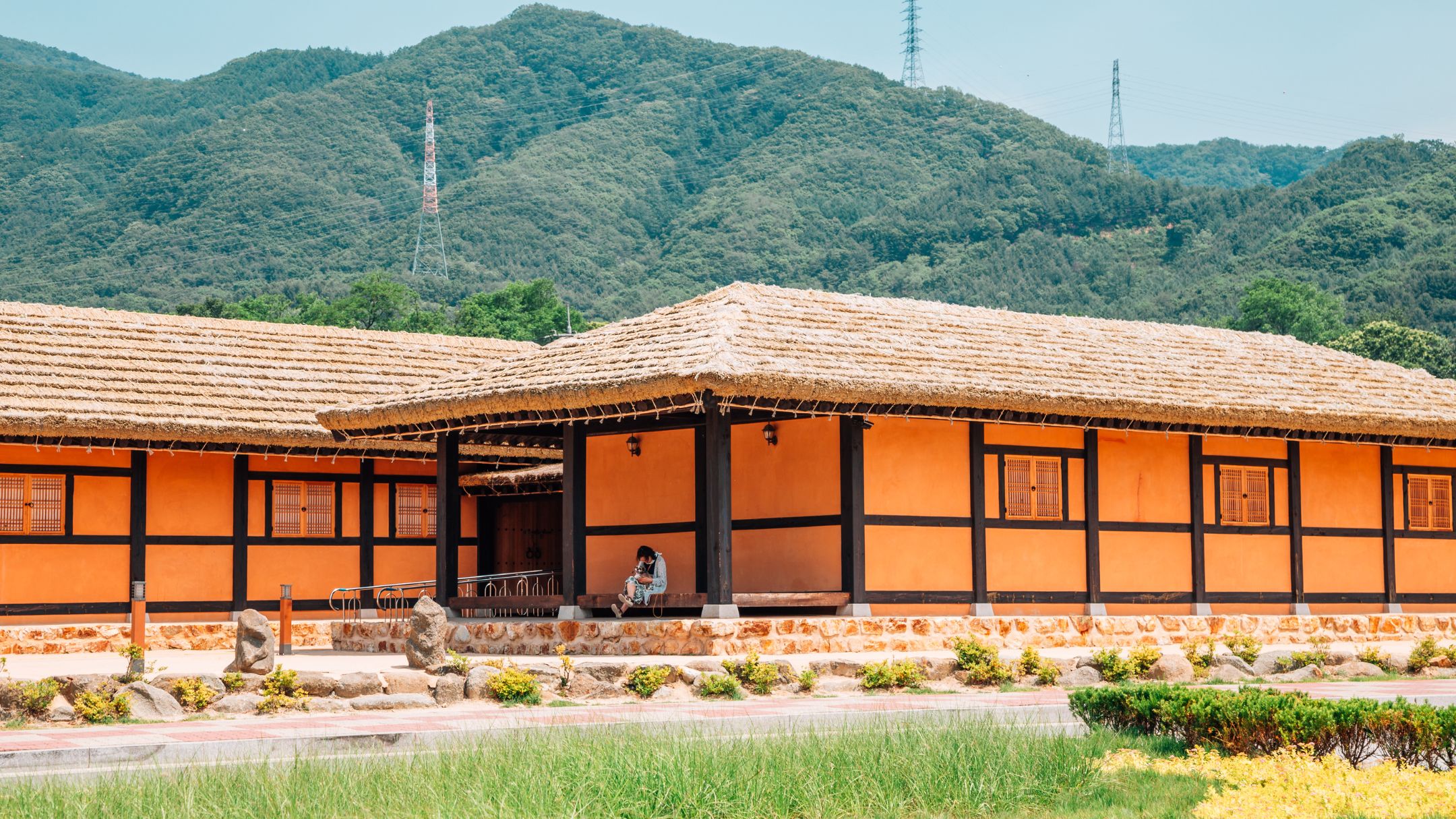
Korea Coast to Coast Cycling Tour
5 5 Days LeisurelyThis route crosses South Korea from Incheon on the west coast to Sokcho on the east, covering approximately 320 kilometres over five days. The ride moves through central Seoul, along the Bukhangang River, into the mountain province of Gangwon, and over the passes of Seoraksan before descending to the coast. It suits riders who want a structured physical challenge with genuine geographic logic — each day ends somewhere meaningfully different from where it began. A support vehicle carries luggage throughout, and local guides handle logistics at every stage.
Private cycling journey from Seoul to Busan | West Coast
14 14 Days LeisurelySunset Road follows Korea's west coast by bicycle over 14 days, moving south from Seoul through ancient capitals, tidal flats, river valleys, and mountain passes before reaching Busan. The route passes through places rarely covered by standard Korea itineraries — Buyeo, Gunsan, Baekyangsa, Damyang — each with its own distinct character. A rest day mid-route includes a temple stay, and the pacing allows for sea kayaking, boat fishing, and hiking alongside the riding. The result is a long-form route with real physical substance and strong regional variety.
Sanmani Trail: Jirisan Dulegil | Private Walking Tour
10 10 Days ModerateThe Jirisan Dulegil follows the foothills of Jirisan — Korea's first national park and, for centuries, a place of refuge during war and hardship. Rather than ascending to the summit, the route traces the lower paths once walked by the Sanmani, traditional mountain foragers who moved between villages, valleys, and markets carrying medicinal herbs and forest goods. The journey ends at Hwagae Market, where those same paths converge in a living, working marketplace. It is a compact walk with cultural weight, shaped as much by the people who used these paths as by the landscape itself.
A private cycling journey across South Korea's coast, countryside, and history.
9 9 Days ModerateNine days on two wheels from Seoul to Busan, covering coastal headlands, river valleys, pine forests, and the quieter edges of cities most visitors see only from a bus. The riding ranges from 15 to 55 kilometres per day — manageable for regularly active travellers, demanding enough to feel earned. Nights include a glamping stay outside Seoul, a coastal guesthouse in Sokcho, and hotels in Gyeongju and Busan. It is a route for travellers who prefer to cross a country under their own effort rather than see it through a windscreen.
A guided cycling journey along South Korea's Four Rivers route, Seoul to Busan.
8 8 days LeisurelyThis eight-day ride follows South Korea's dedicated cycling infrastructure from central Seoul to the coast at Busan, covering river trails, market towns, and ceramic heritage sites along the way. The route uses the Four Rivers path — a well-maintained network purpose-built for long-distance cycling — with daily distances that offer real mileage without punishing climbs. A support vehicle carries luggage between stops, keeping each day's riding clean and unencumbered. The shape of the journey stays practical and clear from start to finish.
A private arc through Seoul to Seorak
7 7 Days Fairly EasyThis seven-day private journey moves from Seoul through the Baekje and Joseon heartlands, south to Busan, east through the Silla capital of Gyeongju, and back north via Andong and Mt. Seorak. The pace is full but considered — each day balances a significant historical site with something more sensory: a tea conversation with a monk, a walk through a living village, an early-morning fish market. It covers substantial ground without losing its sense of place. An English-speaking guide accompanies throughout, with hotel accommodation, most meals, and private transport included.
South Korea on Foot: Seoul to Jeonju
9 9 Days Fairly EasyThis nine-day journey moves south from Seoul through national parks, folk villages, and mountain trails, ending with a night in a traditional hanok in Jeonju. The pace combines full hiking days with quieter cultural stops — a temple stay on Bukhansan, the Ulsan Rock course in Seoraksan, and the canyon trails of Jirisan. Private transport and an English-speaking guide keep the route structured and practical while the walking remains at the centre of the experience.
Sanmani Trail: Jirisan Dulegil | Private Walking Tour
10 10 Days ModerateThe Jirisan Dulegil follows the foothills of Jirisan — Korea's first national park and, for centuries, a place of refuge during war and hardship. Rather than ascending to the summit, the route traces the lower paths once walked by the Sanmani, traditional mountain foragers who moved between villages, valleys, and markets carrying medicinal herbs and forest goods. The journey ends at Hwagae Market, where those same paths converge in a living, working marketplace. It is a compact walk with cultural weight, shaped as much by the people who used these paths as by the landscape itself.
Four days on Jeju's coastal bike trail
4 4 days LeisurelyThis four-day ride follows Jeju Island's dedicated coastal bike path from Jeju City south to Seogwipo, east to Seongsan, and back — covering roughly 230 kilometres of paved trail along the island's shoreline. A half-day detour to Udo Island and a morning ascent of Seongsan Ilchulbong add variety without overloading the schedule. The pace is demanding but manageable, with support from a local guide team throughout and enough time built in for proper meals and recovery.
Namhae Island: Villages, Sea and Peaks
3 3 Days LeisurelyThis three-day trip moves between two distinct communities on Namhae Island — a coastal fishing village and a hillside farming settlement — with sea kayaking, a mountain ascent, and a night in each. The pace is unhurried but the days are full. Private transport from Seoul and a consistent guide keep the logistics clean, while the shape of the trip stays close to everyday life on the island.
Korea Coast to Coast Cycling Tour
5 5 Days LeisurelyThis route crosses South Korea from Incheon on the west coast to Sokcho on the east, covering approximately 320 kilometres over five days. The ride moves through central Seoul, along the Bukhangang River, into the mountain province of Gangwon, and over the passes of Seoraksan before descending to the coast. It suits riders who want a structured physical challenge with genuine geographic logic — each day ends somewhere meaningfully different from where it began. A support vehicle carries luggage throughout, and local guides handle logistics at every stage.
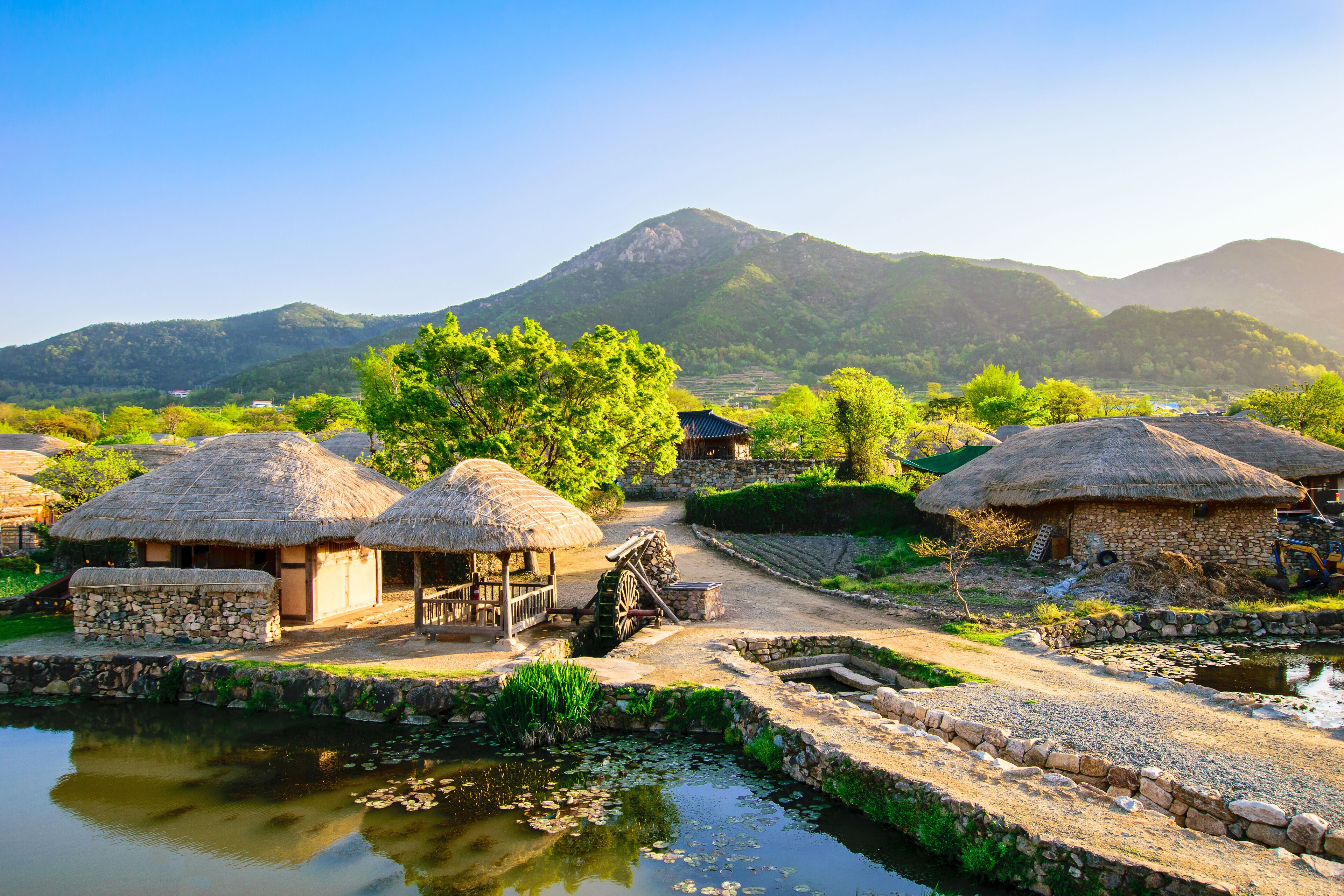
Rivers of Spring: Yeongsan to Seomjin | A private cycling journey
6 6 Days LeisurelyThis route traces two of South Korea's great southern rivers — Yeongsan and Seomjin — across 300 kilometres of farmland, bamboo forest, mountain tea country, and coastal wetlands. The pace is unhurried. Each day ends somewhere worth staying. It is a river journey built around landscape, food, and the slower character of the south.
A private cycling journey across South Korea's coast, countryside, and history.
9 9 Days ModerateNine days on two wheels from Seoul to Busan, covering coastal headlands, river valleys, pine forests, and the quieter edges of cities most visitors see only from a bus. The riding ranges from 15 to 55 kilometres per day — manageable for regularly active travellers, demanding enough to feel earned. Nights include a glamping stay outside Seoul, a coastal guesthouse in Sokcho, and hotels in Gyeongju and Busan. It is a route for travellers who prefer to cross a country under their own effort rather than see it through a windscreen.
A guided cycling journey along South Korea's Four Rivers route, Seoul to Busan.
8 8 days LeisurelyThis eight-day ride follows South Korea's dedicated cycling infrastructure from central Seoul to the coast at Busan, covering river trails, market towns, and ceramic heritage sites along the way. The route uses the Four Rivers path — a well-maintained network purpose-built for long-distance cycling — with daily distances that offer real mileage without punishing climbs. A support vehicle carries luggage between stops, keeping each day's riding clean and unencumbered. The shape of the journey stays practical and clear from start to finish.
Private cycling journey from Seoul to Busan | West Coast
14 14 Days LeisurelySunset Road follows Korea's west coast by bicycle over 14 days, moving south from Seoul through ancient capitals, tidal flats, river valleys, and mountain passes before reaching Busan. The route passes through places rarely covered by standard Korea itineraries — Buyeo, Gunsan, Baekyangsa, Damyang — each with its own distinct character. A rest day mid-route includes a temple stay, and the pacing allows for sea kayaking, boat fishing, and hiking alongside the riding. The result is a long-form route with real physical substance and strong regional variety.
A private arc through Seoul to Seorak
7 7 Days Fairly EasyThis seven-day private journey moves from Seoul through the Baekje and Joseon heartlands, south to Busan, east through the Silla capital of Gyeongju, and back north via Andong and Mt. Seorak. The pace is full but considered — each day balances a significant historical site with something more sensory: a tea conversation with a monk, a walk through a living village, an early-morning fish market. It covers substantial ground without losing its sense of place. An English-speaking guide accompanies throughout, with hotel accommodation, most meals, and private transport included.
South Korea on Foot: Seoul to Jeonju
9 9 Days Fairly EasyThis nine-day journey moves south from Seoul through national parks, folk villages, and mountain trails, ending with a night in a traditional hanok in Jeonju. The pace combines full hiking days with quieter cultural stops — a temple stay on Bukhansan, the Ulsan Rock course in Seoraksan, and the canyon trails of Jirisan. Private transport and an English-speaking guide keep the route structured and practical while the walking remains at the centre of the experience.
Sanmani Trail: Jirisan Dulegil | Private Walking Tour
10 10 Days ModerateThe Jirisan Dulegil follows the foothills of Jirisan — Korea's first national park and, for centuries, a place of refuge during war and hardship. Rather than ascending to the summit, the route traces the lower paths once walked by the Sanmani, traditional mountain foragers who moved between villages, valleys, and markets carrying medicinal herbs and forest goods. The journey ends at Hwagae Market, where those same paths converge in a living, working marketplace. It is a compact walk with cultural weight, shaped as much by the people who used these paths as by the landscape itself.
Four days on Jeju's coastal bike trail
4 4 days LeisurelyThis four-day ride follows Jeju Island's dedicated coastal bike path from Jeju City south to Seogwipo, east to Seongsan, and back — covering roughly 230 kilometres of paved trail along the island's shoreline. A half-day detour to Udo Island and a morning ascent of Seongsan Ilchulbong add variety without overloading the schedule. The pace is demanding but manageable, with support from a local guide team throughout and enough time built in for proper meals and recovery.
A private arc through South Korea | Seoul to Jeju
12 12 Days Fairly EasyThis twelve-day journey moves south through South Korea's most distinct landscapes and cities, from the density of Seoul to the volcanic coastline of Jeju. The route takes in the Demilitarized Zone, an overnight temple stay at Golgulsa, a cycling tour of Gyeongju's ancient tombs, and coastal Busan before a short domestic flight closes the distance to Jeju. English-speaking guides accompany the full journey, and the pacing leaves room for both movement and context.
Namhae Island: Villages, Sea and Peaks
3 3 Days LeisurelyThis three-day trip moves between two distinct communities on Namhae Island — a coastal fishing village and a hillside farming settlement — with sea kayaking, a mountain ascent, and a night in each. The pace is unhurried but the days are full. Private transport from Seoul and a consistent guide keep the logistics clean, while the shape of the trip stays close to everyday life on the island.
Korea Coast to Coast Cycling Tour
5 5 Days LeisurelyThis route crosses South Korea from Incheon on the west coast to Sokcho on the east, covering approximately 320 kilometres over five days. The ride moves through central Seoul, along the Bukhangang River, into the mountain province of Gangwon, and over the passes of Seoraksan before descending to the coast. It suits riders who want a structured physical challenge with genuine geographic logic — each day ends somewhere meaningfully different from where it began. A support vehicle carries luggage throughout, and local guides handle logistics at every stage.
Rivers of Spring: Yeongsan to Seomjin | A private cycling journey
6 6 Days LeisurelyThis route traces two of South Korea's great southern rivers — Yeongsan and Seomjin — across 300 kilometres of farmland, bamboo forest, mountain tea country, and coastal wetlands. The pace is unhurried. Each day ends somewhere worth staying. It is a river journey built around landscape, food, and the slower character of the south.
Private cycling journey from Seoul to Busan | West Coast
14 14 Days LeisurelySunset Road follows Korea's west coast by bicycle over 14 days, moving south from Seoul through ancient capitals, tidal flats, river valleys, and mountain passes before reaching Busan. The route passes through places rarely covered by standard Korea itineraries — Buyeo, Gunsan, Baekyangsa, Damyang — each with its own distinct character. A rest day mid-route includes a temple stay, and the pacing allows for sea kayaking, boat fishing, and hiking alongside the riding. The result is a long-form route with real physical substance and strong regional variety.
Sanmani Trail: Jirisan Dulegil | Private Walking Tour
10 10 Days ModerateThe Jirisan Dulegil follows the foothills of Jirisan — Korea's first national park and, for centuries, a place of refuge during war and hardship. Rather than ascending to the summit, the route traces the lower paths once walked by the Sanmani, traditional mountain foragers who moved between villages, valleys, and markets carrying medicinal herbs and forest goods. The journey ends at Hwagae Market, where those same paths converge in a living, working marketplace. It is a compact walk with cultural weight, shaped as much by the people who used these paths as by the landscape itself.
A private cycling journey across South Korea's coast, countryside, and history.
9 9 Days ModerateNine days on two wheels from Seoul to Busan, covering coastal headlands, river valleys, pine forests, and the quieter edges of cities most visitors see only from a bus. The riding ranges from 15 to 55 kilometres per day — manageable for regularly active travellers, demanding enough to feel earned. Nights include a glamping stay outside Seoul, a coastal guesthouse in Sokcho, and hotels in Gyeongju and Busan. It is a route for travellers who prefer to cross a country under their own effort rather than see it through a windscreen.
A guided cycling journey along South Korea's Four Rivers route, Seoul to Busan.
8 8 days LeisurelyThis eight-day ride follows South Korea's dedicated cycling infrastructure from central Seoul to the coast at Busan, covering river trails, market towns, and ceramic heritage sites along the way. The route uses the Four Rivers path — a well-maintained network purpose-built for long-distance cycling — with daily distances that offer real mileage without punishing climbs. A support vehicle carries luggage between stops, keeping each day's riding clean and unencumbered. The shape of the journey stays practical and clear from start to finish.
A private arc through Seoul to Seorak
7 7 Days Fairly EasyThis seven-day private journey moves from Seoul through the Baekje and Joseon heartlands, south to Busan, east through the Silla capital of Gyeongju, and back north via Andong and Mt. Seorak. The pace is full but considered — each day balances a significant historical site with something more sensory: a tea conversation with a monk, a walk through a living village, an early-morning fish market. It covers substantial ground without losing its sense of place. An English-speaking guide accompanies throughout, with hotel accommodation, most meals, and private transport included.
South Korea on Foot: Seoul to Jeonju
9 9 Days Fairly EasyThis nine-day journey moves south from Seoul through national parks, folk villages, and mountain trails, ending with a night in a traditional hanok in Jeonju. The pace combines full hiking days with quieter cultural stops — a temple stay on Bukhansan, the Ulsan Rock course in Seoraksan, and the canyon trails of Jirisan. Private transport and an English-speaking guide keep the route structured and practical while the walking remains at the centre of the experience.
Sanmani Trail: Jirisan Dulegil | Private Walking Tour
10 10 Days ModerateThe Jirisan Dulegil follows the foothills of Jirisan — Korea's first national park and, for centuries, a place of refuge during war and hardship. Rather than ascending to the summit, the route traces the lower paths once walked by the Sanmani, traditional mountain foragers who moved between villages, valleys, and markets carrying medicinal herbs and forest goods. The journey ends at Hwagae Market, where those same paths converge in a living, working marketplace. It is a compact walk with cultural weight, shaped as much by the people who used these paths as by the landscape itself.
Four days on Jeju's coastal bike trail
4 4 days LeisurelyThis four-day ride follows Jeju Island's dedicated coastal bike path from Jeju City south to Seogwipo, east to Seongsan, and back — covering roughly 230 kilometres of paved trail along the island's shoreline. A half-day detour to Udo Island and a morning ascent of Seongsan Ilchulbong add variety without overloading the schedule. The pace is demanding but manageable, with support from a local guide team throughout and enough time built in for proper meals and recovery.
Namhae Island: Villages, Sea and Peaks
3 3 Days LeisurelyThis three-day trip moves between two distinct communities on Namhae Island — a coastal fishing village and a hillside farming settlement — with sea kayaking, a mountain ascent, and a night in each. The pace is unhurried but the days are full. Private transport from Seoul and a consistent guide keep the logistics clean, while the shape of the trip stays close to everyday life on the island.
Korea Coast to Coast Cycling Tour
5 5 Days LeisurelyThis route crosses South Korea from Incheon on the west coast to Sokcho on the east, covering approximately 320 kilometres over five days. The ride moves through central Seoul, along the Bukhangang River, into the mountain province of Gangwon, and over the passes of Seoraksan before descending to the coast. It suits riders who want a structured physical challenge with genuine geographic logic — each day ends somewhere meaningfully different from where it began. A support vehicle carries luggage throughout, and local guides handle logistics at every stage.
Rivers of Spring: Yeongsan to Seomjin | A private cycling journey
6 6 Days LeisurelyThis route traces two of South Korea's great southern rivers — Yeongsan and Seomjin — across 300 kilometres of farmland, bamboo forest, mountain tea country, and coastal wetlands. The pace is unhurried. Each day ends somewhere worth staying. It is a river journey built around landscape, food, and the slower character of the south.
A guided cycling journey along South Korea's Four Rivers route, Seoul to Busan.
8 8 daysThis eight-day ride follows South Korea's dedicated cycling infrastructure from central Seoul to the coast at Busan, covering river trails, market towns, and ceramic heritage sites along the way. The route uses the Four Rivers path — a well-maintained network purpose-built for long-distance cycling — with daily distances that offer real mileage without punishing climbs. A support vehicle carries luggage between stops, keeping each day's riding clean and unencumbered. The shape of the journey stays practical and clear from start to finish.
A guided cycling journey along South Korea's Four Rivers route, Seoul to Busan.
8 8 daysThis eight-day ride follows South Korea's dedicated cycling infrastructure from central Seoul to the coast at Busan, covering river trails, market towns, and ceramic heritage sites along the way. The route uses the Four Rivers path — a well-maintained network purpose-built for long-distance cycling — with daily distances that offer real mileage without punishing climbs. A support vehicle carries luggage between stops, keeping each day's riding clean and unencumbered. The shape of the journey stays practical and clear from start to finish.

Thank you
Your enquiry has been submitted and you will be contected by our sales staff shortly