A private arc through South Korea | Seoul to Jeju
Summary
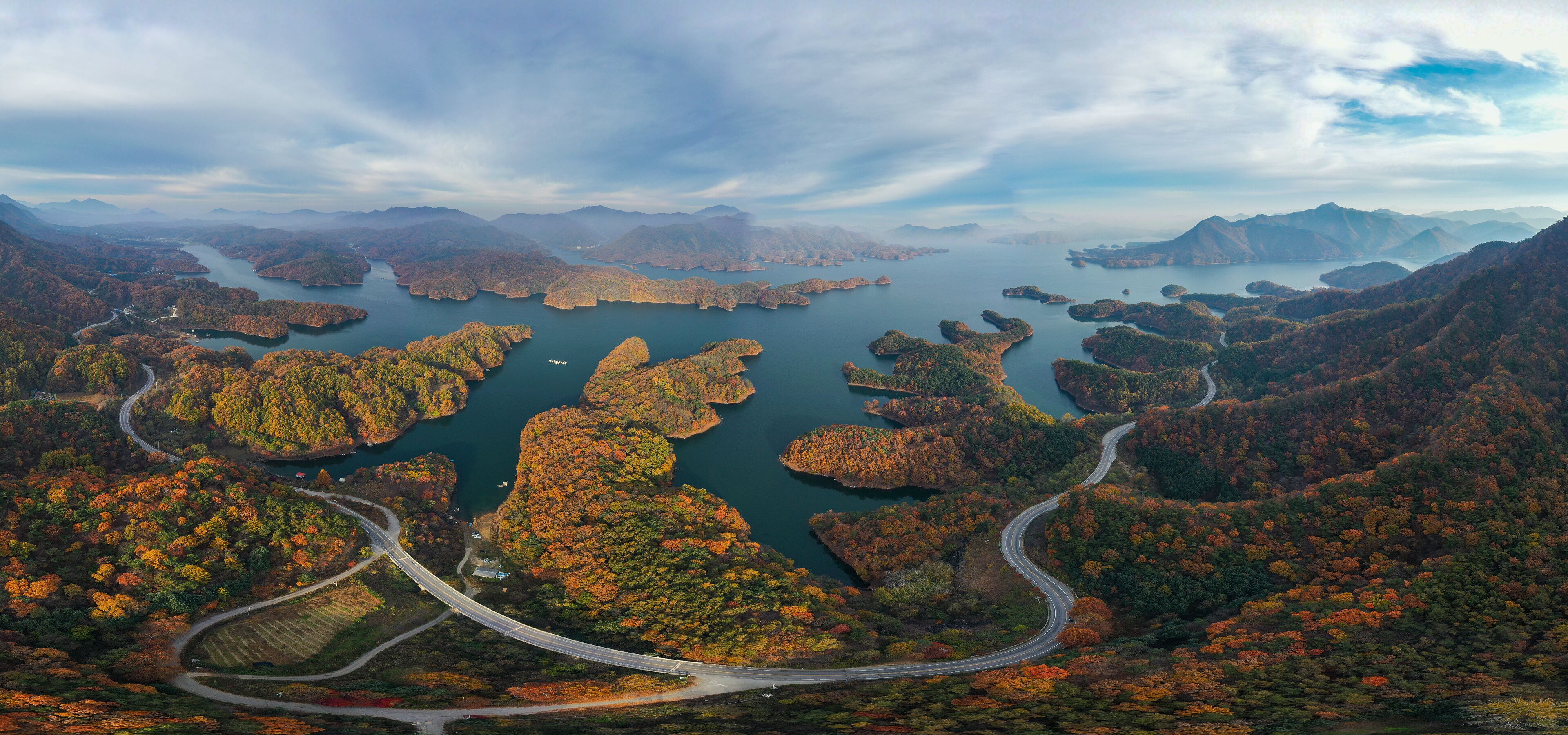
This twelve-day journey moves south through South Korea's most distinct landscapes and cities, from the density of Seoul to the volcanic coastline of Jeju. The route takes in the Demilitarized Zone, an overnight temple stay at Golgulsa, a cycling tour of Gyeongju's ancient tombs, and coastal Busan before a short domestic flight closes the distance to Jeju. English-speaking guides accompany the full journey, and the pacing leaves room for both movement and context.
Highlights
- Standing at Dora Observatory, looking north into North Korea through fixed binoculars
- Descending into the 3rd Tunnel — 170 metres from the North Korean border
- An overnight at Golgulsa Temple: evening chanting, ondol-heated floor rooms, and a pre-dawn meditation session with the monks
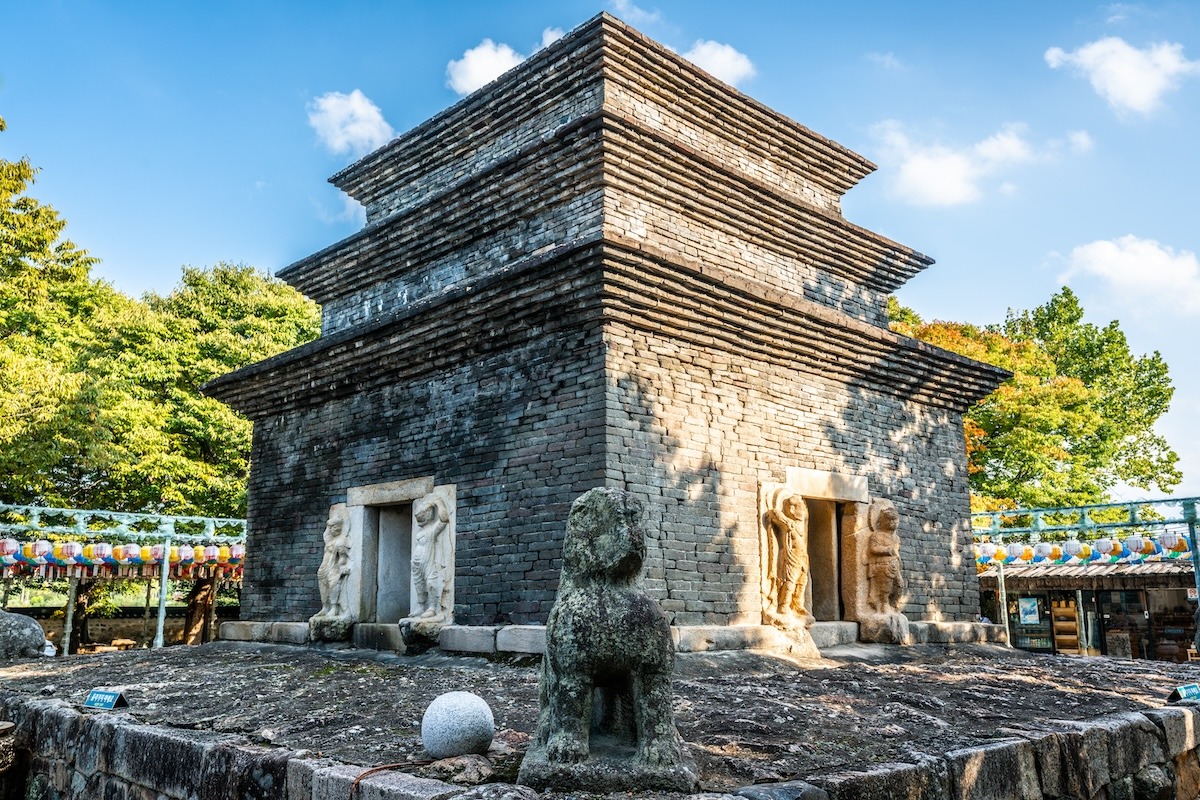
- Cycling flat roads past the Daereungwon royal tombs and Cheomseongdae observatory in Gyeongju at dusk
- Haedong Yonggungsa Temple rising directly from the shoreline north of Busan
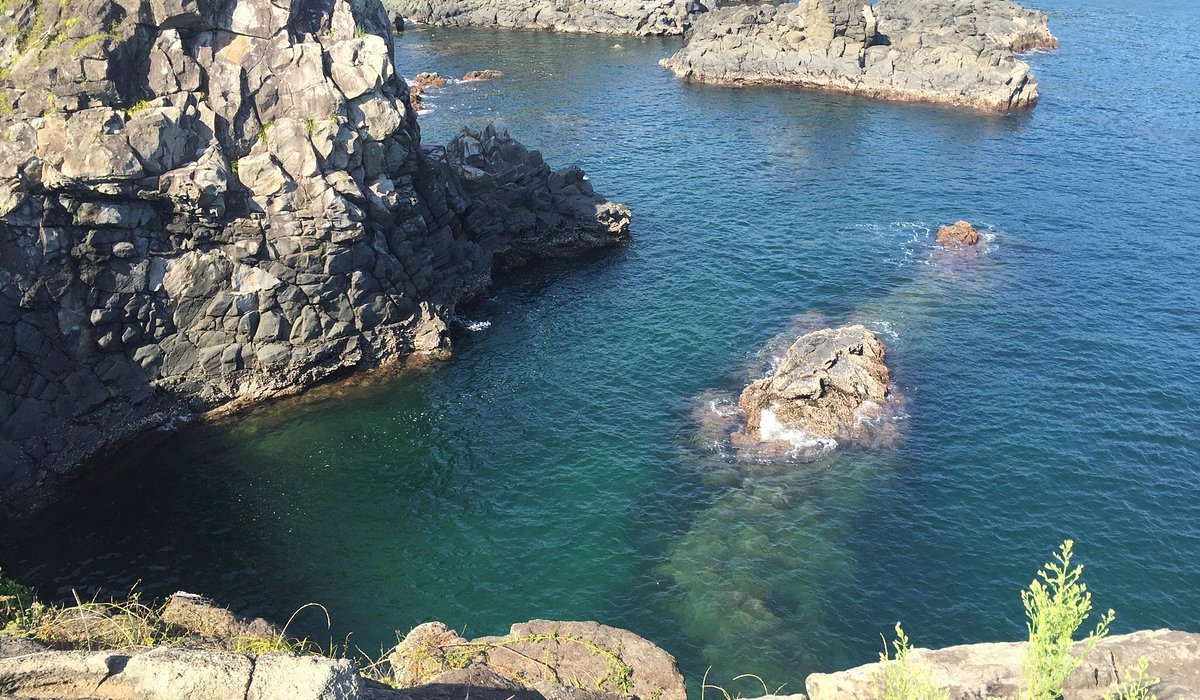
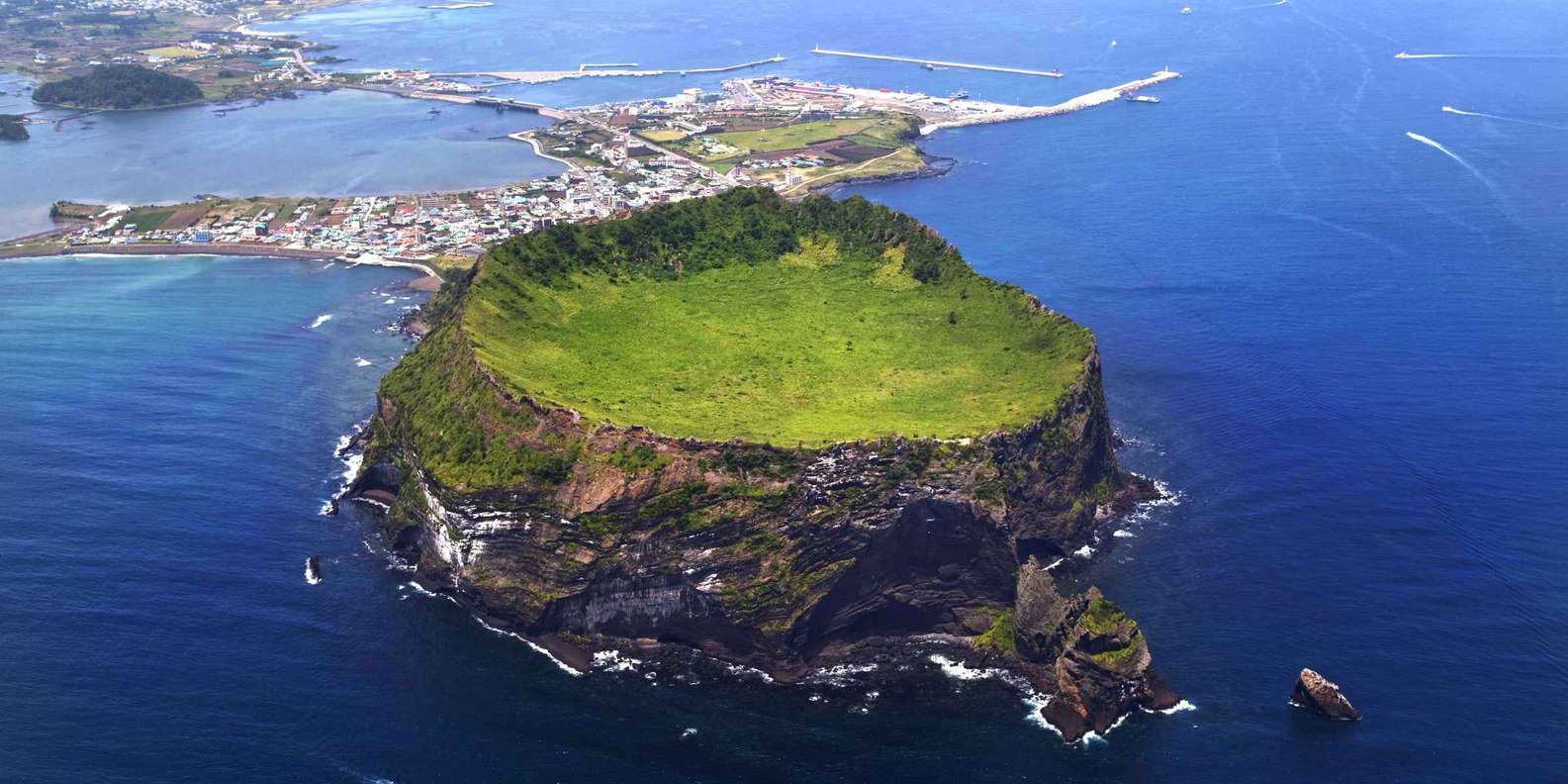
- The climb to the crater rim of Seongsan Ilchulbong, with the sea on three sides
What is included in this tour?
Items that are included in the cost of tour price.- Meals
- Farewell BBQ dinner on Jeju Island.
- Accommodation
- English-speaking tour leaders throughout the trip.
- All internal transport.
- Domestic flight from Busan to Jeju Island.
What is not included in this tour?
Items that are not included in the cost of tour price.- International flights to and from the tour are not included.
- Insurance
- Arrival and departure airport transfers are not included (except one scheduled 08:30 transfer on Day 12 if you book the Jeju–Seoul flight with the tour).
- Meals not indicated in the itinerary.
- Drinks, snacks, tips, laundry and other personal expenses.
- Optional Activities
Day by day Itinerary
Day 1
Taekwondo, then Seoul by nightArrivals are followed by a 2pm meeting with your guide in the Myeongdong area — a practical introduction to the days ahead rather than a formality. The group then heads to an introductory Taekwondo class, approximately ninety minutes, held at an authentic training location with a professional instructor. No prior experience is required. Afterwards, dinner is available at a local Myeongdong restaurant, optional but recommended as a first encounter with Korean cuisine. The evening closes with a cable car ride up Namsan Mountain, where Seoul's grid spreads out below, and a short walk to the base of N Seoul Tower — a known gathering spot where padlocks are fixed to the railings. The cable car returns around 10pm, and the group travels back by public transport to the Hongdae district, where accommodation is based.
Day 2
Gyeongbokgung Palace, free afternoonThe day begins early with a metro journey to Gyeongbokgung Palace, timed to coincide with the Royal Guard Changing Ceremony. A hanbok rental store near the entrance offers traditional dress from KRW 15,000 before you enter the palace grounds. Exploration inside is independent, though palace guides run English-language tours from 11am for those who want context. The afternoon is unstructured. Reasonable options include Bukchon Hanok Village — a preserved cluster of traditional courtyard houses a short walk from the palace — Insadong's gallery street, or a cycle along the Han River. Your guide will advise on logistics and current conditions. Breakfast is included.
Day 3
The Demilitarized Zone, K-pop classWe depart Seoul by bus for the one-hour journey north to Imjingak, near the Demilitarized Zone — a practical stop for breakfast before continuing into the restricted area. Dorasan Station follows: the northernmost rail terminus in South Korea, originally built with reunification in mind. A souvenir platform ticket is available for KRW 1,000. Dora Observatory offers a direct view north into the nearest North Korean settlements, best seen through the mounted binoculars on the viewing platform. The group then descends into the 3rd Tunnel, excavated from the north and reaching to within 170 metres of the border. The return bus to Seoul carries, on occasion, a North Korean defector available for conversation — an understated addition that tends to reframe what the morning has covered. Back in Seoul, a K-pop dance class runs for approximately ninety minutes; no experience is required. Breakfast is included.
Day 4
Seoraksan National Park, SokchoWe leave Seoul and travels northeast to Seoraksan National Park, arriving in late morning with several hours for independent hiking. Trail options range from a twenty-minute walk from the upper cable car station to a four-hour return route to Ulsanbawi Rock with open views across the park. The cable car itself carries an additional fee of KRW 13,000. In the afternoon, the route continues into Sokcho town, where the Gatbae boat crosses to Abai Village — a small settlement that housed North Korean refugees following the war. Those who continue on foot from the village reach a lighthouse observatory with views back across the East Sea and the Seoraksan ridge. The evening includes an optional group dinner near the local fish market; the area is known for its fried chicken, and Manseok is a longstanding local address worth noting. The night closes with a traditional Korean liquor tasting at the guesthouse, for those aged nineteen and over.
Day 5
Drive south, temple arrival at GolgulsaThe morning drive heads south toward Gyeongju, with a stop at Jumunjin Beach — a stretch of coastline on the east coast associated with a BTS music video, brief but worth the pause. The group continues to Golgulsa Temple, where an overnight temple stay begins on arrival. The afternoon follows the temple's own schedule: an orientation to temple etiquette, a seated meditation session, communal work in the grounds, and Sunmudo training — a form of Buddhist martial practice taught by the resident monks. A traditional vegetarian dinner of rice, vegetables, and seasonal sides is served communally. Overnight accommodation reflects the monastic setting: ondol-heated floor rooms with simple bedding. Dinner is included.
Day 6
Morning chanting, cycling GyeongjuThe day opens before dawn for the monks' morning chanting and meditation session — attendance is expected as part of the temple stay. A vegan breakfast follows. After checking into the Gyeongju hostel in the afternoon, the group heads out by bicycle for a forty-five-minute circuit on flat roads through the old city. The route passes Cheonmachong Tomb, one of the burial mounds within the Daereungwon complex at Tumuli Park, and continues to Cheomseongdae — among the oldest surviving astronomical observatories in East Asia. Those who prefer to continue exploring independently by bike or on foot are free to do so. For dinner, Dosol Maeul serves traditional Korean set meals in an unassuming setting and is worth seeking out. Anapji — the reconstructed Donggung Palace and Wolji Pond — is well lit after dark and worth a visit for the reflection views; entrance is KRW 3,000. Breakfast is included.
Day 7
Bullet train to Busan, Gamcheon, SongdoWe transfer to Shin-Gyeongju Station for the bullet train south to Busan. On arrival, the first stop is Gamcheon Culture Village — a hillside neighbourhood of painted narrow-lane houses above the port, well suited to an unhurried lunch and a walk. The afternoon moves to Songdo Beach and the Songdo Marine Cable Car, which spans the coastline; the glass-floored cabin carries an additional fee of KRW 5,000. The group then walks to BIFF Square in Nampo-dong, a street-level entertainment district where Busan-style hotteok — sweet pan-fried pastry — is available from street vendors. The evening transfer brings the group to the Haeundae area, where accommodation is based. Breakfast is included.
Day 8
Haedong Yonggungsa, jjimjilbang afternoonThe morning begins with a bus journey north along the coast to Haedong Yonggungsa Temple, which sits directly on the shoreline — an unusual placement for a Korean Buddhist temple and one that distinguishes it architecturally from the country's hill-sited alternatives. The afternoon is free, with the option of a jjimjilbang visit — a Korean bathhouse with gender-segregated wet areas, shared communal rooms, and various heat chambers. Your guide will recommend a nearby facility and brief the group on customs, dress code, locker use, and what to expect. Budget approximately KRW 20,000 for entry, with additional cost for massage or specialist rooms. The evening offers an optional harbour boat trip with views of Haeundae and Gwangan Bridge at night. Noraebang — private karaoke rooms — is a reasonable way to close the evening; expect around KRW 100,000 per room, including snacks.
Day 9
Free morning, flight to JejuThe morning is unstructured in Busan. Haeundae Beach is a short walk from the accommodation. For those who prefer activity, the 4.7-kilometre Igidae Coastal Walk traces the cliffs south of the beach and is one of the more considered ways to spend a final Busan morning. The Haeundae Blueline Park runs a coastal rail pod through the area as an alternative. Luggage can be stored at the hostel during the day. In the afternoon, the group transfers to Gimhae International Airport for the short domestic flight to Jeju Island. On arrival, the group settles into accommodation in Jeju City. The Olle Maeil Market is a reasonable first evening option — a covered market with local food stalls and a neighbourhood feel that gives an early read on the island's character.
Day 10
Jeongbang Waterfall, Seongsan IlchulbongThe day begins at Jeongbang Waterfall on Jeju's south coast — a broad fall that drops directly into the ocean rather than a river pool, uncommon in its form. From there, the group joins a section of the Jeju Olle Trail, a coastal walking route that circuits the island in segments. The main effort of the day is the climb to the summit of Seongsan Ilchulbong, a volcanic tuff cone rising from the eastern tip of the island and listed as a UNESCO World Heritage Site. The crater is broad and grassed; the sea is visible on three sides from the rim. The afternoon is free. Jungmun Beach, Cheonjiyeon Waterfall, and the Seogwipo Maritime Park with its Saeyeongyo Bridge are all within reach, and your guide will be available for logistics and advice.
Day 11
Yacht trip, farewell dinnerThe morning is spent on an included yacht trip off the Jeju coast — a few hours on open water before returning to the hotel by early afternoon. The remainder of the day is free: time on the beach, a last walk through the city, or simple rest. The evening closes with a farewell BBQ dinner, held by the water. Note that on occasion the farewell dinner is moved to the evening of Day 10, depending on conditions. Dinner is included.
Day 12
Departure from JejuThe tour ends at the hotel this morning. A transfer to Jeju International Airport is included at 8:30am for those who have booked a return flight to Seoul. Independent arrangements require a separate transfer, which your accommodation can organise and your guide can advise on. Travellers connecting from Jeju to Gimpo Airport in Seoul, then onward to Incheon International Airport for an international departure, should allow for the thirty-five-minute metro connection between Gimpo and Incheon when booking. Additional nights can be arranged in Jeju or in Seoul if the itinerary warrants an extension.

A private cycling journey across South Korea's coast, countryside, and history.
 9
9 9 Days
 Moderate
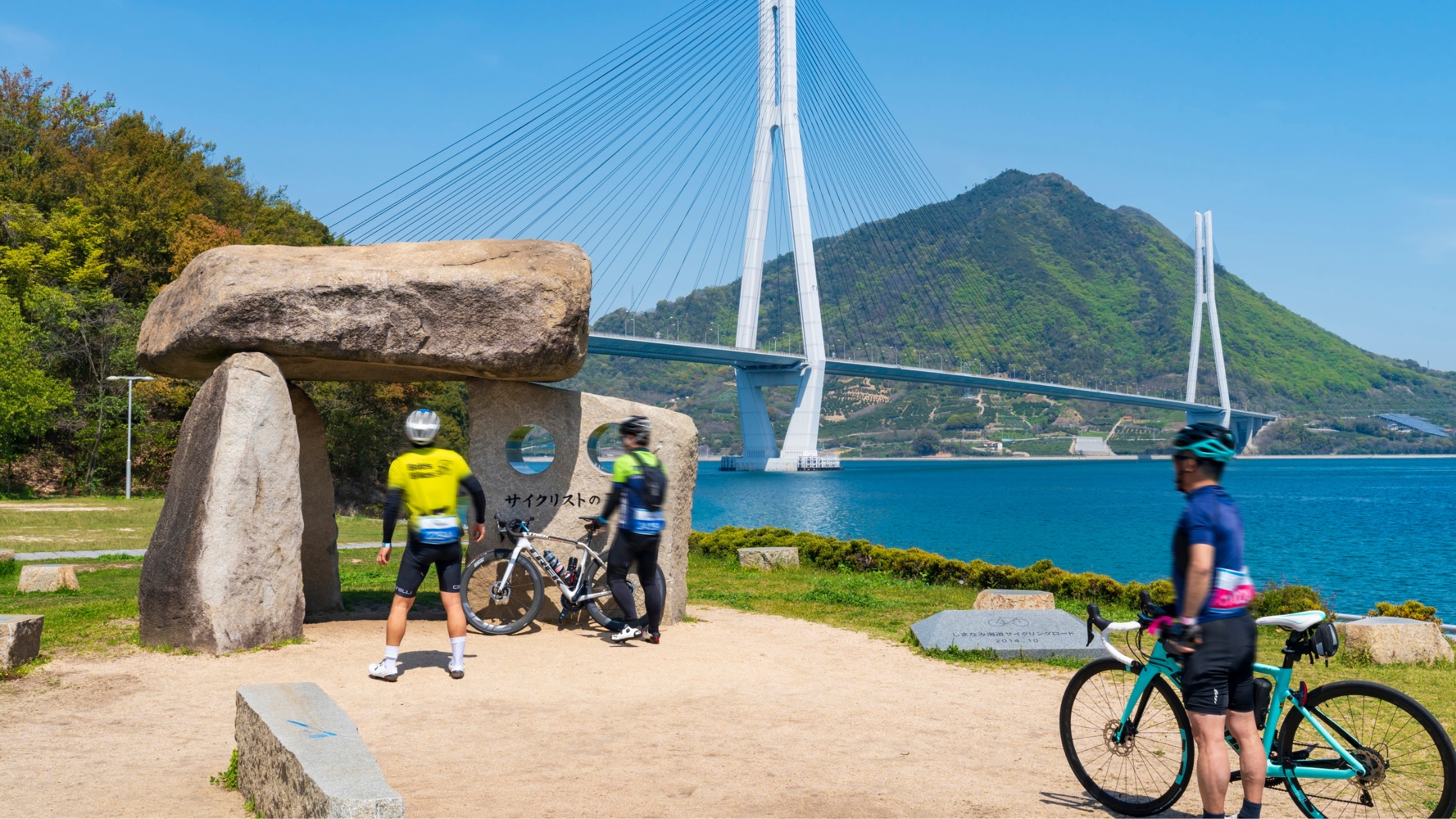
Nine days on two wheels from Seoul to Busan, covering coastal headlands, river valleys, pine forests, and the quieter edges of cities most visitors see only from a bus. The riding ranges from 15 to 55 kilometres per day — manageable for regularly active travellers, demanding enough to feel earned. Nights include a glamping stay outside Seoul, a coastal guesthouse in Sokcho, and hotels in Gyeongju and Busan. It is a route for travellers who prefer to cross a country under their own effort rather than see it through a windscreen.
A guided cycling journey along South Korea's Four Rivers route, Seoul to Busan.
8 8 days LeisurelyThis eight-day ride follows South Korea's dedicated cycling infrastructure from central Seoul to the coast at Busan, covering river trails, market towns, and ceramic heritage sites along the way. The route uses the Four Rivers path — a well-maintained network purpose-built for long-distance cycling — with daily distances that offer real mileage without punishing climbs. A support vehicle carries luggage between stops, keeping each day's riding clean and unencumbered. The shape of the journey stays practical and clear from start to finish.
Private cycling journey from Seoul to Busan | West Coast
14 14 Days LeisurelySunset Road follows Korea's west coast by bicycle over 14 days, moving south from Seoul through ancient capitals, tidal flats, river valleys, and mountain passes before reaching Busan. The route passes through places rarely covered by standard Korea itineraries — Buyeo, Gunsan, Baekyangsa, Damyang — each with its own distinct character. A rest day mid-route includes a temple stay, and the pacing allows for sea kayaking, boat fishing, and hiking alongside the riding. The result is a long-form route with real physical substance and strong regional variety.
A private arc through Seoul to Seorak
7 7 Days Fairly EasyThis seven-day private journey moves from Seoul through the Baekje and Joseon heartlands, south to Busan, east through the Silla capital of Gyeongju, and back north via Andong and Mt. Seorak. The pace is full but considered — each day balances a significant historical site with something more sensory: a tea conversation with a monk, a walk through a living village, an early-morning fish market. It covers substantial ground without losing its sense of place. An English-speaking guide accompanies throughout, with hotel accommodation, most meals, and private transport included.
South Korea on Foot: Seoul to Jeonju
9 9 Days Fairly EasyThis nine-day journey moves south from Seoul through national parks, folk villages, and mountain trails, ending with a night in a traditional hanok in Jeonju. The pace combines full hiking days with quieter cultural stops — a temple stay on Bukhansan, the Ulsan Rock course in Seoraksan, and the canyon trails of Jirisan. Private transport and an English-speaking guide keep the route structured and practical while the walking remains at the centre of the experience.
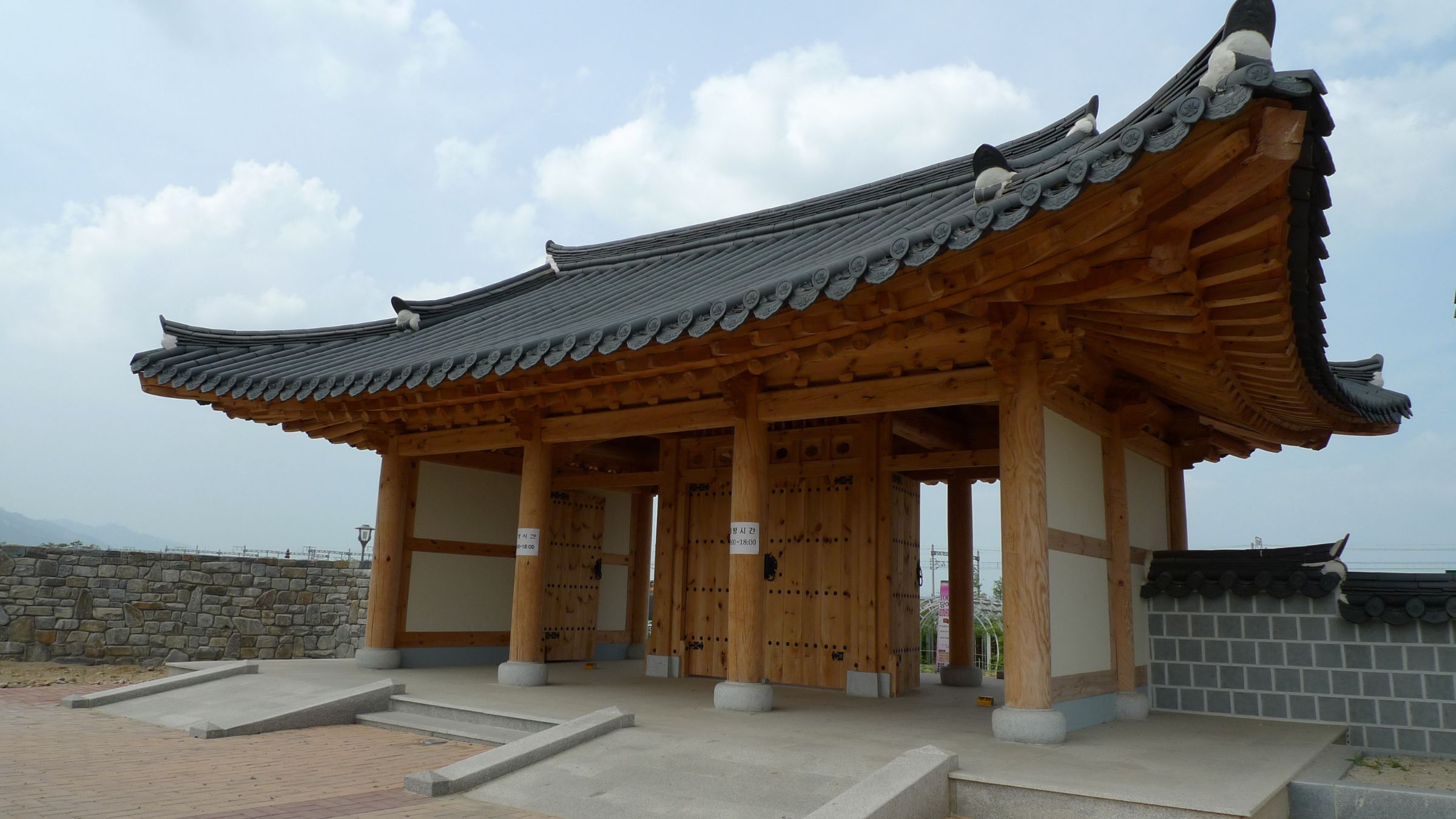
Sanmani Trail: Jirisan Dulegil | Private Walking Tour
10 10 Days ModerateThe Jirisan Dulegil follows the foothills of Jirisan — Korea's first national park and, for centuries, a place of refuge during war and hardship. Rather than ascending to the summit, the route traces the lower paths once walked by the Sanmani, traditional mountain foragers who moved between villages, valleys, and markets carrying medicinal herbs and forest goods. The journey ends at Hwagae Market, where those same paths converge in a living, working marketplace. It is a compact walk with cultural weight, shaped as much by the people who used these paths as by the landscape itself.
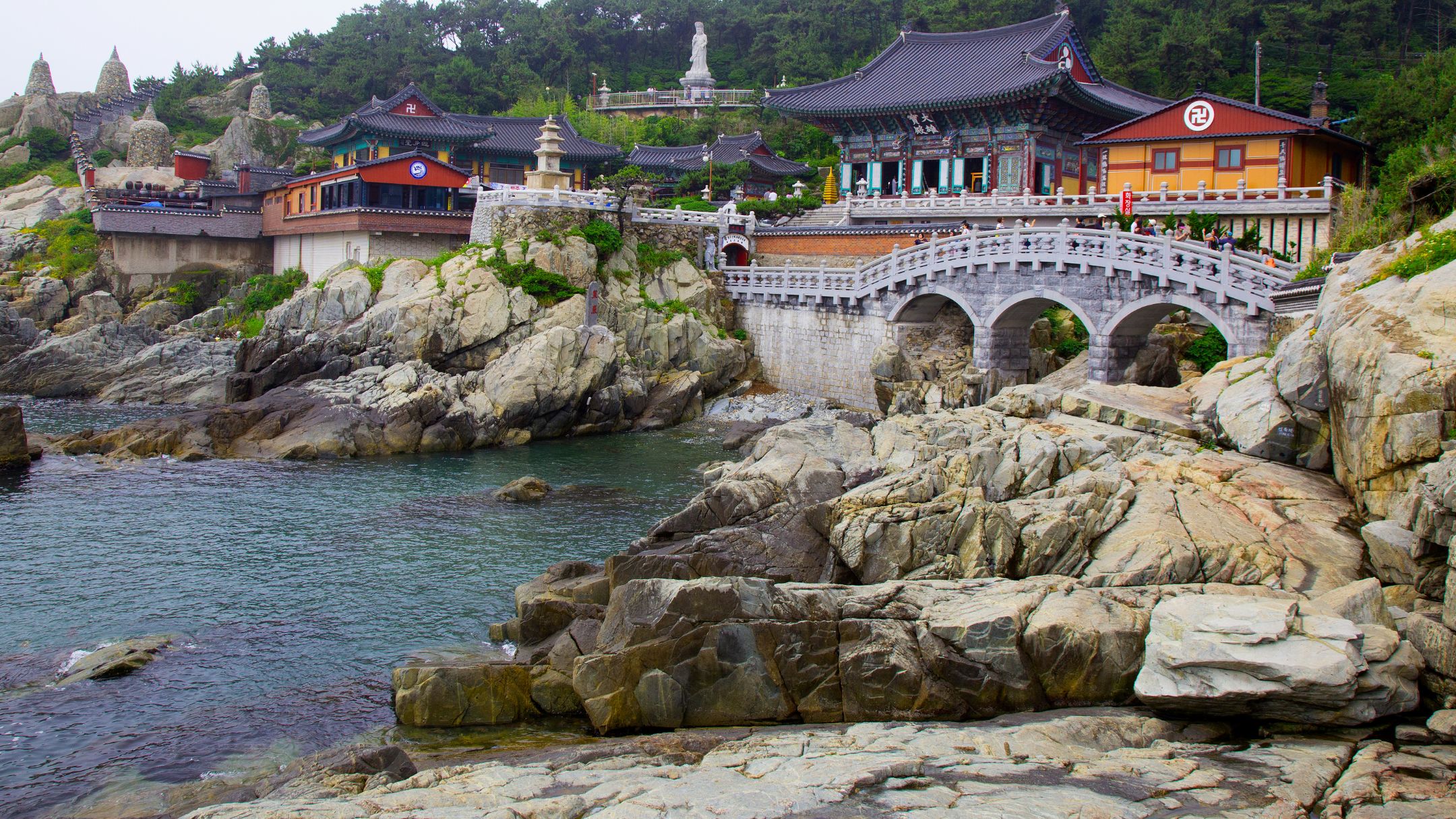
Four days on Jeju's coastal bike trail
4 4 days LeisurelyThis four-day ride follows Jeju Island's dedicated coastal bike path from Jeju City south to Seogwipo, east to Seongsan, and back — covering roughly 230 kilometres of paved trail along the island's shoreline. A half-day detour to Udo Island and a morning ascent of Seongsan Ilchulbong add variety without overloading the schedule. The pace is demanding but manageable, with support from a local guide team throughout and enough time built in for proper meals and recovery.
A private arc through South Korea | Seoul to Jeju
12 12 Days Fairly EasyThis twelve-day journey moves south through South Korea's most distinct landscapes and cities, from the density of Seoul to the volcanic coastline of Jeju. The route takes in the Demilitarized Zone, an overnight temple stay at Golgulsa, a cycling tour of Gyeongju's ancient tombs, and coastal Busan before a short domestic flight closes the distance to Jeju. English-speaking guides accompany the full journey, and the pacing leaves room for both movement and context.
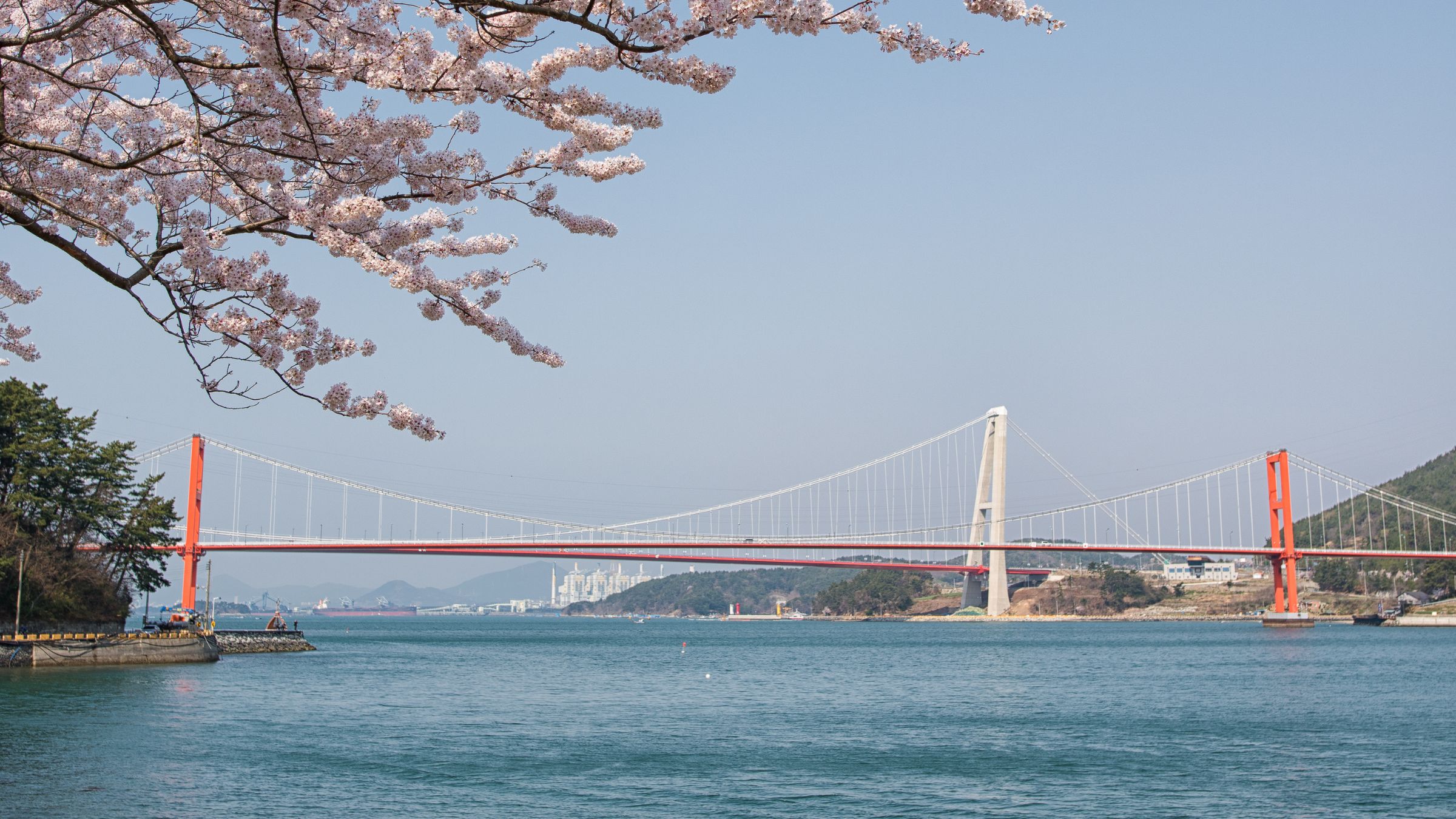
Namhae Island: Villages, Sea and Peaks
3 3 Days LeisurelyThis three-day trip moves between two distinct communities on Namhae Island — a coastal fishing village and a hillside farming settlement — with sea kayaking, a mountain ascent, and a night in each. The pace is unhurried but the days are full. Private transport from Seoul and a consistent guide keep the logistics clean, while the shape of the trip stays close to everyday life on the island.
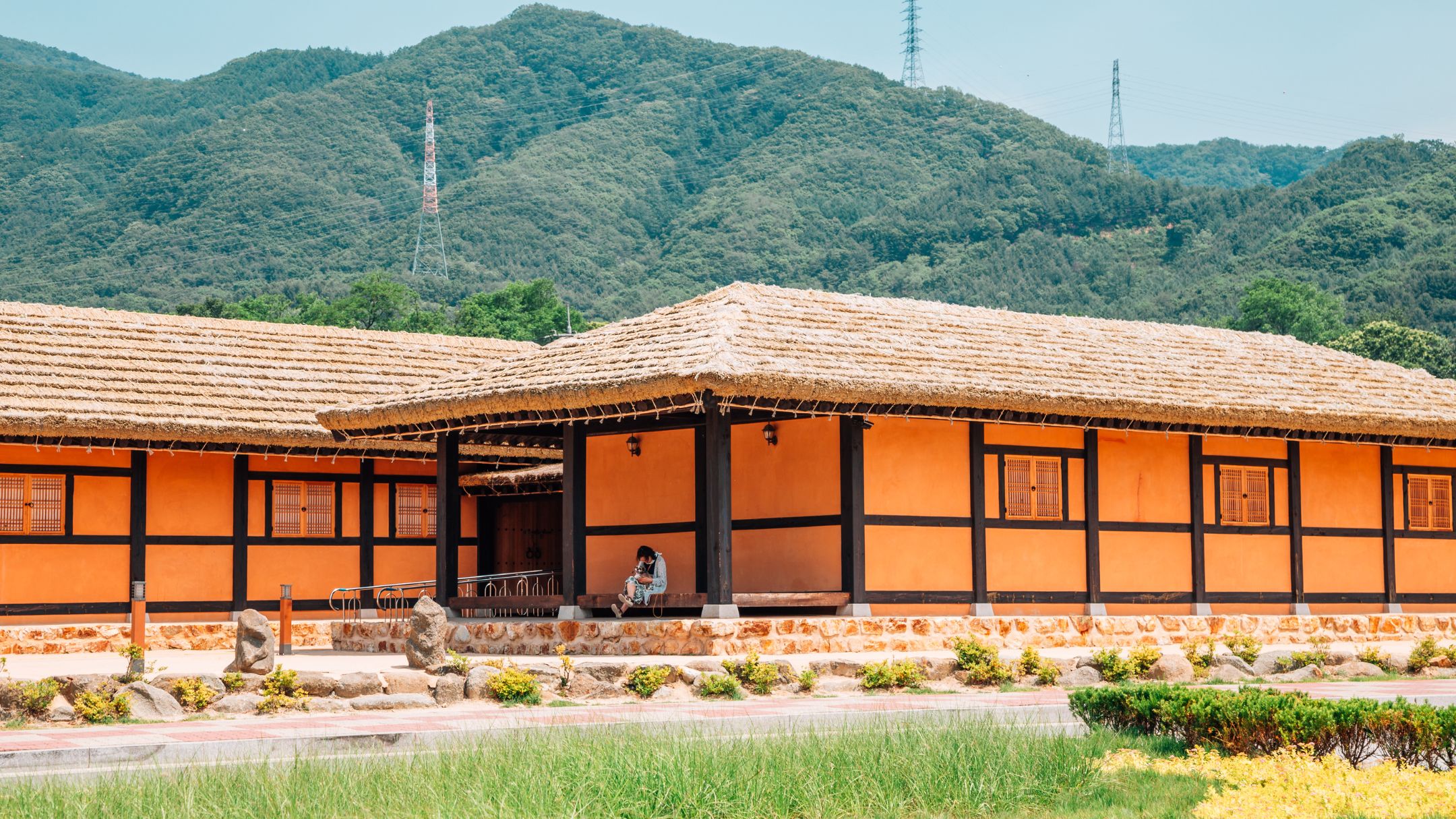
Korea Coast to Coast Cycling Tour
5 5 Days LeisurelyThis route crosses South Korea from Incheon on the west coast to Sokcho on the east, covering approximately 320 kilometres over five days. The ride moves through central Seoul, along the Bukhangang River, into the mountain province of Gangwon, and over the passes of Seoraksan before descending to the coast. It suits riders who want a structured physical challenge with genuine geographic logic — each day ends somewhere meaningfully different from where it began. A support vehicle carries luggage throughout, and local guides handle logistics at every stage.
Private cycling journey from Seoul to Busan | West Coast
14 14 Days LeisurelySunset Road follows Korea's west coast by bicycle over 14 days, moving south from Seoul through ancient capitals, tidal flats, river valleys, and mountain passes before reaching Busan. The route passes through places rarely covered by standard Korea itineraries — Buyeo, Gunsan, Baekyangsa, Damyang — each with its own distinct character. A rest day mid-route includes a temple stay, and the pacing allows for sea kayaking, boat fishing, and hiking alongside the riding. The result is a long-form route with real physical substance and strong regional variety.
Sanmani Trail: Jirisan Dulegil | Private Walking Tour
10 10 Days ModerateThe Jirisan Dulegil follows the foothills of Jirisan — Korea's first national park and, for centuries, a place of refuge during war and hardship. Rather than ascending to the summit, the route traces the lower paths once walked by the Sanmani, traditional mountain foragers who moved between villages, valleys, and markets carrying medicinal herbs and forest goods. The journey ends at Hwagae Market, where those same paths converge in a living, working marketplace. It is a compact walk with cultural weight, shaped as much by the people who used these paths as by the landscape itself.
A private cycling journey across South Korea's coast, countryside, and history.
9 9 Days ModerateNine days on two wheels from Seoul to Busan, covering coastal headlands, river valleys, pine forests, and the quieter edges of cities most visitors see only from a bus. The riding ranges from 15 to 55 kilometres per day — manageable for regularly active travellers, demanding enough to feel earned. Nights include a glamping stay outside Seoul, a coastal guesthouse in Sokcho, and hotels in Gyeongju and Busan. It is a route for travellers who prefer to cross a country under their own effort rather than see it through a windscreen.
A guided cycling journey along South Korea's Four Rivers route, Seoul to Busan.
8 8 days LeisurelyThis eight-day ride follows South Korea's dedicated cycling infrastructure from central Seoul to the coast at Busan, covering river trails, market towns, and ceramic heritage sites along the way. The route uses the Four Rivers path — a well-maintained network purpose-built for long-distance cycling — with daily distances that offer real mileage without punishing climbs. A support vehicle carries luggage between stops, keeping each day's riding clean and unencumbered. The shape of the journey stays practical and clear from start to finish.
A private arc through Seoul to Seorak
7 7 Days Fairly EasyThis seven-day private journey moves from Seoul through the Baekje and Joseon heartlands, south to Busan, east through the Silla capital of Gyeongju, and back north via Andong and Mt. Seorak. The pace is full but considered — each day balances a significant historical site with something more sensory: a tea conversation with a monk, a walk through a living village, an early-morning fish market. It covers substantial ground without losing its sense of place. An English-speaking guide accompanies throughout, with hotel accommodation, most meals, and private transport included.
South Korea on Foot: Seoul to Jeonju
9 9 Days Fairly EasyThis nine-day journey moves south from Seoul through national parks, folk villages, and mountain trails, ending with a night in a traditional hanok in Jeonju. The pace combines full hiking days with quieter cultural stops — a temple stay on Bukhansan, the Ulsan Rock course in Seoraksan, and the canyon trails of Jirisan. Private transport and an English-speaking guide keep the route structured and practical while the walking remains at the centre of the experience.
Sanmani Trail: Jirisan Dulegil | Private Walking Tour
10 10 Days ModerateThe Jirisan Dulegil follows the foothills of Jirisan — Korea's first national park and, for centuries, a place of refuge during war and hardship. Rather than ascending to the summit, the route traces the lower paths once walked by the Sanmani, traditional mountain foragers who moved between villages, valleys, and markets carrying medicinal herbs and forest goods. The journey ends at Hwagae Market, where those same paths converge in a living, working marketplace. It is a compact walk with cultural weight, shaped as much by the people who used these paths as by the landscape itself.
Four days on Jeju's coastal bike trail
4 4 days LeisurelyThis four-day ride follows Jeju Island's dedicated coastal bike path from Jeju City south to Seogwipo, east to Seongsan, and back — covering roughly 230 kilometres of paved trail along the island's shoreline. A half-day detour to Udo Island and a morning ascent of Seongsan Ilchulbong add variety without overloading the schedule. The pace is demanding but manageable, with support from a local guide team throughout and enough time built in for proper meals and recovery.
Namhae Island: Villages, Sea and Peaks
3 3 Days LeisurelyThis three-day trip moves between two distinct communities on Namhae Island — a coastal fishing village and a hillside farming settlement — with sea kayaking, a mountain ascent, and a night in each. The pace is unhurried but the days are full. Private transport from Seoul and a consistent guide keep the logistics clean, while the shape of the trip stays close to everyday life on the island.
Korea Coast to Coast Cycling Tour
5 5 Days LeisurelyThis route crosses South Korea from Incheon on the west coast to Sokcho on the east, covering approximately 320 kilometres over five days. The ride moves through central Seoul, along the Bukhangang River, into the mountain province of Gangwon, and over the passes of Seoraksan before descending to the coast. It suits riders who want a structured physical challenge with genuine geographic logic — each day ends somewhere meaningfully different from where it began. A support vehicle carries luggage throughout, and local guides handle logistics at every stage.
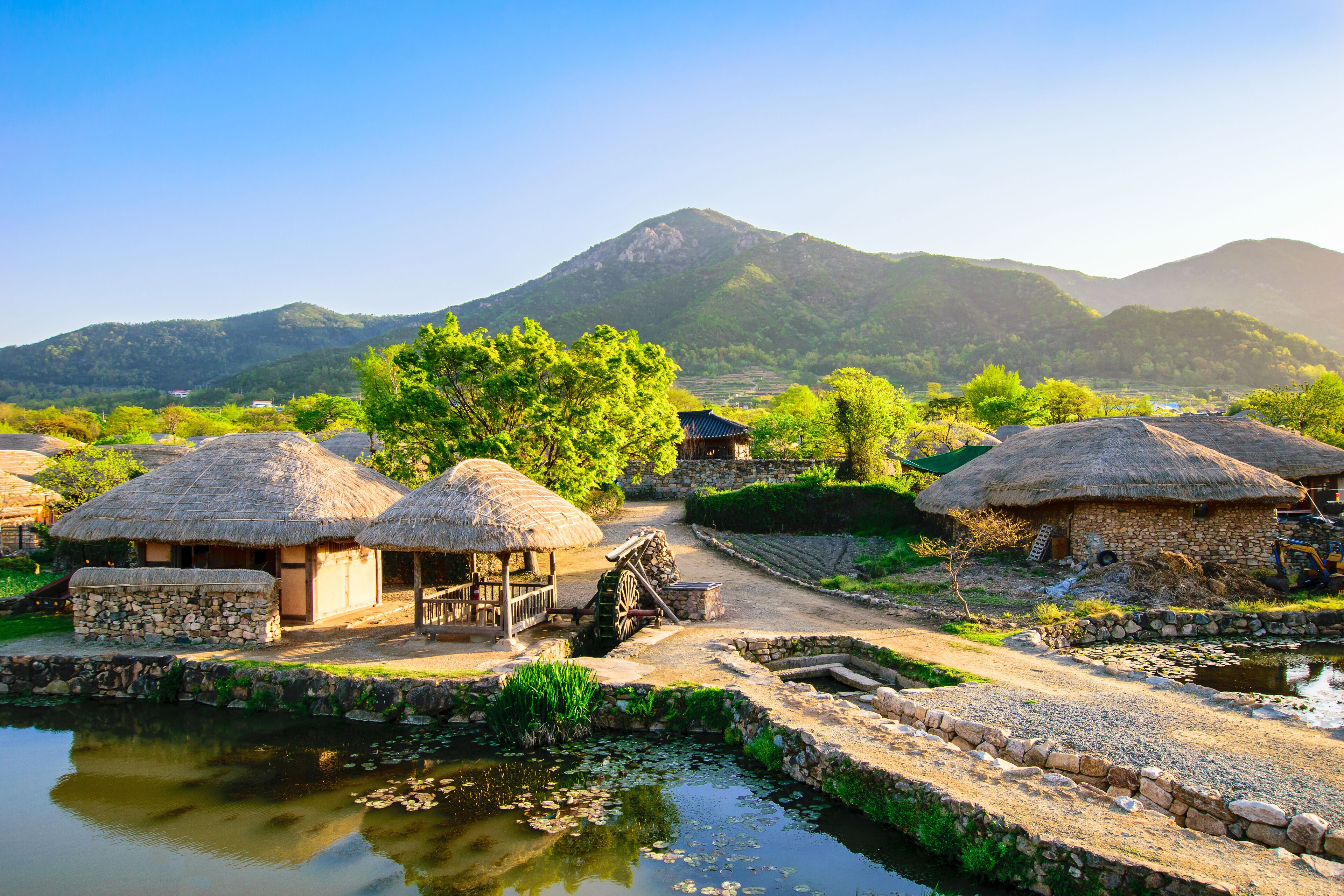
Rivers of Spring: Yeongsan to Seomjin | A private cycling journey
6 6 Days LeisurelyThis route traces two of South Korea's great southern rivers — Yeongsan and Seomjin — across 300 kilometres of farmland, bamboo forest, mountain tea country, and coastal wetlands. The pace is unhurried. Each day ends somewhere worth staying. It is a river journey built around landscape, food, and the slower character of the south.
A private cycling journey across South Korea's coast, countryside, and history.
9 9 Days ModerateNine days on two wheels from Seoul to Busan, covering coastal headlands, river valleys, pine forests, and the quieter edges of cities most visitors see only from a bus. The riding ranges from 15 to 55 kilometres per day — manageable for regularly active travellers, demanding enough to feel earned. Nights include a glamping stay outside Seoul, a coastal guesthouse in Sokcho, and hotels in Gyeongju and Busan. It is a route for travellers who prefer to cross a country under their own effort rather than see it through a windscreen.
A guided cycling journey along South Korea's Four Rivers route, Seoul to Busan.
8 8 days LeisurelyThis eight-day ride follows South Korea's dedicated cycling infrastructure from central Seoul to the coast at Busan, covering river trails, market towns, and ceramic heritage sites along the way. The route uses the Four Rivers path — a well-maintained network purpose-built for long-distance cycling — with daily distances that offer real mileage without punishing climbs. A support vehicle carries luggage between stops, keeping each day's riding clean and unencumbered. The shape of the journey stays practical and clear from start to finish.
Private cycling journey from Seoul to Busan | West Coast
14 14 Days LeisurelySunset Road follows Korea's west coast by bicycle over 14 days, moving south from Seoul through ancient capitals, tidal flats, river valleys, and mountain passes before reaching Busan. The route passes through places rarely covered by standard Korea itineraries — Buyeo, Gunsan, Baekyangsa, Damyang — each with its own distinct character. A rest day mid-route includes a temple stay, and the pacing allows for sea kayaking, boat fishing, and hiking alongside the riding. The result is a long-form route with real physical substance and strong regional variety.
A private arc through Seoul to Seorak
7 7 Days Fairly EasyThis seven-day private journey moves from Seoul through the Baekje and Joseon heartlands, south to Busan, east through the Silla capital of Gyeongju, and back north via Andong and Mt. Seorak. The pace is full but considered — each day balances a significant historical site with something more sensory: a tea conversation with a monk, a walk through a living village, an early-morning fish market. It covers substantial ground without losing its sense of place. An English-speaking guide accompanies throughout, with hotel accommodation, most meals, and private transport included.
South Korea on Foot: Seoul to Jeonju
9 9 Days Fairly EasyThis nine-day journey moves south from Seoul through national parks, folk villages, and mountain trails, ending with a night in a traditional hanok in Jeonju. The pace combines full hiking days with quieter cultural stops — a temple stay on Bukhansan, the Ulsan Rock course in Seoraksan, and the canyon trails of Jirisan. Private transport and an English-speaking guide keep the route structured and practical while the walking remains at the centre of the experience.
Sanmani Trail: Jirisan Dulegil | Private Walking Tour
10 10 Days ModerateThe Jirisan Dulegil follows the foothills of Jirisan — Korea's first national park and, for centuries, a place of refuge during war and hardship. Rather than ascending to the summit, the route traces the lower paths once walked by the Sanmani, traditional mountain foragers who moved between villages, valleys, and markets carrying medicinal herbs and forest goods. The journey ends at Hwagae Market, where those same paths converge in a living, working marketplace. It is a compact walk with cultural weight, shaped as much by the people who used these paths as by the landscape itself.
Four days on Jeju's coastal bike trail
4 4 days LeisurelyThis four-day ride follows Jeju Island's dedicated coastal bike path from Jeju City south to Seogwipo, east to Seongsan, and back — covering roughly 230 kilometres of paved trail along the island's shoreline. A half-day detour to Udo Island and a morning ascent of Seongsan Ilchulbong add variety without overloading the schedule. The pace is demanding but manageable, with support from a local guide team throughout and enough time built in for proper meals and recovery.
A private arc through South Korea | Seoul to Jeju
12 12 Days Fairly EasyThis twelve-day journey moves south through South Korea's most distinct landscapes and cities, from the density of Seoul to the volcanic coastline of Jeju. The route takes in the Demilitarized Zone, an overnight temple stay at Golgulsa, a cycling tour of Gyeongju's ancient tombs, and coastal Busan before a short domestic flight closes the distance to Jeju. English-speaking guides accompany the full journey, and the pacing leaves room for both movement and context.
Namhae Island: Villages, Sea and Peaks
3 3 Days LeisurelyThis three-day trip moves between two distinct communities on Namhae Island — a coastal fishing village and a hillside farming settlement — with sea kayaking, a mountain ascent, and a night in each. The pace is unhurried but the days are full. Private transport from Seoul and a consistent guide keep the logistics clean, while the shape of the trip stays close to everyday life on the island.
Korea Coast to Coast Cycling Tour
5 5 Days LeisurelyThis route crosses South Korea from Incheon on the west coast to Sokcho on the east, covering approximately 320 kilometres over five days. The ride moves through central Seoul, along the Bukhangang River, into the mountain province of Gangwon, and over the passes of Seoraksan before descending to the coast. It suits riders who want a structured physical challenge with genuine geographic logic — each day ends somewhere meaningfully different from where it began. A support vehicle carries luggage throughout, and local guides handle logistics at every stage.
Rivers of Spring: Yeongsan to Seomjin | A private cycling journey
6 6 Days LeisurelyThis route traces two of South Korea's great southern rivers — Yeongsan and Seomjin — across 300 kilometres of farmland, bamboo forest, mountain tea country, and coastal wetlands. The pace is unhurried. Each day ends somewhere worth staying. It is a river journey built around landscape, food, and the slower character of the south.
Private cycling journey from Seoul to Busan | West Coast
14 14 Days LeisurelySunset Road follows Korea's west coast by bicycle over 14 days, moving south from Seoul through ancient capitals, tidal flats, river valleys, and mountain passes before reaching Busan. The route passes through places rarely covered by standard Korea itineraries — Buyeo, Gunsan, Baekyangsa, Damyang — each with its own distinct character. A rest day mid-route includes a temple stay, and the pacing allows for sea kayaking, boat fishing, and hiking alongside the riding. The result is a long-form route with real physical substance and strong regional variety.
Sanmani Trail: Jirisan Dulegil | Private Walking Tour
10 10 Days ModerateThe Jirisan Dulegil follows the foothills of Jirisan — Korea's first national park and, for centuries, a place of refuge during war and hardship. Rather than ascending to the summit, the route traces the lower paths once walked by the Sanmani, traditional mountain foragers who moved between villages, valleys, and markets carrying medicinal herbs and forest goods. The journey ends at Hwagae Market, where those same paths converge in a living, working marketplace. It is a compact walk with cultural weight, shaped as much by the people who used these paths as by the landscape itself.
A private cycling journey across South Korea's coast, countryside, and history.
9 9 Days ModerateNine days on two wheels from Seoul to Busan, covering coastal headlands, river valleys, pine forests, and the quieter edges of cities most visitors see only from a bus. The riding ranges from 15 to 55 kilometres per day — manageable for regularly active travellers, demanding enough to feel earned. Nights include a glamping stay outside Seoul, a coastal guesthouse in Sokcho, and hotels in Gyeongju and Busan. It is a route for travellers who prefer to cross a country under their own effort rather than see it through a windscreen.
A guided cycling journey along South Korea's Four Rivers route, Seoul to Busan.
8 8 days LeisurelyThis eight-day ride follows South Korea's dedicated cycling infrastructure from central Seoul to the coast at Busan, covering river trails, market towns, and ceramic heritage sites along the way. The route uses the Four Rivers path — a well-maintained network purpose-built for long-distance cycling — with daily distances that offer real mileage without punishing climbs. A support vehicle carries luggage between stops, keeping each day's riding clean and unencumbered. The shape of the journey stays practical and clear from start to finish.
A private arc through Seoul to Seorak
7 7 Days Fairly EasyThis seven-day private journey moves from Seoul through the Baekje and Joseon heartlands, south to Busan, east through the Silla capital of Gyeongju, and back north via Andong and Mt. Seorak. The pace is full but considered — each day balances a significant historical site with something more sensory: a tea conversation with a monk, a walk through a living village, an early-morning fish market. It covers substantial ground without losing its sense of place. An English-speaking guide accompanies throughout, with hotel accommodation, most meals, and private transport included.
South Korea on Foot: Seoul to Jeonju
9 9 Days Fairly EasyThis nine-day journey moves south from Seoul through national parks, folk villages, and mountain trails, ending with a night in a traditional hanok in Jeonju. The pace combines full hiking days with quieter cultural stops — a temple stay on Bukhansan, the Ulsan Rock course in Seoraksan, and the canyon trails of Jirisan. Private transport and an English-speaking guide keep the route structured and practical while the walking remains at the centre of the experience.
Sanmani Trail: Jirisan Dulegil | Private Walking Tour
10 10 Days ModerateThe Jirisan Dulegil follows the foothills of Jirisan — Korea's first national park and, for centuries, a place of refuge during war and hardship. Rather than ascending to the summit, the route traces the lower paths once walked by the Sanmani, traditional mountain foragers who moved between villages, valleys, and markets carrying medicinal herbs and forest goods. The journey ends at Hwagae Market, where those same paths converge in a living, working marketplace. It is a compact walk with cultural weight, shaped as much by the people who used these paths as by the landscape itself.
Four days on Jeju's coastal bike trail
4 4 days LeisurelyThis four-day ride follows Jeju Island's dedicated coastal bike path from Jeju City south to Seogwipo, east to Seongsan, and back — covering roughly 230 kilometres of paved trail along the island's shoreline. A half-day detour to Udo Island and a morning ascent of Seongsan Ilchulbong add variety without overloading the schedule. The pace is demanding but manageable, with support from a local guide team throughout and enough time built in for proper meals and recovery.
Namhae Island: Villages, Sea and Peaks
3 3 Days LeisurelyThis three-day trip moves between two distinct communities on Namhae Island — a coastal fishing village and a hillside farming settlement — with sea kayaking, a mountain ascent, and a night in each. The pace is unhurried but the days are full. Private transport from Seoul and a consistent guide keep the logistics clean, while the shape of the trip stays close to everyday life on the island.
Korea Coast to Coast Cycling Tour
5 5 Days LeisurelyThis route crosses South Korea from Incheon on the west coast to Sokcho on the east, covering approximately 320 kilometres over five days. The ride moves through central Seoul, along the Bukhangang River, into the mountain province of Gangwon, and over the passes of Seoraksan before descending to the coast. It suits riders who want a structured physical challenge with genuine geographic logic — each day ends somewhere meaningfully different from where it began. A support vehicle carries luggage throughout, and local guides handle logistics at every stage.
Rivers of Spring: Yeongsan to Seomjin | A private cycling journey
6 6 Days LeisurelyThis route traces two of South Korea's great southern rivers — Yeongsan and Seomjin — across 300 kilometres of farmland, bamboo forest, mountain tea country, and coastal wetlands. The pace is unhurried. Each day ends somewhere worth staying. It is a river journey built around landscape, food, and the slower character of the south.
A private arc through Seoul to Seorak
7 7 DaysThis seven-day private journey moves from Seoul through the Baekje and Joseon heartlands, south to Busan, east through the Silla capital of Gyeongju, and back north via Andong and Mt. Seorak. The pace is full but considered — each day balances a significant historical site with something more sensory: a tea conversation with a monk, a walk through a living village, an early-morning fish market. It covers substantial ground without losing its sense of place. An English-speaking guide accompanies throughout, with hotel accommodation, most meals, and private transport included.
A private arc through Seoul to Seorak
7 7 DaysThis seven-day private journey moves from Seoul through the Baekje and Joseon heartlands, south to Busan, east through the Silla capital of Gyeongju, and back north via Andong and Mt. Seorak. The pace is full but considered — each day balances a significant historical site with something more sensory: a tea conversation with a monk, a walk through a living village, an early-morning fish market. It covers substantial ground without losing its sense of place. An English-speaking guide accompanies throughout, with hotel accommodation, most meals, and private transport included.

Thank you
Your enquiry has been submitted and you will be contected by our sales staff shortly