
Cambodia
Hot itineraries

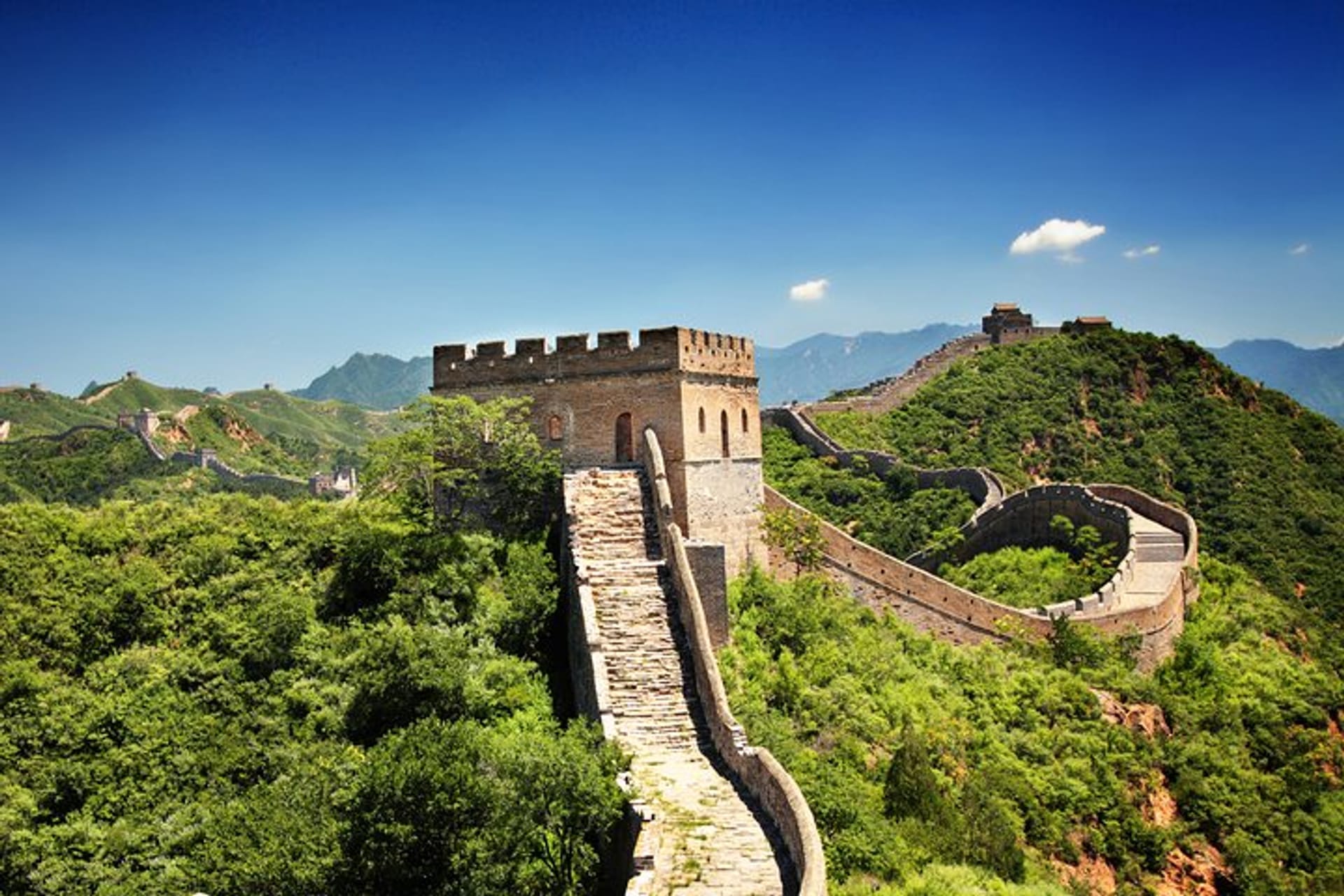
Trekking and Camping on the Great Wall
 8
8 8 DAYS
 Fairly Easy
This eight-day itinerary is structured for experienced hikers who want sustained time on the Great Wall rather than a single-day visit. Five consecutive days of guided trekking move through a sequence of contrasting sections — Huangyaguan, Gubeikou, Jinshanling, Simatai, and Mutianyu — ranging from carefully restored stretches to terrain that sees very little foot traffic. Nights spent along the wall and in a local village place the journey in direct contact with the landscape rather than at a remove from it. Beijing frames the expedition at either end, with time at Tiananmen Square, the Forbidden City, and the Eastern Qing Tombs providing historical grounding before the trek begins. A support vehicle accompanies the group throughout, managing transfers between sections and keeping the focus on the walking itself.
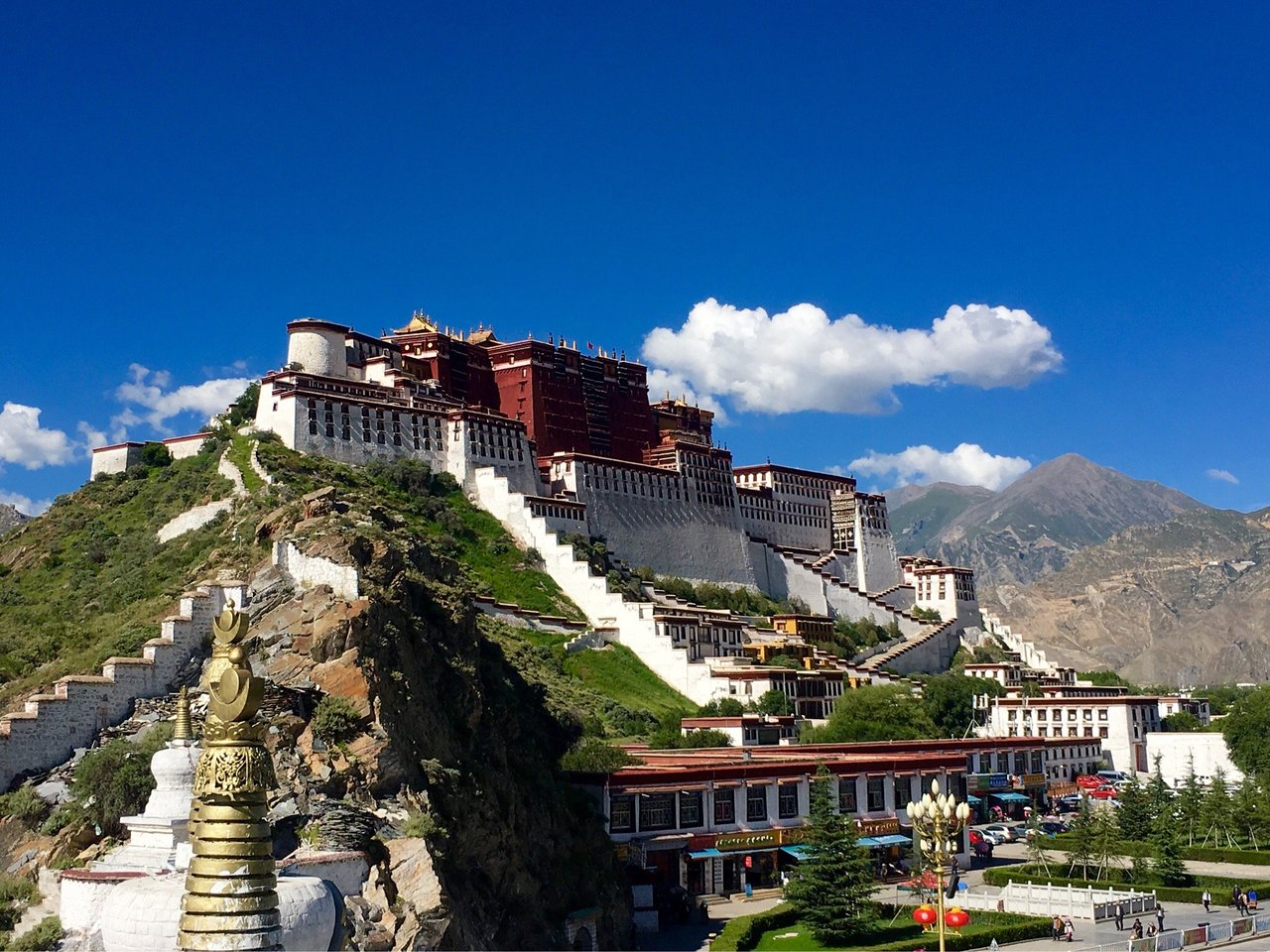
Cycle Yunnan–Tibet
26 26 DAYS Fairly EasyThis route traces one of the most demanding and visually consequential cycling corridors in the world. Beginning in Lijiang at 2,412 meters, the journey climbs steadily through the transition zone between Yunnan and the Tibetan Plateau, passing through Shangri-La, Deqin, and across the provincial border into the Tibet Autonomous Region at Mangkang. From there the road follows the southern branch of the Sichuan–Tibet Highway through a sequence of high passes, river gorges, and remote settlements before descending toward Lhasa at 3,658 metres. Two days in Lhasa allow for measured engagement with the city, followed by a day excursion to Namtso Lake at 4,700 metres. The total cycling distance across the route exceeds 2,100 kilometres. The landscape shifts considerably along the way: Naxi-influenced old town streets in Lijiang, open grassland grazed by yak herds near Shangri-La, the sustained high-altitude terrain of the eastern plateau, dense forest corridors around Bomi and Tongmai, and the widening river valleys that lead toward Lhasa. Accommodation throughout the cycling stages is in local guesthouses and small hotels, functional and honest at altitude. This is a route for riders who require no embellishment.
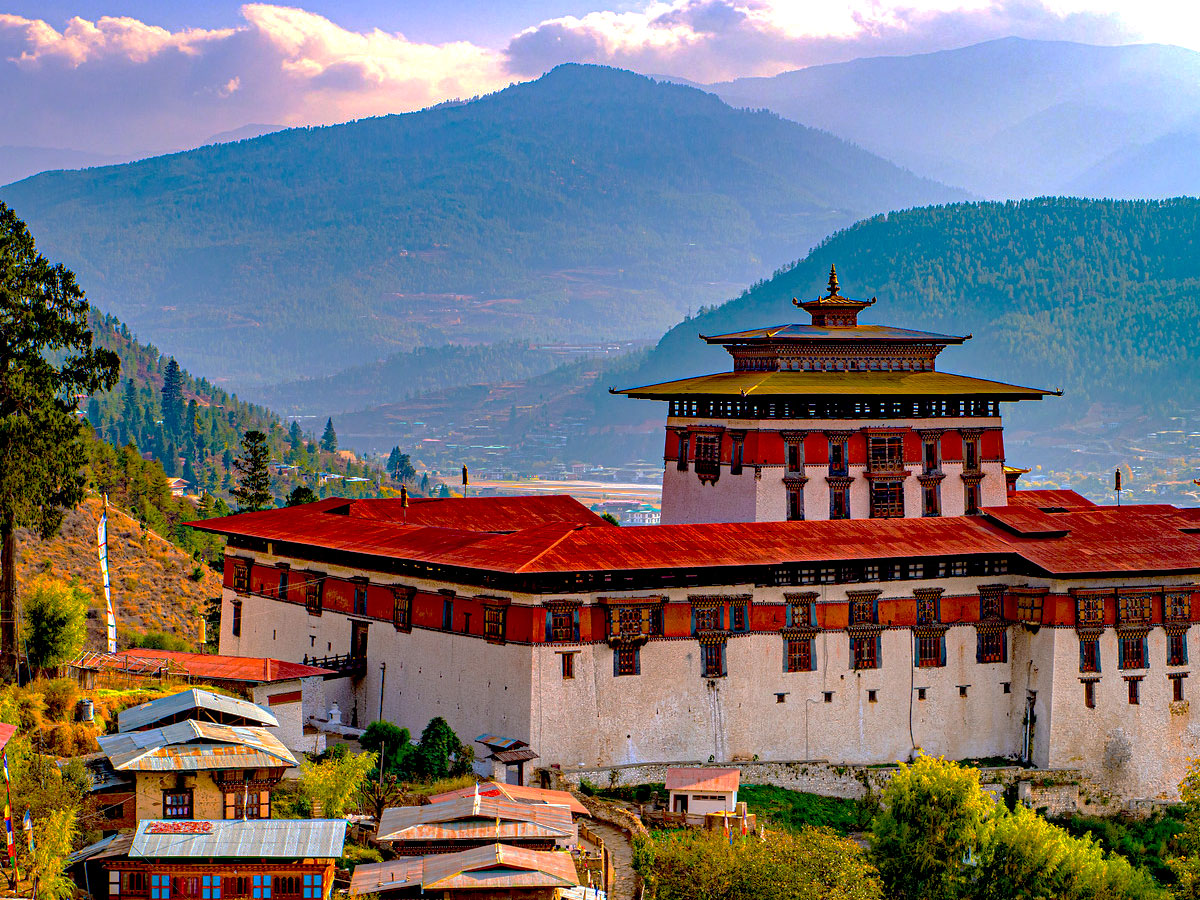
Tibet Encompassed
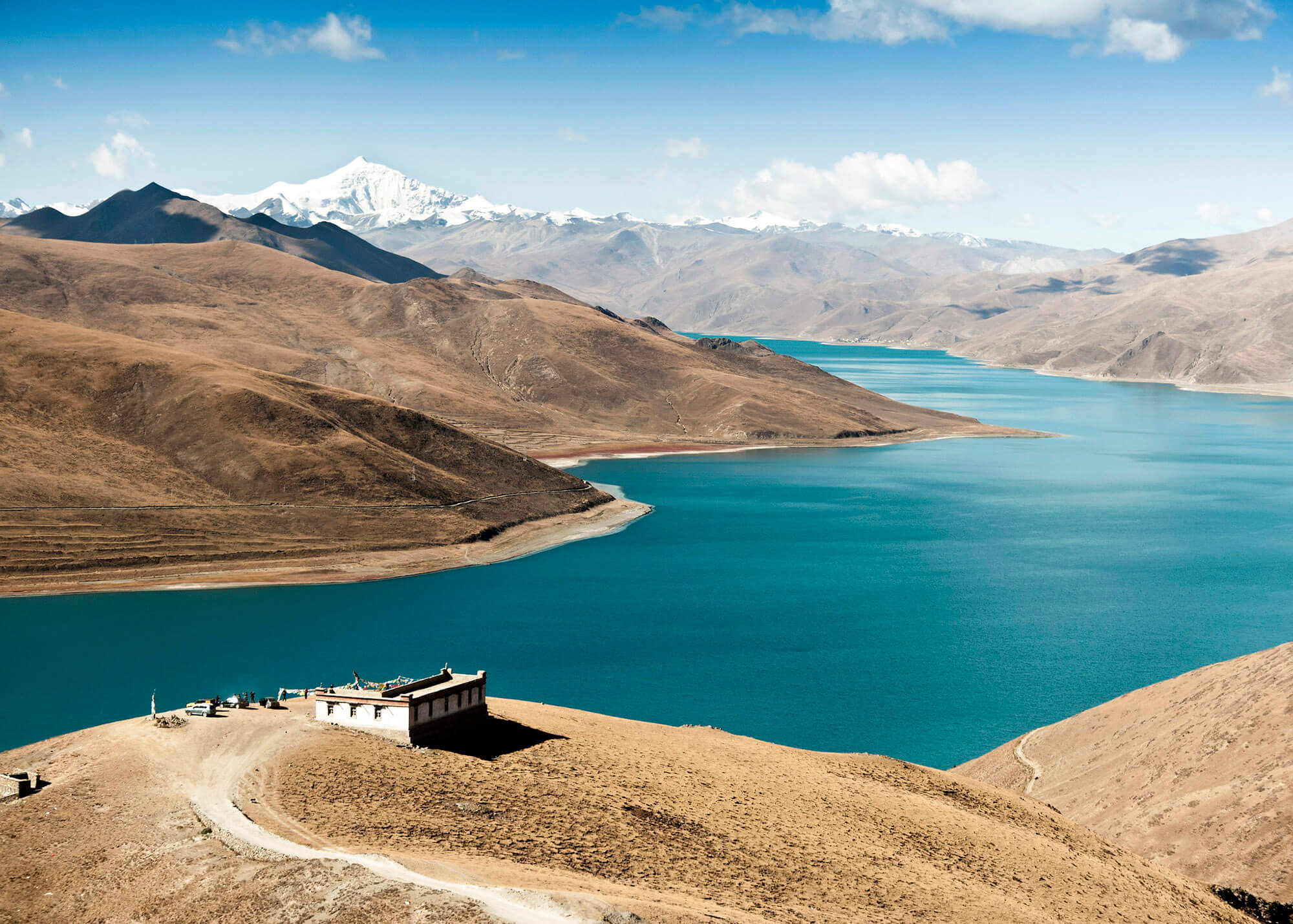
21 21 DAYS Fairly EasyThis journey moves from the imperial heart of China westward across one of the most remote and demanding landscapes on earth. Beginning in Beijing, the route passes through Xi'an before boarding the Qinghai-Tibet Railway, the highest rail line in the world, arriving in Lhasa by way of the Changtang Plateau. Central Tibet unfolds through its monasteries, sacred lakes, and high passes before the route turns west toward Mount Kailash. There, three days on foot trace the ancient circumambulation route around the mountain. The return crosses south toward Everest Base Camp, with a final descent through the Kyirong border crossing into Nepal and on to Kathmandu. The journey requires physical readiness, patience with altitude, and a willingness to move through country that resists hurry.
China Adventure
20 20 DAYS Fairly EasyChina resists any single characterization, and this itinerary is designed around that fact. Over twenty days the route moves through six distinct regions, each governed by its own geography, ethnic identity, and architectural language. Beijing presents the administrative grandeur of successive dynasties. Xi'an holds the buried army of a unified empire. Chengdu opens into the humid Sichuan basin before the route climbs to the high plateau of Shangri-La at 3,276 metres. The Tiger Leaping Gorge and the ancient Naxi town of Lijiang occupy the deep river country of northwest Yunnan. The Bai lakeside city of Dali and the transit hub of Kunming carry the journey south toward the karst landscapes of Guilin and Yangshuo, where the tour concludes at the Hong Kong rail connection. Movement between cities relies on China's high-speed rail network, overnight sleeper trains, and one domestic flight, each transition itself a study in the country's scale. The pace allows time in each place rather than a sequence of arrivals and departures.
China Adventure
20 20 DAYS Fairly EasyChina resists any single characterization, and this itinerary is designed around that fact. Over twenty days the route moves through six distinct regions, each governed by its own geography, ethnic identity, and architectural language. Beijing presents the administrative grandeur of successive dynasties. Xi'an holds the buried army of a unified empire. Chengdu opens into the humid Sichuan basin before the route climbs to the high plateau of Shangri-La at 3,276 metres. The Tiger Leaping Gorge and the ancient Naxi town of Lijiang occupy the deep river country of northwest Yunnan. The Bai lakeside city of Dali and the transit hub of Kunming carry the journey south toward the karst landscapes of Guilin and Yangshuo, where the tour concludes at the Hong Kong rail connection. Movement between cities relies on China's high-speed rail network, overnight sleeper trains, and one domestic flight, each transition itself a study in the country's scale. The pace allows time in each place rather than a sequence of arrivals and departures.
China Adventure
20 20 DAYS Fairly EasyChina resists any single characterization, and this itinerary is designed around that fact. Over twenty days the route moves through six distinct regions, each governed by its own geography, ethnic identity, and architectural language. Beijing presents the administrative grandeur of successive dynasties. Xi'an holds the buried army of a unified empire. Chengdu opens into the humid Sichuan basin before the route climbs to the high plateau of Shangri-La at 3,276 metres. The Tiger Leaping Gorge and the ancient Naxi town of Lijiang occupy the deep river country of northwest Yunnan. The Bai lakeside city of Dali and the transit hub of Kunming carry the journey south toward the karst landscapes of Guilin and Yangshuo, where the tour concludes at the Hong Kong rail connection. Movement between cities relies on China's high-speed rail network, overnight sleeper trains, and one domestic flight, each transition itself a study in the country's scale. The pace allows time in each place rather than a sequence of arrivals and departures.
Wild China
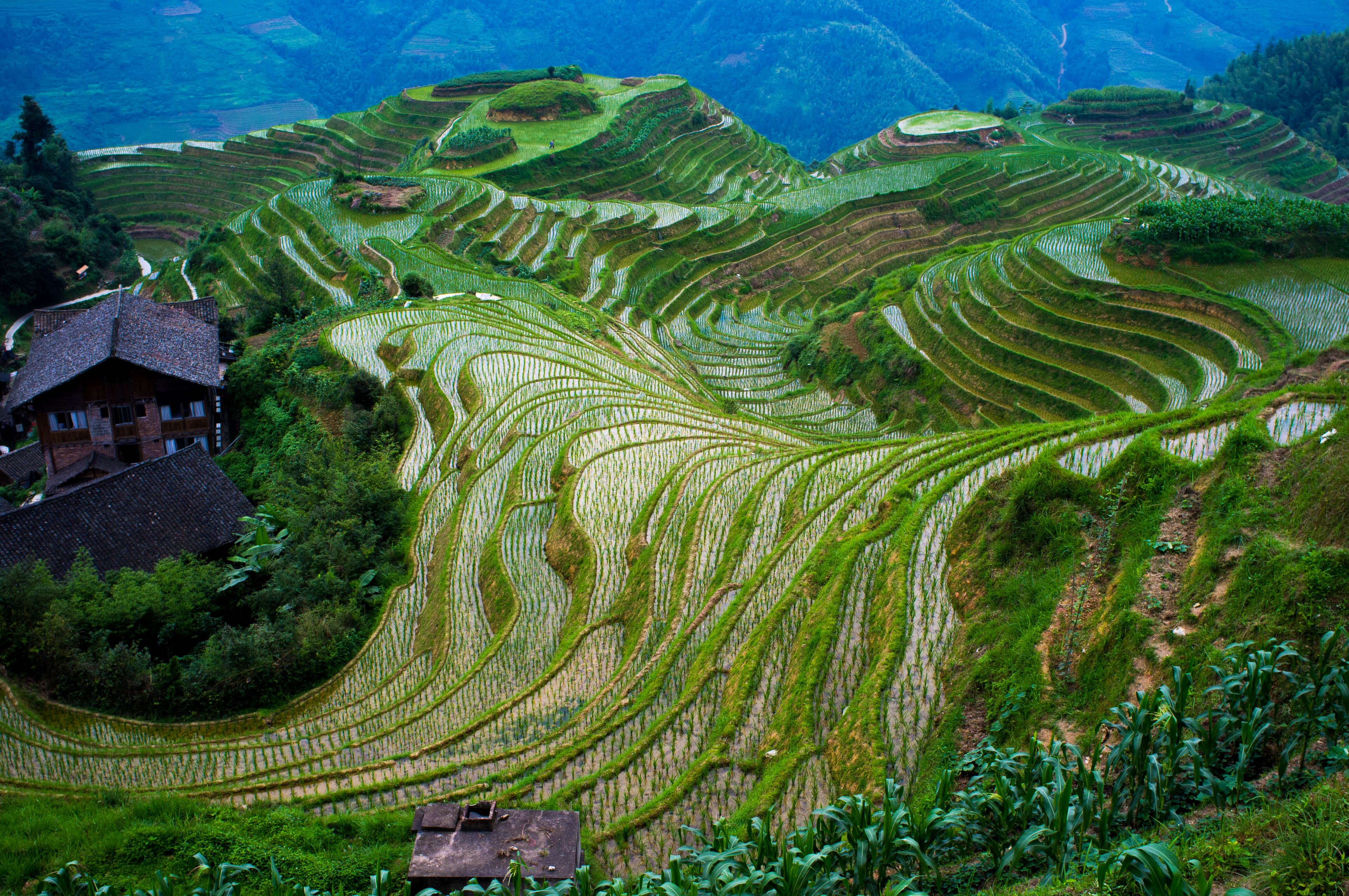
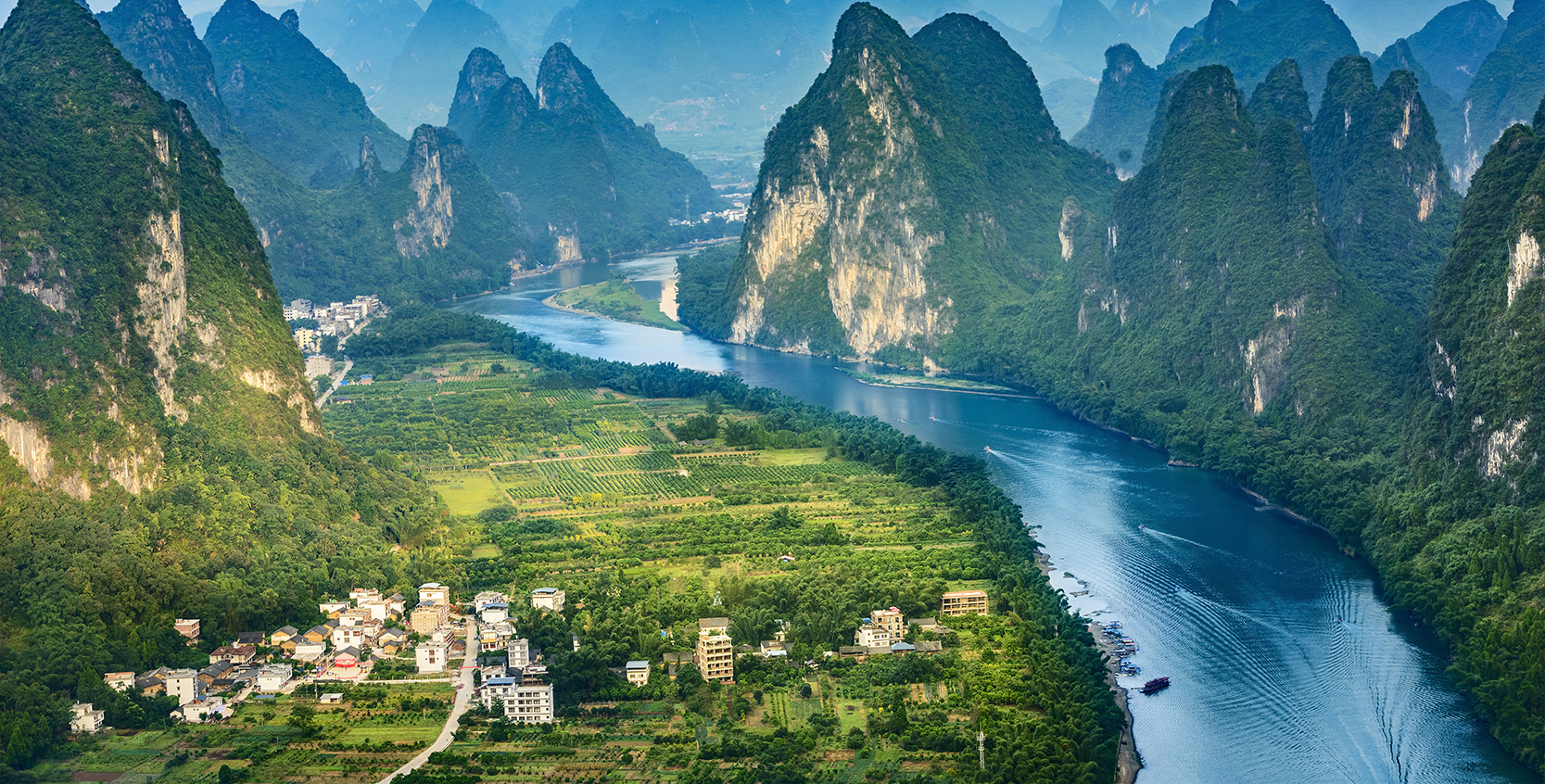
18 18 DAYS Fairly EasyThis eighteen-day journey moves through four distinct geographies of China, connecting the imperial north with the mountain west and the karst south. The route opens in Beijing with Tiananmen Square, the Forbidden City, and the hutong lanes of the old city before shifting to a two-day traverse of the Great Wall between Gubeikou and Simatai West — sections that carry both the weight of history and the evidence of centuries of neglect and adaptation. An overnight train carries the group west to Xi'an, where the city wall, the Muslim Quarter, and the Terracotta Warriors command consecutive days. A second overnight train delivers the journey into Sichuan, with a morning at the Chengdu Panda Breeding Center followed by an afternoon in Jinli Street and a private transfer south to Mount Emei. Two days on Emei Shan take in the Baoguo Temple, a cable car ascent to the Golden Summit at 3,077 metres, and a full day's descent through ancient temples, wild monkeys, and stone stairways. The journey then flies into Yunnan, settling for two nights in Lijiang's Naxi Old Town before a day hike through Tiger Leaping Gorge and an onward drive to the ancient trading settlement of Shaxi. From Shaxi a flight connects south to Guilin, with the final days spent among the Dragon's Backbone Rice Terraces at Longji and the karst countryside around Yangshuo, concluding with a Li River cruise and a fast train into Hong Kong.
Hike and Bike China
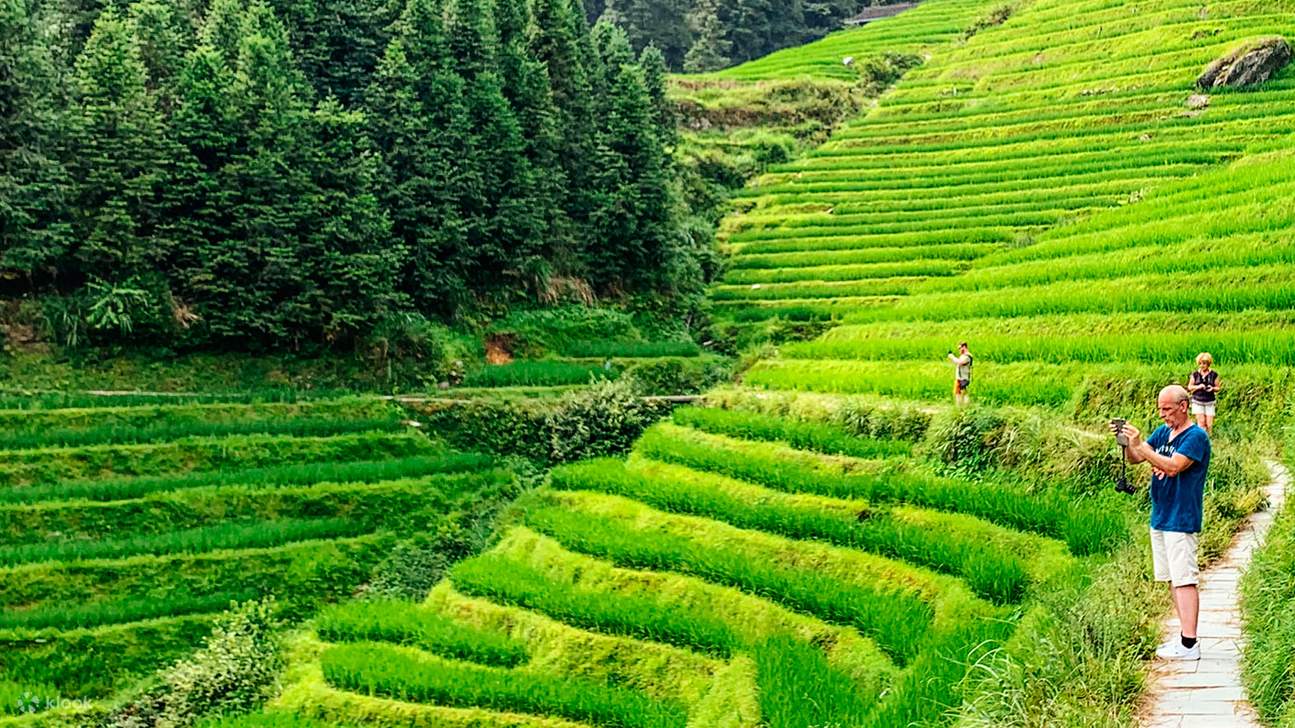
16 16 DAYS Fairly EasyThis itinerary moves between China's most consequential historical sites and its least-traveled rural corridors. Beijing and Xi'an provide the imperial and archaeological anchors. Three consecutive days walking the Great Wall across the Gubeikou, Jinshanling, and Simatai sections give a clear sense of the wall's scale and its varying states of preservation. Huashan, one of the Five Sacred Taoist Mountains, occupies a full day of ridge and cliff-trail hiking at elevation. The final week shifts entirely to the landscape of southern China: the Dragon's Backbone Rice Terraces above Longji, a four-day cycling route from the terraces down through river valleys and karst countryside to Yangshuo, and a closing day in Shanghai. The pace is deliberately physical without being relentless, and the routing consistently favors village paths, back roads, and river tracks over main roads.
Essential China
16 16 DAYS Fairly EasyThis itinerary moves through China in a single sustained arc, connecting the political and historical weight of Beijing with the commercial energy of Shanghai, the archaeological gravity of Xi'an, the Buddhist landscapes of Sichuan, the engineering scale of the Yangtze, and the rural quietude of Yangshuo. The route is designed for travelers who want to understand China's range rather than sample its surface. Each city and landscape offers a different register of the country, and the sequence is deliberate. The pace allows for genuine engagement at each stop without lingering unnecessarily.
China Tibet Encompassed
16 16 DAYS Fairly EasyThis sixteen-day journey moves through China's most consequential landscapes and cities in deliberate sequence. It begins in Beijing among imperial monuments and traditional alleyways, then turns west toward the terracotta burial grounds of Xi'an and the plateau city of Xining. From there, the world's highest railway carries travelers across the Changtang Plateau and into Lhasa, where three days allow time to absorb the altitude and the weight of Tibetan Buddhist culture. The route then descends to Chengdu, joins the Yangtze River by cruise ship through the Three Gorges, and concludes in Shanghai. The itinerary does not rush any single destination, but it does move consistently, asking travelers to remain attentive to changes in landscape, culture, and elevation across a continent-sized country.
Everything to sell more, with less work.
No trips of our own. No selling around you.
Apply in 2 minutes
Get verified
Start quoting and earning
One curated source. Zero tabs open.
Apply as a Founding Partner