Silk Road Traverse: Kazakhstan, Kyrgyzstan and Xinjiang
Summary
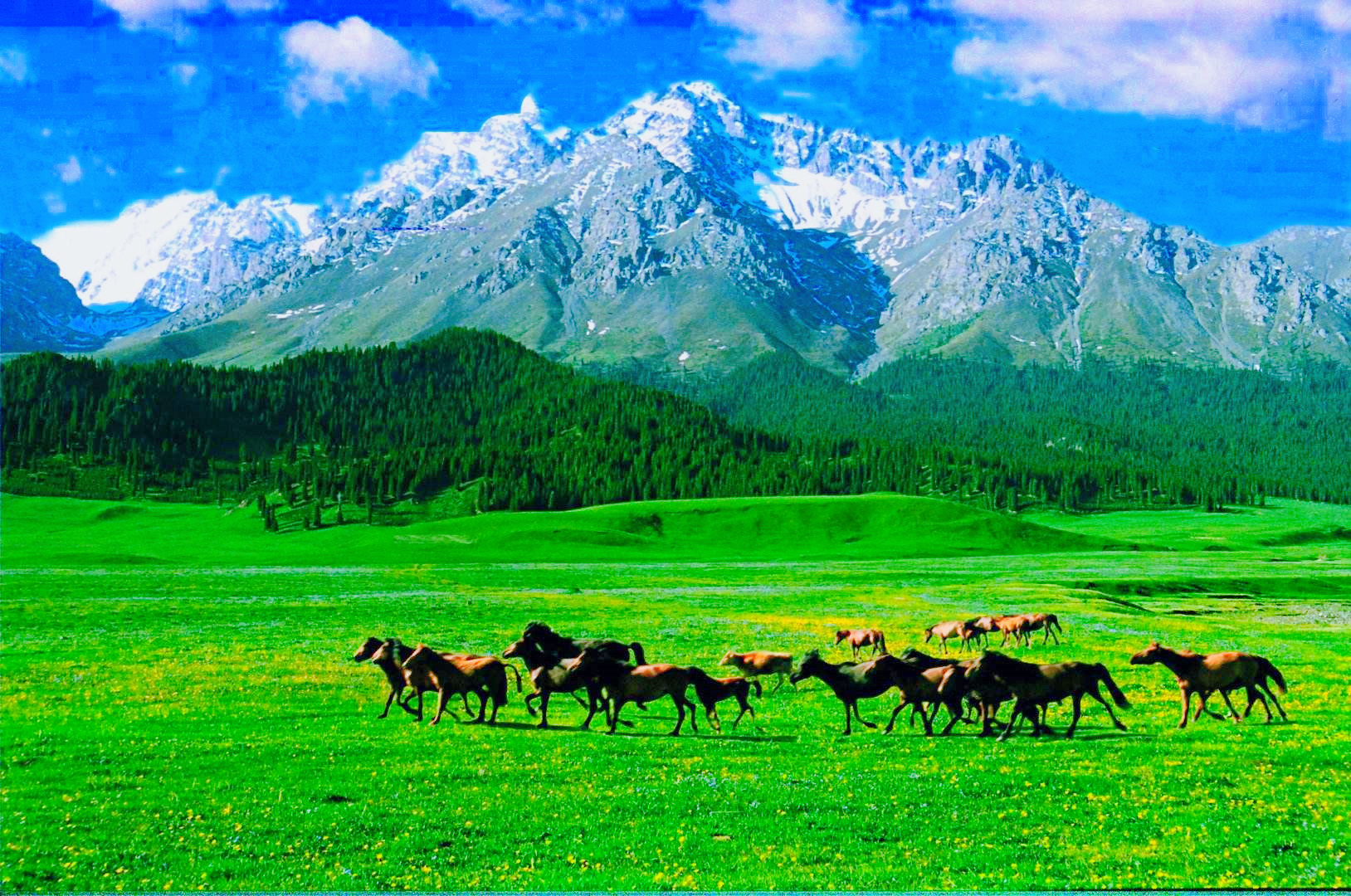
This nineteen-day private itinerary moves east to west across the Silk Road's Central Asian arc, beginning in Almaty and closing in Urumqi. The route passes through the desert and mountain terrain of Altyn-Emel National Park, crosses into Kyrgyzstan via the capital Bishkek, and tracks south through the alpine landscapes framing Issyk-Kul and Son-Kul lakes. A UNESCO-listed caravanserai at Tash-Rabat marks the approach to the Chinese border at Torugart. From Kashgar the itinerary follows the Karakoram Highway toward the Pamir range before turning north to Urumqi and the ancient settled sites of the Turpan depression. The journey is unhurried and geographically coherent, suited to travelers with a serious interest in Islamic architecture, nomadic culture, rock art, and the layered history of trade across the Eurasian steppe.
Highlights
- Tash-Rabat, a fifteenth-century stone caravanserai set in a high Kyrgyz valley, one of the best-preserved Silk Road waypoints in Central Asia
- The crossing of the Torugart Pass from Kyrgyzstan into China's Xinjiang region, one of the continent's more remote and procedurally distinctive border crossings
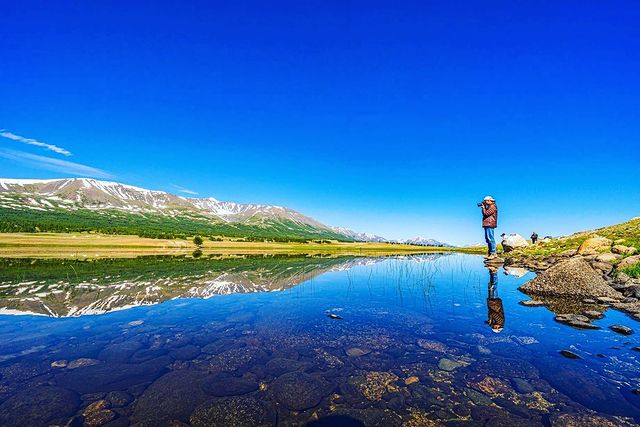
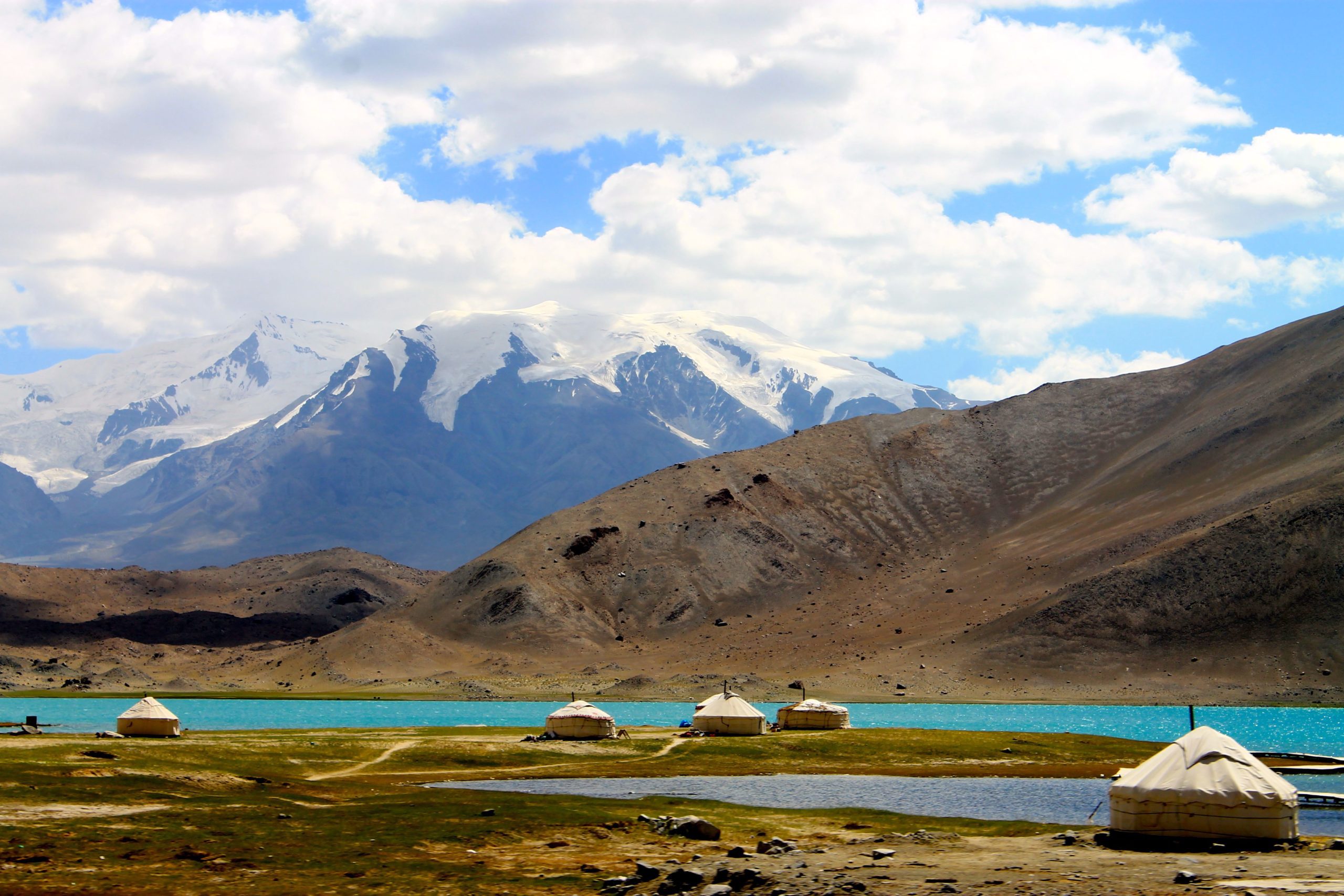
- Karakul Lake on the Karakoram Highway, at the foot of Muztagh Ata, where the water reflects a high-altitude Pamiri sky in a way that stops most travelers in their tracks
- The Tanbaly Petroglyphs of Kazakhstan, a UNESCO World Heritage site containing bronze-age rock carvings including the distinctive sun-headed figures unique to this site
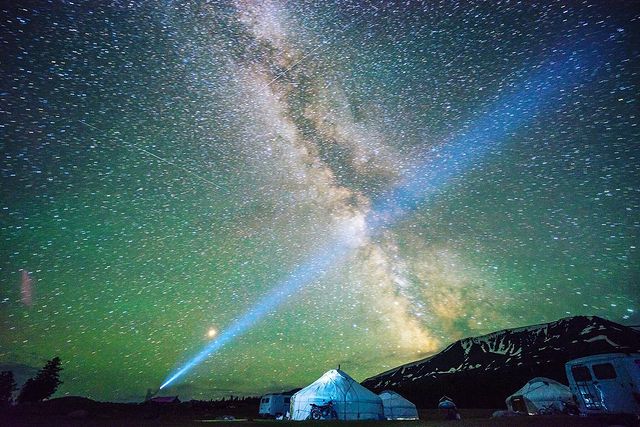
- Son-Kul, a remote alpine lake in central Kyrgyzstan where an overnight in yurts places travelers directly inside the seasonal grazing culture of Kyrgyz herders
- Kashgar's layered old city, the Afaq Khoja Mausoleum, and the Id Kah Mosque, together representing one of the most intact concentrations of Uyghur architectural heritage in Xinjiang
What is included in this tour?
Items that are included in the cost of tour price.- Airport – hotel – airport transfers
- All transportation /Driver and Fuel/
- English speaking tour guide
- All entrance fees
What is not included in this tour?
Items that are not included in the cost of tour price.- Air tickets for international flights
- Visa fees
- Travel insurance (assistance, repatriation)
- Extra meals (excluding 3 meals a day) and personal drinks
- Tips
Day by day Itinerary
Day 1
Arrival in AlmatyYour driver meets the evening flight and transfers you directly to your hotel. The first evening is yours to settle in at your own pace.
Day 2
Almaty to Altyn-Emel National ParkAfter breakfast your guide and driver collect you from the hotel for the drive to Altyn-Emel National Park, the largest protected area in Almaty Province. The park spans a transition zone between desert plain and mountain foothills, and the afternoon is left open for walking and independent exploration within it. The evening is spent at a guesthouse inside or near the park.
Day 3
Altyn-Emel to AlmatyThe morning continues the exploration of Altyn-Emel before the drive returns east toward Almaty. The park's scale and the quality of light in the late afternoon make this a worthwhile second day rather than a hurried transit. Dinner is taken at a local restaurant in the city.
Day 4
Almaty, Tanbaly Petroglyphs, and onward to BishkekThe morning includes time in central Almaty, with visits to Panfilov Park, the Russian Orthodox Zenkov Cathedral, and the Museum of Musical Instruments. The route then turns west to Tanbaly, where a complex of bronze-age rock carvings is protected as a UNESCO World Heritage site. The sun-headed figures carved into the rock surface here are specific to this site and have no direct parallel elsewhere in the region. The journey continues to Bishkek for the night.
Day 5
Bishkek and Ala-Archa National Nature ParkThe morning is spent in Kyrgyzstan's capital, moving through Ala-Too Square, Victory Square, the Fine Arts Museum, and the covered stalls of the Osh Bazaar. After lunch the route climbs south into the Tian Shan foothills to Ala-Archa National Nature Park. The park sits at the edge of the city's suburban sprawl but opens quickly into serious mountain terrain.
Day 6
Bishkek to Issyk-Kul LakeThe drive east follows the northern shore corridor toward Issyk-Kul, the second-largest mountain lake in the world by volume. En route the itinerary stops at the Burana Tower, an eleventh-century minaret that survives as the principal remnant of the ancient city of Balasagun. Arrival at the lake is followed by free time on the shore.
Day 7
Cholpon-Ata to KarkyraThe morning begins at the open-air petroglyph museum at Cholpon-Ata, where carvings are distributed across a field of glacial boulders on the lakeshore. An optional boat cruise on Issyk-Kul is available before the group drives east to Karkyra, near the Kazakh border, for an overnight at a base camp.
Day 8
Karkyra Base CampA flight from Karkyra transports the group to the base camp below Khan-Tengri Peak, one of the highest summits in the Tian Shan range. Lunch is taken at the camp. The afternoon is spent on a short hike in the surrounding terrain before returning to the Karkyra base for dinner and the night.
Day 9
Djety-Oguz Gorge and KarakolThe morning drive heads west along the southern shore of Issyk-Kul toward Karakol, stopping in the Djety-Oguz gorge, named for its seven red sandstone formations. The afternoon in Karakol includes the Dungan Mosque, built in Chinese architectural style by Chinese Muslim settlers in the nineteenth century, the Russian Orthodox Church, and the Przhevalsky Museum, which commemorates the Russian geographer who mapped much of this region.
Day 10
Karakol to Kochkor via the Southern ShoreThe route west follows the southern shore of Issyk-Kul, stopping at Barskoon waterfall before continuing inland to the market town of Kochkor. The southern shore road offers a distinctly quieter perspective on the lake than the northern highway.
Day 11
Kochkor to Son-Kul LakeThe drive climbs from Kochkor up onto the plateau that holds Son-Kul, a high alpine lake used as summer pasture by Kyrgyz herders. The afternoon includes an eagle hunting demonstration, a practice maintained by herding families in this region. The night is spent in yurts at the lake, where temperatures can drop well below zero even in July and August.
Day 12
Son-Kul to Tash-Rabat via NarynThe route south passes through Naryn before descending into the valley that holds Tash-Rabat. The caravanserai here is a fifteenth-century stone structure built to shelter Silk Road travelers crossing between Central Asia and China. Its interior chambers, vaulted ceilings, and cold stone corridors survive in a state of quiet preservation that rewards careful attention. The night is spent in yurts near the site.
Day 13
Tash-Rabat to Torugart to KashgarThe morning drive climbs to the Torugart Pass at the Chinese border. The crossing formalities here are more involved than a standard border point, and the Chinese guide meets the group on the far side. The descent from the pass into Xinjiang is gradual, and the drive to Kashgar covers a landscape that shifts from high Kyrgyz steppe to the western edge of the Taklamakan basin.
Day 14
KashgarThe day is given over to the city. The Afaq Khoja Mausoleum is one of the most significant Islamic funerary monuments in Xinjiang, a seventeenth-century structure with tiled domes set in a garden enclosure. The Id Kah Mosque at the center of the old city is the largest mosque in China by capacity. The old town's remaining residential lanes and the daily section of the Sunday Market offer a texture of street life that distinguishes Kashgar from any other city on the itinerary.
Day 15
Kashgar and Karakul LakeThe day trip south follows the Karakoram Highway toward the Pamir range. Karakul Lake sits at over 3,600 meters at the foot of Muztagh Ata, and the visual relationship between the water, the glaciated peak, and the surrounding plateau is one of the more compositionally complete landscapes on the entire route. The drive returns to Kashgar in the evening.
Day 16
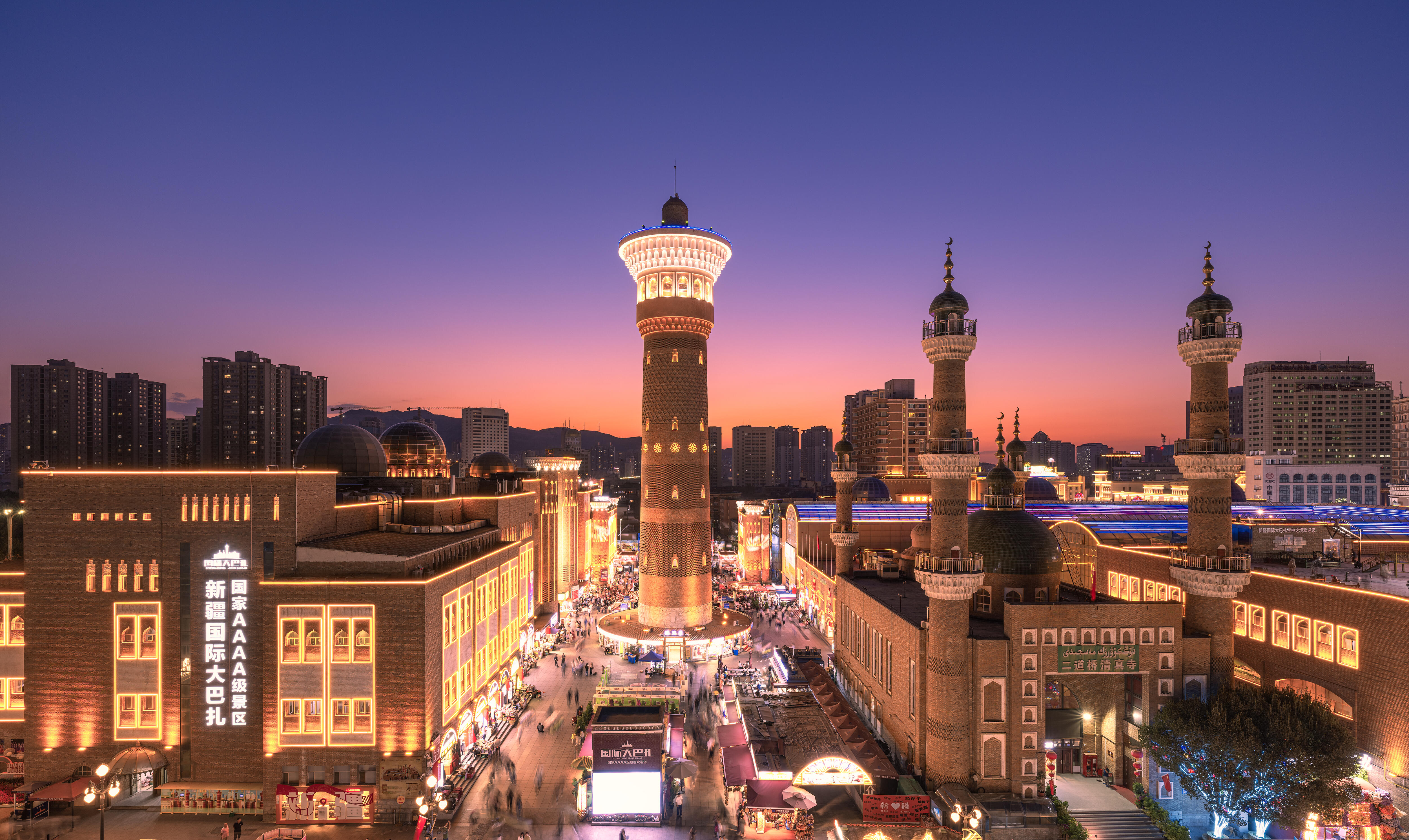
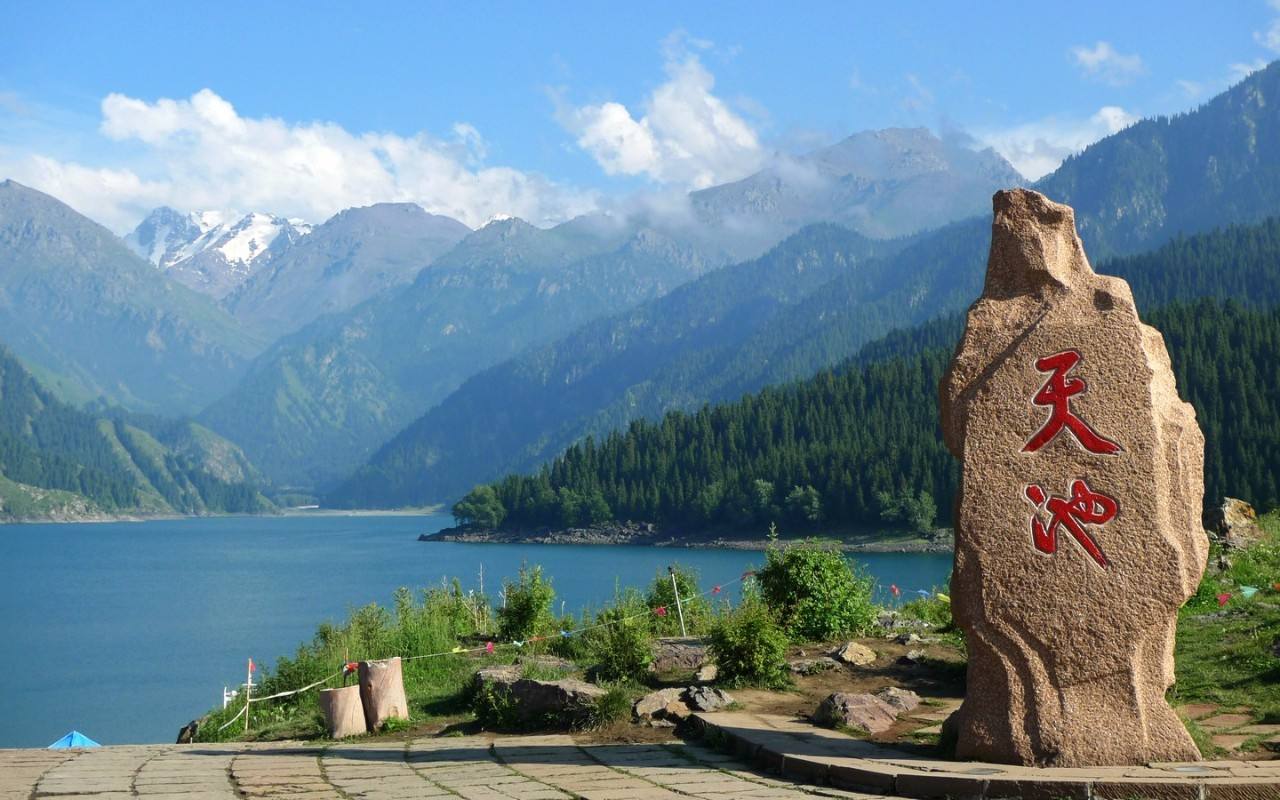
Kashgar to Urumqi and Heavenly Lake'Day 16 -- | An early flight connects Kashgar to Urumqi, the capital of Xinjiang. The afternoon drive climbs into the Tian Shan to Heavenly Lake, a glacially formed alpine lake set in forested terrain above the city. A boat trip crosses the lake before the return to Urumqi, where the evening moves through the Grand Bazaar in the Uyghur district, an Arabian-influenced marketplace that shifts character as the day ends.
Day 17
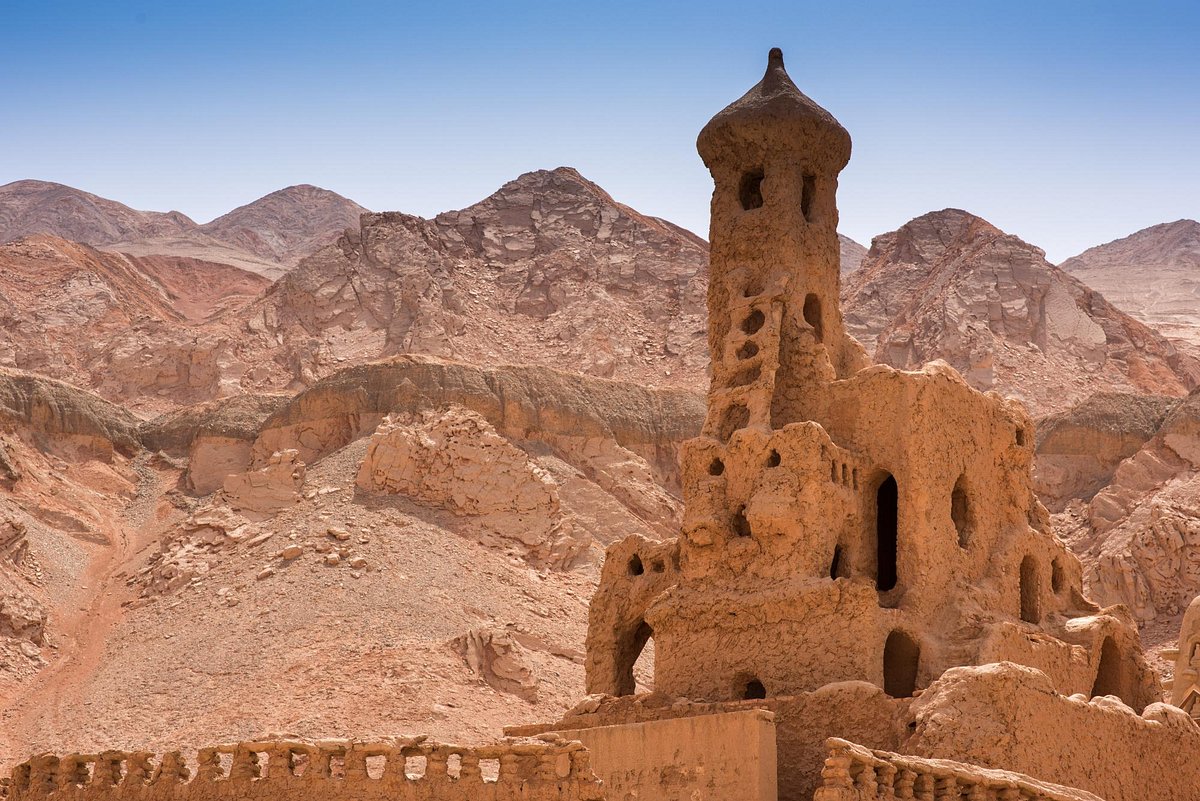
Urumqi to TurpanThe drive west drops into the Turpan depression, one of the lowest and hottest basins on earth. The afternoon visits the Emin Minaret, an eighteenth-century fluted brick tower that is the tallest traditional minaret in China, the Karez underground irrigation channels that have sustained agriculture here for centuries, and the ruins of Jiaohe, the cliff-top ancient city known locally as Yarghol and listed by UNESCO.
Day 18
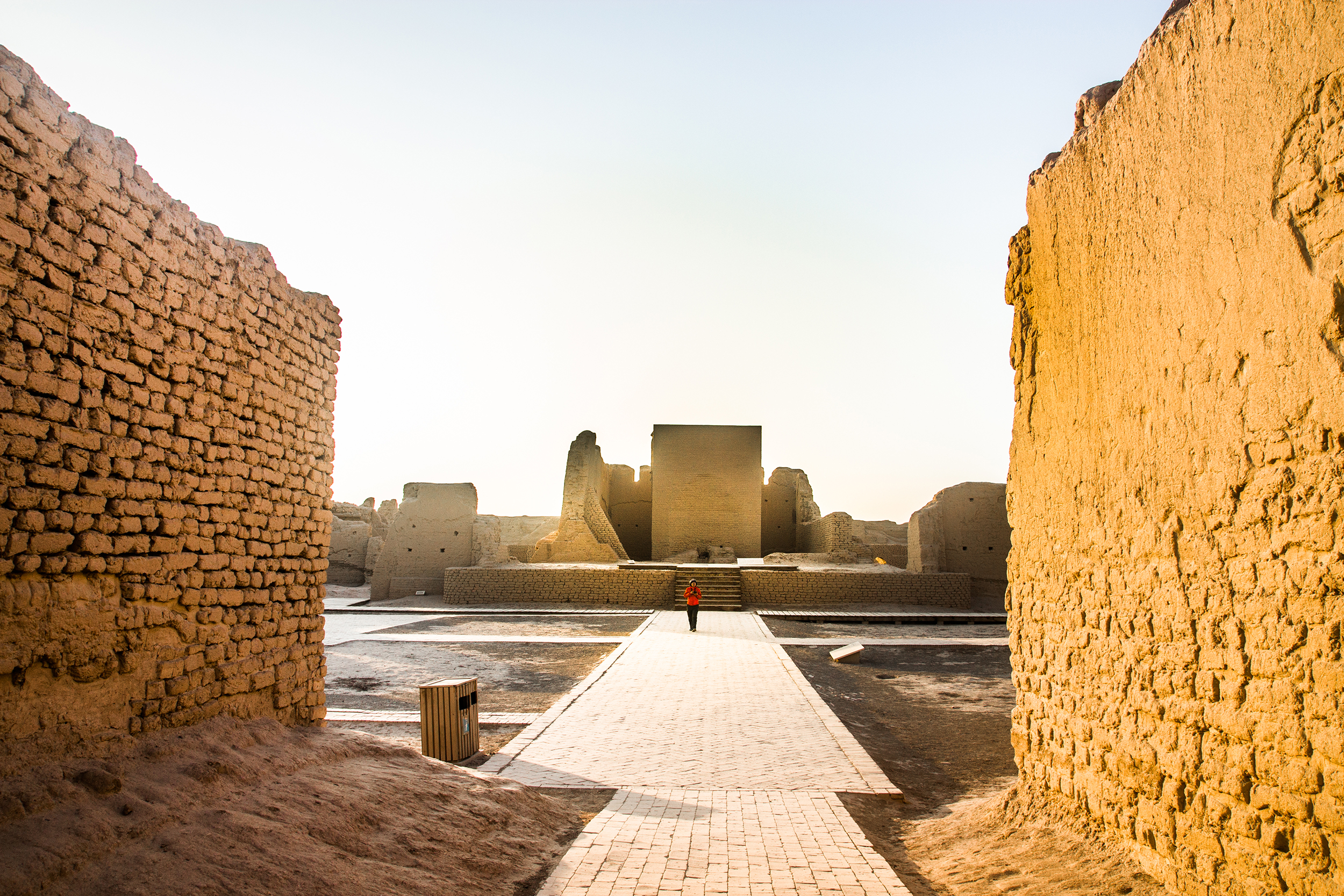
Turpan and Return to UrumqiThe morning continues through Turpan's archaeological sites. The Astana Graves hold Tang dynasty burial objects recovered from a necropolis used between the third and eighth centuries. The ruins of Gaochang, a walled city that served as a major Silk Road administrative center, are extensive and largely unrestored. The village of Tuyuq, an ancient settled community in a canyon east of the city, remains inhabited. Lunch is taken in the courtyard of a local farmer's house, under a grape arbor. The drive returns to Urumqi for the final night.
Day 19
Departure from UrumqiThe morning is free until checkout. A driver transfers you to Urumqi airport for your onward connection.

Silk Road Traverse: Kazakhstan, Kyrgyzstan and Xinjiang
 19
 19 DAYS
 Fairly Easy
This nineteen-day private itinerary moves east to west across the Silk Road's Central Asian arc, beginning in Almaty and closing in Urumqi. The route passes through the desert and mountain terrain of Altyn-Emel National Park, crosses into Kyrgyzstan via the capital Bishkek, and tracks south through the alpine landscapes framing Issyk-Kul and Son-Kul lakes. A UNESCO-listed caravanserai at Tash-Rabat marks the approach to the Chinese border at Torugart. From Kashgar the itinerary follows the Karakoram Highway toward the Pamir range before turning north to Urumqi and the ancient settled sites of the Turpan depression. The journey is unhurried and geographically coherent, suited to travelers with a serious interest in Islamic architecture, nomadic culture, rock art, and the layered history of trade across the Eurasian steppe.
Silk Road Traverse: Kazakhstan, Kyrgyzstan and Xinjiang
19 19 DAYS Fairly EasyThis nineteen-day private itinerary moves east to west across the Silk Road's Central Asian arc, beginning in Almaty and closing in Urumqi. The route passes through the desert and mountain terrain of Altyn-Emel National Park, crosses into Kyrgyzstan via the capital Bishkek, and tracks south through the alpine landscapes framing Issyk-Kul and Son-Kul lakes. A UNESCO-listed caravanserai at Tash-Rabat marks the approach to the Chinese border at Torugart. From Kashgar the itinerary follows the Karakoram Highway toward the Pamir range before turning north to Urumqi and the ancient settled sites of the Turpan depression. The journey is unhurried and geographically coherent, suited to travelers with a serious interest in Islamic architecture, nomadic culture, rock art, and the layered history of trade across the Eurasian steppe.

Thank you
Your enquiry has been submitted and you will be contected by our sales staff shortly