

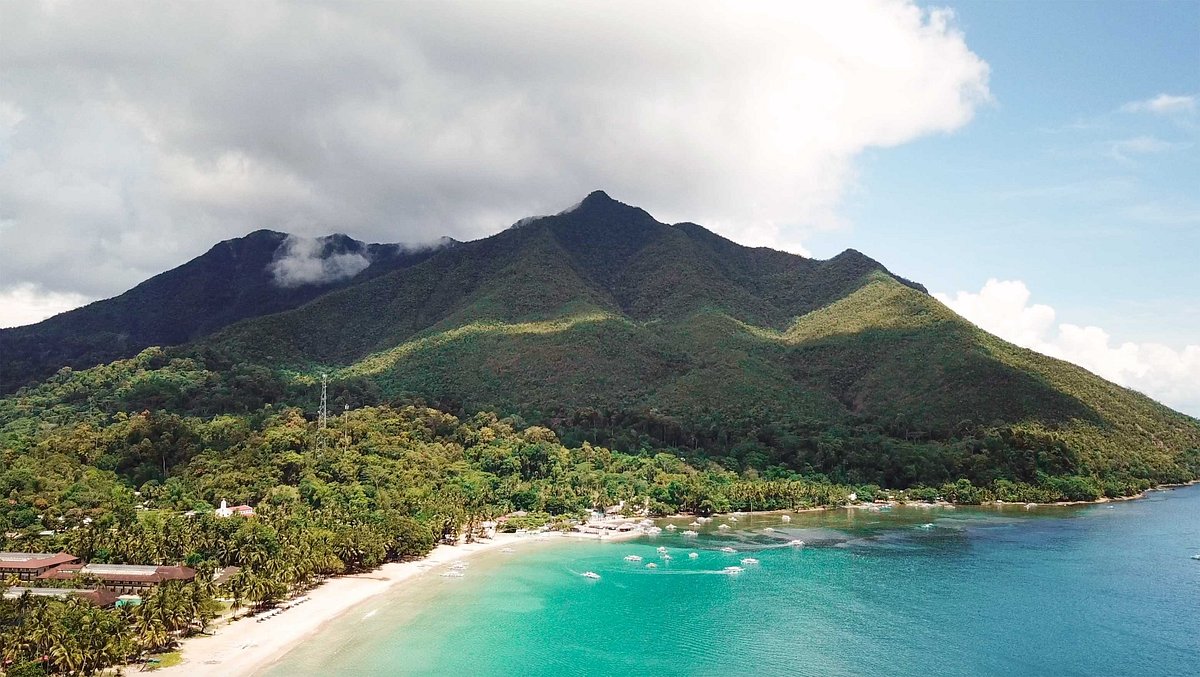
Palawan, The Last Frontier | Private Trip
Summary
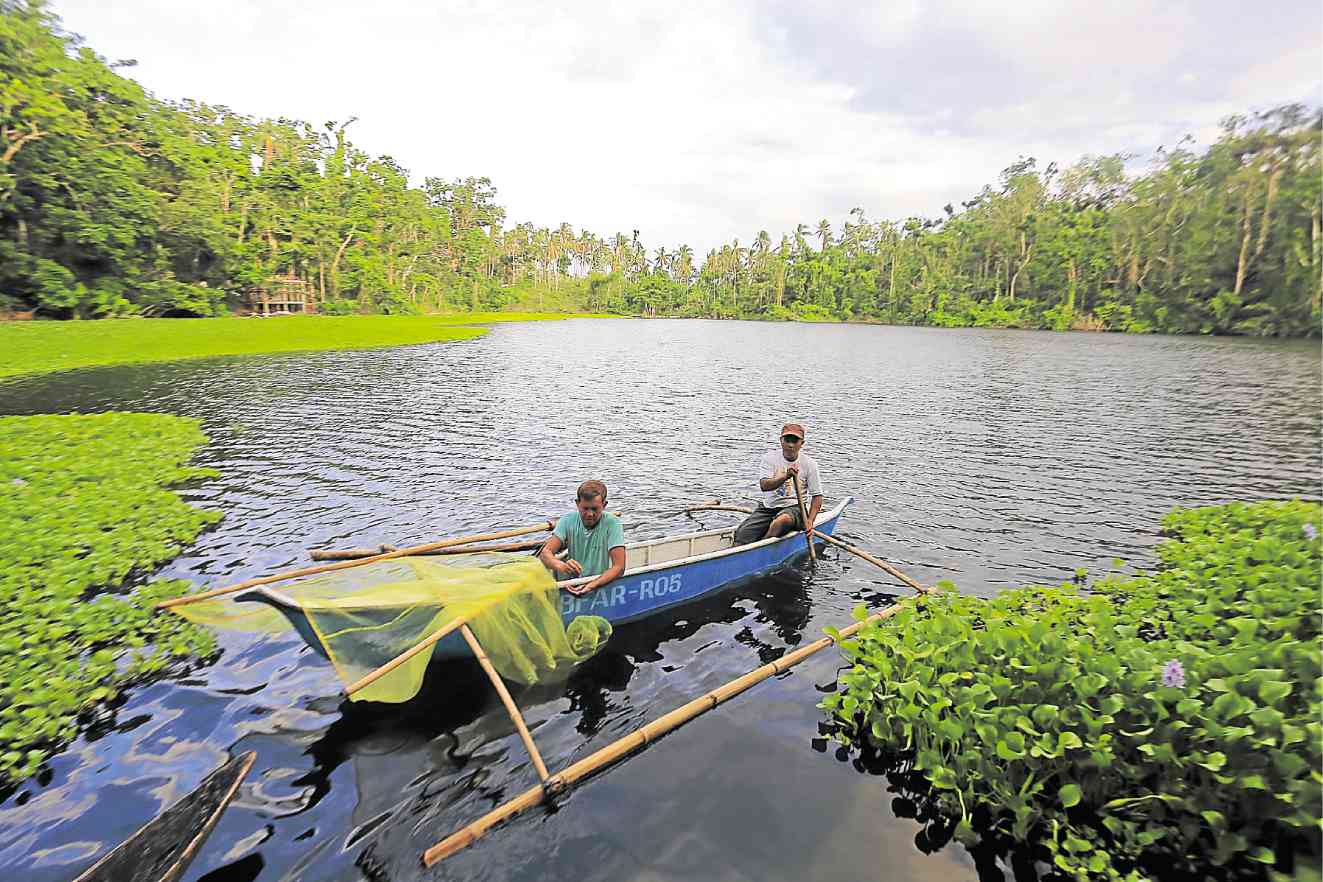
This seven-day itinerary moves through three distinct faces of Palawan, each separated by a meaningful change in landscape and pace. Puerto Princesa provides the entry point, where the Iwahig River and its surrounding penal colony offer an unexpected introduction to the island's layered history. From there, the route shifts west to Sabang, the access point for the UNESCO-listed Puerto Princesa Subterranean River, one of the longest navigable underground rivers in the world. The final section travels north to El Nido, where Bacuit Bay presents a concentration of vertical limestone karst, hidden lagoons, and narrow sea passages that define Palawan's reputation for geographic extremity. The journey is unhurried by design, allowing each environment to register fully before the next begins.
Highlights
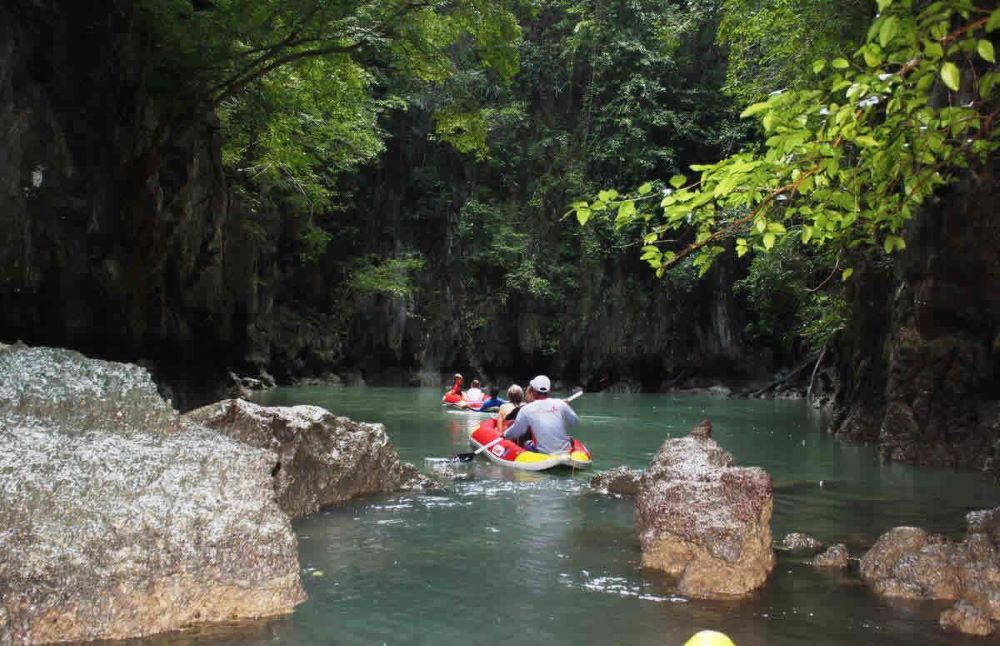
- A canoe passage through the Puerto Princesa Subterranean River, navigating cathedral-scale cave chambers carved by an ancient river system beneath a limestone mountain
- A paddle through primary mangrove forest near Sabang, moving quietly through root systems and tidal channels that predate any modern footprint in the area
- A full day on Bacuit Bay by motorized boat, reading the geography of El Nido's limestone islands up close, including cliff faces, sea caves, and nesting grounds historically associated with the edible bird's nest trade
- Access to El Nido's hidden lagoons, reachable only through narrow karst openings at certain tidal windows, where enclosed water and reflected limestone create a specific kind of stillness
- The overland drive from Sabang to El Nido, a seven-hour transit that tracks Palawan's interior and coastal edge, conveying the island's actual scale and the gradual shift in its northern character
- An optional ascent of one of El Nido's peaks, which places the bay's island geography in full context from above
What is included in this tour?
Items that are included in the cost of tour price.- Carefully selected accommodation with meals
- Hotel pick-up and drop-off
- Licensed English-speaking guides
- Private transportation
What is not included in this tour?
Items that are not included in the cost of tour price.- International airfares
- Insurance
- Visa fees
- Airport departure tax
- Rescue charge
- Drinks (cold and alcoholic)
- Expenses of personal nature
- Lunches and dinners whilst not in description
Day by day Itinerary
Day 1
Puerto Princesa: Arrival and First OrientationThe itinerary begins with a late-morning arrival into Puerto Princesa, Palawan's provincial capital and the administrative center through which most journeys onto the island pass. After settling into the city hotel, the afternoon is given to a structured introduction to the town itself. The Crocodile Farm provides a close encounter with one of Palawan's most significant resident species, managed here in a conservation context. A river cruise along the Iwahig River follows, winding through mangrove-edged water in the late afternoon light. The route also takes in a visit to the Iwahig Penal Colony, an open-air correctional institution established in the early twentieth century whose geography and operating model remain genuinely unusual by any standard. The evening ends with dinner at a local restaurant in Puerto Princesa.
Day 2
Puerto Princesa to Sabang: The Underground RiverThe morning begins with a drive west from Puerto Princesa to Sabang, the coastal village that serves as the staging point for the Puerto Princesa Subterranean River. The river, which runs for several kilometers through an active cave system before emptying into the South China Sea, holds UNESCO World Heritage status and is recognized as one of the longest navigable underground rivers accessible to visitors. From Sabang, a motorized boat crosses the short stretch of open water to the cave entrance. Inside, the journey continues by canoe, moving through a sequence of large chambers shaped over millennia by the river's passage through the limestone massif. The scale of the interior spaces, the acoustic quality, and the absence of daylight make for a passage with few equivalents elsewhere. Accommodation for the night is in Sabang.
Day 3
Sabang: Mangrove Forest and Lion's Head CaveThis day is deliberately unstructured by the standards of the itinerary. With no transfer scheduled, the focus shifts to two experiences within walking or paddling distance of the village. The first is the walk to Lion's Head Cave, a formation accessible on foot from Sabang that offers a different geological register from the main underground river system and a vantage point for photography. The second is a paddle boat excursion through the primary mangrove forest that lines the coastline near the cave entrance. The forest here is old-growth in the practical sense: dense, largely undisturbed, and navigable only by small vessel. The pacing of the day is governed by the environment rather than a fixed schedule.
Day 4
Sabang to El Nido: The Long Road NorthThe overland drive from Sabang to El Nido covers significant distance and takes approximately seven hours. The route tracks through Palawan's interior and along sections of its western coast, and the journey itself functions as an education in the island's geography. Palawan is long and narrow, and the drive from its midsection to its northern reaches conveys this in a way that no map or summary can replicate. The landscape changes incrementally, the density of settlement thins, and the quality of the light shifts as the road approaches the northern tip. Arrival into El Nido town allows time for initial orientation and check-in before the day ends.
Day 5
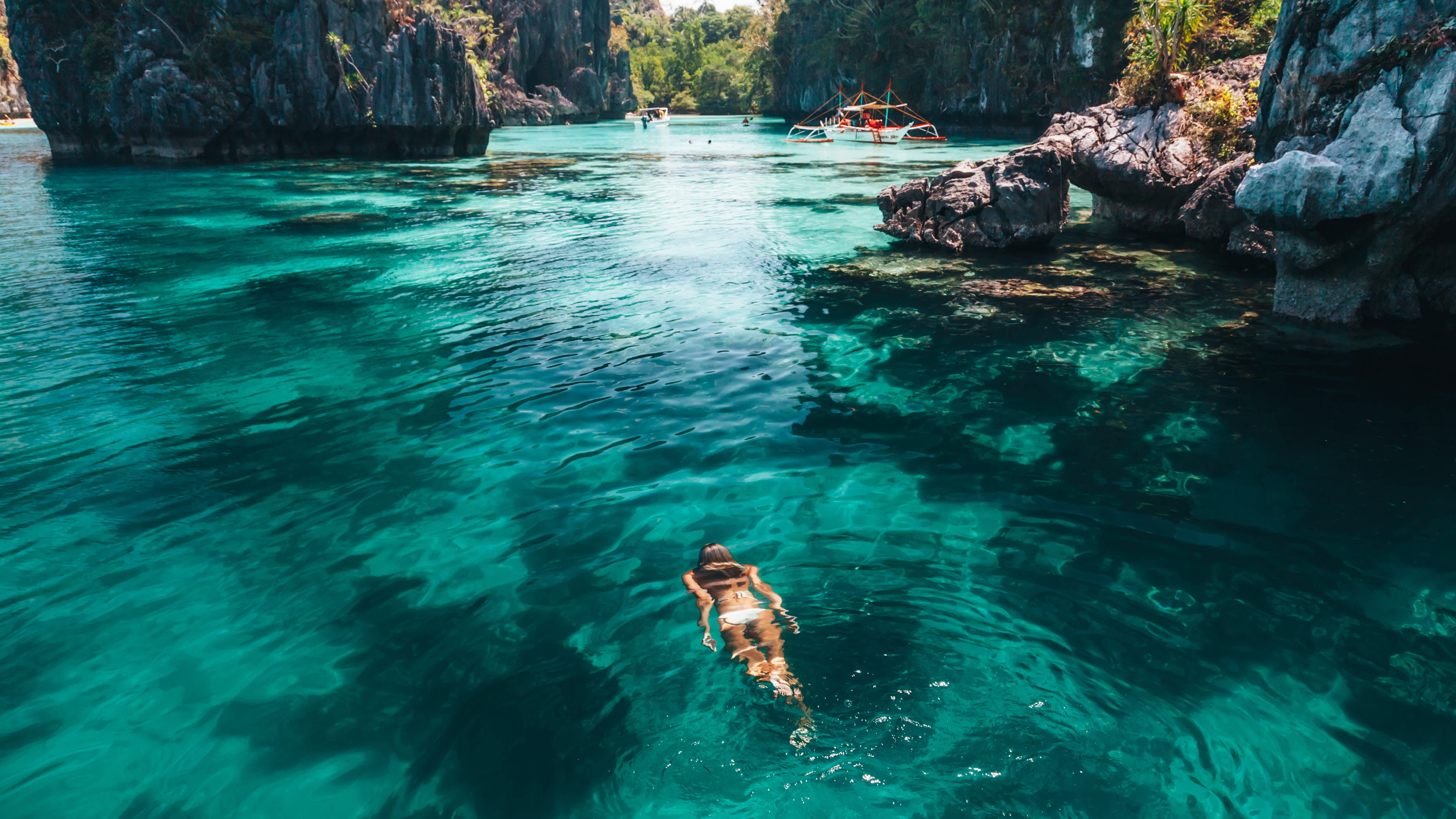
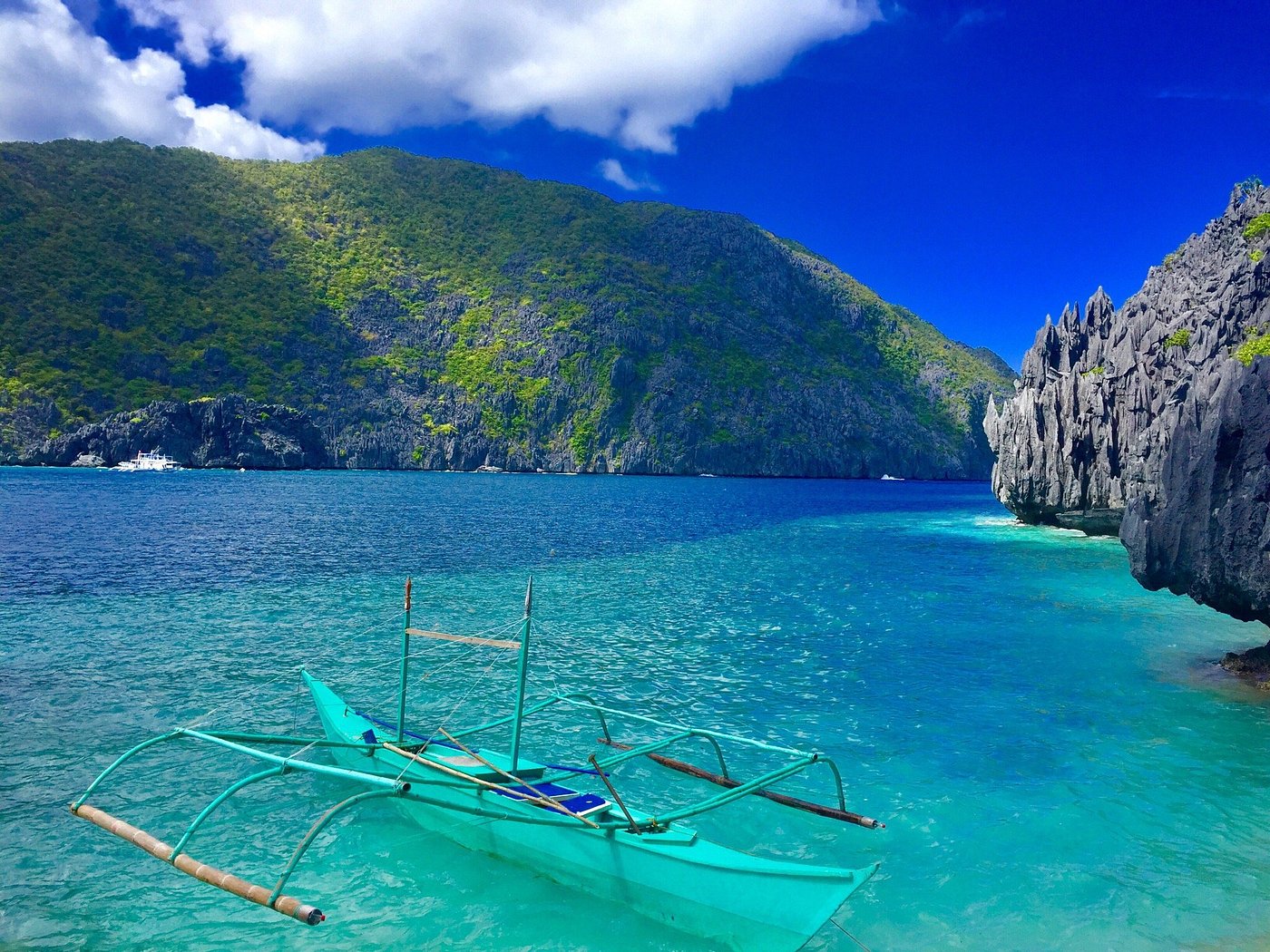
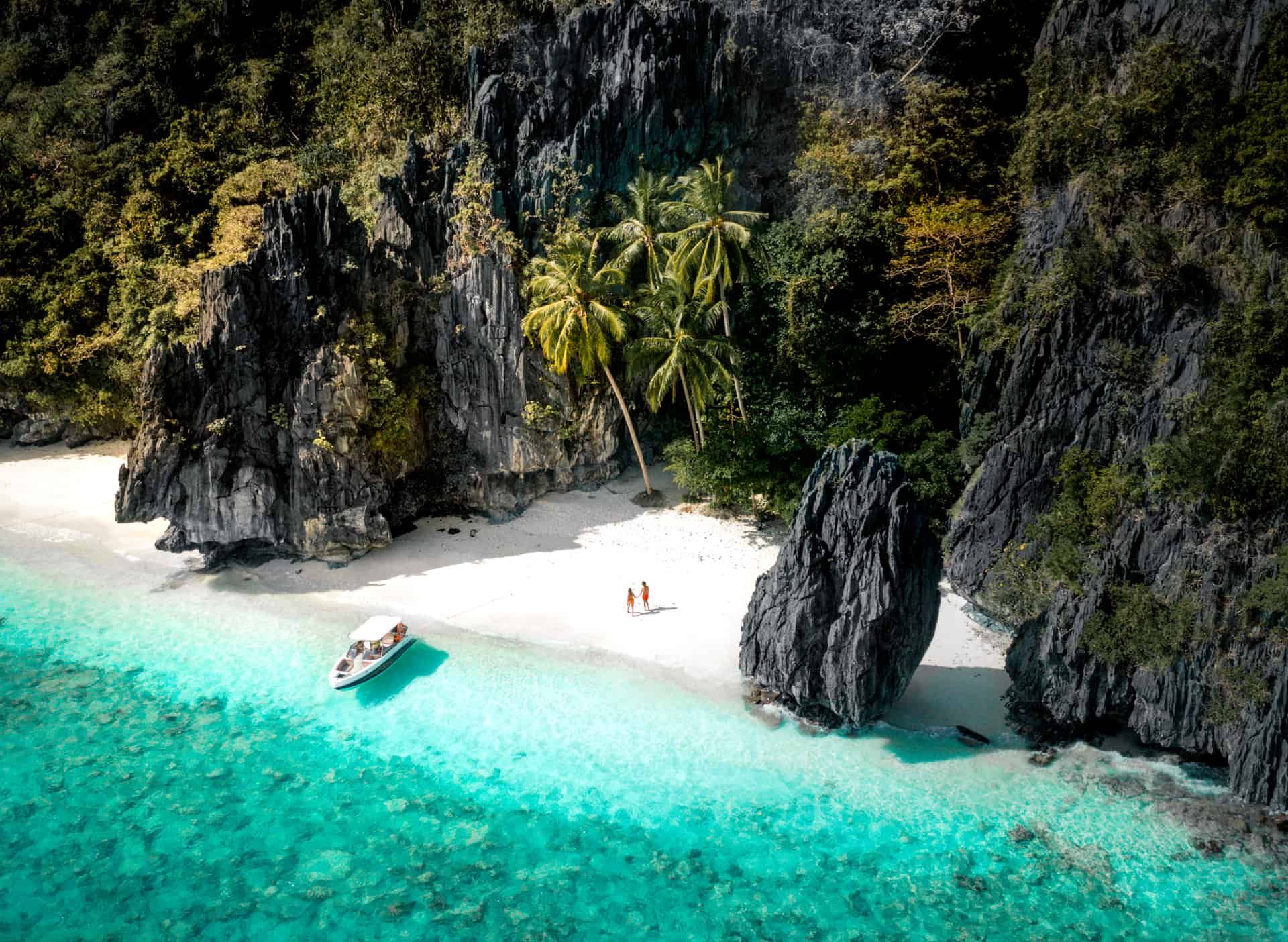
El Nido: Bacuit Bay by BoatA full day is allocated to Bacuit Bay, the body of water enclosed by El Nido's outlying limestone islands. The bay is reached by motorized boat from the town pier, and the day moves through a sequence of island stops defined by their karst formations. The cliffs here are vertical and in places overhanging, composed of marble and limestone laid down in a marine environment long before the bay existed in its current form. Small caves and open crevices in the cliff faces have historically supported colonies of swiftlets, whose nests form the basis of El Nido's most specific culinary association. The day also includes access to hidden lagoons, enclosed bodies of water reached through narrow gaps in the rock that open only at the right tidal moment. A picnic lunch is taken on the water or at one of the island stops during the day.
Day 6
El Nido: Town and Optional AscentThe final full day in El Nido is spent at a slower register. The town itself repays time on foot: its layout, its waterfront, and the immediacy of the karst backdrop give it a character distinct from the resort infrastructure that has grown alongside it. For those who want a physical dimension to the day, an optional climb to one of El Nido's surrounding peaks is available. The ascent places Bacuit Bay in its full geographic context, with the island formations that defined the previous day's boat tour now readable as a coherent landscape from above. The view also makes plain why the bay's navigational complexity is best understood from elevation before it is explored at sea level.
Day 7
El Nido to Manila: DepartureThe final day begins with a transfer to El Nido's airstrip for the flight back to Manila. On arrival in the capital, the route moves to Makati, the city's primary commercial and retail district, where time is available for independent exploration or shopping before the onward international connection. Transfer to Manila Ninoy Aquino International Airport completes the itinerary.

Manila and Suburbs
 1
1 4 HOURS
 Fairly Easy
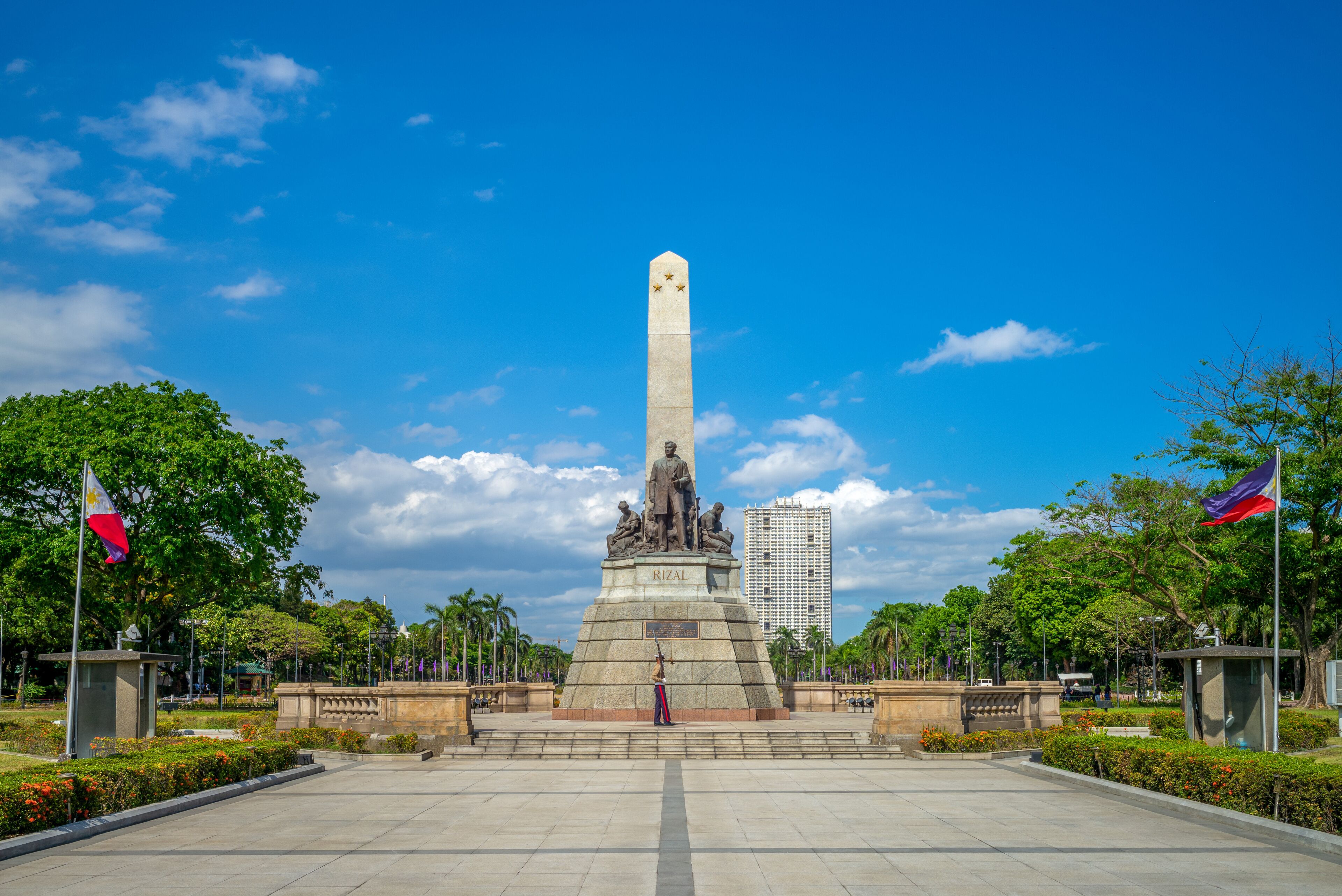
Manila rewards the traveller who looks past its surface complexity. This private itinerary moves at a deliberate pace through Intramuros and the civic spaces of Rizal Park, pausing at sites that hold genuine historical weight. Fort Santiago, the American Memorial Cemetery, and a curated handicraft workshop together form a coherent portrait of a city shaped by three centuries of Spanish rule, a decade of American administration, and the resilience of its own people. The guide assigned to this journey is a specialist in Philippine political and cultural history, not a generalist, and the pace is set by the guest.
Manila Heritage
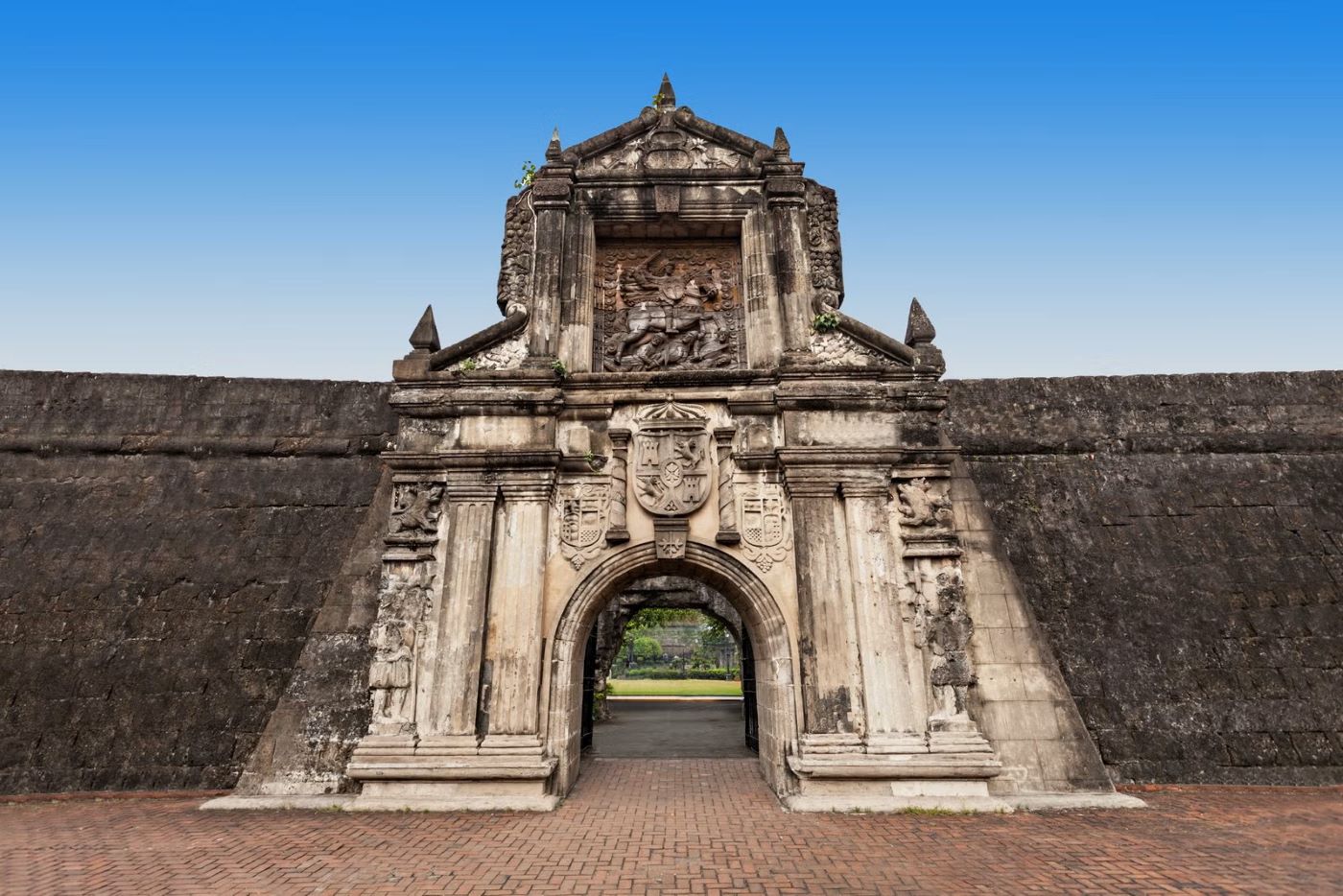
1 1 DAY Fairly EasyThis private day tour moves through the oldest quarter of Manila with a guide who knows its architecture, its contested history, and its present-day texture. The itinerary is structured rather than rushed, allowing time at each site to observe detail and ask questions. Lunch is taken at a table, not a buffet line. The tour suits travellers who read before they arrive and prefer conversation to commentary.
Makati Skyline
1 1 DAY Fairly EasyMakati rewards the traveller who looks past its commercial surface. This half-day private circuit moves through three distinct layers of the city: the curatorial rigour of the Ayala Museum, the restrained residential planning of Forbes Park, and the American War Memorial at Manila American Cemetery, where 17,206 names are recorded in marble. Each stop asks something different of the visitor. Together they form a coherent portrait of a capital shaped by colonial history, mid-century wealth, and the discipline of remembrance.
Manila Ocean Park and Intramuros
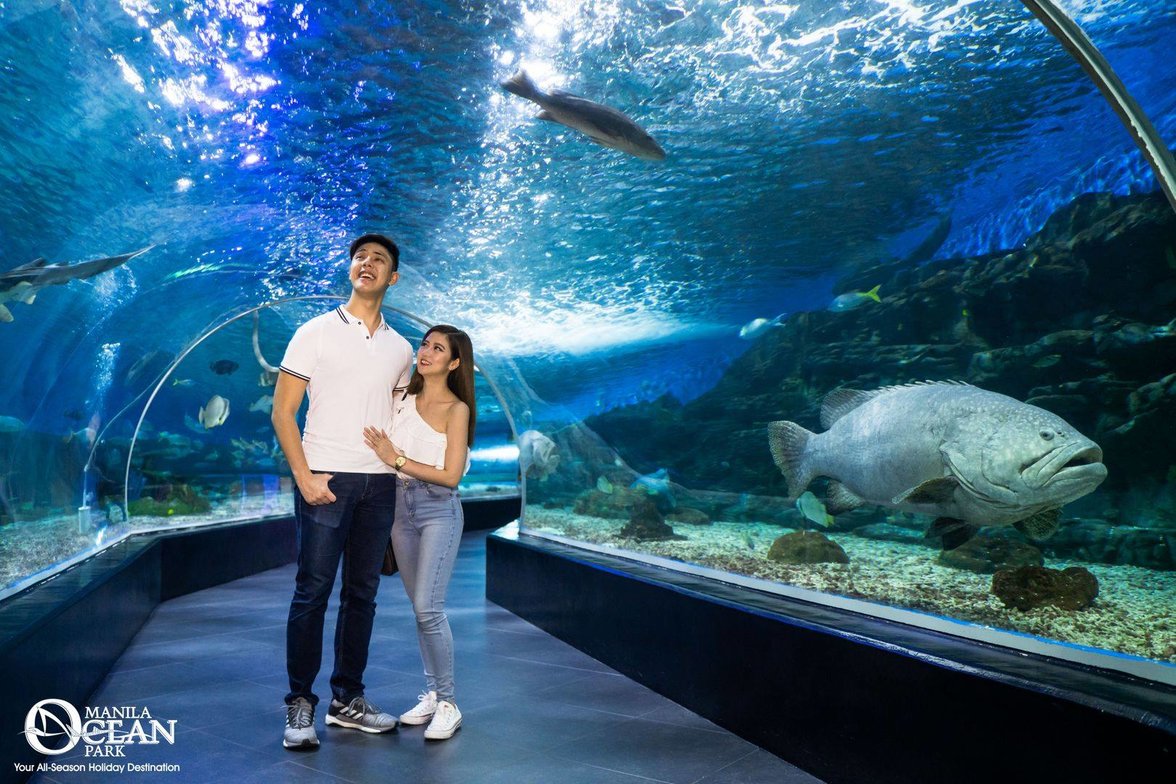
1 1 DAY Fairly EasyManila holds two distinct worlds within a short distance of each other. Intramuros, the walled city founded by the Spanish in 1571, preserves cobblestone streets, fortified gates, and the quiet interior of San Agustin Church, the oldest stone church in the Philippines. Manila Ocean Park, situated at the edge of Manila Bay, offers a controlled encounter with the marine life of Southeast Asian waters, from reef sharks to jellyfish in a dedicated luminescence gallery. This itinerary pairs the two in a single unhurried day, moving from colonial stone to open water without overlap or waste.
Manila at Your Own Pace
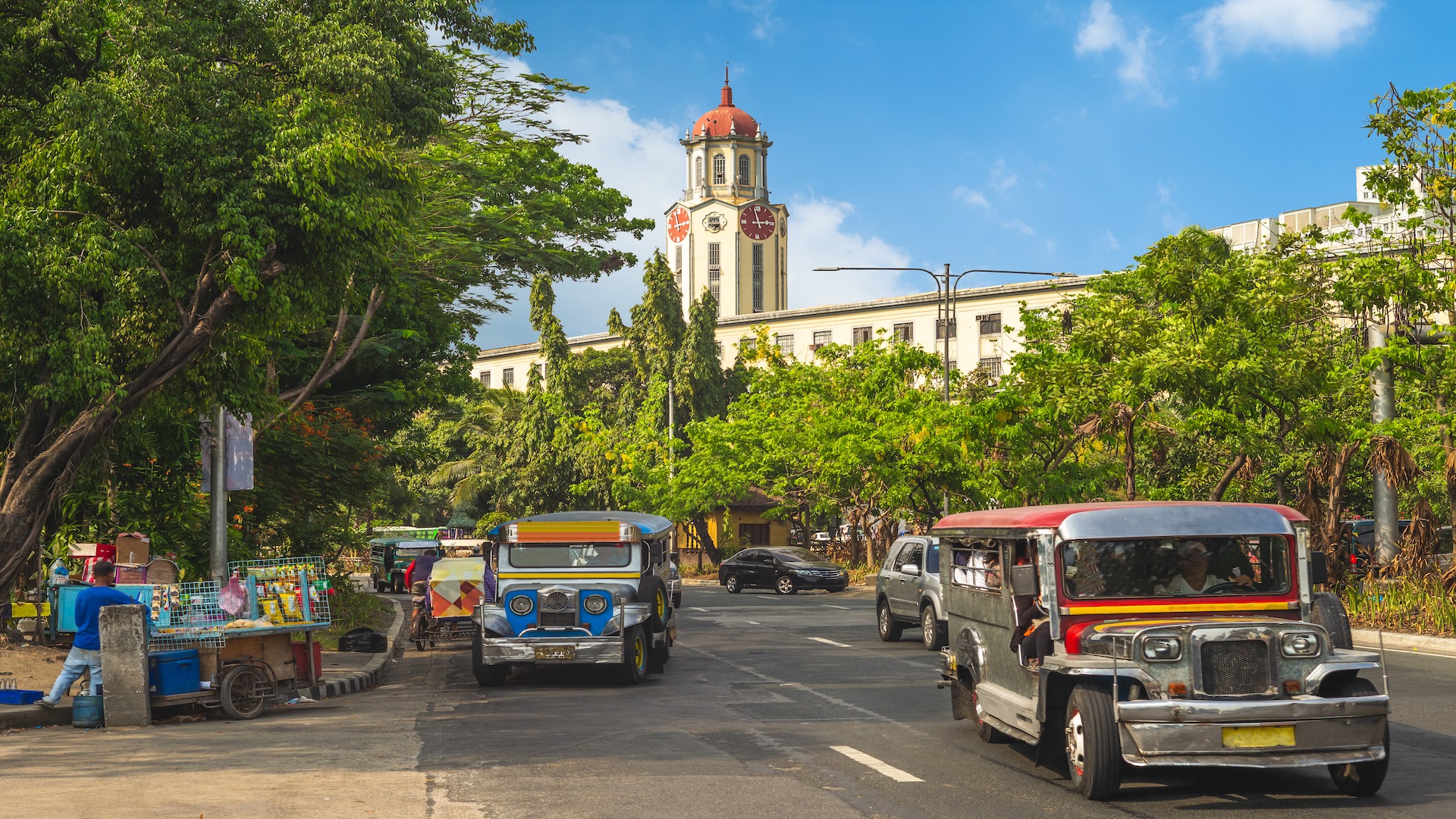
1 1 DAY Fairly EasyThis arrangement places a dedicated jeepney or period van at your disposal for a self-directed passage through Metro Manila. A private escort manages logistics, secures entry to each site, and adjusts the pace entirely to your preference. The itinerary is structured around Fort Santiago and the walled district of Intramuros, with the freedom to linger, divert, or return as the afternoon dictates. It suits travellers who want coherent access to the city without a fixed group timetable.
Pasig River Cruise
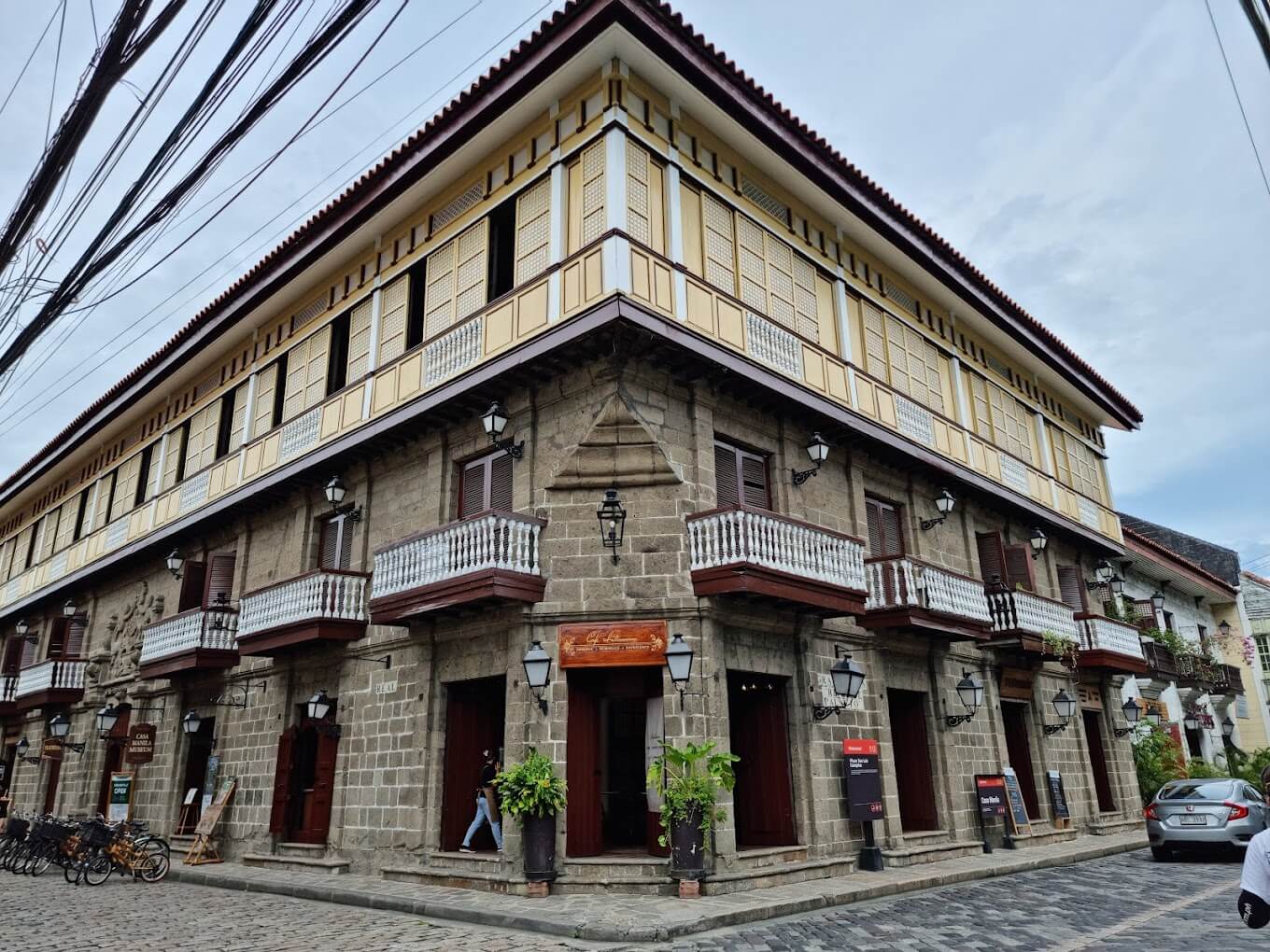
1 1 DAY Fairly EasyThe Pasig River connects Manila Bay to the city's eastern districts in a continuous, unhurried passage through four municipalities. Travelling aboard the air-conditioned commuter ferry, guests move at water level through neighbourhoods that resist easy access by road. The cruise functions as both transport and observation, revealing the city's layered geography in a way that no street-level itinerary can replicate. A full-day pass allows the journey to be structured around one or more of the established walking districts along the route.
Manila: A Considered Shopping Itinerary
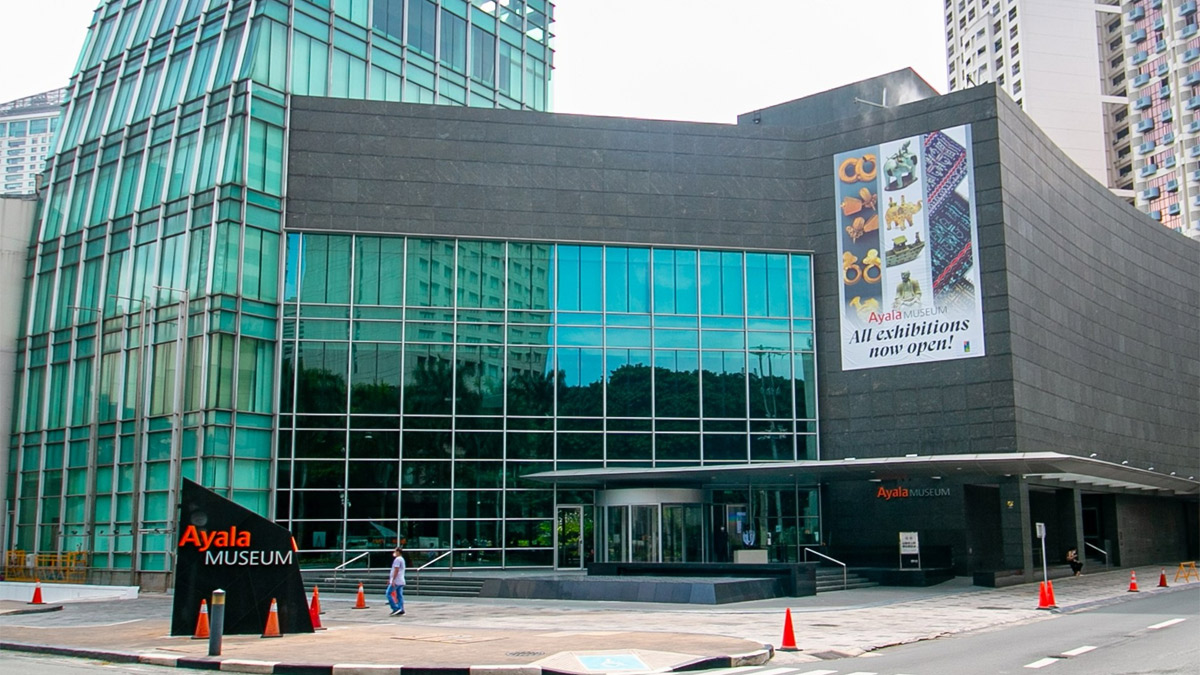
3 3 DAYS Fairly EasyManila rewards the attentive buyer. This itinerary moves through four trading environments that together represent the full range of the city's retail life: the covered market stalls of Greenhills, where cultured pearls and hand-set jewelry are sold at negotiated prices; the open-air pavilions of Tiendesitas, given over to furniture, craft objects, and decorative curios; the vast waterfront complex of Mall of Asia on Roxas Boulevard; and the refined, landscaped galleries of Greenbelt in Makati, where international and Philippine labels occupy low-rise buildings arranged around open courtyards. A private vehicle and a knowledgeable local guide accompany each day, allowing visits to be paced and purchases to be made without pressure.
Binondo Food Walk
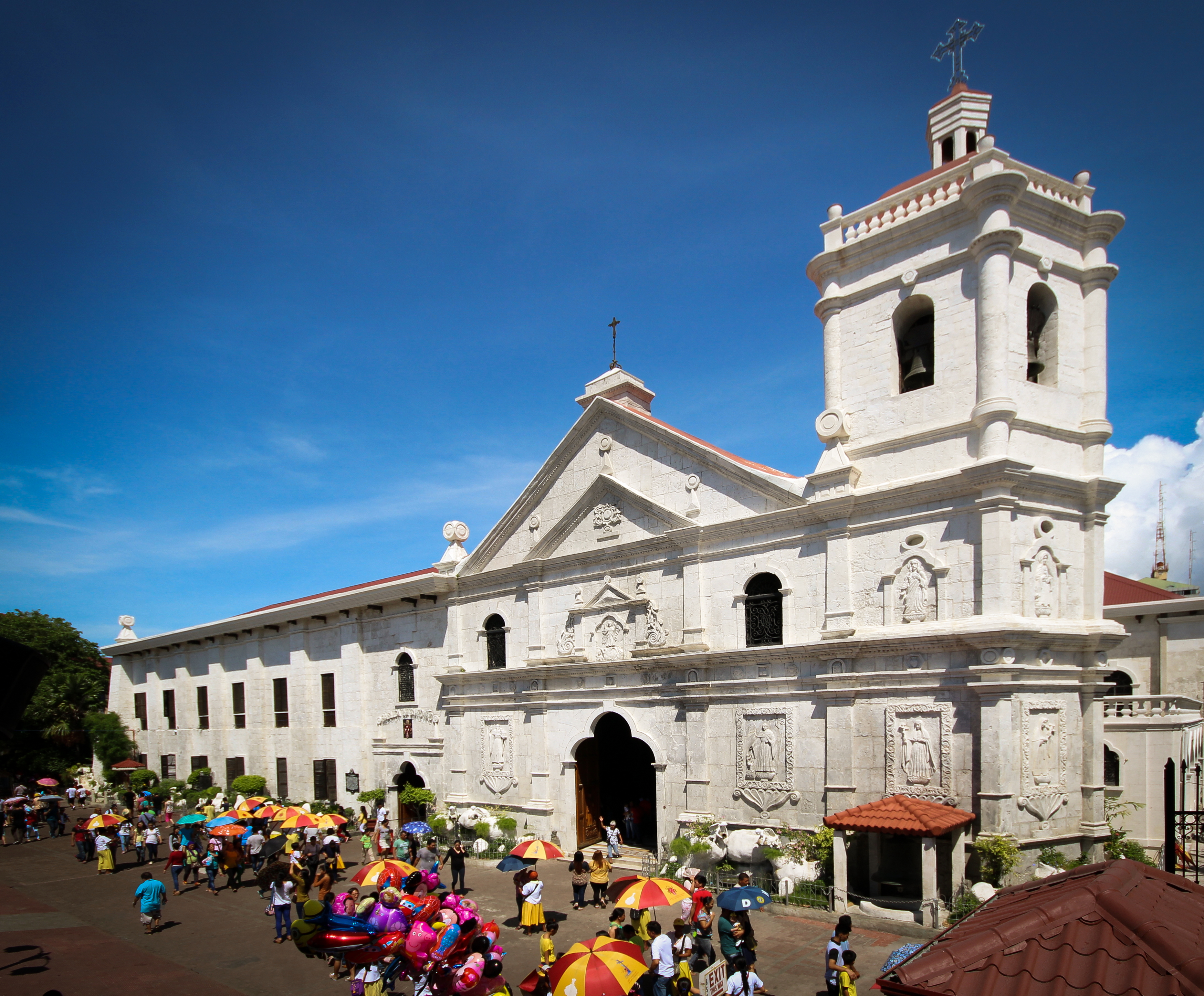
1 1 DAY Fairly EasyBinondo has operated as Manila's Chinese quarter since 1594, and its culinary character has deepened with every generation. This private walk moves at a considered pace through narrow streets that connect family-run stalls, century-old bakeries, and establishments that have never sought wider attention. Dishes are chosen for provenance and technique, not novelty. The experience is structured around eating and observation in roughly equal measure.
Intramuros Walking Tour
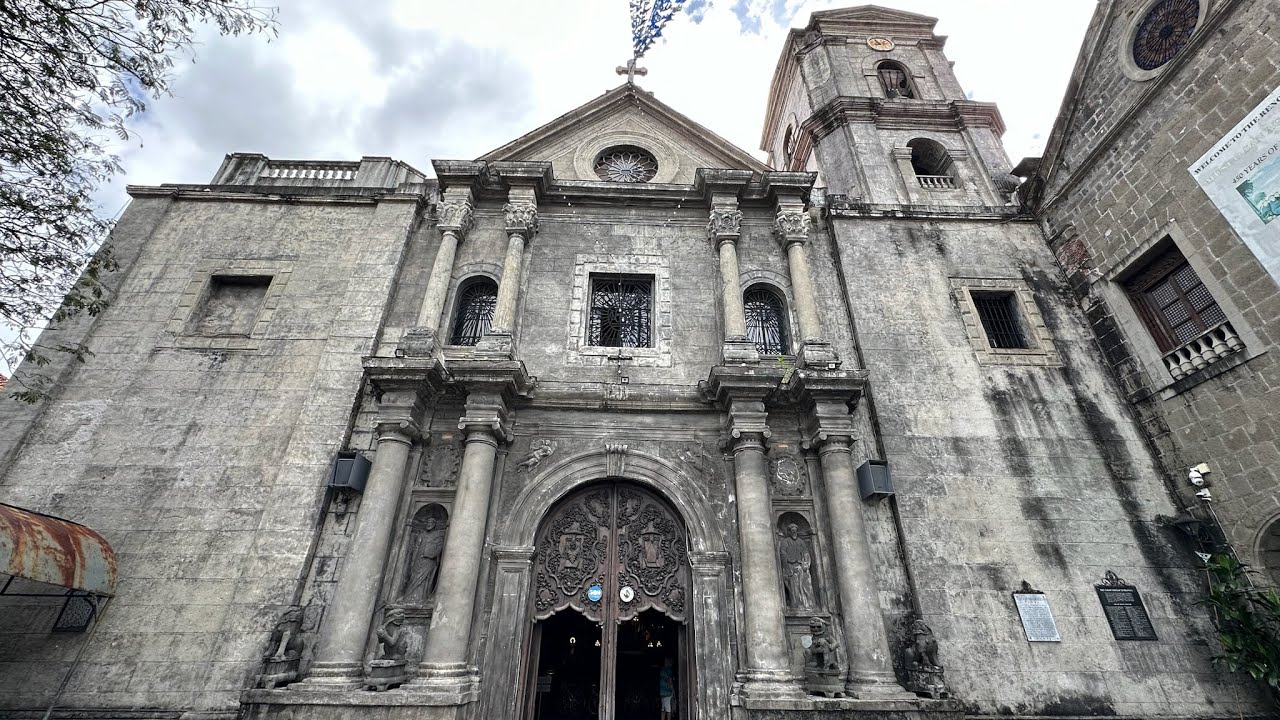
1 1 DAY Fairly EasyIntramuros occupies a precise square kilometre of Manila, yet within its stone walls lies the administrative, religious, and military architecture of Spanish colonial rule. This private walking tour moves at a considered pace through cobbled lanes and past fortified ramparts, guided by a specialist who draws on primary historical sources rather than rehearsed anecdote. The programme is suited to travellers who prefer context over spectacle and wish to leave with a genuine understanding of how this enclave defined the character of the Philippine archipelago.
Corregidor Island
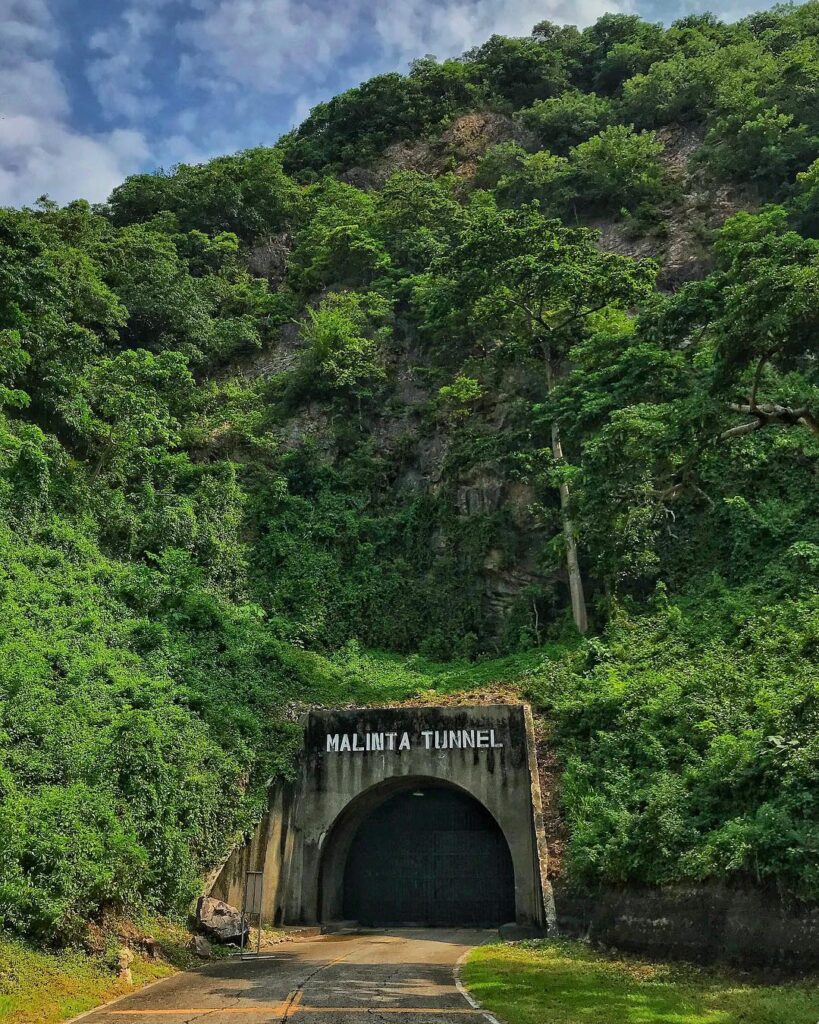
1 1 DAY Fairly EasyCorregidor is a small island at the mouth of Manila Bay, known historically as The Rock. It was the final defensive position held by Filipino and American forces during the Second World War. A structured day visit moves through the island's preserved batteries, barracks ruins, and memorial sites before descending into the Malinta Tunnel, where a light and sound presentation documents the siege with restraint and accuracy. Lunch is served on the island following the tour. Transfer arrangements to and from the embarkation point at Manila are handled independently.
Hills and Plains: The Scenic Border
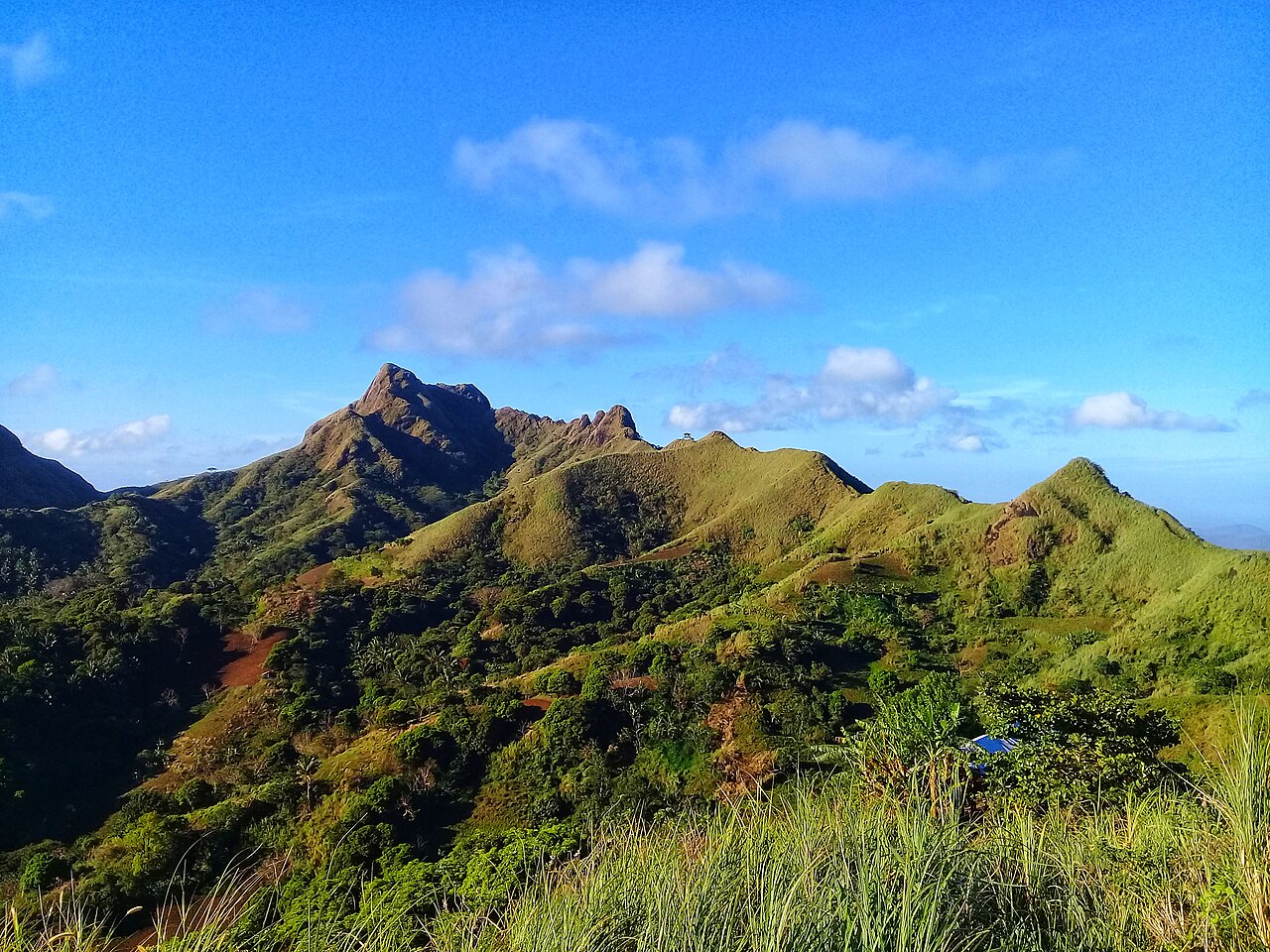
6 6 DAYS Fairly EasyThis six-day journey explores the remote Batanes islands in the northern Philippines, moving through Batan, Itbayat, and Sabtang. The itinerary focuses on geographic isolation, vernacular architecture, and local community life. Itbayat is accessed by open-water crossing and explored via homestay, while Sabtang features intact Ivatan stone villages. The trip is designed for travelers seeking immersion in unique landscapes and cultural practices, with minimal emphasis on organized activities
Manila and Suburbs
1 4 HOURS Fairly EasyManila rewards the traveller who looks past its surface complexity. This private itinerary moves at a deliberate pace through Intramuros and the civic spaces of Rizal Park, pausing at sites that hold genuine historical weight. Fort Santiago, the American Memorial Cemetery, and a curated handicraft workshop together form a coherent portrait of a city shaped by three centuries of Spanish rule, a decade of American administration, and the resilience of its own people. The guide assigned to this journey is a specialist in Philippine political and cultural history, not a generalist, and the pace is set by the guest.
Manila Heritage
1 1 DAY Fairly EasyThis private day tour moves through the oldest quarter of Manila with a guide who knows its architecture, its contested history, and its present-day texture. The itinerary is structured rather than rushed, allowing time at each site to observe detail and ask questions. Lunch is taken at a table, not a buffet line. The tour suits travellers who read before they arrive and prefer conversation to commentary.
Makati Skyline
1 1 DAY Fairly EasyMakati rewards the traveller who looks past its commercial surface. This half-day private circuit moves through three distinct layers of the city: the curatorial rigour of the Ayala Museum, the restrained residential planning of Forbes Park, and the American War Memorial at Manila American Cemetery, where 17,206 names are recorded in marble. Each stop asks something different of the visitor. Together they form a coherent portrait of a capital shaped by colonial history, mid-century wealth, and the discipline of remembrance.
Manila Ocean Park and Intramuros
1 1 DAY Fairly EasyManila holds two distinct worlds within a short distance of each other. Intramuros, the walled city founded by the Spanish in 1571, preserves cobblestone streets, fortified gates, and the quiet interior of San Agustin Church, the oldest stone church in the Philippines. Manila Ocean Park, situated at the edge of Manila Bay, offers a controlled encounter with the marine life of Southeast Asian waters, from reef sharks to jellyfish in a dedicated luminescence gallery. This itinerary pairs the two in a single unhurried day, moving from colonial stone to open water without overlap or waste.
Manila at Your Own Pace
1 1 DAY Fairly EasyThis arrangement places a dedicated jeepney or period van at your disposal for a self-directed passage through Metro Manila. A private escort manages logistics, secures entry to each site, and adjusts the pace entirely to your preference. The itinerary is structured around Fort Santiago and the walled district of Intramuros, with the freedom to linger, divert, or return as the afternoon dictates. It suits travellers who want coherent access to the city without a fixed group timetable.
Pasig River Cruise
1 1 DAY Fairly EasyThe Pasig River connects Manila Bay to the city's eastern districts in a continuous, unhurried passage through four municipalities. Travelling aboard the air-conditioned commuter ferry, guests move at water level through neighbourhoods that resist easy access by road. The cruise functions as both transport and observation, revealing the city's layered geography in a way that no street-level itinerary can replicate. A full-day pass allows the journey to be structured around one or more of the established walking districts along the route.
Manila: A Considered Shopping Itinerary
3 3 DAYS Fairly EasyManila rewards the attentive buyer. This itinerary moves through four trading environments that together represent the full range of the city's retail life: the covered market stalls of Greenhills, where cultured pearls and hand-set jewelry are sold at negotiated prices; the open-air pavilions of Tiendesitas, given over to furniture, craft objects, and decorative curios; the vast waterfront complex of Mall of Asia on Roxas Boulevard; and the refined, landscaped galleries of Greenbelt in Makati, where international and Philippine labels occupy low-rise buildings arranged around open courtyards. A private vehicle and a knowledgeable local guide accompany each day, allowing visits to be paced and purchases to be made without pressure.
Binondo Food Walk
1 1 DAY Fairly EasyBinondo has operated as Manila's Chinese quarter since 1594, and its culinary character has deepened with every generation. This private walk moves at a considered pace through narrow streets that connect family-run stalls, century-old bakeries, and establishments that have never sought wider attention. Dishes are chosen for provenance and technique, not novelty. The experience is structured around eating and observation in roughly equal measure.
Intramuros Walking Tour
1 1 DAY Fairly EasyIntramuros occupies a precise square kilometre of Manila, yet within its stone walls lies the administrative, religious, and military architecture of Spanish colonial rule. This private walking tour moves at a considered pace through cobbled lanes and past fortified ramparts, guided by a specialist who draws on primary historical sources rather than rehearsed anecdote. The programme is suited to travellers who prefer context over spectacle and wish to leave with a genuine understanding of how this enclave defined the character of the Philippine archipelago.
Corregidor Island
1 1 DAY Fairly EasyCorregidor is a small island at the mouth of Manila Bay, known historically as The Rock. It was the final defensive position held by Filipino and American forces during the Second World War. A structured day visit moves through the island's preserved batteries, barracks ruins, and memorial sites before descending into the Malinta Tunnel, where a light and sound presentation documents the siege with restraint and accuracy. Lunch is served on the island following the tour. Transfer arrangements to and from the embarkation point at Manila are handled independently.
Manila and Suburbs
1 4 HOURS Fairly EasyManila rewards the traveller who looks past its surface complexity. This private itinerary moves at a deliberate pace through Intramuros and the civic spaces of Rizal Park, pausing at sites that hold genuine historical weight. Fort Santiago, the American Memorial Cemetery, and a curated handicraft workshop together form a coherent portrait of a city shaped by three centuries of Spanish rule, a decade of American administration, and the resilience of its own people. The guide assigned to this journey is a specialist in Philippine political and cultural history, not a generalist, and the pace is set by the guest.
Manila Heritage
1 1 DAY Fairly EasyThis private day tour moves through the oldest quarter of Manila with a guide who knows its architecture, its contested history, and its present-day texture. The itinerary is structured rather than rushed, allowing time at each site to observe detail and ask questions. Lunch is taken at a table, not a buffet line. The tour suits travellers who read before they arrive and prefer conversation to commentary.
Makati Skyline
1 1 DAY Fairly EasyMakati rewards the traveller who looks past its commercial surface. This half-day private circuit moves through three distinct layers of the city: the curatorial rigour of the Ayala Museum, the restrained residential planning of Forbes Park, and the American War Memorial at Manila American Cemetery, where 17,206 names are recorded in marble. Each stop asks something different of the visitor. Together they form a coherent portrait of a capital shaped by colonial history, mid-century wealth, and the discipline of remembrance.
Manila Ocean Park and Intramuros
1 1 DAY Fairly EasyManila holds two distinct worlds within a short distance of each other. Intramuros, the walled city founded by the Spanish in 1571, preserves cobblestone streets, fortified gates, and the quiet interior of San Agustin Church, the oldest stone church in the Philippines. Manila Ocean Park, situated at the edge of Manila Bay, offers a controlled encounter with the marine life of Southeast Asian waters, from reef sharks to jellyfish in a dedicated luminescence gallery. This itinerary pairs the two in a single unhurried day, moving from colonial stone to open water without overlap or waste.
Manila at Your Own Pace
1 1 DAY Fairly EasyThis arrangement places a dedicated jeepney or period van at your disposal for a self-directed passage through Metro Manila. A private escort manages logistics, secures entry to each site, and adjusts the pace entirely to your preference. The itinerary is structured around Fort Santiago and the walled district of Intramuros, with the freedom to linger, divert, or return as the afternoon dictates. It suits travellers who want coherent access to the city without a fixed group timetable.
Pasig River Cruise
1 1 DAY Fairly EasyThe Pasig River connects Manila Bay to the city's eastern districts in a continuous, unhurried passage through four municipalities. Travelling aboard the air-conditioned commuter ferry, guests move at water level through neighbourhoods that resist easy access by road. The cruise functions as both transport and observation, revealing the city's layered geography in a way that no street-level itinerary can replicate. A full-day pass allows the journey to be structured around one or more of the established walking districts along the route.
Manila: A Considered Shopping Itinerary
3 3 DAYS Fairly EasyManila rewards the attentive buyer. This itinerary moves through four trading environments that together represent the full range of the city's retail life: the covered market stalls of Greenhills, where cultured pearls and hand-set jewelry are sold at negotiated prices; the open-air pavilions of Tiendesitas, given over to furniture, craft objects, and decorative curios; the vast waterfront complex of Mall of Asia on Roxas Boulevard; and the refined, landscaped galleries of Greenbelt in Makati, where international and Philippine labels occupy low-rise buildings arranged around open courtyards. A private vehicle and a knowledgeable local guide accompany each day, allowing visits to be paced and purchases to be made without pressure.
Binondo Food Walk
1 1 DAY Fairly EasyBinondo has operated as Manila's Chinese quarter since 1594, and its culinary character has deepened with every generation. This private walk moves at a considered pace through narrow streets that connect family-run stalls, century-old bakeries, and establishments that have never sought wider attention. Dishes are chosen for provenance and technique, not novelty. The experience is structured around eating and observation in roughly equal measure.
Intramuros Walking Tour
1 1 DAY Fairly EasyIntramuros occupies a precise square kilometre of Manila, yet within its stone walls lies the administrative, religious, and military architecture of Spanish colonial rule. This private walking tour moves at a considered pace through cobbled lanes and past fortified ramparts, guided by a specialist who draws on primary historical sources rather than rehearsed anecdote. The programme is suited to travellers who prefer context over spectacle and wish to leave with a genuine understanding of how this enclave defined the character of the Philippine archipelago.
Corregidor Island
1 1 DAY Fairly EasyCorregidor is a small island at the mouth of Manila Bay, known historically as The Rock. It was the final defensive position held by Filipino and American forces during the Second World War. A structured day visit moves through the island's preserved batteries, barracks ruins, and memorial sites before descending into the Malinta Tunnel, where a light and sound presentation documents the siege with restraint and accuracy. Lunch is served on the island following the tour. Transfer arrangements to and from the embarkation point at Manila are handled independently.
Culture and Evening Entertainment
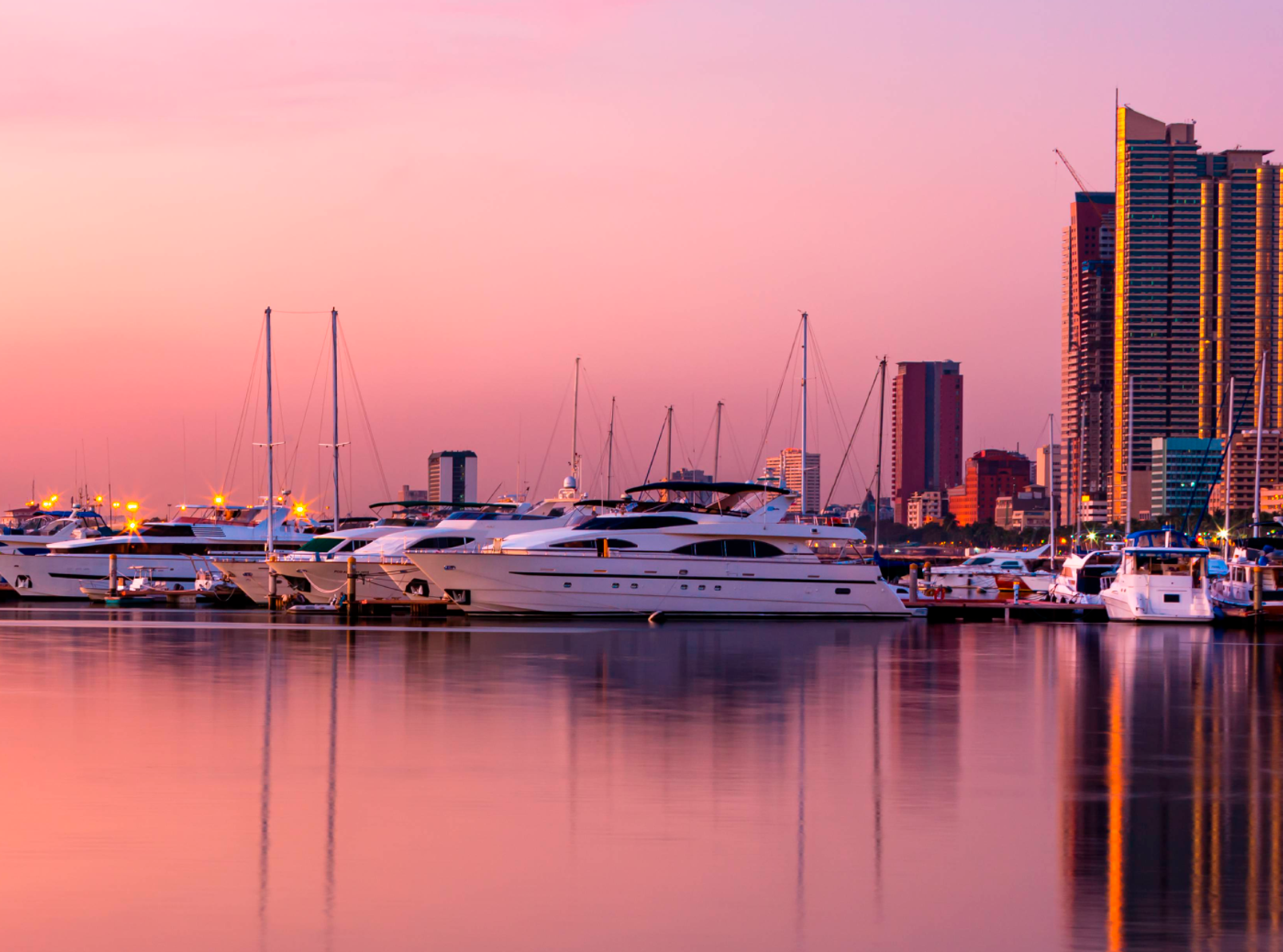
3 3 DAYS Fairly EasyManila's evening hours reveal a city of genuine range. This program moves through three distinct modes of entertainment: a traditional cultural performance rooted in Filipino folk tradition, a large-scale production comparable in ambition to anything found in a major international entertainment district, and an intimate dining experience in which the kitchen and front-of-house staff perform alongside their service. Each option stands on its own. Together, they reflect the breadth of how this city chooses to spend its nights.
Tagaytay & Taal Volcano Tour: Scenic Ridge Views
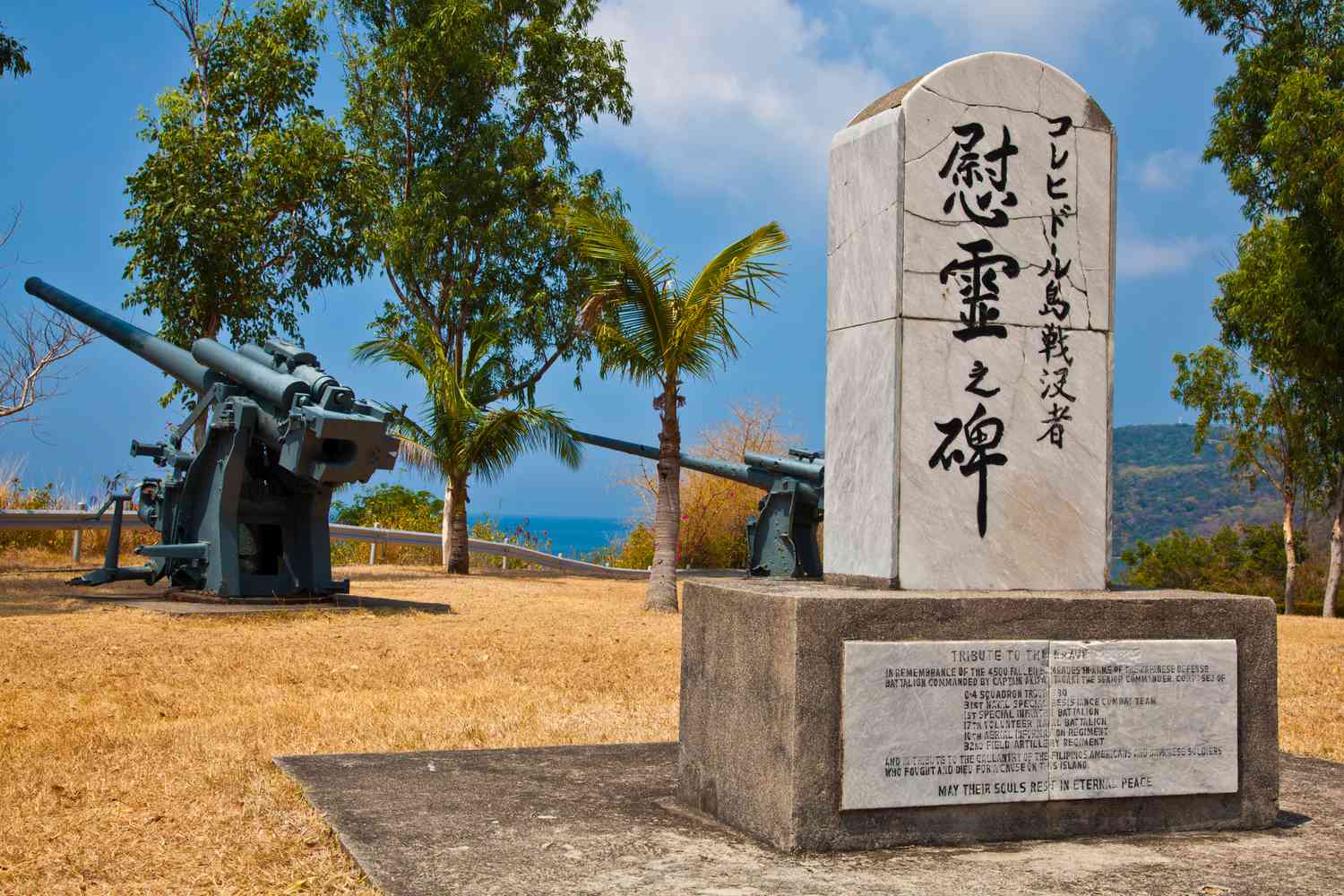
3 3 DAYS Fairly EasyTagaytay sits at 2,250 feet along a narrow volcanic ridge in Cavite province, positioned directly above Taal Lake and the active island volcano at its centre. The elevation keeps temperatures several degrees cooler than Manila throughout the year. Three distinct program configurations are available, each calibrated to a different pace and set of interests. The landscape rewards unhurried attention, and the logistical proximity to the capital makes it a practical first or final night for longer Philippine itineraries.
Pagsanjan Cycling & River Experience
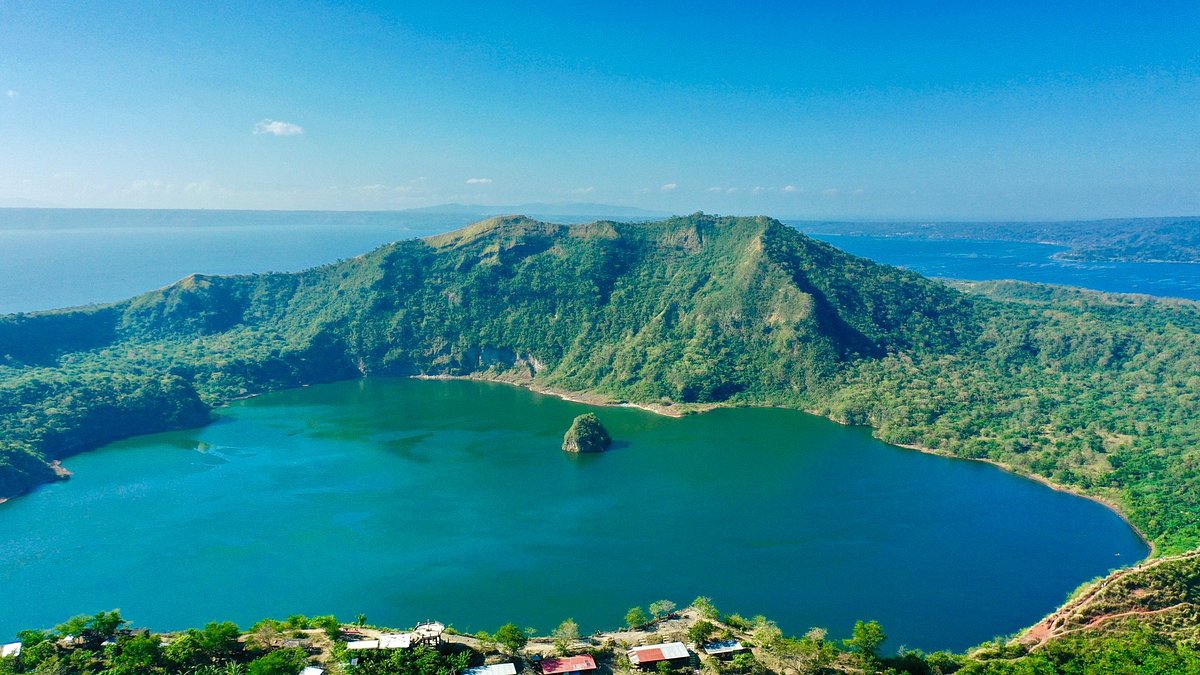
1 1 DAY Fairly EasyThis trip combines a scenic cycling route through Laguna’s rural landscape with the classic canoe journey to Pagsanjan Falls. Starting south of Manila, cyclists traverse quiet provincial roads, passing rice fields and small towns before reaching Pagsanjan. The day continues with a guided canoe ride upriver through a volcanic gorge to the base of the falls, followed by a return descent through the rapids. The itinerary balances active cycling with a traditional river experience, offering a full day of movement and observation.
Villa Escudero Cycling Tour
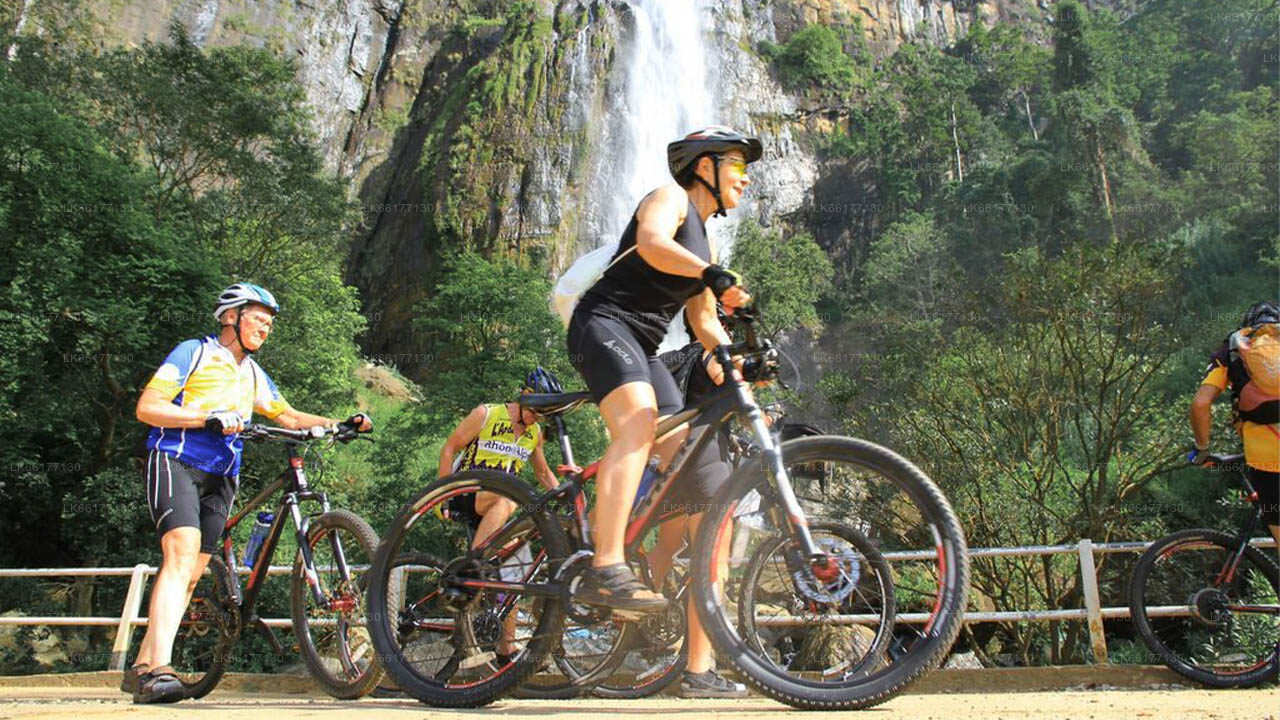
2 2 DAYS Fairly EasyVilla Escudero is a historic coconut plantation in Dolores, Quezon, at the base of Mount Banahaw, about 2.5 hours from Manila. The estate offers a measured introduction to rural Filipino life, with opportunities for cycling through coconut groves, observing traditional agricultural practices, and engaging with curated cultural experiences. Guests dine on bamboo platforms at the Labasin waterfall and can explore the estate’s private museum and waterways. The itinerary is designed for those seeking a concrete, context-rich cycling experience.
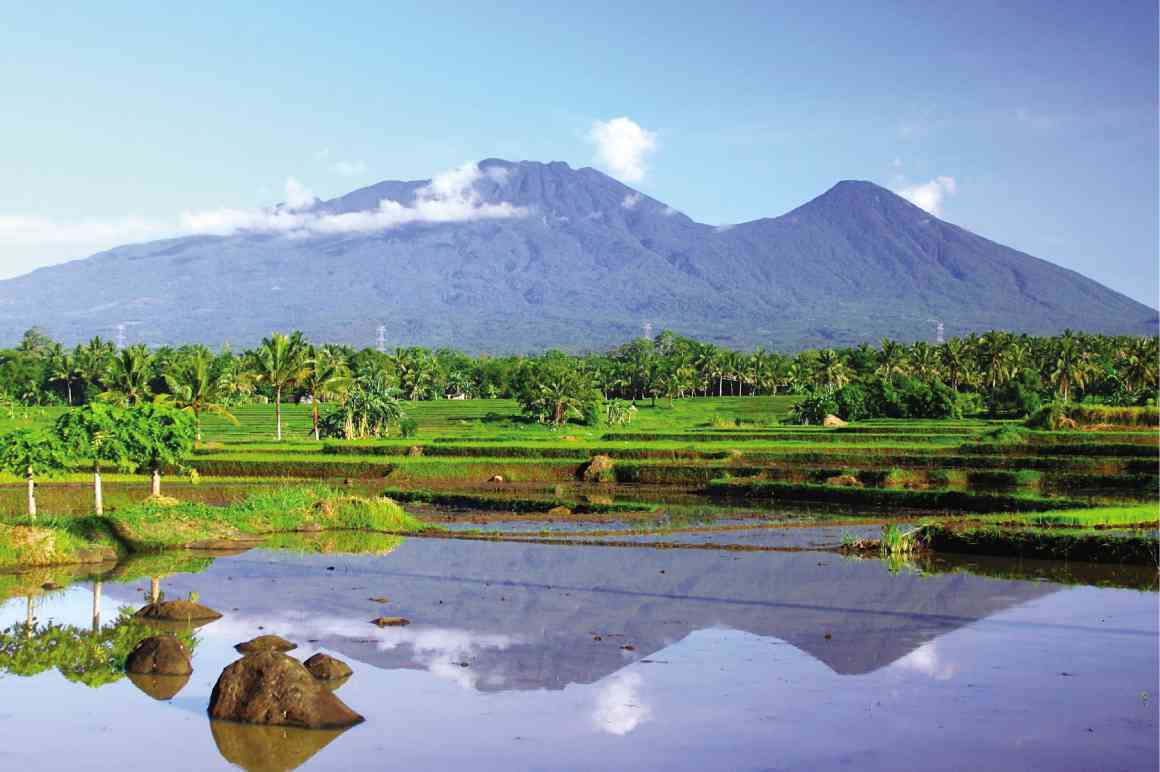
Hidden Valley Laguna hiking trip
1 1 DAY Fairly EasyHidden Valley occupies the floor of an ancient volcanic crater in Alaminos, Laguna, roughly two hours south of Manila. The caldera walls rise steeply on all sides, creating a contained microclimate that sustains dense tropical forest. Three natural spring pools of distinctly different temperatures are fed by geothermal activity beneath the site. The setting rewards guests who value geological provenance and botanical quiet over conventional resort amenity.
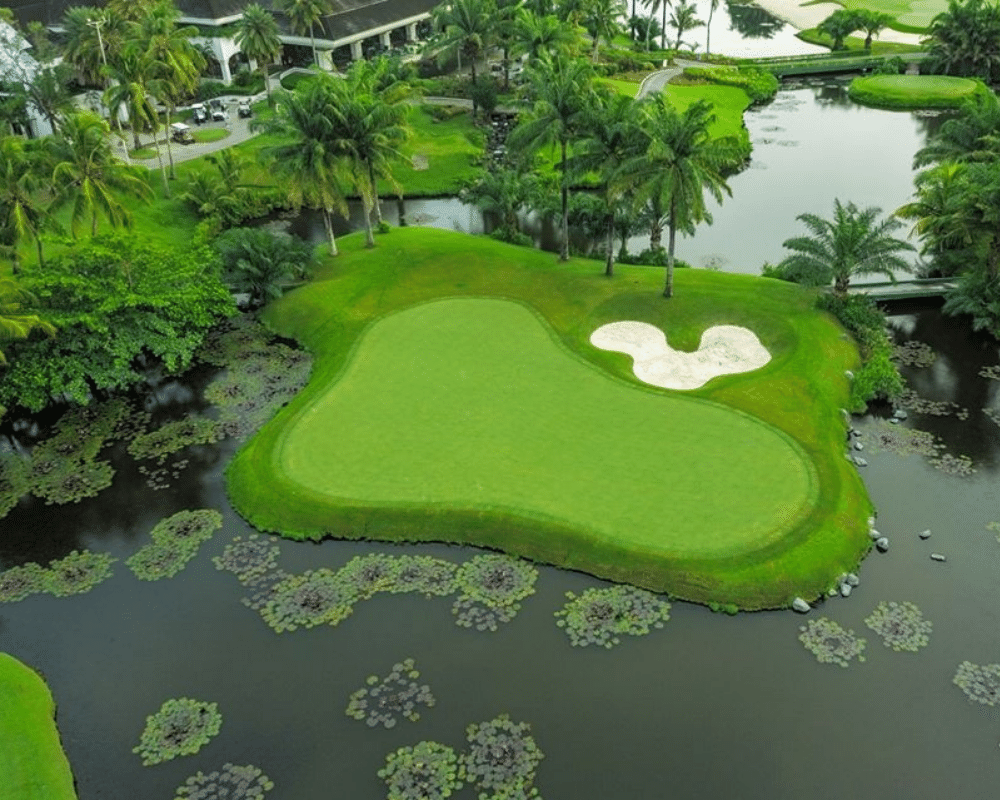
Golf Tour | Private Courses Local
5 5 DAYS Fairly EasyThe Philippines holds a quiet but serious place in Asian golf. Several of its finest courses sit within a composed drive of Manila and the provincial resorts, designed by architects who understood the particular quality of light and topography here. This itinerary moves a small party through a considered sequence of layouts, each chosen for its design integrity and the calibre of its supporting facilities. Logistics are handled without intrusion. The focus remains on the game.
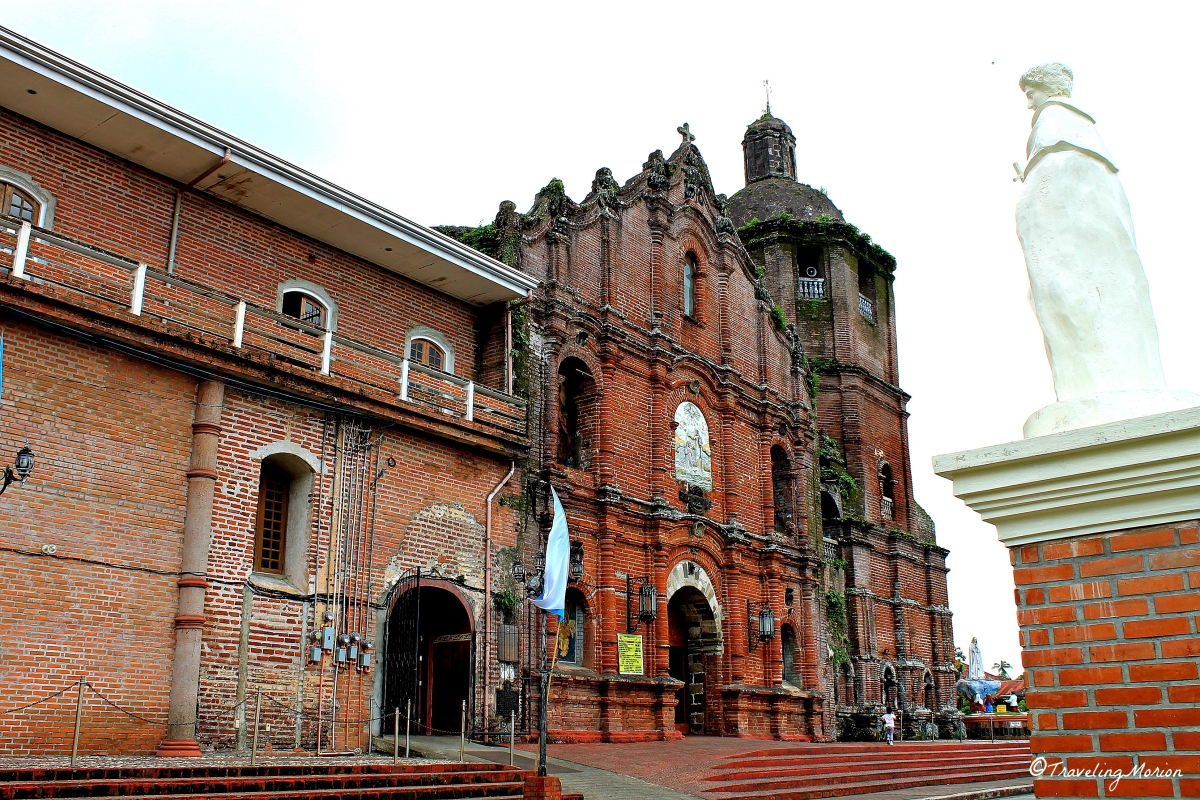
Manila to Laguna Arts & Crafts City
3 3 DAYS Fairly EasyThis three-day journey explores the creative traditions south of Manila, focusing on the artists of Angono, the woodcarvers of Paete, and the embroiderers of Cavinti. The itinerary emphasizes direct encounters with makers and time in rural settings, including overnight stays at Lake Caliraya and Villa Escudero, a working coconut plantation with a significant private museum. The pace is measured, allowing for meaningful engagement with local crafts and communities.
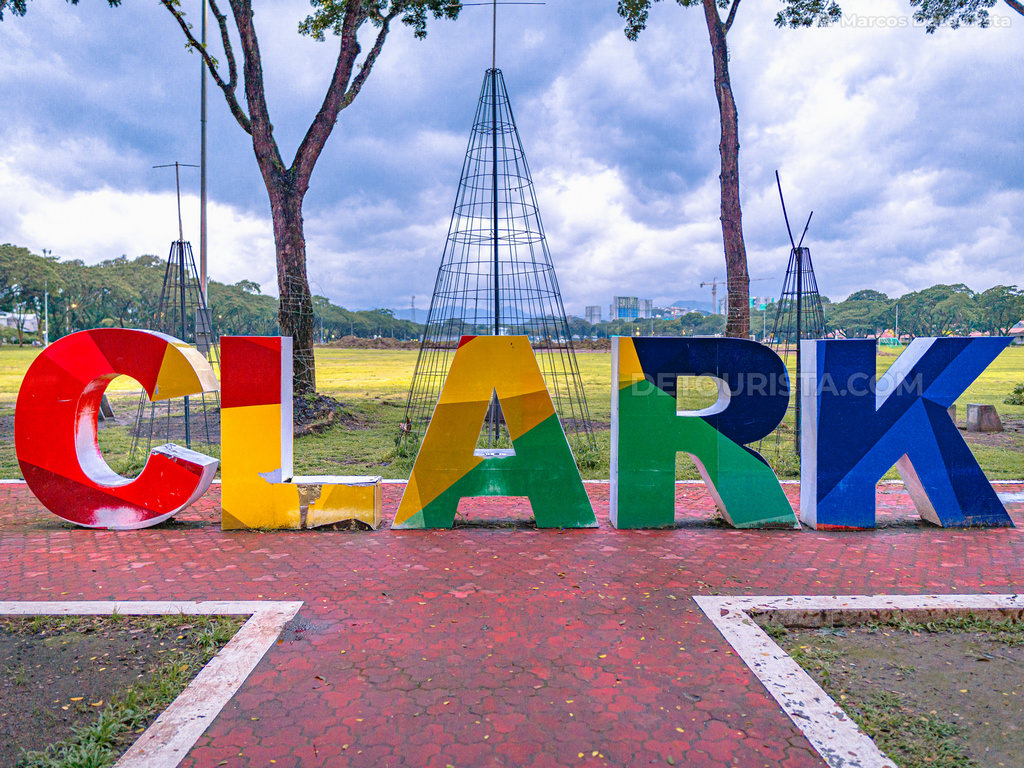
Philippines North Luzon Trail: Hundred Islands Cultural Tour
8 8 DAYS Fairly EasyThis eight-day private journey traces the western arc of Luzon from the volcanic plains of Pampanga through the coastal ranges of Zambales to the limestone archipelago of Pangasinan. The pace is unhurried. Each stop has been chosen for a specific quality of place rather than proximity or convenience. Guests move between interior landscapes and shoreline in a single coherent sequence, ending with two unstructured days on the Bolinao peninsula before the return to Manila.
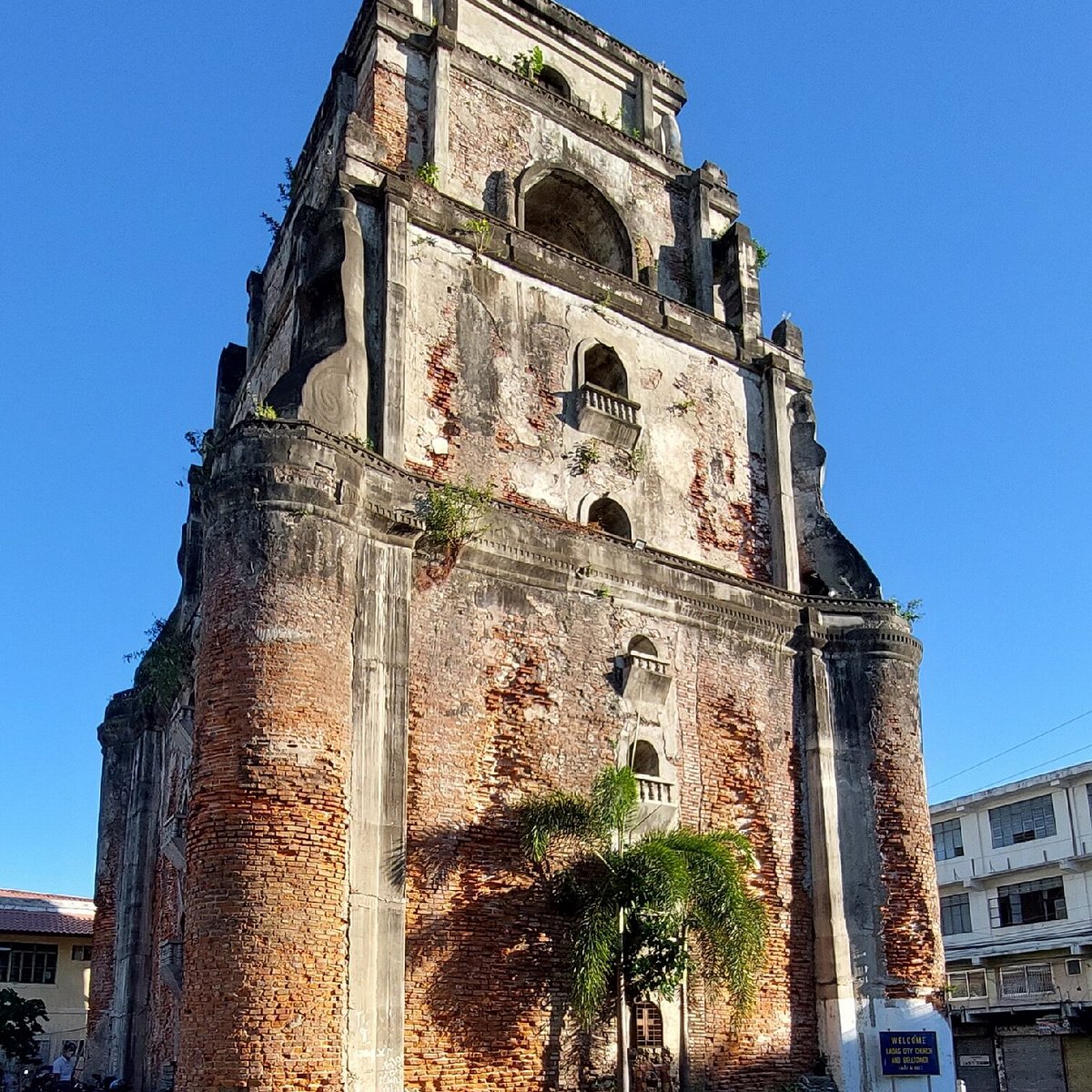
Heritage City Tour: Manila, Vigan & Pagudpud
7 7 DAYS Fairly EasyThis seven-day private journey traces the northern arc of Luzon, moving through layers of colonial architecture, coastal geography, and living tradition. The route connects two UNESCO World Heritage Sites with less-visited provincial interiors, a working lighthouse on the edge of the South China Sea, and a reef system managed by one of Southeast Asia's leading marine research institutions. Distances are manageable. Pacing is deliberate. Each overnight is chosen to give the traveller time with a place rather than passage through it.
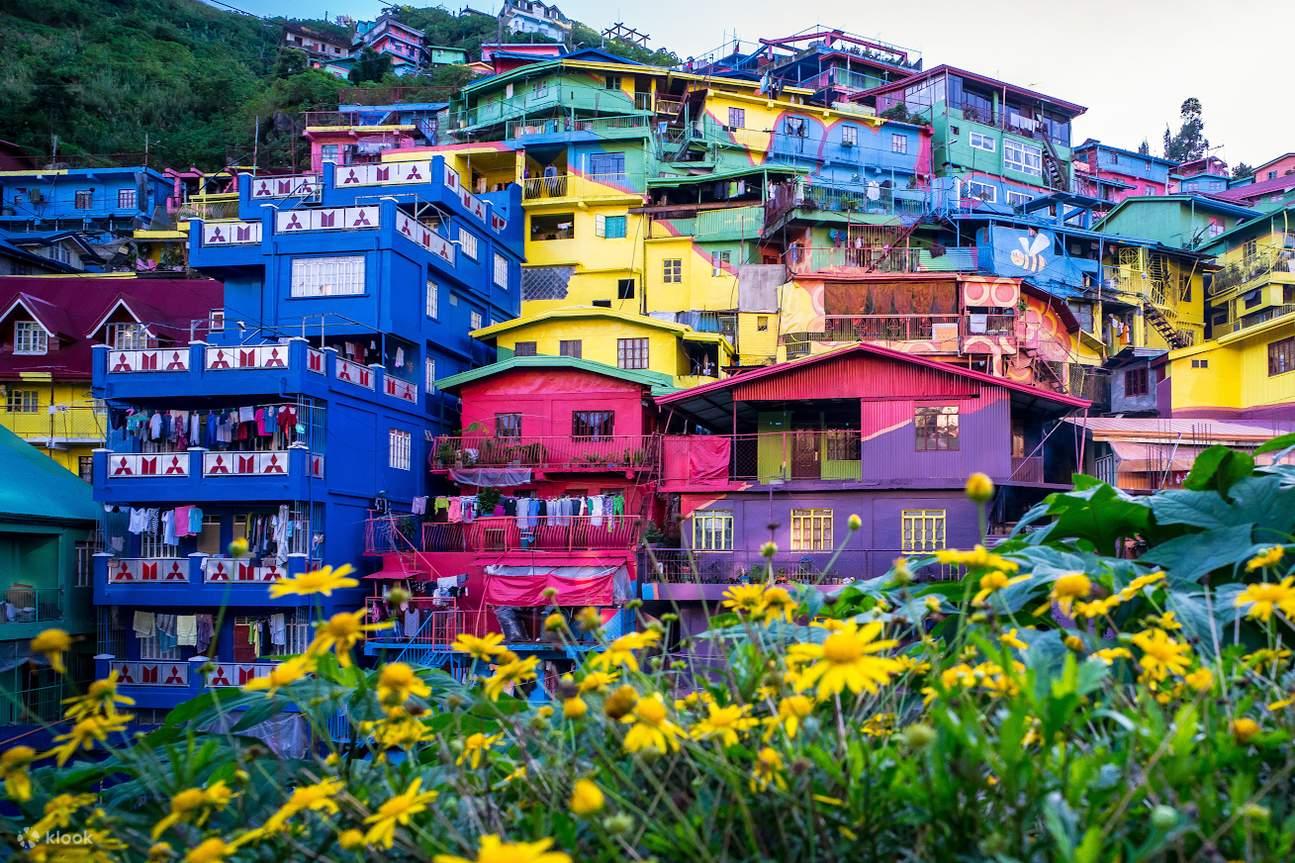
Philippines Cordillera Trail Hiking: Baguio to Banaue
5 5 DAYS Fairly EasyThis five-day journey traces the spine of the Cordillera Central, moving from the colonial hill station of Baguio through the cool pine forests of Mt. Data and into the ancestral heartland of the Igorot people. The route is deliberate and unhurried. Each stop holds a distinct cultural register, from the museum collections of Baguio to the cliff-face burial traditions of Sagada and the two-thousand-year-old rice terraces of Banaue. The itinerary is suited to travellers who prefer depth over distance and arrive with genuine curiosity about highland Filipino life.
Palawan, The Last Frontier | Private Trip
7 7 DAYS Fairly EasyThis seven-day itinerary moves through three distinct faces of Palawan, each separated by a meaningful change in landscape and pace. Puerto Princesa provides the entry point, where the Iwahig River and its surrounding penal colony offer an unexpected introduction to the island's layered history. From there, the route shifts west to Sabang, the access point for the UNESCO-listed Puerto Princesa Subterranean River, one of the longest navigable underground rivers in the world. The final section travels north to El Nido, where Bacuit Bay presents a concentration of vertical limestone karst, hidden lagoons, and narrow sea passages that define Palawan's reputation for geographic extremity. The journey is unhurried by design, allowing each environment to register fully before the next begins.
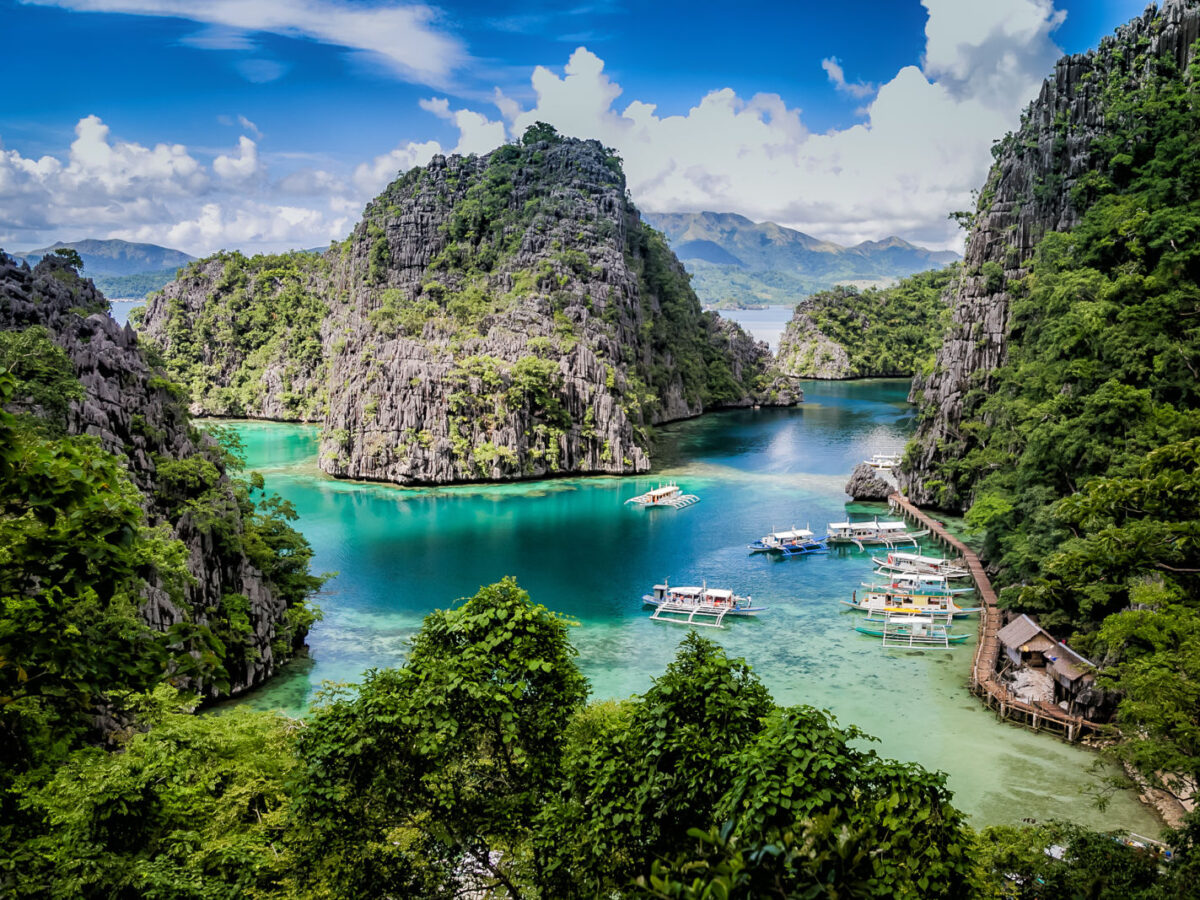
Every Island, An Experience | Private Trip
7 7 DAYS Fairly EasyThis seven-day private journey moves through the Calamian Islands of northern Palawan, tracing a route from the highland lakes of Coron to the wildlife reserve of Calauit and the sheltered waters around Sangat. Each day shifts the landscape and the pace. Community life in Salvacion sits alongside the marine park at Calauit. The itinerary is designed for travelers who want considered access to a complex archipelago rather than a circuit of its most photographed points.
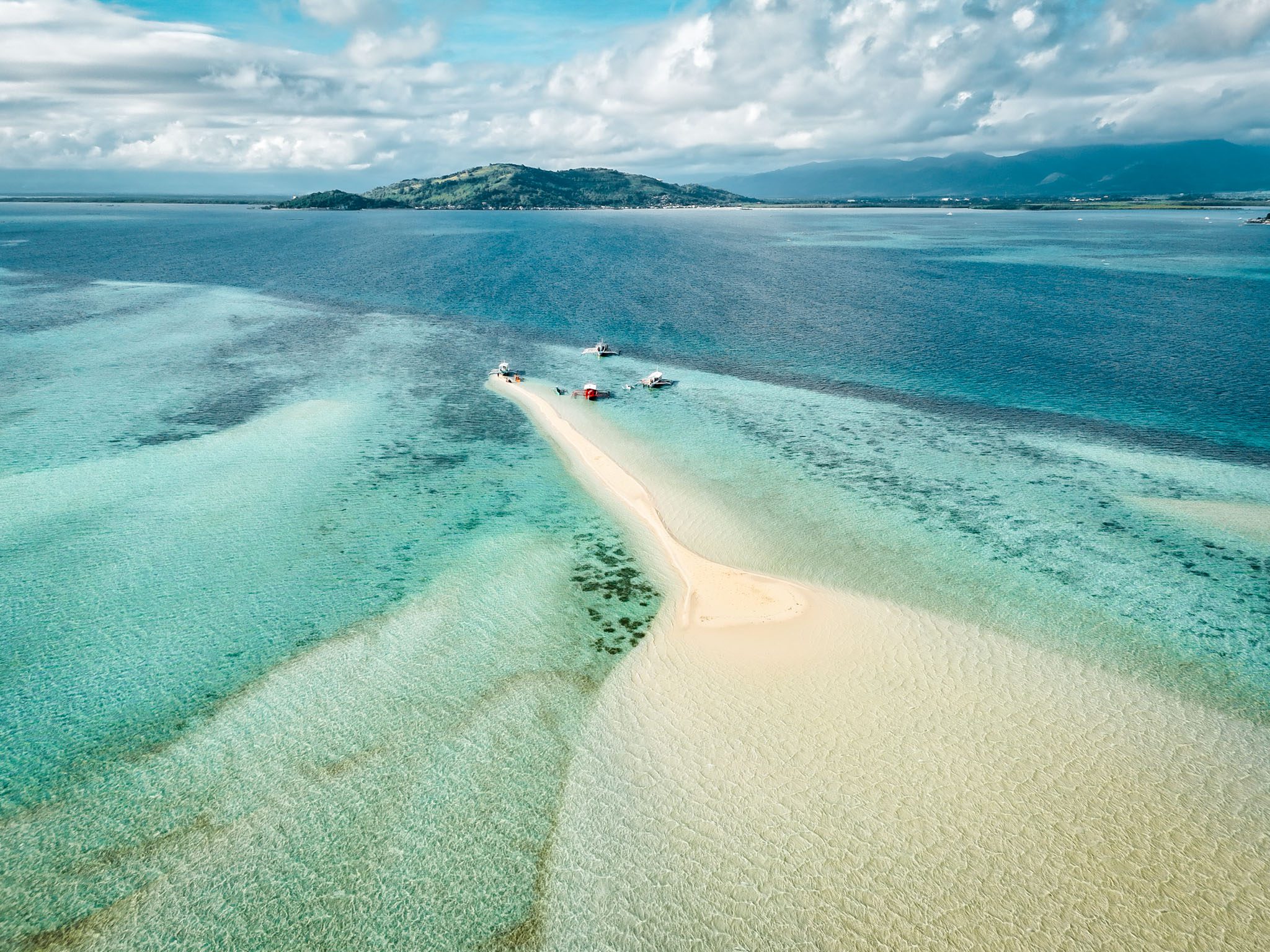
Tropical Jewels: Bohol, Dumaguete and Siquijor
6 6 DAYS Fairly EasyThis six-day private journey moves through three distinct islands in the central Visayas, connecting the colonial churches and geological curiosities of Bohol with the quiet university town of Dumaguete and the unhurried coastline of Siquijor. The pace is deliberate. Each island asks something different of the traveler, and the route is arranged to honor that. Fast-craft crossings replace internal flights where the sea distance permits, keeping the journey grounded in the physical geography of the archipelago rather than abstracted above it.
Northern Luzon & Batanes cultural journey, Philippines
7 7 DAYS Fairly EasyThis seven-day journey moves through three distinct landscapes of northern Luzon, each with its own cultural and geographic logic. The route begins in the Cordillera highlands, where the Ifugao rice terraces and the burial traditions of Sagada offer a precise introduction to indigenous mountain life. It then descends east into Cagayan Valley, where karst cave systems and a massive dusk bat emergence mark the transition to the lowland north. The journey concludes in Batanes, the archipelago's northernmost province, where Ivatan stone architecture, open Pacific coastline, and a scale of emptiness unavailable elsewhere in the Philippines give the final days a quality of considered stillness. Transfers are a deliberate part of the experience, providing context and continuity between regions that few itineraries connect in a single passage.
North Luzon Eco Cultural Adventure Program
7 7 DAYS Fairly EasyThis seven-day private journey moves through the northern reaches of Luzon in a deliberate arc, from the rice-terraced highlands of Ifugao to the cave systems of Cagayan and finally to the wind-scoured stone landscapes of Batanes. The route follows the Philippine Friendship Highway into the Cordillera, crosses into the Cagayan Valley, and concludes with two full days distributed across the island group closest to Taiwan. Each section of the journey presents a distinct geography and a distinct set of cultures, connected by unhurried overland travel and a single internal flight. The pace allows genuine engagement with each place rather than a surface impression of several.
Coron's Groove The Mangrove
5 5 DAYS Fairly EasyThis five-day itinerary explores the waterways and islands of Northern Palawan, focusing on Coron and Popototan. The journey begins in Coron town, with a structured kayaking clinic before moving into guided mangrove paddling, snorkeling, and visits to local features such as Maquinit Hot Spring. Transfers between islands are by boat, and the schedule allows for both guided activity and unscheduled time. The trip is designed for travelers interested in active exploration at a measured pace, with an emphasis on water-level perspectives and local geography.
Philippines Urban Birding Tour: Manila to Mt. Makiling
5 5 DAYS Fairly EasyThis five-day private itinerary moves through a sequence of distinct habitats within two hours of Manila, tracing a southward arc from the university campuses of Quezon City to the volcanic flanks of Mt. Makiling, the plantation grounds of Villa Escudero, and the protected ridgelines of Mt. Palay-Palay before returning along the reclaimed coastline of Parañaque. The route is designed for the serious birder who has limited time but requires variety and endemism. Each site rewards a different discipline: patience on the forest floor at Makiling, stillness beside moving water at Villa Escudero, and careful scanning of secondary growth at Palay-Palay. Accommodation is arranged at properties directly adjacent to the birding terrain, reducing transit and preserving the early-morning hours that matter most.
Ifugao | Banaue Rice Terraces Cultural Tour
4 4 DAYS Fairly EasyThis four-day journey moves north from Manila into the Cordillera highlands of Luzon, where the Ifugao people have shaped the mountain landscape into terraced rice paddies over two thousand years. The route follows the Philippine Friendship Highway across the Central Plains before climbing into the cooler elevations of Nueva Vizcaya and Ifugao Province. Time in Banaue is used deliberately, with a guided visit to a working Ifugao village and a full day excursion to Sagada and the Mountain Province town of Bontoc. The pace is unhurried. The return to Manila on the fourth morning closes a circuit that covers distinct cultural and geographic terrain without excess.
Philippines Cordillera Highlands Hiking Tour
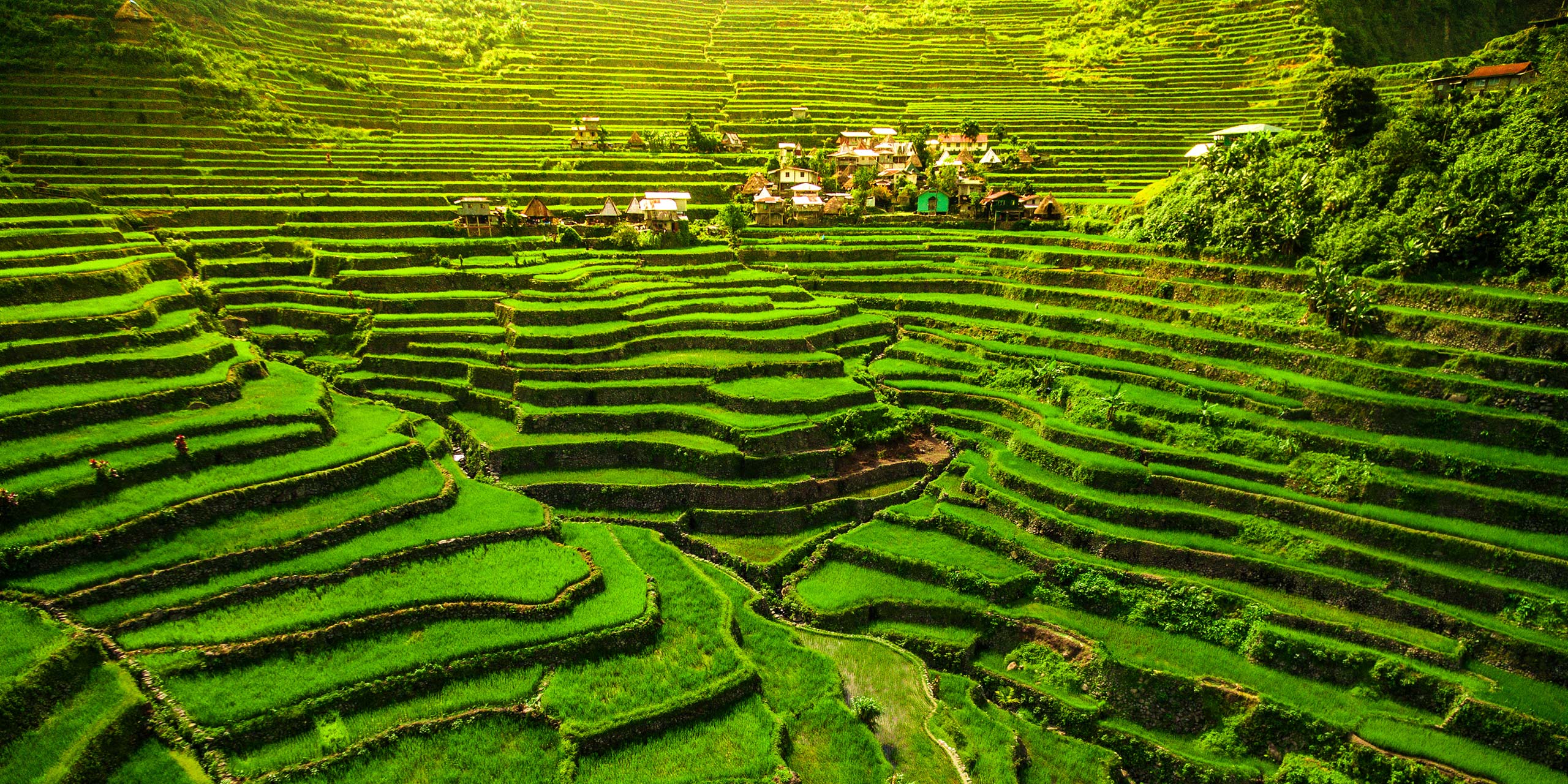
7 7 DAYS Fairly EasyThis seven-day journey moves through the highland provinces of Luzon, tracing the distinct cultures of the Cordillera peoples from the lowland Aeta settlements of Clark to the Ifugao rice terraces carved into the mountains above Banaue. The route is deliberate and unhurried, allowing time in each community rather than passing through it. Accommodation shifts from established hotels in Baguio and Banaue to simple native lodgings in Batad, a considered contrast that reflects the nature of the terrain and the life lived within it. This is a journey organised around sustained contact with specific communities, landscapes, and living traditions.
North Luzon Run: 13-Day Private Overland Journey
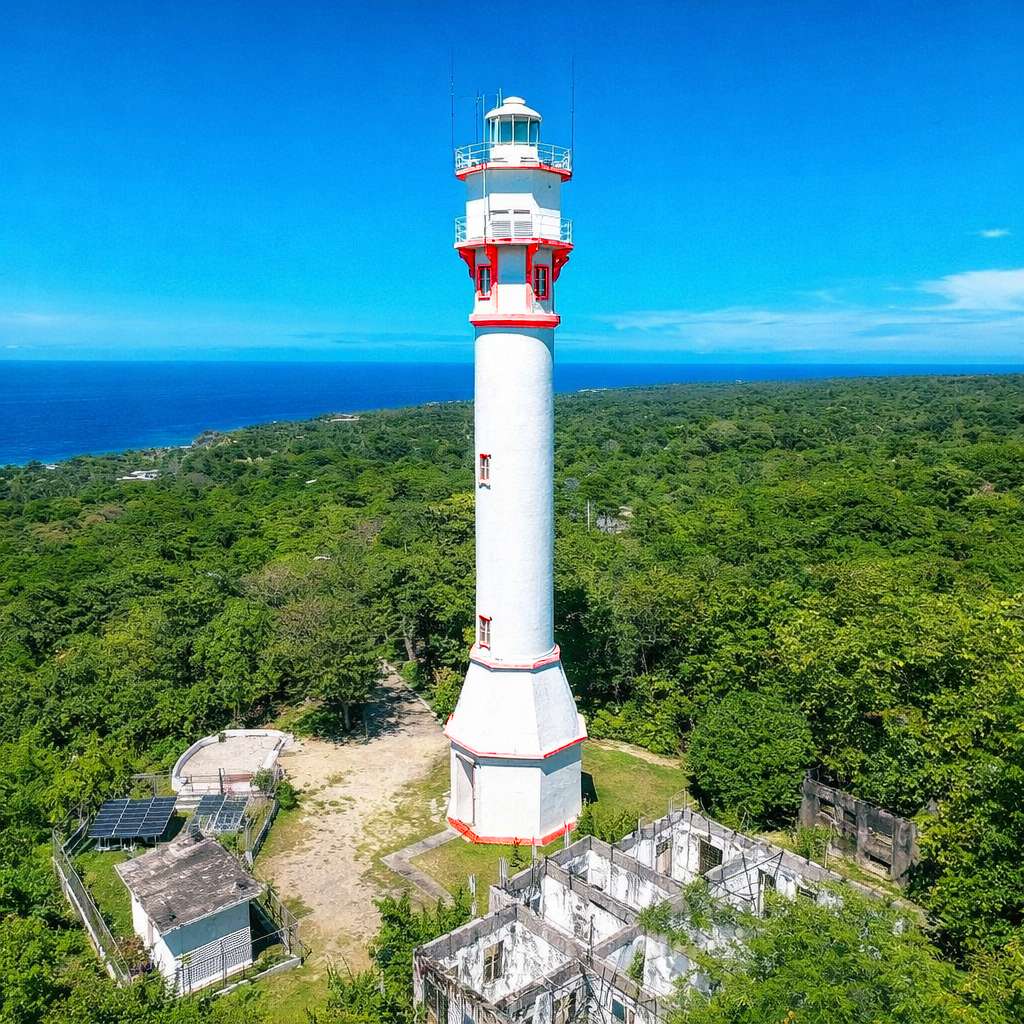
13 13 DAYS Fairly EasyThis thirteen-day traverse of northern Luzon moves through some of the Philippine interior's most quietly compelling terrain. The route begins in Manila, climbs overnight through Dalton Pass to the Ifugao highlands, and settles briefly in Banaue before continuing to Sagada and its ancient cliff burials. From the mountains the journey descends to Baguio, then follows the coastal road north to Vigan, a colonial-era town whose street plan and architecture remain largely intact. The final arc runs south along the Lingayen coast, pausing at the Hundred Islands national park and the quieter shores of Bolinao before the return to Manila. Transport throughout is by public coach, local bus, and jeepney, which places travellers in direct contact with the landscape and the pace of provincial life rather than insulating them from it.
Philippines Cordilleras to Coast: UNESCO & Beach Tour
15 15 DAYS Fairly EasyThis fifteen-day journey traces a route from Manila through the highlands of northern Luzon, visiting Ifugao rice terraces, mountain towns, and pine forests before concluding with several days at a coastal resort. The itinerary emphasizes direct engagement with local landscapes and communities, including guided walks in UNESCO-listed terraces, a visit to Sagada's hanging coffins, and time at a working farm. The final days are reserved for unstructured leisure at a beach destination. Transfers are private throughout, and the pace is measured to allow for genuine experience of each place.
Cebu Heritage Sites Cultural Tour
1 1 DAY Fairly EasyCebu City holds a particular position in Philippine history as the point of first sustained contact between the archipelago and the outside world. This half-day orientation moves through the city's most significant sites in a considered sequence, beginning with the Spanish-era monuments at the historic core and concluding at the Taoist Temple on Beverly Hills, where the city's Chinese mercantile heritage becomes apparent. The route is unhurried. Each site is given adequate time for genuine engagement rather than cursory inspection. A private vehicle and a knowledgeable local guide are provided throughout.
Mactan Island City Tour: Landmarks, Shrines, and Local Craft
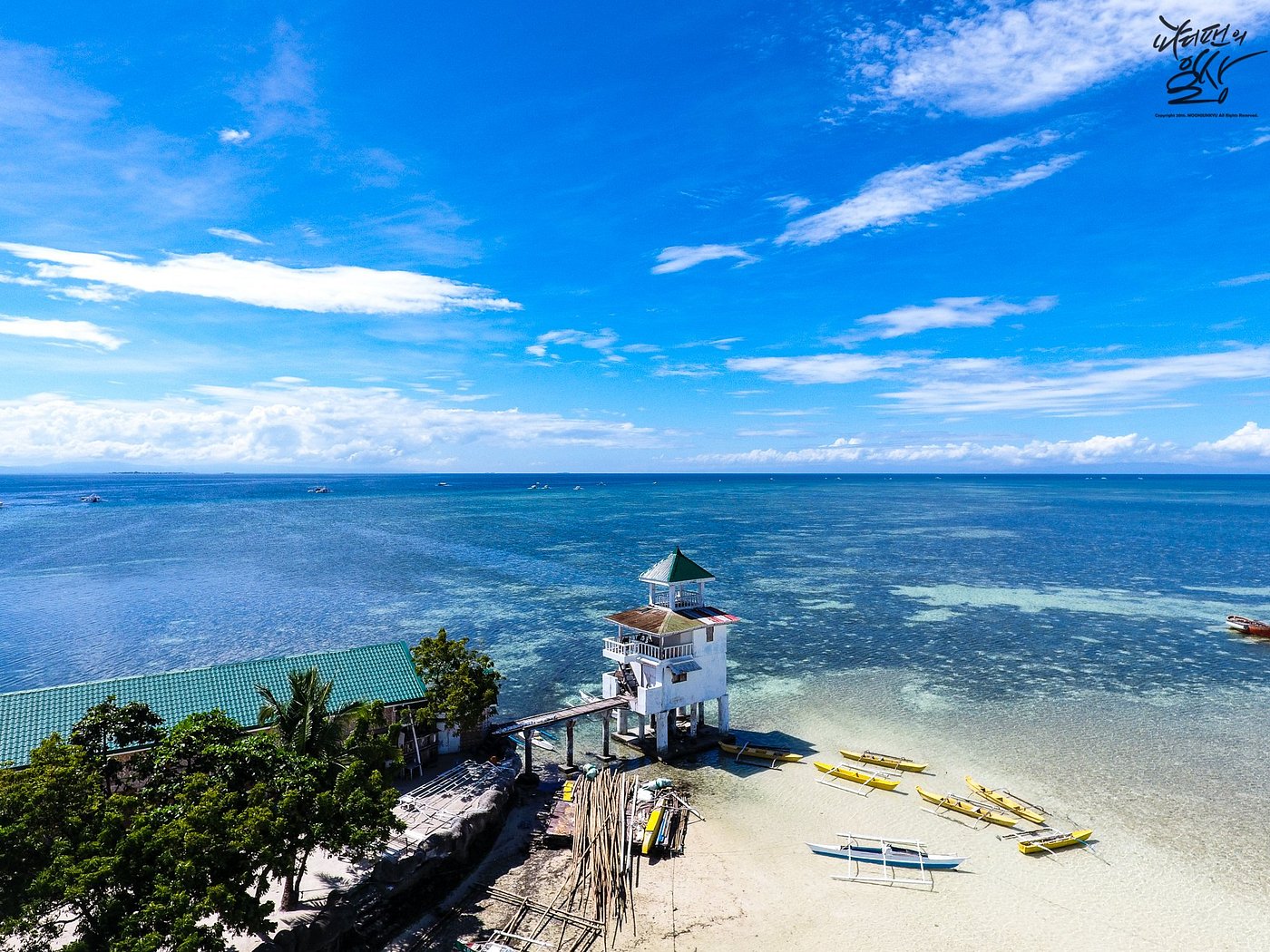
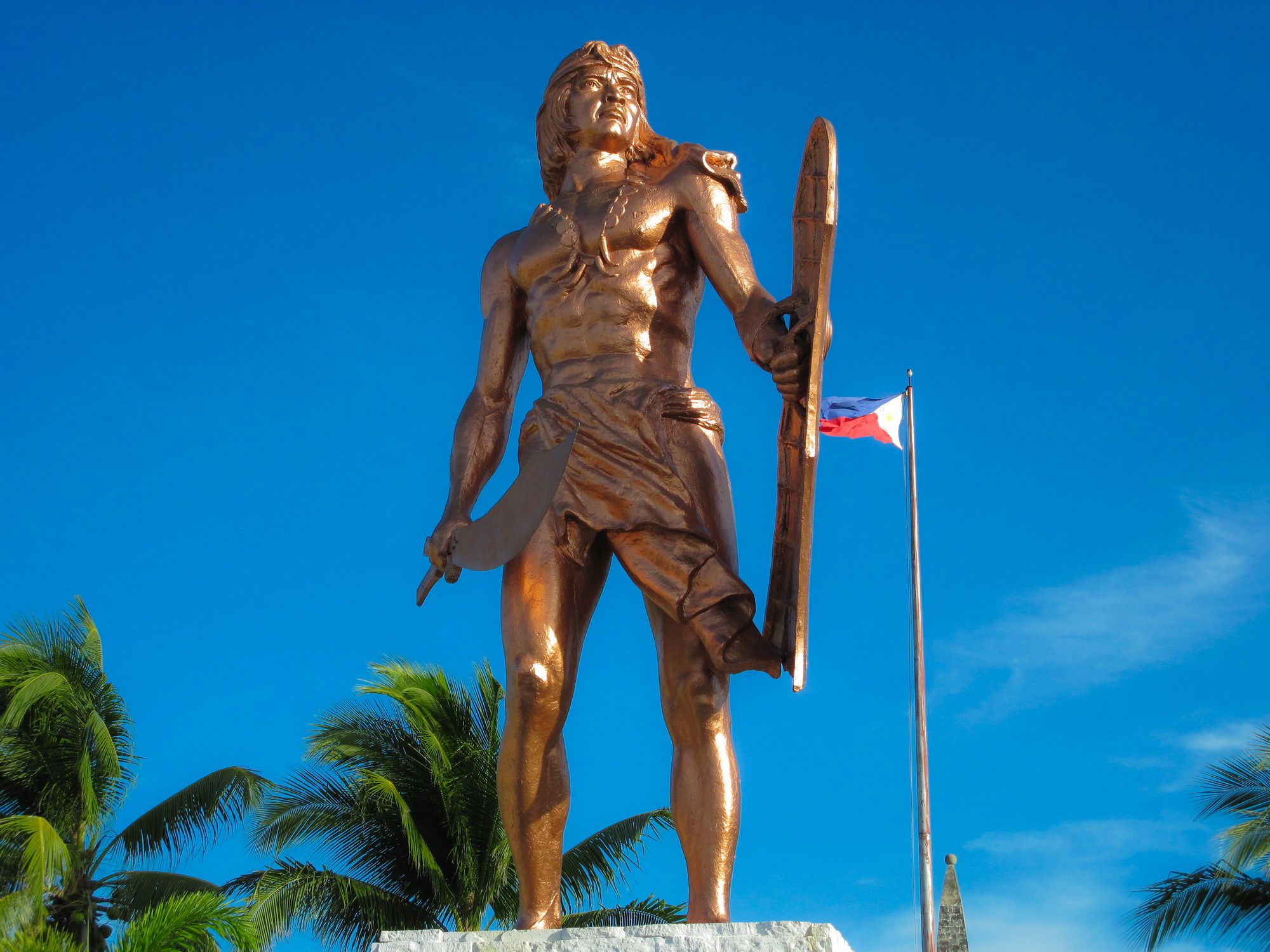
1 1 DAY Fairly EasyMactan Island holds a specific place in Philippine history. This private half-day circuit moves through the landmarks and working districts of Lapu-Lapu City at a considered pace. Guests visit the monument marking the site of the 1521 battle between Lapu-Lapu and Ferdinand Magellan, two Marian shrines of distinct architectural and devotional character, and a family-run guitar workshop where luthiers produce instruments by hand using traditional methods. The route passes through the wet market district of Lapu-Lapu City, offering an unscripted look at the rhythm of daily commerce on the island.
Cebu & Mactan City Tour – History, Landmarks, Local Cuisine
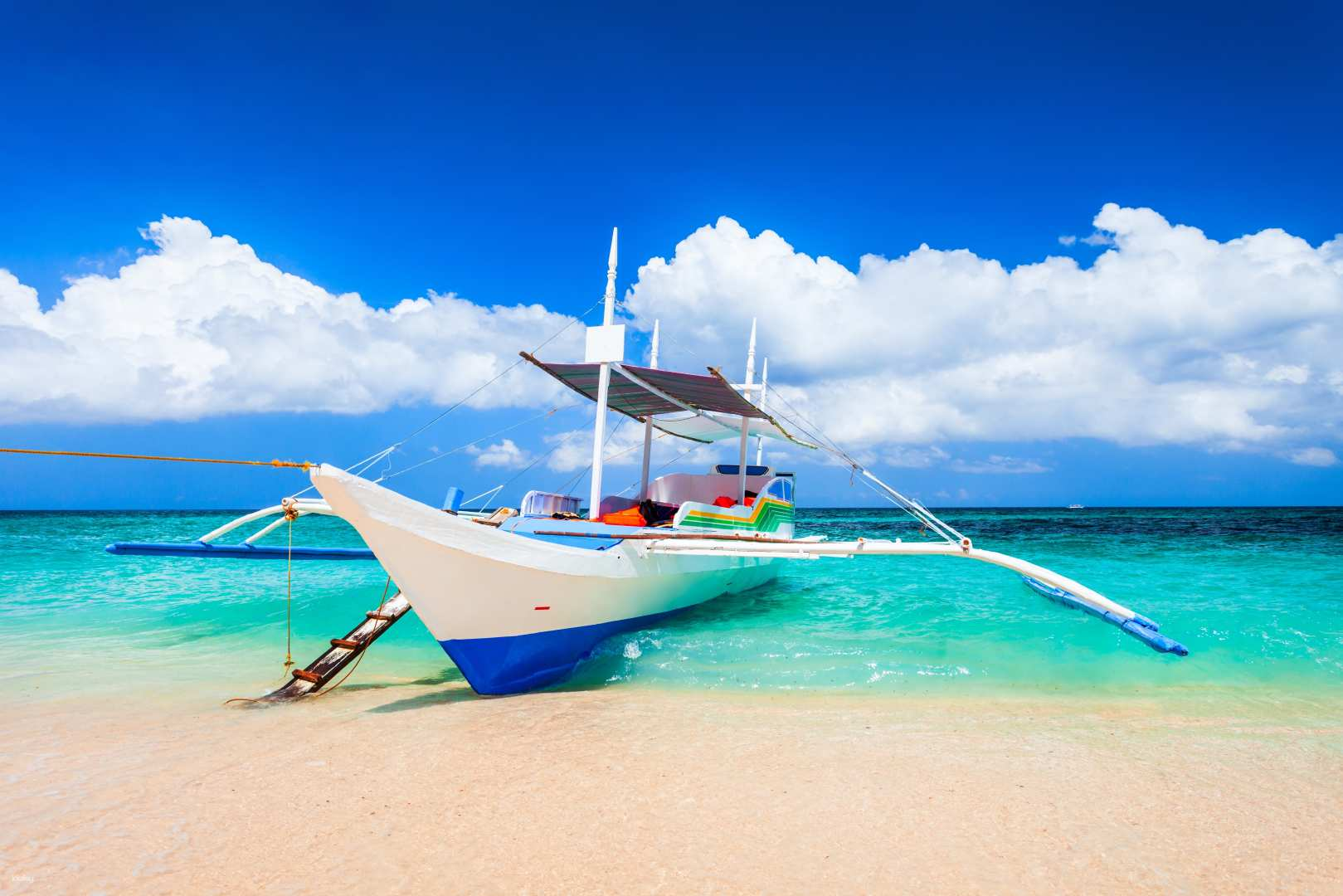
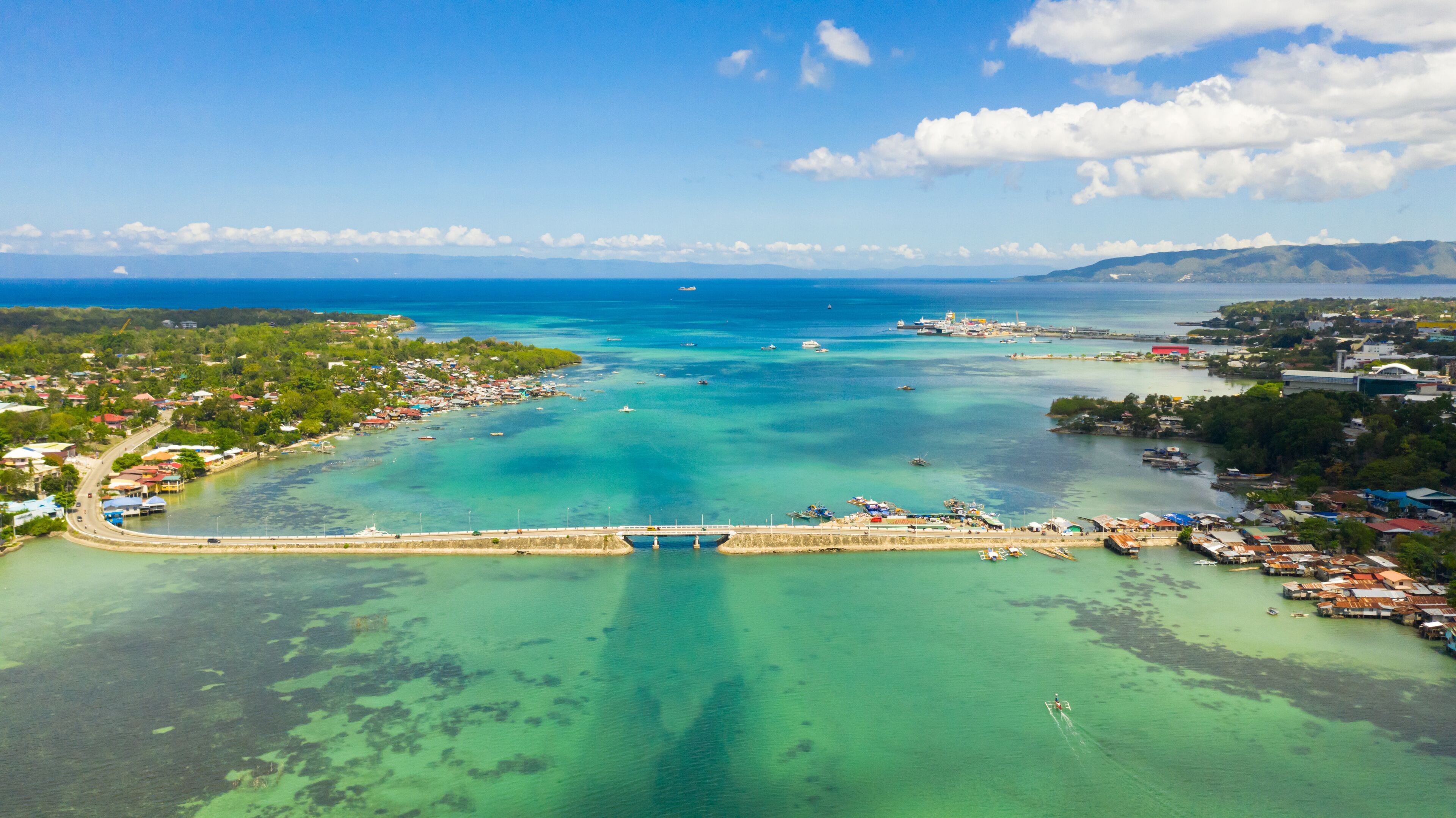
1 1 DAY Fairly EasyThis day tour moves between two distinct worlds that share the same coastline. Metro Cebu carries four centuries of Spanish colonial history in its street grid, its churches, and the preserved interiors of its merchant houses. Mactan Island, connected by a short bridge crossing, holds the site of a battle that changed the course of Philippine history and a shoreline shaped by the sea trades that followed. The two places are geographically close and temperamentally different, and the contrast is precisely the point. Lunch is taken at a well-regarded local restaurant where Cebuano cooking is prepared without concession to outside tastes.
Cebu | Carcar Heritage Walk
1 1 DAY Fairly EasyThe road south from Cebu City runs close to the water before settling into the older rhythms of the province. Carcar is a small city that has changed less than most, its street facades still carrying the proportions and stonework of the Spanish period. The visit moves between the architectural and the practical: heritage houses, a market hall that dates to the nineteenth century, and a cluster of cottage workshops where families produce shoes, woven slippers, bibingka, and chicharon by methods passed across generations. A stop at a working fishing village on the coastal stretch provides context for the economy that has always underpinned this corridor. The pace is unhurried. The insights are specific.
Cebu Island Hopping Adventure
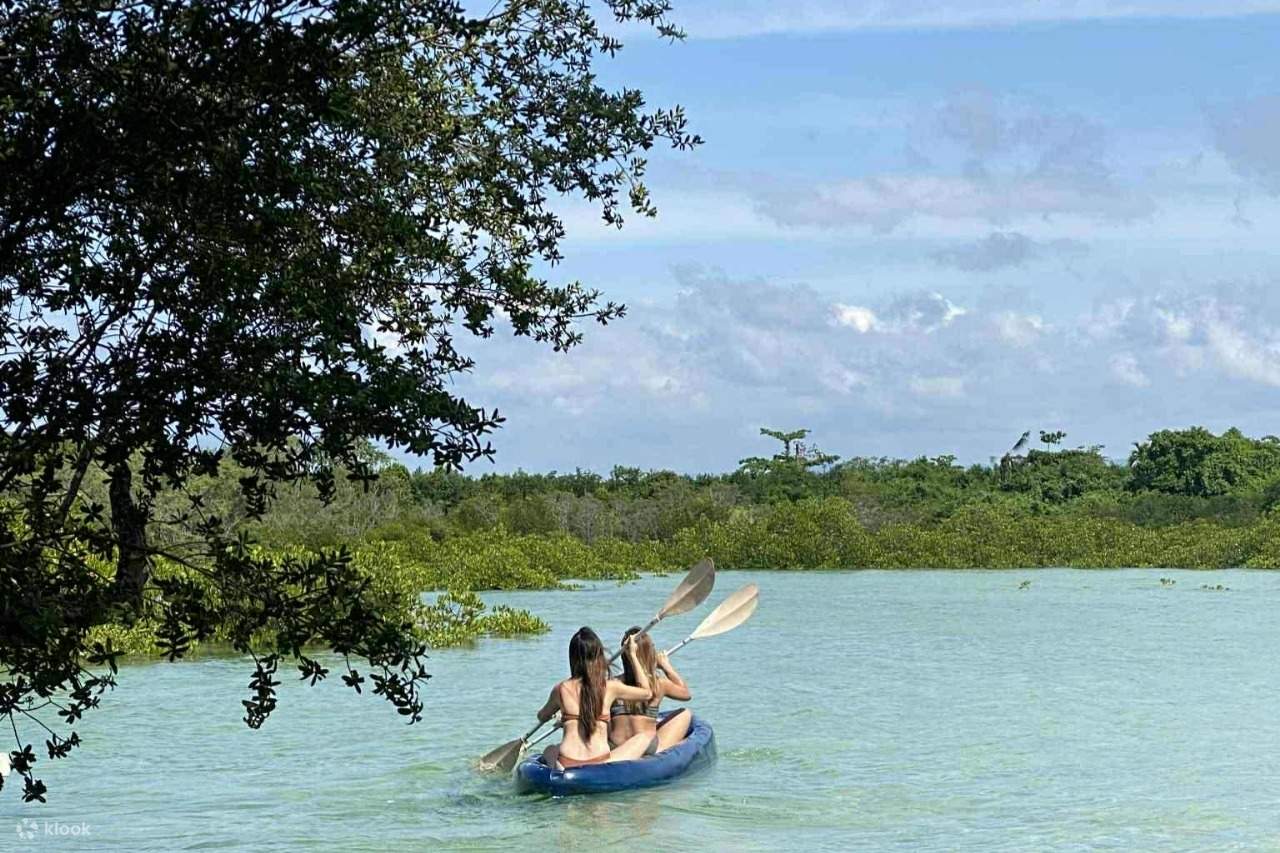
1 1 DAY Fairly EasyThis private day journey moves between a curated selection of islands and islets positioned within reach of Cebu by boat. The pace is unhurried. Landings are chosen for their character rather than their footfall. A prepared picnic lunch is served on the island, allowing guests to settle into the surroundings without the interruption of returning to shore. The experience suits those who prefer considered movement over itinerary density.
Olango Island bird migration tour | wildlife observation
2 2 DAYS Fairly EasyOlango Island sits within the East Asian-Australasian Flyway, one of the world's most significant migratory corridors. Each year, shorebirds departing Siberia and the northern reaches of East Asia descend here to rest and feed before continuing south. The island's shallow tidal flats produce the largest single concentration of migratory birds recorded in the Philippines. A visit is less a wildlife spectacle than a precise natural event, one governed by season, tide, and the unhurried rhythms of a small island community.
Bohol Day Excursion: Chocolate Hills & River Cruise Tour
1 1 DAY Fairly EasyBohol lies two hours from Cebu by fast ferry. The island holds three experiences that reward the attentive traveler: the Chocolate Hills, a formation of more than a thousand symmetrical limestone mounds that shift from green to deep brown with the dry season; a quiet cruise along the Loboc River through intact riparian forest; and a close, unhurried visit with the Philippine tarsier, one of the smallest primates on earth. Return ferry passage between Cebu and Tagbilaran is included. The pace is deliberate, the distances manageable, and the day asks nothing more than curiosity.
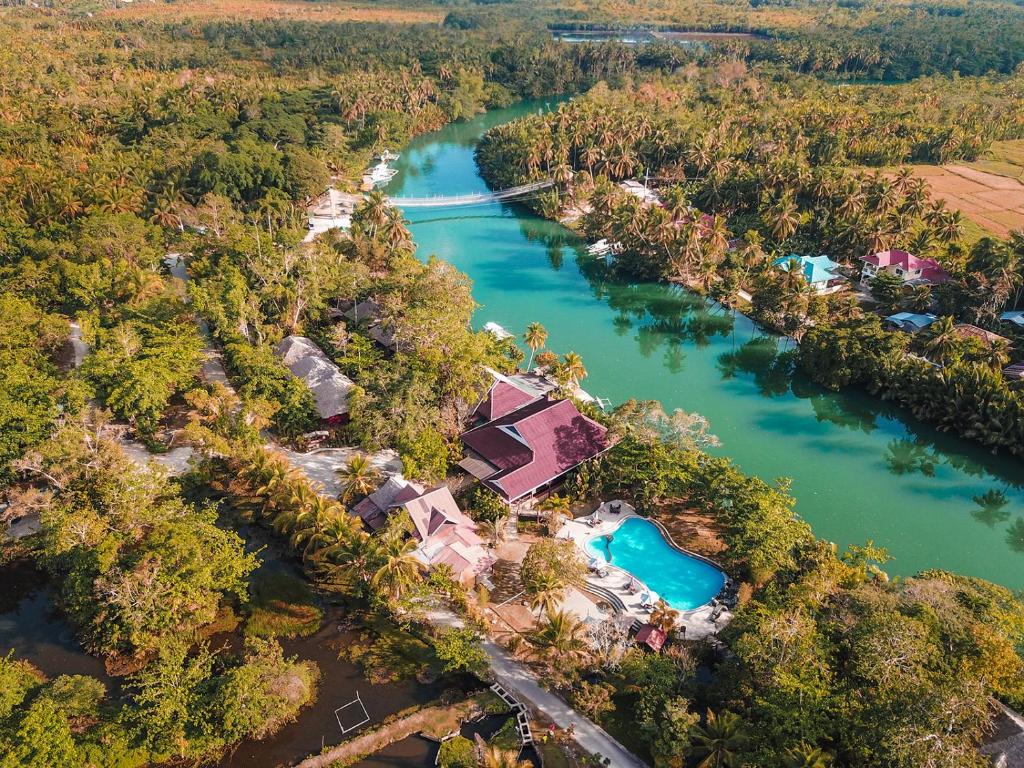
Mactan Island Beach & Snorkelling
1 1 DAY Fairly EasyThis private day tour concentrates on the cleaner stretches of Mactan Island's coastal shelf, where coral formations remain accessible from the shore and small reef fish are reliably present. Guests move between two carefully selected beach resorts at a pace they set themselves. The program includes open swimming, guided snorkelling over a living reef section, and a sit-down lunch prepared from the day's market ingredients. The arrangement is designed for a minimum of three persons and is managed without a group or shared itinerary.
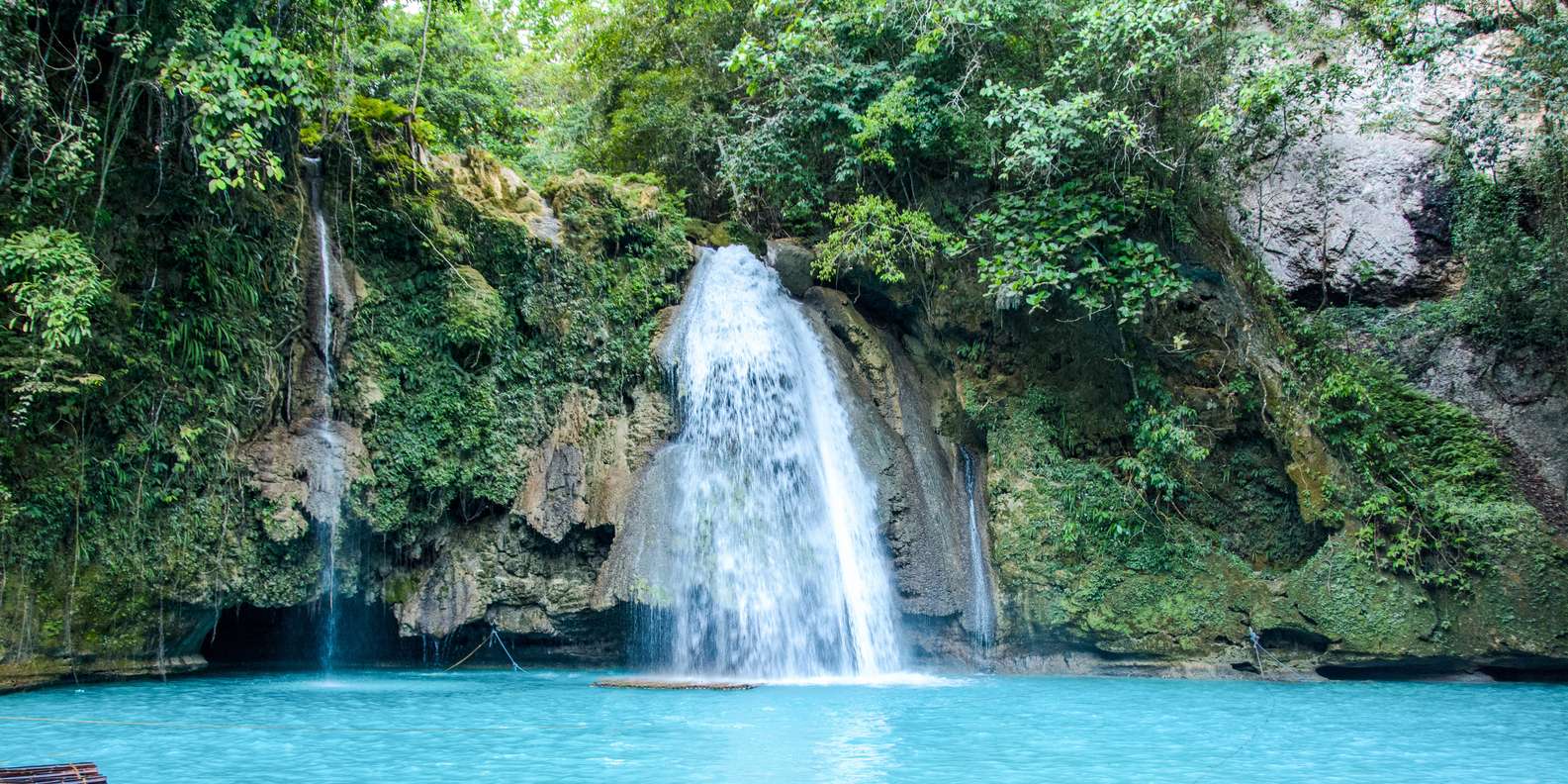
Kawasan Falls Cebu Hiking Tour | Private Journey
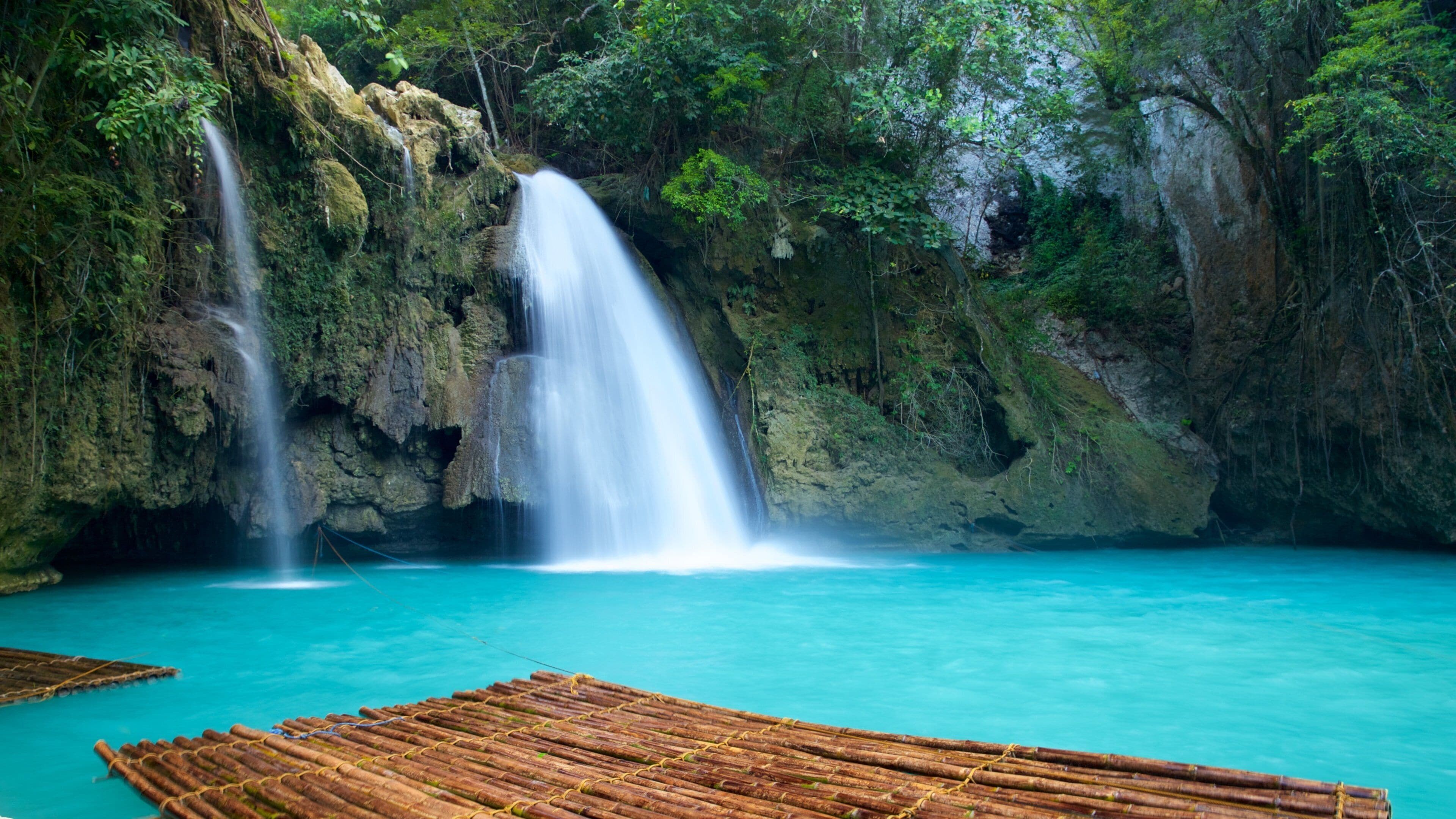
1 1 DAY ModerateThe journey to Kawasan Falls is as considered as the destination itself. Departing the east coast, your vehicle follows the southern coastal road through Carcar, a quietly preserved town of heritage stone houses, before climbing into the cedar-scented central mountains that form Cebu's spine. The terrain shifts with each kilometer. On the far side of the range, the land descends toward the western shore, where a short trail through dense riparian forest leads to the multi-tiered falls and the distinctive turquoise pools fed by cold freshwater springs. The full day allows for unhurried time at the water and a composed return by late afternoon.
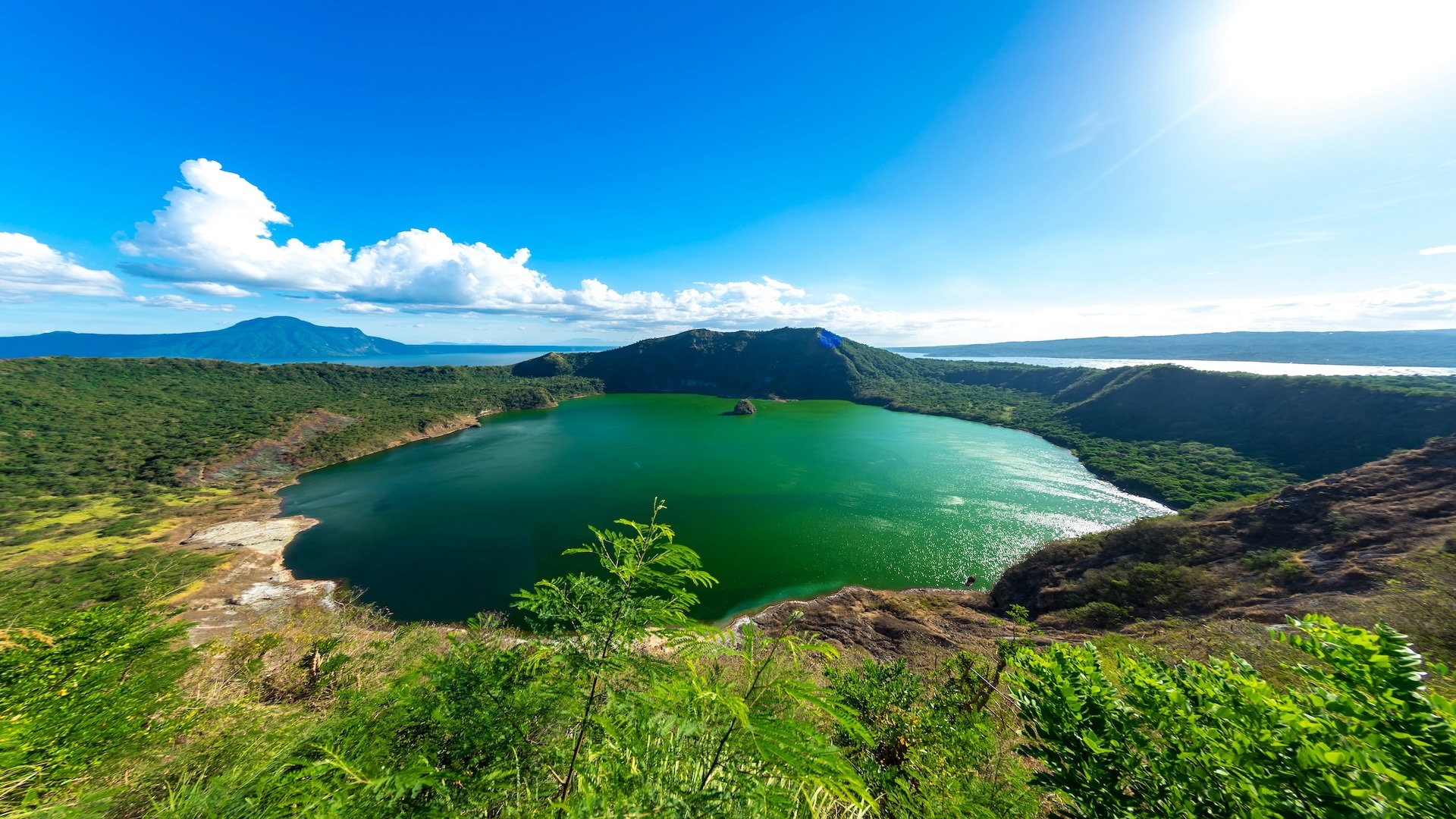
Philippines Southern Luzon Hiking Tour
3 3 DAYS Fairly EasyThis three-day circuit from Manila moves through the quieter provinces south of the capital, covering volcanic terrain, colonial heritage, and working plantation land before returning through the river gorges of Laguna. The pace is deliberate. Each stop has been chosen for its specific character rather than its proximity to the next, and the sequence rewards travellers who prefer gradual immersion over compressed sightseeing. Accommodation in Tagaytay positions guests above the Taal caldera with a full evening to absorb the landscape before the next day begins.
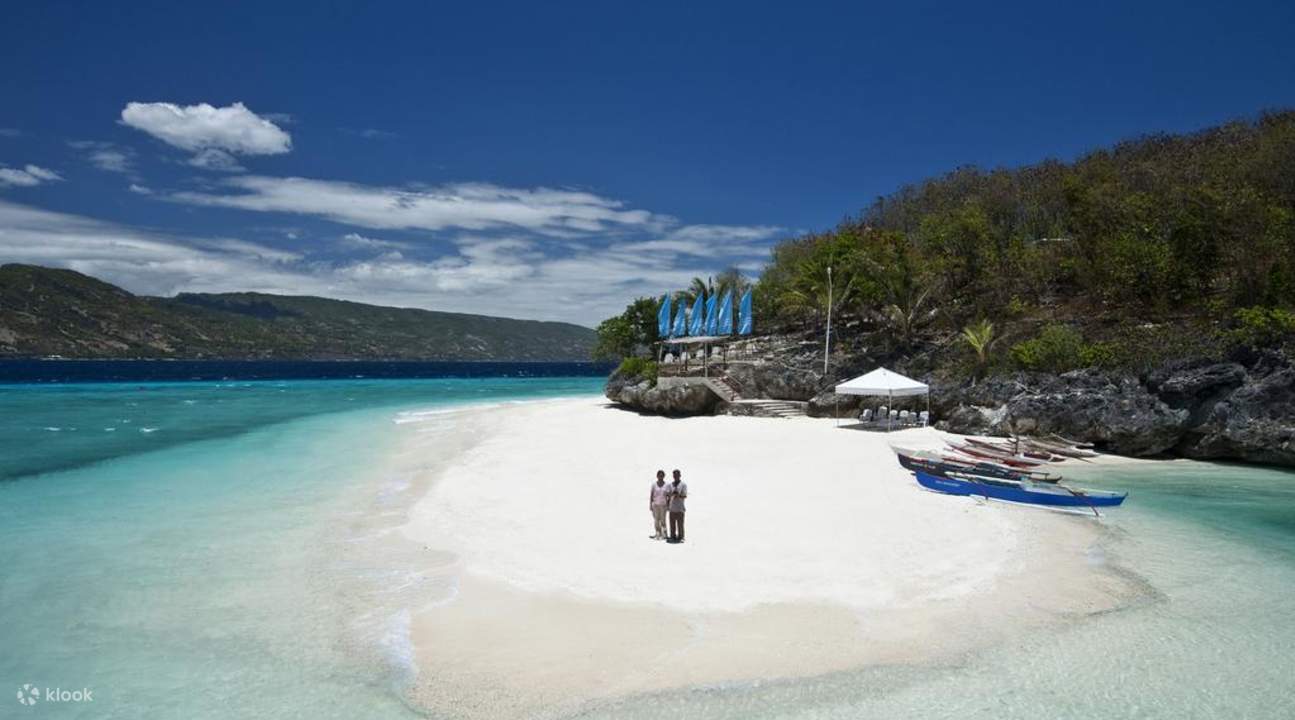
Best of the Islands Philippines
7 7 DAYS Fairly EasyThis seven-day circuit moves through three distinct island provinces, each with a different character. Bohol offers interior landscapes, colonial-era stone churches, and one of the archipelago's more unusual geological formations. Cebu provides a brief but considered encounter with the oldest continuous settlement in the Philippines. Boracay closes the journey with two nights on a narrow island whose western shore remains one of the more reliably calm anchorages in the Visayas. Routing is efficient without feeling compressed. The pace allows genuine rest between each transfer.
Visayan Charms: Cebu and Bohol in Six Days
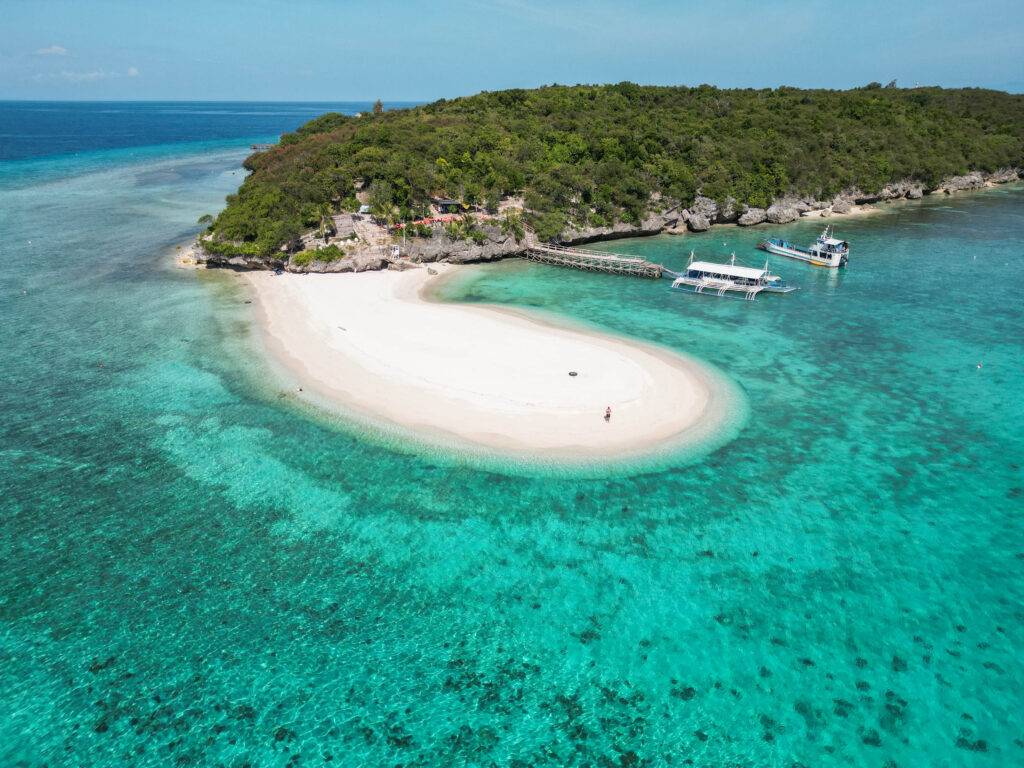
6 6 DAYS Fairly EasyThis six-day private journey moves through the central Philippine archipelago at a considered pace, beginning in Cebu with its layered colonial history before continuing south along the island's coastal road to its quieter reaches. A short ferry crossing delivers you to Bohol, where the interior reveals its distinctive geological formations, centuries-old churches, and the slow current of the Loboc River. The final days are spent on Panglao Island, with open water and unhurried mornings before the return to Manila.
Cebu-Bohol Adventure | Water Activities
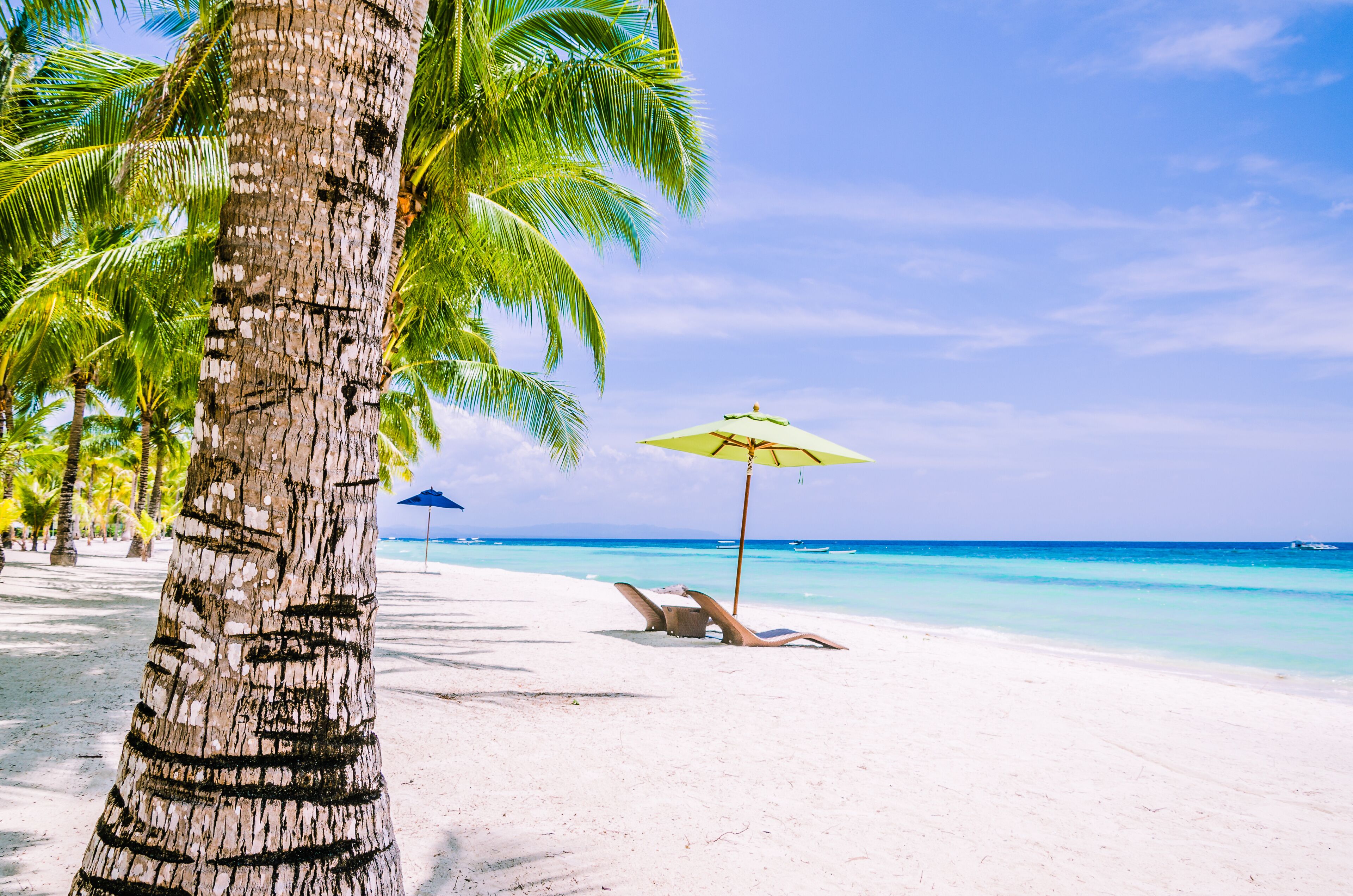
5 5 DAYS Fairly EasyThis five-day private journey moves between two of the Visayas' most geographically distinct islands. Moalboal provides the opener: coastal mountain terrain, a working river canyon, and accommodation removed from the resort corridor. A ferry crossing then delivers guests to Bohol, where the interior reveals the Chocolate Hills, the quiet channels of the Loboc River, and the Wahig River basin at Danao — a protected area that rewards those willing to move through it on foot, by kayak, and by tube. The pace is purposeful without being pressured. Each day centres on a single landscape and a specific physical engagement with it.

Essence of Central Visayas: Cebu, Sumilon and Bohol
15 15 DAYS Fairly EasyThis fifteen-day cycling circuit moves through the geographic and cultural core of the Central Visayas at a measured pace. Beginning in Cebu City, the route explores Spanish colonial architecture and pre-colonial relics, then continues south through quieter coastal towns including Mactan and Argao. Three nights on Sumilon Island provide a deliberate pause. The circuit concludes in Bohol, an island with distinctive geological and historical features. Accommodation, transfers, and routing are arranged to minimize logistical friction.
Batanes hiking Journey | stone villages and open valleys
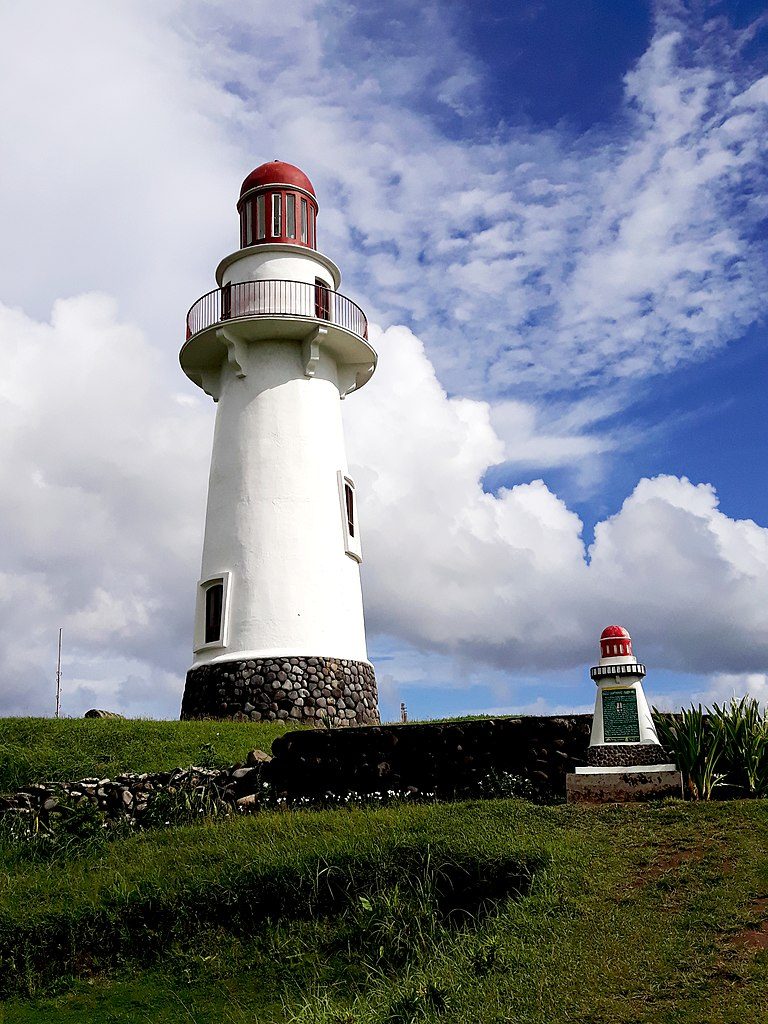
4 4 DAYS Fairly EasyBatanes sits at the northern edge of the Philippine archipelago, closer to Taiwan than to Manila, and remains one of the least-visited island groups in Southeast Asia. This four-day journey moves at a considered pace through the Ivatan homeland, tracing stone-walled villages, open cattle country, and limestone coastlines that have changed little over centuries. Accommodation is intimate and locally managed. Group sizes are kept small by design.
Hills and Plains: The Scenic Border
6 6 DAYS Fairly EasyThis six-day journey explores the remote Batanes islands in the northern Philippines, moving through Batan, Itbayat, and Sabtang. The itinerary focuses on geographic isolation, vernacular architecture, and local community life. Itbayat is accessed by open-water crossing and explored via homestay, while Sabtang features intact Ivatan stone villages. The trip is designed for travelers seeking immersion in unique landscapes and cultural practices, with minimal emphasis on organized activities
Philippines Highlands to Islands Cultural Private Tour
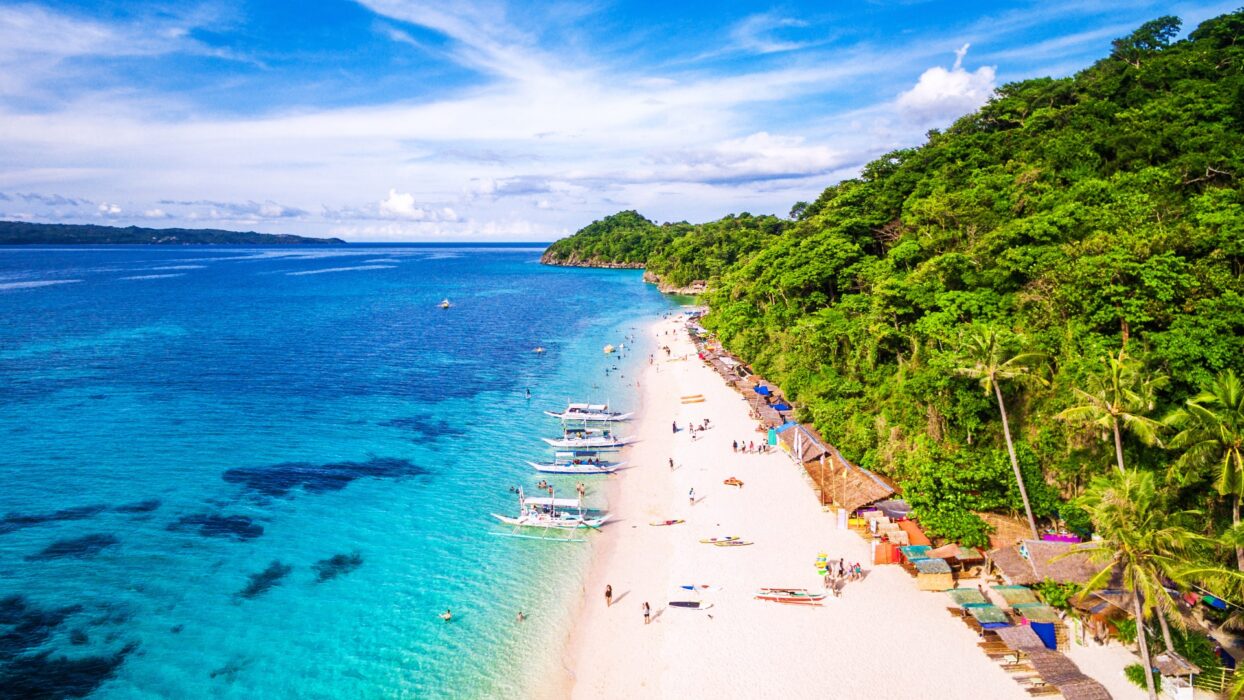
24 24 DAYS Fairly EasyThis twenty-four-day private circuit traces the full arc of the Philippine archipelago, moving from the terraced mountain villages of the Cordillera highlands down through the colonial lanes of Manila and onward to the limestone karsts of Palawan, the layered history of Cebu, and the white-sand calm of Boracay. The journey is structured to allow genuine engagement with each environment rather than a sequence of brief encounters. Road distances across the north are covered in private transport with time built in for unscheduled stops. Island segments rely on small-boat access and are paced to reward those who prefer observation over itinerary. It is a route designed for the traveller who measures a destination by depth of experience rather than number of places visited.
Philippines Highlands to Islands Hiking Adventure Tour
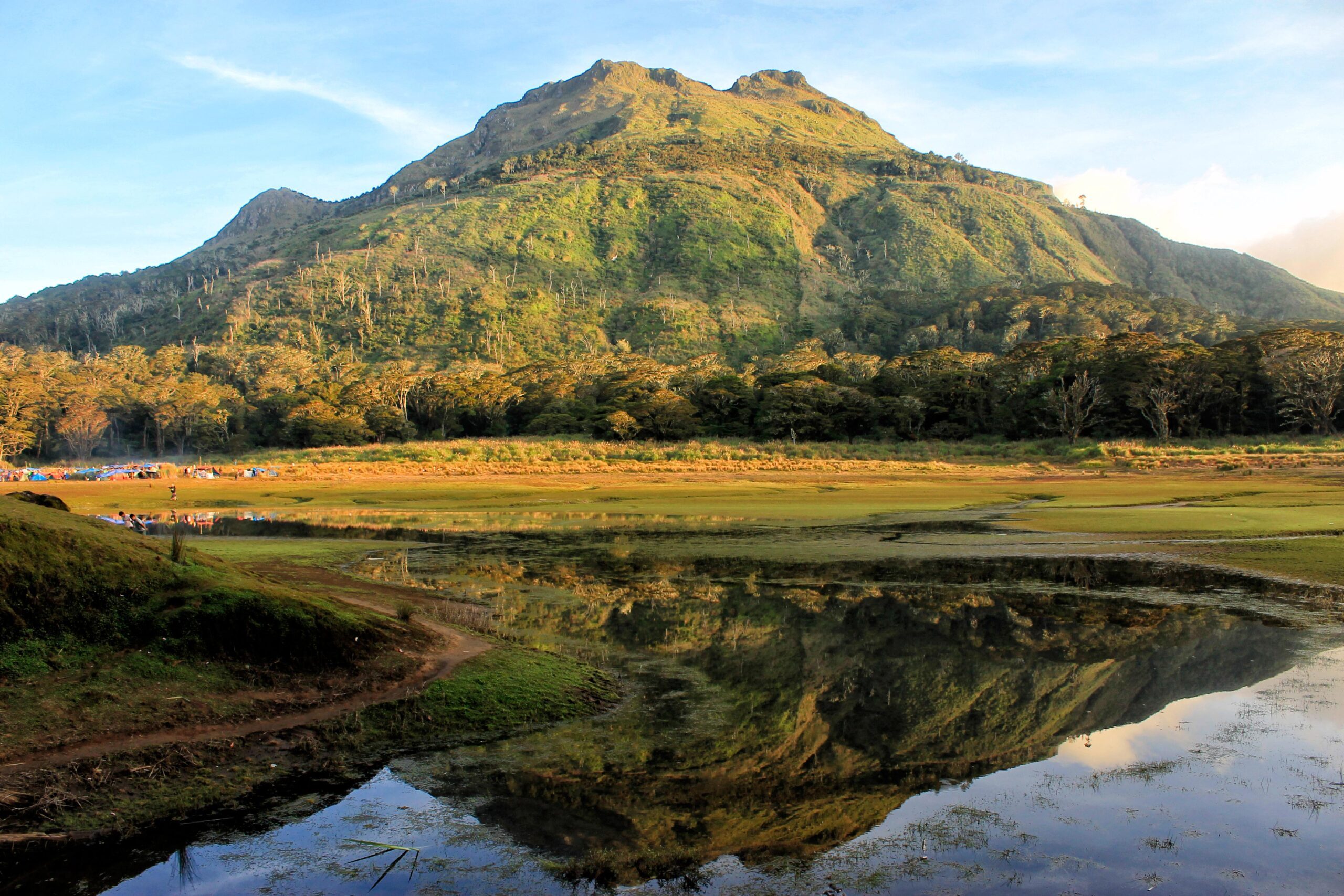
6 6 DAYS Fairly EasyThis six-day journey moves through the distinct elevations of Mindanao, beginning in Davao City and ending on the summit of Mount Apo, the highest peak in the Philippines. The route passes through urban wildlife centers, forested river corridors, and the mountain interior of Kidapawan before committing fully to a two-day high-altitude climb. It is a journey of consecutive contrasts city, river, ridge, and summit, designed for travelers who want a precise and unhurried encounter with one of Southeast Asia's most geographically concentrated regions.
Southern Enchantment | Dumaguete and Siquijor
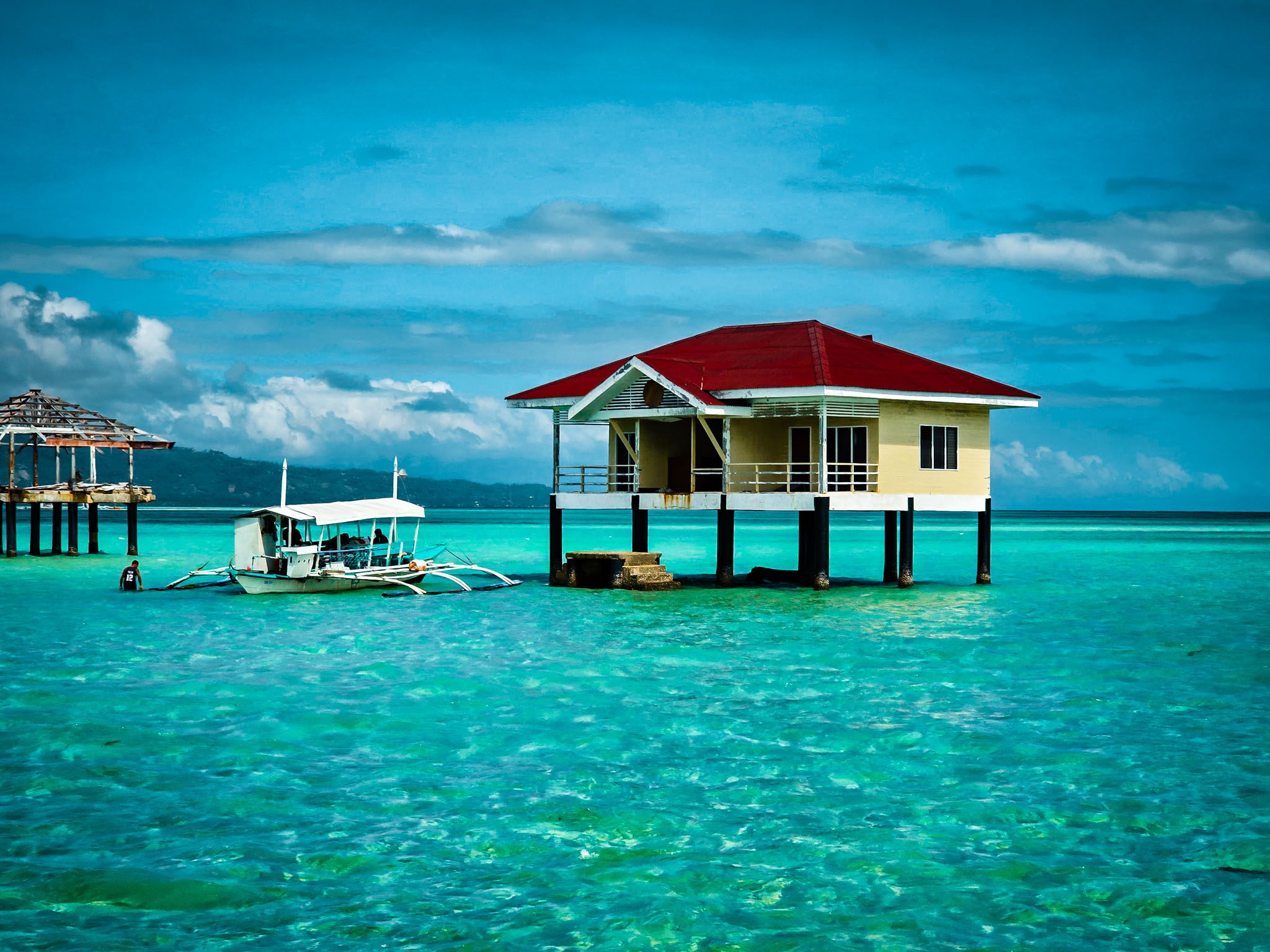
7 7 DAYS Fairly EasyThis seven-day journey moves through two of the Visayas region's less-trafficked destinations: Negros Oriental, with its twin volcanic crater lakes set inside forested highland terrain, and Siquijor, a compact island whose quietness belies a well-defined interior and a reef-lined coastline. The route is unhurried by design. Arrival into Dumaguete anchors the first half of the trip, allowing time to orient in a modest university city before moving inland toward the lakes at Balinsasayaw. From the third day onward, a fast craft crossing delivers guests to Siquijor, where the pace loosens further into a rhythm of structured touring followed by several days of genuinely unscheduled time. Departure returns through Dumaguete, with onward connections available to either Manila or Cebu.
Fiesta Islands Adventure
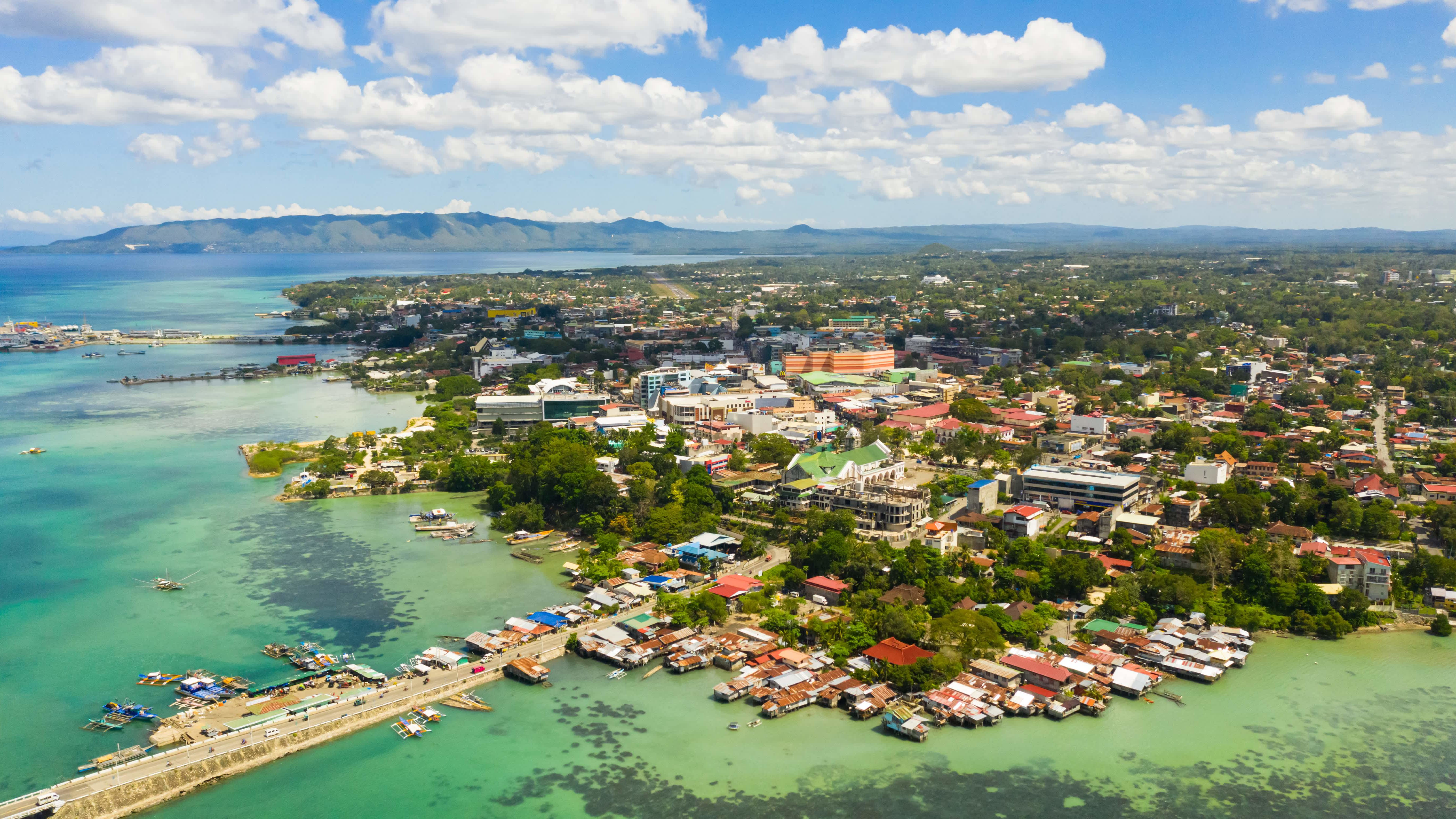
8 8 DAYS Fairly EasyThis eight-day hiking-focused itinerary explores Dumaguete, Siquijor, and Bohol in the Southern Visayas. The route combines guided mountain biking through rural backroads, a trek and kayak at a twin-crater lake, a day trip to Siquijor for a forest waterfall hike, and time in Bohol for adventure activities and snorkeling. All transfers, accommodations, and activities are arranged with attention to logistics and local context, allowing for a steady pace and flexibility each day.
Cebu, Sumilon & Bohol Wildlife Tour | Birdwatching Adventure
10 10 DAYS Fairly EasyThis itinerary traces a quiet arc through four distinct Philippine environments, each chosen for the quality of its birdlife and the integrity of its landscapes. The journey begins in the forested uplands of Cebu, where the critically rare Cebu Flowerpecker has been recorded in isolated pockets of old-growth canopy. It moves to the tidal wetlands of Olango Island, a staging ground on the East Asian-Australasian Flyway that draws tens of thousands of migratory waders each season. Sumilon Island, the country's first designated marine reserve, provides a more intimate interlude, its limestone cliffs and mangrove lagoon sheltering a resident community of birds that are unhurried and approachable. The crossing to Negros Oriental opens the volcanic twin lakes of Balinsasayao and Danao, where Osprey and Brahminy Kite hunt over still water in full view. The journey concludes in Bohol, where Rajah Sikatuna National Park, the largest contiguous inland forest remaining on the island, holds populations of Philippine Eagle-owl, Steere's Pitta and the Philippine Tarsier in a landscape of limestone karst and old hardwood. Throughout, pace is kept deliberate. Guides are specialists. Logistics are handled with care.
Philippines Volcanoes & Craters Hiking Tour: Taal & Pinatubo
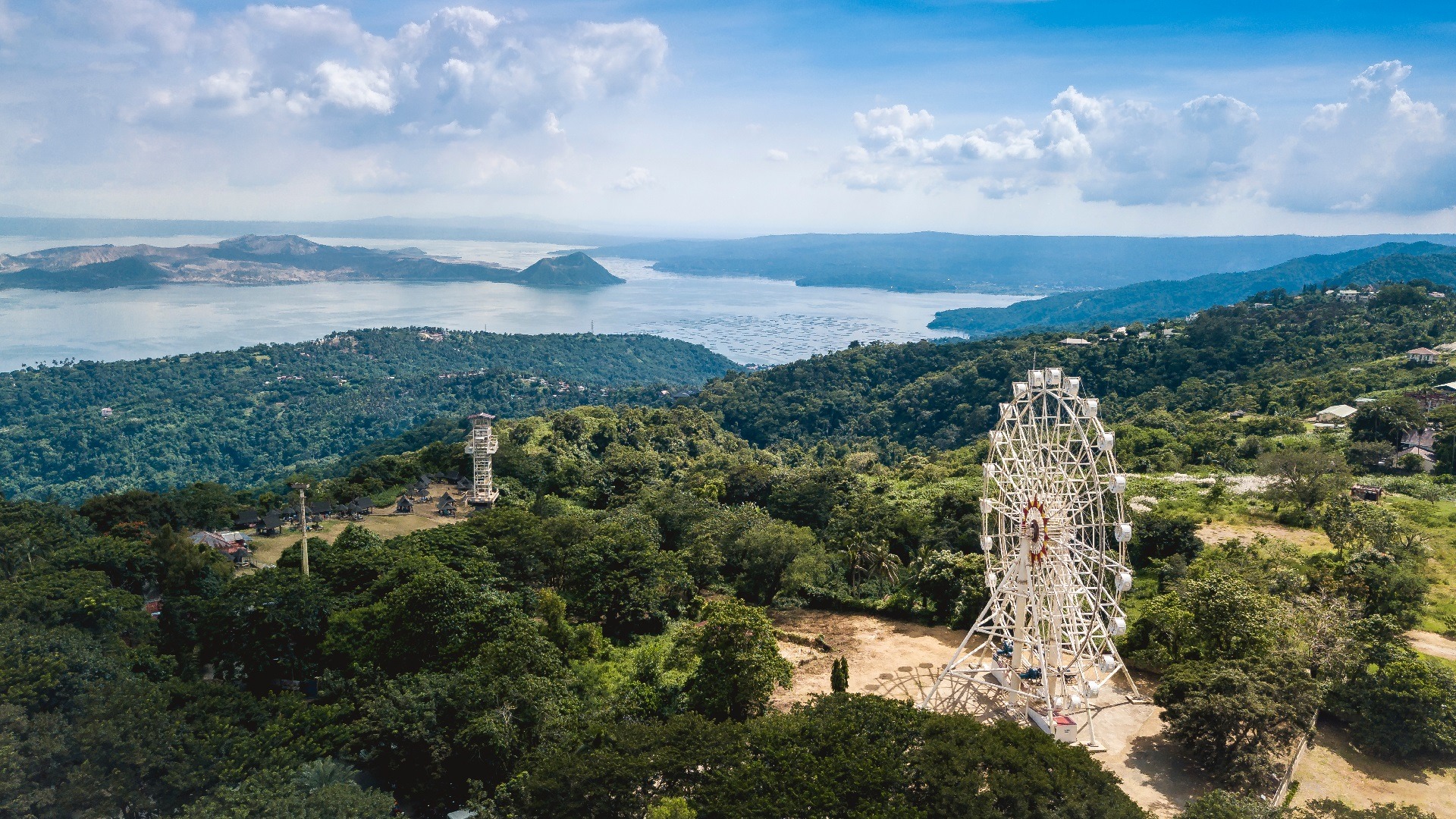
3 3 DAYS Fairly EasyThis three-day private journey moves through the most geologically significant terrain in the Philippine archipelago. Beginning on the shores of Taal Lake in Batangas, the itinerary progresses north through the Tagaytay Ridge and into the lahar valleys of Central Luzon, ending at the crater lake of Mount Pinatubo. Each site is active in its own measure, and each requires a different form of engagement, from a lake crossing by motorized banca to a 4x4 traverse of ash-carved canyons. The pace allows time for genuine orientation at every stop. A volcanology briefing, a ridge-top perspective, and a high-altitude crater walk are placed in sequence so that each day builds on the geological context of the last.
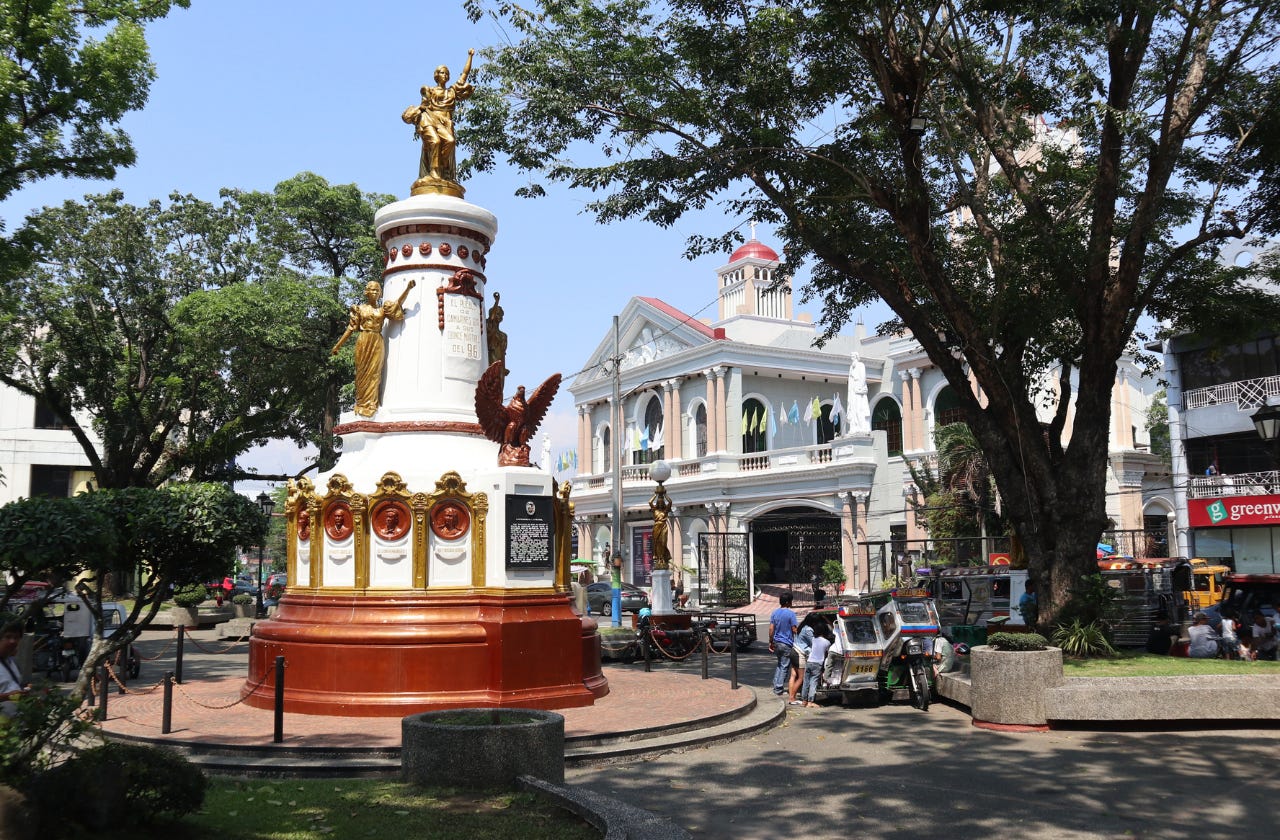
Bicol Express Private Trip | Naga, Caramoan, Legazpi
7 7 DAYS Fairly EasyThis seven-day private journey moves through the Bicol region at a deliberate pace, connecting the inland waterways of Naga with the limestone-edged coves of the Caramoan Peninsula before settling along the volcanic coast between Legazpi and Misibis Bay. Each setting is distinct in character. The itinerary is structured to give guests sufficient time in each location rather than accumulating destinations for their own sake. Transfers follow coastal and provincial roads that carry their own interest. Accommodation shifts from a watersports retreat to a beach camp to a full-service coastal resort, reflecting the changing nature of the terrain.
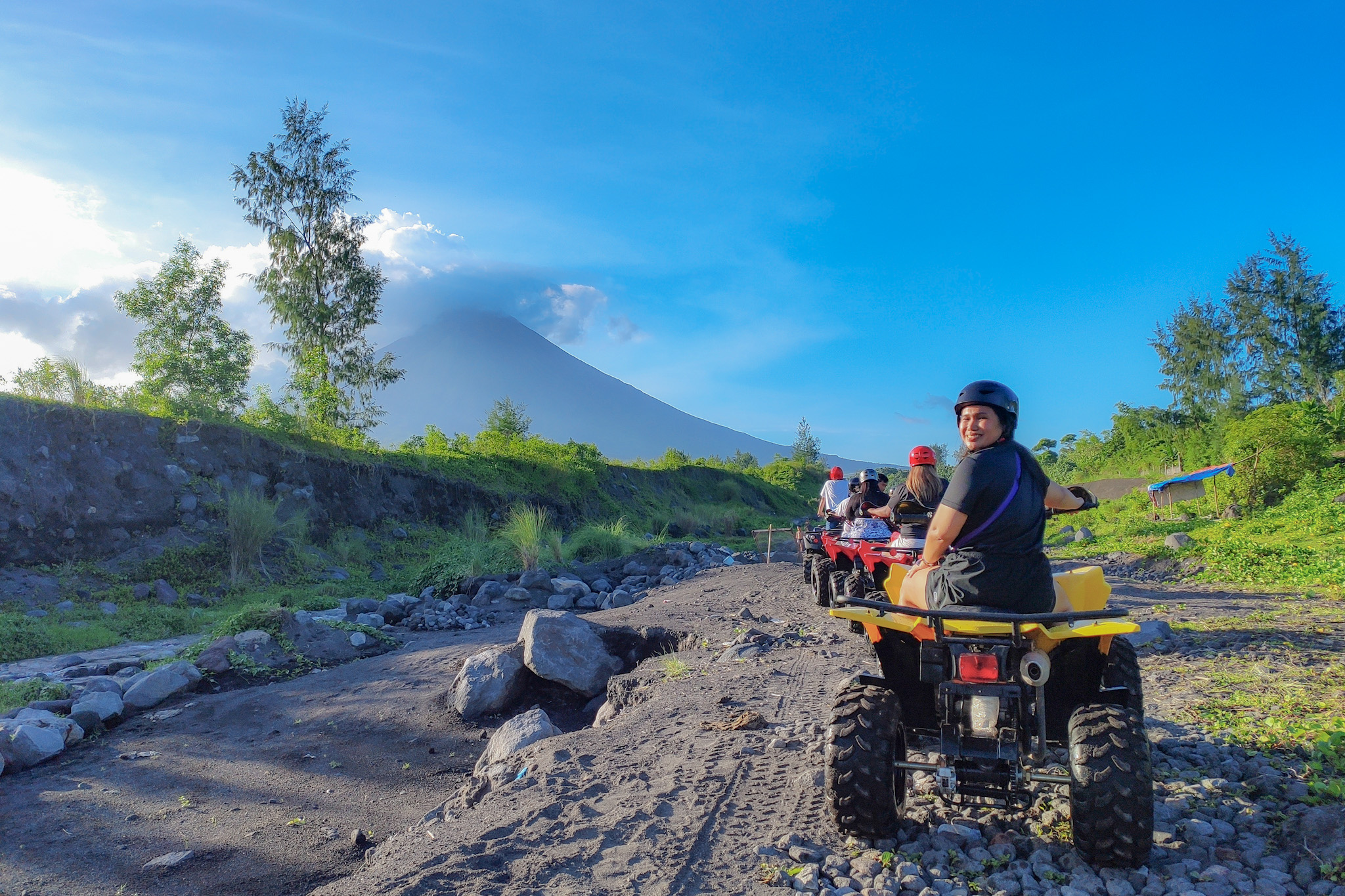
Donsol Whale Shark Encounter Private Tour | Bicol Region
4 4 DAYS Fairly EasyThis four-day private journey moves through the Bicol region of southern Luzon, where active volcanic terrain meets one of the most significant whale shark aggregation sites in Southeast Asia. The itinerary is structured to give each experience its own unhurried space, from the lava-scarred foothills of Mayon Volcano to the tidal estuary at Donsol where butanding gather in reliable numbers between November and June. Transfers are private throughout. Accommodation is selected for proximity to each experience rather than resort scale.
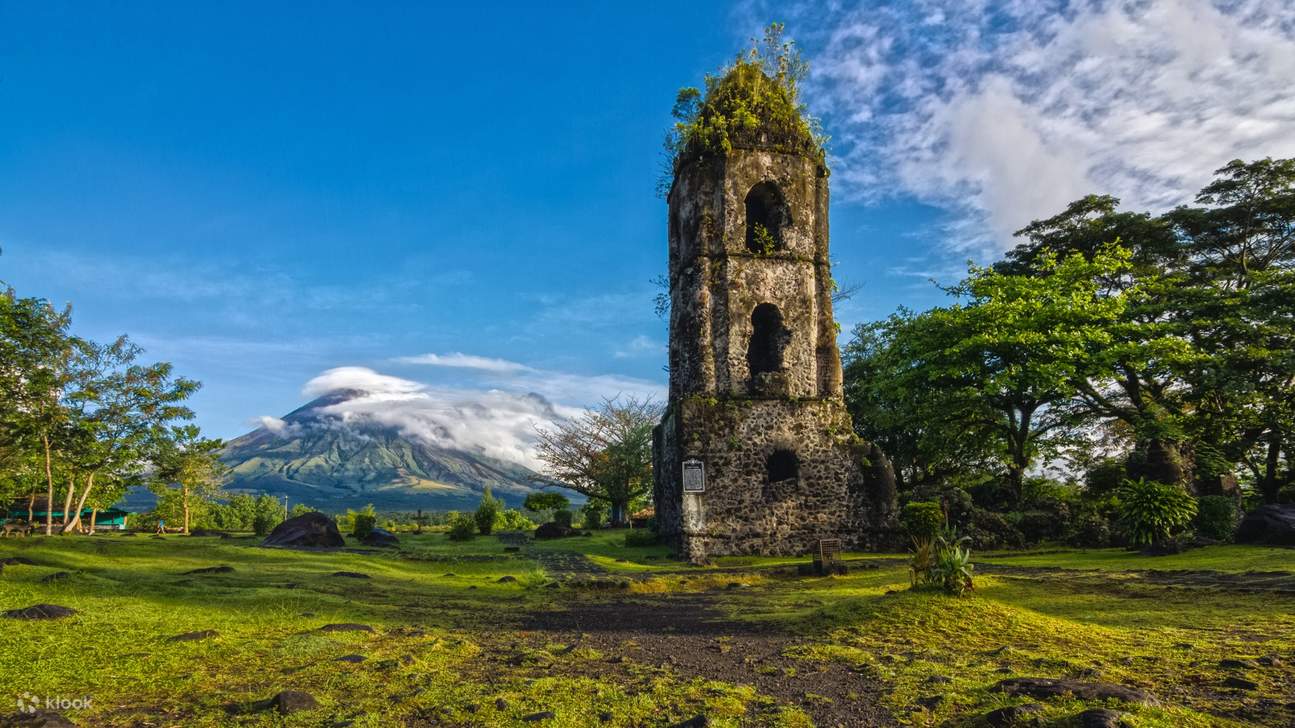
Butanding Whale Shark Interaction
4 4 DAYS Fairly EasyThis four-day journey in the Bicol Region focuses on natural encounters and local heritage. Highlights include a regulated whale shark interaction in Donsol, an ATV traverse on Mayon Volcano’s lava fields, and a quiet firefly river cruise. The itinerary is paced for private groups, with time in Legazpi and stops at Lake Buhi and local hot springs. Adjustments to pacing and accommodation are possible.
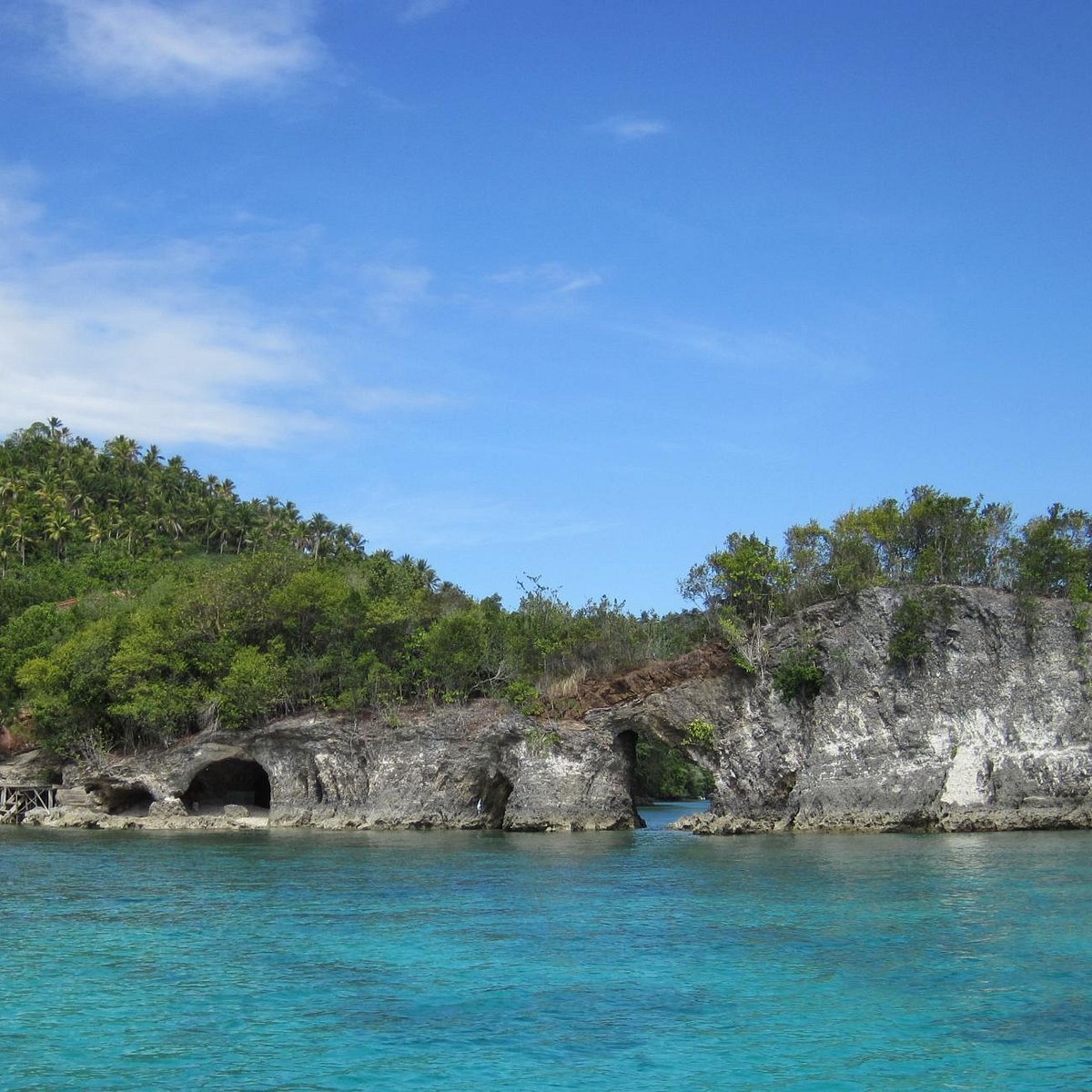
Philippines Exotic South Tour: General Santos & Davao City
7 7 DAYS Fairly EasyThis seven-day journey moves through the least-visited provinces of Mindanao, tracing a route that connects working tuna ports and highland lakes with indigenous weaving communities and the forest habitat of the Philippine Eagle. The pace is deliberate. Each stop has been chosen for what it reveals about the cultural and agricultural character of the south rather than for spectacle alone. Guests travel between destinations by private road transfer, allowing the landscape to unfold gradually from coastal lowlands into the cool interior of the Tiruray Highlands and onward to the volcanic foothills of Mount Apo.
Siargao Wildlife Exploration
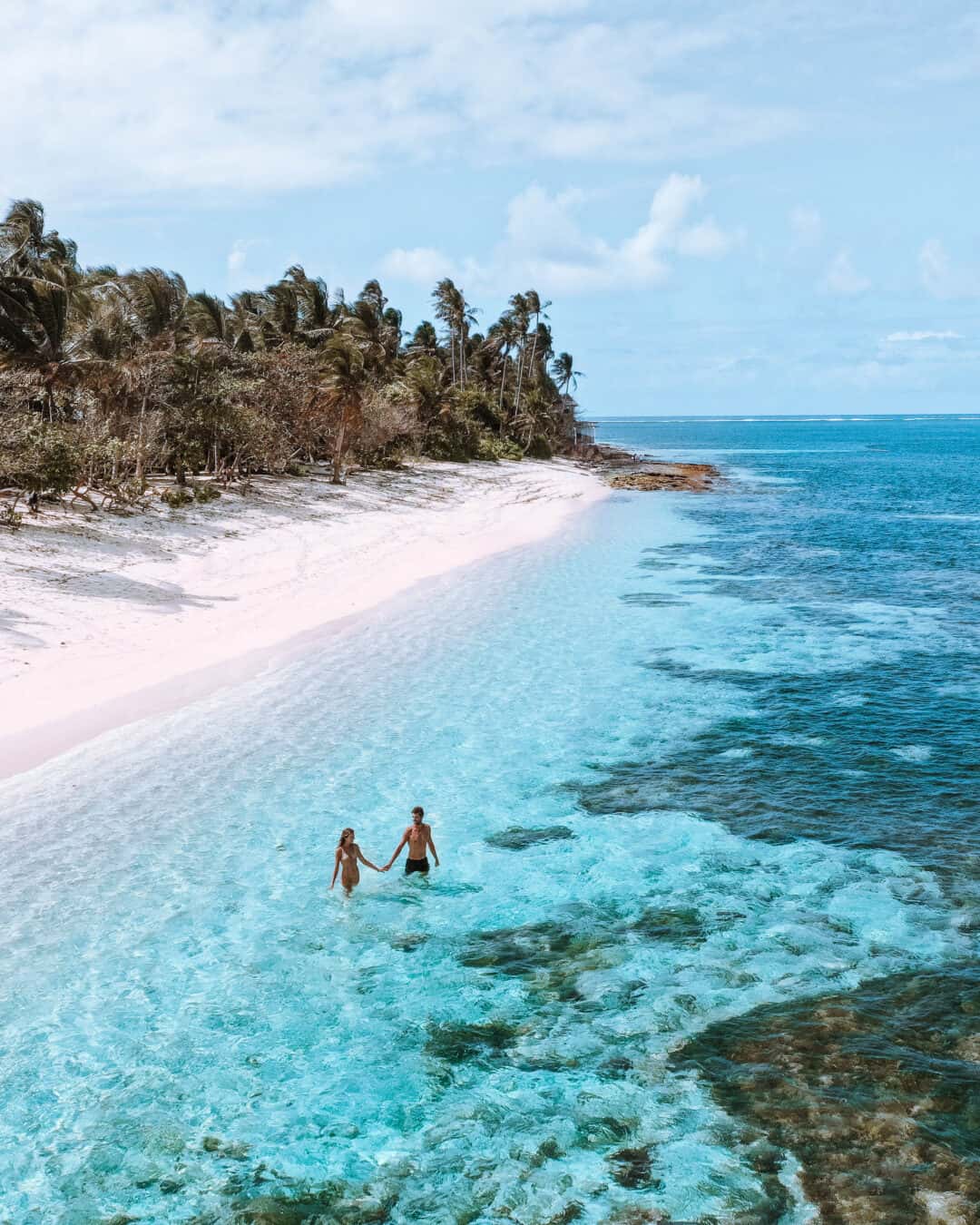
6 6 DAYS Fairly EasySiargao is a tear-drop island in the Philippine Sea that rewards those who travel with purpose rather than pace. This six-day itinerary moves between the reef breaks of General Luna, the tide-dependent passages of Sohoton Cove, and the uninhabited limestone archipelago to the south. Each day is structured around a single environment, allowing guests to absorb the detail of a place rather than accumulate a list of sights. The island's fishing communities remain the quiet context for everything here: their outriggers, their routes, and their knowledge of water and weather shape the experience from arrival to departure.

Mindanao: Birding Quest for the Philippine Eagle
10 10 DAYS Fairly EasyThis ten-day private journey moves through the forested highlands and eastern lowlands of Mindanao in deliberate pursuit of the Philippine Eagle, one of the rarest raptors on earth. The route connects Mt. Kitanglad's montane ridgelines with the dipterocarp corridors of Kidapawan, the restored secondary forest of Eden Nature Park, and the extensive PICOP concession near Bislig, each site selected for documented eagle presence or critical lowland bird habitat. Accommodation shifts between forest camps and small private resorts, keeping the pace unhurried and the focus fixed. A specialist birding guide accompanies the group throughout. The itinerary is suited to serious naturalists and informed travellers who want structured access to habitats that reward patience rather than spectacle.
Rafting and Rappelling: Cagayan de Oro and Camiguin
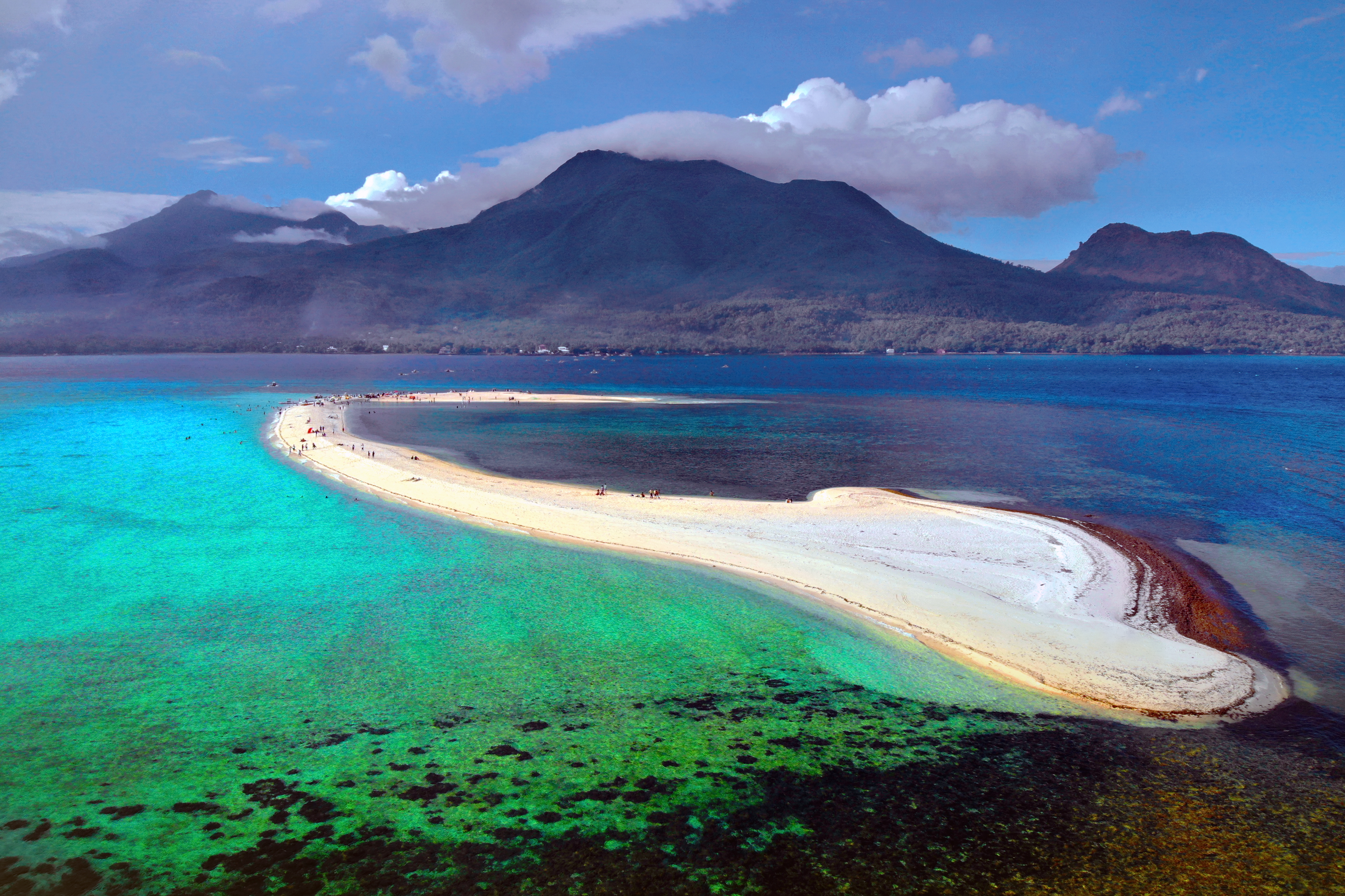
4 4 DAYS Fairly EasyThis four-day journey moves between two distinct faces of northern Mindanao. Cagayan de Oro offers a measured introduction to the region's tribal heritage before the Cagayan River takes over as the main event. The crossing to Camiguin brings a quieter, more concentrated experience: a volcanic island where canyon rappelling, mountain waterfalls, and a bare sandbar offshore compose an itinerary that rewards physical engagement without excess. Logistics are kept clean throughout, and each location is visited at a pace that allows for genuine observation rather than hurried transit.
Palawan Birding Program Wildlife Tour
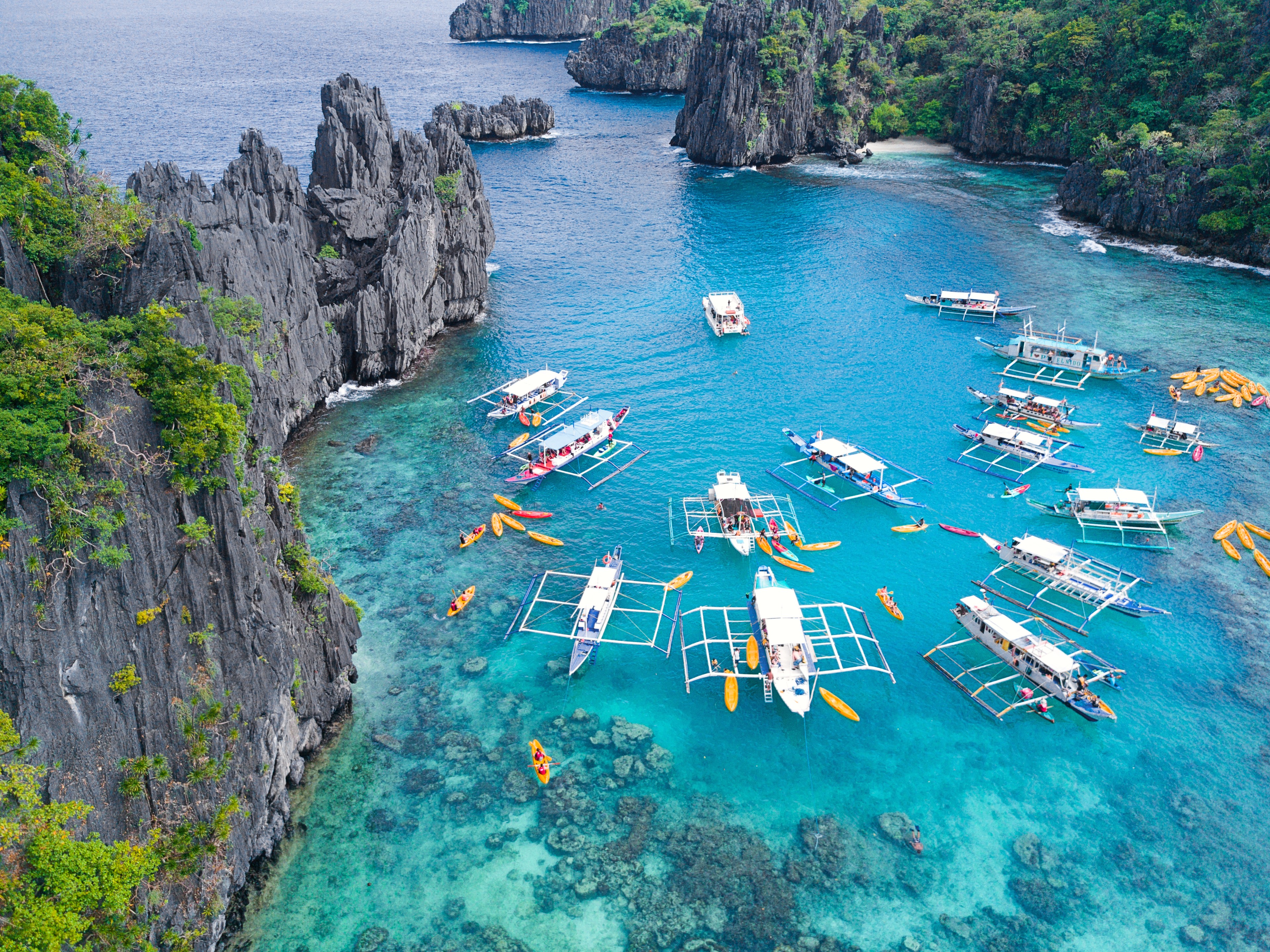
6 6 DAYS Fairly EasyThis six-day private itinerary moves through the ornithological layering of southern and central Palawan, from the protected mangrove shores of Rasa Island to the karst interior of the Puerto Princesa Subterranean River National Park. Each location is chosen for access to specific endemic and resident species, with field time structured around dawn departures and dusk roost observation. The program is designed for travelers with a working knowledge of Philippine endemics who prefer quiet, unhurried access over high-volume wildlife encounters. Accommodation progresses from a riverside base in Narra to a small island resort in Honda Bay, keeping logistics clean and distances manageable.
Palawan Odyssey: Coron, El Nido and Puerto Princesa
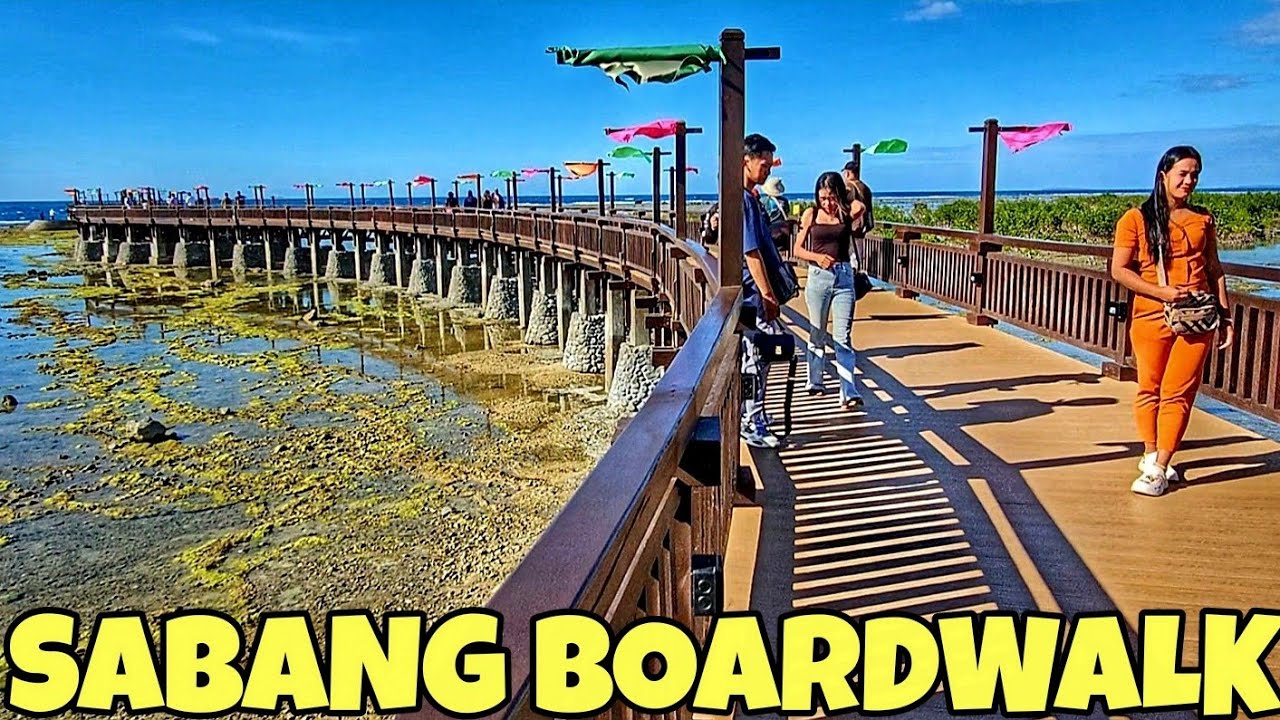
15 15 DAYS Fairly EasyThis fifteen-day journey moves through Palawan’s varied landscapes, beginning in Manila before exploring Coron's lakes and WWII wrecks, El Nido’s limestone bays, and Puerto Princesa’s underground river and indigenous Batak community. The itinerary balances scheduled highlights with unscheduled days for rest or optional excursions, and accommodations are chosen for quality and convenience rather than proximity to tourist areas.
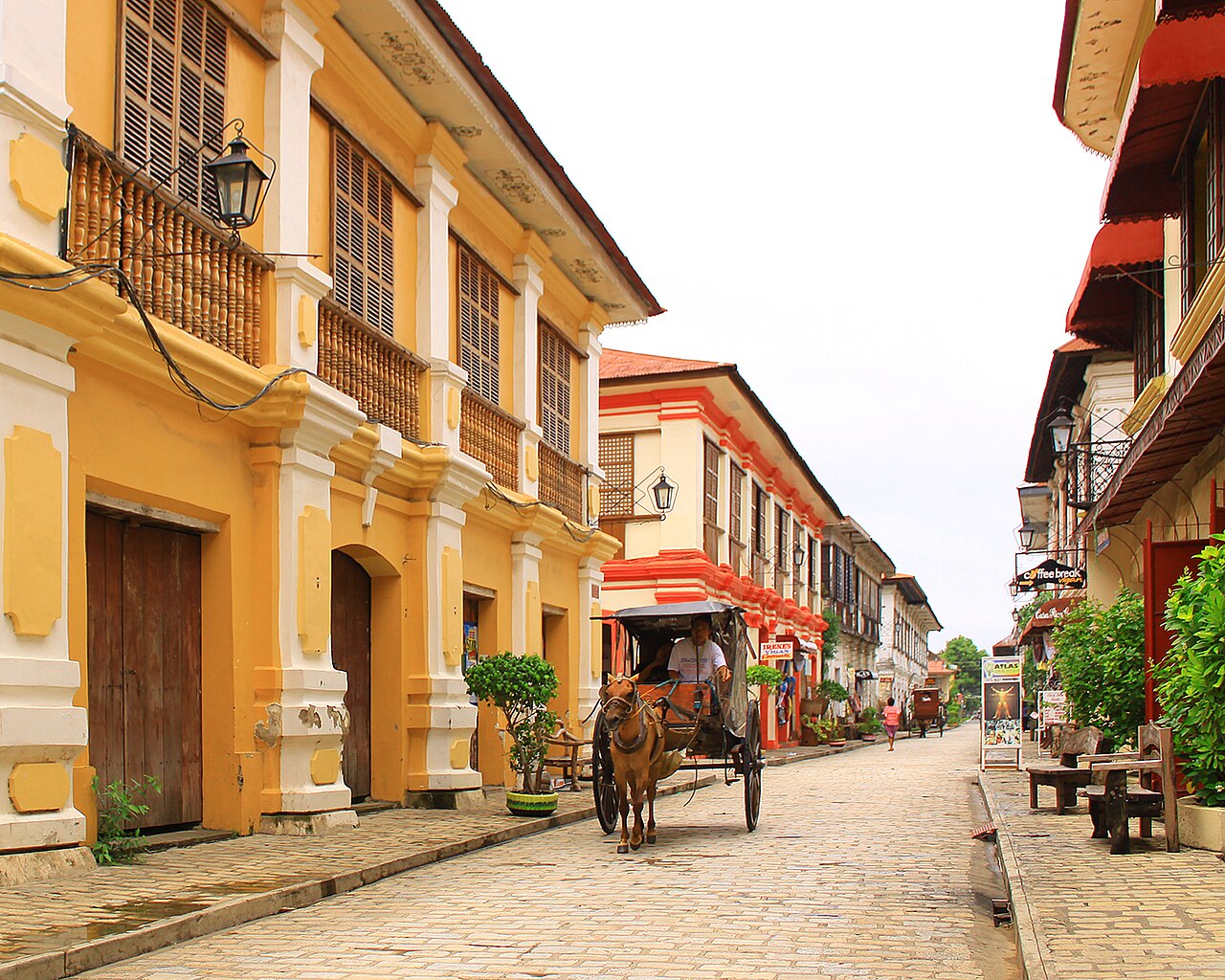
Paddle and Surf: Coastal Tour of North Luzon
10 10 DAYS Fairly EasyThis ten-day itinerary traces the northwestern coastline of Luzon from the island clusters of Hundred Islands to the open surf breaks of La Union and the remote shores of Pagudpud. Each location is chosen for a distinct relationship with water. Alaminos offers sheltered coves, mangrove corridors, and limestone cave systems within the Hundred Islands National Recreation Area. San Juan in La Union presents consistent reef-point surf suitable for both first-time riders and those with established technique. Pagudpud, at the northernmost reach of the route, provides uncrowded waves, a river canyon for wading, and the colonial-era Cape Bojeador Lighthouse as a final point of context before the return south. The journey includes a brief passage through Vigan, a UNESCO-listed settlement of preserved Spanish colonial architecture, which functions as a quiet interval between surf chapters. Private air-conditioned transport connects each destination. Accommodation is arranged at locally regarded properties throughout.
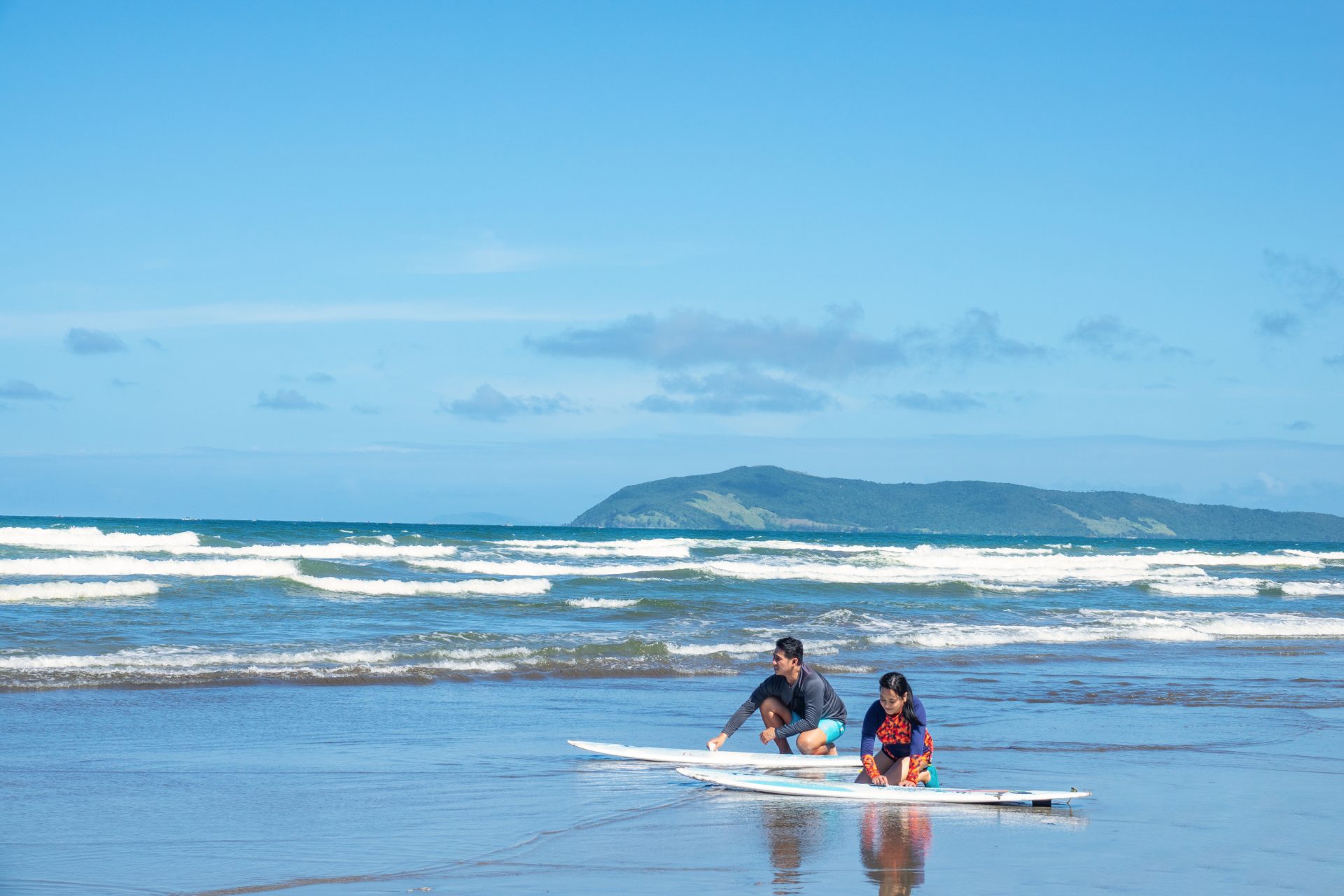
Rock Climbing and Surfing: Atimonan and Bagasbas
4 4 DAYS Fairly EasyThis four-day journey moves between two distinct disciplines along the eastern seaboard of Luzon. The first leg is spent at a well-established climbing crag outside Atimonan, where weathered rock and a considered range of routes reward both the methodical beginner and the experienced climber. The journey then continues south to Bagasbas Beach in Camarines Norte, a two-kilometer stretch of black sand facing the open Pacific. Consistent year-round swells, a gradual seabed gradient, and assigned surf guides make the water accessible at multiple levels. The pace throughout is unhurried, the setting is without crowds, and the combination of disciplines is deliberate rather than incidental.
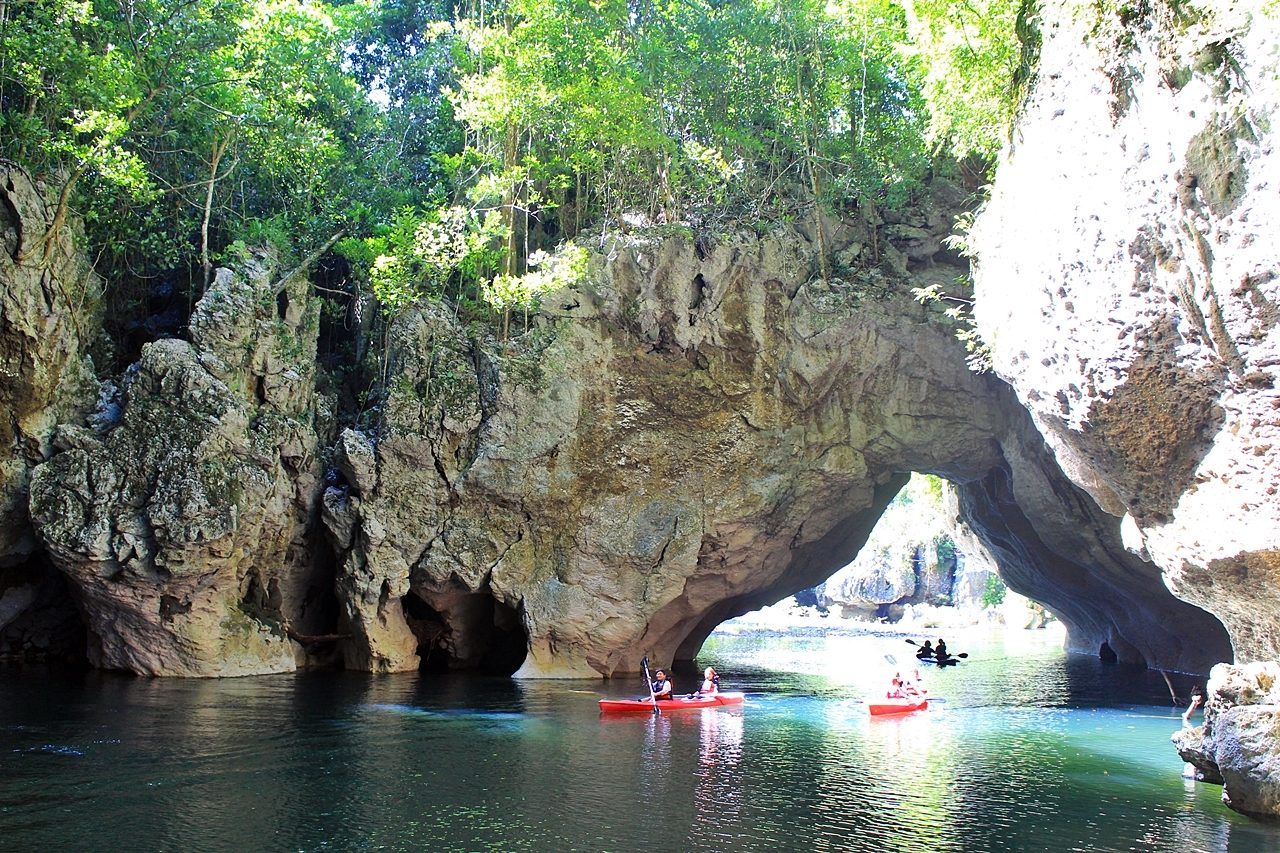
Fiesta Islands: Tacloban, Cebu and Bohol in 7 Days
7 7 DAYS Fairly EasyThis seven-day private journey moves through the central Philippines by air, road, and sea, tracing a route from the historical port city of Tacloban across the Visayan islands to Cebu and Bohol. Each island brings a distinct character: Leyte's cave systems and coastal craft traditions, Cebu's layered colonial and contemporary identity, and Bohol's interior landscape of ancient churches, river valleys, and the arresting geology of the Chocolate Hills. Transfers are managed privately throughout, and the sequence of ferry and boat crossings is built into the routing as part of the experience rather than incidental logistics.
Philippines Northback hiking | Manila to Cagayan
7 7 DAYS Fairly EasyThis seven-day journey moves through the interior highlands of northern Luzon and into the Cagayan Valley, covering terrain that few itineraries reach in a single arc. The route begins in Manila and climbs toward Banaue via Nueva Vizcaya, entering the Ifugao highlands before descending on foot through the rice terrace villages of Banga-an and Batad. From there the journey continues northwest to Bontoc, then north into Kalinga province, where the town of Tinglayan serves as a base for village trekking and whitewater activity on the Chico River. The final movement carries east and down into the Cagayan lowlands, pausing at Penablanca for a natural spectacle at dusk before a concluding day in Tuguegarao. The route is linear, purposeful, and weighted toward the north, a corridor of the Philippines that rewards patience and physical engagement over comfort and speed.
Philippines Southern Escapade City Tour | Private Itinerary
6 6 DAYS Fairly EasyThis journey moves through the lesser-traveled arc of northern Mindanao, from the riverine city of Cagayan de Oro to the volcanic island of Camiguin and the ancient wetlands of the Agusan Marsh. Each destination holds a distinct character. Camiguin rewards the patient traveler with sunken ruins, thermal springs, and a sandbar that dissolves into clear water at high tide. Butuan, one of the oldest settlements in the archipelago, offers context that most Philippine itineraries overlook entirely. The pace is unhurried and the distances are manageable, allowing genuine engagement with each place rather than a sequence of arrivals.
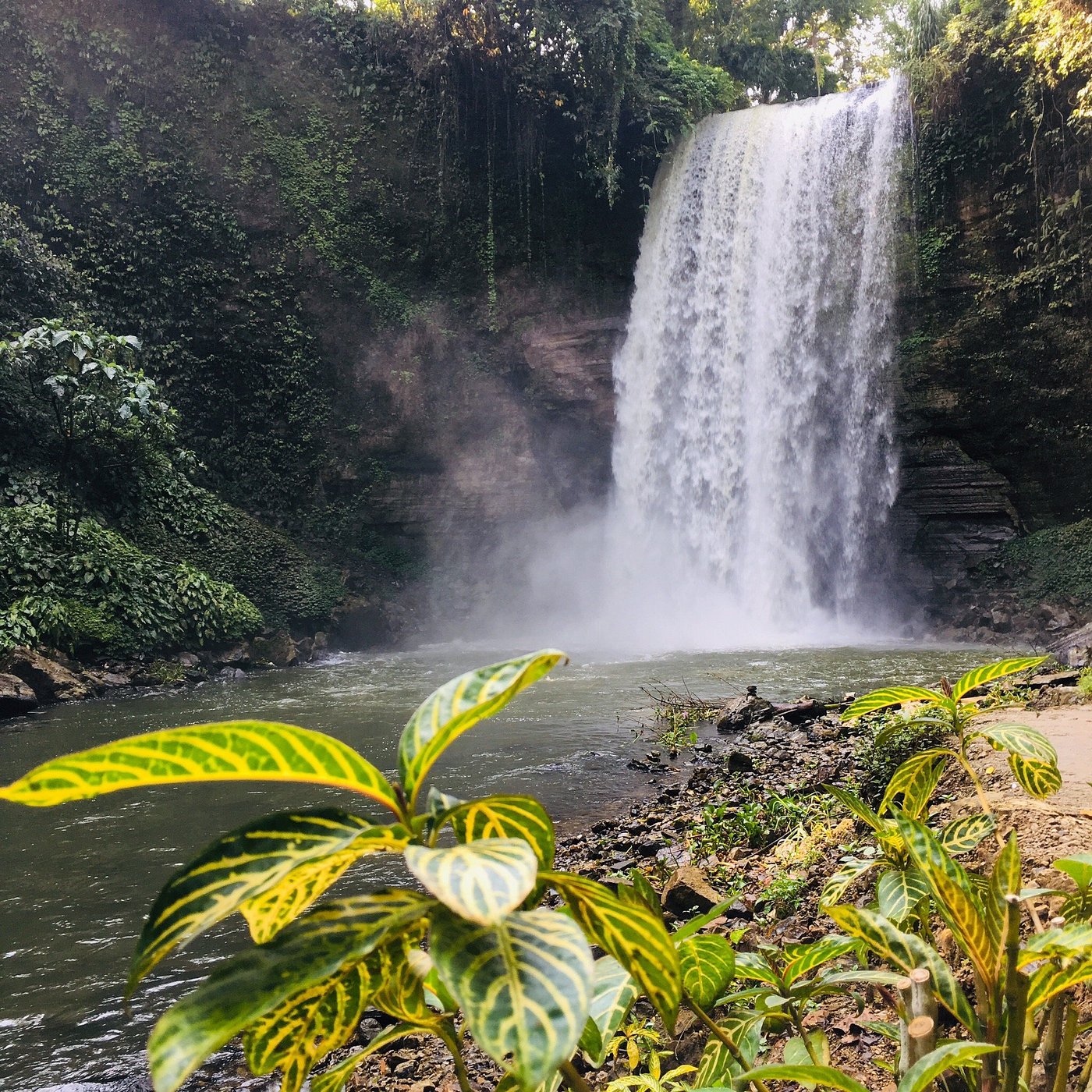
Tuna, Tubing and T'boli Country
5 5 DAYS Fairly EasyThis five-day journey moves through the inland provinces of Mindanao at a deliberate pace, connecting General Santos on the coast with the highland lakes of South Cotabato, the agricultural lowlands of Sultan Kudarat, and the geothermal terrain near Kidapawan before closing in Davao. The route is structured around contrasts: a morning of river tubing in Maitum gives way to the calm surface of Lake Sebu, where the T'boli people maintain a distinct cultural presence. Palm oil mills and muscovado refineries in Sultan Kudarat speak to the productive interior of the island, while hot and cold pools at Esperanza offer an unforced pause before the final drive south. The itinerary suits a traveller who wants to read Mindanao on its own terms, without compression.
Bicol X-Press: 5-Day Trip from Naga
5 5 DAYS Fairly EasyThis five-day itinerary moves through the Bicol Peninsula in a deliberate sequence, pairing water sport and wildlife encounters with geothermal terrain and coastal wetlands. It begins at the Camsur Watersports Complex, one of Southeast Asia's most technically regarded cable wake parks, before traveling south to Donsol, where seasonal whale shark interactions are managed under strict non-contact protocols. The middle days cross into the PNOC-EDC BacMan geothermal corridor on mountain bikes, descend to a boiling lake, and finish in Sorsogon's mangrove reserve, navigated by traditional sibid paddle boat. The pace is measured throughout, with each location chosen for its specific natural or cultural character rather than proximity alone.
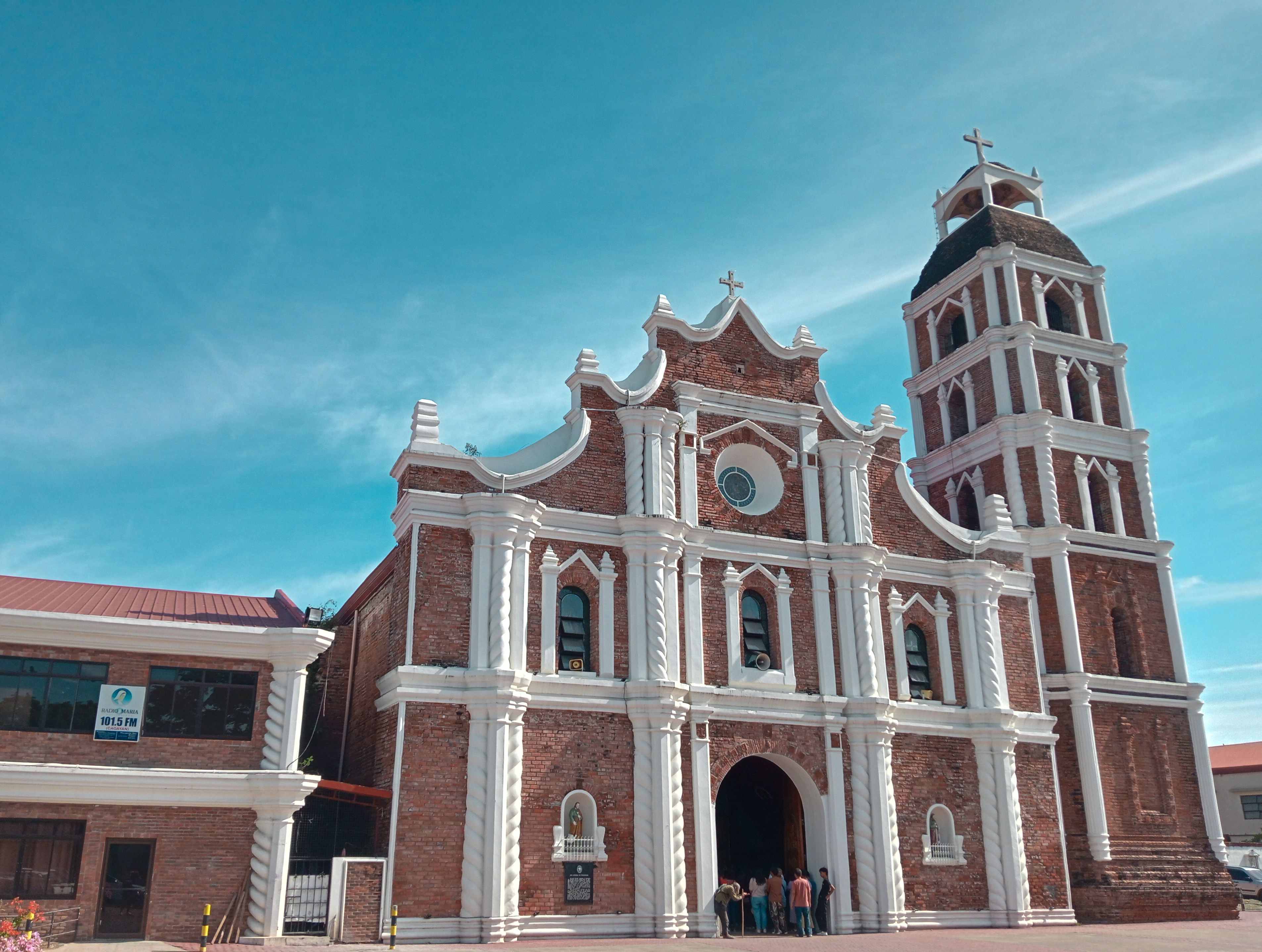
Crawl and Row: Caves and Rivers of Interior Luzon
5 5 DAYS Fairly EasyA five-day hiking and river journey from Nueva Vizcaya to Cagayan, traversing forest trails, limestone caves, and river corridors. The itinerary includes a river approach to Imugan Waterfalls, a community visit to a forest products factory, guided exploration of Capisaan Cave System, observing a bat exodus at dusk, technical rappelling and kayaking, and a whitewater rafting run on the Pasil River. Accommodations are local hotels and homestays, emphasizing community-managed landscapes and practical logistics throughout.
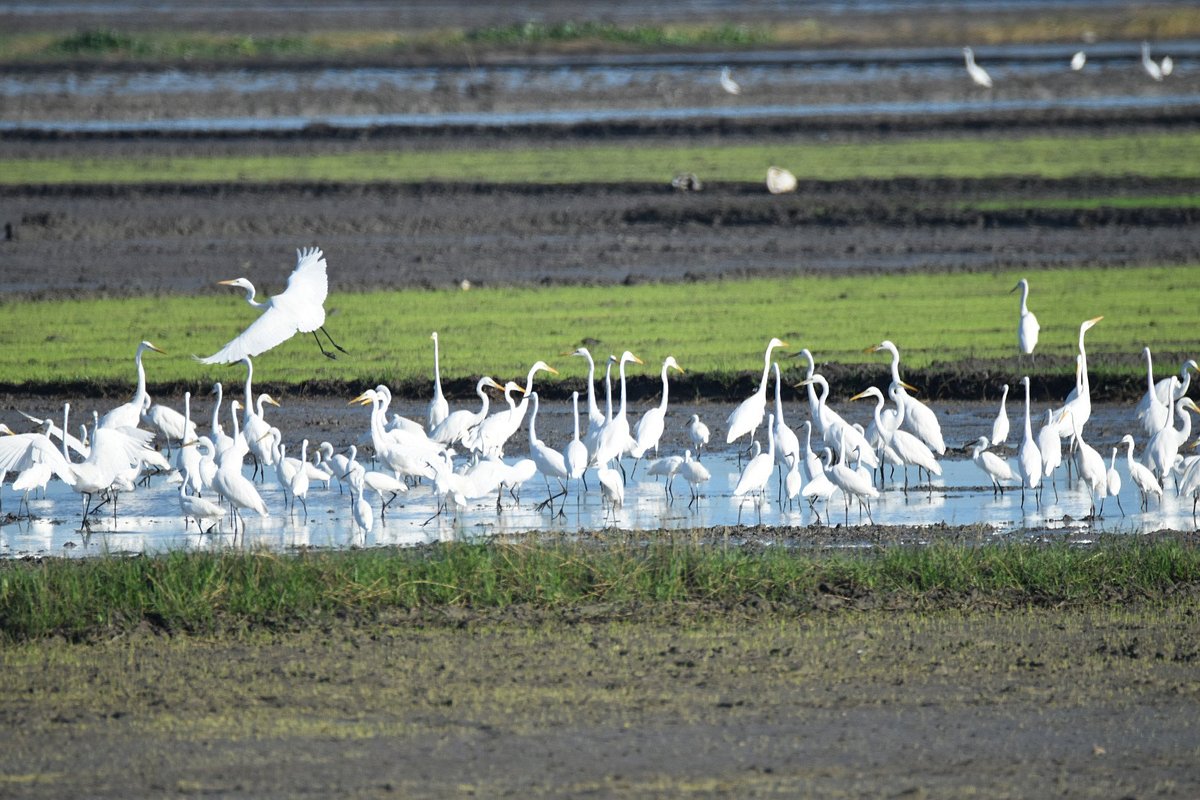
Wildlife Tour: Candaba, Bataan, Subic and Pangasinan
5 5 DAYS Fairly EasyThis five-day private journey traces a chain of ecologically distinct habitats along the western coast of Luzon, from the freshwater marshes of Pampanga to the mangrove-fringed islands of Pangasinan. Each site sits within a different ecological context, offering birders and naturalists a precise record of the Philippine avifauna across wetland, forest edge, tidal flat and open marine environments. Movement between sites is unhurried, with early morning field sessions scheduled to coincide with peak bird activity. Accommodation is selected for proximity to key access points rather than resort density. The itinerary is suitable for experienced birders and for well-travelled guests seeking a structured encounter with Luzon's quieter, less-visited landscapes.
Hills and Plains: The Scenic Border
6 6 DAYS Fairly EasyThis six-day journey explores the remote Batanes islands in the northern Philippines, moving through Batan, Itbayat, and Sabtang. The itinerary focuses on geographic isolation, vernacular architecture, and local community life. Itbayat is accessed by open-water crossing and explored via homestay, while Sabtang features intact Ivatan stone villages. The trip is designed for travelers seeking immersion in unique landscapes and cultural practices, with minimal emphasis on organized activities
Manila and Suburbs
1 4 HOURS Fairly EasyManila rewards the traveller who looks past its surface complexity. This private itinerary moves at a deliberate pace through Intramuros and the civic spaces of Rizal Park, pausing at sites that hold genuine historical weight. Fort Santiago, the American Memorial Cemetery, and a curated handicraft workshop together form a coherent portrait of a city shaped by three centuries of Spanish rule, a decade of American administration, and the resilience of its own people. The guide assigned to this journey is a specialist in Philippine political and cultural history, not a generalist, and the pace is set by the guest.
Manila Heritage
1 1 DAY Fairly EasyThis private day tour moves through the oldest quarter of Manila with a guide who knows its architecture, its contested history, and its present-day texture. The itinerary is structured rather than rushed, allowing time at each site to observe detail and ask questions. Lunch is taken at a table, not a buffet line. The tour suits travellers who read before they arrive and prefer conversation to commentary.
Makati Skyline
1 1 DAY Fairly EasyMakati rewards the traveller who looks past its commercial surface. This half-day private circuit moves through three distinct layers of the city: the curatorial rigour of the Ayala Museum, the restrained residential planning of Forbes Park, and the American War Memorial at Manila American Cemetery, where 17,206 names are recorded in marble. Each stop asks something different of the visitor. Together they form a coherent portrait of a capital shaped by colonial history, mid-century wealth, and the discipline of remembrance.
Manila Ocean Park and Intramuros
1 1 DAY Fairly EasyManila holds two distinct worlds within a short distance of each other. Intramuros, the walled city founded by the Spanish in 1571, preserves cobblestone streets, fortified gates, and the quiet interior of San Agustin Church, the oldest stone church in the Philippines. Manila Ocean Park, situated at the edge of Manila Bay, offers a controlled encounter with the marine life of Southeast Asian waters, from reef sharks to jellyfish in a dedicated luminescence gallery. This itinerary pairs the two in a single unhurried day, moving from colonial stone to open water without overlap or waste.
Manila at Your Own Pace
1 1 DAY Fairly EasyThis arrangement places a dedicated jeepney or period van at your disposal for a self-directed passage through Metro Manila. A private escort manages logistics, secures entry to each site, and adjusts the pace entirely to your preference. The itinerary is structured around Fort Santiago and the walled district of Intramuros, with the freedom to linger, divert, or return as the afternoon dictates. It suits travellers who want coherent access to the city without a fixed group timetable.
Pasig River Cruise
1 1 DAY Fairly EasyThe Pasig River connects Manila Bay to the city's eastern districts in a continuous, unhurried passage through four municipalities. Travelling aboard the air-conditioned commuter ferry, guests move at water level through neighbourhoods that resist easy access by road. The cruise functions as both transport and observation, revealing the city's layered geography in a way that no street-level itinerary can replicate. A full-day pass allows the journey to be structured around one or more of the established walking districts along the route.
Manila: A Considered Shopping Itinerary
3 3 DAYS Fairly EasyManila rewards the attentive buyer. This itinerary moves through four trading environments that together represent the full range of the city's retail life: the covered market stalls of Greenhills, where cultured pearls and hand-set jewelry are sold at negotiated prices; the open-air pavilions of Tiendesitas, given over to furniture, craft objects, and decorative curios; the vast waterfront complex of Mall of Asia on Roxas Boulevard; and the refined, landscaped galleries of Greenbelt in Makati, where international and Philippine labels occupy low-rise buildings arranged around open courtyards. A private vehicle and a knowledgeable local guide accompany each day, allowing visits to be paced and purchases to be made without pressure.
Binondo Food Walk
1 1 DAY Fairly EasyBinondo has operated as Manila's Chinese quarter since 1594, and its culinary character has deepened with every generation. This private walk moves at a considered pace through narrow streets that connect family-run stalls, century-old bakeries, and establishments that have never sought wider attention. Dishes are chosen for provenance and technique, not novelty. The experience is structured around eating and observation in roughly equal measure.
Intramuros Walking Tour
1 1 DAY Fairly EasyIntramuros occupies a precise square kilometre of Manila, yet within its stone walls lies the administrative, religious, and military architecture of Spanish colonial rule. This private walking tour moves at a considered pace through cobbled lanes and past fortified ramparts, guided by a specialist who draws on primary historical sources rather than rehearsed anecdote. The programme is suited to travellers who prefer context over spectacle and wish to leave with a genuine understanding of how this enclave defined the character of the Philippine archipelago.
Corregidor Island
1 1 DAY Fairly EasyCorregidor is a small island at the mouth of Manila Bay, known historically as The Rock. It was the final defensive position held by Filipino and American forces during the Second World War. A structured day visit moves through the island's preserved batteries, barracks ruins, and memorial sites before descending into the Malinta Tunnel, where a light and sound presentation documents the siege with restraint and accuracy. Lunch is served on the island following the tour. Transfer arrangements to and from the embarkation point at Manila are handled independently.
Culture and Evening Entertainment
3 3 DAYS Fairly EasyManila's evening hours reveal a city of genuine range. This program moves through three distinct modes of entertainment: a traditional cultural performance rooted in Filipino folk tradition, a large-scale production comparable in ambition to anything found in a major international entertainment district, and an intimate dining experience in which the kitchen and front-of-house staff perform alongside their service. Each option stands on its own. Together, they reflect the breadth of how this city chooses to spend its nights.
Tagaytay & Taal Volcano Tour: Scenic Ridge Views
3 3 DAYS Fairly EasyTagaytay sits at 2,250 feet along a narrow volcanic ridge in Cavite province, positioned directly above Taal Lake and the active island volcano at its centre. The elevation keeps temperatures several degrees cooler than Manila throughout the year. Three distinct program configurations are available, each calibrated to a different pace and set of interests. The landscape rewards unhurried attention, and the logistical proximity to the capital makes it a practical first or final night for longer Philippine itineraries.
Pagsanjan Cycling & River Experience
1 1 DAY Fairly EasyThis trip combines a scenic cycling route through Laguna’s rural landscape with the classic canoe journey to Pagsanjan Falls. Starting south of Manila, cyclists traverse quiet provincial roads, passing rice fields and small towns before reaching Pagsanjan. The day continues with a guided canoe ride upriver through a volcanic gorge to the base of the falls, followed by a return descent through the rapids. The itinerary balances active cycling with a traditional river experience, offering a full day of movement and observation.
Villa Escudero Cycling Tour
2 2 DAYS Fairly EasyVilla Escudero is a historic coconut plantation in Dolores, Quezon, at the base of Mount Banahaw, about 2.5 hours from Manila. The estate offers a measured introduction to rural Filipino life, with opportunities for cycling through coconut groves, observing traditional agricultural practices, and engaging with curated cultural experiences. Guests dine on bamboo platforms at the Labasin waterfall and can explore the estate’s private museum and waterways. The itinerary is designed for those seeking a concrete, context-rich cycling experience.
Hidden Valley Laguna hiking trip
1 1 DAY Fairly EasyHidden Valley occupies the floor of an ancient volcanic crater in Alaminos, Laguna, roughly two hours south of Manila. The caldera walls rise steeply on all sides, creating a contained microclimate that sustains dense tropical forest. Three natural spring pools of distinctly different temperatures are fed by geothermal activity beneath the site. The setting rewards guests who value geological provenance and botanical quiet over conventional resort amenity.
Golf Tour | Private Courses Local
5 5 DAYS Fairly EasyThe Philippines holds a quiet but serious place in Asian golf. Several of its finest courses sit within a composed drive of Manila and the provincial resorts, designed by architects who understood the particular quality of light and topography here. This itinerary moves a small party through a considered sequence of layouts, each chosen for its design integrity and the calibre of its supporting facilities. Logistics are handled without intrusion. The focus remains on the game.
Manila to Laguna Arts & Crafts City
3 3 DAYS Fairly EasyThis three-day journey explores the creative traditions south of Manila, focusing on the artists of Angono, the woodcarvers of Paete, and the embroiderers of Cavinti. The itinerary emphasizes direct encounters with makers and time in rural settings, including overnight stays at Lake Caliraya and Villa Escudero, a working coconut plantation with a significant private museum. The pace is measured, allowing for meaningful engagement with local crafts and communities.
Philippines North Luzon Trail: Hundred Islands Cultural Tour
8 8 DAYS Fairly EasyThis eight-day private journey traces the western arc of Luzon from the volcanic plains of Pampanga through the coastal ranges of Zambales to the limestone archipelago of Pangasinan. The pace is unhurried. Each stop has been chosen for a specific quality of place rather than proximity or convenience. Guests move between interior landscapes and shoreline in a single coherent sequence, ending with two unstructured days on the Bolinao peninsula before the return to Manila.
Heritage City Tour: Manila, Vigan & Pagudpud
7 7 DAYS Fairly EasyThis seven-day private journey traces the northern arc of Luzon, moving through layers of colonial architecture, coastal geography, and living tradition. The route connects two UNESCO World Heritage Sites with less-visited provincial interiors, a working lighthouse on the edge of the South China Sea, and a reef system managed by one of Southeast Asia's leading marine research institutions. Distances are manageable. Pacing is deliberate. Each overnight is chosen to give the traveller time with a place rather than passage through it.
Philippines Cordillera Trail Hiking: Baguio to Banaue
5 5 DAYS Fairly EasyThis five-day journey traces the spine of the Cordillera Central, moving from the colonial hill station of Baguio through the cool pine forests of Mt. Data and into the ancestral heartland of the Igorot people. The route is deliberate and unhurried. Each stop holds a distinct cultural register, from the museum collections of Baguio to the cliff-face burial traditions of Sagada and the two-thousand-year-old rice terraces of Banaue. The itinerary is suited to travellers who prefer depth over distance and arrive with genuine curiosity about highland Filipino life.
Tropical Jewels: Bohol, Dumaguete and Siquijor
6 6 DAYS Fairly EasyThis six-day private journey moves through three distinct islands in the central Visayas, connecting the colonial churches and geological curiosities of Bohol with the quiet university town of Dumaguete and the unhurried coastline of Siquijor. The pace is deliberate. Each island asks something different of the traveler, and the route is arranged to honor that. Fast-craft crossings replace internal flights where the sea distance permits, keeping the journey grounded in the physical geography of the archipelago rather than abstracted above it.
Northern Luzon & Batanes cultural journey, Philippines
7 7 DAYS Fairly EasyThis seven-day journey moves through three distinct landscapes of northern Luzon, each with its own cultural and geographic logic. The route begins in the Cordillera highlands, where the Ifugao rice terraces and the burial traditions of Sagada offer a precise introduction to indigenous mountain life. It then descends east into Cagayan Valley, where karst cave systems and a massive dusk bat emergence mark the transition to the lowland north. The journey concludes in Batanes, the archipelago's northernmost province, where Ivatan stone architecture, open Pacific coastline, and a scale of emptiness unavailable elsewhere in the Philippines give the final days a quality of considered stillness. Transfers are a deliberate part of the experience, providing context and continuity between regions that few itineraries connect in a single passage.
North Luzon Eco Cultural Adventure Program
7 7 DAYS Fairly EasyThis seven-day private journey moves through the northern reaches of Luzon in a deliberate arc, from the rice-terraced highlands of Ifugao to the cave systems of Cagayan and finally to the wind-scoured stone landscapes of Batanes. The route follows the Philippine Friendship Highway into the Cordillera, crosses into the Cagayan Valley, and concludes with two full days distributed across the island group closest to Taiwan. Each section of the journey presents a distinct geography and a distinct set of cultures, connected by unhurried overland travel and a single internal flight. The pace allows genuine engagement with each place rather than a surface impression of several.
Coron's Groove The Mangrove
5 5 DAYS Fairly EasyThis five-day itinerary explores the waterways and islands of Northern Palawan, focusing on Coron and Popototan. The journey begins in Coron town, with a structured kayaking clinic before moving into guided mangrove paddling, snorkeling, and visits to local features such as Maquinit Hot Spring. Transfers between islands are by boat, and the schedule allows for both guided activity and unscheduled time. The trip is designed for travelers interested in active exploration at a measured pace, with an emphasis on water-level perspectives and local geography.
Ifugao | Banaue Rice Terraces Cultural Tour
4 4 DAYS Fairly EasyThis four-day journey moves north from Manila into the Cordillera highlands of Luzon, where the Ifugao people have shaped the mountain landscape into terraced rice paddies over two thousand years. The route follows the Philippine Friendship Highway across the Central Plains before climbing into the cooler elevations of Nueva Vizcaya and Ifugao Province. Time in Banaue is used deliberately, with a guided visit to a working Ifugao village and a full day excursion to Sagada and the Mountain Province town of Bontoc. The pace is unhurried. The return to Manila on the fourth morning closes a circuit that covers distinct cultural and geographic terrain without excess.
Philippines Cordillera Highlands Hiking Tour
7 7 DAYS Fairly EasyThis seven-day journey moves through the highland provinces of Luzon, tracing the distinct cultures of the Cordillera peoples from the lowland Aeta settlements of Clark to the Ifugao rice terraces carved into the mountains above Banaue. The route is deliberate and unhurried, allowing time in each community rather than passing through it. Accommodation shifts from established hotels in Baguio and Banaue to simple native lodgings in Batad, a considered contrast that reflects the nature of the terrain and the life lived within it. This is a journey organised around sustained contact with specific communities, landscapes, and living traditions.
Cebu Heritage Sites Cultural Tour
1 1 DAY Fairly EasyCebu City holds a particular position in Philippine history as the point of first sustained contact between the archipelago and the outside world. This half-day orientation moves through the city's most significant sites in a considered sequence, beginning with the Spanish-era monuments at the historic core and concluding at the Taoist Temple on Beverly Hills, where the city's Chinese mercantile heritage becomes apparent. The route is unhurried. Each site is given adequate time for genuine engagement rather than cursory inspection. A private vehicle and a knowledgeable local guide are provided throughout.
Mactan Island City Tour: Landmarks, Shrines, and Local Craft
1 1 DAY Fairly EasyMactan Island holds a specific place in Philippine history. This private half-day circuit moves through the landmarks and working districts of Lapu-Lapu City at a considered pace. Guests visit the monument marking the site of the 1521 battle between Lapu-Lapu and Ferdinand Magellan, two Marian shrines of distinct architectural and devotional character, and a family-run guitar workshop where luthiers produce instruments by hand using traditional methods. The route passes through the wet market district of Lapu-Lapu City, offering an unscripted look at the rhythm of daily commerce on the island.
Cebu & Mactan City Tour – History, Landmarks, Local Cuisine
1 1 DAY Fairly EasyThis day tour moves between two distinct worlds that share the same coastline. Metro Cebu carries four centuries of Spanish colonial history in its street grid, its churches, and the preserved interiors of its merchant houses. Mactan Island, connected by a short bridge crossing, holds the site of a battle that changed the course of Philippine history and a shoreline shaped by the sea trades that followed. The two places are geographically close and temperamentally different, and the contrast is precisely the point. Lunch is taken at a well-regarded local restaurant where Cebuano cooking is prepared without concession to outside tastes.
Cebu | Carcar Heritage Walk
1 1 DAY Fairly EasyThe road south from Cebu City runs close to the water before settling into the older rhythms of the province. Carcar is a small city that has changed less than most, its street facades still carrying the proportions and stonework of the Spanish period. The visit moves between the architectural and the practical: heritage houses, a market hall that dates to the nineteenth century, and a cluster of cottage workshops where families produce shoes, woven slippers, bibingka, and chicharon by methods passed across generations. A stop at a working fishing village on the coastal stretch provides context for the economy that has always underpinned this corridor. The pace is unhurried. The insights are specific.
Cebu Island Hopping Adventure
1 1 DAY Fairly EasyThis private day journey moves between a curated selection of islands and islets positioned within reach of Cebu by boat. The pace is unhurried. Landings are chosen for their character rather than their footfall. A prepared picnic lunch is served on the island, allowing guests to settle into the surroundings without the interruption of returning to shore. The experience suits those who prefer considered movement over itinerary density.
Olango Island bird migration tour | wildlife observation
2 2 DAYS Fairly EasyOlango Island sits within the East Asian-Australasian Flyway, one of the world's most significant migratory corridors. Each year, shorebirds departing Siberia and the northern reaches of East Asia descend here to rest and feed before continuing south. The island's shallow tidal flats produce the largest single concentration of migratory birds recorded in the Philippines. A visit is less a wildlife spectacle than a precise natural event, one governed by season, tide, and the unhurried rhythms of a small island community.
Bohol Day Excursion: Chocolate Hills & River Cruise Tour
1 1 DAY Fairly EasyBohol lies two hours from Cebu by fast ferry. The island holds three experiences that reward the attentive traveler: the Chocolate Hills, a formation of more than a thousand symmetrical limestone mounds that shift from green to deep brown with the dry season; a quiet cruise along the Loboc River through intact riparian forest; and a close, unhurried visit with the Philippine tarsier, one of the smallest primates on earth. Return ferry passage between Cebu and Tagbilaran is included. The pace is deliberate, the distances manageable, and the day asks nothing more than curiosity.
Mactan Island Beach & Snorkelling
1 1 DAY Fairly EasyThis private day tour concentrates on the cleaner stretches of Mactan Island's coastal shelf, where coral formations remain accessible from the shore and small reef fish are reliably present. Guests move between two carefully selected beach resorts at a pace they set themselves. The program includes open swimming, guided snorkelling over a living reef section, and a sit-down lunch prepared from the day's market ingredients. The arrangement is designed for a minimum of three persons and is managed without a group or shared itinerary.
Kawasan Falls Cebu Hiking Tour | Private Journey
1 1 DAY ModerateThe journey to Kawasan Falls is as considered as the destination itself. Departing the east coast, your vehicle follows the southern coastal road through Carcar, a quietly preserved town of heritage stone houses, before climbing into the cedar-scented central mountains that form Cebu's spine. The terrain shifts with each kilometer. On the far side of the range, the land descends toward the western shore, where a short trail through dense riparian forest leads to the multi-tiered falls and the distinctive turquoise pools fed by cold freshwater springs. The full day allows for unhurried time at the water and a composed return by late afternoon.
Philippines Southern Luzon Hiking Tour
3 3 DAYS Fairly EasyThis three-day circuit from Manila moves through the quieter provinces south of the capital, covering volcanic terrain, colonial heritage, and working plantation land before returning through the river gorges of Laguna. The pace is deliberate. Each stop has been chosen for its specific character rather than its proximity to the next, and the sequence rewards travellers who prefer gradual immersion over compressed sightseeing. Accommodation in Tagaytay positions guests above the Taal caldera with a full evening to absorb the landscape before the next day begins.
Best of the Islands Philippines
7 7 DAYS Fairly EasyThis seven-day circuit moves through three distinct island provinces, each with a different character. Bohol offers interior landscapes, colonial-era stone churches, and one of the archipelago's more unusual geological formations. Cebu provides a brief but considered encounter with the oldest continuous settlement in the Philippines. Boracay closes the journey with two nights on a narrow island whose western shore remains one of the more reliably calm anchorages in the Visayas. Routing is efficient without feeling compressed. The pace allows genuine rest between each transfer.
Essence of Central Visayas: Cebu, Sumilon and Bohol
15 15 DAYS Fairly EasyThis fifteen-day cycling circuit moves through the geographic and cultural core of the Central Visayas at a measured pace. Beginning in Cebu City, the route explores Spanish colonial architecture and pre-colonial relics, then continues south through quieter coastal towns including Mactan and Argao. Three nights on Sumilon Island provide a deliberate pause. The circuit concludes in Bohol, an island with distinctive geological and historical features. Accommodation, transfers, and routing are arranged to minimize logistical friction.
Batanes hiking Journey | stone villages and open valleys
4 4 DAYS Fairly EasyBatanes sits at the northern edge of the Philippine archipelago, closer to Taiwan than to Manila, and remains one of the least-visited island groups in Southeast Asia. This four-day journey moves at a considered pace through the Ivatan homeland, tracing stone-walled villages, open cattle country, and limestone coastlines that have changed little over centuries. Accommodation is intimate and locally managed. Group sizes are kept small by design.
Hills and Plains: The Scenic Border
6 6 DAYS Fairly EasyThis six-day journey explores the remote Batanes islands in the northern Philippines, moving through Batan, Itbayat, and Sabtang. The itinerary focuses on geographic isolation, vernacular architecture, and local community life. Itbayat is accessed by open-water crossing and explored via homestay, while Sabtang features intact Ivatan stone villages. The trip is designed for travelers seeking immersion in unique landscapes and cultural practices, with minimal emphasis on organized activities
Southern Enchantment | Dumaguete and Siquijor
7 7 DAYS Fairly EasyThis seven-day journey moves through two of the Visayas region's less-trafficked destinations: Negros Oriental, with its twin volcanic crater lakes set inside forested highland terrain, and Siquijor, a compact island whose quietness belies a well-defined interior and a reef-lined coastline. The route is unhurried by design. Arrival into Dumaguete anchors the first half of the trip, allowing time to orient in a modest university city before moving inland toward the lakes at Balinsasayaw. From the third day onward, a fast craft crossing delivers guests to Siquijor, where the pace loosens further into a rhythm of structured touring followed by several days of genuinely unscheduled time. Departure returns through Dumaguete, with onward connections available to either Manila or Cebu.
Philippines Volcanoes & Craters Hiking Tour: Taal & Pinatubo
3 3 DAYS Fairly EasyThis three-day private journey moves through the most geologically significant terrain in the Philippine archipelago. Beginning on the shores of Taal Lake in Batangas, the itinerary progresses north through the Tagaytay Ridge and into the lahar valleys of Central Luzon, ending at the crater lake of Mount Pinatubo. Each site is active in its own measure, and each requires a different form of engagement, from a lake crossing by motorized banca to a 4x4 traverse of ash-carved canyons. The pace allows time for genuine orientation at every stop. A volcanology briefing, a ridge-top perspective, and a high-altitude crater walk are placed in sequence so that each day builds on the geological context of the last.
Bicol Express Private Trip | Naga, Caramoan, Legazpi
7 7 DAYS Fairly EasyThis seven-day private journey moves through the Bicol region at a deliberate pace, connecting the inland waterways of Naga with the limestone-edged coves of the Caramoan Peninsula before settling along the volcanic coast between Legazpi and Misibis Bay. Each setting is distinct in character. The itinerary is structured to give guests sufficient time in each location rather than accumulating destinations for their own sake. Transfers follow coastal and provincial roads that carry their own interest. Accommodation shifts from a watersports retreat to a beach camp to a full-service coastal resort, reflecting the changing nature of the terrain.
Philippines Exotic South Tour: General Santos & Davao City
7 7 DAYS Fairly EasyThis seven-day journey moves through the least-visited provinces of Mindanao, tracing a route that connects working tuna ports and highland lakes with indigenous weaving communities and the forest habitat of the Philippine Eagle. The pace is deliberate. Each stop has been chosen for what it reveals about the cultural and agricultural character of the south rather than for spectacle alone. Guests travel between destinations by private road transfer, allowing the landscape to unfold gradually from coastal lowlands into the cool interior of the Tiruray Highlands and onward to the volcanic foothills of Mount Apo.
Siargao Wildlife Exploration
6 6 DAYS Fairly EasySiargao is a tear-drop island in the Philippine Sea that rewards those who travel with purpose rather than pace. This six-day itinerary moves between the reef breaks of General Luna, the tide-dependent passages of Sohoton Cove, and the uninhabited limestone archipelago to the south. Each day is structured around a single environment, allowing guests to absorb the detail of a place rather than accumulate a list of sights. The island's fishing communities remain the quiet context for everything here: their outriggers, their routes, and their knowledge of water and weather shape the experience from arrival to departure.
Mindanao: Birding Quest for the Philippine Eagle
10 10 DAYS Fairly EasyThis ten-day private journey moves through the forested highlands and eastern lowlands of Mindanao in deliberate pursuit of the Philippine Eagle, one of the rarest raptors on earth. The route connects Mt. Kitanglad's montane ridgelines with the dipterocarp corridors of Kidapawan, the restored secondary forest of Eden Nature Park, and the extensive PICOP concession near Bislig, each site selected for documented eagle presence or critical lowland bird habitat. Accommodation shifts between forest camps and small private resorts, keeping the pace unhurried and the focus fixed. A specialist birding guide accompanies the group throughout. The itinerary is suited to serious naturalists and informed travellers who want structured access to habitats that reward patience rather than spectacle.
Paddle and Surf: Coastal Tour of North Luzon
10 10 DAYS Fairly EasyThis ten-day itinerary traces the northwestern coastline of Luzon from the island clusters of Hundred Islands to the open surf breaks of La Union and the remote shores of Pagudpud. Each location is chosen for a distinct relationship with water. Alaminos offers sheltered coves, mangrove corridors, and limestone cave systems within the Hundred Islands National Recreation Area. San Juan in La Union presents consistent reef-point surf suitable for both first-time riders and those with established technique. Pagudpud, at the northernmost reach of the route, provides uncrowded waves, a river canyon for wading, and the colonial-era Cape Bojeador Lighthouse as a final point of context before the return south. The journey includes a brief passage through Vigan, a UNESCO-listed settlement of preserved Spanish colonial architecture, which functions as a quiet interval between surf chapters. Private air-conditioned transport connects each destination. Accommodation is arranged at locally regarded properties throughout.
Philippines Southern Escapade City Tour | Private Itinerary
6 6 DAYS Fairly EasyThis journey moves through the lesser-traveled arc of northern Mindanao, from the riverine city of Cagayan de Oro to the volcanic island of Camiguin and the ancient wetlands of the Agusan Marsh. Each destination holds a distinct character. Camiguin rewards the patient traveler with sunken ruins, thermal springs, and a sandbar that dissolves into clear water at high tide. Butuan, one of the oldest settlements in the archipelago, offers context that most Philippine itineraries overlook entirely. The pace is unhurried and the distances are manageable, allowing genuine engagement with each place rather than a sequence of arrivals.
Tuna, Tubing and T'boli Country
5 5 DAYS Fairly EasyThis five-day journey moves through the inland provinces of Mindanao at a deliberate pace, connecting General Santos on the coast with the highland lakes of South Cotabato, the agricultural lowlands of Sultan Kudarat, and the geothermal terrain near Kidapawan before closing in Davao. The route is structured around contrasts: a morning of river tubing in Maitum gives way to the calm surface of Lake Sebu, where the T'boli people maintain a distinct cultural presence. Palm oil mills and muscovado refineries in Sultan Kudarat speak to the productive interior of the island, while hot and cold pools at Esperanza offer an unforced pause before the final drive south. The itinerary suits a traveller who wants to read Mindanao on its own terms, without compression.
Crawl and Row: Caves and Rivers of Interior Luzon
5 5 DAYS Fairly EasyA five-day hiking and river journey from Nueva Vizcaya to Cagayan, traversing forest trails, limestone caves, and river corridors. The itinerary includes a river approach to Imugan Waterfalls, a community visit to a forest products factory, guided exploration of Capisaan Cave System, observing a bat exodus at dusk, technical rappelling and kayaking, and a whitewater rafting run on the Pasil River. Accommodations are local hotels and homestays, emphasizing community-managed landscapes and practical logistics throughout.
Wildlife Tour: Candaba, Bataan, Subic and Pangasinan
5 5 DAYS Fairly EasyThis five-day private journey traces a chain of ecologically distinct habitats along the western coast of Luzon, from the freshwater marshes of Pampanga to the mangrove-fringed islands of Pangasinan. Each site sits within a different ecological context, offering birders and naturalists a precise record of the Philippine avifauna across wetland, forest edge, tidal flat and open marine environments. Movement between sites is unhurried, with early morning field sessions scheduled to coincide with peak bird activity. Accommodation is selected for proximity to key access points rather than resort density. The itinerary is suitable for experienced birders and for well-travelled guests seeking a structured encounter with Luzon's quieter, less-visited landscapes.
Manila Heritage
1 1 DAYThis private day tour moves through the oldest quarter of Manila with a guide who knows its architecture, its contested history, and its present-day texture. The itinerary is structured rather than rushed, allowing time at each site to observe detail and ask questions. Lunch is taken at a table, not a buffet line. The tour suits travellers who read before they arrive and prefer conversation to commentary.
Manila Ocean Park and Intramuros
1 1 DAYManila holds two distinct worlds within a short distance of each other. Intramuros, the walled city founded by the Spanish in 1571, preserves cobblestone streets, fortified gates, and the quiet interior of San Agustin Church, the oldest stone church in the Philippines. Manila Ocean Park, situated at the edge of Manila Bay, offers a controlled encounter with the marine life of Southeast Asian waters, from reef sharks to jellyfish in a dedicated luminescence gallery. This itinerary pairs the two in a single unhurried day, moving from colonial stone to open water without overlap or waste.
Heritage City Tour: Manila, Vigan & Pagudpud
7 7 DAYSThis seven-day private journey traces the northern arc of Luzon, moving through layers of colonial architecture, coastal geography, and living tradition. The route connects two UNESCO World Heritage Sites with less-visited provincial interiors, a working lighthouse on the edge of the South China Sea, and a reef system managed by one of Southeast Asia's leading marine research institutions. Distances are manageable. Pacing is deliberate. Each overnight is chosen to give the traveller time with a place rather than passage through it.
Manila Heritage
1 1 DAYThis private day tour moves through the oldest quarter of Manila with a guide who knows its architecture, its contested history, and its present-day texture. The itinerary is structured rather than rushed, allowing time at each site to observe detail and ask questions. Lunch is taken at a table, not a buffet line. The tour suits travellers who read before they arrive and prefer conversation to commentary.
Manila Ocean Park and Intramuros
1 1 DAYManila holds two distinct worlds within a short distance of each other. Intramuros, the walled city founded by the Spanish in 1571, preserves cobblestone streets, fortified gates, and the quiet interior of San Agustin Church, the oldest stone church in the Philippines. Manila Ocean Park, situated at the edge of Manila Bay, offers a controlled encounter with the marine life of Southeast Asian waters, from reef sharks to jellyfish in a dedicated luminescence gallery. This itinerary pairs the two in a single unhurried day, moving from colonial stone to open water without overlap or waste.
Heritage City Tour: Manila, Vigan & Pagudpud
7 7 DAYSThis seven-day private journey traces the northern arc of Luzon, moving through layers of colonial architecture, coastal geography, and living tradition. The route connects two UNESCO World Heritage Sites with less-visited provincial interiors, a working lighthouse on the edge of the South China Sea, and a reef system managed by one of Southeast Asia's leading marine research institutions. Distances are manageable. Pacing is deliberate. Each overnight is chosen to give the traveller time with a place rather than passage through it.