Lhasa & Holy Lake Namtso
Summary
This five-day itinerary moves through the essential fabric of Lhasa before reaching beyond the city to one of the plateau's most commanding natural sites. The first days are given to the great monastery complexes north of the city, the Potala Palace, and the living pilgrimage culture of the Jokhang and Barkhor circuit. The final full day crosses the Nyenchen Tanglha range to Namtso, a sacred saltwater lake at 4,718 metres, where the surrounding grasslands carry yaks, sheep, and nomadic herders. The itinerary is direct and unhurried, structured to allow the body and the eye to adjust to both the altitude and the scale of what Tibet presents.
Highlights
- Attending the afternoon philosophical debates among monks in the courtyard of Sera Monastery, a practice conducted with striking physical energy and precision
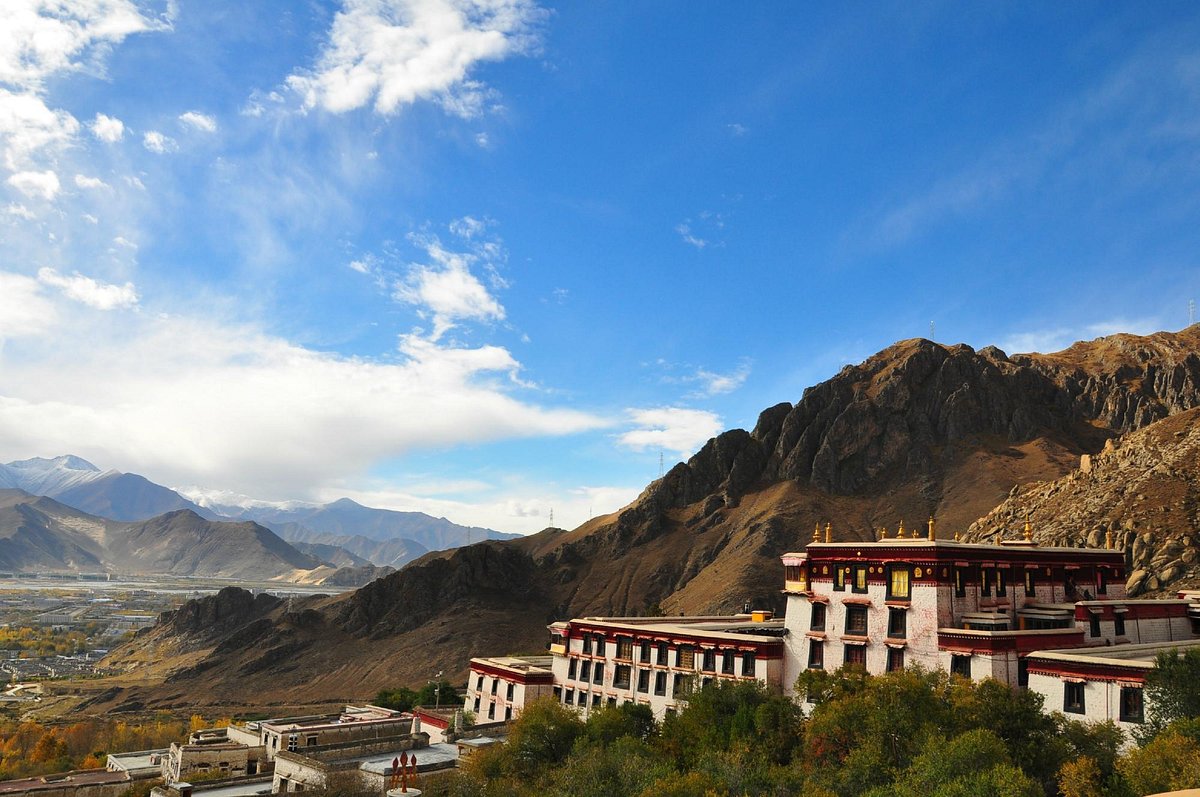
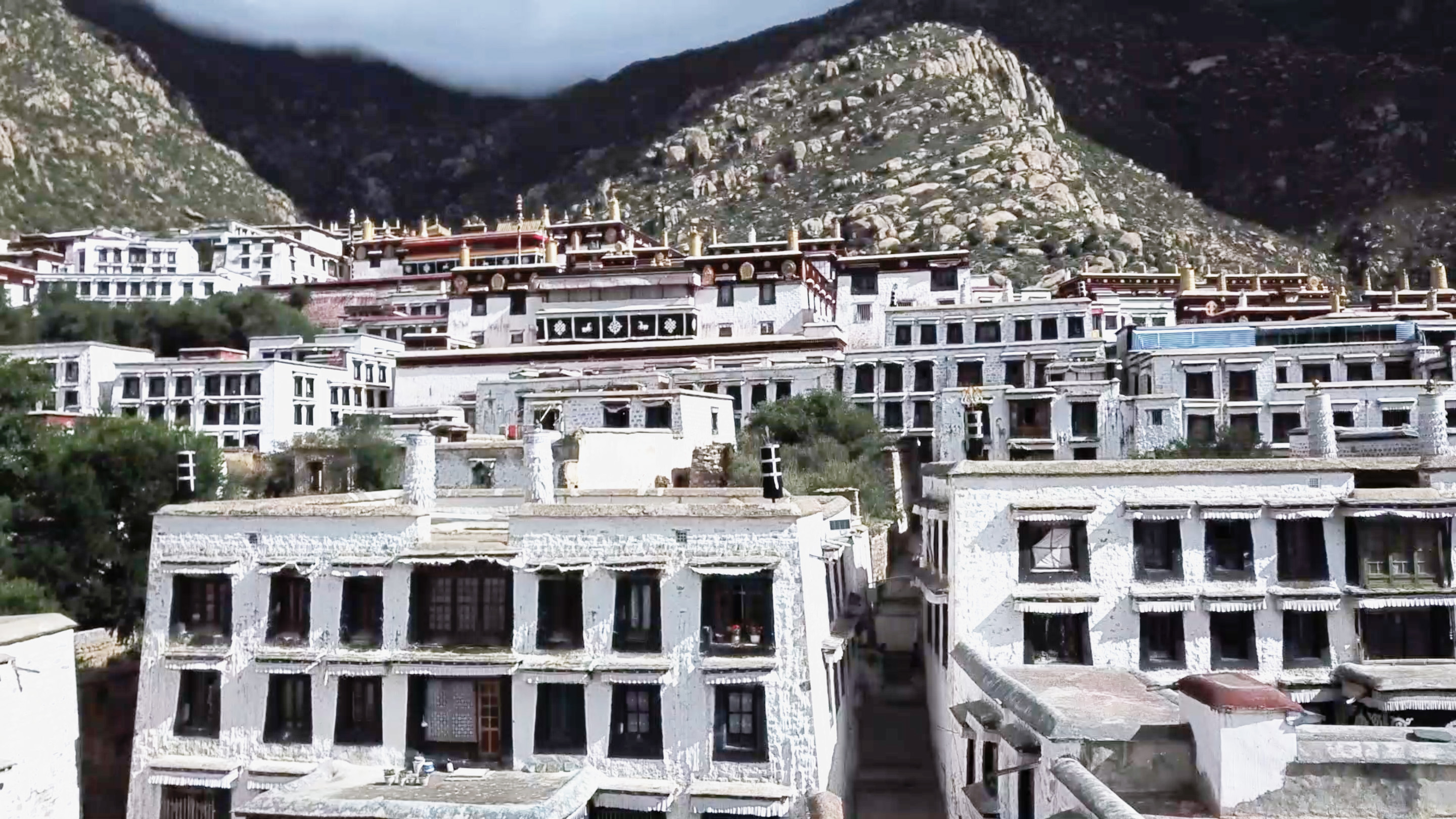
- Standing inside the main assembly hall of Drepung, founded in 1416 and once home to ten thousand monks, where chanting still fills the space on most mornings
- Moving through the White and Red Palaces of the Potala, 130 metres above the city, taking in the chapels, shrines, and tombs accumulated across successive Dalai Lama residencies
- Joining the steady flow of pilgrims on the kora circuit around Barkhor Street, one of the few places where the devotional life of old Lhasa remains visibly intact
- Observing the making of thangka paintings at the Tangka Academy, where the discipline of line, proportion, and iconographic detail governs every stage of production
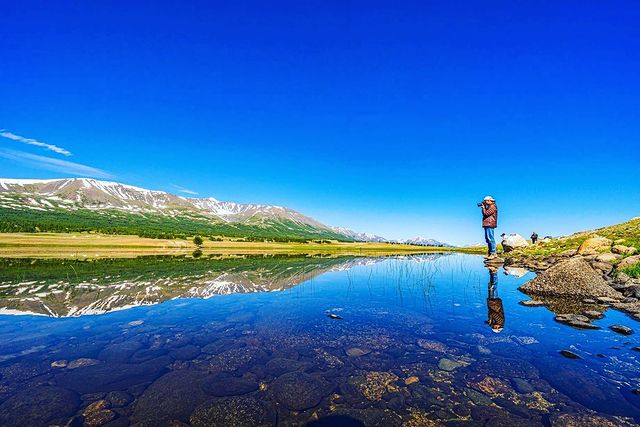
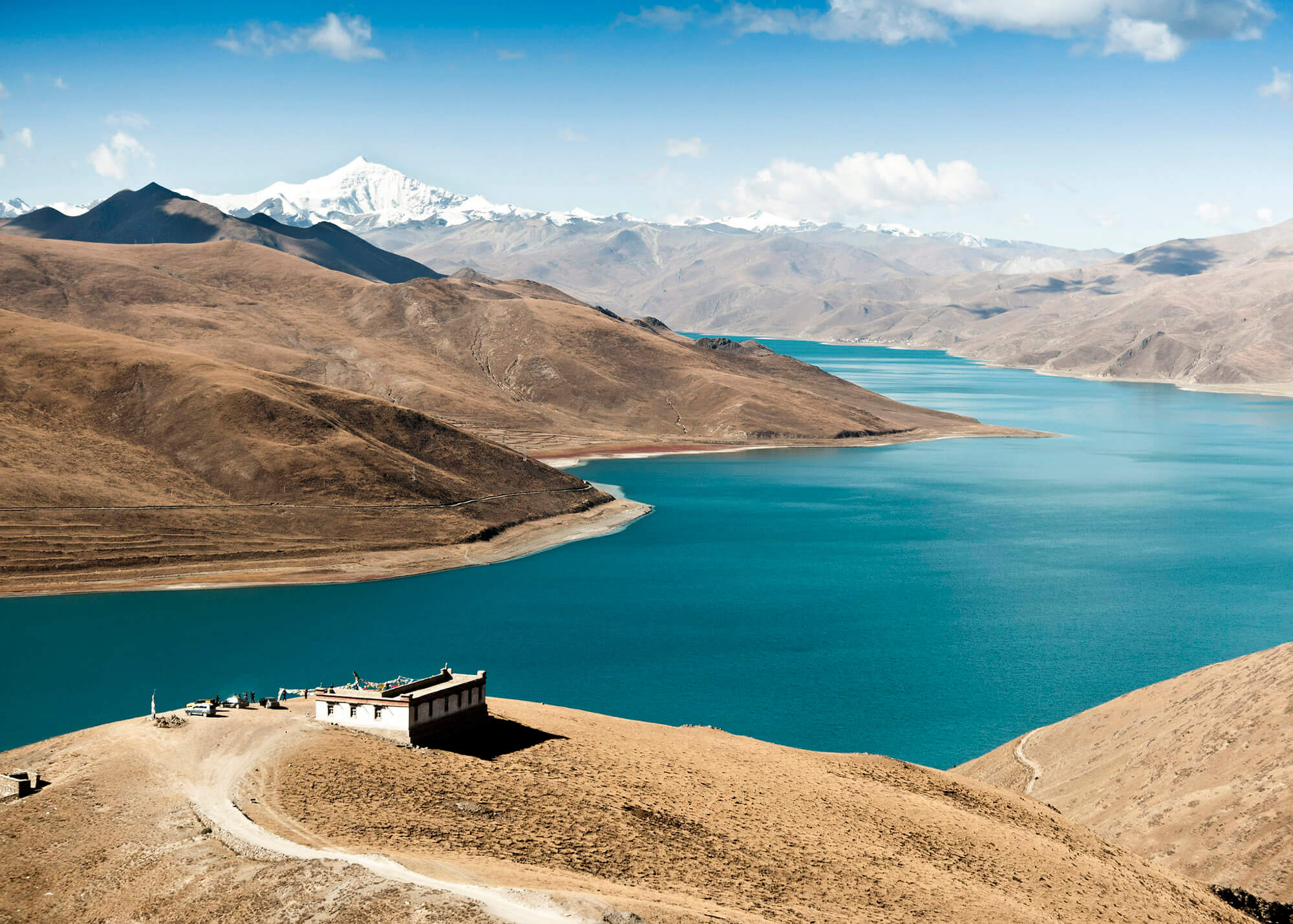
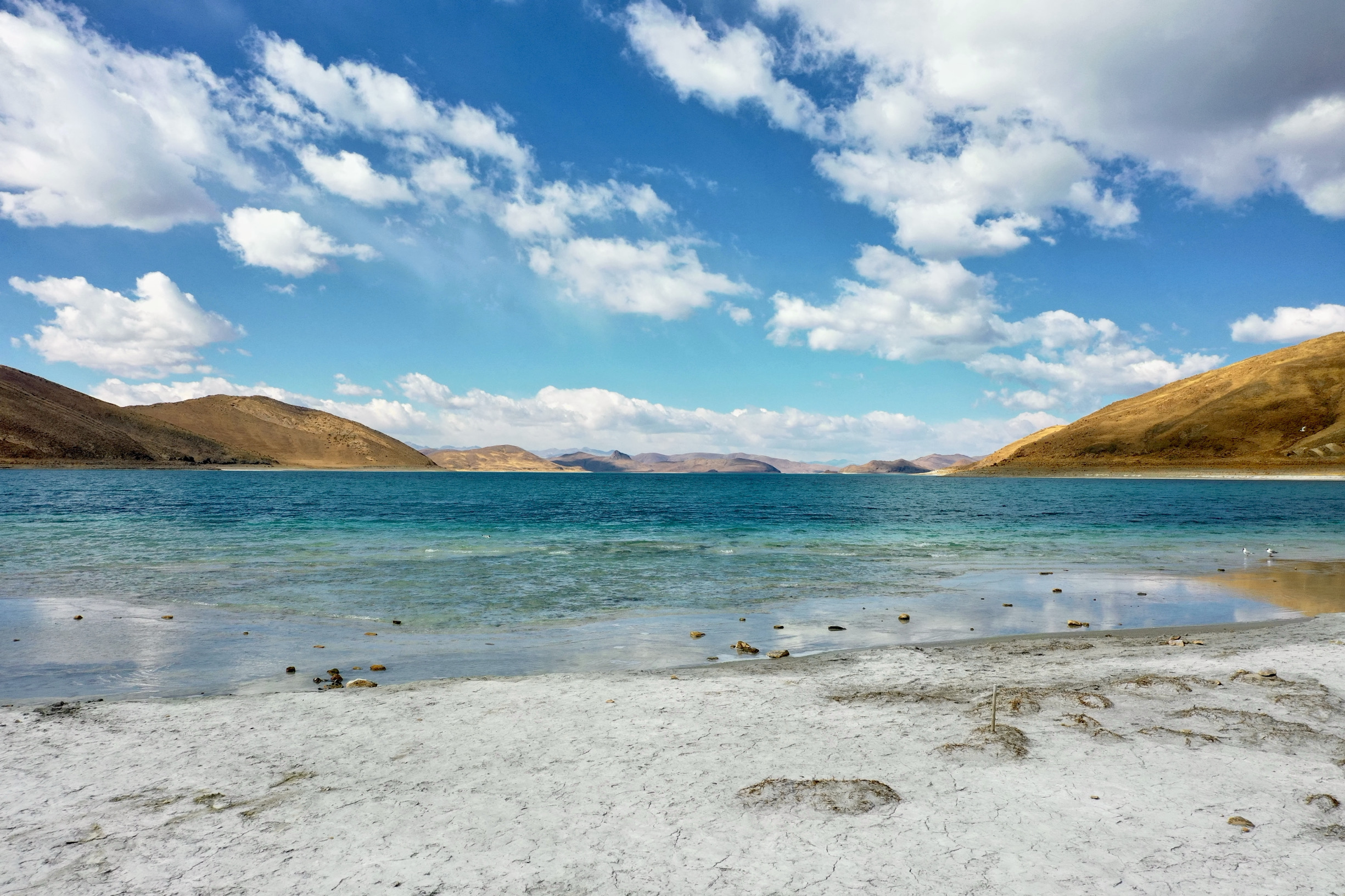
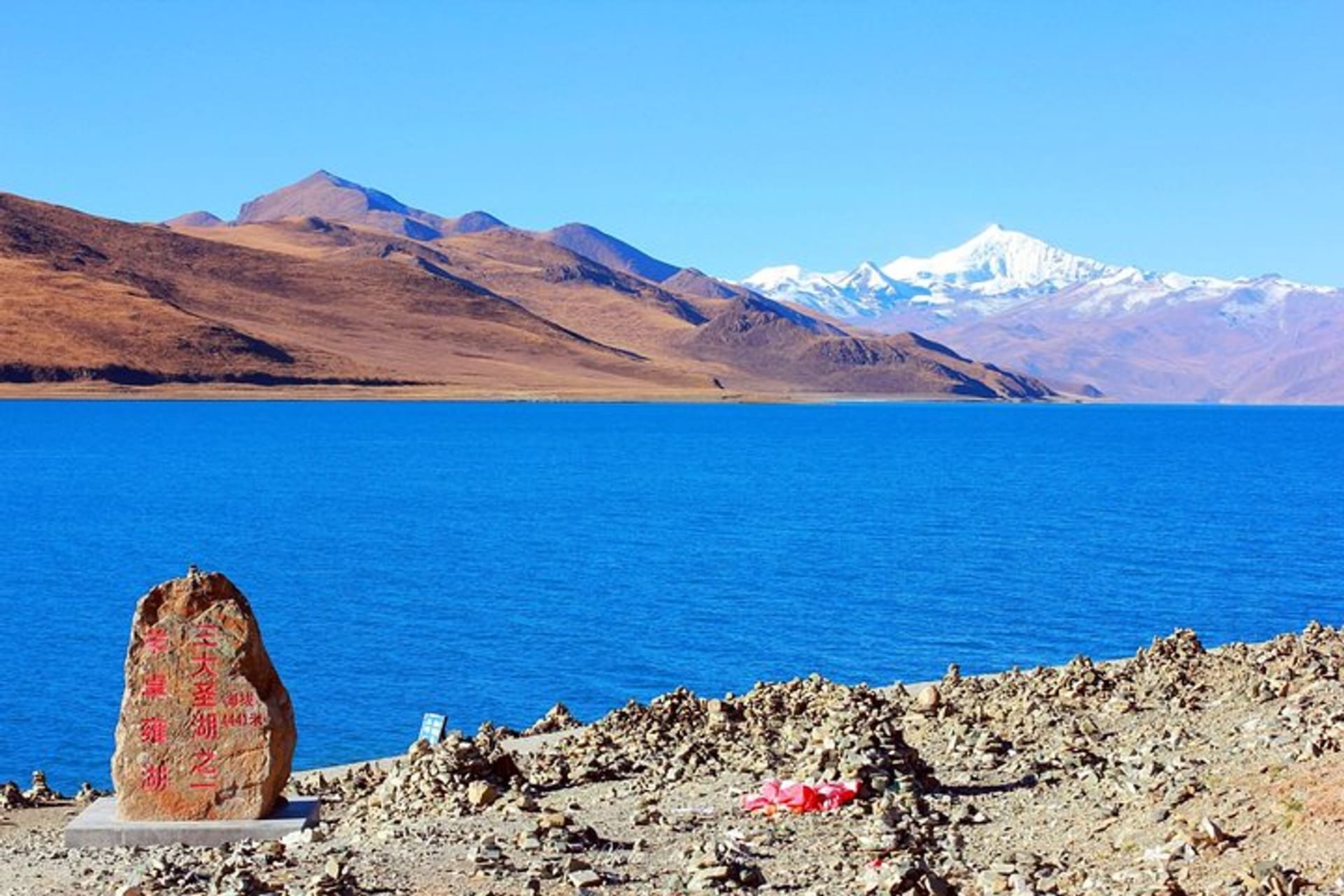
- Arriving at the shore of Namtso at 4,718 metres, where the crystal-blue water reflects a ring of snow peaks and the surrounding grasslands stretch without interruption in every direction
What is included in this tour?
Items that are included in the cost of tour price.- 4 nights' hotel accommodation based on twin share
- * English speaking guide service
- Private transfers as specified
- Sightseeing tours with entrance fee as specified
- 4 breakfasts (no lunch or dinner is included)
- Tibet permit
What is not included in this tour?
Items that are not included in the cost of tour price.- International airfare
- China visa
Day by day Itinerary
Day 1
Arrival in LhasaYour guide meets you on arrival, whether at Lhasa's Gonggar Airport in the valley of the Yarlung Tsangpo, roughly 100 kilometres from the city, or at the train station on the city's outskirts. The transfer into Lhasa follows the Lhasa River, and the road offers open views across the highland valley and occasional glimpses of rural settlements that sit low against the surrounding hills. The city sits at 3,670 metres. The ascent, however you have arrived, is sudden. The day is set aside entirely for rest and acclimatisation, with no structured activity planned. Drinking water steadily and limiting physical exertion are the practical priorities. The altitude will define the pace of everything that follows.
Day 2
Drepung Monastery, Nechung Oracle Temple, and Sera MonasteryBoth of today's principal sites occupy the lower hillslopes north of the city and together represent two of Tibet's great monastic universities. Drepung was established in 1416 by a disciple of Tsongkhapa and grew over the centuries into one of the largest monastic institutions in the world, with a resident population that once reached ten thousand monks. The main assembly hall carries the accumulated weight of that history in a way that is difficult to prepare for. Adjacent to Drepung is the Nechung Temple, seat of the State Oracle whose pronouncements shaped the decisions of successive Dalai Lamas across centuries of Tibetan governance. The afternoon is given to Sera, where monks gather in a walled courtyard to conduct philosophical debate in a form that is both rigorous and physically animated. Debating sessions take place most afternoons, though not on Sundays.
Day 3
Potala Palace, Jokhang Temple, Barkhor Street, and Tangka AcademyThe Potala Palace dominates the city from a rocky outcrop 130 metres above the valley floor. It served as the seat of Tibetan government and as the winter residence of the Dalai Lamas, and its interior divides between the White Palace, which housed the administrative and residential functions of that role, and the Red Palace, which contains the chapels, shrines, and golden funerary chortens of successive Dalai Lama incarnations. Visits proceed with a guide at all times, and entry times are allocated at the point of booking, which may require the day's order to be reversed. The Jokhang, in the heart of the old city, is Tibet's most sacred temple and a UNESCO World Heritage Site. It draws a continuous stream of pilgrims and contains, at its centre, a gilded image of the Buddha understood to date from the time of the temple's founding. According to tradition, the site was chosen after earlier construction attempts in the surrounding area failed, and the temple itself was built over a lake. The Barkhor is the circumambulation route that rings the Jokhang, and walking it places you alongside pilgrims who may have travelled considerable distances to complete the circuit. The day closes with a visit to a Tangka Academy, where the formal production of sacred Buddhist scroll paintings can be observed in detail.
Day 4
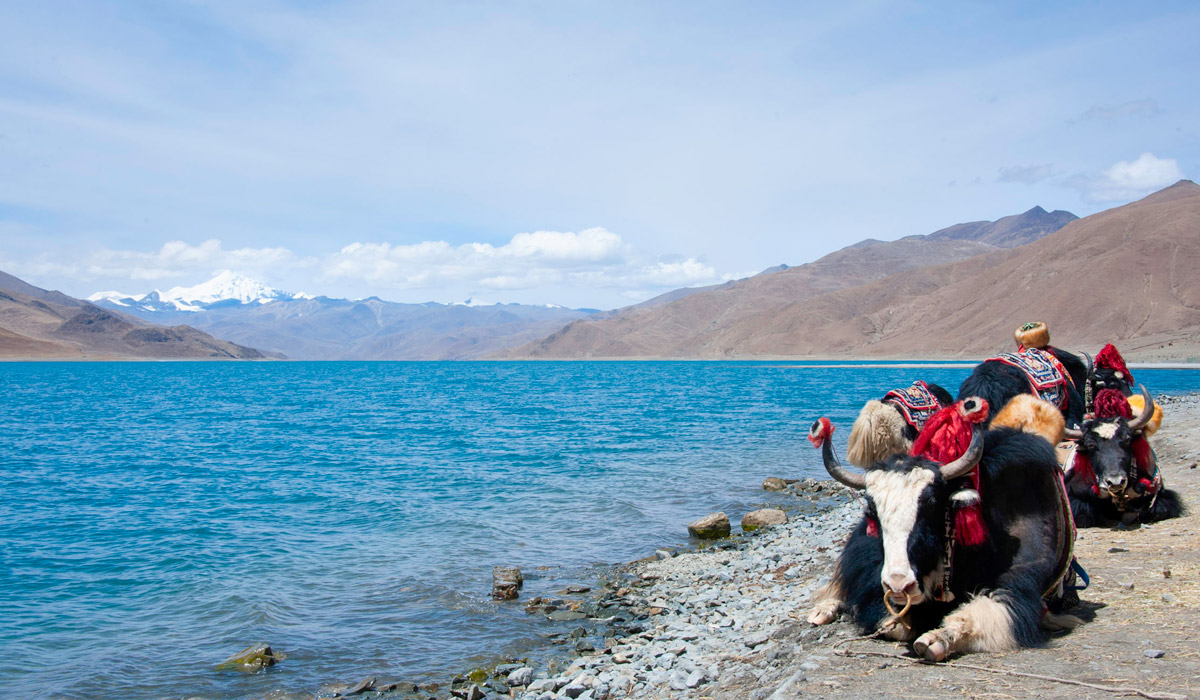
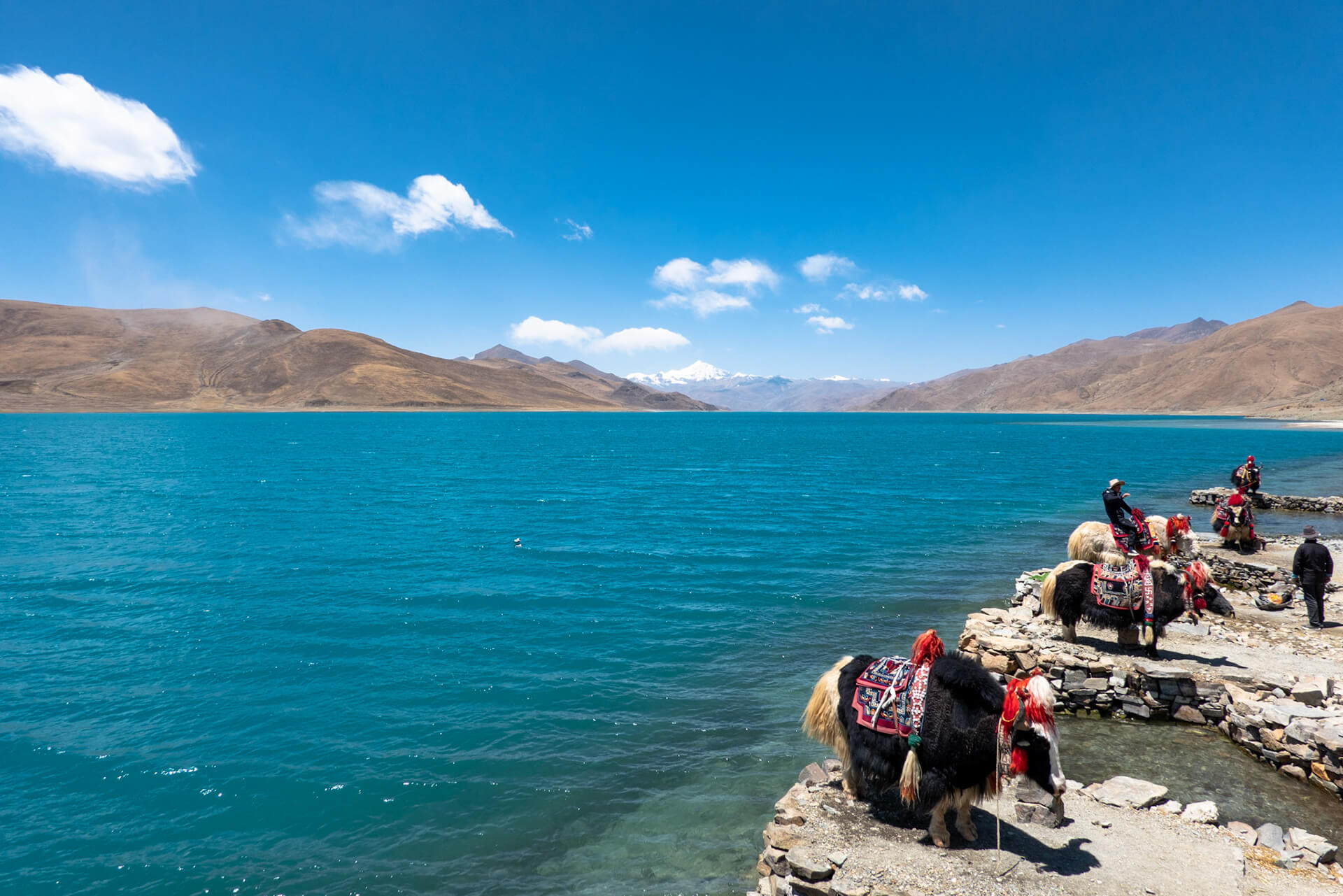
Day Journey to Namtso LakeThe drive to Namtso crosses the Nyenchen Tanglha mountain range and requires a full day's commitment in both directions. The lake sits at 4,718 metres, making it the highest saltwater lake in the world and the second largest lake in China by surface area. The approach delivers a series of significant landscape changes as the road climbs through the mountains before the lake appears below, rimmed by snow peaks and reflecting a depth of blue that is particular to this altitude and clarity of light. The grasslands surrounding the shore carry yaks, sheep, and nomadic herders whose seasonal movements across this terrain follow patterns unchanged over generations. Namtso holds religious significance as a pilgrimage site, and its scale and remoteness make the day one that rewards patience and time spent simply looking.
Day 5
Departure from LhasaA transfer to the airport is arranged for your onward flight. The itinerary concludes here.

Thank you
Your enquiry has been submitted and you will be contected by our sales staff shortly