
Summary
This thirteen-day private journey moves through Sri Lanka by water. Beginning in the hill country above Belihuloya, the route progresses through white-water reaches near Kitulgala, then follows the Mahaweli River downstream past the borders of Wasgamuwa National Park. The Cultural Triangle anchors the middle section, where Polonnaruwa, Sigiriya, and Tirappane offer a measured shift toward archaeology and village life. The journey concludes on the Kalpitiya peninsula, where the northwest coast meets a quieter, less-travelled shoreline. A private guide and logistical team accompany each stage. The itinerary suits those who prefer active engagement with landscape over passive observation, and who travel with enough time to let each environment register on its own terms.
Highlights
- A four-hour downstream paddle on the Mahaweli River, Sri Lanka's longest waterway, with riverbank sightings of mugger crocodiles and wild elephants within Wasgamuwa National Park
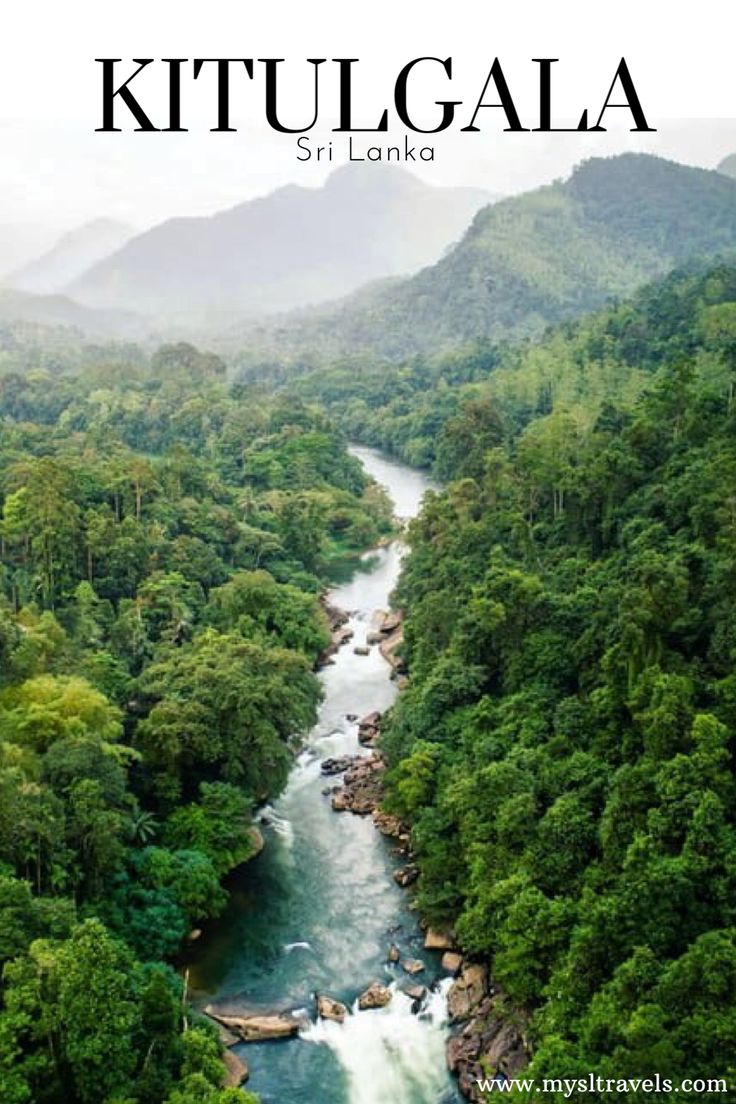
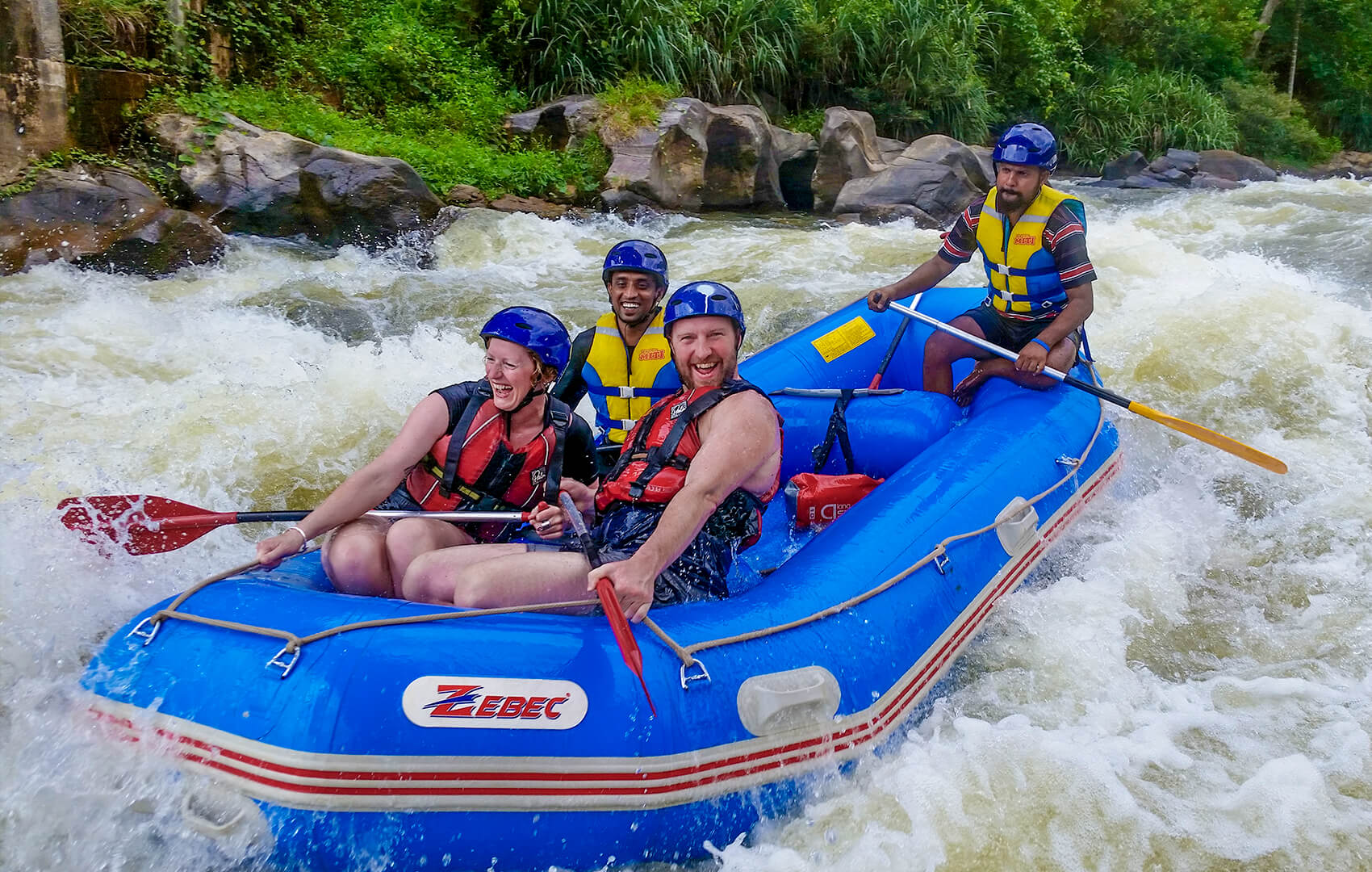
- A morning of guided white-water instruction at Kitulgala, where the Kelani River provides a technically varied stretch suitable for first-time and returning paddlers alike
- A cycling passage through the medieval ruins of Polonnaruwa, followed by a late-afternoon 4x4 entry into Minneriya National Park during the period when elephant gatherings concentrate around the reservoir
- The ascent of Sigiriya, a fifth-century rock citadel rising 200 metres from the surrounding plain, approached at a measured pace that allows time with the frescoes and water gardens at its base
- A jungle kayaking session on the waterways around Tirappane, where the tree canopy closes overhead and the river narrows to a pace that rewards patience
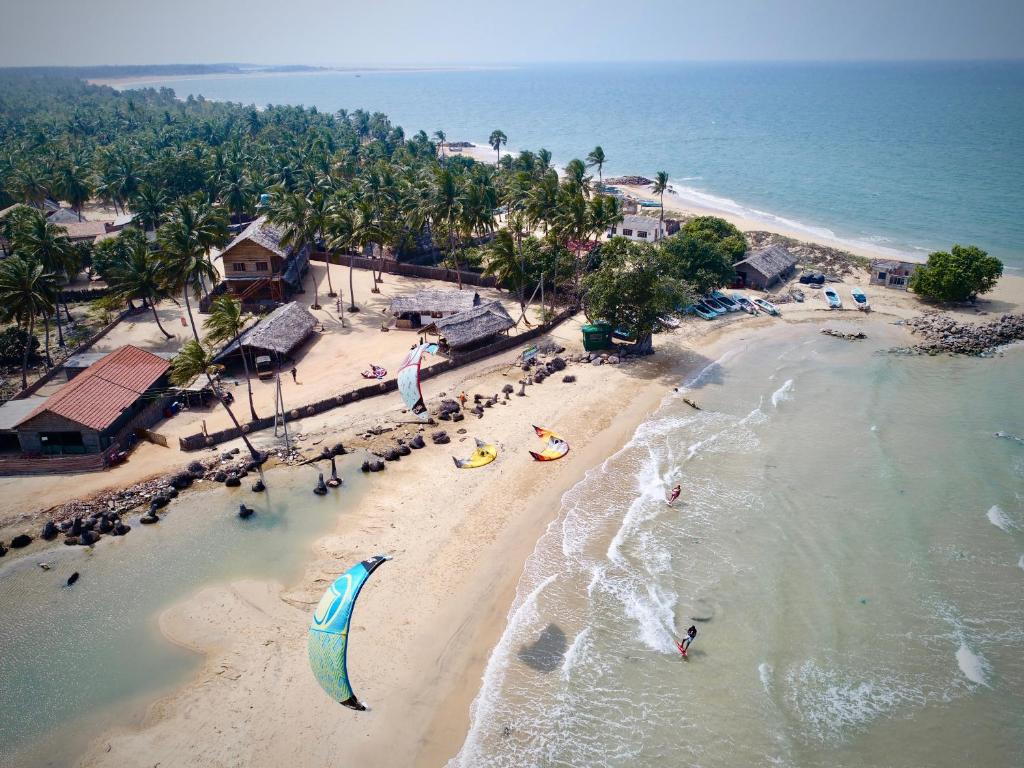
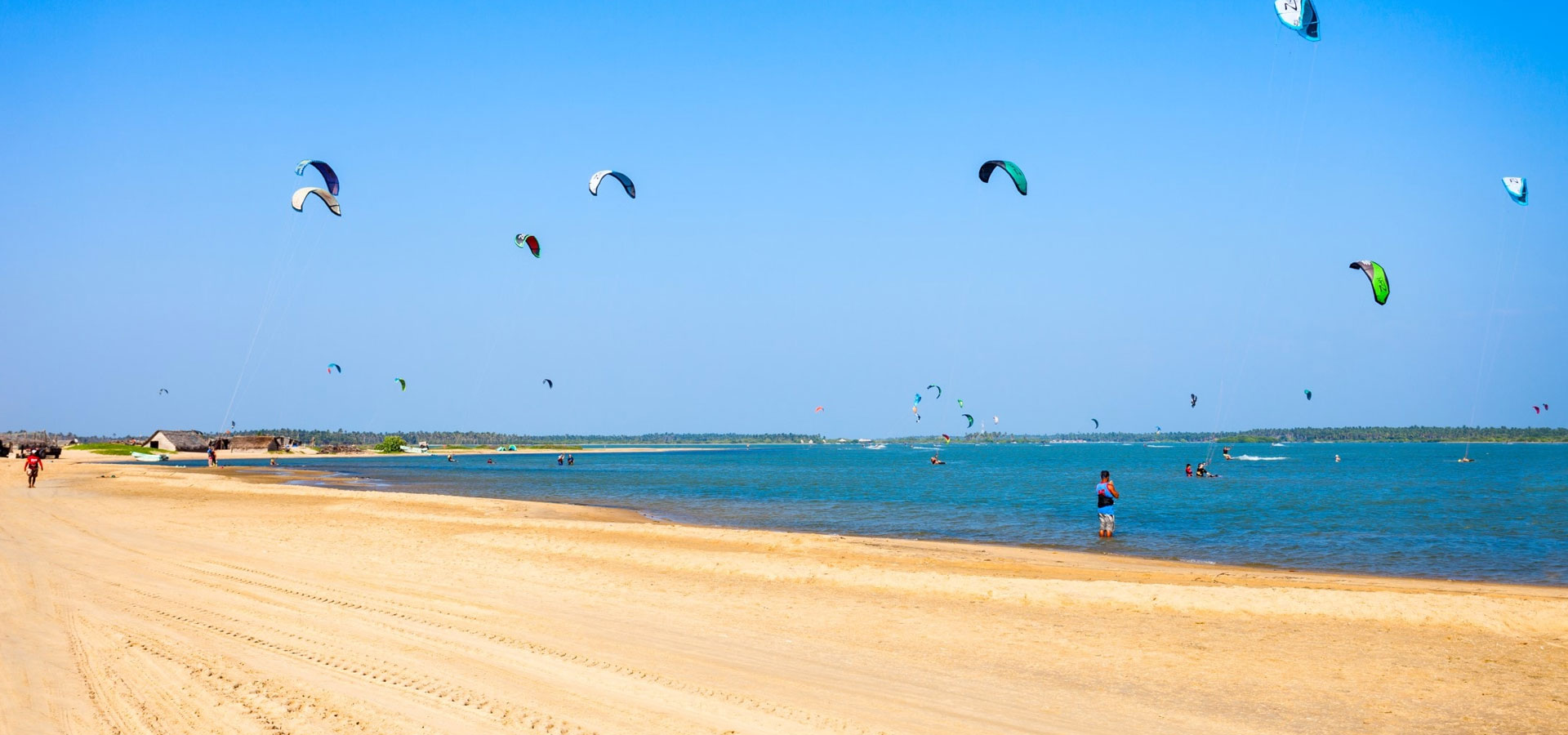
- A morning on the water near Kalpitiya, a low-key peninsula where spinner dolphins move through the Puttalam Lagoon and the fishing villages remain largely outside organised tourism circuits
What is included in this tour?
Items that are included in the cost of tour price.- DBL/TRPL/QDPL sharing hotel accommodation with meals on BB basis (Breakfast only).
- Transport in an AC vehicle with an English speaking chauffeur
- Entrance & site guide fees at all places of sightseeing.
- Train ride from Kandy to Ella (1st or 2nd class – Reserved seats)
- 2 Bottles of water per person per day
- Tips for driver
What is not included in this tour?
Items that are not included in the cost of tour price.- Lunch & Dinner or any other meals not included in the program
- Early check in and late check out (Standard check in time is 14:00 and check out time is 12:00)
- Insurance
- Visa fee
- Personal Expenses such as laundry, liquor, drinks etc.
- Compulsory Christmas Eve Dinner on 24th December and New Year Eve Dinner on 31st December
Day by day Itinerary
Day 1
Arrival and transfer to BelihuloyaA private representative meets arriving guests at Bandaranaike International Airport and transfers them directly to Kinchigune Adventure Camp in Belihuloya, a small settlement set within the hill country of Sabaragamuwa Province. The drive takes approximately four hours and passes through progressively quieter terrain as it ascends from the coastal plain. Camp is set beside the Belihul Oya river. The first evening is unscheduled, allowing guests to adjust to the pace and temperature of the hills before the programme begins the following morning.
Day 2
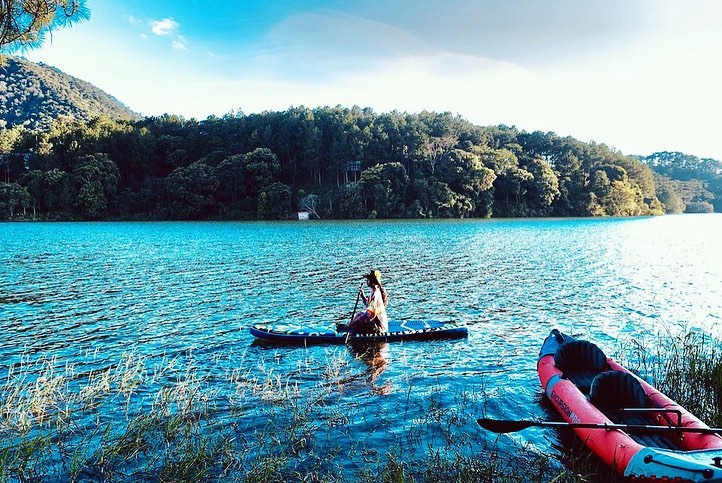
BelihuloyaThe day opens with a walk through Kinchigune village, a compact agricultural settlement where daily routines are conducted at close quarters with the surrounding forest. A picnic lunch is taken at a site chosen for its position above the river. In the afternoon, guests take to the water on the Samanalawewa reservoir, a wide and largely still body of water created by a hydroelectric dam and surrounded by forested ridgelines. The kayaking here is unhurried and suited to those new to the activity. Dinner is prepared at camp over an open fire.
Day 3
Belihuloya to KitulgalaThe route descends from the hills toward Kitulgala, a small town on the Kelani River that has been a centre for river-based activities for several decades. On arrival at Kitulgala Adventure Camp, guests receive a structured briefing covering paddle technique, river reading, and safety procedures specific to moving water. The afternoon includes a first white-water session on the Kelani, which offers a sequence of named rapids ranging from Class II to Class III depending on seasonal water levels. The instruction is delivered by guides with verified river experience.
Day 4
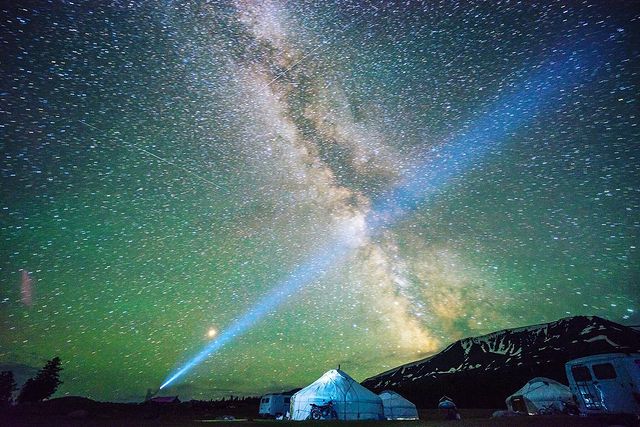
Kitulgala to the Mahaweli RiverGuests transfer to the put-in point for the Mahaweli River expedition, which begins in earnest here. The Mahaweli is Sri Lanka's longest river and runs through a series of protected areas and agricultural zones before reaching the dry lowlands of the north-central province. The first day's paddle covers four hours of downstream progress through dense riparian forest. Camp is established on a gravel bank within the boundary of Wasgamuwa National Park. Dinner is cooked over a campfire. The absence of artificial light in this section of the park makes for a clear night sky.
Day 5
Mahaweli RiverThe second full day on the Mahaweli follows the same rhythm as the first. Wildlife is most active in the early hours, and paddlers who maintain quiet on the water increase the probability of close encounters with elephants and estuarine crocodiles, both of which are resident in this corridor. The river pace here is gentle and the banks alternate between dense vegetation and open grassland. A second night at the riverside campsite closes the day.
Day 6
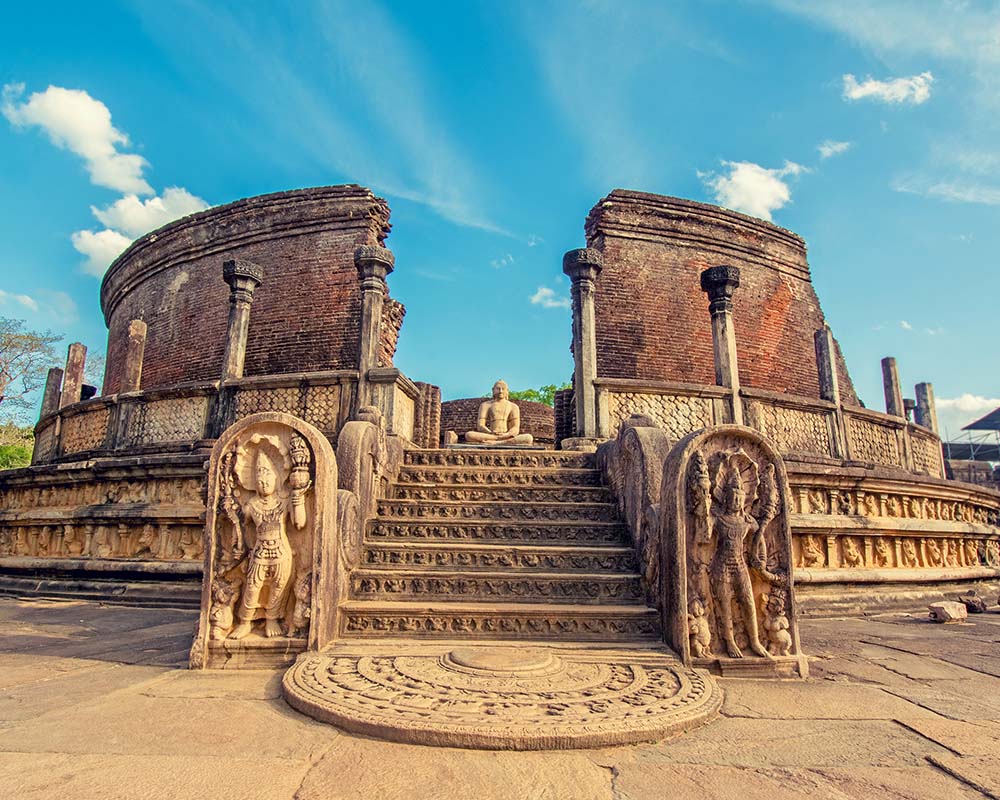
Mahaweli River to PolonnaruwaAn early-morning paddle precedes the transfer to Polonnaruwa, the medieval capital of Sri Lanka and a UNESCO World Heritage Site since 1982. The city reached its political and architectural peak between the eleventh and thirteenth centuries. The hotel in Polonnaruwa provides the first indoor night of the journey. The afternoon is left open for rest.
Day 7
PolonnaruwaA guided cycling tour moves through the ruins at a pace that allows proper engagement with the principal structures, among them the Gal Vihara rock temple, the Vatadage circular relic house, and the remains of the royal palace complex. Cycling is the most effective means of covering the site without fatigue. In the late afternoon, guests transfer to Minneriya National Park by 4x4. The Minneriya reservoir draws large numbers of wild elephants during the dry season, when grasses on the exposed lake bed provide reliable grazing.
Day 8
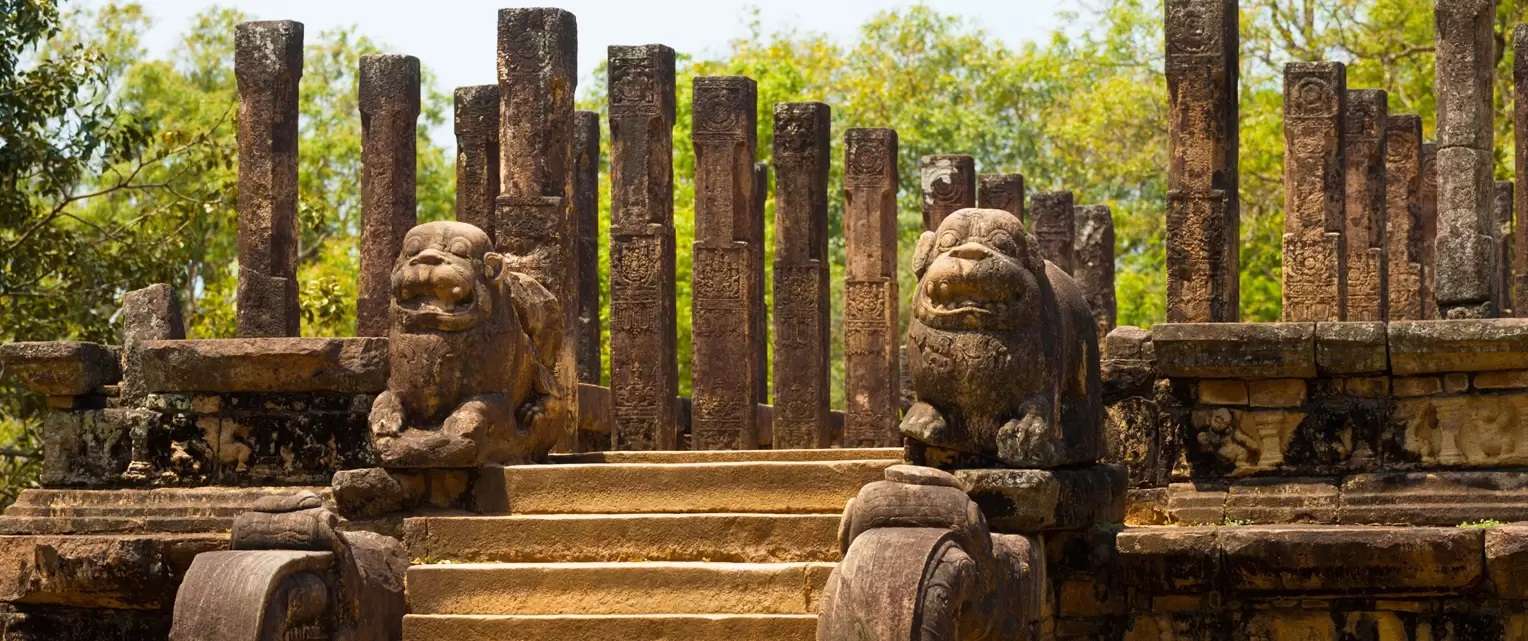
Polonnaruwa to Tirappane via SigiriyaThe route north passes through Sigiriya, where a pre-noon visit allows time on the rock before the midday heat becomes a factor. The site encompasses a fortified summit, a series of painted frescoes set into a shaded gallery on the rock face, and a formally planned water garden at ground level. Each element warrants independent attention. After Sigiriya, the drive continues to Tirappane, a quieter base in the northern reaches of the Cultural Triangle.
Day 9
TirappaneA morning kayaking session moves through jungle waterways close to the lodge. The character of this paddling differs markedly from the open river days on the Mahaweli. The channels are narrower, the canopy lower, and the pace more contemplative. In the late morning, a tuk-tuk ride carries guests into a nearby village, where interactions are informal and unhurried. The afternoon is unstructured.
Day 10
TirappaneThe morning begins with a walk through the lodge's working organic garden, where the cultivation methods and planting logic are explained in practical terms. A cookery session follows, structured around a small number of Sri Lankan dishes drawn from the north-central tradition, using ingredients sourced that morning. A final afternoon kayaking session closes the Tirappane stay.
Day 11
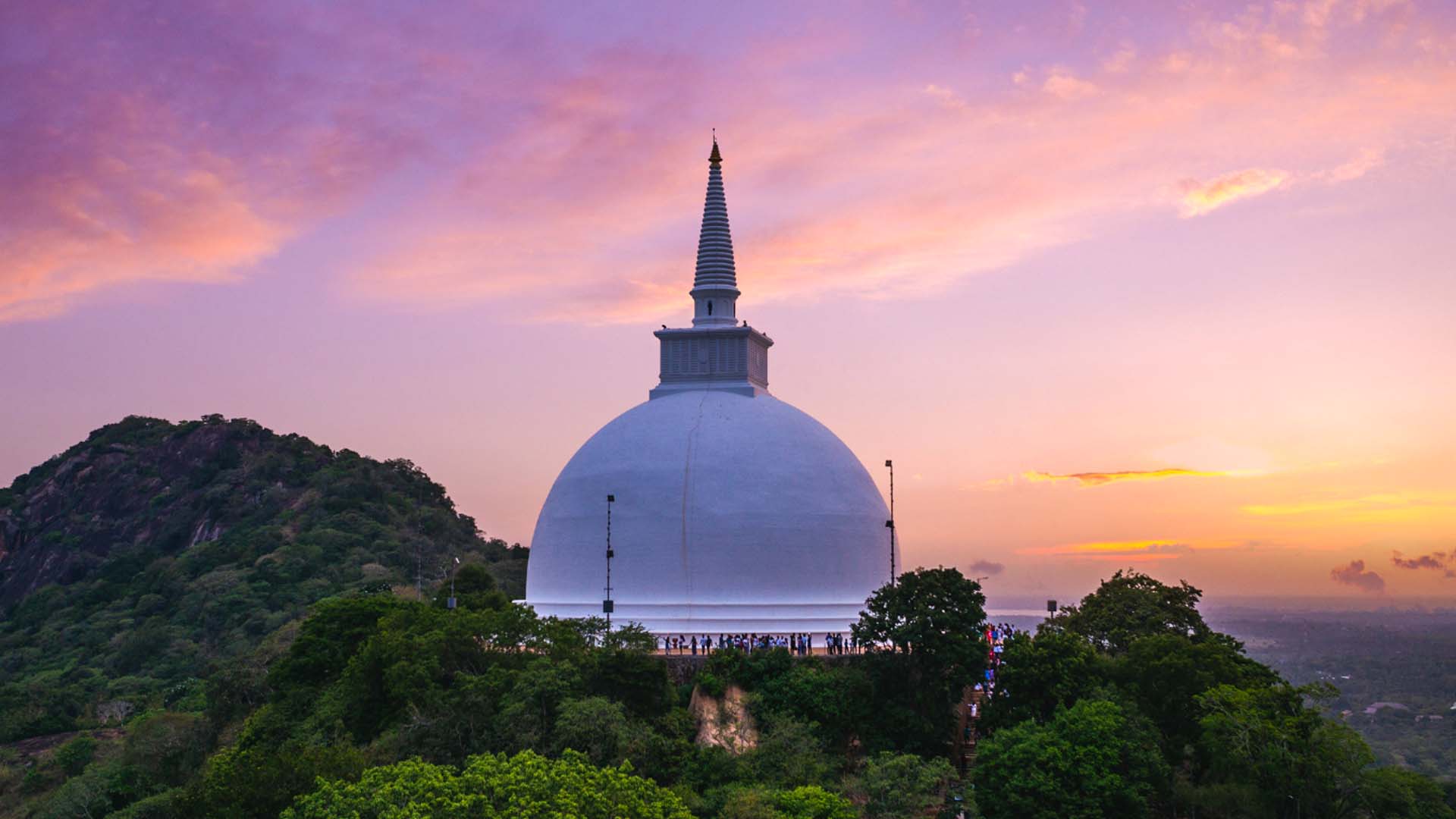
Tirappane to Kalpitiya via AnuradhapuraThe drive to Kalpitiya passes through Anuradhapura, the earliest of Sri Lanka's ancient capitals and a site of continuous religious significance for more than two thousand years. The visit is timed to allow a measured circuit of the key dagobas and the sacred Bodhi tree without rushing. The onward drive reaches Kalpitiya by late afternoon. The peninsula sits between the Indian Ocean and the Puttalam Lagoon and supports a small, unhurried tourism infrastructure.
Day 12
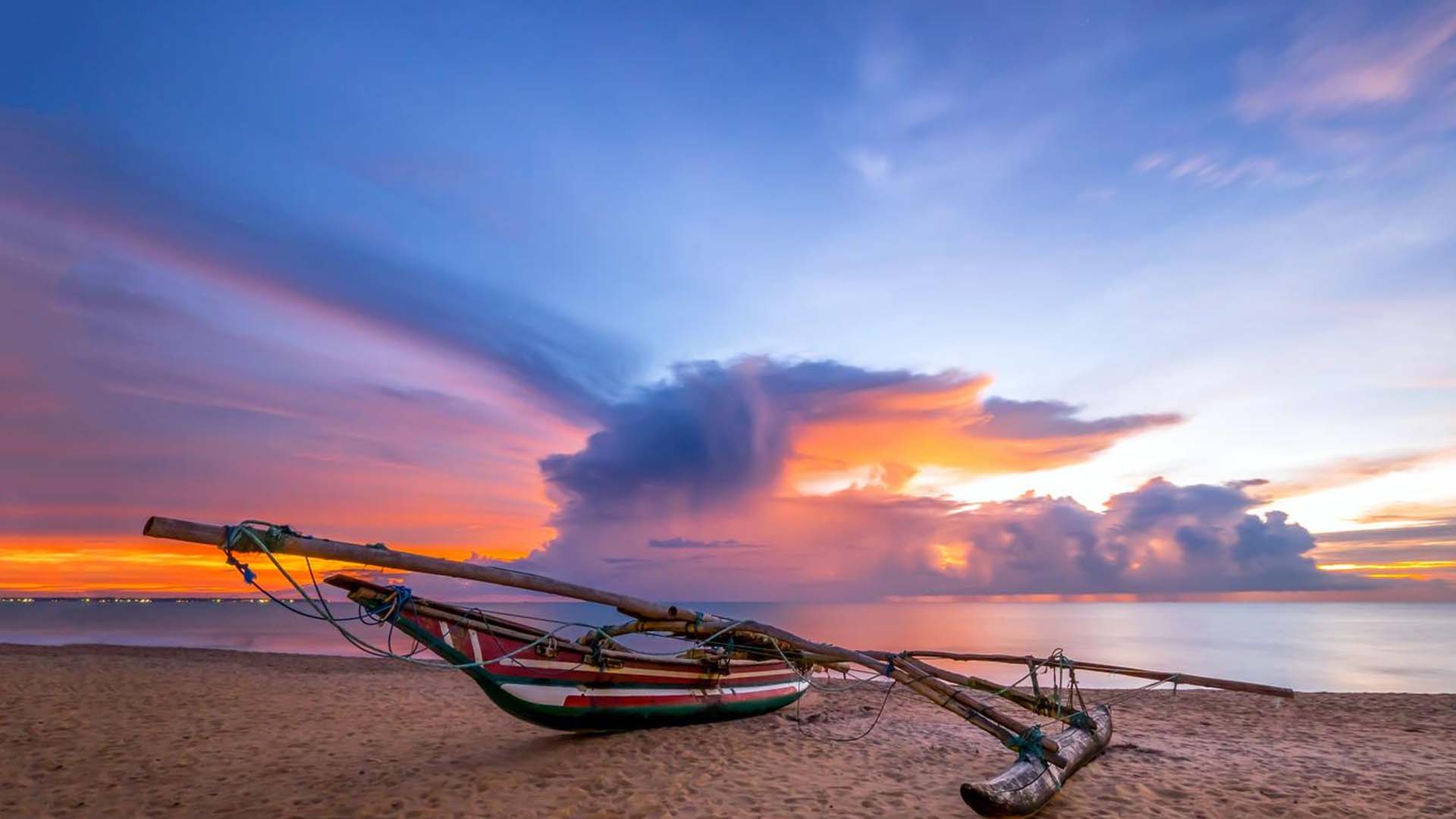
KalpitiyaThe day is largely unstructured. Guests may choose to paddle the lagoon edge by kayak, join a boat departure in search of spinner dolphins in the strait between the peninsula and Karativu Island, or spend time in one of the adjacent fishing settlements. The pace of life on the peninsula is slow and the landscape is flat and open. This final full day of the journey is best approached without a fixed agenda.
Day 13
Kalpitiya to Bandaranaike International AirportA morning at leisure precedes the transfer north to Bandaranaike International Airport. The drive from Kalpitiya takes approximately two and a half hours under normal conditions. Departure logistics are managed by the same private team that handled the arrival transfer.