
Why South Korea Is Asia's Hidden Soft Adventure Destination
- What Korea Does Better Than Most Regional Alternatives
- Why This Trip Style Fits Korea So Naturally
- Regional Proof Points, Not Generic Claims
- Seasonal Reality and the Caveat Most Plans Miss
- Practical Planning Insight: Build by Energy Arc
- Who South Korea Soft Adventure Suits Best
- Download the South Korea Soft Adventure Guide
- FAQ
- Plan With Adventure Asia
What Korea Does Better Than Most Regional Alternatives
Many destinations force a compromise. You either get beautiful active terrain with tiring transfer days, or excellent city infrastructure with outdoor experiences that feel bolted on. Korea is one of the few places where both systems are mature. KTX, domestic flights, strong roads, and dense urban transit make it possible to move across the country without losing full days to friction.
That transport quality matters more than travelers assume. A route with fewer fragile transitions is a route with better energy by day seven. That is where premium quality is actually felt.
Why This Trip Style Fits Korea So Naturally
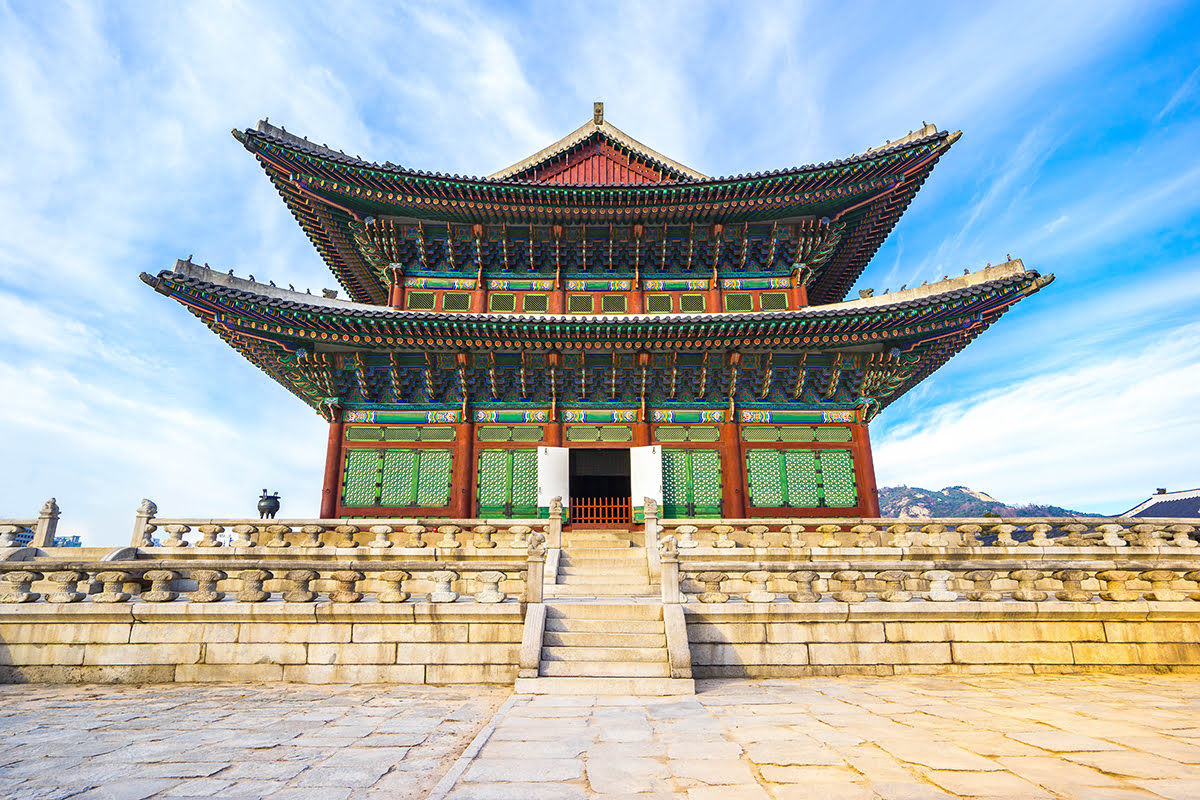
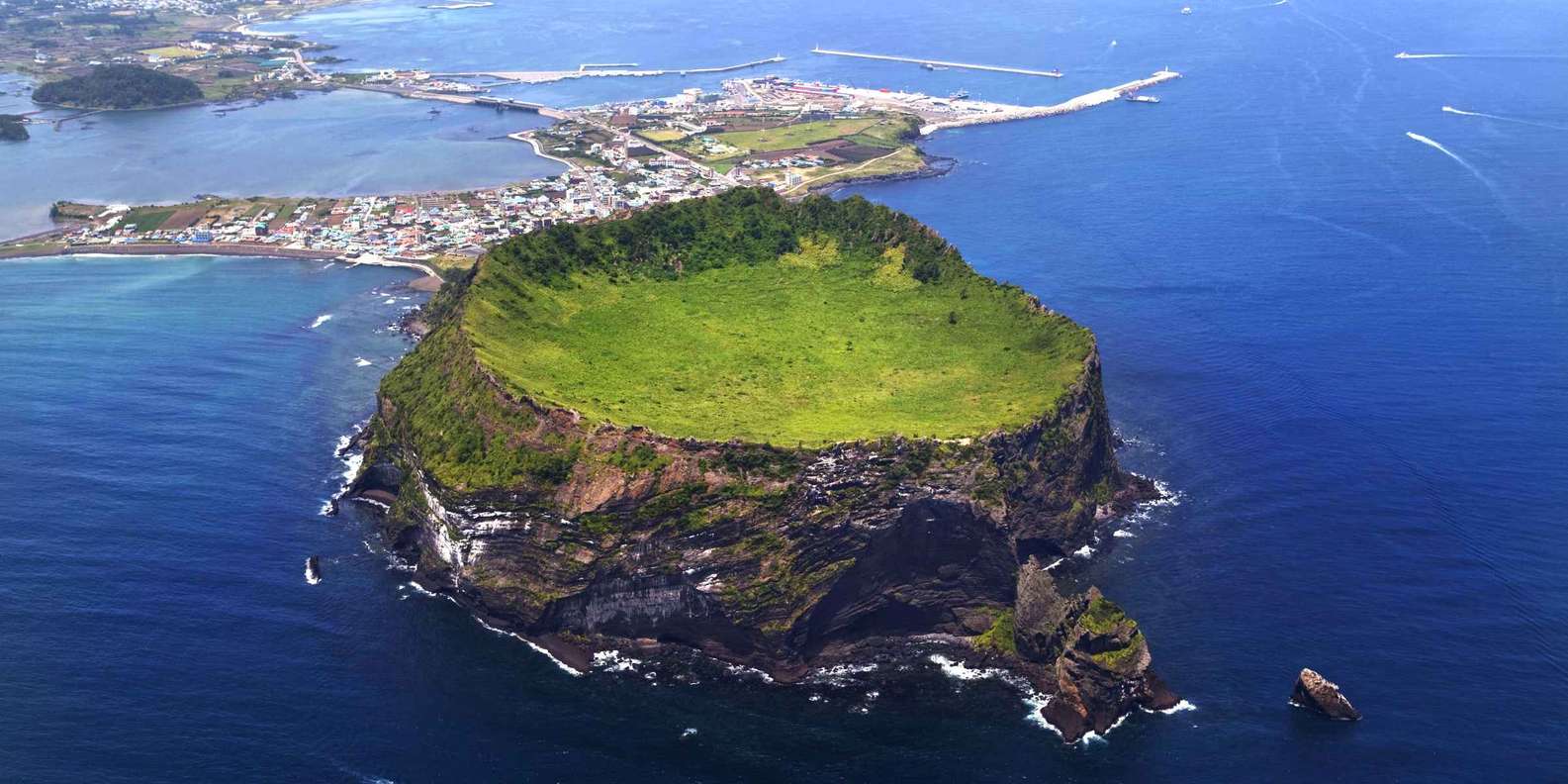
Korea rewards travelers who like moderate effort and layered days: a 10-15 km walk, a cultural district in the afternoon, and a meal that still feels local rather than staged. Seoul supports urban hiking on Namsan and Inwangsan plus Han River cycling. Jeju adds Hallasan options and Olle coastal sections. Sokcho and Seoraksan bring mountain texture with strong food culture. Gyeongju and Busan close the loop with heritage and coastline.
What travelers usually notice is rhythm. The country lets you change setting without resetting your entire plan.
Regional Proof Points, Not Generic Claims
- Seoul: river ride + palace district in one low-friction day.
- Jeju: volcanic trails and coastal recovery days in the same base.
- Sokcho / Seoraksan: mountain mornings, market dinners, minimal logistical drag.
- Gyeongju: UNESCO-heavy walking with short transfer legs.
- Busan: coastal circuits (Haeundae to Dongbaek) plus easy onward rail connectivity.
These are not isolated highlights. They are compatible blocks that can be sequenced into a coherent 10-day route.
Seasonal Reality and the Caveat Most Plans Miss
Spring (March-May) and autumn (September-November) are the most forgiving windows for mixed mountain-coast itineraries. Summer is still viable, especially if you bias toward coastlines, but humidity changes effort perception quickly. A route that feels moderate in October can feel one full intensity level higher in July.
Honest caveat: transfer stacking is the first thing to cut when a trip starts feeling overloaded. If a day includes an airport transfer, hotel move, and a long hike, quality drops fast. Keep one major move per day whenever possible.
Practical Planning Insight: Build by Energy Arc
Do not plan Korea by map geometry alone. Plan by energy arc: lighter city adjustment first, higher-output middle, gentler cultural finish. Use rail for long mainland jumps, private transfers only where they buy back meaningful time, and keep one flexible buffer before departure.
When this sequencing is done well, Korea feels quietly luxurious. Not because every property is five-star, but because each day lands at the right level of effort.
Who South Korea Soft Adventure Suits Best
It suits travelers who want active days without expedition culture: couples, curious first-timers to active travel, and experienced Asia travelers who now prioritize flow over attraction volume. If you care about route intelligence as much as scenery, Korea is one of the strongest options in the region.
Download the South Korea Soft Adventure Guide
Get our practical guide with seasonal route combinations, transfer strategy, and pacing templates for 7- to 12-day trips.
FAQ
How fit do I need to be for a Korea soft adventure itinerary?
If you can walk 10 km comfortably and handle moderate hills, you can do most Korea soft-adventure routes by alternating 2 active days with 1 lighter cultural day.
Which season is safest for first-time planners?
Autumn is usually the easiest all-round window for Seoul-Seoraksan-Gyeongju combinations, while spring is strong for Seoul + Jeju with cooler trail conditions.
Do I need Jeju in a 10-day route?
Include Jeju if you want volcanic terrain and coastal trail contrast; skip it if you want fewer flight transitions and a rail-first mainland sequence.
Independent planning or curated route?
Independent travel works in Korea, but curated planning is valuable when you need cleaner transfer sequencing, activity pacing, and better hotel placement near trail access.
Plan With Adventure Asia
We design South Korea routes around pace, transitions, and season trade-offs, not generic attraction lists.
Share your dates and preferred activity level, and we will shape this framework into a practical, booking-ready route.
Author: Adventure Asia Editorial Team
Travel details can shift by season and supplier availability. Confirm key logistics before booking.
- What Korea Does Better Than Most Regional Alternatives
- Why This Trip Style Fits Korea So Naturally
- Regional Proof Points, Not Generic Claims
- Seasonal Reality and the Caveat Most Plans Miss
- Practical Planning Insight: Build by Energy Arc
- Who South Korea Soft Adventure Suits Best
- Download the South Korea Soft Adventure Guide
- FAQ
- Plan With Adventure Asia